
New York · Great Neck service planning
Junk Removal & Disposal in Great Neck, NY
A failed washer, furniture that will not fit the next home and unused exercise equipment can make a move more expensive without making the next home more useful. Sterling Oakbridge can review your junk removal and disposal list in Great Neck, plan the carrying work and agree the collection arrangement. Choose a separate removal visit or a moving-day add-on with the actual items, access and receiving route included in the estimate.
Begin with the exact property. Great Neck includes several villages and unincorporated areas with different collection providers. The three examples below concern illustrative households within the Village of Great Neck. They use real street names without identifying a private address or claiming an actual customer job. A Great Neck mailing address alone does not establish that the Village's sanitation instructions apply.
Make the move smaller for a useful reason
Disposal can prevent a chain of unnecessary payments. An unwanted wardrobe can need preparation, a difficult carry, vehicle space, unloading, storage and another removal later. A broken appliance can sit in the way of its replacement while you wait for someone to take it. The value of removal is the useful result it produces: space available, a smaller inventory or a property cleared on time.
Compare the complete costs before the moving scope is finalized. Add the agreed removal work and any replacement you need, then compare them with the packing, transport, storage and later handling you could avoid. A useful older item can be worth keeping, especially if it is durable, fits the next home or has personal value. An unwanted piece does not become useful merely because the moving crew can carry it.
This choice matters particularly for a long-distance shipment. Bulky and heavy belongings can affect the work and capacity needed for the route. Use the actual inventory and written quote when comparing alternatives; do not assume that removing one item automatically changes an already agreed flat rate. A revised moving scope plus a separate removal estimate is a clearer comparison than paying to take everything and sorting it after delivery.
Give each group an inventory and a receiving plan
Send photographs, approximate dimensions and quantities, condition, the room or storage location, and the route to the vehicle. Include stairs, tight turns, shared doors, elevator restrictions and the date the space must be empty. Identify appliances, electronic devices, batteries and containers with liquids separately. If ownership is shared or the property belongs to an estate, establish who can authorize disposal before the final list is agreed.
- Furniture removal. Sofas, armchairs, dressers, tables and bookcases. Identify each piece, its dimensions, the carrying route and whether a recipient or removal has been agreed.
- Mattress disposal. Used mattresses and box springs after a bed replacement or downsizing. Give the size, quantity and condition; disclose pest concerns and confirm covering instructions and an accepting destination.
- Appliance removal. Refrigerators, freezers, washing machines, dryers and microwaves. Give the model and utility preparation. Refrigerant appliances need a suitable receiving chain; appliance removal does not include utility disconnection or installation unless separately confirmed.
- E-waste and electronics. Televisions, monitors, computers and associated covered equipment. Confirm the exact device and approved electronics route. An appliance and a covered electronic device can follow different disposal programs.
- Gym equipment. Treadmills, exercise bikes, weight benches and loose weights. Identify weight, stairs, dismantling, screens and embedded batteries before choosing the carrying and receiving plan.
- Outdoor items. Worn patio furniture, loose play equipment and unwanted garden equipment. Describe fuel, batteries, anchoring and any dismantling. A fixed shed or play structure needs a separate review of permissions and work.
- Yard waste. Branches, brush, leaves and trimmings remaining after a small clearance. Review material, quantity, bundling and the local green-waste route. Soil, stumps, fuel and equipment are different loads; garden work itself is not included automatically.
- Light construction debris. Small quantities of loose drywall offcuts or other identified remnants from a minor repair. Send photographs, material types and quantity for acceptance review. Confirm the receiving route and charges; demolition, unknown or contaminated materials need a different plan.
- Used packaging and floor protection. Flattened cartons, packing paper, plastic film and clean protective sheeting. Separate materials and identify contamination or attached debris. Agree the staged quantity and separately charged collection.
These are categories to review, rather than permission to mix every material into one load. The collection plan for an empty wooden wardrobe can differ from the plan for a covered electronic device, refrigerant appliance or renovation remainder. Donation also needs a recipient who has accepted the actual item, with a collection date that fits your deadline.
Example 1: a failed washer needs an exit plan on Hayden Avenue
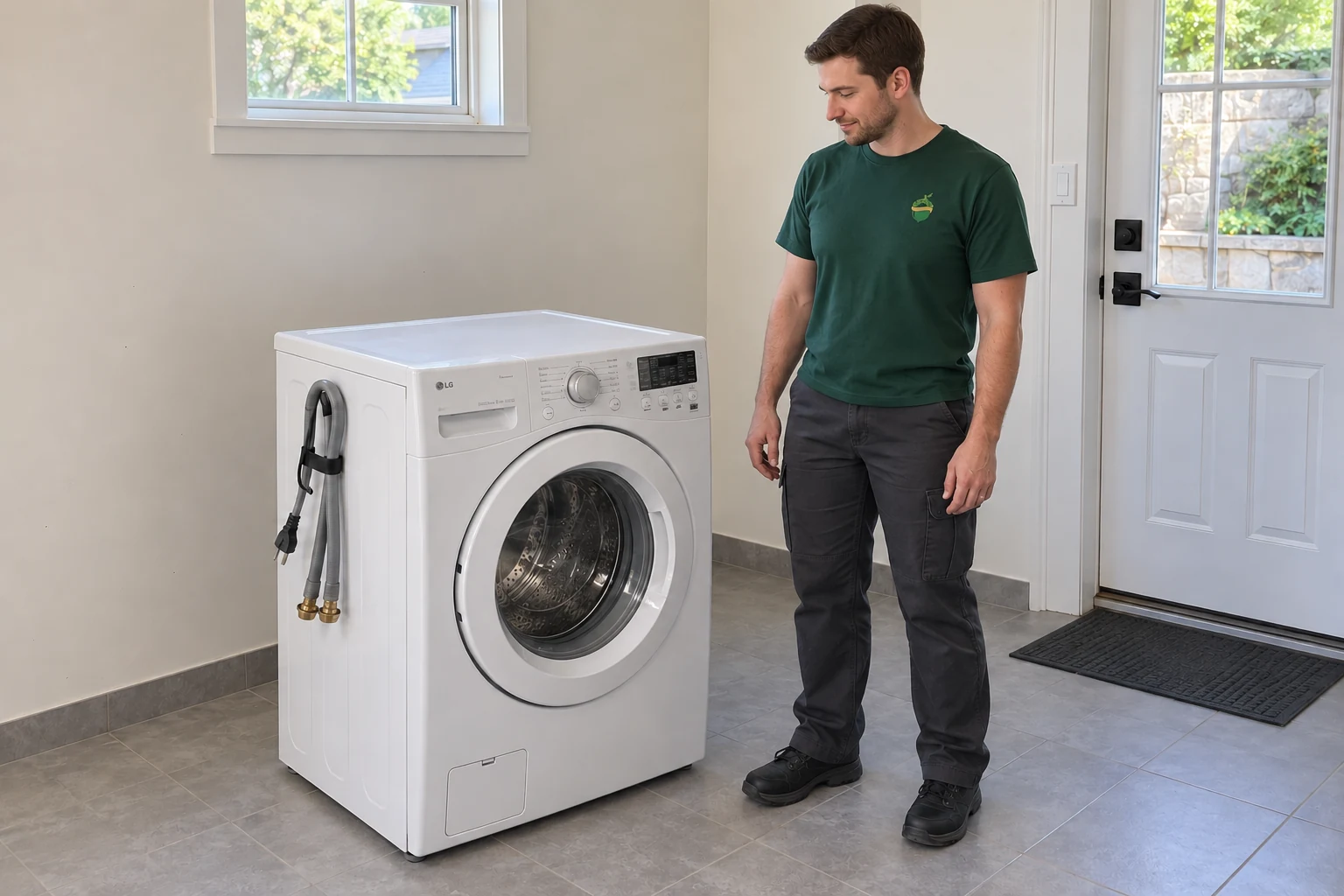
Imagine a household on Hayden Avenue replacing a front-loading washing machine that has stopped working reliably. The old unit occupies the only suitable place in the utility room. A retailer will deliver the replacement, but its booking does not include taking the old washer away. Offering the failed machine to friends has not produced a recipient.
This is a simple removal need, but it has three distinct stages: utility preparation, the room-to-vehicle carry and an accepted appliance destination. Have the water and electrical preparation handled safely under an agreed arrangement before the removal visit. Send a photograph of the whole unit and explain any leak, unusual weight, narrow door or step. Carrying an appliance away does not automatically include plumbing, electrical work or installing its replacement.
In this example the washer is already disconnected, its drained hoses and unplugged lead are contained, and the floor is dry. It can remain stationary while the route and handling are checked. The household should also ask the actual sanitation provider about a permitted appliance or special collection option. That option may be useful if its date and preparation fit; it should not be assumed to include carrying the machine out of the utility room.
A stand-alone visit before delivery can free the position and the access route for the replacement. Agree how the old appliance will leave and where it will be received, rather than putting it in the garage indefinitely or obstructing a shared passage. NYSDEC distinguishes household appliances from covered electronic equipment. A washer is therefore not automatically eligible for an event advertised for televisions and computers.
The benefit here is a prepared delivery and one agreed removal sequence. The retained utility-room contents stay, and the household does not have to arrange another visit because the old unit was overlooked. If the retailer can supply a suitable take-back service instead, compare that complete option before booking a separate carry.
Example 2: a smaller home leaves a wardrobe and stools behind on North Road
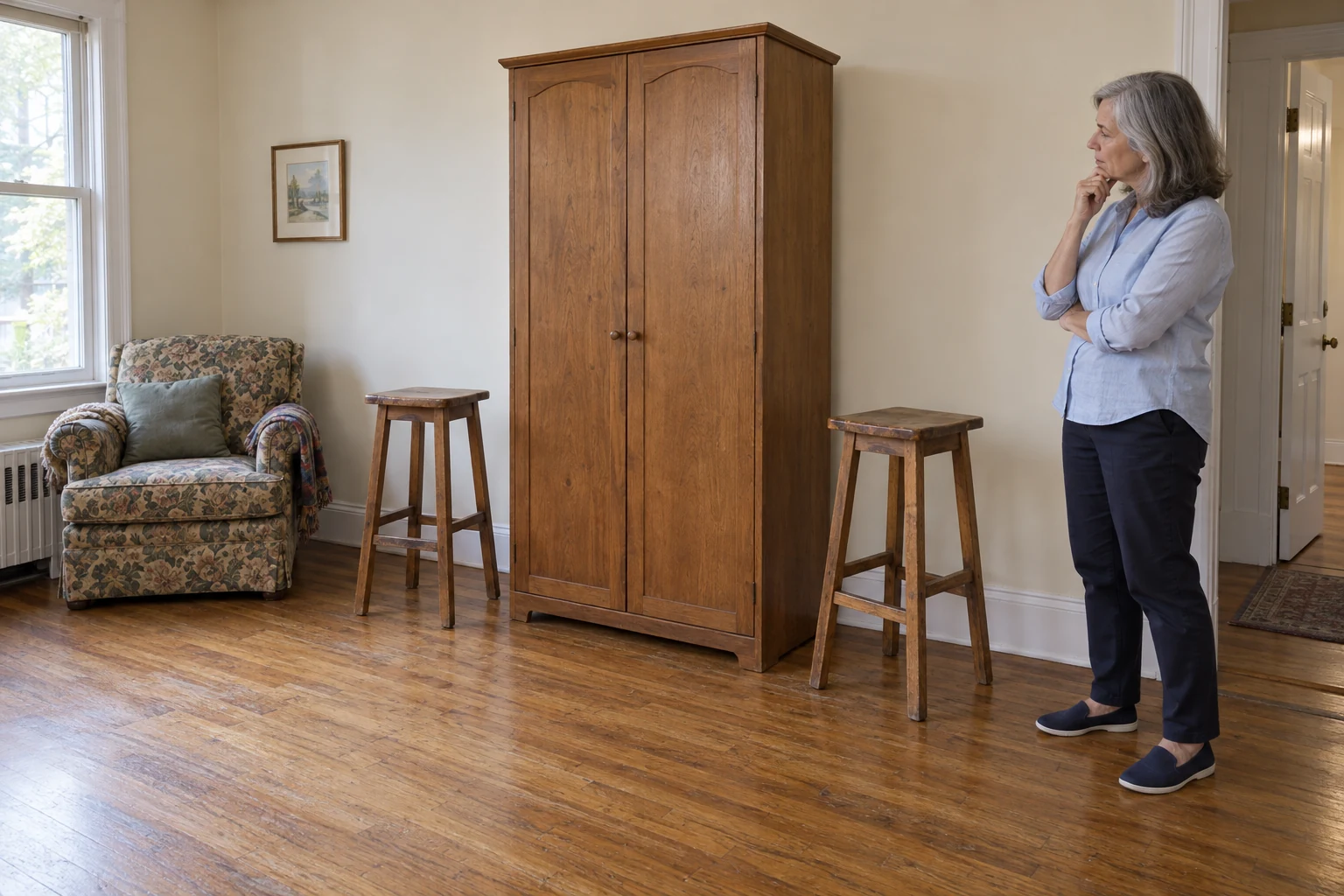
Consider parents leaving a North Road house for a smaller home nearby after their adult children have moved away. Their next place has fitted storage and no breakfast bar. A freestanding two-door wardrobe and two wooden stools have no receiving use. A comfortable armchair and other selected furniture will still travel.
Start by checking the receiving rooms, rather than saving the surplus merely because it is intact. If a family member or donation recipient wants the wardrobe, agree its collection date early. Otherwise, compare removal with the repeated carrying and storage the parents would pay for while looking for a use. Emptying the wardrobe also gives them a chance to check documents and personal items before it is authorized to leave.
Photograph the furniture and its whole exit route. A tall wardrobe needs more than a width measurement: its height, weight, construction, landing and doorway turn can affect the carry and any disassembly. The stools are separate items with structural frames. Include all three pieces in the scope instead of adding them to an unrelated moving load at the last minute.
The parents can then choose timing. A visit before moving day reduces the room's congestion and leaves time to inspect it. A moving-day add-on may use the crew and vehicle already at the property when capacity, collection route and receiving hours fit. It still needs its own agreed removal work and price. Storage is a useful service when there is a real later use; in this example it would prolong a decision the receiving home has already resolved.
For a municipal alternative, ask the Village about the actual group and any special collection requirement. A household clearance can exceed an ordinary collection limit even when it contains only normal furniture. Agree the collection position and date; a public sidewalk should not become a holding area while the property changes hands. Finish by checking that the three surplus pieces have left and the retained armchair remains on the moving inventory.
Example 3: eight years of unused weights before a Middle Neck Road departure
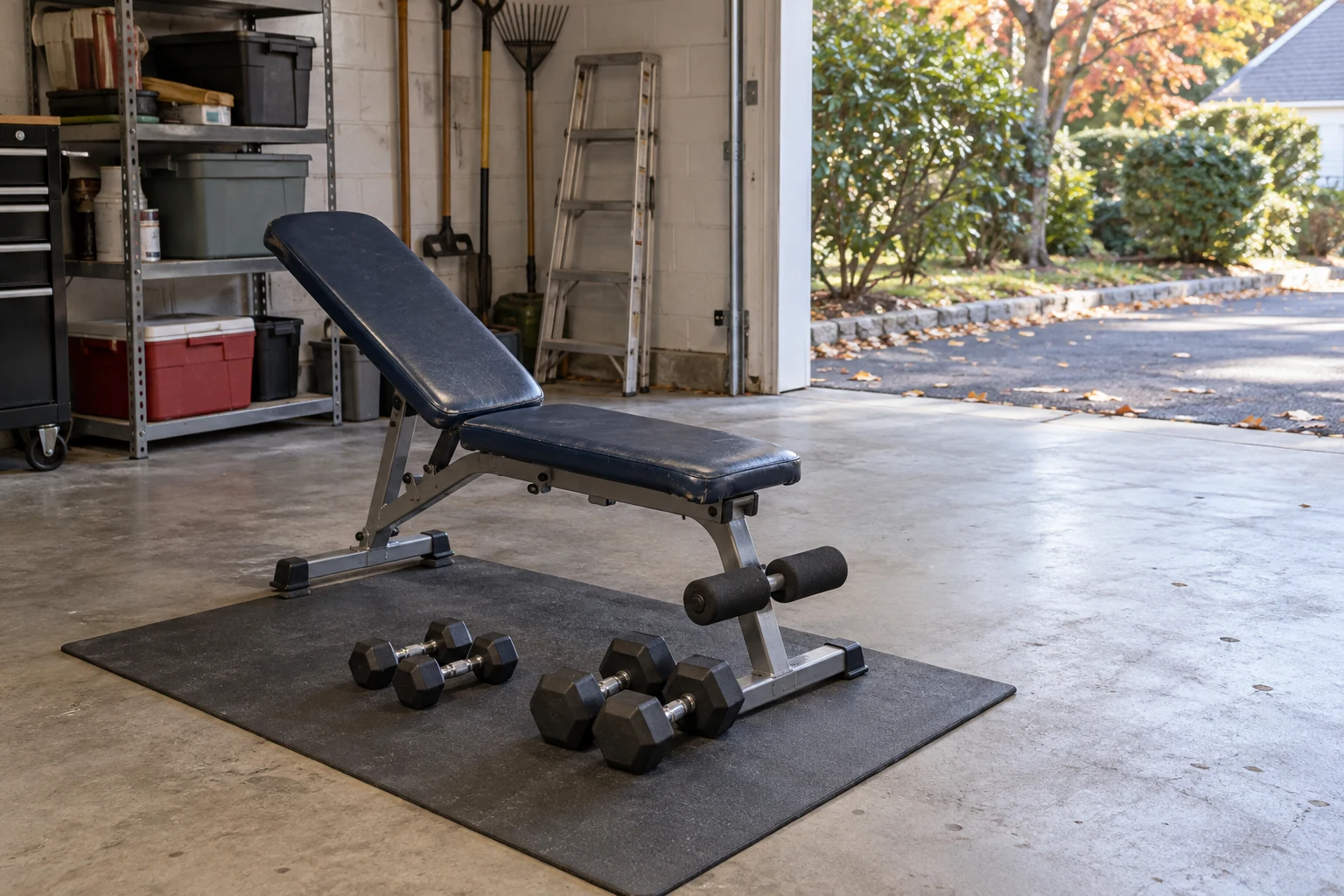
Imagine a family on Middle Neck Road preparing to move to Denver, Colorado after eight years in the same home. A manual weight bench and two pairs of dumbbells have stayed in the garage long after the household stopped using them. Other garage contents are still useful and will be kept. The family has not found anyone willing to collect the old exercise group before departure.
The move is a good time to resolve the unused equipment, while both the inventory and access can still be planned. List the bench, weights and their condition separately. Manual equipment is different from a treadmill with a screen, motor or embedded battery. The dumbbells' weight affects safe handling even though they occupy little space. A photograph should show every item included in the group, rather than the garage as an undefined whole-room clearance.
Connect this decision to the long-distance moving plan. Compare the agreed removal cost with the actual packing, carrying, shipment capacity and later handling the group would require. Moving it to Colorado only to discard it at delivery would add work without providing a usable exercise space. If the family plans to resume exercising with this equipment, that is a different receiving use and deserves a fresh comparison.
A pre-move collection can free the garage route and settle the removal list before loading. A moving-day add-on can also be discussed when the route, capacity and receiving hours fit. A later visit needs authorized access and a clear-by date allowed by the handover; it should not depend on the departing family returning from another state. Keep the outgoing group physically separate from retained tools, storage containers and moving belongings.
In this example the manual bench and four dumbbells are stationary on an old exercise mat while the list is reviewed. They are not left at a public curb, and the photograph does not certify that the equipment is suitable for donation or use. Agree the intended receiving route and prepare the carry safely. The saving comes from avoiding unwanted shipment stages, with the actual revised scope and removal estimate confirming the financial comparison.
Include other clearance needs while the list is open
An estate can be left with contents nobody wants after useful pieces have been sold. A rental handover can require a room cleared by a fixed date. An office may need desks removed when a lease ends. An outdoor play structure can become unnecessary after children grow up or a home is sold. Used packaging can remain after unpacking, while protective sheets or repair remnants need a material check before removal.
View 21 removal situations and what to check
Swipe the table sideways to read all columns.
| Situation | What needs to change | What to agree first |
|---|---|---|
| A furniture replacement | A worn armchair, sofa, dresser or old table makes way for a new purchase. The old piece needs to leave before the new room layout can work. | Agree removal versus retailer haul-away, access, recipient acceptance and the delivery deadline. |
| A television or monitor upgrade | A broken or unwanted screen remains after the replacement arrives. The old device needs an approved recycling route and space needs to be cleared. | Identify the model and an accepting electronics program; ordinary trash is not the route. |
| A local move to a smaller home | Parents choose a smaller home after the children leave; spare furniture no longer fits. Avoid carrying and storing pieces that have no role in the receiving home. | Use the new floor plan, a keep list, a removal list and a separately reviewed quote. |
| A household separates | People move to different homes and a shared surplus remains. Unallocated items should have a destination before the rooms are cleared. | Confirm the authorized owner and each person's keep/remove instructions. |
| A temporary family stay ends | A relative returns home and the spare bed, chair or temporary setup is no longer needed. Clear a useful room instead of keeping furniture without a future use. | Verify ownership and which pieces are being returned, retained or removed. |
| Accumulation before a move | After seven to ten years, forgotten garage, attic or basement belongings reappear. Avoid packing and transporting contents that would be discarded after delivery. | Sort early, photograph the group and distinguish ordinary items from special materials. |
| A long-distance keep-or-replace decision | Bulky low-value furniture competes for space with useful, valuable or sentimental possessions. Removing unwanted bulk can avoid shipment, handling and storage costs. | Compare two actual moving quotes with removal and destination replacement costs; no automatic per-cube discount. |
| An estate's remaining contents | After retained and sold pieces leave, ordinary unwanted furniture remains. The property needs to be cleared for its next agreed use. | Identify the authorized representative and preserve items awaiting sale, collection or family decisions. |
| Rental turnover or a possession deadline | A property must be handed over after tenancy, including situations involving lawful eviction processes. Ordinary unwanted contents may prevent the agreed handover. | Confirm lawful possession and authority over the items; removal is not eviction enforcement or legal advice. |
| An office lease ends | Old desks, chairs or shelving are no longer needed in the new office. Release the old premises without moving a surplus into the new workspace. | Separate business waste, IT/data decisions, landlord instructions and the commercial receiving route. |
| A business changes its space | Unused shop fixtures, storage furniture or equipment need to leave. Make the leased space usable for its next purpose. | Confirm the actual equipment, utilities and materials; resident-only programs do not serve business loads. |
| Outdoor items at a home sale | Patio furniture or children's outdoor items are not wanted at the next home. Clear agreed contents before move-out and property handover. | Confirm the sale agreement, ownership, anchoring, item size and ordinary material acceptance. |
| An unwanted shed or play structure | A shed or fixed children's play structure is no longer useful. It may need a separate dismantling and collection plan rather than transport to the new home. | Review foundations, utilities, dismantling, permissions and receiving material limits; structural demolition is not automatically part of ordinary collection. |
| Broken outdoor equipment | An old mower, grill or other outdoor equipment has stopped being useful. Avoid taking a repair or disposal problem to the new property. | Identify fuel, oil, propane and batteries separately; arrange the applicable material route. |
| A broken household appliance | A washer, refrigerator, freezer or other appliance is being replaced. The old appliance takes up receiving or working space. | Review utilities, access and model; refrigerant-containing appliances need an appropriate processor. |
| Unused or broken gym equipment | A treadmill, exercise bike or weight system is not going to the new home. Avoid a difficult carry and shipment for equipment with no planned use. | Identify weight, dismantling, stairs, electronics and any battery before quoting. |
| Packaging after unpacking | Used flattened cartons, paper and plastic wrapping fill the available space. Restore useful rooms and clear the agreed collection area. | Group used flats in large open boxes near a clear exit; separate material types and agree the collection date. |
| Protective materials after renovation | Clean floor-protection paper or plastic film remains after work ends. The finished space needs to be made usable again. | Identify contamination, wet paint or attached debris; protective packaging is not automatically construction or hazardous waste service. |
| A mattress or box spring replacement | An old bed surface remains after replacing a mattress or changing bed size. Clear the receiving room without carrying an unwanted bulky piece to another home. | Confirm size, condition, covering instructions, local collection eligibility and accepting destination. |
| A prepared yard-waste pile | Identified branches, brush, leaves or trimmings remain after a small clearance. Clear agreed outdoor space before a handover or after work is finished. | Confirm quantity, bundle/container rules and actual green-waste acceptance; tree work, soil and stumps are separate. |
| Light debris after a minor repair | A small photographed quantity of identified drywall offcuts or repair remnants remains. Clear the completed room without mixing construction material into ordinary household pickup. | Review the material, quantity, carrying route, charges and accepting destination; unknown or contaminated material needs a different plan. |
State what has to leave, who owns it and which work is actually needed. Collecting detached patio furniture is different from dismantling an anchored shed. Taking a disconnected washer away is different from disconnecting utilities. Office equipment needs a plan for data and electronic devices as well as furniture. Confirm these stages instead of treating the word “clearance” as a complete work description.
Choose a stand-alone visit or a moving-day add-on
A stand-alone visit has its own dispatch and removal scope. It can make sense before an appliance delivery, while preparing an estate for sale or when the property must be clear ahead of the moving date. Send the complete agreed group together, with photographs of access, so the visit can be planned around the work that is actually there.
An add-on can use the main move for agreed removal work. With the crew and vehicle already at the property, it may avoid a separate dispatch. Extra labor, suitable load capacity, receiving charges and another trip can still affect the total. Compare the complete combined estimate with the separate visit for the same inventory and deadline. Possible logistical savings are not a promise of free disposal or a fixed discount.
Decide which group leaves first, where retained items will stand and who approves the final removal list. The crew should not have to guess whether a shelf belongs in the next home. If the handover or collection date changes, revisit the written scope and sequence while there is still time to arrange a workable alternative.
Apply the Village's rules only to a Village address
North Hempstead's provider list distinguishes the Town's Great Neck district from the Village of Great Neck, Great Neck Plaza and other villages. A co-op or managed property can also have its own collection arrangement. Identify the actual provider before relying on a weekly schedule or asking for bulk collection.
The Village of Great Neck's code places rubbish containers at the driveway side of the building rather than on the public street or sidewalk. Its ordinary rubbish limit is 200 pounds on an established collection day, in bundles no heavier than 50 pounds; excess or oversized material may need special collection and charges. Ask about the actual furniture group rather than treating a whole move-out pile as normal weekly rubbish.
Use the current Village sanitation schedule and current notices for dates. The usual routes depend on the side of Middle Neck Road and named exceptions. Checked October 10, 2026, America/New_York: the October 12 holiday notice shifts Monday's sanitation to October 13, Tuesday's to October 14 and paper/cardboard to October 15, with other named collections unchanged. That is a dated example of why the clear-by date and collection calendar need to be compared.
Keep resident programs separate from a commercial receiving route
The Town's Sunday resident drop-off offers eligible residents a route for nonhazardous household waste and recyclables, with material and vehicle conditions. It publishes 7:30 a.m.–2:30 p.m. hours, excluding holidays, requires a valid licence with a North Hempstead address and charges for furniture and general refuse. Commercial vehicles and trailers are excluded. It is not an automatic destination for a hired removal truck.
Electronics, household hazardous waste and medications have separate arrangements. The Town's published special-event list shows its last listed 2026 S.T.O.P. on October 4, already past at this check. The next listed electronics date is November 15, 8 a.m.–noon. Check the current calendar, eligibility and material list before planning around it. An earlier handover may need another accepted route, such as a suitable manufacturer take-back or registered electronics collection site.
The Town S.T.O.P. program is for residential household hazardous waste, with exclusions including commercial, industrial and home-office waste. It is not a collection program for every electrical appliance. Keep fuels, oils, solvents, rechargeable batteries, cylinders, lamps, pesticides and unknown containers separate while the proper route is identified. A disposal visit does not make a mixed garage load acceptable.
Identify repair debris, preparation and the actual collector
Material from a renovation can have a different origin and route from household furniture. North Hempstead distinguishes hired-contractor waste from a resident's own limited DIY work. The Village code excludes construction and repair rubbish from its regular sanitation. Do not use a Town DIY drop-off option as permission to leave a contractor's drywall at a Village collection point.
For used floor protection, identify the material, quantity and any paint, solvent or other contamination. For yard material, separate branches and vegetation from outdoor furniture and powered equipment. A shed, swing set or fixed item requires a specific permissions and dismantling review. These details allow a suitable carrying and receiving plan rather than a rejected mixed load.
Private collection also needs the appropriate operating arrangement. Village nonmunicipal-collector rules and Town facility business permits concern different stages. Before agreeing a visit, confirm the actual collector, applicable local approval and accepting destination, together with the carrying work and charges. A moving certificate of insurance or a resident's drop-off eligibility does not answer every collection question.
For mattresses, give the size, condition and quantity and confirm covering with the actual provider and destination. Keep pest or contamination concerns visible in the request. Inside a building, confirm service hours, shared entrances, elevator bookings and the permitted vehicle position. The useful outcome is the authorized list removed by the agreed deadline, with retained belongings and access routes protected.
Great Neck junk removal and disposal questions
How can removal reduce the cost of a Great Neck move?
It can avoid preparation, carrying, shipment capacity, storage and later removal for items with no receiving use. Compare the complete removal and necessary replacement cost with the moving stages you can avoid. Finalize the actual inventory and written quote; discarding one item does not automatically reduce an existing flat rate.
Which sanitation rules apply to my Great Neck address?
Identify the exact municipality, collection provider and property arrangement. The Village of Great Neck, Great Neck Plaza, other villages and the Town's Great Neck district have different providers. A postal name alone does not establish the route. A managed building can also have its own collection arrangement.
Can I leave a whole furniture clearance for ordinary Village collection?
Ask the Village about the actual items and any special collection first. Its code limits ordinary rubbish to 200 pounds on a collection day, in bundles no heavier than 50 pounds; excess or oversize may need special collection and charges. Use the authorized position rather than a public sidewalk holding pile.
Can you remove a failed washing machine before its replacement arrives?
Discuss the machine, condition, weight and full exit route in a stand-alone request. Utility disconnection and installation are separate work to agree. Confirm that hoses and electrical preparation are safe and that the appliance has an accepted receiving arrangement. Retailer take-back may also be an option to compare.
Does a washer or microwave count as covered electronic waste?
NYSDEC excludes ordinary household appliances such as washers, dryers, refrigerators, freezers, microwaves and dishwashers from the covered electronic equipment definition. Do not assign them automatically to an event for televisions and computers. The exact appliance, utility preparation and receiving route need a separate review.
Is moving-day disposal cheaper than a separate visit?
An agreed add-on may avoid a separate dispatch when the crew and vehicle are already at the property. Extra carrying, load capacity, receiving charges and another trip can still affect the total. Compare complete estimates for the same group and deadline; removal is not automatically free.
Should surplus furniture go into storage during downsizing?
Use storage when there is a real later use and its cost makes sense. If fitted storage and the smaller layout leave no place for a wardrobe or stools, compare a confirmed recipient or removal before paying for repeated handling and storage. Keep useful or personally valuable furniture on the receiving inventory.
How should I assess unused gym equipment before a long-distance move?
List size, weight, condition and the receiving use, and identify any motors, screens or batteries. Compare a revised shipment scope with local removal. Manual weights can be heavy without taking much space, while a bench can be bulky. Keep equipment you will use and avoid shipping a group only to discard it after delivery.
Can estate, rental or office contents be cleared?
Discuss the authorized item list, ownership, access and clear-by date. Separate retained belongings, documents, electronic devices and special materials. An office's waste is not eligible merely because a resident event is nearby. Dismantling fixed items or managing utilities must be specifically agreed when relevant.
What should I do with an old mattress?
Give the size, condition, quantity and carrying route, and confirm covering and acceptance with the actual collection provider or destination. Disclose pest or contamination concerns. Do not assume that another municipality's instructions apply to every Great Neck address, or that an available program includes a carry from the bedroom.
Can a private removal truck use the Town's Sunday resident drop-off?
The Sunday program has resident, material and vehicle restrictions, including no commercial vehicles or trailers. It offers an eligible household an option, rather than an automatic destination for a hired truck. The actual commercial receiving route, applicable collector approval and relevant charges must be confirmed separately.
Can used floor protection, yard waste or drywall be included?
Identify materials, quantity, contamination and who generated the waste. The Village excludes construction and repair rubbish from regular sanitation, while Town DIY drop-off conditions differ. A contractor's renovation or landscaping waste should not be presented as ordinary resident waste. Outdoor structures need an explicit dismantling and receiving scope.
Which materials need a separate disposal plan?
Keep fuels, oils, solvents, rechargeable batteries, cylinders, lamps, pesticides, medications and unknown containers separate during the inventory review. Household hazardous waste and electronic events have their own dates and exclusions. A past S.T.O.P. event or an ordinary Sunday visit does not authorize a mixed harmful-material load.