
West Virginia planning
West Virginia: Plan the Last Mile First
Charleston, Morgantown, Wheeling, Clarksburg and Beckley are our five West Virginia planning references. Together they place most requests: the Kanawha Valley, the north-central communities along the I-79 corridor, the Northern Panhandle and the southern part of the state. The wider community directory, including Huntington, Parkersburg, Martinsburg and the Eastern Panhandle, helps locate requests that sit between those points. These names are not additional offices and do not establish availability for a particular date.
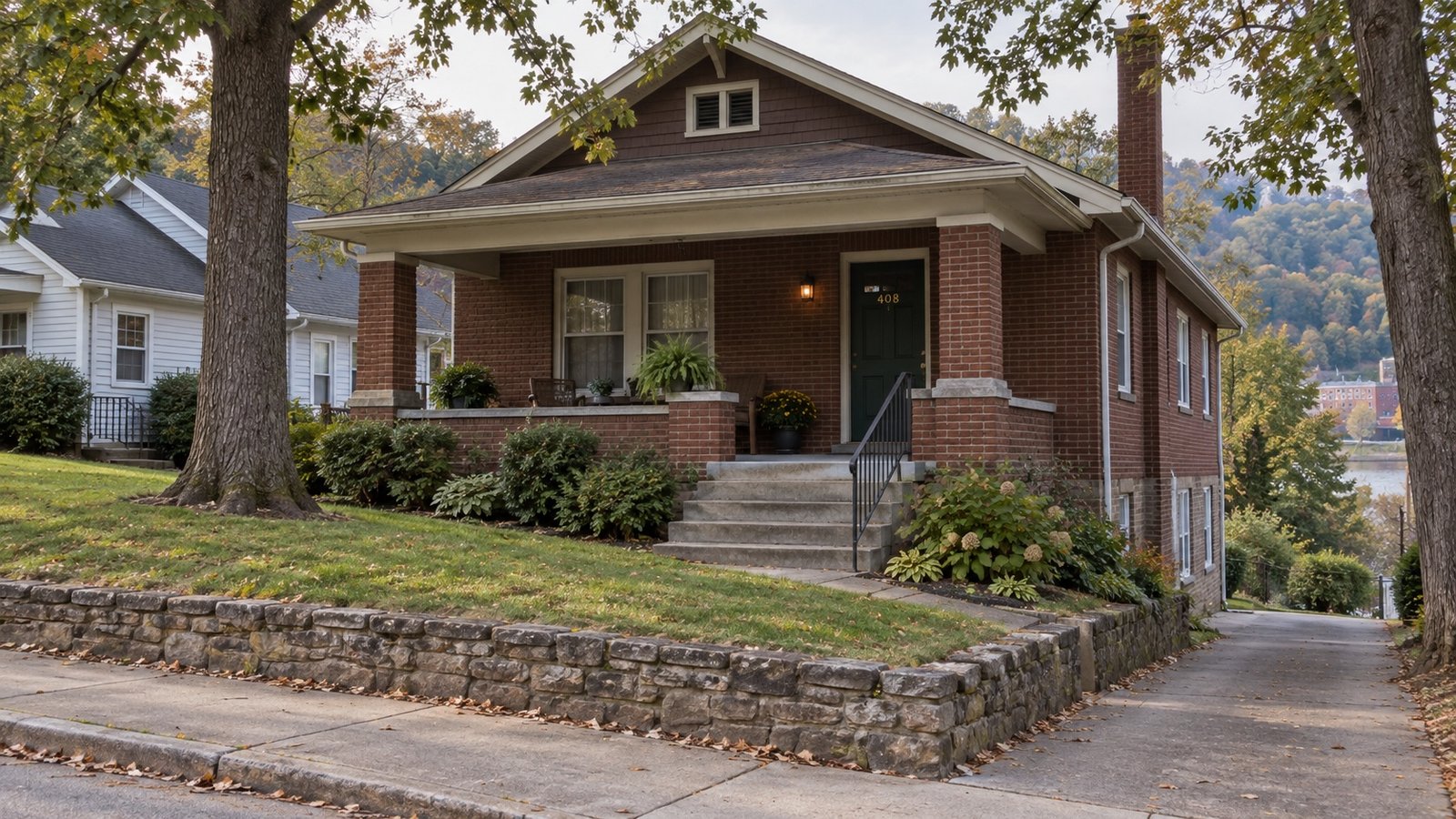
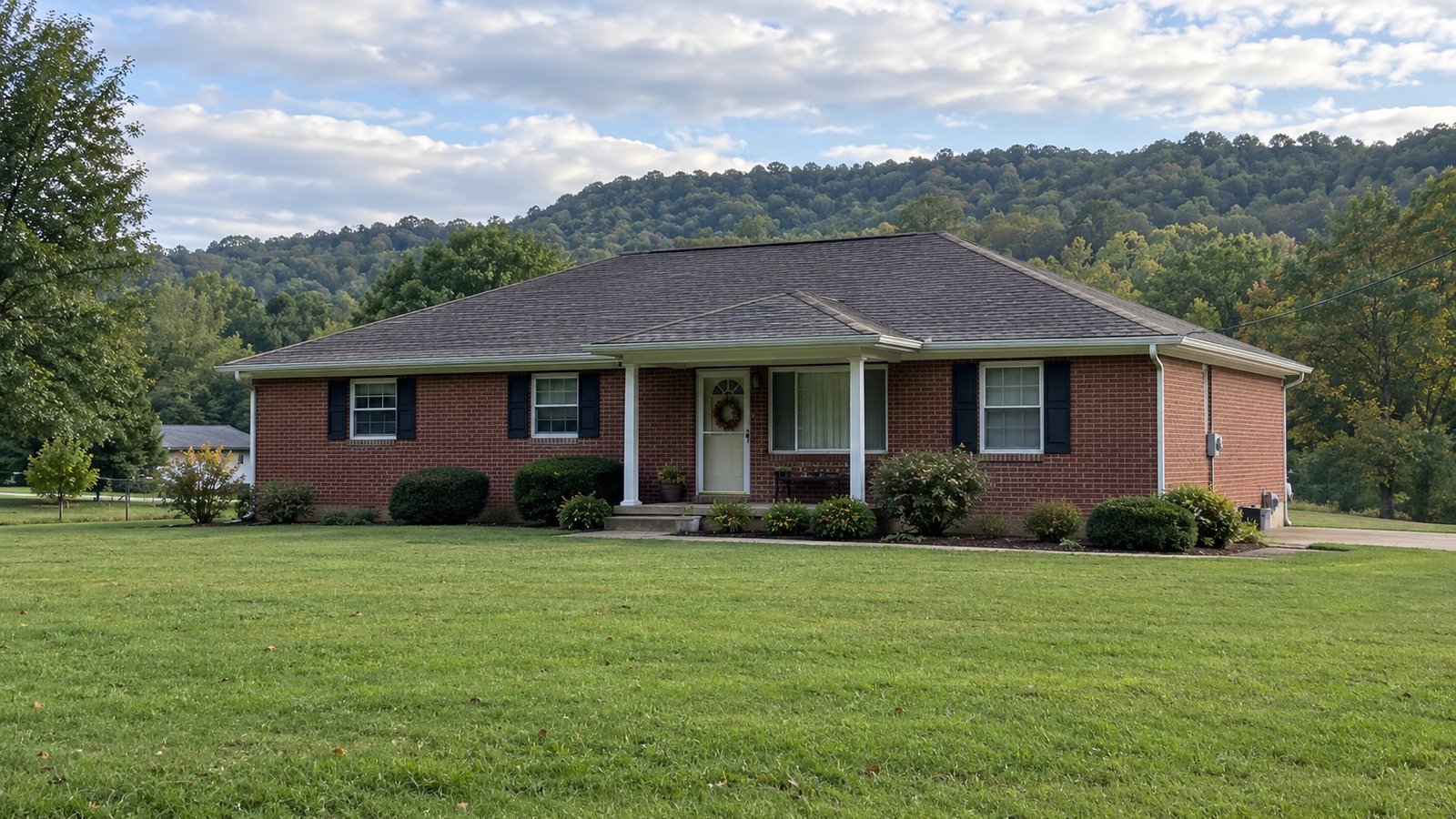
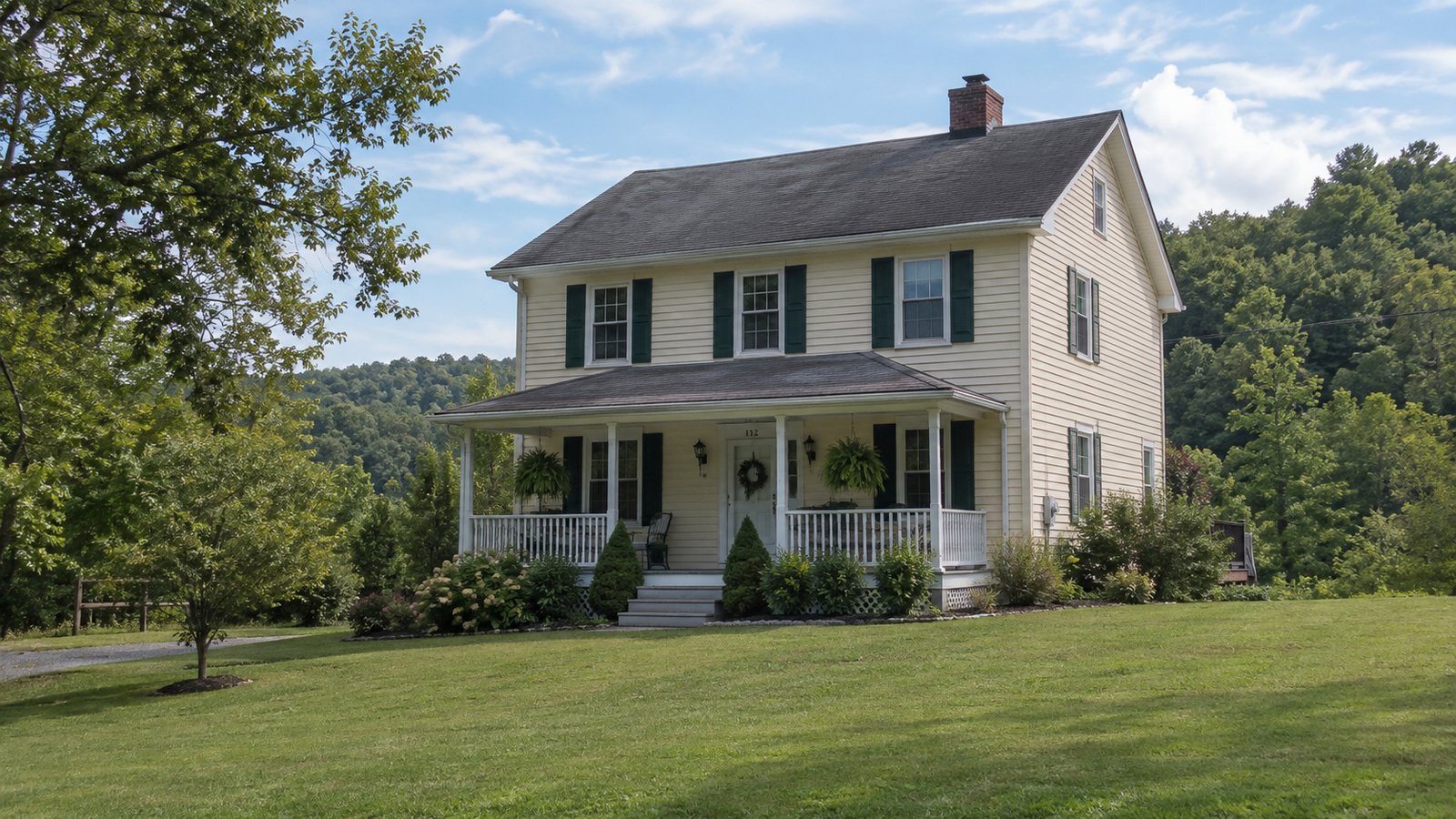
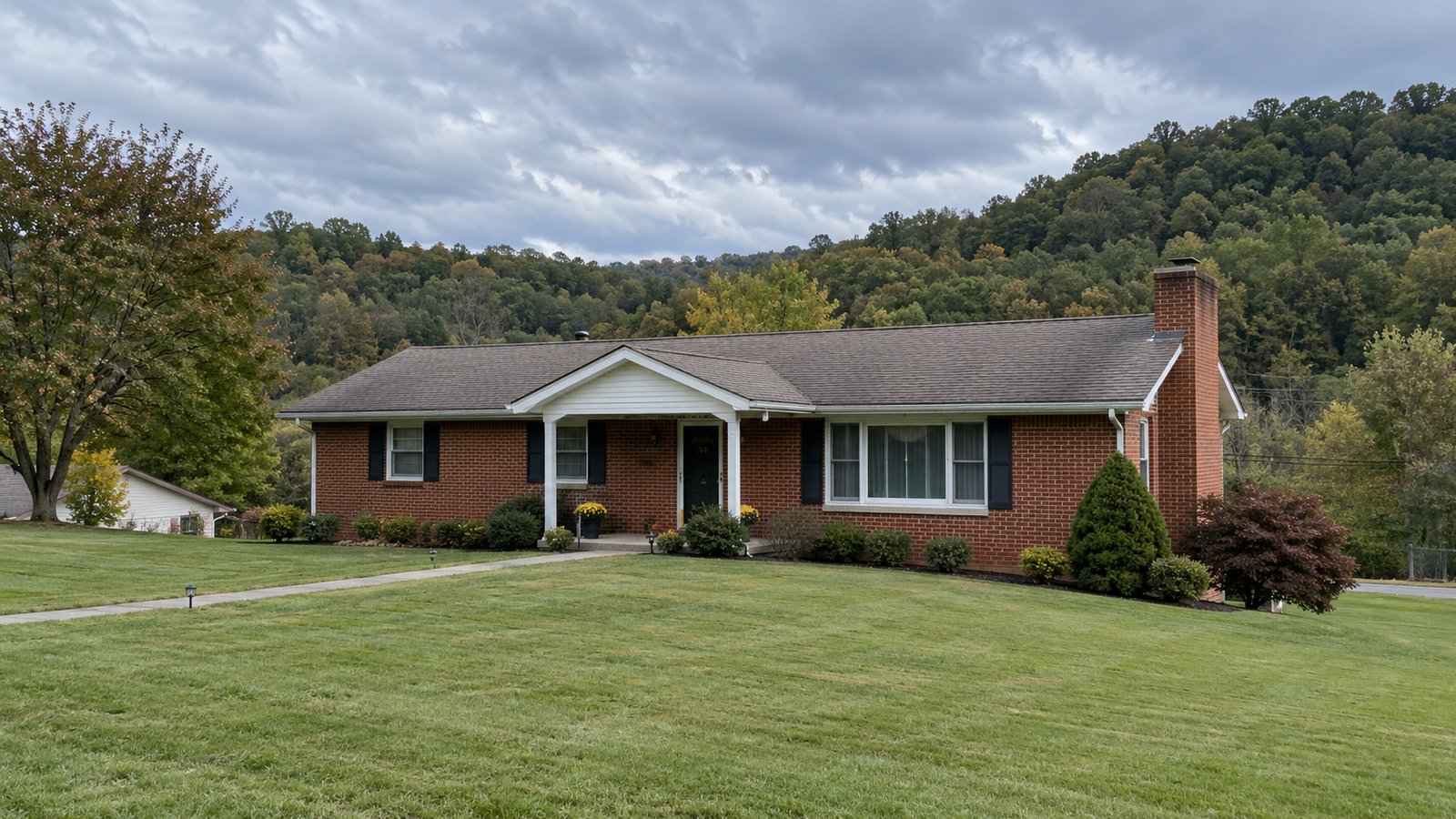
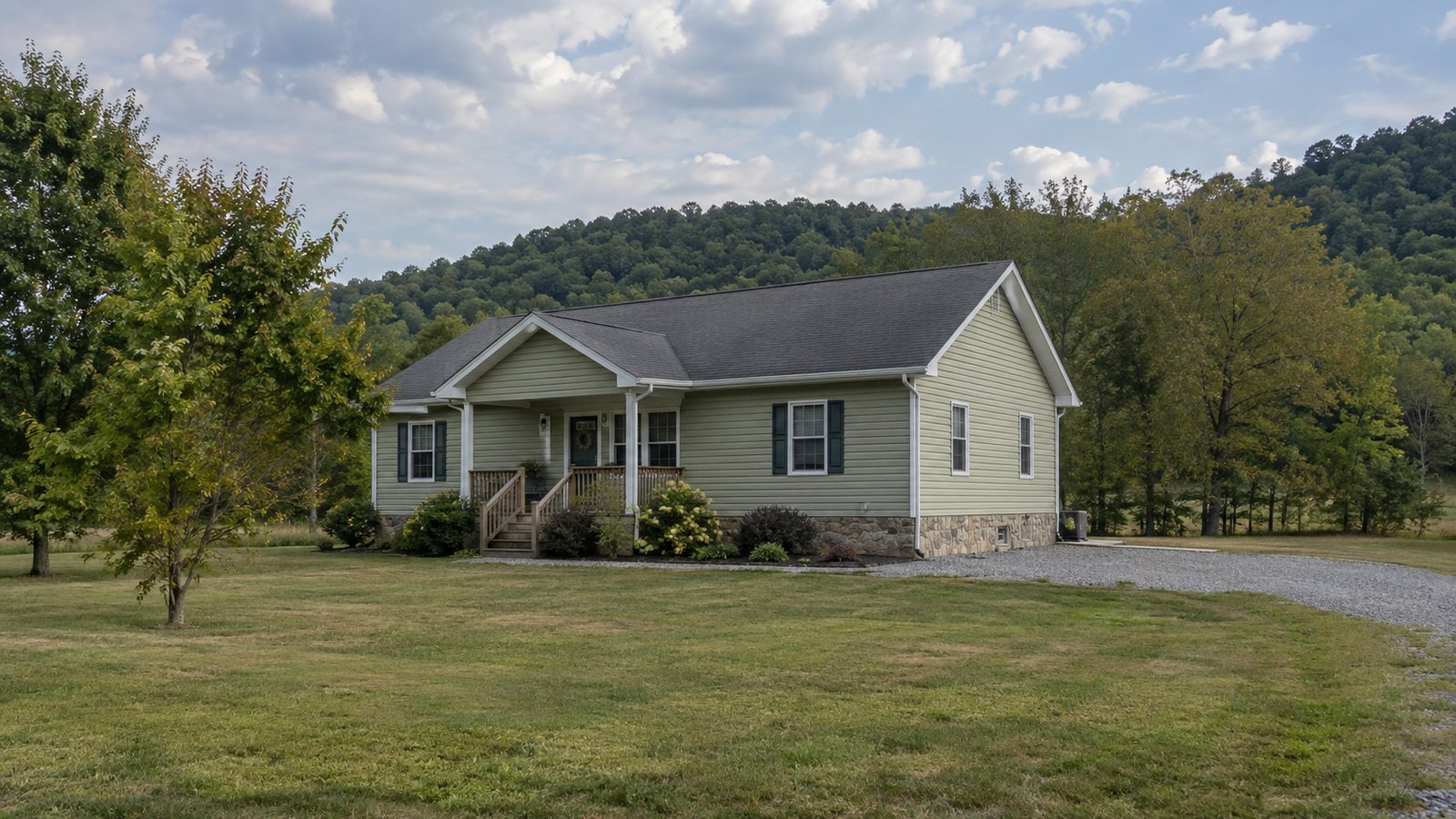
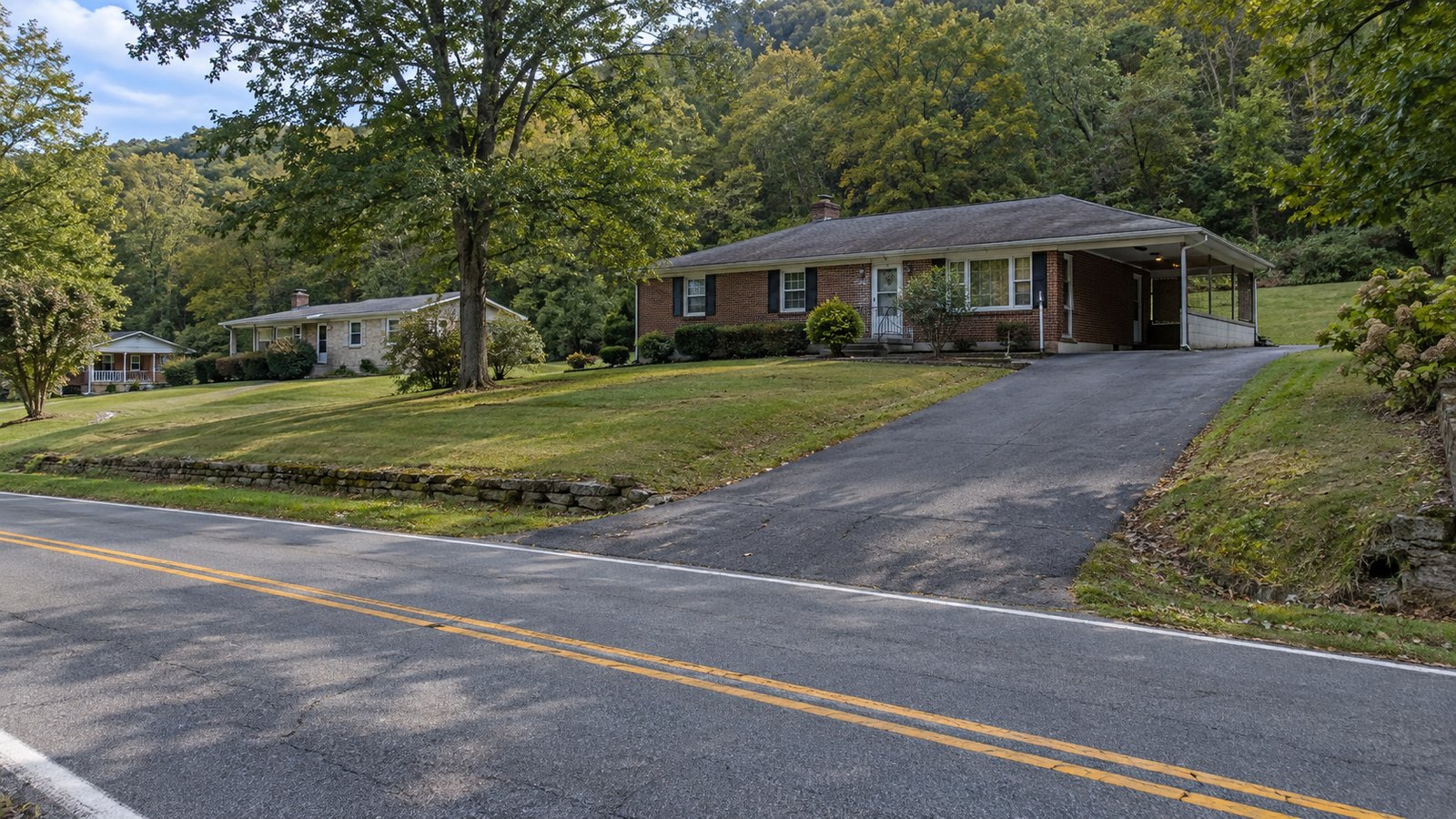
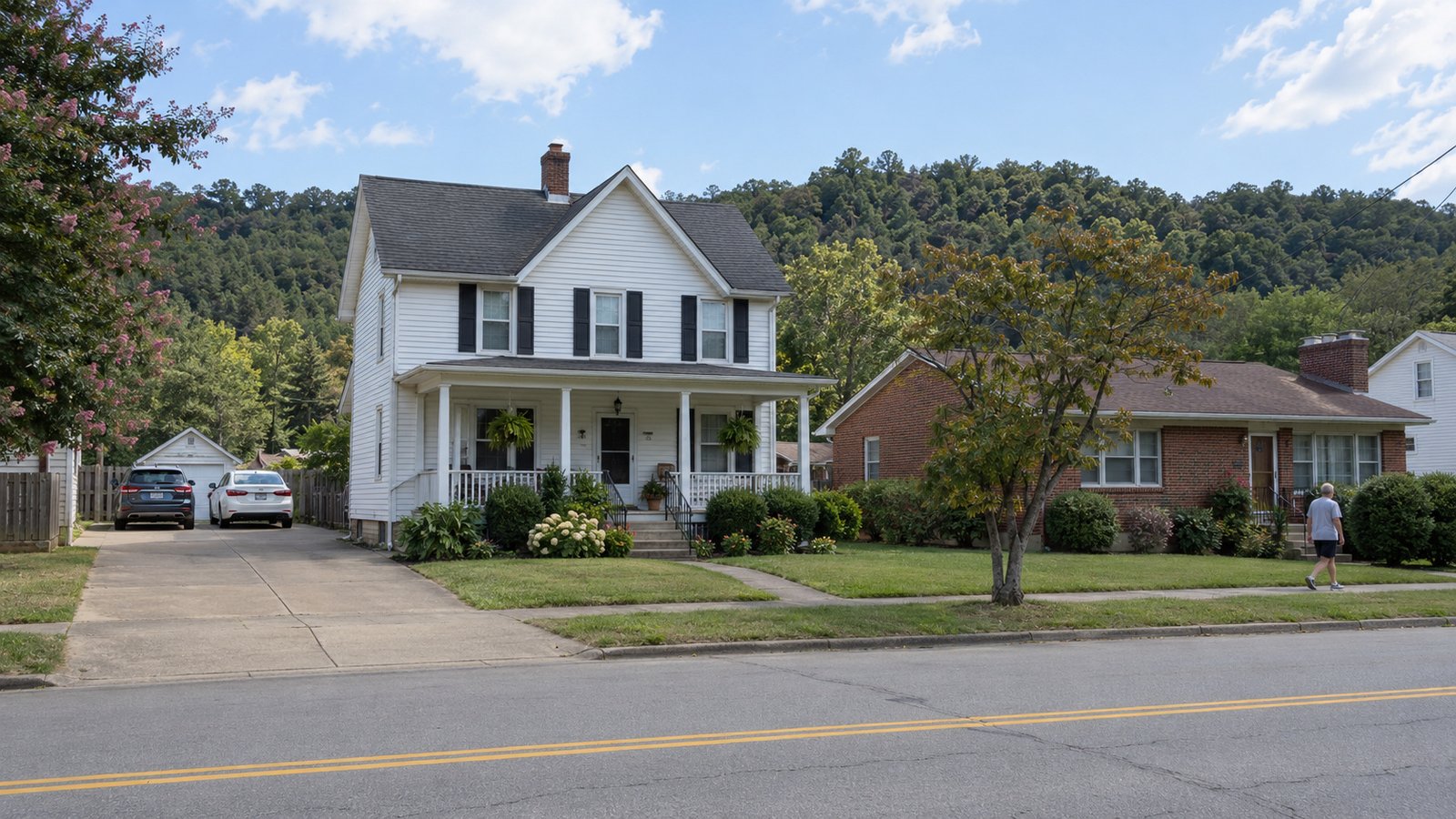
The state has 55 counties, shown in the overview using Census boundaries. County lines are useful for orientation, but county geography cannot establish that a lane or driveway is suitable for a truck. West Virginia's terrain changes quickly: a level street along the Kanawha or Ohio river can sit minutes from a hollow reached only by a steep, single-lane road, and two homes with the same mailing town can present entirely different working conditions. That is why the survey photographs matter more than the map position. The illustrative photographs in this guide provide context; the survey should use current images of the actual approach and rooms.
If you are unsure which reference is closest, give the full road address at both ends and let the coordinator place the request. Distances inside the state are short on paper — Charleston to Huntington is approximately 50 miles, and Charleston to Beckley approximately 60, both approximate and route-dependent — yet travel time and working conditions depend on the route and the destination, not the straight line. A plan built on real addresses and real photographs survives moving day; a plan built on a town name does not.
Use the sections below in order if the move is new to you: first the network and property questions, then the legal checks, then roads, seasons and parking, and finally the estimate and timeline. Each section ends where the next begins, so the guide works as a single preparation pass rather than a pile of unrelated tips.
One structural note shapes everything that follows: most West Virginia moves begin and end at detached houses rather than towers or large complexes. The typical planning questions here are therefore about driveways, porches, cellars and lanes — not freight elevators and loading docks — and the guide weights its advice accordingly. Where a building with shared entrances is involved, its rules join the plan as an extra layer on top of the property basics, from lift padding to reserved hours.