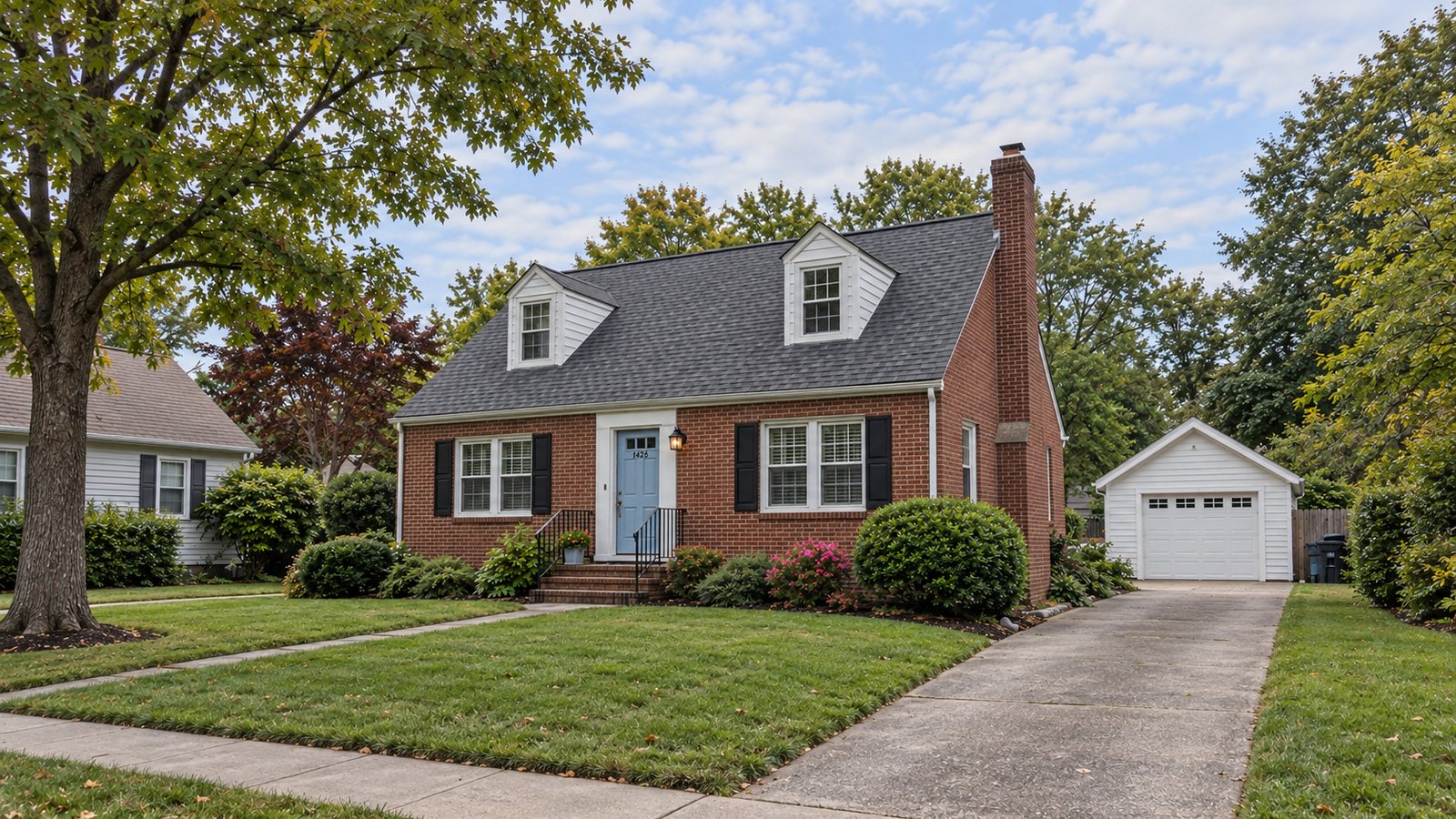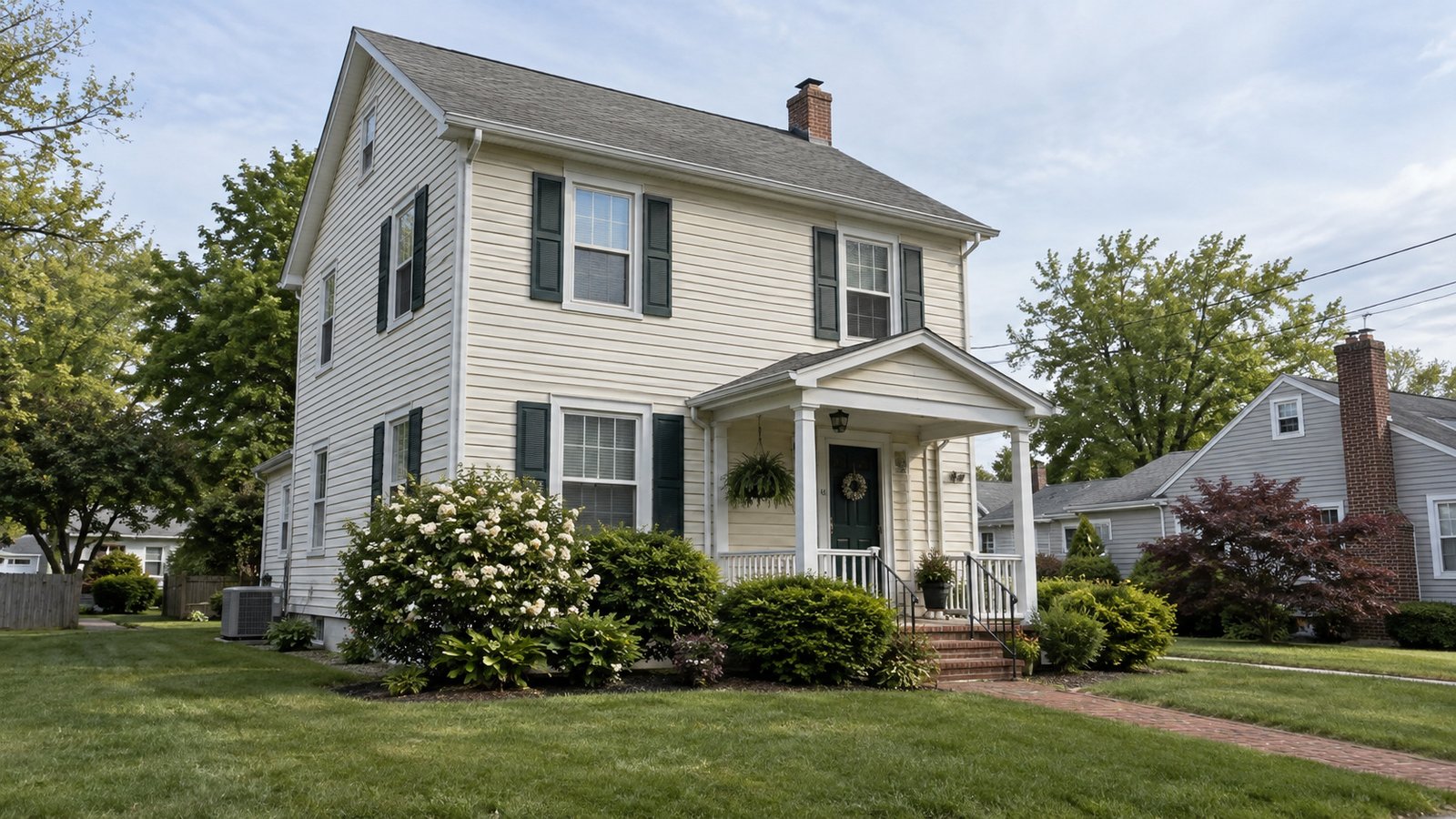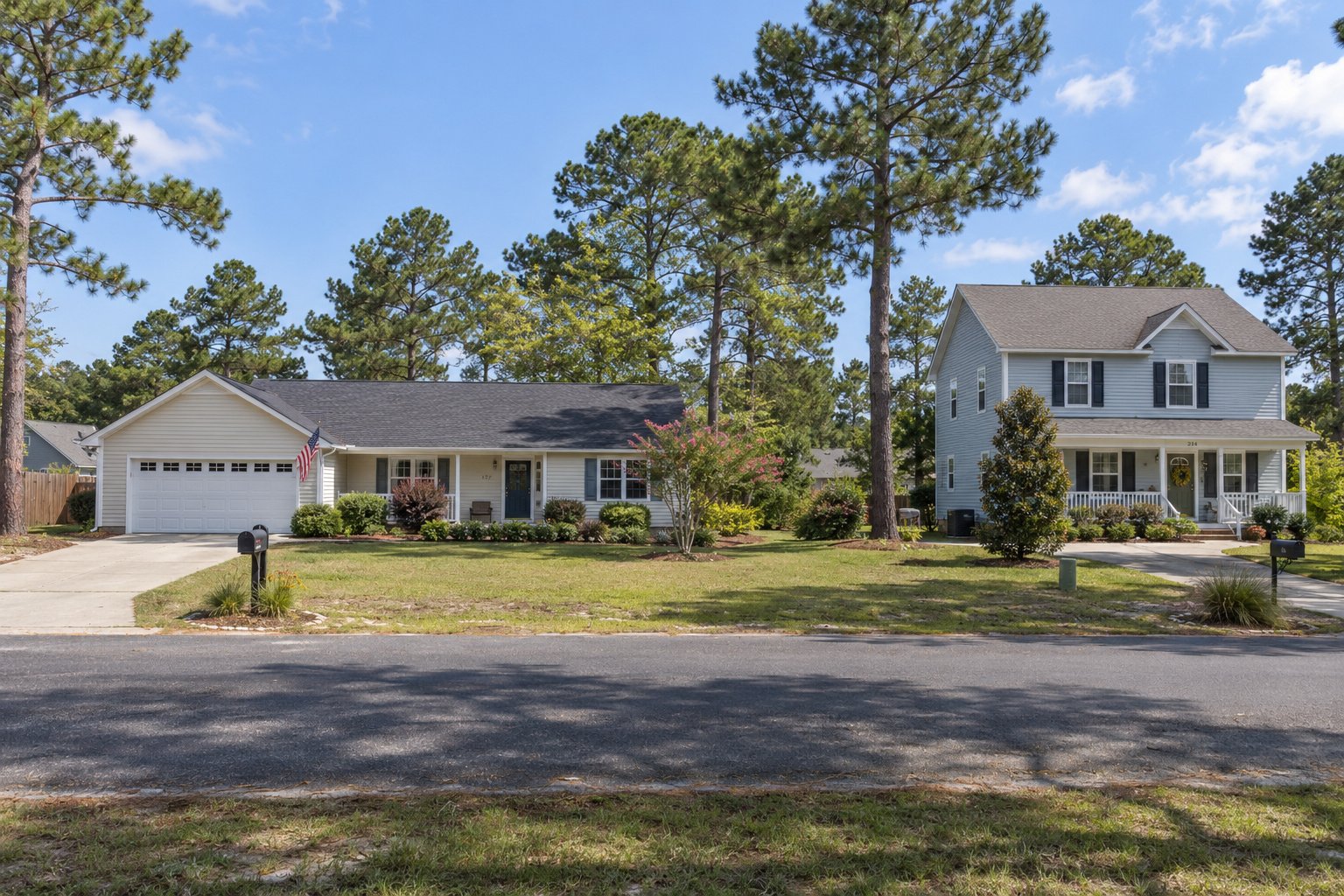
Illustrative Delaware residential setting in late-afternoon light

State moving guide

Moving in Delaware: A Practical Guide by Sterling Oakbridge

A Delaware move can begin on a Wilmington rowhouse block and end at a Sussex County home with a completely different approach. Sterling Oakbridge starts with both addresses, the belongings that will travel, and the space available for the vehicle and crew. This guide connects northern city neighborhoods, central communities and coastal destinations with the questions to settle during a property survey. Nothing here is guesswork: the housing figures come from the Census Bureau, the price context from the Bureau of Economic Analysis, and the road and parking rules from DelDOT and the municipalities named below. Use it to prepare your inventory, loading arrangements and receiving appointment. When you are ready to discuss actual dates and addresses, call (475) 221-2030.

Delaware planning

A Delaware Plan From New Castle to Sussex

Wilmington and Dover are our Delaware planning references. Community names elsewhere on this page help locate an inquiry; they do not establish additional offices or promise that a crew is available on a particular date. Provide the full destination and date range so the actual request can be reviewed.

Delaware has three counties: New Castle, Kent and Sussex. Their boundaries help orient the page, but the relevant loading instructions come from the property and the responsible municipality. The illustrative photographs show types of settings and work; photographs of your own entrance, stairs and driveway are the useful survey evidence.

The state is compact enough that one crew can cross all three counties in a single working day, yet the settings differ sharply. New Castle County holds Wilmington’s dense rowhouse blocks and suburban cul-de-sacs, Kent County centers on Dover and its government streets, and Sussex County mixes farmland with beach communities. For rough orientation, Wilmington to Dover runs about 50 miles, Dover to Rehoboth Beach about 40, and Wilmington to Rehoboth Beach about 90. Treat those as planning approximations, not promised journey times.

Because Delaware is small, one survey usually settles the whole plan. The address still matters more than the county line, because each town writes its own parking and access rules — the sections below show how differently Wilmington, Dover and the coastal communities handle a large vehicle.

Work through the page in order if you are planning early, or jump straight to your situation: housing and access for the property itself, consumer checks before you sign, seasonal and parking rules for the truck, and the data table for the verified numbers behind every claim. Each section names its source so you can confirm it independently.

Each county carries its own moving character. New Castle County concentrates the apartment buildings, rowhouses and tight parking of the Wilmington area. Kent County revolves around Dover, the state capital, with its mix of government, military and suburban households. Sussex County spreads across farms, small towns and resort communities where year-round and seasonal homes sit streets apart. Knowing which character your addresses have is the first real planning decision.

Every source cited here — state agencies, federal bureaus and municipalities — is listed again at the bottom of the page, so nothing in this guide asks to be taken on trust.

Wilmington, Dover planning references; confirm the address, dates and vehicle access.

Delaware planning

Wilmington and Dover Planning Points

A Wilmington inquiry may involve a shared city entrance, an apartment service area or a northern suburban driveway. The Dover reference helps place central Delaware requests. For a southern destination, describe the final approach instead of assuming that a familiar coastal town name identifies the property.

The community cards on this page — Newark, Middletown, Smyrna, Milford, Seaford, Georgetown, Lewes, Rehoboth Beach, Hockessin, Bear and their neighbors — are Census geographies that help us place your inquiry on the map. They are not staffed locations. Wilmington and Dover remain the two planning points, and every date is confirmed against the actual crew schedule for your addresses.

Send one continuous walkthrough from the proposed loading position to the rooms. Include a garage, shed and outdoor furniture in the inventory. If the home belongs to a condominium or managed community, obtain its moving instructions and the receiving contact before setting the appointment.

A complete first message saves a week of questions: both street addresses, your preferred window and how firm it is, the largest pieces you own, photographs of entrances and stairs, any parking constraint you already know about, and the person who will receive the load at destination. With those six items in hand, the planning conversation starts from facts rather than assumptions.

Photographs outperform adjectives in this process. A ten-second video of the staircase answers questions that three paragraphs cannot, and a picture of the street in front of the building settles the parking conversation before it starts. Take them in daylight, keep them in one folder, and send the set with your inquiry rather than one room at a time.

Expect a working conversation, not an instant quote. A coordinator reviews what you sent, asks about anything missing — usually access details or the largest pieces — and tells you plainly whether your dates are realistic for your addresses. If a requested window cannot be served, you will hear that early rather than discover it late; an honest “not available” is more useful than a vague promise.

For a video survey, walk slowly and open what will travel: closets, cabinets, the garage and the shed. Volume hides behind closed doors, and an honest count on camera is what keeps the written estimate honest afterward.

One practical note on timing: planning points coordinate requests, they do not hold unbooked trucks in reserve. Dates are secured when the written scope is accepted, so the survey you send this week is what protects the date you want next month.

Illustrative Wilmington setting, Delaware
A Wilmington survey ties the rowhouse block to the actual entry.

Service network

Where we work in Delaware

2 planning points within this directory of 12 communities. Confirm availability and the approach for each address.

Illustrative Wilmington, DelawareDE

Wilmington

Northern Delaware city buildings and rowhouse approaches.

Nearby communities

Edgemoor Bellefonte Elsmere Wilmington Manor

Network point
Illustrative Dover, DelawareDE

Dover

Central Delaware homes and capital-area receiving plans.

Nearby communities

Kent Acres Rodney Village Highland Acres Dover Base Housing

Network point
Illustrative Newark, DelawareDE

Newark

University-town neighborhoods with individual parking and entry arrangements.

Nearby communities

Brookside Pike Creek Valley Glasgow North Star

Community reference
Illustrative Middletown, DelawareDE

Middletown

Growing residential neighborhoods and older town-center homes.

Nearby communities

Townsend St. Georges Glasgow Delaware City

Community reference
Illustrative Smyrna, DelawareDE

Smyrna

Small-town properties between northern and central Delaware.

Nearby communities

Clayton Cheswold Townsend Dover

Community reference
Illustrative Milford, DelawareDE

Milford

Mispillion-area homes with both urban and nearby rural approaches.

Nearby communities

Lincoln Frederica Harrington Riverview

Community reference
Illustrative Seaford, DelawareDE

Seaford

Nanticoke-area residential requests and southern Delaware receiving.

Nearby communities

Blades Bridgeville Laurel Greenwood

Community reference
Illustrative Georgetown, DelawareDE

Georgetown

Sussex County town and surrounding inland properties.

Nearby communities

Milton Millsboro Bridgeville Blades

Community reference
Illustrative Lewes, DelawareDE

Lewes

Coastal homes with seasonal occupancy and entrance details to review.

Nearby communities

Rehoboth Beach Milton Long Neck Georgetown

Community reference
Illustrative Rehoboth Beach, DelawareDE

Rehoboth Beach

Beach-area properties with community hours and loading space to confirm.

Nearby communities

Lewes Long Neck Millville Milton

Community reference
Illustrative Hockessin, DelawareDE

Hockessin

Wooded northern neighborhoods with driveway and interior access to assess.

Nearby communities

Pike Creek North Star Pike Creek Valley Greenville

Community reference
Illustrative Bear, DelawareDE

Bear

Townhomes and suburban properties with their own receiving requirements.

Nearby communities

Brookside Glasgow St. Georges Delaware City

Community reference

Delaware planning

Moving Between Delaware Neighborhoods

A short Wilmington or Newark move can still require two distinct loading plans. A driveway at collection does not resolve parking at delivery, and a ground-floor entrance does not describe a staircase farther inside. Note where large furniture must rotate and which doors can actually be opened.

For a move between nearby apartments, match the lift reservation and key handover at each building. Keep shared corridors available for neighbors and agree where cartons can wait. The travel distance is only one part of a local moving day.

Delaware’s compact geography creates one useful simplicity: crossing from New Castle County into Kent or Sussex stays an intrastate move, no matter how far south the destination sits. Distance alone never turns a Delaware relocation into a federal one — only a state boundary does. A relocation from Bear to Milford, or from Hockessin to Lewes, follows the same in-state framework even though the road time differs.

What changes with distance is the day’s structure. A move of a few blocks tolerates a second trip and loose timing; a ninety-mile run from the Wilmington suburbs to the coast must load everything correctly the first time and arrive inside the receiving window. Tell the coordinator which kind of day yours is, so the vehicle size, crew count and start time match the real job.

Managed buildings add paperwork to a short move. Condominium and apartment offices commonly ask for advance notice, an elevator reservation and protective padding in the cab, and some request a certificate of insurance naming the building. Ask your property manager what the building requires, then forward those requirements with the survey — a crew that arrives without the expected certificate can be turned away at the desk.

Inside Wilmington, weekday timing matters as much as distance: morning and evening congestion on the I-95 corridor and downtown one-way streets argue for a mid-morning load start, while a Newark-to-Newark move can often finish before the afternoon rush. Share any building quiet hours or street-sweeping schedules you know of; local rules that seem minor to residents can decide where a truck may legally wait.

Same-day building logistics deserve one shared checklist: elevator reserved at both ends, keys and fobs collected before the crew arrives, a named contact at each front desk, and a plan for where the truck waits if one building runs late. An hour lost to a missing fob costs more than any mile of Delaware roadway.

Illustrative Dover setting, Delaware
A Dover move plans both properties and a legal loading position first.

City coverage

Delaware cities and communities

The directory is a starting point. Share the street address to confirm the service and access arrangements.

Ask a coordinator

Delaware planning

City Access, Inland Lanes and Beach Homes

Show the complete approach to an inland or coastal property, including a narrow lane, soft shoulder, gate or limited turning space. A car reaching the front door does not prove that a loaded box truck can use the same path. Include the road behind the camera during the survey.

Kent and Sussex counties hold long stretches of working farmland, and many homes sit on private lanes shared by several properties. If your lane is unmarked, record which mailbox or landmark identifies the turn, and note the surface — packed gravel, sand or grass behaves differently under a heavy vehicle after rain. Identify where a truck can turn around if the drive dead-ends.

At a seasonal home, establish who will unlock the property and check the approach before arrival. A raised entrance, exterior stairs or a long walk from parking changes how items reach the rooms. Beach houses on pilings place the living space one flight above the sand; photograph the staircase and the ground clearance beneath the deck. If an alternate vehicle or carry arrangement is needed, define it before the move.

Gated and managed communities add a second layer: gate codes, height bars, guest passes and quiet hours can all shape the appointment. Ask the association office for its contractor or moving rules in writing, and forward them with your survey so the plan reflects the community’s requirements rather than discovering them at the gate.

Measure the pinch points on the approach, not just at the door. Gate posts, archways between hedges and the swing a long vehicle needs at the end of a lane all have dimensions, and “it should fit” is not a measurement. If the property sits on a private road shared with neighbors, tell them the moving date in advance; a blocked lane with a waiting truck strains more than the schedule.

Rural properties bring their own inventory questions beyond the house itself. Outbuildings, firewood stacks, garden equipment and workshop benches all travel differently from household furniture, and items like fuel cans or propane cylinders may not be allowed in the load at all — ask for the excluded-items list before you pack the shed. Long gravel drives should be walked after rain, not assumed firm from a dry-season visit.

Winter adds a rural question of its own: who plows the lane, and when. A private road that stays unplowed until noon changes the load start, and a sanded driveway is a different walking surface from an icy one. Confirm the arrangement with the property owner for the specific date, and have the receiver do the same at destination.

Illustrative Bear setting, Delaware
A Bear-area driveway and the interior openings are measured together.

How the move works

Five checkpoints from first call to final room.

From a Wilmington apartment to a rural Delaware home, use the survey to connect the inventory with access, preparation and the receiving appointment.

  1. 1

    Initial details

    Send the addresses, date range, inventory, and any known building restrictions.

  2. 2

    Access survey

    Walk through the rooms, largest pieces, entrances, and proposed loading positions.

  3. 3

    Confirm the scope

    Review packing responsibilities, handling, transport, and delivery arrangements in writing.

  4. 4

    Carry out the move

    Prepare surfaces, protect the furniture, and follow the agreed collection and delivery plan.

  5. 5

    Check the delivery

    Review placement and condition against the inventory before closing the move file.

Ready when you are

Have the dates and both Delaware addresses?Start with photographs and access details so we can arrange the Delaware property survey.

Delaware planning

Three Ways to Describe a Delaware Move

Within one community, focus first on the entrances and inventory. Between northern and southern Delaware, add the route and the receiving window. For a home beyond a convenient truck approach, explain the last part of the journey in enough detail to assess handling.

These are planning distinctions rather than fixed service packages. List the pieces needing dismantling, the cartons you will prepare, and anything that remains at collection. The written scope should connect each responsibility with the intended delivery.

The first pattern — a same-community move — is decided by access. Two addresses a mile apart can still differ by a flight of stairs, an elevator booking or a block where a truck may not stop. The second pattern, a north–south run, is decided by timing: roughly fifty to ninety road miles means the load leaves in the morning and the receiving contact must hold the afternoon. The third pattern, a property with a constrained approach, is decided by equipment — whether the main vehicle reaches the door or a smaller shuttle closes the gap.

Naming your pattern early lets the estimate price the real constraint instead of an average one. If your move combines patterns — a city collection and a beach delivery, for example — say so, because each end then needs its own arrangement.

A combined move is common in Delaware precisely because the state is small: a Wilmington apartment collection with a delivery to a raised beach house in Sussex crosses all three patterns in one day. Breaking the job into its segments — city loading, highway run, constrained destination — keeps each segment’s requirement visible in the written scope instead of averaged away.

Say the pattern out loud in your first message: “same block, third floor to ground floor,” or “Wilmington to Lewes, delivery window fixed by closing,” or “lane too narrow for a large truck.” That single sentence tells the coordinator which section of this guide applies to you and which questions come next — access, timing or equipment.

Whichever pattern fits, the written scope should read like a checklist of responsibilities — who packs the kitchen, who dismantles the beds, who arranges the shuttle, who meets the truck — with each line owned by a name rather than assumed. Assumptions are where moving days go wrong; assignments are how they go right.

Connect the inventory, access and receiving plan for the actual move.

County guides

Moving services by county

All three Delaware counties, shown as geographic references. Confirm access and availability for the actual address.

New Castle County, Delaware, 2024 Census boundary
Delaware geographyCounty geography

New Castle County

Property-level planning around Wilmington, Newark.

Key communities

Wilmington Newark Middletown Hockessin

2024 Census boundary
Kent County, Delaware, 2024 Census boundary
Delaware geographyCounty geography

Kent County

Property-level planning around Dover, Camden.

Key communities

Dover Camden Wyoming Harrington

2024 Census boundary
Sussex County, Delaware, 2024 Census boundary
Delaware geographyCounty geography

Sussex County

Property-level planning around Georgetown, Lewes.

Key communities

Georgetown Lewes Seaford Rehoboth Beach

2024 Census boundary

County cards describe geography. Confirm municipal requirements, the full address and any separate transport stage separately.

Check your town access

Delaware planning

Delaware Homes: Measure the Real Passage

The 2024 ACS five-year estimates count 464,203 housing units in Delaware. Detached single-unit homes account for 274,525, or approximately 59.1%; 37,351 units were built in 1939 or earlier. These are statewide estimates, not a description of any particular property. Census Reporter: Delaware units in structure, 2024 ACS 5-year.

An older Wilmington house and a newer Sussex development can present different turns, stairs and floor finishes. Pre-war rooms were not planned around king mattresses or sectional sofas, so measure the clear opening with the door in its usable position, along with the landing beyond it. Show a large queen or king mattress on its edge against the intended passage, not merely the width of the room.

Ask how furniture will be supported through each change in level. A wheeled route needs suitable continuous ground; steps and thresholds require a separate handling decision. Protect the home and the load together, allowing space for workers to keep a proper grip beneath heavy pieces.

Finished basements and converted attics deserve special attention in the survey, because their stairs are often narrower and steeper than the main flight. If a piece entered the home through a window, a garage door or in pieces, record that history — it usually has to leave the same way. Doors can sometimes come off their hinges and railings can be padded, but a measurement taken before moving day is what tells you whether those steps are needed at all.

Do not forget the non-living spaces. Garages, sheds, attics and crawl spaces routinely hold a third of a household’s volume, and they are the areas people skip in a quick count. Photograph them with the doors open. Shelving, workbenches, mowers and stored seasonal decorations all need a decision — move, sell, donate or discard — and the earlier that decision is made, the more accurate the inventory becomes.

Prepare the protection plan with the crew leader on arrival: runners on finished floors, padding on banisters and doorframes, and a designated safe corner for doors removed from hinges. If rain threatens, decide where wet items will be wiped and staged so water never reaches cartons or upholstery. Ten minutes spent agreeing on this at the start prevents the damage that moving-day haste causes.

If a measurement is tight, note it rather than hoping; a sofa that cannot turn the landing needs a calm decision at the survey, not at the stairs.

Illustrative Delaware moving preparation: A mover closes a protective bag around a full-size mattress supported on its long edge.
A mover closes a protective bag around a full-size mattress supported on its long edge.

Delaware planning

Checking a Delaware Moving Agreement

Delaware does not issue a state license specific to household-goods movers operating within its borders. The carrier chapter of the Delaware Code (Title 2, Chapter 18) regulates passenger services — taxicabs, limousines, buses and railroads — not moving companies, and the Public Service Commission chapters concern utilities. So a Delaware mover will have no state moving license to show; that absence is normal, not by itself a warning sign.

What you can verify is the business. Any person or entity conducting a trade or business in Delaware must hold a Delaware business license from the Division of Revenue, and corporations and LLCs also register with the Division of Corporations. Ask for the actual operating name and confirm the identity behind the listing. Delaware Division of Revenue: business license FAQs

For a move wholly within Delaware, obtain a written description of the work, estimate, payment terms and loss-or-damage process. Check the identity and coverage supporting the proposed job rather than relying on a logo or a regional directory entry. Keep the estimate, correspondence and inventory if an issue later needs review.

The Delaware Department of Justice provides consumer education and a complaint process for business disputes. Its guidance distinguishes a contract dispute from deceptive conduct; neither an online listing nor this guide certifies a mover. Delaware DOJ: Consumer Protection Unit Delaware DOJ: consumer complaints

Without a state mover license to check, the warning signs shift to behavior. Treat caution as warranted when a company refuses to survey the property or inventory before quoting, demands a large cash deposit, answers with a different business name than its listing, or cannot provide a physical address and written terms. None proves misconduct, but each removes a protection you would otherwise have. Keep the estimate, inventory and correspondence — together they are the record that protects you.

The practical standard is simple: a survey of the actual property and belongings, followed by a written, itemized estimate that names the business, the work, the price basis and the claims process. Delaware DOJ: consumer complaints

Accountability in the plan

A careful move leaves a paper trail.

Keep a practical record of what travels, how the work is defined, and how each property can be reached. That record supports decisions before and during the move.

01 Condition record

Inventory and condition

Identify fragile surfaces and special pieces during the survey, then use the same inventory when reviewing delivery.

How the survey records condition

02 Written scope

Agreed responsibilities

Record packing, access, materials, transport, and placement so the household and coordinator share the same scope.

What the written estimate includes

03 Property file

Building and route details

Collect loading instructions, entry dimensions, appointments, and contact names before assigning the final approach.

How difficult access is planned

Delaware planning

Crossing Out of Delaware

A shipment into Pennsylvania, Maryland or New Jersey crosses a state boundary even when the journey feels local — and from northern Delaware, the Pennsylvania line can sit minutes away. Boundary, not mileage, decides the rules. Identify the carrier that will transport the goods and distinguish that role from anyone arranging the booking, then use the federal mover search and consumer resources when reviewing the interstate plan. FMCSA: search for an interstate mover

Reconcile the estimate with the actual inventory and access before collection. Federal practice for interstate shipments distinguishes the written estimate, the inventory and the order for service; ask which document you are signing and what it commits. Also ask how loss or damage is addressed — carriers offer declared liability options, and the cheapest level of protection covers far less than replacement. The right moment to learn that difference is before the truck is loaded.

Ask who handles updates and what delivery window has been agreed. If a broker arranged the job, get the operating carrier’s name and USDOT number in writing. If storage or a transfer is included, record its purpose and who is responsible at that stage. A clear paper trail at collection is what makes a question at delivery answerable.

At delivery on an interstate shipment, the paperwork matters as much as the furniture. Note exceptions — missing cartons, visible damage — on the delivery record before signing, because a clean signature with no exceptions is difficult to reopen later. Photograph anything questionable at the moment it comes off the truck, and report claims within the period your documents specify.

Federal rules give interstate customers specific documents. Before loading, the carrier must provide the “Your Rights and Responsibilities When You Move” booklet, and the bill of lading you receive at collection is the contract that travels with the shipment. Read the liability section of both; default released-value protection is measured in dollars per pound, not replacement cost. FMCSA: search for an interstate mover

The federal mover search shows more than registration: a carrier’s USDOT record includes its operating status and complaint history, which is the closest public equivalent to the license check other states provide. Two minutes there is the cheapest diligence on any interstate quote.

Delaware planning

Coastal Timing and Weather Preparation

For a Lewes or Rehoboth Beach appointment, ask about community access hours, seasonal occupancy and the person receiving the load. Dates tied to a rental turnover or closing need to be distinguished from dates that remain flexible. Indoors, reserve a dry packing area and a route clear of loose materials.

The beach season has a legal shape, not just a weather one. In Rehoboth Beach, parking permits are required in all non-metered areas from 10 a.m. to 5 p.m. between May 15 and September 15, and permits go on sale April 1. In Lewes, meters run from May 1 through mid-October downtown and through September 30 at the beach lots. A summer moving date means arranging the truck’s legal position well before moving day; an autumn date often simplifies parking but shortens the weather window. Rehoboth Beach: parking permits City of Lewes: parking

Consult DelDOT near the moving date for road advisories, traffic and weather information. A statewide map cannot establish the condition of a private driveway, so have someone check the receiving property as well. Agree who will clear wet leaves, ice or other obstructions from the walking route. DelDOT: traffic, weather and advisories

Coastal air adds one packing consideration: humidity and salt. Upholstered pieces and mattresses should travel bagged or wrapped, cartons should close fully, and anything waiting on a porch or in an open garage should be covered rather than exposed to a sea breeze while the truck is loaded.

Winter reverses the preparation. Short daylight compresses the working day, ice makes ramps and walkways hazardous, and road salt carried indoors scars finished floors — lay protection from the door to the work area and assign someone to keep the path clear. Summer brings heat and humidity instead: crews pace heavier lifting for the morning, and a working air conditioner or fans at both ends protect both people and furniture finishes.

Keep the broader storm calendar in view as well. The Atlantic hurricane season officially runs June 1 through November 30, and Delaware’s coast feels tropical systems most often in late summer and early fall. A coastal date in that window should have a fallback agreed in advance rather than improvised with a packed truck.

Illustrative Delaware moving preparation: A closed carton and protected work surface keep packing orderly indoors.
A closed carton and protected work surface keep packing orderly indoors.

Delaware planning

Delaware Truck Approach and Loading Space

Discuss the proposed vehicle position with the responsible town or building contact. Delaware’s municipalities handle this differently, and the differences are documented. In Dover, the Police Department handles temporary parking permissions — the city’s own example is moving vans — and temporary permits run no more than thirty days. In Rehoboth Beach, vehicles longer than 22 feet 3 inches are restricted and oversized vehicles are directed to DART’s Park and Ride lots, so a large truck may need a smaller shuttle for the last leg. In Newark, downtown parking is metered and paid through the Passport app. In Lewes, metered downtown and beach zones sit alongside several free non-metered lots. City of Dover: parking permits Rehoboth Beach: oversized vehicle rules

In Wilmington, confirm street arrangements with the city and the property contact before assuming a truck can wait outside; the Wilmington Parking Authority also operates garages and surface lots in the central business district that can help stage a vehicle. Do not assume a parking payment reserves a working area anywhere — explain the vehicle size, duration and any need to occupy public space. Wilmington Parking Authority

DelDOT is a starting point for current road restrictions and advisories, and its oversize/overweight permit system publishes holiday, bridge and route restrictions for vehicles beyond standard dimensions. The final plan must also account for the turn into the street, overhead clearance and departure. Trace the carry from the legal stopping point through gates and steps to the correct room. DelDOT: traffic, weather and advisories DelDOT: oversize/overweight permits

Whatever the municipality, capture the street as it is: photograph the signs on the block, the width between parked cars and any overhead wires or branches at truck height. Five minutes of photography converts a parking argument into a parking plan.

A low branch or a parked car at the wrong corner can add a hundred feet of carry to every item you own.
Illustrative Newark setting, Delaware
On a Newark campus-adjacent street the crew confirms the truck position first.

Moving routes

From around the block to across the country.

These route examples organize local, regional, and longer requests. Confirm availability, the operating carrier, and the actual property details with a coordinator.

Local · inside Delaware

Delaware Corridors

Link the legal truck approach with the appointments at both properties.

Wilmington → Dover

Review both properties, the truck route and the receiving appointment.

Newark → Middletown

Review both properties, the truck route and the receiving appointment.

Smyrna → Milford

Review both properties, the truck route and the receiving appointment.

Seaford → Georgetown

Review both properties, the truck route and the receiving appointment.

View local moving service

Regional · nearby states

Nearby Interstate Routes

Use an interstate plan even when the road distance is short.

Delaware → Pennsylvania

Confirm the interstate carrier and destination access.

Delaware → Maryland

Confirm the interstate carrier and destination access.

Delaware → New Jersey

Confirm the interstate carrier and destination access.

Explore regional white-glove

Long-distance · nationwide

Longer-Distance Planning

Define collection, transport stages, and the receiving window.

Delaware → Florida

Define transport stages and the delivery window before collection.

Delaware → Texas

Define transport stages and the delivery window before collection.

Delaware → California

Define transport stages and the delivery window before collection.

Availability and transport method confirmed in writing

Long-distance service

An example corridor is not a standing schedule. Ask us to review the dates and scope for your shipment.

Request custom route scope

Delaware planning

Packing Coastal and Everyday Household Contents

Include beach equipment, patio pieces, garage shelving and stored linens alongside the main rooms. Separate items you are keeping with the household from those in the shipment. Explain whether the property will be fully emptied or only partly furnished after the move — a beach house changing from family use to rental use, or the reverse, carries a different inventory than a full relocation.

Use cartons that fit their contents and close with cushioning below the rim. Heavy items belong in small cartons and light, bulky items in large ones; a carton of books that one person cannot lift becomes a handling problem on a narrow staircase. Label by room and by priority so the delivery sequence places what you need first within reach.

For framed artwork, preparation can include a multilayer paper moving blanket and a fitted telescoping cardboard picture carton. Larger or especially sensitive pieces may need a separately designed protective package after inspection. The same logic applies to mirrors, glass tabletops and stone surfaces: rigid support first, cushioning second, and never pressure directly on the face.

Outdoor and hobby gear needs its own decision. Grills move only with tanks removed and burners cooled; kayaks, paddleboards and bicycles travel best clean and dry; garden tools should be bundled so no edge faces a carton wall. List these items in the survey rather than discovering them in the shed on moving day — they change both the packing plan and the load order.

Sequence the work. Start with storage areas and seldom-used rooms weeks out, keep daily-use spaces functional until the final days, and finish with an essentials carton — chargers, medications, documents, basic tools and a first night’s linens — that travels with you rather than in the truck. Everything fragile should be packed before moving day; last-minute wrapping under time pressure is how damage happens.

Some contents stay out of any truck. Movers generally cannot transport hazardous materials — paint, solvents, propane, gasoline, pool chemicals — and perishable food simply does not survive a summer load. Plan to use up or give away these items in the final two weeks, and ask for the excluded-items list so nothing is packed that must be unpacked at the curb.

Label for the destination, not the origin. Cartons marked with the room they are going to — not the room they came from — let the crew place as they unload, which is faster than restacking in the hallway. Mark two or three cartons per room as priority so the first evening works if the rest wait till morning.

Illustrative Middletown setting, Delaware
A Middletown inventory includes garage, shed and seasonal contents.

Delaware planning

Delaware Housing and Prior Residence

The 2024 ACS one-year subject table estimates that 3.3% of Delaware residents age one and older lived in another U.S. state one year earlier. This measures prior residence, not net migration, household shipments or a forecast of service demand. Census Reporter: Delaware geographical mobility, 2024 ACS 1-year.

The Census Bureau’s state-to-state flow table for the same survey year shows where those arriving residents last lived. The largest estimated flows into Delaware in 2024 came from Maryland (about 7,026 people), Pennsylvania (about 6,673) and New Jersey (about 3,404) — the three states that share a border or a bridge with Delaware. Survey margins on individual state pairs are wide, so read these as approximate magnitudes rather than exact counts. Census Bureau: state-to-state migration flows

Two limits matter before anyone uses these numbers. First, the flows table counts people, not households or shipments, and records no age, reason or destination county — it cannot, for example, isolate retirement moves to Sussex County. Second, the housing measures describe a different survey period from the one-year mobility figure. They provide statewide context, not a forecast of appointments or an explanation for an individual relocation. Use the survey of your belongings and properties to define the actual work.

The same table records one more pattern worth noting: an estimated 6,078 people arrived in Delaware from a foreign country in 2024, a flow comparable in size to the largest state-to-state ones. All of these figures are gross flows — arrivals only, without the departures that would show net change — and all carry survey margins. They describe movement, not motive.

Put differently, roughly one Delaware resident in thirty had lived in another state a year earlier. For a state of Delaware’s size, that is a steady stream rather than a wave. Neither reading changes what your move requires.

If you want the underlying tables rather than this summary, the Census Reporter links in the data section open Delaware’s mobility and housing tables directly, and the flows file lists every state pair individually. Reading the source beats trusting any summary, this one included.

Housing: 2024 ACS five-year. Mobility: 2024 ACS one-year, age 1+; prior residence, not net migration.

Delaware planning

Plan Around Your Delaware Handover

A relocation for a new home, work or seasonal use can involve different deadlines. Tell the coordinator which event makes the destination available and who can confirm it. A predicted closing date should not be treated as a completed handover.

If collection must happen first, discuss whether a storage stage is possible and what it would involve. Record the conditions for release and the person arranging the final receiving appointment. Keep essential documents outside the packed shipment.

Cost context is the one external number worth knowing. The Bureau of Economic Analysis places Delaware’s 2024 regional price parity at 99.8, meaning the state’s overall price level sits about 0.2% below the national average, while its housing-services index stands at 102.0, slightly above it. The index compares price levels across states for a given year; it does not measure moving costs, demand or any particular household’s budget. BEA: regional price parities by state

Whatever brings you to or from Delaware, the controllable variables stay the same: a confirmed handover, a reachable receiving contact and a written scope that matches the actual inventory. Build the moving plan around those three, and the reason for the move stays where it belongs — in your life, not in the logistics.

Match the move’s structure to the reason behind it. A job start date sets a hard arrival; a school calendar may matter more than the closing week; a seasonal home may accept a flexible window that a primary residence cannot. Naming the true constraint lets the plan absorb a delay in the right place — a defined storage stage at origin, for example, instead of a truck waiting outside a house that is not yet yours.

Many Delaware moves involve two calendars at once: a lease ending on one side and a closing that can slide on the other. If both dates cannot be trusted, plan for the less certain one to move — a defined storage stage or flexible delivery window converts a calendar collision into a logistics detail instead of a crisis.

Remember the notification chain around the date itself: employer or school, the association or landlord at each address, utility providers and the receiving contact all need the same confirmed date, ; one unnotified party can hold the chain. Send one message when the date firms, and again if it moves.

None of this requires knowing why Delaware attracts movers; it requires knowing which event unlocks your destination door.

Delaware planning

Pennsylvania, Maryland and New Jersey

Delaware meets Pennsylvania, Maryland and New Jersey. A move across any of those boundaries should be discussed as an interstate shipment. Include the full address on each side and the operating carrier details rather than using a broad metropolitan label.

The New Jersey crossing runs over the Delaware Memorial Bridge, twin suspension spans on I-295 between New Castle, Delaware and Pennsville, New Jersey, operated by the Delaware River and Bay Authority. Tolls are classed by axle count: under the schedule effective April 1, 2025, two-axle dual-tire vehicles — a class that includes six-tire box trucks and RVs — pay by axle class at the current posted rate — check the Delaware River and Bay Authority toll schedule before the move date. Over-width vehicles of ten feet or more pay a separate wide-load rate. Tolls change, so verify the current schedule before quoting or budgeting a crossing. Delaware Memorial Bridge: toll rates

Bridge travel or a longer peninsula route can affect the journey selected for a particular vehicle. Groups traveling in mass are asked to coordinate with the bridge toll department in advance, which hints at the practical point: toll plazas handle trucks by class, and an unusual vehicle should not surprise the plaza. Review the intended road approach and delivery hours together. A route example on the page does not promise a regular departure or a particular journey time. Delaware Memorial Bridge: travel information

Inside Delaware, Delaware Route 1 carries most north–south traffic between the Dover area and the beaches, and it is the spine for Sussex County deliveries. Tolls, weekend beach traffic and summer volume all affect timing on that corridor, which is why a Saturday delivery to the coast in July deserves a wider arrival window than the same address in November. Check conditions close to the date rather than assuming the off-season pattern. DelDOT: traffic, weather and advisories

The Maryland line deserves a mention of its own: several Sussex County towns, including Seaford and Georgetown, sit closer to Salisbury, Maryland than to Dover, and western Sussex addresses cross into Maryland on ordinary errands. If either address lies near the line, state the state explicitly in your inquiry — a “local” move that crosses it is interstate by definition, with the documentation that follows.

Delaware planning

Longer Routes From Delaware

For a destination farther across the United States, establish the collection appointment and the receiving window as separate commitments. Ask how progress will be communicated, how the goods are identified and whether transport involves another stage.

Check that the destination contact can provide entry and placement instructions throughout the agreed window. Explain any lift booking or restricted loading period before shipment. Keep the inventory available to compare with the delivery record.

Long-distance work adds two questions that local moves rarely raise. The first is staging: whether your shipment travels alone or shares a vehicle, and if it transfers between trucks, where and under whose custody. The second is valuation: what the carrier pays per pound or per item if something is lost or damaged in transit, and what upgraded coverage costs. Both answers belong in writing before collection day.

A Delaware origin helps in one practical way: the state sits inside the densest freight corridor in the country, so long-haul routing north toward New York or south toward Washington is a normal departure, not an expedition. That geography affects scheduling options; it does not replace a confirmed window at either end.

Expect the delivery window to be a span of days, not an hour. Long-haul routing crosses weather, weigh stations and other shipments, so the honest commitment is a range with an update channel. Decide in advance who receives if you cannot be present for the whole span, and give that person the inventory and placement instructions in writing.

Long-haul pricing follows weight and distance, which makes the inventory the one lever you control. Selling or donating furniture that costs more to ship than to replace is a real savings strategy, and it shrinks the delivery window as well as the bill. Decide what earns its space on the truck before the estimate, not after it.

At the far end, have someone present with authority to direct placement and sign. Items should be checked against the inventory as they come off the truck, not from memory afterward, and any exception belongs on the delivery record that day. The same paperwork discipline that protected you at collection finishes the job at delivery.

Weight is audited on long hauls: interstate shipments are typically weighed at certified scales, and the ticket is part of the record you may request. It is one more reason the inventory you approve at collection should be the inventory you actually have.

Confirm the carrier, documents and receiving responsibilities for each stage.

Delaware planning

Separate Transport Beyond the Mainland

An overseas, Alaska or Hawaii request requires its own review of availability, transport method and responsibilities. Supply a detailed inventory, including fragile or unusually large pieces, before relying on a proposed route.

If customs, a port or another receiving provider forms part of the journey, identify who manages each handoff and which documents the household must supply. A Delaware planning point does not by itself establish an international service arrangement.

Every handoff is a point where custody, condition and paperwork must agree. For ocean freight that means the export declaration, the container load list and the receiving agent at destination; for an Alaska or Hawaii leg it means the line-haul carrier’s transfer to a vessel schedule with fixed sailing dates. Ask for the name of each party in the chain and the document that passes responsibility between them.

Timing behaves differently too. A domestic truck leaves when the crew is ready; a ship leaves on its schedule whether or not your cartons arrived. Build the collection date backward from the sailing or flight cutoff, and keep medications, documents and a week of essentials with you rather than in the container.

Quotes for these journeys are only as good as the inventory behind them. Carriers and forwarders price by volume and weight, so measure the large pieces, count the cartons honestly and flag anything requiring special handling before the number is produced. A precise list also speeds customs review, where vague descriptions invite inspection and delay.

Vehicles complicate these journeys further: cars bound for Alaska, Hawaii or overseas move on separate schedules with their own documentation, typically title and registration, and household goods and vehicles rarely travel together. Treat them as two linked shipments with two arrival dates, and plan ground transportation at destination accordingly.

Start these conversations weeks earlier than a domestic move. Sailing schedules, consolidation windows and documentation checks all consume lead time, and a container that misses its cutoff waits for the next vessel rather than the next day. Early, detailed information is the only real acceleration available.

For international moves, also confirm what destination services are included — delivery inside the home, debris removal, reassembly — because port-to-door arrangements vary widely and the cheapest line item often excludes the last hundred feet.

Delaware planning

What Defines a Delaware Estimate

Inventory size, packing, difficult access and any additional transport stage all help define the work. Describe the largest furniture and the least convenient part of each approach. A bedroom count alone may miss a full garage or a long carry from parking.

Ask for the estimate to reflect the agreed preparation and delivery responsibilities. Report additions or changed access promptly and review their effect in writing. Neither a county boundary nor a housing statistic determines a household moving price.

Access is the variable people underestimate. A fourth-floor walk-up, a two-hundred-foot carry from the nearest legal stop, a shuttle vehicle where a full-size truck cannot approach — each converts inventory into labor hours. The Rehoboth Beach rule restricting vehicles longer than 22 feet 3 inches is a concrete example: a coastal delivery may price the last leg differently from the highway miles before it.

Finally, separate the three numbers that get confused. The estimate is the mover’s projection of the defined work. The price level statistics in this guide — like Delaware’s 99.8 regional price parity — describe the state’s economy, not your quote. And the value you declare for protection purposes is a coverage decision, not a cost of transport. Keep all three in writing and keep them distinct.

When comparing estimates, force them onto the same basis. Confirm each one prices the same inventory, the same packing responsibility, the same access assumptions and the same delivery window; a lower number built on a smaller assumed load is not a lower price. The estimate that describes your actual property most precisely is usually the one that holds on moving day.

Timing is the quiet multiplier. Month-end and summer dates concentrate demand across the industry, so the same inventory can book out faster and schedule tighter in late June than in mid-October. Flexibility on the day of the week or the week of the month is worth mentioning to the coordinator — it is the easiest variable to relax and sometimes the only one available.

Set the change policy in writing too: how additions to the inventory are priced, how much notice a date change needs and what happens if access turns out different from the survey. Moves rarely match the first plan exactly; a written policy keeps the differences priced rather than disputed.

And keep one distinction visible in every conversation: an estimate describes defined work, while the final record describes performed work. When the two match, the price conversation is short.

Delaware planning

Prepare Collection and Delivery Together

Begin with addresses, a date range and a room-by-room inventory. During the walkthrough, include storage spaces and the route out to the vehicle. Obtain community instructions and settle who packs each category before the final scope is prepared.

As the date approaches, reconfirm entry, the receiving contact and current road conditions. Set aside personal essentials and paperwork. At delivery, use the inventory to review placement and condition while the crew and coordinator can address questions.

Permits and permissions have their own lead times, and Delaware’s are concrete. Dover’s temporary arrangements run through the Police Department, Rehoboth Beach sells seasonal permits from April 1 for a season that begins May 15, and condominium associations often want advance notice of a move. Work backward from your date: survey first, scope in writing, permissions requested, then packing.

The day itself divides into three checks. Before loading, walk the property with the crew leader and confirm what goes and what stays. During transit, keep your phone reachable for route or timing updates. At destination, compare the delivered items against the inventory before signing — placement and condition questions are far easier to resolve while the crew is present than by message afterward.

The final week has its own short list. Empty and defrost the freezer at least a day ahead, run down perishables, arrange utility start and stop dates at both addresses, and confirm the receiving contact one last time. Label the rooms at the new home if the layout is unfamiliar to the crew — a piece of tape on each doorframe turns placement questions into placement.

Manage changes as they happen. A sold piano, an added storage unit, a new closing date — each alters the scope the crew prepared for, and each should reach the coordinator in writing as soon as it is known. A revised estimate before moving day is routine; a surprise on moving day is how schedules and budgets break.

The day-before confirmation call covers five points: start time and crew size, the vehicle and where it will stop, the weather and road outlook, the receiving contact’s availability, and anything added to or removed from the inventory. If any answer has changed since the scope was written, that call is the moment to say so.

After delivery, keep the paperwork together — scope, estimate, inventory, delivery record and any exception notes — until every item is placed and every question is closed. The file you hope never to need is the one that resolves problems fastest.

Delaware planning

Turn the Delaware Survey Into a Working Plan

Choose packing, transport, placement and any storage according to the needs shown in the survey. Each selected service should have an identified responsibility and a connection to the receiving appointment. A protected item still needs a practical route through the property.

Use the community and corridor examples below to frame your inquiry, then confirm availability for your actual addresses. If you are also arranging resident services — driver licensing, vehicle registration and the rest of the administrative move — Delaware publishes a separate moving-to-the-state guide. Delaware: moving to the state

A short final checklist before you request the date: both addresses in full; your window and its flexibility; the inventory including garage, shed and outdoor pieces; photographs of entrances, stairs and the street; the parking or permit contact at each end; the receiving person and their availability; and the written scope naming who packs, who loads, who shuttles and who signs. With those settled, the remaining variable is weather — and DelDOT’s advisories cover that on the day. DelDOT: traffic, weather and advisories

Buy only the services the survey shows you need. Full packing earns its cost when time is short or the home is large; partial packing for the kitchen and fragile pieces covers most risk at lower cost; and transport alone suits a household already boxed and staged. The right combination is the one matched to your inventory and calendar, and the written scope should say which one you chose.

After you call, the sequence is predictable: review of your addresses and inventory, a survey in person or by video, a written scope and estimate, then date confirmation. Nothing is booked before the written scope exists, because the scope is what the crew, the vehicle and the price are all matched to. If any provider wants to skip that step, this guide’s consumer-protection section explains why you should not.

Everything in this guide is documented rather than asserted: the sources below link to the state, federal and municipal pages behind each claim, and the data table states which survey and year every number comes from. Check them, then send your survey — a verified guide and a verified property are the two halves of a Delaware move that goes to plan.

Verified data

Delaware planning data

Planning factEstimateVintageSource
Network referencesWilmington, DoverCurrent planning networkAddress and dates confirmed separately
Housing units464,2032024 ACS five-year (B25024)Census Reporter: Delaware housing
Detached housing274,525 · approximately 59.1%2024 ACS five-year (B25024)Census Reporter: Delaware housing
Built in 1939 or earlier37,351 units2024 ACS five-yearCensus Reporter: Delaware housing
Prior residence in another state3.3% of residents age 1+; not net migration2024 ACS one-year (S0701)Census Reporter: Delaware mobility
Largest inbound state flowsMD 7,026 · PA 6,673 · NJ 3,404 (estimates, wide margins)2024 ACS state-to-state flowsCensus Bureau: state-to-state migration flows
Regional price parity, all items99.8 (U.S. = 100); housing services 102.0BEA 2024 estimates, released February 19, 2026BEA: regional price parities
Delaware Memorial Bridge tollsClassed by axle count; wide loads charged separatelySchedule effective April 1, 2025DRBA: bridge toll rates
County geography3 counties; all featured2024 boundariesCensus: cartographic boundary data
State mover licensingNo Delaware household-goods mover license; general business license requiredDelaware Code Title 2, Ch. 18; Division of RevenueDivision of Revenue: business licenses
Beach parking seasonRehoboth permits May 15–Sep 15; Lewes meters from May 1; >22′3″ vehicles restricted in RehobothMunicipal rules, current pagesRehoboth Beach: parking permits City of Lewes: parking
Dover temporary truck parkingVia Police Department; up to 30 daysCity of Dover parking permits pageCity of Dover: parking permits

Planning answers

Prepare for your Delaware move.

Review the shipment agreement, loading access and destination arrangements before choosing a date.

Ask a coordinator
Does Delaware license household-goods movers?

No state moving license exists. The Delaware Code’s carrier chapter (Title 2, Chapter 18) regulates passenger services such as taxicabs and buses, not movers. What any mover must hold is a general Delaware business license from the Division of Revenue — so verify the operating business identity, get the work and estimate in writing, and use the Department of Justice complaint process if something goes wrong. Division of Revenue: business licenses Delaware DOJ: Consumer Protection Unit

Where are the Delaware planning points?

Wilmington and Dover are the network references. The other community cards on this page are Census geographies that help locate an inquiry; they do not represent separate offices or guarantee a crew on a particular date. Send your full addresses and date range, and availability is confirmed for the actual request rather than assumed from a town name. The survey — addresses, inventory, photographs and access notes — is what turns a named community into a reviewed, confirmed moving plan.

How do I arrange truck parking for a Dover move?

The City of Dover refers temporary parking requests — its own example is moving vans — to the Police Department, and temporary permits run no more than thirty days. Residential permit areas follow Dover Code of Ordinances Sec. 106-135 and expire each July 15. Ask early, describe the vehicle and duration, and confirm the exact curb space in writing. City of Dover: parking permits

What are the Rehoboth Beach rules for large vehicles?

Two rules shape a coastal move. Parking permits are required in all non-metered areas from 10 a.m. to 5 p.m., May 15 through September 15, and go on sale April 1. Separately, parking vehicles longer than 22 feet 3 inches is restricted, and oversized vehicles are directed to DART Park and Ride lots — a full-size truck may need a smaller shuttle for the final leg. Rehoboth Beach: parking permits Rehoboth Beach: oversized vehicles

Does Lewes have seasonal parking rules too?

Yes. Lewes parking meters operate from May 1 — through October 14 in the downtown zone and through September 30 at the beach lots, with hourly payment by coin, card or ParkMobile. Several non-metered lots stay free year-round. For a move, confirm the arrangement for your vehicle with the city rather than relying on a meter — a truck that stays for hours needs a settled position, not a ticking one. City of Lewes: parking

Is a short hop into Pennsylvania or Maryland an interstate move?

Yes. The state boundary, not the mileage, defines the shipment — a fifteen-minute crossing from north Wilmington into Pennsylvania is interstate and follows federal rules, including the required “Your Rights and Responsibilities When You Move” booklet. Identify the operating carrier and its USDOT registration, and review the federal mover search before booking. FMCSA: search for an interstate mover

Where should I check road conditions on moving day?

Use DelDOT’s interactive map for advisories, restrictions, traffic and weather close to the appointment, and have someone inspect the private approach separately — a state map cannot judge your driveway. Oversize vehicles should also check DelDOT’s permit system for holiday and route restrictions before the date is set. DelDOT: traffic, weather and advisories

Where do most new Delaware residents come from?

The Census Bureau’s 2024 state-to-state flow estimates show Maryland (about 7,026), Pennsylvania (about 6,673) and New Jersey (about 3,404) as the largest inbound flows. Margins of error on state pairs are wide, so treat these as approximate. The table counts people and prior residence — not households, shipments or reasons for moving — and its margins of error are wide, so treat every figure as an estimate. It shows where arrivals last lived; it cannot show why they came. Census Bureau: state-to-state migration flows

What actually drives the price of a Delaware move?

Inventory, access and responsibility. The shipment size sets the vehicle and labor; stairs, long carries and shuttle legs where a truck cannot approach — the Rehoboth Beach length restriction is one concrete case — convert inventory into hours; packing scope and declared valuation define who does what and what is covered. No statewide statistic sets your price; the written estimate tied to your survey does, so keep the survey honest and the estimate in writing.

A plan for your actual move

Request your free written estimate.

Arrange an in-person or live-video walkthrough of your Delaware move. A coordinator will review the shipment, access, packing needs, and destination to prepare the written estimate.

A Sterling Oakbridge move coordinator in the planning office