
New Hampshire planning
New Hampshire Moves Begin With Two Properties
Every New Hampshire move is defined first by its collection and receiving addresses, not by a city name on a form. The state packs several distinct settings into a small area: the southern tier around Nashua, Manchester, and Concord; the Seacoast around Portsmouth and Dover; the Lakes Region; the Upper Valley along the Connecticut River; the Monadnock area in the southwest; and the White Mountains and North Country farther north. Each setting changes how a truck approaches, where a crew can stage cartons, and how much time the work takes.
Manchester, Portsmouth, and Littleton are the three New Hampshire reference points in our planning network. They place an inquiry in the southern tier, on the Seacoast, or in the northern part of the state. They are planning points, not staffed offices, and the other community names on this page describe regions rather than additional locations. Availability for any address is confirmed against the actual shipment, dates, and access.
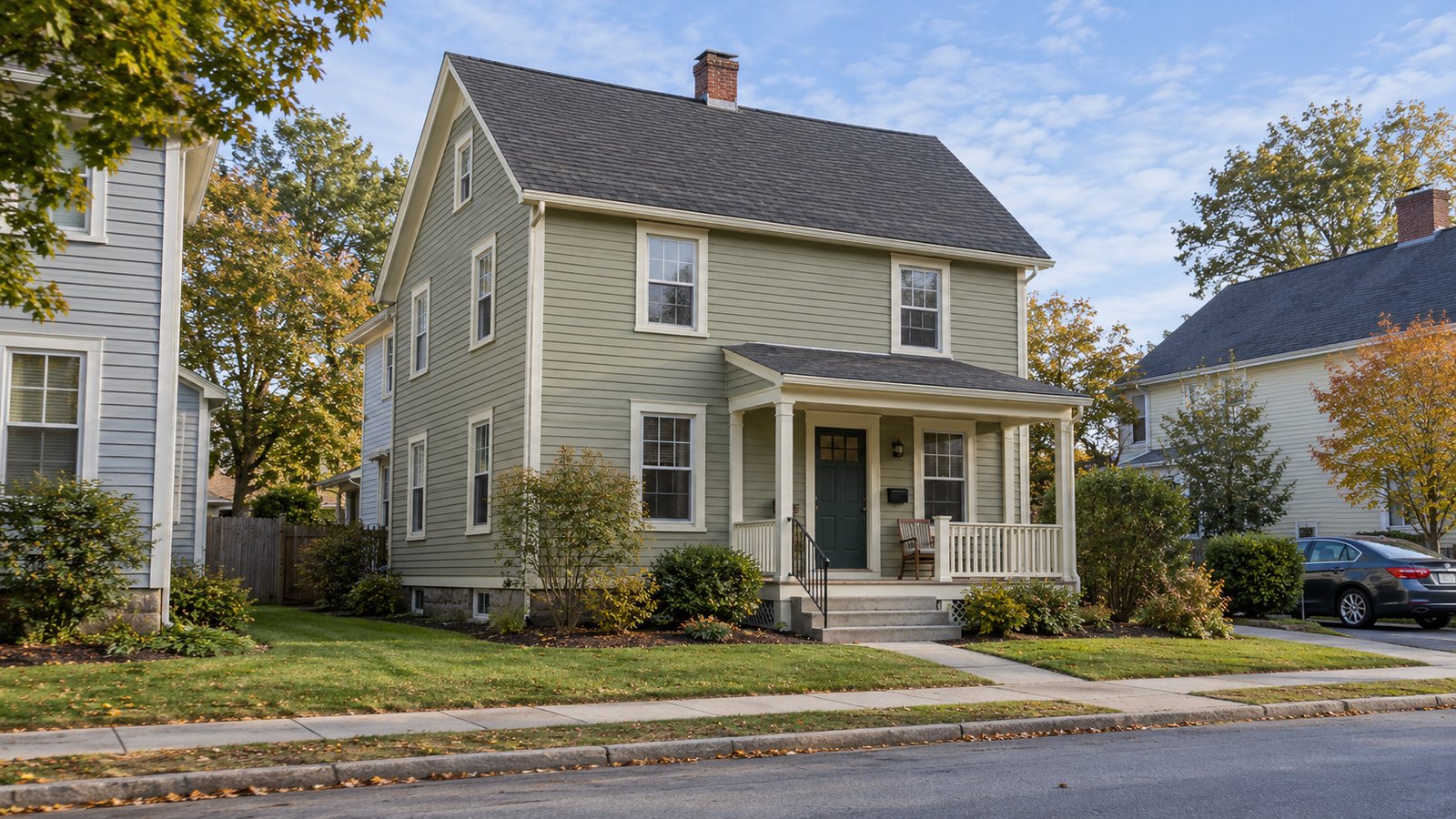
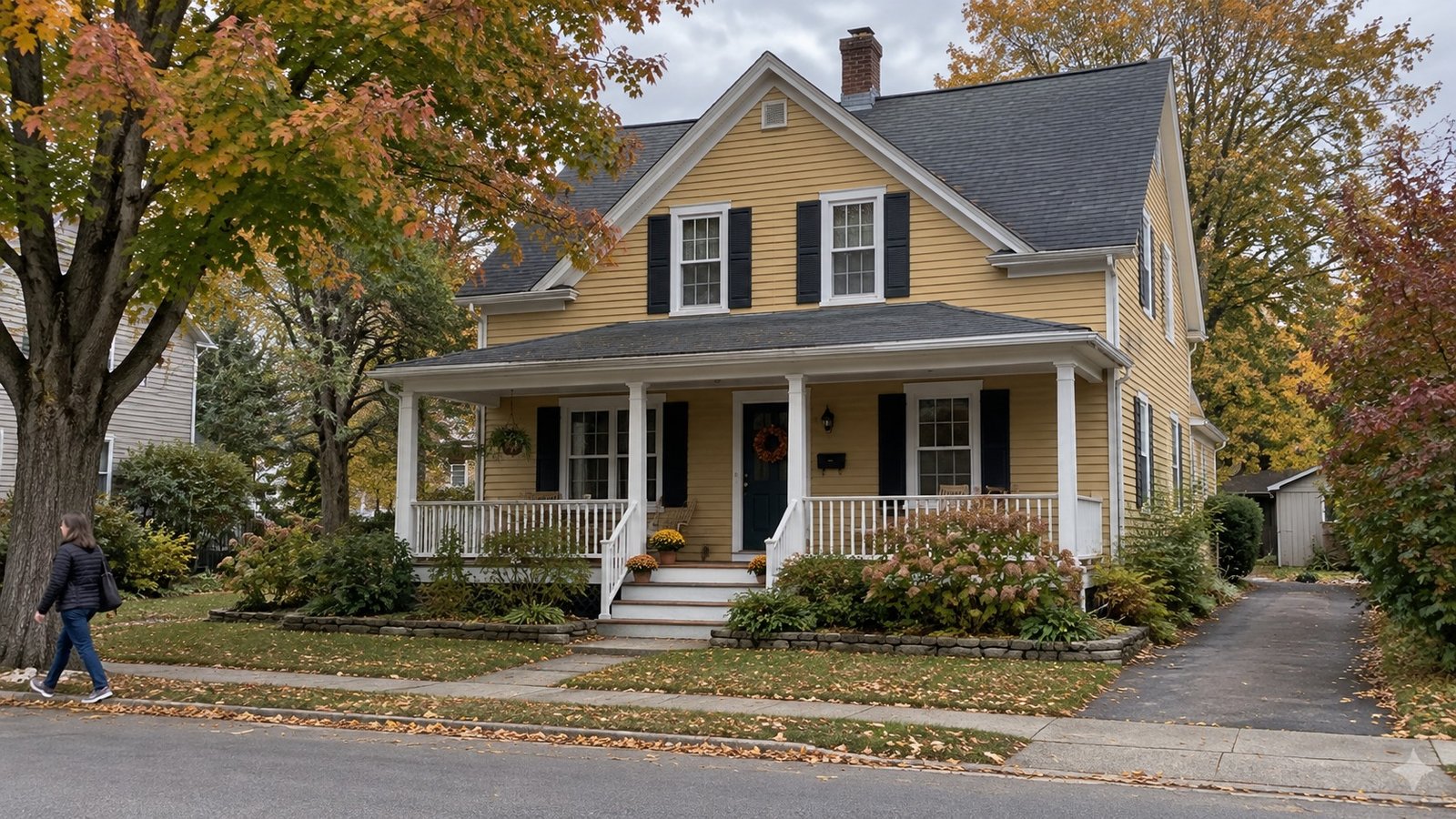
The county outlines and photographs on this page provide geographic context built from Census boundary data and illustrative imagery. They are not records of completed customer jobs. The evidence that shapes a real plan comes from your own property: current photographs of entrances, stairs, driveways, and the largest pieces, plus an honest description of the last stretch of road at each end.
State-level facts in this guide — housing counts, mobility estimates, price levels, and migration flows — come from published Census and BEA tables and describe the state as a whole. They set context; they never substitute for the survey of your two properties. Regulation references, such as the carrier certificate statute and the spring weight postings, do apply directly and deserve a careful read before you book.
Before comparing services, write down both full addresses, the preferred date range, the largest items, and anything fragile or unusually heavy. Add the access questions this guide raises: parking, stairs, seasonal roads, toll routes. That short brief lets the survey focus on what actually drives the work — access, volume, preparation, and the receiving arrangement — instead of rediscovering constraints on moving day.
Read the guide in the order your decisions happen. Start with the two properties and the region descriptions, then the access and housing sections, then the regulatory checks, and only then timing and cost. Readers who begin with price usually return to the beginning, because in New Hampshire the property — its road, its stairs, its parking — sets the terms of everything that follows.