
Clear the work area
Contractor instructions define the rooms.
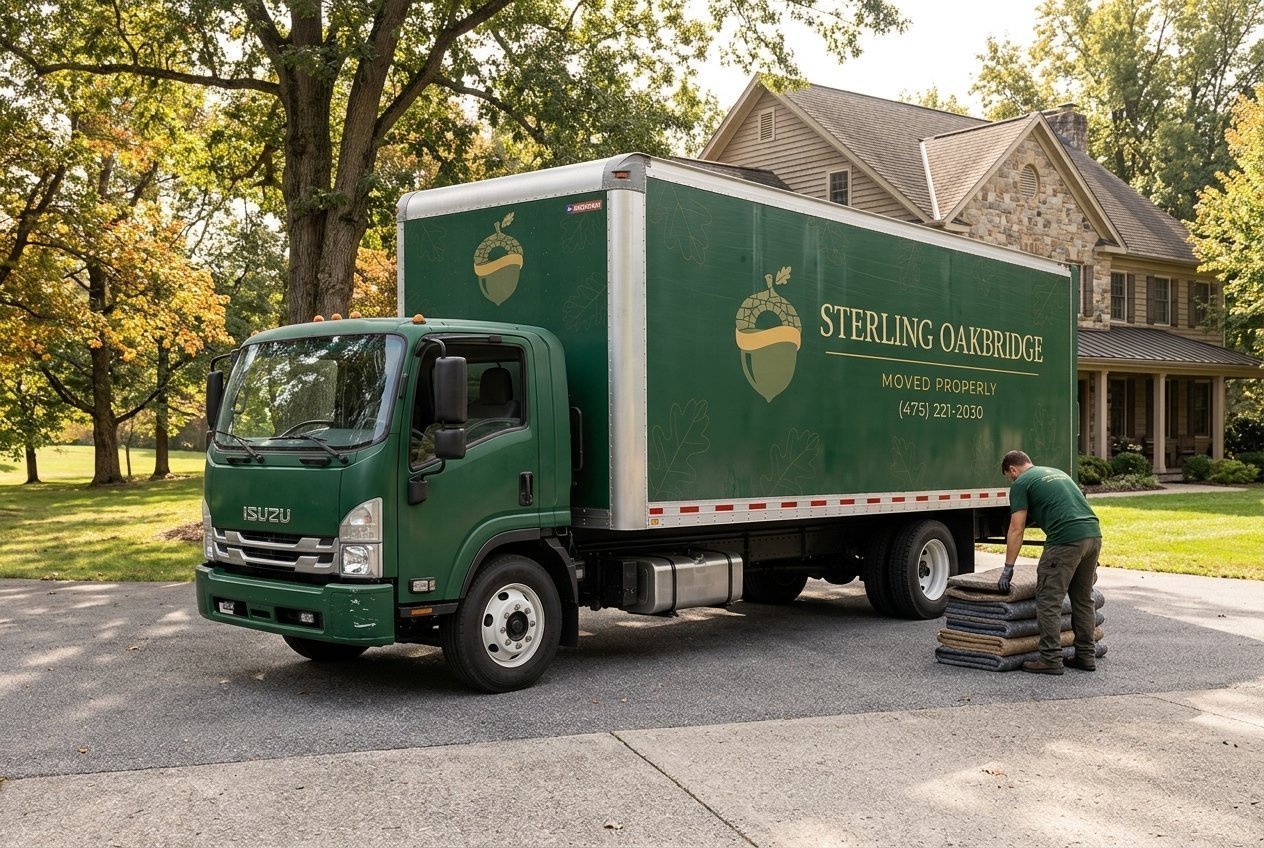
Moving for Renovations
Clear the rooms the contractor actually needs, keep the belongings you will use accessible, and plan their return. Sterling Oakbridge can move retained furniture within the property or arrange storage and redelivery around an agreed renovation sequence.
Return readiness belongs to the actual work and responsible professional. Holding and repeat handling are separately planned.
Contractor instructions define the rooms.
Internal staging or off-site storage.
Daily needs stay accessible.
Readiness confirmed before the carry.
Plan the work
Floor refinishing, painting, kitchen work and a broader remodel can need a single room or most of the property cleared. Ask the contractor which areas, routes and fixtures must be accessible and when. The moving plan then separates retained belongings, daily essentials and items the owner has approved for removal.
An empty room is not a complete plan if its contents block the hall or the next work area. Review the temporary receiving space, floor loading and usable routes before carrying. Photograph original positions and identify room destinations, shelves and hardware so the return is easier to direct.
After a leak or fire, transport can be reviewed for goods released for handling by the appropriate restoration professional. Cleaning, drying, decontamination and conservation are separate operations. The owner or authorized project contact supplies approval; the move does not decide insurance liability or reimbursement.
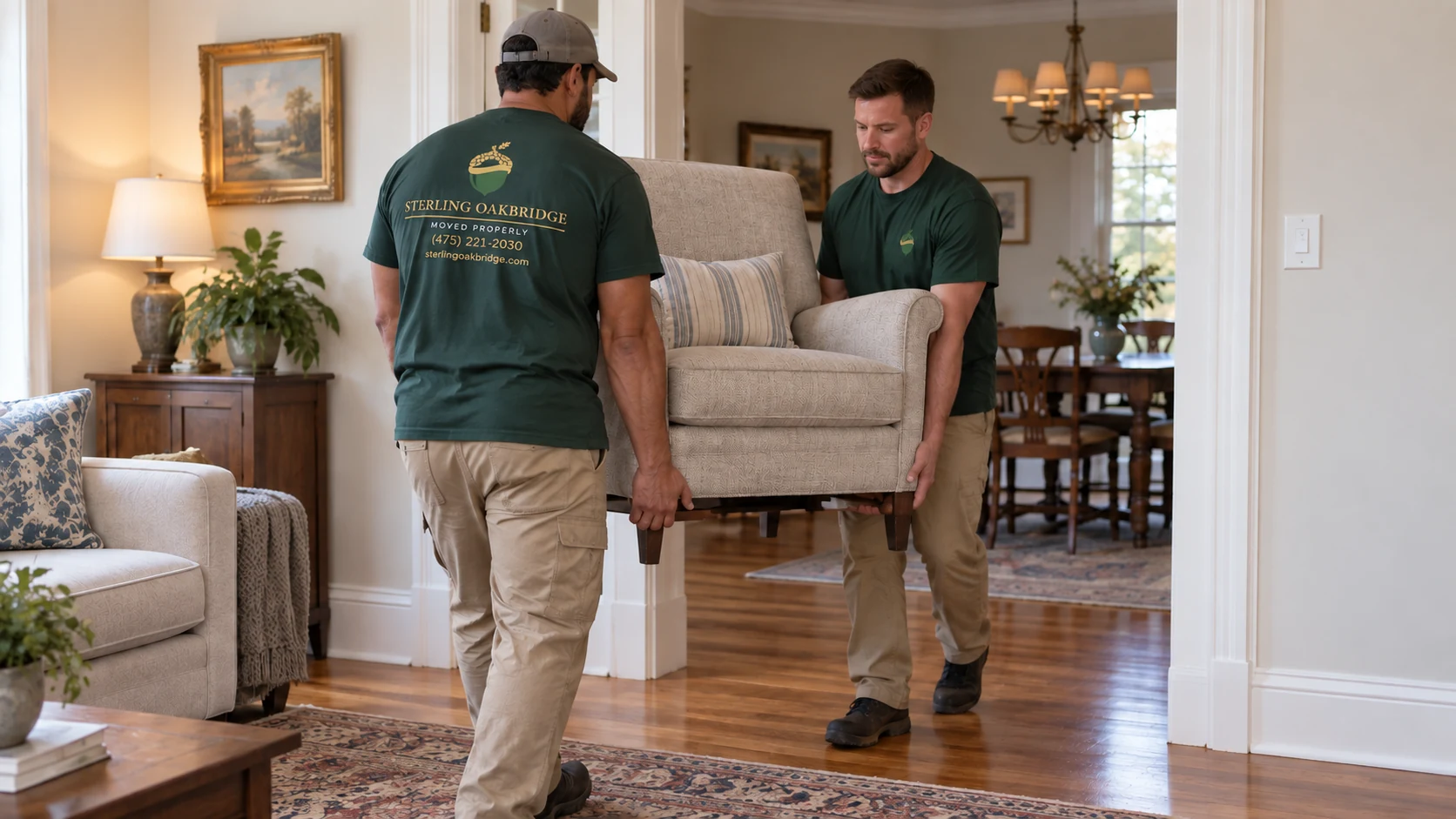
Choose your scope
Use a suitable room the contractor will not need, with enough space and a route that remains usable. There may be more than one paid carry as rooms change.
Check permission, dryness, security and the goods’ environmental needs. Outdoor or damp holding is not a substitute for suitable protection.
Useful when the property must be clear or furniture needs a different environment. Include unloading, rent, reloading, travel and return.
Phase the work only when the contractor can identify independent areas and ready return dates. Repeated visits add handling and scheduling.
Plan the work
Agree who will confirm that the floor, paint or other work is ready for protected carrying and furniture placement. Dry to the touch is not a universal cure or load instruction. Use the actual product and contractor’s requirements rather than a generic number of hours.
Confirm access, the final furniture plan and the return notice before the first removal. Keep everyday needs outside storage, and identify any object that must be retrieved early. A change in the work schedule requires a revised moving appointment; the original slot is not held indefinitely.
Review the cost of the entire sequence: preparation, first carries, transport where needed, temporary holding, repeat handling and final placement. Basic furniture disassembly and reassembly use moving labor time; specialist assembly and separately selected removal have their own reviewed scope.
Illustrative situations from our local pages
These are hypothetical planning situations, not reports of completed customer jobs.
Hudson Valley · Poughkeepsie
The local example compares furniture staged elsewhere in the house with off-site holding. The contractor specifies the floor area and carrying route that must remain clear.
Return follows the contractor’s readiness instruction, with protected access and a settled layout. A cheaper first carry is not necessarily the cheaper complete project if it creates another displacement.
Ohio · Mansfield
An in-home moving plan can clear selected retained furniture without booking transport for the entire household. The temporary room must remain usable and outside the active work area.
If the project expands, compare a second internal carry with storage before moving everything again.
A workable sequence
Get the contractor’s clearance and route instructions, dates and release contact.
Separate staging, storage, daily essentials and authorized removal; record the original room positions.
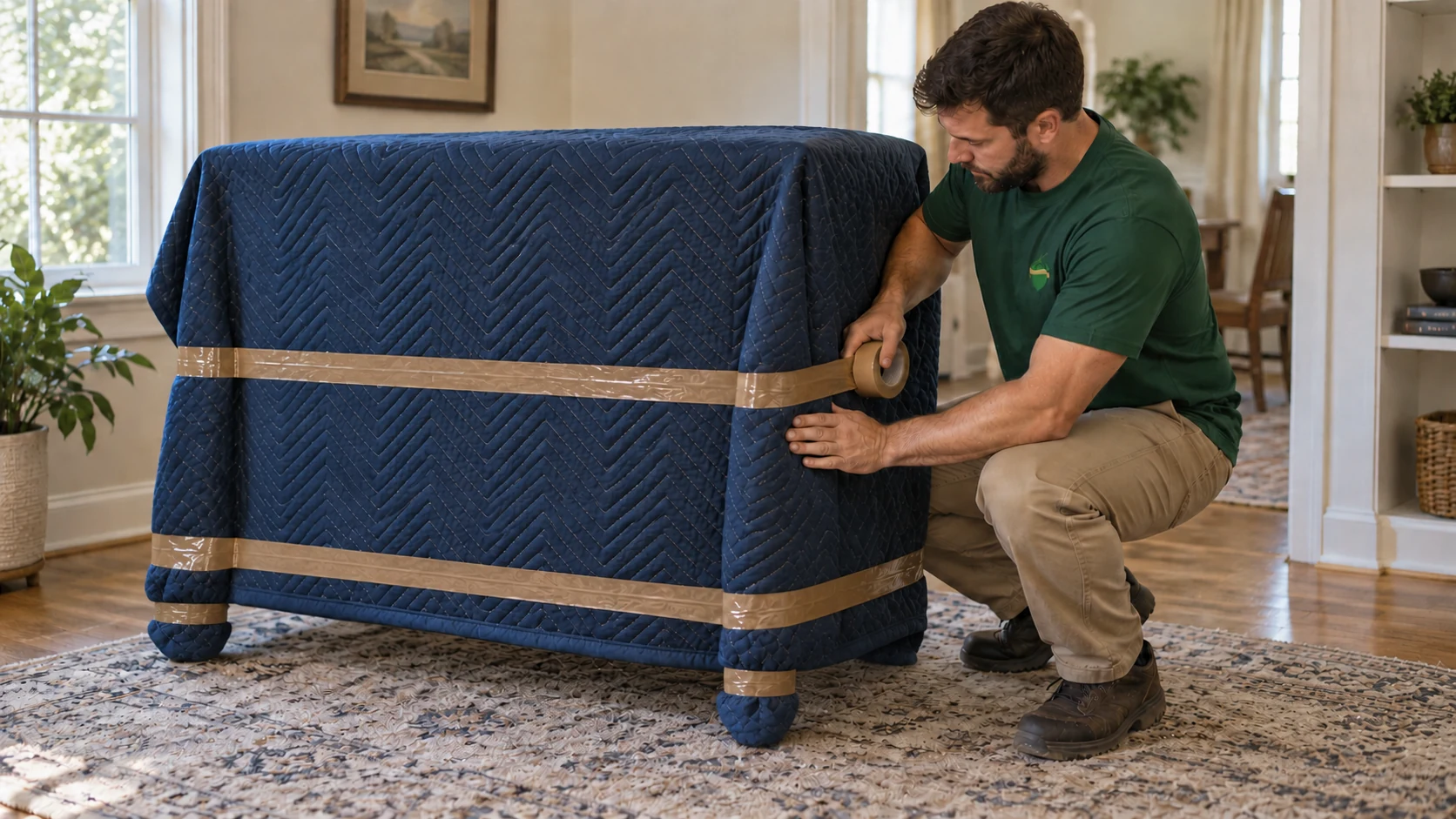
Carry and protect the agreed contents while keeping work and household routes available.
Confirm readiness, notice and the final room plan before carrying or redelivery.
These published local pages show how the work and access fit particular locations. Confirm the actual address and requested stages in your own plan.
Compare internal staging with storage and plan the return before rooms are cleared.
Compare internal staging with storage and plan the return before rooms are cleared.
Before you book
Practical answers about the work, preparation, price and receiving result.
Ask a coordinatorYes, when the receiving room and routes are suitable and the contractor will not need them. Agree the first carry and later return; repeated internal handling still uses labor.
After the contractor or responsible professional confirms the actual surface is ready for carrying and placement. Product cure requirements vary; dry-to-touch alone does not establish readiness. Confirm that release before the return appointment.
Yes. Review the contents, environment, expected gap and retrieval needs. Compare the complete pickup, storage and redelivery cost with suitable authorized staging.
We can review transport of goods released for handling by the appropriate professional. Restoration, drying, decontamination and insurance approval are separate responsibilities; provide the release and item condition before booking.
Approved unwanted items can be reviewed as a separate removal scope. Mark them clearly apart from retained furniture and confirm the receiving route and charge before the crew starts.
Tell the planning team promptly. Agree revised holding, return notice, access and charges in writing rather than assume the original return appointment remains available.
A plan for your actual move
Send the item list, photographs, both ends of the handling route and the dates that matter. We will explain the stages and prepare a written estimate.
