
Florida / Moving services
Long-distance movers in Miami, FL
Sterling Oakbridge plans interstate household moves into and out of Miami, with packing, furniture preparation and delivery arranged around the actual shipment. Start with both addresses, the belongings that travel and the receiving dates you can accept. A condominium loading appointment, an apartment entrance and a house behind a narrow gate can call for different plans even when the inventory is similar.

01 /
Build the move around both addresses
An interstate move has two property routes: the route out of the current home and the route into the next one. Plan them together. An accessible pickup does not settle a restricted delivery, and a new lease beginning on Monday does not necessarily provide a Monday elevator appointment. Establish when you must leave, when someone can receive the goods and who can approve a change before choosing a delivery model.
Give the complete Miami street address, unit and municipality. A mailing address containing “Miami” is not enough to identify the authority controlling a curb or a building's loading area. This page covers Miami household shipments crossing a state line. The availability and written scope of your particular route still need review; a general destination list does not reserve a crew or a date.
For an apartment or condo, start with the management move instructions. Identify the permitted entrance, vehicle position, service elevator, carrying hours and person releasing access on the day. For a house, include the gate, driveway, porch steps, interior turns and rooms receiving large pieces. Photographs and a continuous walk-through video help connect these details rather than leaving an unseen gap between the road and the front door.
Make one list of decisions that must be settled before dispatch: inventory, packing responsibility, lawful loading position, building access, payment terms, protection choice and receiving arrangements. Keep their confirmations together with the estimate. If two instructions conflict—for example, an elevator window shorter than the accepted unloading work—resolve that conflict while alternatives remain available.
02 /
Choose the work included in your shipment
The core service is an agreed interstate household shipment: collection, transport and delivery to the reviewed address. Add preparation and finishing work according to what you need done. The useful question is whether a task appears in the scope with the right time, materials and receiving conditions, rather than whether a broad service label sounds comprehensive.
| Work | What the plan should include | What to send first |
|---|---|---|
| Interstate household moving | The belongings travelling, pickup and receiving arrangements, and the selected delivery model | Both complete addresses, inventory and date constraints |
| Selected-item or full packing | Which contents the crew packs, which you finish, cartons and preparation access | Room-by-room contents and fragile-item photographs |
| Furniture preparation | Basic disassembly and reassembly, protection and any separately assessed complex work | The actual piece, dimensions, joints and instructions when available |
| Storage between addresses | The stored group, expected gap, access needs and next delivery stage | Dates, contents and what must remain accessible |
| Delivery finishing | Furniture placement and unwrapping, with optional box unpacking or separately priced packaging removal | Receiving rooms and the specific help wanted |
Packing or storage attached to an interstate shipment must have its own usable arrangements. If packing needs to happen before the building's carrying window, identify when preparation staff and materials may enter. If the new home is not ready, agree storage and the later delivery before treating it as the answer to the gap.
Keep a separate personal group for medicines, documents, keys, chargers and the first night's necessities. Tell the planning team about unusually fragile, valuable or complex items early. A short description such as “a two-bedroom apartment” does not show the contents of every closet, balcony or storage cage and cannot establish the whole job by itself.
03 /
Choose a delivery model you can receive
Direct and consolidated long-distance moving
Our direct long-distance service uses a dedicated truck and the same moving crew at pickup and delivery. For a suitable small shipment, ask about consolidated delivery with a wider agreed receiving window. We serve destinations throughout the United States and Canada. Confirm pickup, delivery and any storage stages in the written move plan. The planning team performs a separate role from the moving crew.
A dedicated truck is useful when you want the shipment planned as its own transport and delivery operation. The same moving crew performs pickup and delivery on that direct service. Establish the actual receiving arrangement before choosing it: the route, travel conditions and permitted unloading time still determine what can be confirmed. The person reviewing the estimate has a separate role and is not automatically one of those movers.
Consolidation can suit a small shipment when the household can accept a broader delivery window. Approximately 300–400 cubic feet is small-shipment guidance for reviewing suitability, not a minimum order or automatic eligibility threshold. The maximum agreed window begins after pickup and loading are complete. For a consolidated shipment into Florida, the company policy provides a maximum of 60 days; an earlier delivery date requires its own confirmation. Do not turn that maximum into the expected arrival day.
Consider four common planning situations. A family moving from Massachusetts into a Miami condo needs its receiving appointment to work with the accepted delivery window. A small New York-to-Miami shipment may be a consolidation candidate if the household has somewhere to stay and can receive within that window. A Miami household moving to California must review the outgoing destination terms: California's consolidated maximum is 90 days, while Canada has a 60-day maximum. A household leaving Miami for another distant US state needs that route's window agreed individually; the Florida destination rule does not follow the shipment merely because it started here.
If you need selected belongings before the main shipment can arrive, identify them before loading. Carry personal essentials separately and ask whether the proposed shipment arrangement can meet the remaining need. A wider delivery window is not a promise of free storage, a discount or the same crew on consolidated delivery.
04 /
Review the whole building route
Work from the approved unloading point to the final room. Record the distance to the entrance, surface changes, gate opening and swing, steps, door clearances, corridor turns, elevator openings and the lift car's usable interior. Include the room doorway and the final turning space. The largest piece needs to pass the whole chain; a wide lobby does not resolve a tight turn upstairs.
At a condo or apartment, distinguish the public entrance from the entrance management permits movers to use. Obtain the actual move instructions, service-lift booking rules, protective-padding requirements, insurance-certificate wording, deposits or fees and the contact who can approve access. These are building-specific questions. A photograph of a ramp or an elevator in a listing does not establish that the moving crew may use it.
We can coordinate building COIs, moving-truck permit arrangements, elevator scheduling and moves that require union labor. Send the building instructions and management contact early. We can also arrange materials and packing before the carrying window when the property permits that access.
The agreed plan should identify who submits each request, who approves it and which municipal or building charges apply. An application is one step; the required access and time still need confirmation.
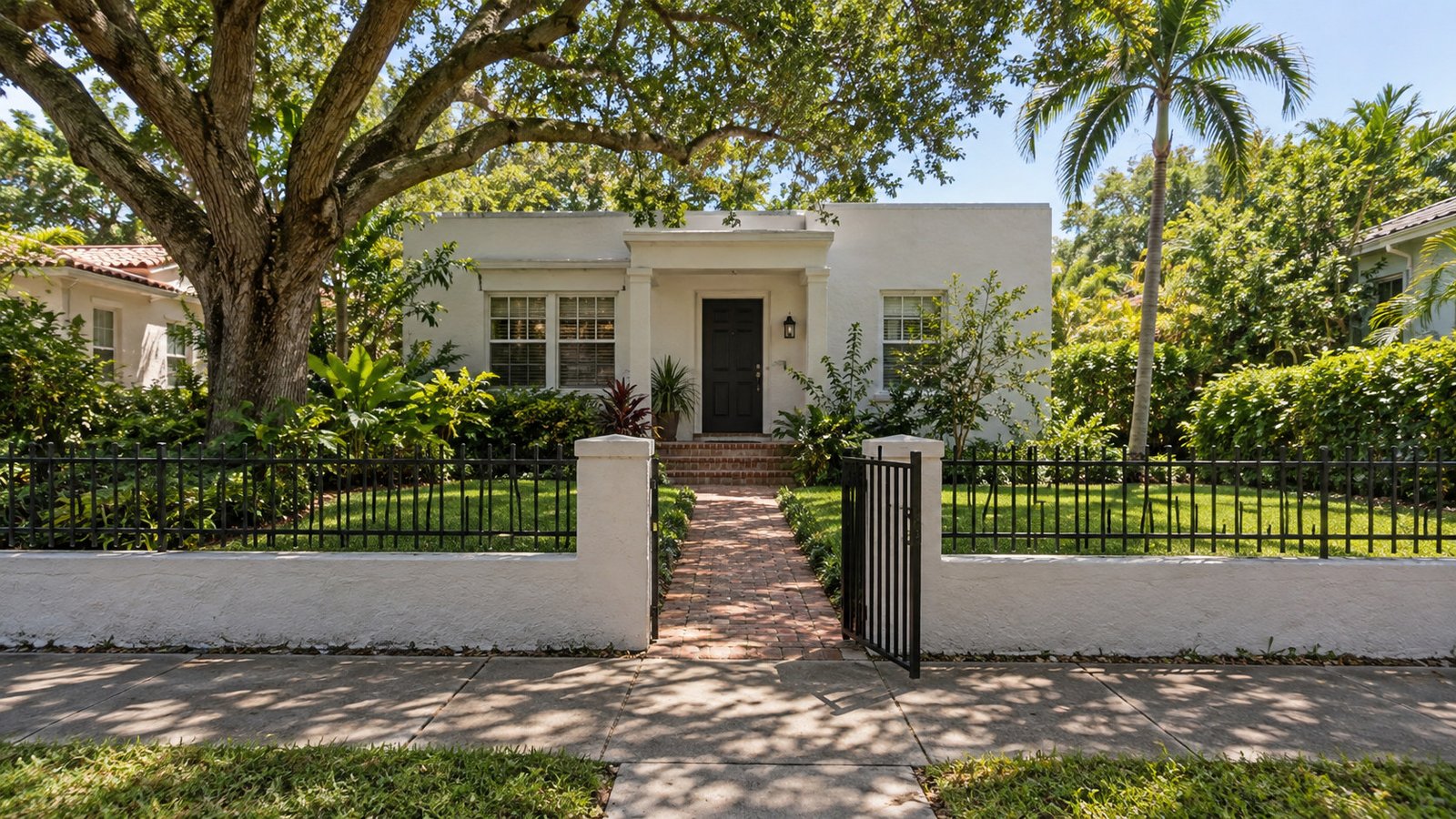
For a narrow gate or raised porch, show both sides of the constraint and the landing beyond it. An open gate may still sweep across the walking route. A large dresser that clears the gate can fail at the door or stair turn, so include that same item in the route review. Leave an alternative such as an approved different entrance or room placement open to assessment; crane work is outside our service scope, and a proposed window operation needs its own assessment and approval.
If the carrying window is short, separate work that can be completed beforehand from the actual transfer. Cartons, furniture preparation and permitted protective setup can be arranged earlier when access allows. Shared lifts, concierge release and key collection still need owners and times. Obtain the receiving instructions for the other address with the same care instead of postponing them until the truck is on its way.
05 /
Arrange the right loading space
A convenient empty curb is not a reservation. First establish whether the proposed position is private building space or a City-controlled on-street space. Match its usable length, approach, overhead clearance and exit to the actual truck. Keep the public walking route and the building entrance usable, and do not treat a parking application as permission to block a lane or sidewalk.
For City-controlled on-street metered spaces, Miami Parking Authority publishes a meter-rental process. Its requisition requires the location and serial meter number, contact information and the intended use, submitted at least 48 hours in advance. Prepayment is required, but submission and payment do not guarantee approval. MPA may deny a request in the public interest. Its enforcement team reserves approved spaces the night before and removes its signs afterward; a household should not substitute its own cones for that process.
For “other uses,” MPA posts $30 per space per day plus a $50 administration charge per rental order. These are municipal charges, separate from the moving estimate; confirm the request’s category, current amount and approval before relying on the space. The posted policy requires company checks seven business days in advance. Coconut Grove requests have an additional NET-signed permit step; confirm the current office and sequence with MPA before relying on the booking. The published meter-rental contact is rentmeters@miamiparking.com or 305-373-6789, extension 270.
Purple Smart Loading Zones are a different arrangement. MPA requires a qualifying commercial vehicle, CurbPass registration, an approved Smart Loading Zone permit and payment arrangements. The permit is free; the actual loading-zone use is billed per minute. The maximum stay is 30 minutes, for active loading and unloading. That limit can make a zone unsuitable for a whole apartment transfer even when the truck qualifies.
For a longer operation, review an approved building loading area or the applicable MPA rental arrangement. Identify the submitter, approving authority, charges and accepted location in writing. Confirm the vehicle's eligibility and posted restrictions rather than assuming a truck already holds the needed permit. MPA's 24-hour Command Center number for Smart Loading Zone issues is 305-579-4900.

06 /
Finish packing before the carrying window
Divide the contents into owner-packed and crew-packed groups, then assign a completion point to each. A family packing clothes itself but asking the crew to prepare the kitchen has two responsibilities to coordinate. Add the closets, balcony belongings and separate storage area to that inventory. Remove items staying behind from the shipment list so their presence in a survey does not create ambiguity.
Use suitable cartons for the contents. Dense books belong in manageable boxes; towels and linens can use a properly sized linen carton. Close and label completed cartons by receiving room, keep fragile groups identifiable and maintain a continuous walking route. A stack of open boxes along the entrance can consume both working space and the approved carrying time. Keep personal essentials out of that stack.
Labor, materials and optional work
| Item or task | How it is charged |
|---|---|
| Basic furniture disassembly and reassembly | Part of your moving labor time, without a separate basic assembly fee |
| Moving blankets, shrink wrap and tape | No separate charge for these basic protection materials |
| Boxes supplied for your move | Charged separately |
| Packing | Charged for working time; boxes are separate |
| Unwrapping furniture | Part of delivery |
| Unpacking the contents of boxes | Optional work, charged for working time |
| Packaging and waste removal | Charged separately |
| Complex furniture and other specialist work | Individually quoted after review |
Tell us which tasks you want completed and which materials you need. Your estimate should distinguish moving labor, boxes, specialist work and removal charges.
Show furniture that needs preparation before the work is priced. Basic disassembly is different from a complicated built-in, unfamiliar wardrobe or a piece needing specialist handling. Provide photographs of the complete item and its relevant connections. Keep agreed detached parts with the correct furniture and preserve instructions when available, rather than discovering missing fittings after delivery.
Plan the receiving result too. Name the room for each large item, identify what needs reassembly and decide whether you want the contents of cartons unpacked. Furniture unwrapping during delivery does not empty every box or remove all packaging. If you want that additional work, include it before the day so the time and charges reflect the actual order.

07 /
Understand the estimate and its limits
For an agreed long-distance flat-rate move, the same accepted shipment and service scope mean the same price. A journey or delivery taking longer does not itself increase that agreed price. Added belongings, extra packing, omitted inventory or changed access and receiving requirements can change the job. Have those changes reviewed in writing before the affected work begins.
A useful estimate follows the contents through both properties. Include the full inventory, fragile and high-value pieces, preparation, carrying distances, stairs or lift conditions, truck access, storage stages and delivery finishing. Square footage and bedroom count can introduce the property, but they do not show a packed storage room or a large piece needing special attention. Compare estimates for the same work and the same receiving result.
For interstate household goods, the current federal process includes a survey and a written estimate. A survey may be on-site or use live or recorded video that clearly identifies the goods. A customer who elects to waive the survey must sign a written waiver before loading. An inventory list starts the discussion; small shipment size does not itself create a waiver. The estimate identifies its binding or non-binding basis, and a mutually agreed amendment must be made before loading.
Keep the signed estimate and the accepted inventory together. Record the payment method, included services, separately charged work, protection selection and responsible contacts. If an elevator becomes unavailable or the packing responsibility changes, tell the planner while the change can still be assessed. Do not leave a material difference for a conversation after the shipment is already loaded.
Choose protection before the move
Discuss the basic liability option and higher protection available at an additional charge before moving day. Have the selected level, cost, limits and claims process recorded in your moving documents. Tell us about artwork and other high-value items in advance so their declared values and any special requirements can be reviewed.
For interstate household-goods moves, Full Value Protection applies unless you select Released Value through the required written waiver. Valuation is the mover’s level of liability; it is different from a separate insurance policy. Review the FMCSA explanation of liability and protection and the terms for your particular move.
08 /
Set a sequence with named decision-makers
Begin with the two addresses, shipment list and date limits. Send building instructions and route photographs early enough to expose the constraints. The planning review should settle what further survey information is needed, which preparation belongs in the order and whether the requested delivery model can meet the receiving conditions.
After the scope is reviewed, put the practical arrangements alongside the estimate: packing dates, loading location, building approvals, key access, receiving contact and the time someone will be present. The household, building manager and moving planner have different decisions to make. Name the person submitting a parking request and the person who must confirm it; paying a fee does not merge those roles.
Before dispatch, use a short readiness check. Are the agreed cartons complete? Are the large pieces and separate storage contents accounted for? Does the authorized entrance open, and is the elevator appointment accepted? Is the loading location actually approved for the vehicle and duration? Can the receiving person answer a call and admit the crew at the other end? Missing confirmations should have a decision deadline while another arrangement remains possible.
If a preparation stage is incomplete, describe the actual remainder rather than simply saying the home is “nearly ready.” An unpacked kitchen, a blocked corridor and a few loose bedside items affect the plan differently. Ask for the needed scope change and have any extra work, materials or altered schedule agreed. Keep the current version available to the household's authorized contact and the planning team.
09 /
Plan around weather and road conditions
Miami moves need a weather decision as well as a calendar date. The National Hurricane Center identifies June 1 through November 30 as the Atlantic hurricane season. Those dates are a planning framework, not a forecast for your moving day. Follow current official warnings, evacuation instructions, building closures and the actual route conditions when deciding whether work can proceed.
Miami-Dade's Storm Surge Planning Zones address storm-surge risk and evacuation planning; they are not the same as flood zones. The county's resource links to its zone tool and emergency-alert information. An address needs its own current review. A view of water from a condo, an inland location or a zone label by itself does not establish whether a home is safe to occupy during a particular storm.
For the transport approach, FL511 provides road-condition and traffic information. FDOT's truck-lane resource and posted restrictions matter to the actual vehicle; a passenger-car navigation suggestion does not settle a truck's route. If the accepted approach uses a toll road, the route and vehicle determine the relevant toll review. Do not substitute a guessed toll figure or driving-time estimate for the shipment's confirmed plan.
Choose dates around real constraints: lease handover, school arrangements, work, building availability and when packing can be complete. Flexible households can submit several workable dates rather than assuming a particular weekday or part of the month is cheaper. Keep essential documents, medicine and people arrangements accessible if a warning or closure changes the schedule.
10 /
Know what happens if access changes
Stop and resolve a material access problem before attempting an unsafe or unauthorized transfer. An occupied loading space, failed lift, closed building or evacuation instruction is a reason to contact the authorized household decision-maker and moving planner. The crew should not improvise a blocked sidewalk, an unapproved entrance or a different receiving address as though the original permission covers it.
Set a deadline before dispatch for any approval still pending. Agree who can authorize the alternative and what information is required. A workable alternative might be another approved loading window, a building-approved entrance reviewed for the furniture, or separately arranged storage with a later delivery. It becomes a plan only when its provider or property contact has accepted it and its time, access and charges are understood.
Account for the people while the shipment waits. Identify where the household can stay, how it will reach medicines and essentials, and who can receive a revised delivery. If the lease must end before the destination is available, settle the actual storage and receiving gap in advance. An assumed free holding period or a friend's unmeasured garage is not a complete replacement for that arrangement.
When access is restored, confirm the usable route, lawful truck position, accepted building appointment and receiving contact before resuming. At delivery, direct the large pieces to their agreed rooms, review the inventory and note any concerns promptly. Furniture can then be unwrapped and agreed reassembly completed. Optional carton unpacking and separately priced packaging removal remain part of the order only when you selected them.

11 /
Send a request that can become a written plan
Include both complete addresses and unit details, preferred dates, the date you must vacate and the receiving window you can accept. Add the room-by-room shipment list, photographs of unusual pieces and the actual building instructions. If a survey video is requested, show the belongings and the whole carrying route clearly instead of filming only a furnished living room.
Describe the help wanted: selected-item or full packing, basic furniture preparation, complex work requiring review, any storage gap, receiving-room placement and optional box unpacking. Identify what you will complete yourselves and when. A request that distinguishes those tasks lets the estimate address the work you need done, rather than leaving the finishing stage uncertain.
For Miami access, send the proposed loading position and the contact controlling it. If it is an MPA space, include the actual meter location and the status of the request. For a private loading area, include the vehicle limits and the accepted building window. Tell us what remains pending so the planner can put a decision deadline and an alternative alongside it.
Continue with Florida moving planning, the overview of long-distance moving or storage between addresses when those topics fit your shipment. Your Miami request should still end with a route-specific written scope, actual approvals and a receiving arrangement you can use.
12 /
Questions before you move
What moving service does this Miami page cover?
Interstate household moves into and out of Miami, with the packing, furniture preparation, storage stages and delivery work included in the accepted order. Send both addresses, inventory and dates to establish the actual route and scope. A Miami mailing address alone does not establish the municipality controlling the curb, a confirmed loading appointment or a reserved moving date.
What is the difference between direct and consolidated delivery?
Direct service uses a dedicated truck and the same moving crew at pickup and delivery. Consolidated delivery can suit a small shipment when you can accept a wider agreed receiving window. Choose according to the actual contents, route and date constraints. A building appointment still needs to fit that arrangement; consolidation does not automatically include the same crew, free storage or a discount.
How long is the consolidated delivery window into Miami?
For a suitable consolidated shipment into Florida, the maximum policy window is 60 days after pickup and loading are complete. It is a maximum window, rather than an expected arrival day or a promise of earlier service. If your household must receive on a particular day, state that constraint before booking so the proposed arrangement can be reviewed against it.
Does the Florida window apply when we move out of Miami?
The destination determines that rule. Consolidated delivery to California has a maximum 90-day window, and Canada has a maximum 60-day window, measured after pickup and loading are complete. Other distant US destinations need their window agreed individually. Starting in Miami does not give every outgoing route Florida's 60-day destination rule or a confirmed arrival date.
Is there a minimum of 300 cubic feet for consolidation?
The approximately 300–400 cubic-foot range is guidance for reviewing a suitable small shipment, not a minimum volume or an automatic cutoff. The actual inventory, route and receiving flexibility determine whether consolidation is appropriate. Send the items you want moved and the dates you can accept; do not add belongings solely to reach that illustrative range.
Can I reserve an on-street metered space for moving?
MPA accepts requisitions to rent City-controlled on-street spaces, subject to approval. Submit the location, serial meter number, intended use and contact details at least 48 hours ahead and follow the payment requirements. Submission and payment do not guarantee approval. Confirm the accepted space, duration and vehicle arrangement before treating it as the loading location; an ordinary open curb is not a reservation.
Who posts the signs for an approved MPA meter rental?
MPA's published process says its enforcement team reserves the space the night before and removes the signs afterward. Keep the approved arrangement and contact information available, and confirm what to do if the space cannot be used. Do not replace an unapproved request with household cones or signs. Meter-rental questions go to rentmeters@miamiparking.com or 305-373-6789, extension 270.
Does a Coconut Grove meter request need another step?
MPA's posted policy calls for an additional permit signed by the Coconut Grove NET office and notification to its Customer Service Manager. Confirm the current office, submission sequence and accepted date with MPA before committing the truck. That additional step does not replace the meter requisition, payment conditions or MPA's approval, and a private building loading area has its own permission.
Can the moving truck use a purple Smart Loading Zone?
Only when the actual commercial vehicle meets MPA's requirements and has the approved CurbPass Smart Loading Zone permit and payment arrangements. The zone is for active loading and unloading, with a maximum 30-minute stay. That limit can be too short for a household transfer. Review a suitable approved building space or the applicable meter-rental arrangement when the work needs longer.
Is a free Smart Loading Zone permit free parking?
The permit is free, but the actual zone use is billed per minute and requires valid payment arrangements. Vehicle qualification, permit approval, posted restrictions, active loading and the 30-minute maximum still apply. Have the planner confirm the actual vehicle and proposed operation before relying on the zone. MPA publishes 305-579-4900 as its 24-hour Command Center number for these issues.
What should I ask the condo manager before booking?
Ask for the approved loading position and entrance, service-elevator booking, carrying hours, vehicle limits, protective setup, COI wording, charges and the person who releases access. Obtain the instructions for your specific building and unit. Then compare the accepted window with the actual unloading and carrying work. An elevator shown in a property listing does not establish permission to use it for a move.
What access details matter at a house with a gate or porch?
The gate's usable opening and swing, the path, porch steps and landing, door clearances and interior turns all matter to the same piece of furniture. Show the continuous route and the bulky items needing it. An open gate can still intrude into a walking route. Resolve any needed approved alternative before loading rather than assuming a window operation will be available.
Can the crew pack only the fragile contents?
Selected-item packing is available as part of the agreed shipment scope. Identify the exact kitchen, glass, artwork or other groups you want prepared and what you will pack yourselves. Packing is charged for working time, with supplied cartons separate. Send unusual or high-value items for review so the preparation method, materials and any specialist work can receive the right terms.
Are blankets and basic furniture preparation extra?
Moving blankets, shrink wrap and tape have no separate basic-material charge. Basic furniture disassembly and reassembly use your moving labor time without a separate basic assembly fee. Supplied boxes are separate, and complex furniture or specialist work is individually quoted after review. Show the actual furniture early so the order distinguishes ordinary preparation from more involved work.
Does delivery include emptying the boxes?
Furniture is unwrapped as part of delivery. Unpacking carton contents is optional work charged for working time, and packaging or waste removal is charged separately. Name the rooms and the help you want finished before accepting the scope. A household that needs an operational kitchen on arrival should include that unpacking requirement explicitly instead of assuming furniture delivery completes it.
Can storage solve a gap between the two homes?
Storage can be arranged with a defined stored group and later delivery, subject to the actual order. Give the date you must leave, when the next property can receive and anything you need to access meanwhile. Agree the storage charges, access arrangements and next delivery stage. A consolidated delivery window does not itself promise free storage or access to selected cartons while the shipment waits.
Will a longer journey increase an agreed flat rate?
A journey or delivery taking longer does not by itself change the flat rate for the same accepted shipment and service scope. Added inventory, extra packing or changed pickup and receiving conditions can change the work and price. Keep the current inventory and access instructions with the estimate, and have material changes reviewed in writing before the affected work begins.
Is an item list enough for the interstate estimate?
A list starts the review. The interstate survey can be on-site or use live or recorded video that clearly identifies the belongings. A customer may elect a written survey waiver signed before loading. Small shipment size does not itself waive that process. Complete the applicable review and written estimate rather than treating a short list as automatic approval of every item or access condition.
Is valuation the same as an insurance policy?
Valuation is the mover's level of liability, which is different from a separate insurance policy. For interstate household goods, Full Value Protection applies unless Released Value is selected through the required written waiver. Review the cost, limits, deductibles, declared high-value items and claims process before moving day. Do not assume “insured” means every item or loss is covered without conditions.
How should we prepare a large or valuable piece?
Send photographs, dimensions, construction details and the declared value before the estimate is settled. Show the complete carrying route and any joint or fragile surface affecting preparation. The planner can identify the further review or specialist work needed. A furniture-fit question must be resolved for the actual item and openings; a wide lobby or a general service description does not settle it.
Should we avoid moving throughout hurricane season?
The June 1–November 30 Atlantic season is a reason to build a weather decision into the plan, rather than a forecast that every date is unsuitable. Follow current official warnings, evacuation instructions, road conditions and building restrictions for the actual day. Keep a decision deadline, household contact and accepted alternative available if a closure or safety instruction changes the move.
Is a Miami-Dade storm-surge zone the same as a flood zone?
Miami-Dade explicitly distinguishes its Storm Surge Planning Zones from flood zones. Use the county's zone and emergency resources for the actual address and current event. A zone label alone does not decide whether a particular building is safe to remain in during a hurricane. Follow official instructions, and do not use a property photograph or an inland-looking setting as a safety determination.
What if the elevator or loading position is unavailable?
Contact the authorized household decision-maker and moving planner before attempting the transfer. Agree an accepted alternative, its provider or property approval, costs and timing: another window, a reviewed entrance or separately arranged storage and later delivery. Account for the household's essentials and accommodation. Resume only after the usable route, lawful vehicle position and receiving appointment are confirmed.
What should go in my first Miami estimate request?
Send both complete addresses and units, inventory, preferred dates, the deadline to vacate and the receiving window you can accept. Add building instructions, access photographs, packing responsibilities, unusual pieces and any storage gap. Name the household contact who can approve changes. Tell us which permissions are pending so their decision deadlines and practical alternatives can be built into the written plan.
Your next step
Tell us about your Miami move
Send both addresses, inventory, dates and building instructions. We will review the shipment, access and receiving arrangements for your Miami interstate estimate.
Sources & useful local resources
Use Miami Parking Authority’s loading rules alongside the instructions for your actual building. Federal resources explain interstate documents and protection; weather and road resources support a current route and safety review.
Miami loading permissions
- Meter rentals: requisitions, approval and Coconut Grove stepMiami Parking Authority
- Smart Loading Zones: vehicle eligibility, permit and 30-minute limitMiami Parking Authority
Interstate documents and protection
- Household-goods estimates: survey, video and written termsFederal Motor Carrier Safety Administration
- 49 CFR 375.401: survey waiver and written estimate requirementsOffice of the Federal Register / FMCSA
- Interstate household-goods liability and protectionFederal Motor Carrier Safety Administration
Weather, evacuation and truck approach
- Atlantic hurricane season overviewNOAA National Hurricane Center
- Storm Surge Planning Zones and emergency resourcesMiami-Dade County
- Florida traffic information and road-condition resourcesFlorida Department of Transportation / FL511
- Truck lane restrictions and map resourceFlorida Department of Transportation
- Tolls: route, vehicle and payment resourcesFlorida’s Turnpike Enterprise