

Connecticut / City relocation guide

Moving to Clinton

The appeal of Clinton may be the shoreline, a particular home or a change in the rhythm of your week. Give that idea a practical trial: the journey to the station, the room for a hobby, the school contact and the arrangements you will need as soon as keys change hands.

Tidal creek winding through marsh grasses toward calm water and a low distant treeline
Leave time to explore the surroundings as well as the address.

01 /

Use the address to connect the pieces

Clinton is a Connecticut shoreline town. The map on this page outlines the smaller Clinton Census-designated place, while municipal contacts and places to visit may serve or sit within the wider town. A postal address, Census boundary and service area answer different questions.

Build a short list of places your household expects to use, then try the routes from the property. Include the return journey, the time of day and any change of transport. That test is more useful than giving every Clinton address one commute time.

The places below are starting points for a visit. They are not ranked residential areas or promises about the homes around them. Once the address is settled, the Clinton moving page helps turn it into an inventory, access and delivery plan.

Census boundary outline of Clinton CDP on the Connecticut shoreline
US Census Bureau outline of Clinton CDP. The larger town and service boundaries differ. Open full-size map.

02 /

Find the area that fits your routine

Start with the places you expect to use, then test the journey from the actual home. A station, beach or marina can help you compare routines without deciding what a particular property offers.

Clinton Station

Shore Line East has a station at 10 John Street Extension, with platform access from the Central Avenue and West Main Street sides.

CTrail Shore Line East — Clinton Station ↗
Housing & setting
If rail is part of the plan, compare the full door-to-platform journey and the return home after your usual train.
Daily travel
The operator lists daily commuter parking and an accessible connection between platforms. Check current train and elevator information.
Before choosing
Try the walking or driving approach at the hours you would use it, including the side of the station needed for departure.

Town Beach on Waterside Lane

The municipal beach page lists walking and picnic facilities, a playground and seasonal access arrangements.

Town of Clinton — Town Beach ↗
Housing & setting
Think about whether you want a place to store outdoor belongings as well as a destination to visit. Beach proximity does not establish an access entitlement.
Daily travel
Test the route from the property and check current town road notices before depending on a familiar shortcut.
Before choosing
Read seasonal pass and dog-area rules before the first outing.

Town Marina and Esposito Beach

The Town Marina is at 37 Riverside Drive. The town identifies Esposito Beach at the west end of its parking area as the small-craft launch.

Town of Clinton — Town Marina ↗
Housing & setting
Include the storage space you need for leisure equipment when comparing a home, whether it is used often or only in season.
Daily travel
Visit the intended launch and find out how equipment reaches it before relying on the outing as part of your routine.
Before choosing
Check the marina’s current launch arrangements, passes and availability; a residential address does not reserve a slip.

03 /

Picture the rooms in use

Try placing the furniture you intend to keep before deciding what else to buy. Leave room to open doors, pull out a chair and walk through the home. Measure the route into a room as well as the wall where a large piece might fit.

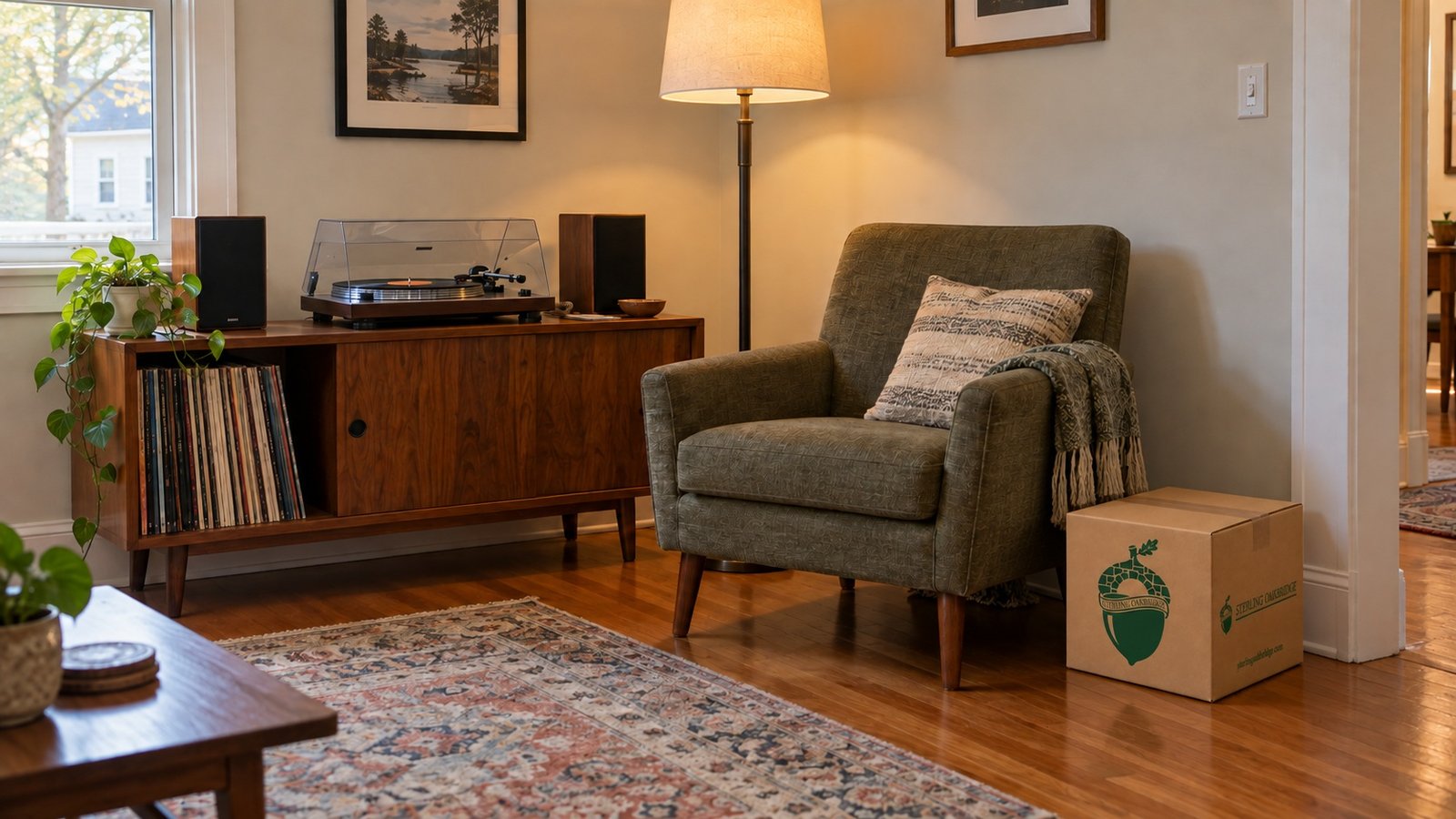
Think about the activity that makes the space yours. A listening corner needs room for records and equipment; a home office needs somewhere to work during unpacking. Outdoor belongings need a practical storage place and a route out that does not require moving everything else first.

Ask the owner for the property’s service and maintenance information. Establish the water source, wastewater system, heating arrangements and who is responsible for shared spaces. A nearby connection or the appearance of the street does not confirm what serves the home.

If you are renting, clarify delivery hours, parking, pets and any limits on fixtures or storage before booking the move. Keep those answers with the inventory so the household plan and the building’s rules stay connected.

Record player and speakers on a wooden cabinet beside an armchair and a small Sterling Oakbridge carton
Plan space for the interests you want to bring with you.

04 /

Clinton has its own rail station

CTrail Shore Line East’s Clinton Station page identifies the station at 10 John Street Extension. It lists free daily commuter parking, platform access on the Central Avenue and West Main Street sides, and a pedestrian bridge with elevators.

Check the live timetable and elevator status for the journey you intend to make. Allow for reaching the correct platform, a connection and the trip home. A station in town is useful, but it does not settle how convenient a particular address will be.

Try the journeys that happen when the main commuter is away too: shopping, an appointment, an activity or an evening return. If someone will rely on bus connections, use the operator’s linked transit information to check the actual service and return trip.

For driving, consult current road notices. The Beach Park Road project page is especially relevant to an approach that would normally use the connection to Shore Road. Test an available route rather than relying on an old navigation habit.

Woman with a shoulder bag walking on a rail platform beside a shelter and tracks
Include the journey to and from the platform in the commute plan.

05 /

Start with the current school registrar

The Clinton Public Schools enrollment page lists Lewin G. Joel Jr. School for PK–4, Jared Eliot Middle School for grades 5–8 and The Morgan School for grades 9–12. It provides the registrar contacts and registration-office windows.

Contact the appropriate registrar with the intended address, grade and arrival date. Ask what records are required for the current school year, how a midyear transfer is handled and when transportation can be confirmed. Arrange an appointment if the published hours do not fit your schedule.

Keep enrollment and the moving date as separate tasks. A child may need a school record or a first-day arrangement before the household is fully unpacked. Put the documents and familiar daily essentials somewhere you can reach without opening the main shipment.

06 /

Make the service handover explicit

Ask which providers and systems serve the exact property. List the account-holder change, service date and any appointment needed for electricity, heat, internet and water. Keep a contact for each provider and confirm access if someone must attend the home.

Where Connecticut Water serves the address, its account FAQ explains how to open or close service. Have the service address, account names, contact details and intended start date ready; say whether you are buying or renting. Check rental authorization and scheduling with the provider. Its offices are not walk-in service counters.

Check wastewater separately. The town’s Water Pollution Control Commission oversees on-site wastewater management, and the department is a contact for property questions. Obtain the actual system and maintenance records from the owner rather than assuming a sewer connection from the presence of a water main.

For a home used only part of the year, establish who looks after it while you are away and which qualified service contacts handle opening, closing or maintenance. Moving furniture into a building is only one part of making it ready to use.

07 /

Arrange the first collection or station visit

Ask what collection arrangement already applies to the property and whether a new account or contractor is needed. Keep packing materials separate from items requiring special handling.

The town Transfer Station page lists 117 Nod Road and Friday–Saturday receiving hours of 7:15 a.m.–3:10 p.m. It currently lists a $32 trash pass for twenty 20–30-gallon bags, payable by check or credit card, with proof of residency; cash is not accepted. Eligible residents aged 65 or over can obtain a free pass with the required ID and residency proof.

Recheck the current rules before travelling, especially for furniture, construction material or a load handled by someone else. A Tuesday move does not create a Tuesday receiving window. Agree any removal work separately from the shipment you want delivered.

08 /

Know which entrance the delivery will use

Walk from the proposed vehicle position to the door. Look for a slope, soft edge, low branch, gate or shared access that could change the plan. Ask the owner about underground systems and other places unsuitable for a loaded vehicle.

Confirm the loading arrangement with the people responsible for the space. For a public-road question, begin with the relevant road authority; Clinton Public Works can help direct town-road inquiries. Do not assume that an empty space is reserved or that the absence of a sign settles the arrangement.

Keep contractors and other deliveries informed so they leave the agreed approach available. The moving-page access plan covers the vehicle and carrying details to share before dispatch.

09 /

Measure the awkward part of the route

A wide room can still have a narrow entrance. Check the clear door opening, a stair turn, a low ceiling and the landing where furniture changes direction. Include any separate storage area or outbuilding in the review.

Take photographs in sequence so the route is understandable. Show the piece beside a tape measure when its size is uncertain, and give the actual dimensions rather than asking the crew to estimate scale from a picture.

For a shared building, confirm who opens the receiving door and what protection or scheduling is required. Avoid planning around alterations to a door or rail until the responsible owner has agreed them.

10 /

Make room for the things you want to do

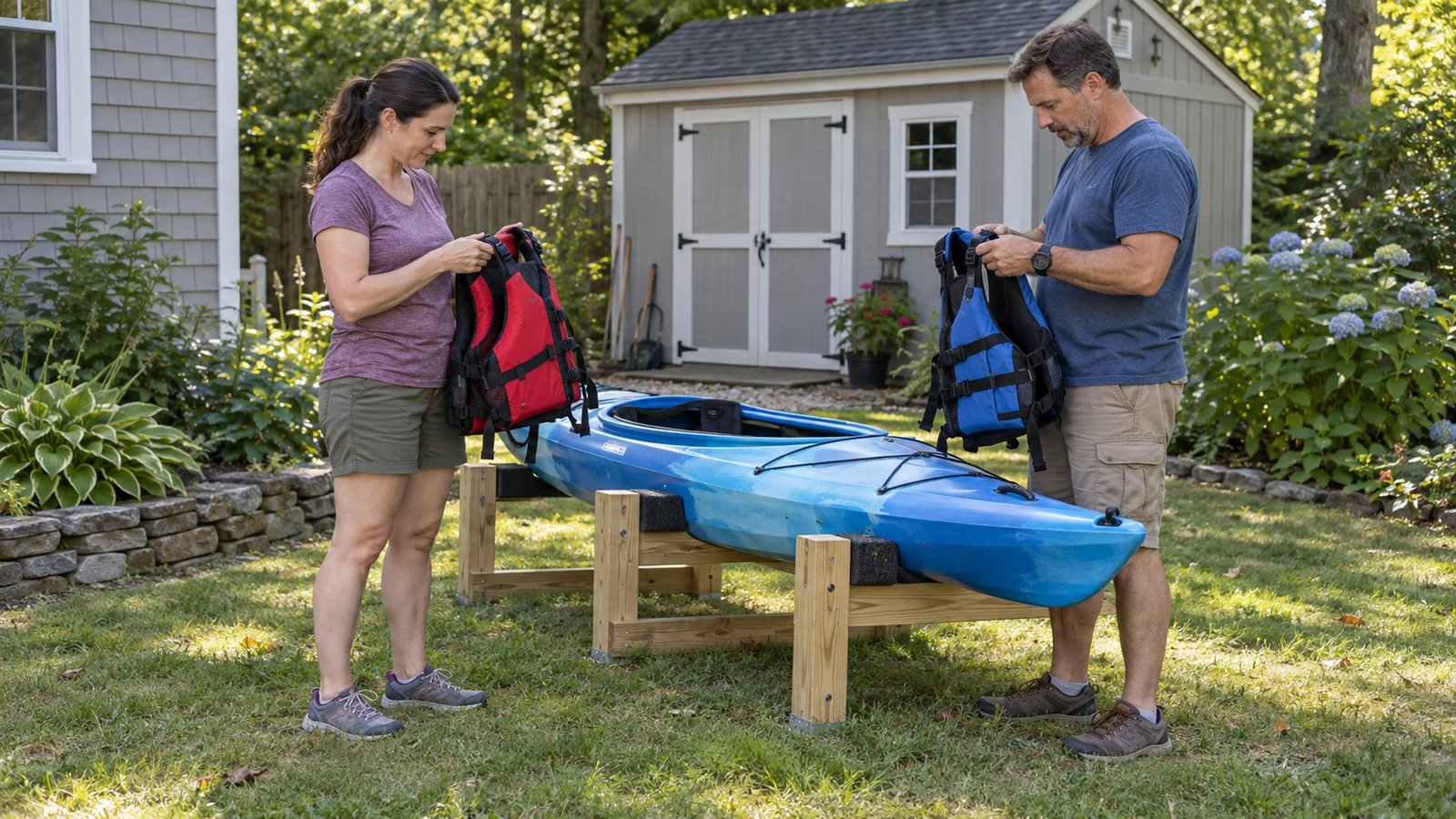
The shoreline may be one reason to move, but an outing still needs a place, a route and the right arrangements. The Town Marina page distinguishes the boat ramp from the kayak, paddleboard and canoe launch at Esposito Beach. Check the current launch rules and availability before planning the first trip.

The Town Beach page lists facilities and seasonal pass arrangements. It also explains where dogs may go; the walking trail and sandy areas do not have the same rules. Read the current page before bringing a pet.

For classes and other activities, start with Clinton Parks & Recreation. Check registration and availability for what interests you. Leave some room in the first weeks to discover which activities fit naturally into your life rather than filling every evening in advance.

At home, unpack one small part of that life early: the records you want to hear, the tools for a project or the equipment for an outing. A home can begin to feel usable while some cartons remain closed.

Two adults checking life jackets beside a blue kayak resting on a wooden rack in a backyard
Make room at home for the equipment you enjoy using.

11 /

Look at the approach after the weather changes

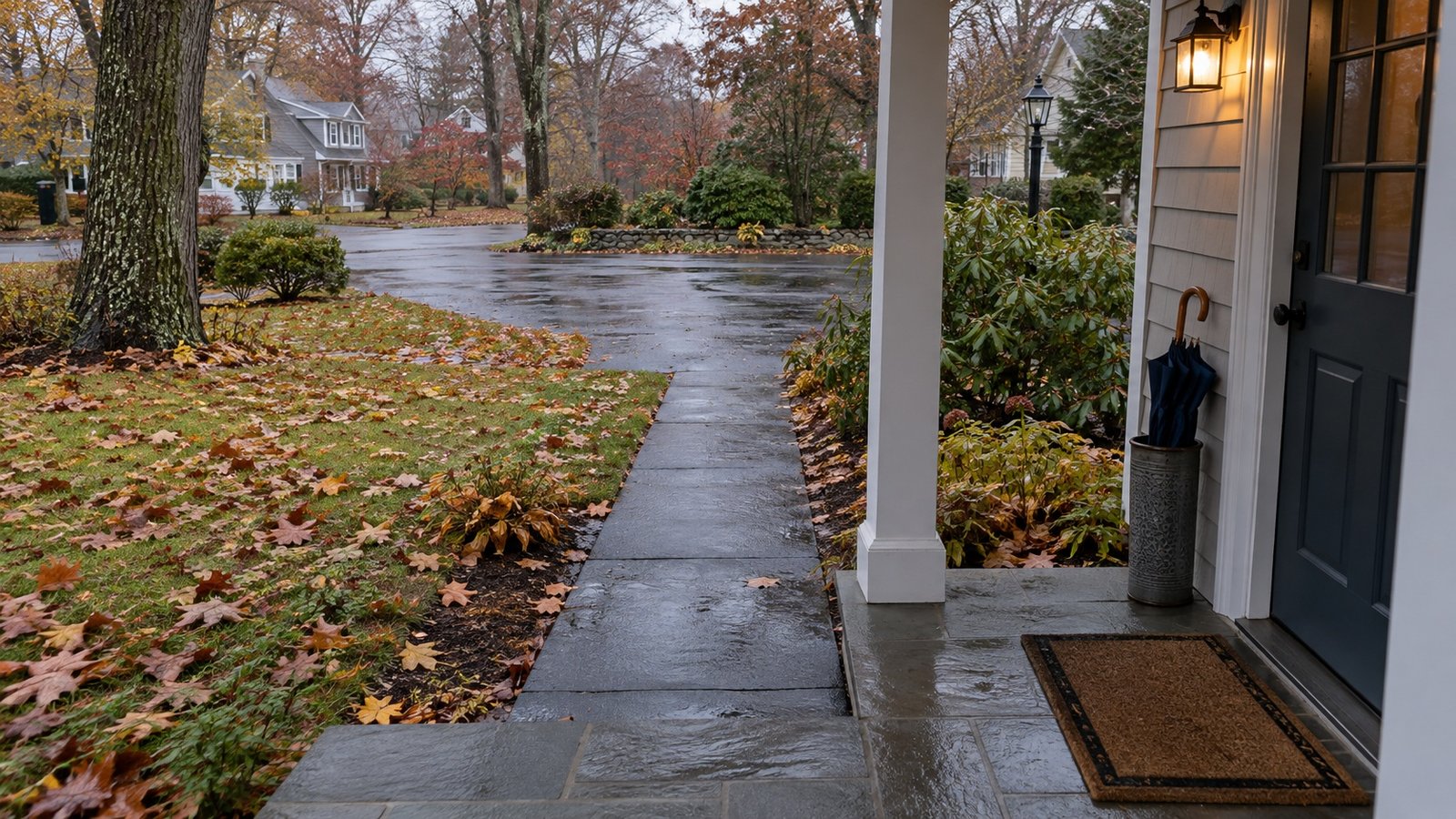
A dry viewing tells only part of the story. Ask how rain drains around the entrance, who clears leaves or snow and where a vehicle can stand when the ground is wet. Check lighting and footing along the route you will use with bags or furniture.

The town publishes winter storm policies and current notices. Read the applicable guidance before the season and recheck active conditions near the move date. A general seasonal plan does not establish the condition of a particular road on delivery day.

If travel, keys and delivery depend on different people, keep their contacts together. Decide who can receive the shipment if an appointment moves, and discuss a storage option before a delay becomes urgent.

Wet paved path from a driveway to a sheltered side door, with autumn leaves on the lawn and an umbrella by the entrance
Check footing and drainage along the route you will use.

12 /

Set up a workable first evening

Confirm keys, the receiving contact and the rooms available before the shipment arrives. Mark furniture positions and tell the crew about spaces that are still being worked on. Keep children and pets away from the active carrying route.

Prepare bedding, a change of clothes, food, chargers and essential personal items for the first night. If someone needs to work or attend school the next morning, keep that kit with you too. It is easier to find a deliberately packed bag than the right carton in a stack.

Over the first few days, finish provider handovers and address changes, confirm collection arrangements and try the journeys you planned. Keep a short list of property questions for the owner or responsible service provider. Use the Clinton moving page for any remaining questions about the agreed packing, delivery or removal work.

13 /

Questions before you arrive

Does the map show the whole Town of Clinton?

No. It shows Clinton CDP, a smaller Census-defined place. Municipal, postal and service boundaries serve different purposes.

Is there a train station in Clinton?

Yes. Shore Line East has Clinton Station at 10 John Street Extension. Check current timetables, platform access and the trip from your particular address.

Which school contact should I use?

The district enrollment page lists registrars for Joel PK–4, Eliot grades 5–8 and Morgan grades 9–12. Ask the appropriate registrar about the current-year process and transportation.

Can I assume the property has public water and sewer?

No. Confirm each system separately with the owner and responsible provider. A water connection does not establish the wastewater arrangement.

Can I take unwanted items to the transfer station on moving day?

Only if the station is receiving that day and the item, load and eligibility meet its current rules. Plan the trip separately from the move.

Does living nearby give me a beach pass or marina slip?

Do not assume so. Check the current municipal arrangements for the activity, including eligibility, passes and availability.

What should I check on a second visit to a home?

Try a normal journey, measure an awkward entrance, clarify property services and picture the rooms in use. Include the interests and equipment you want to bring.

What should be ready before the first night?

Confirm keys, essential services and the receiving contact. Keep bedding, personal essentials and anything needed for work or school accessible.

Your next step

Bring the plan together

Use the city moving page to prepare the inventory, access details and questions for your estimate.

Sources & useful local resources

Official procedures and local resources are linked beside the answers above. Reopen the relevant page when arranging a date: fees, schedules and application requirements can change.