
- Use it for
- Jurisdiction and local owner questions
- Starting point
- 100 North Seltzer Street; 419-683-3800
- Check first
- Identify the property and the exact question.
Ohio / City relocation guide
A practical guide to moving to Crestline, Ohio
Start with the actual property and the week you will live there. Confirm its jurisdiction, home systems and daily journeys, then join keys, accounts and household arrangements before arrival.
01 /
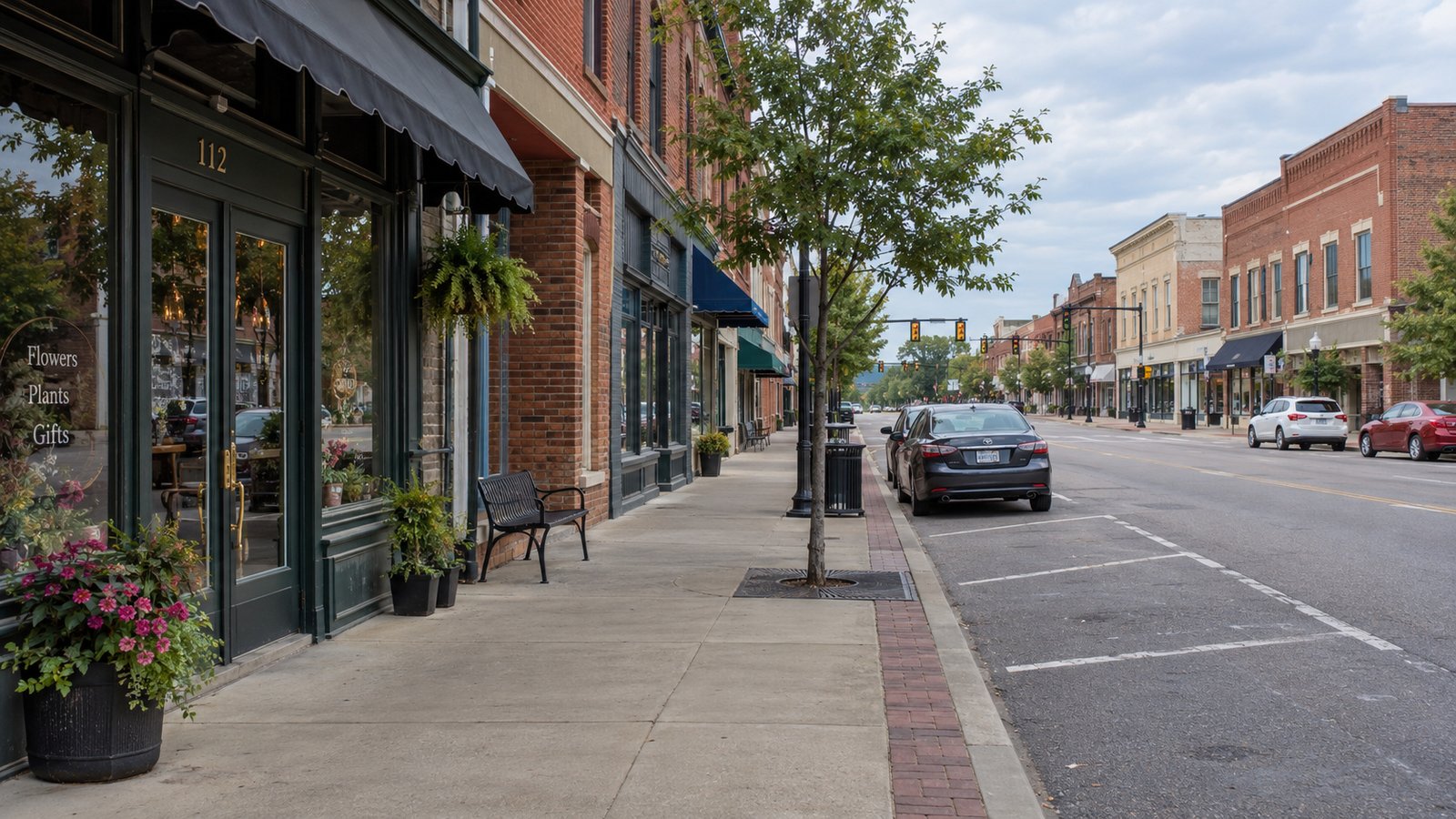
Find the property behind the Crestline name
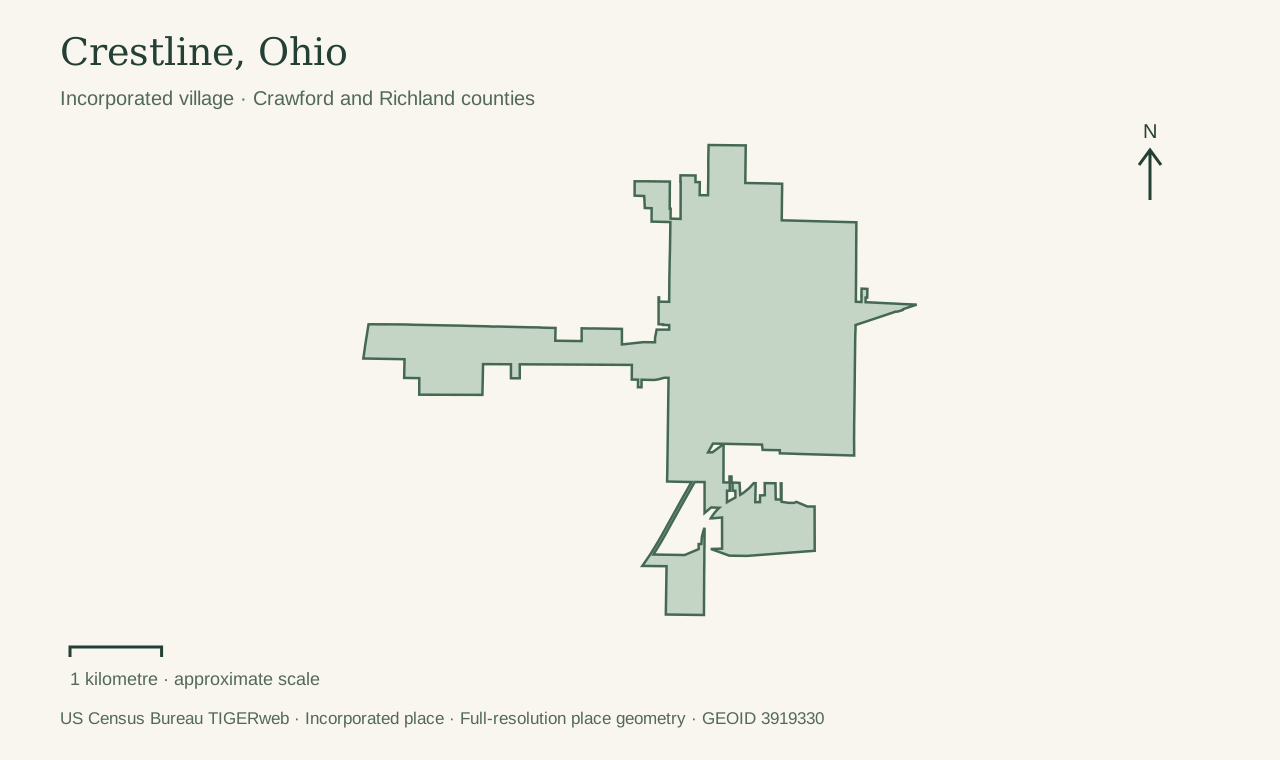
Crestline is an incorporated village in Ohio, identified by the current Census incorporated-place feature as GEOID 3919330. Its boundary extends into Crawford and Richland counties. A Crestline mailing address or ZIP 44827 does not identify the same jurisdiction for every property using that name.
Start a property sheet with the full address, unit and parcel reference. Match the listing to the appropriate Crawford County Auditor or Richland County Auditor records. Record the county, municipal jurisdiction and relevant contacts before comparing tax, service or school information. These portals are starting points; an address search and its actual result still need checking.
The outline below retains the complete Census village boundary. It gives orientation, including extensions beyond the compact central area. It is not a postal boundary, school-assignment map, flood result, utility-service area or truck-access determination. Confirm each of those questions independently for the home.
02 /
Useful places and local contacts
These places and contacts answer different household questions. Their presence here establishes neither a neighborhood boundary nor an approved application.
Village Building & Zoning
Useful destination or contact; not a residential district
Village Building & Zoning ↗- Use it for
- Proposed use and records for alterations
- Starting point
- Village zoning; separate Richland building/plumbing owners
- Check first
- Confirm the current procedure before work.
Crestline Exempted Village Schools
Useful destination or contact; not a residential district
Crestline Exempted Village Schools ↗- Use it for
- Address verification and enrollment questions
- Starting point
- 419-683-3647
- Check first
- Provide full address, grade and intended start date.
Crestline Public Library
Useful destination or contact; not a residential district
Crestline Public Library ↗- Use it for
- Borrowing and household resources
- Starting point
- 324 Thoman Street; 419-683-3909
- Check first
- Check current hours, card documents and actual trip.
- Use it for
- A local place to visit when comparing surroundings
- Starting point
- Between Park Road and Clink Boulevard along Paramour Creek
- Check first
- Confirm present facilities and the journey from the home.
- Use it for
- Nearby nature outing outside the village core
- Starting point
- 2401 SR 598; Leesville area west of Crestline
- Check first
- Postal Crestline address does not establish village inclusion.
03 /
Compare the week you will actually live
Turn the reason for moving into a few practical requirements. For a job change, include the early journey, a late return and the cost of reaching work. For a household seeking more room, compare usable living space with the exterior maintenance it brings. For proximity to relatives, test regular visits, care arrangements and where visitors can stand.
Visit a candidate address when its surroundings matter to you: on a weekday morning, after dark and after rain where practical. Listen inside with the windows in normal use. Look at the grocery route, lighting, driveway exit and path for waste containers. If a household member has difficulty with stairs, compare an entry-level bedroom and bathroom with the whole daily route.
Keep observations separate from the listing’s adjectives. A pleasant park or short-looking map distance does not establish a quiet bedroom, accessible house or reliable commute. Give each unresolved question an owner and a deadline before relying on it.
04 /
Inspect the usable rooms and the records
Measure the rooms that will carry your routine: bedrooms, a workspace, dining area and storage. Include door swings, circulation and furniture that cannot easily be reduced in size. Check the path for laundry and groceries as well as the floor plan. A room can look generous while leaving too little space for a bed, desk and an open door.
Ask an appropriate inspector to review the roof, drainage, foundation, basement moisture, heating equipment and other systems relevant to that home. Request service histories and records for additions or altered spaces. Compare what is physically present with what is approved for the intended use; a finished basement or new partition does not answer that by itself.
The village Building & Zoning page separates responsibilities: zoning stays with Crestline, while residential building and plumbing questions are referred to Richland County agencies. Begin with that division for a property within the village, explain your proposed work and confirm the current requirement. The linked forms and maps do not constitute approval.
Build a household budget from the actual taxes, insurance quotation, energy bills, water and sewer charges, waste arrangements, travel and maintenance. Ask which figures are historical bills and which are estimates. Allow for inspection findings and work before occupancy rather than treating a purchase price or rent as the complete cost of living.
05 /
Settle possession and responsibilities with the owner
For a rental, keep the lease, landlord contact, key handoff and maintenance process together. Identify the party responsible for each account and exterior task, including lawn care, snow clearing and rubbish. Confirm which parking space or shared area belongs to the tenancy and whether another resident controls an entrance.
Ask about pets, additional occupants, home working and any intended use of an outbuilding before relying on those arrangements. Note outstanding repairs and the condition of rooms at handoff. A utility application, signed lease and delivered keys are separate milestones; join them into a usable occupancy plan.
For a purchase, obtain the agreed possession arrangement and access to inspect completed work. Keep contact details for the seller’s representative, inspector and any contractor who will still be on site. Avoid scheduling delivery into a room whose finishing, drying or trade work is not complete.
06 /
Confirm the school district for the full address
The village outline and a school district’s territory are different objects. Census school geometry around Crestline includes Crestline Exempted Village and Colonel Crawford Local districts; a municipal label is not an individual attendance assignment. Ask the district to check the complete address, unit, grade and intended start date before using a school name in a housing decision.
The Crestline Exempted Village School District is a local starting contact, with its central number 419-683-3647. Colonel Crawford Local Schools provides its own office contact, 419-562-6755. Follow the verified address to the responsible district; do not choose between them from a postal name or from this orientation map.
Ask about the current enrollment process, required residence and identity records, health documentation, custody circumstances when relevant and how records transfer from the previous school. Treat this as a list of questions, not a substitute for the current district checklist. Open enrollment is a separate application route and does not establish acceptance.
Confirm the actual start date, transport arrangements, pickup or drop-off rules and after-school needs. Check what happens if the household arrives after the school year starts or possession is delayed. Keep copies of the instructions with the family’s travel plan, and preserve sensitive student information in the appropriate private records.
07 /
Test the commute and the return journey
Drive the route from the actual home to work, school, care and regular shopping at the times you will use it. Observe turns, queues, crossings and parking at the destination. Compare the return journey too; a morning trip does not describe a late shift or a child’s pickup. Use ODOT OHGO for road conditions and restrictions rather than relying on a single earlier travel estimate.
For transport without a household car, the GLCAP Crawford County mobility page lists providers and a contact for finding suitable services. The Crawford County Council on Aging describes specialized rides for older adults and people with disabilities; general-public rides depend on seating, funding and staffing. Ask about eligibility, the precise origin and destination, advance booking, accessibility, operating hours and the return trip.
Out-of-county appointments require their own availability check. A service directory or a provider’s broad description does not establish a daily commuter trip from your address. Keep a backup for cancellations and journeys outside the confirmed window.
The village website discusses a future passenger-rail expansion. Do not use that announcement as an operating Crestline train service or base a commute on it. Confirm a real timetable and booking route with the operator before relying on passenger rail.
08 /
Start accounts for the services actually connected
Ask the owner which water, wastewater, energy and communication services are connected to the property and who pays each account. For village water and sewer, the Utility Office provides the local billing contact, 419-683-3800, and links signup material. Confirm the account-holder documents, service date, current charges and any appointment directly. A downloaded form or submitted request is different from active service.
Ask where shutoffs and meters are located and who can access them. For a rental, reconcile the account responsibility with the lease. For a property using a private system, obtain its records and the appropriate inspection instead of assuming village connections from the street address.
Match electricity and gas to the provider on the actual service record. Where applicable, Ohio Power Company’s service page and Columbia Gas of Ohio’s start, stop or move page explain their request routes. They do not establish eligibility for every Crestline address. Plan the new start and old stop together, and retain confirmation numbers and any attendance requirement privately.
Test the internet service you need, including upload capacity and reliability for home work. Ask whether existing equipment transfers, needs replacement or requires a technician. Keep a temporary arrangement for essential work if activation occurs after possession.
09 /
Separate household collection, recycling and yard waste
Confirm the actual household waste provider, collection day, container responsibility and bulky-item procedure with the owner or provider. Ask what remains from the previous household and arrange its removal before your delivery. Do not assume a recycling location accepts furniture, mixed rubbish or a large move’s materials.
The Crawford County recycling-site list includes a Crestline Swimming Pool location at 1000 Cross and Lowe-Volk Nature Center at 2401 SR 598. The county pages give different general descriptions of receiving hours and warn of changes; confirm the intended site’s present receiving hours and quantity conditions. Its instructions prohibit leaving recyclables on the ground and putting trash in the containers. The materials gateway points to a separate detailed list, which should be checked before sorting unfamiliar materials.
The village Service Department describes limb and yard-waste assistance as subject to crew availability and priority tasks. It refers residents to published compost opening times. Confirm current dates and material preparation rather than copying a past seasonal announcement. Paint, chemicals, fuel and other special waste need their own approved route.
During unpacking, keep a clear household route while packaging waits for collection. Flatten or prepare materials as the confirmed receiver requires, and ask about unusually large quantities before taking a load.
10 /
Choose useful places for your regular routine
The Crestline Public Library lists its location at 324 Thoman Street and current opening information. Check the hours for the day you plan to visit, ask about a new card and the resources your household needs, and test the journey from the candidate home. A calendar link is a starting point for an event, not confirmation that a program has space.
The village Parks and Recreation page identifies Hamilton Park on the east side by Hutson Stadium and Kelly Park between Park Road and Clink Boulevard along Paramour Creek. Use them as real places to visit when comparing a home’s everyday surroundings. Check the current facilities and access in person, especially anything described as forthcoming.
For a nearby nature outing, Crawford Park District’s Lowe-Volk Park is at 2401 SR 598, west of Crestline in the Leesville area. Its Crestline postal address does not turn it into a Crestline residential neighborhood. Check the relevant trail or facility conditions, opening times and actual travel before using it in a household plan.
Also identify grocery shopping, a pharmacy, routine care and urgent-care arrangements that fit your household. Confirm service availability directly where it matters, including new-patient access or prescription transfer. These choices need the actual provider and address rather than a general county directory.
11 /
Check delivery access while comparing homes
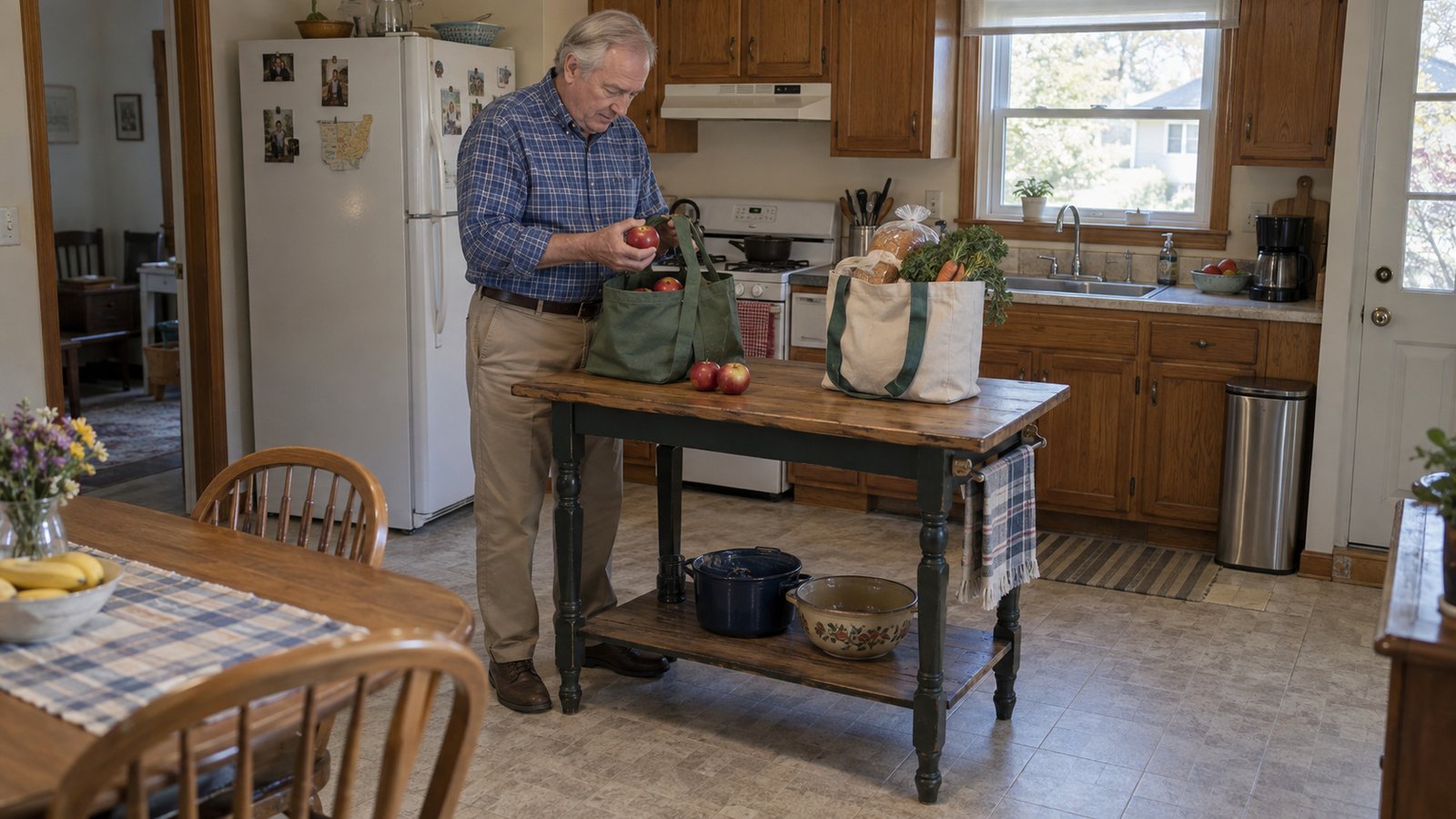
Photograph the possible vehicle position, entrance and complete route to the rooms you intend to use. Identify steps, a narrow hallway, overhanging branches and any soft or shared surface. Ask the owner which standing place can be used and who controls the keys or gates.
For public-space standing, confirm the responsible authority and the exact arrangement; an ordinary parked car does not establish that a moving truck may work there. Keep a feasible alternative in the planning brief. Decide where large pieces can go before delivery, including an alternate room if the preferred route does not work.
Use the Crestline moving-services page to organize the shipment, packing and receiving stages. The housing choice and the move plan should use the same verified address and access information.
12 /
Make entrances useful for everyday living
Try the door and route you will normally use, including groceries, laundry, a stroller or mobility aid where relevant. Look at threshold height, door swing, lighting, landings and floor changes. Check the bathroom and sleeping arrangements on the level you can reach comfortably.
For shared buildings, ask who maintains the entrance, which route belongs to the tenancy and what happens when a lift or gate is unavailable. Obtain any rules for receiving furniture and using common areas. Keep everyday accessibility distinct from the method needed to move a particular large item.
If alterations are needed, confirm scope, approvals, contractor availability and completion before occupation. A proposed handrail, doorway change or accessible bathroom is not an existing feature of the home.
13 /
Inspect drainage and prepare for cold weather
Look after rain where practical: roof runoff, downspout discharge, ponding, basement odors and the route from road to door. Ask for repair and service records, and have uncertain conditions assessed by an appropriate professional. The FEMA Map Service Center supplies official flood products for an address; this village outline does not determine a flood zone or a property’s complete water risk.
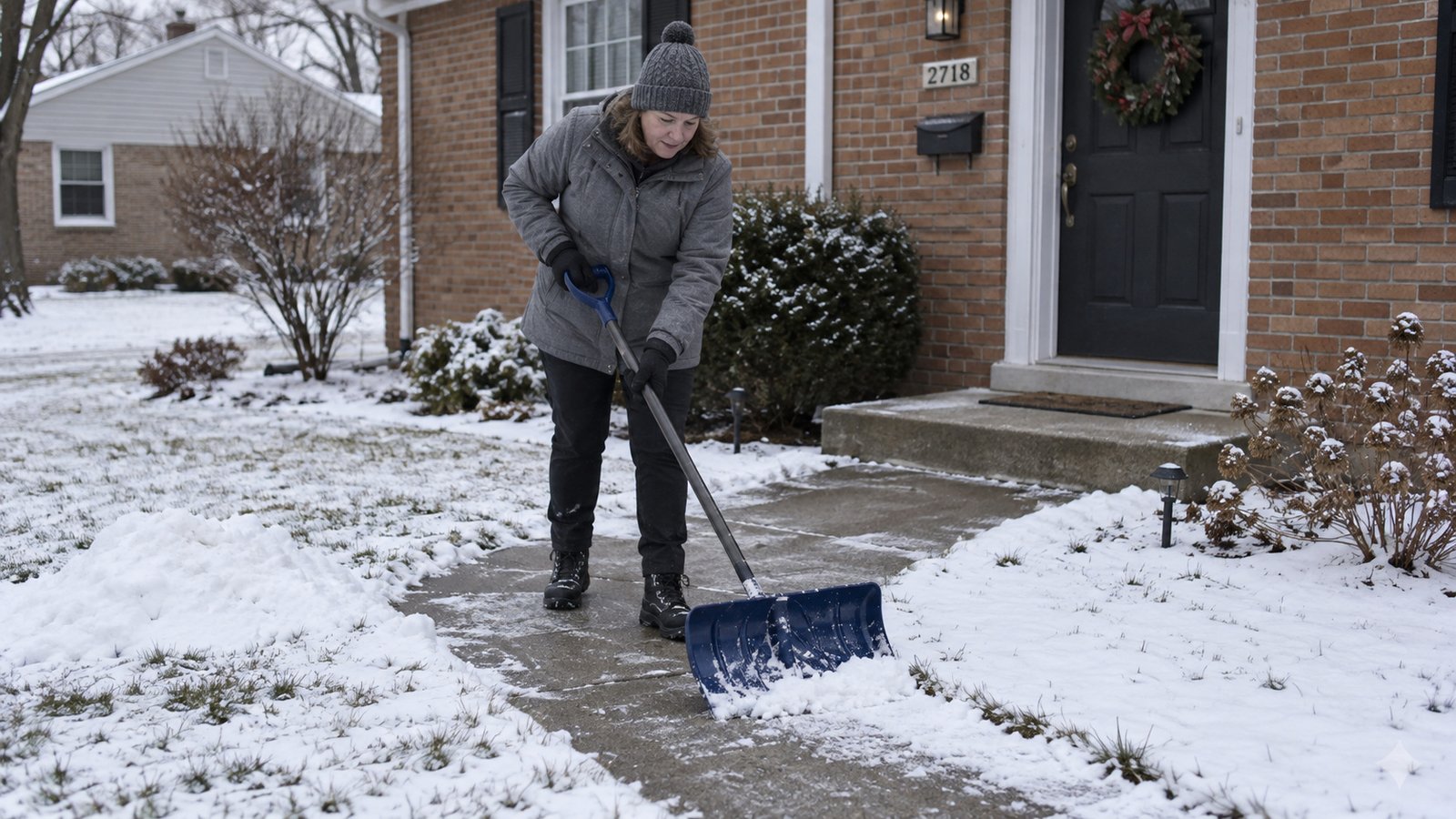
Ask the owner about heating maintenance, fuel or energy arrangements, outdoor taps and the normal snow-clearing responsibilities. Check traction and lighting on steps and walks. Plan where snow can be managed without blocking entrances, drains or the vehicle area; confirm any relevant property rules.
For a cold-weather arrival, join heating activation, accessible entry and delivery access in the same schedule. Recheck OHGO conditions near travel and communicate changed access before the truck arrives. Keep essentials outside the shipment in case the weather or possession plan changes.
14 /
Keep property records and local obligations together
Retain the lease or closing papers, insurance, account confirmations and useful contact details. Notify the people and services that need the new address and plan mail handling across the transition. Keep proof of residence available for the processes that require it.
The village Tax Department page directs residents and businesses to RITA for municipal income-tax administration. Check the current official rules for your residence, work location and situation; a village name or an older general rate is not a personal tax determination. Keep property-tax questions with the appropriate county records and professional advice where needed.
For home working, an addition or a different use of the property, explain the proposal to the relevant owner before spending on alterations. The village’s zoning contact and the separate building and plumbing contacts address different parts of the decision.
15 /
Join possession, services and receiving into one schedule
Before travel, confirm keys, permission to enter, outstanding work, essential accounts and the receiving contact. Set aside documents, medication, charging supplies, simple meals and the first night’s bedding. Keep them with you so that a delivery change does not remove access to them.
At handoff, record the agreed property condition and any items needing follow-up. Confirm that the entrance and destination rooms are available before directing furniture. Keep school, care and work arrangements connected to the actual arrival date, including the backup if possession or travel changes.
During the first week, confirm the waste routine, test the journeys you planned and close unresolved account or maintenance questions. Reconcile the household budget with real bills as they arrive. A successful furniture delivery is one stage of settling into the home; the useful outcome is a workable daily routine.
16 /
Questions before you arrive
Is ZIP 44827 the village boundary?
No. Verify the property’s parcel and municipal jurisdiction. The map shows Census Crestline village, GEOID 3919330, rather than every address with a Crestline mailing name.
Does the map tell me which school a child will attend?
No. Ask the responsible district to verify the full address, grade and start date. The Crestline district and Colonel Crawford district provide separate starting contacts.
Who handles a proposed residential alteration?
The village Building & Zoning page separates village zoning, Richland County residential building and Richland County plumbing oversight. Explain the actual property and proposal to confirm the current process.
Can I rely on a future Crestline rail stop for commuting?
Use a service only after confirming an operating timetable and the actual journey with the operator. An expansion announcement is not a current passenger service.
Is yard-waste pickup the same as rubbish collection?
No. The Service Department describes limb and yard-waste help subject to crew availability. Check the actual household rubbish provider and the receiving rules for each material.
What needs to be ready before delivery?
Working keys, permission to enter, the agreed standing and carrying routes, usable destination rooms and a receiving contact. Join these to essential utilities and the household’s travel plan.
Sources & useful local resources
Official procedures and local resources are linked beside the answers above. Reopen the relevant page when arranging a date: fees, schedules and application requirements can change.
Sources and useful contacts
- Property records and Auditor contactsCrawford County Auditor
- Transportation services and availabilityCrawford County Council on Aging
- Recycling materials gatewayCrawford County Solid Waste Management District
- County recycling locationsCrawford County Solid Waste Management District
- Village office contactsVillage of Crestline
- Parks and RecreationVillage of Crestline
- Streets, buildings and groundsVillage of Crestline
- Tax Department and RITA referralVillage of Crestline
- Utility Office and service applicationsVillage of Crestline
- Building and Zoning responsibilitiesVillage of Crestline
- Flood Map Service CenterFederal Emergency Management Agency
- TIGERweb incorporated-place boundary layerUS Census Bureau
- Start or change electricity serviceOhio Power Company
- District information and contactsColonel Crawford Local Schools
- Start, stop or move gas serviceColumbia Gas of Ohio
- Lowe-Volk Park and Nature CenterCrawford Park District
- District information and contactsCrestline Exempted Village School District
- Crawford County mobility resourcesGreat Lakes Community Action Partnership
- OHGO road conditions gatewayOhio Department of Transportation
- Real estate records and property servicesRichland County Auditor
- Library location and opening informationCrestline Public Library
Your next step
Bring the plan together
Use the city moving page to prepare the inventory, access details and questions for your estimate.