New York / City relocation guide

Moving to De Ruyter

De Ruyter is an incorporated village in Madison County, New York. Compare the actual home, village or Town responsibilities, the real school-registration and water contacts, and the county’s transfer-station procedures before planning your move. A DeRuyter postal address can have different arrangements from another nearby property.

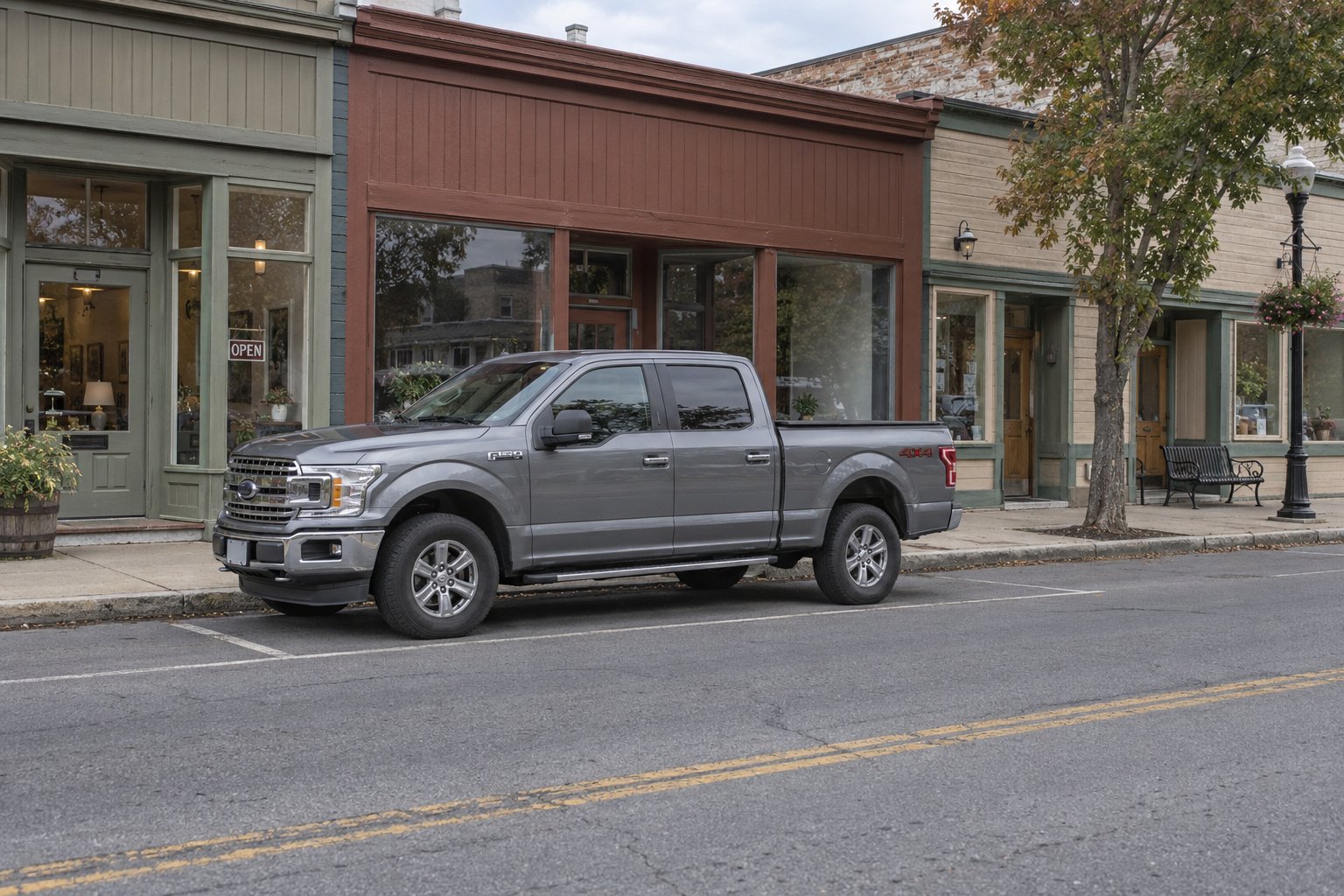
A whole gray pickup sits beside low plain wood shopfronts and an empty connected sidewalk.
Check the real journey and opening arrangements.

01 /

Start with the decision in front of you

Three reading routes through this guide, depending on where you stand. If you are still choosing an address, read orientation, the area comparison and housing first — compare the real location, carrying access, utility connections, home condition and journeys from each address. If you have children, go next to schools — the district’s actual registration contact and current placement process. If you already hold keys or a closing date, go to arrival and work backwards: the systems checks, the punch card, and the truck plan.

When the address is settled and the move itself needs planning — dates, inventory, access and the estimate — the De Ruyter moving page is the working document.

02 /

Understand De Ruyter before comparing addresses

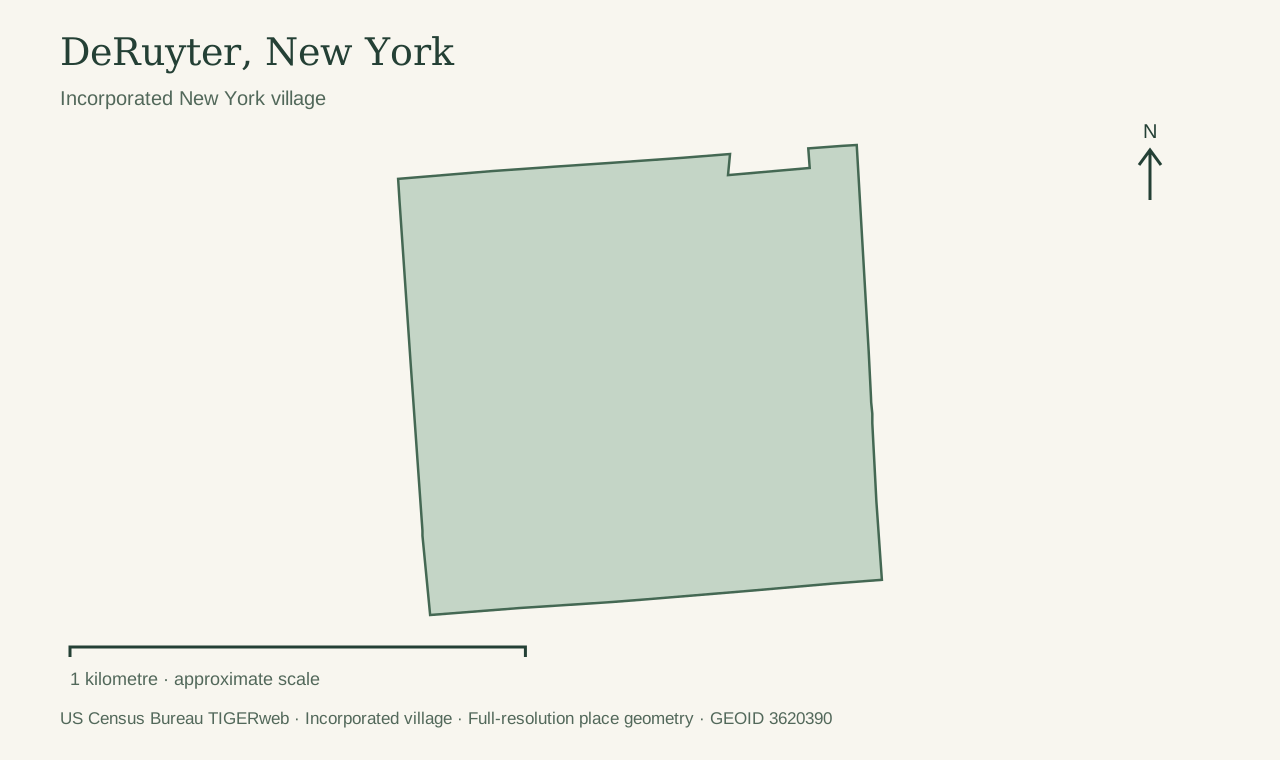
DeRuyter’s official municipal website separates the Village from the wider Town. This guide’s Census boundary is the incorporated village, not the full Town or ZIP 13052. A postal address, a school catchment and a water-service connection answer different questions; identify the actual property before assigning it a procedure.

For village accounts and local questions, start with the office at 735 Utica Street, 315-852-9625. Town questions have a separate clerk at the same street address, 315-367-1350. The official site places the village southeast of Syracuse and northeast of Cortland; those approximate distances are not commute times. DeRuyter Lake lies north of the village, so a lake property should not inherit the village’s arrangements without an address check.

The ACS 2024 five-year village profile estimates 349 residents. It is sampled information for this small geography, with margins of error. Use it as context alongside the actual home, budget and service checks; it does not identify local neighborhoods or describe each house.

Map of the De Ruyter, New York village boundary
Census TIGERweb incorporated-place geometry for orientation; procedures belong to the village, the town and Madison County. Not school assignments or approved truck routes. Open full-size map.

03 /

Find the area that fits your routine

Compare each candidate address through five practical checks: village or Town responsibilities, school registration, the actual home, county disposal and water accounts. These checks help plan the household and moving route; they are not mapped neighborhoods, school zones or service boundaries.

The village-office check

Village and Town have separate responsibilities, even with offices at the same street address.

DeRuyter — Village and Town offices ↗
Housing & setting
Confirm whether the actual property is within the incorporated village and which accounts serve it.
Daily travel
Test the real destinations from that address, rather than a village-wide average.
Before choosing
Village office: 735 Utica Street, 315-852-9625; Town clerk: 315-367-1350.

The school-registration check

The district confirms the current enrollment process for the actual address.

DeRuyter Central School District — current contacts ↗
Housing & setting
A campus or village map does not establish an individual school assignment.
Daily travel
Ask separately about the first attendance day and transportation.
Before choosing
Student Registration: 315-852-3400 extension 7204; transportation: extension 7408.

The actual-home check

ACS 2024 five-year village estimates are sampled community context, with wide margins.

DeRuyter village — ACS 2024 five-year profile ↗
Housing & setting
Compare the current home’s condition, cost, rooms, systems and moving inventory.
Daily travel
Test the actual outward and return trip rather than infer a Syracuse commute.
Before choosing
Measure the relevant openings and turns; a sampled median value is not a listing or inspection.

The county-disposal check

County transfer-station disposal is separate from a household pickup or the moving shipment.

Madison County — locations, card sales and hours ↗
Housing & setting
Sort the actual cleanout items and confirm the chosen facility’s acceptance.
Daily travel
Stations have different operating weekdays; verify the trip before loading.
Before choosing
Buy the required card beforehand from the scalehouse or designated vendors; stations and the main office do not sell.

The water-and-property account check

The village has a public water system; the property’s connection still needs confirmation.

Village of DeRuyter — water contacts and reports ↗
Housing & setting
Ask the owner and village office about water-account handover and the actual wastewater arrangement.
Daily travel
An account question, not a mapped neighborhood or blanket private-well district.
Before choosing
Village water questions: 315-852-9625; use county individual-system guidance only where that actual system applies.

04 /

Compare the whole property, not just the price

Compare the whole property, not just the asking price. Check the actual purchase or rent, condition, recurring costs, rooms, storage and the spaces included in the move. Ask which utility accounts serve the address and who pays or arranges them. A seller’s description, postal name or village-wide statistic is not a substitute for those details.

The ACS 2024 five-year profile reports a sampled median owner-occupied value of $107,600, with a $8,596 margin, and household income of $55,000, with a much wider $23,017 margin. Those figures are not current listing prices or an affordability guarantee. Recorded village-wide owner occupancy is about 62%, with roughly a 12.5-point margin; it does not establish tenure or building type on an individual street.

For water, start with the village office and confirm the property’s connection and billing responsibilities. Where the actual home has private systems, ask for the relevant records and use Madison County’s individual-system guidance for the appropriate questions. Walk the moving route through the openings, steps and turns and identify any extra buildings before setting the inventory.

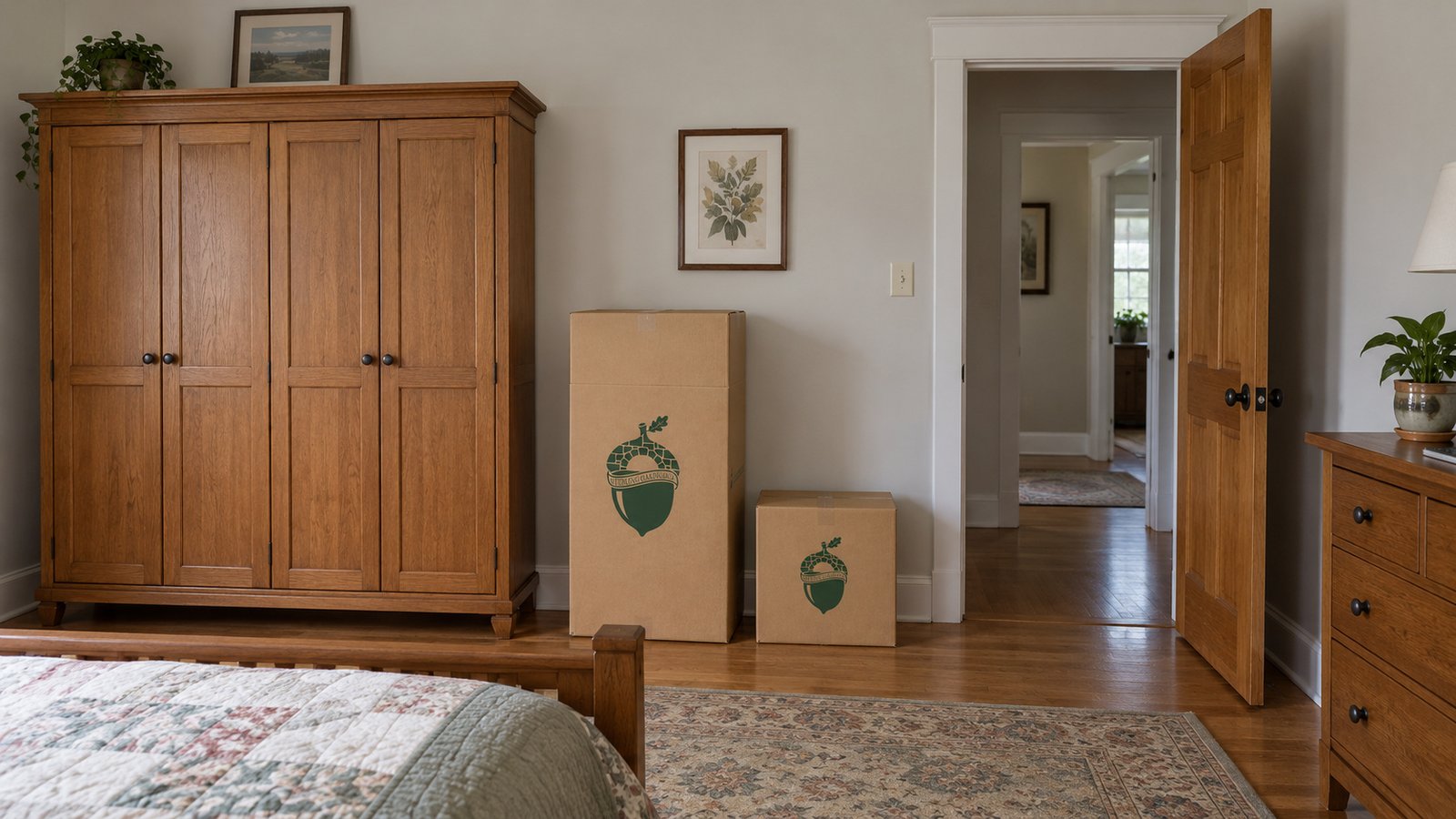
Tall Wardrobe and small Book cartons stand beside a wooden wardrobe and a complete open bedroom doorway.
Inventory the actual spaces and keep the door swing clear.

05 /

Test the real outward and return journey

Test the actual trip from a candidate address to work, school, shopping and other regular destinations. Check both directions at the times you expect to travel, including the return after dark or in poor weather. Record the route, parking or pickup arrangements and any alternative you would use if your usual transport fails. A nearby city name does not establish a practical daily journey.

The village’s ACS 2024 five-year mean commute is 24.8 minutes with a 13.4-minute margin of error. It covers surveyed workers and different destinations, not a DeRuyter-to-Syracuse or Cortland route. For an outlying Town-road segment, also check the seasonal limited-use road notice and ask Highway about the specific route before assuming winter access.

For a child’s bus or transportation change, use the district’s 315-852-3400 extension 7408. Before arranging home internet, give providers the actual street address and confirm the service, installation date and household needs; a town-level coverage page is not a connection at the house.

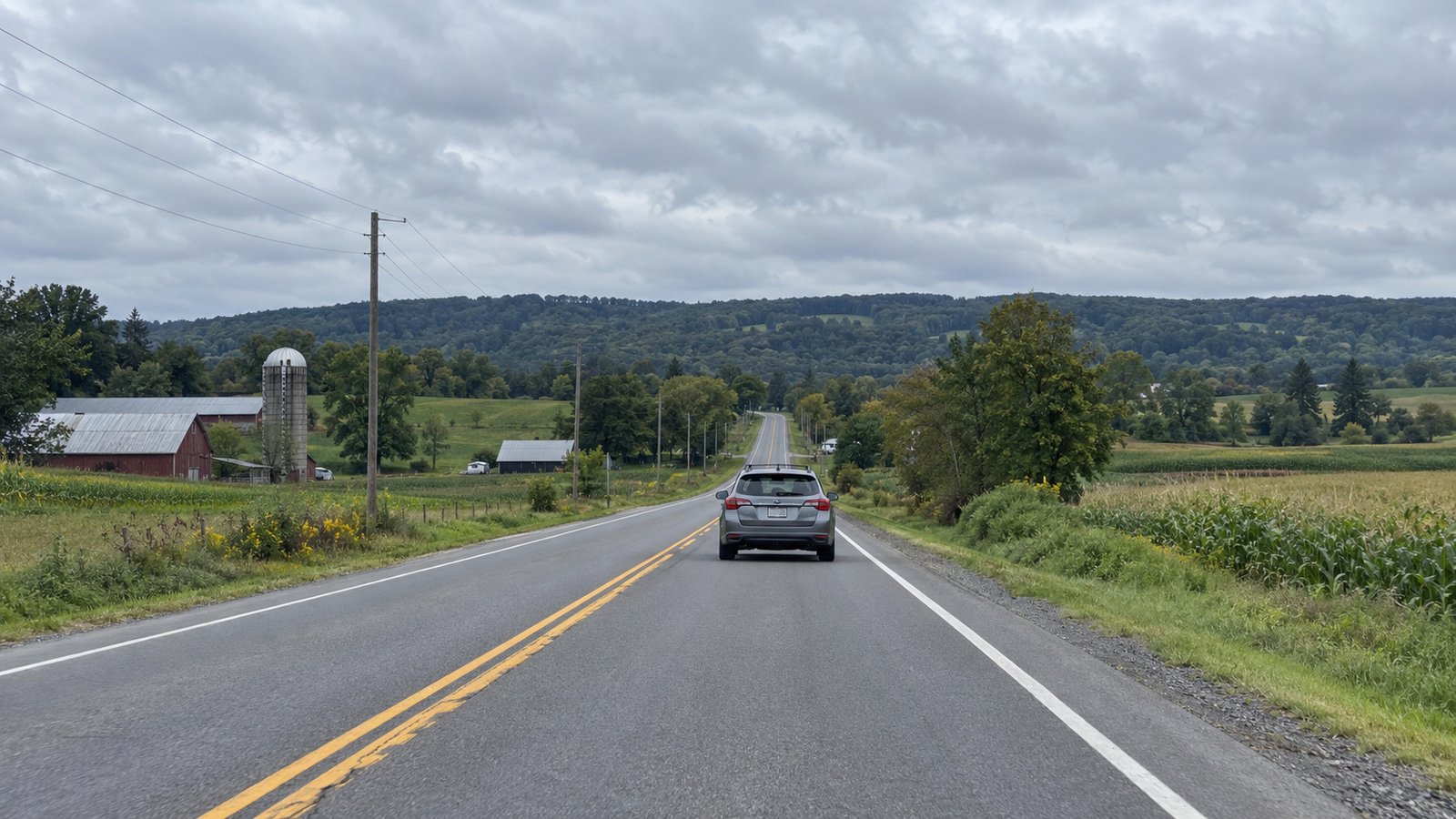
A gray station wagon travels in the right lane on a country road through low wooded farmland.
Check outward and return trips at the hours you need.

06 /

Confirm registration, placement and transport

Contact DeRuyter Central School District Student Registration at 315-852-3400 extension 7204 about the actual address, current packet and placement. Transportation is extension 7408. The school offices are at 711 Railroad Street; a nearby campus, village boundary or older directory entry does not complete registration or guarantee an individual assignment.

The current district website identifies elementary and middle/high contacts at the Railroad Street campus, with PK–4 and 5–12 administration labels. Ask the registrar about your child’s actual placement and the enrollment steps for the current year. The older national directory’s grades and a 2024–25 PreK announcement should not be used to assign a child or set this year’s deadline.

Request the current enrollment packet and ask which records apply to your situation, how to submit them and when registration is complete. Coordinate any required transfer records with the prior school and confirm the first attendance day and transportation plan. For a special circumstance or support need, describe it directly to the district rather than assume that every household follows one standard checklist.

07 /

Confirm the property’s water and other accounts

The village office and water superintendent handle public-water questions at 315-852-9625. The village publishes water reports and an online payment link; its linked report identifies the municipal system and quarterly bills. Confirm the actual property’s connection, account handover and wastewater arrangement with the office and owner. A county page about private systems does not mean every village home has its own well or septic installation.

Ask who currently holds each account, which party arranges a change at closing or lease start, and which dates or readings the office needs. The village’s online payment link is for account payment; it should not be assumed to complete a new-owner transfer. Confirm electric, heating and internet arrangements from the actual property and provider, including the installation date where necessary.

For a home with a private well or septic system, the county’s individual-systems program provides guidance and can be reached at 315-366-2526. Also ask the municipal code office about the property-specific permit question. Keep vehicles off the identified installation where appropriate, but first establish whether and where that system actually exists. Public water and private wastewater can be separate questions.

08 /

Plan the card, disposal trip or private pickup

Plan a move-out cleanout separately from the goods being moved. Decide which items stay, are donated, go with a private hauler or require a county disposal trip. Confirm acceptance with the hauler or facility for the actual items; do not load a truck on the assumption that everything follows the same route.

Madison County’s residential rules require a punch card for garbage, yard and bulky waste at transfer stations. Buy it before arrival: the stations do not sell cards and do not accept outside-county waste. Paper, cardboard, accepted plastic, metal and glass containers, and scrap metal can be dropped off free.

The county’s location and vendor information distinguishes the scalehouse at 6641 Buyea Road, Canastota, from the administrative office at 6802 Buyea Road. The scalehouse and designated vendors sell cards; the administrative office does not. Stations have different operating weekdays, and card-sales cutoffs differ from scalehouse closing, so confirm the chosen location before setting off. Arrange a private household pickup directly if that is your plan; transfer-station instructions are not a booked collection service.

09 /

Check the actual vehicle position and road authority

Start with the position the moving team proposes for the assigned vehicle. Check the owner or landlord’s permission, ground and approach conditions, clearances, exit and carrying route. A private driveway can work where it exists and is suitable; some addresses need a different plan. Photos from the road toward the entrance help show the actual constraints.

For a street or right-of-way position, ask the responsible authority about the actual location, date, truck and restrictions. Village questions can start with the office at 315-852-9625; Town-road questions can start with Highway at 315-852-6272. Establish who controls the road rather than infer permission from a county website.

The Town’s parking-permit page describes disability parking permits issued to eligible people; it is not a moving-truck reservation. The highway notice concerns particular winter seasonal-road segments, not all village parking. Once the position and access are agreed, keep the route clear and confirm how a changed date or weather condition will be handled.

10 /

Walk the full route before moving day

Walk the whole carrying route through the actual property. Check the approach, entry, threshold, steps, narrow turns and the destination rooms with the larger items in mind. An older-looking house, sampled housing value or general village description does not tell you which doorway a sofa can use.

Photograph and measure the openings that affect the move. Note the surface, overhead clearance and any point where the item must turn or be lifted. Ask who can approve building access and whether a specific arrival time or protective arrangement needs agreement. Include a basement, attic, garage or outbuilding only if it is part of the inventory and the route can be inspected.

Outside, review conditions after rain if that could affect the proposed position. Confirm the location of any actual private water or wastewater installation before a vehicle route is chosen. The crew reviews methods and equipment for the real load and route; keep children, pets and unrelated traffic out of the agreed working path.

11 /

A village, the fields, and the reservoir country

Try the household destinations that would make the home practical: groceries, medical appointments, work, school and any place you expect to visit regularly. Test the real journey and current opening arrangements. A small village may have nearby options for some needs and a longer trip for others; do not assume walkability, stock or opening hours from a map symbol.

The municipal Around Town page lists local eateries, churches and parks, including seasonal destinations around the lake. Use it to identify places to check, then contact the actual business or facility before planning a visit. A listing is not an assurance that a venue is open at your arrival time or that an outlying location lies inside the village boundary.

Make a short first-week plan from those checks, with an alternative for any essential service that may be closed. For children, coordinate school and transport with the district; for a village account, use the village office. These are separate appointments rather than one county errand that sets up the whole household.

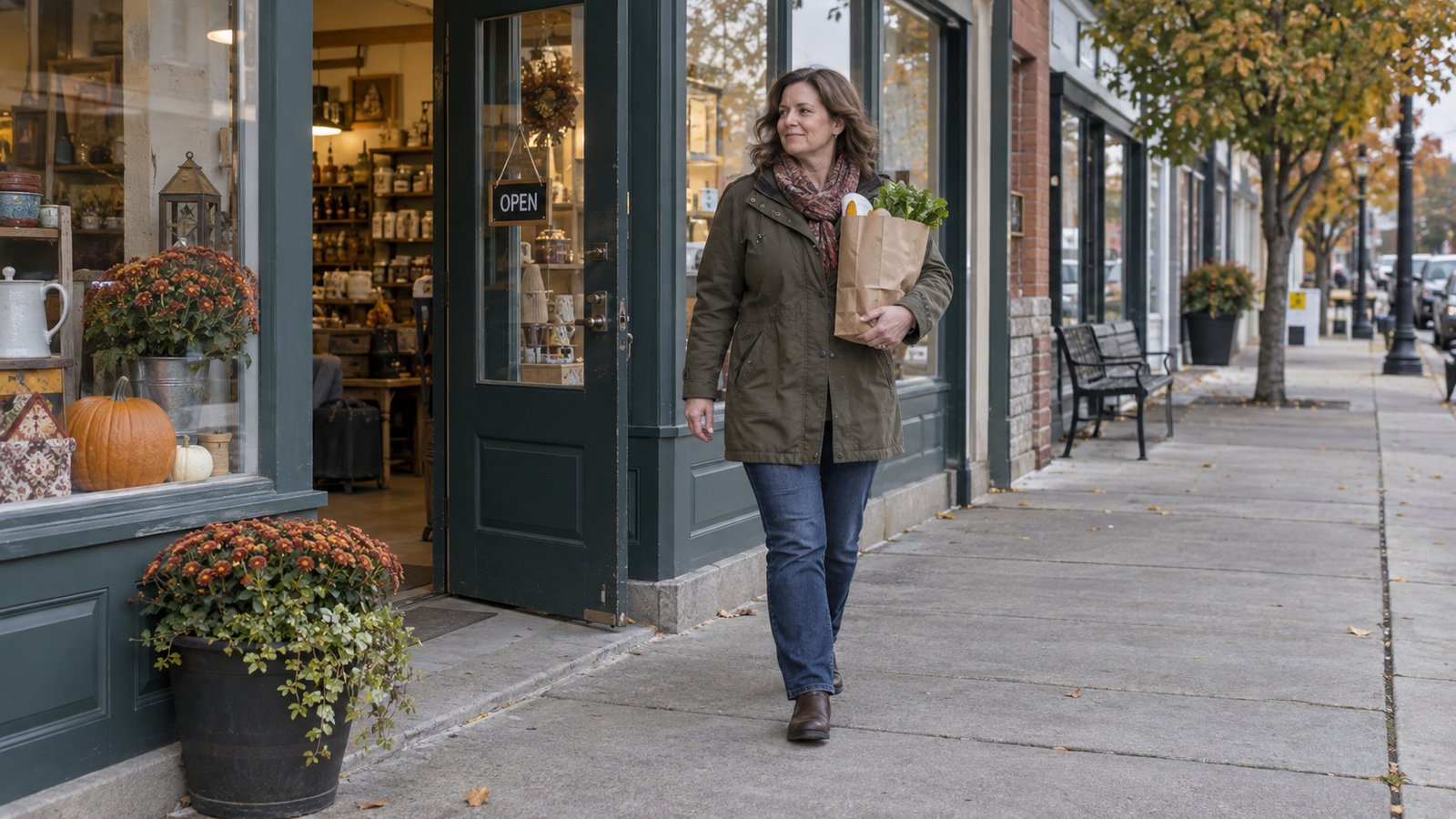
A woman carries a paper grocery bag along an unnamed shopfront sidewalk.
Check current destinations, hours and access from the home.

12 /

The upstate calendar and the cleared driveway

Plan around the actual date and property. In wet conditions, review the proposed approach and vehicle position with the owner and team. In winter, agree who clears the real carrying route and how a weather or access change affects the move. The condition of one driveway should not be assumed for every village address.

The Town Highway notice identifies named seasonal limited-use road segments closed from October 1 through April 30. Ask about the particular road on your route; this is not a statement that all village streets close. Confirm a usable route before committing an outlying winter arrival.

For move-out papers or disposal, check the county’s current programs rather than an old event date. Its listed fall confidential-document event is October 17, 2026, in Hamilton, from 9 to 11 a.m. or until the truck fills, whichever comes first. That event is separate from ordinary household disposal and is not a guaranteed slot. Keep a backup plan for date changes, access and a slipped closing.

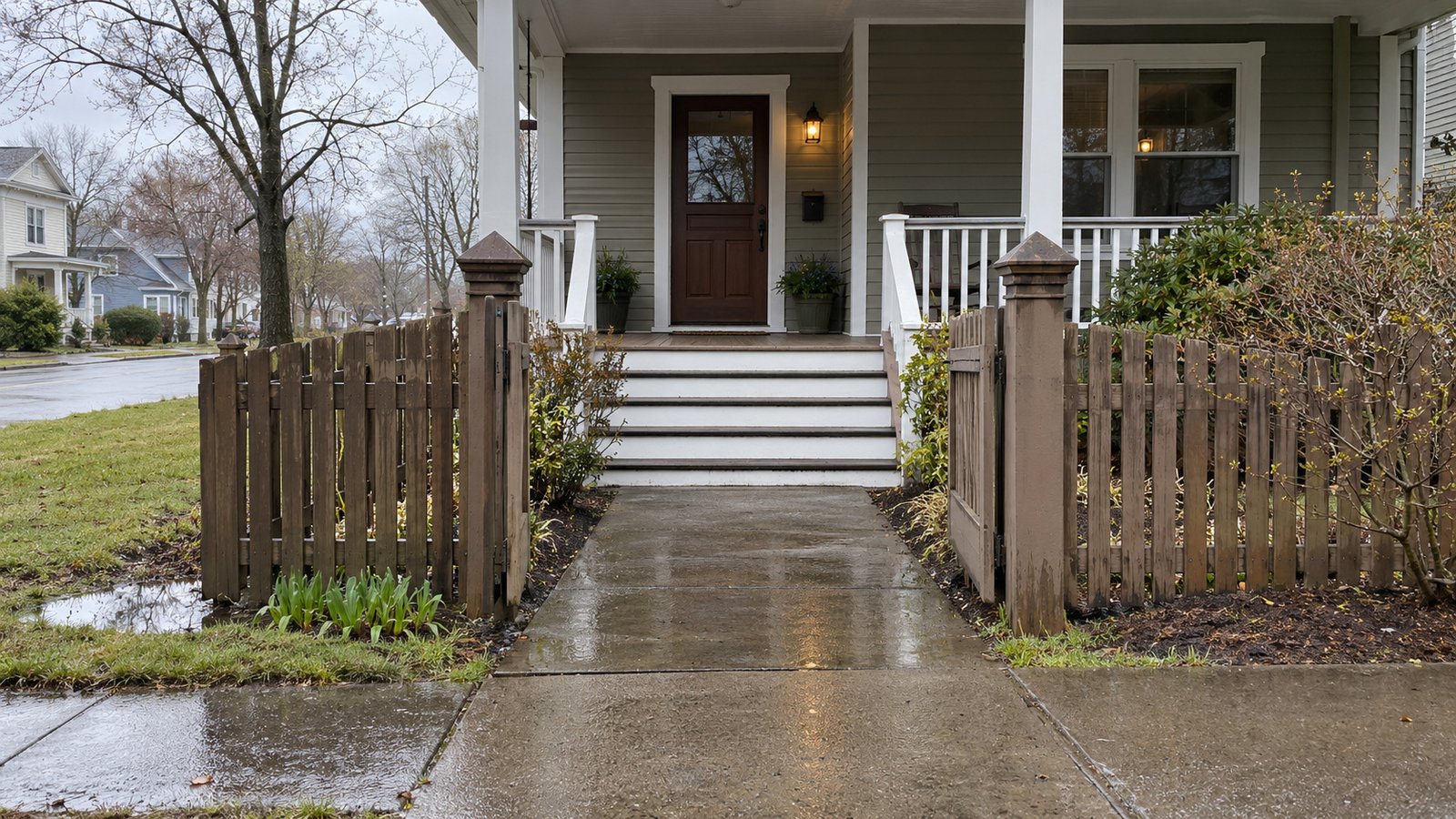
An empty wet paved walk leads through an open wooden gate to a complete porch entrance.
Review the approach and clear the agreed carrying route.

13 /

Turn the closing date into an arrival plan

Work backwards from the day you get keys. Before arrival, confirm the actual water and wastewater arrangements with the owner and relevant office, agree account responsibilities and dates, and arrange electric, heating and internet where needed. Request the school’s current registration packet if applicable. Choose a cleanout route and buy the punch card before a transfer-station trip, or confirm a private hauler’s acceptance and date.

In the week before the move, confirm the assigned vehicle position, entrance and working route with the moving team. Inspect the actual approach after rain or a weather change if relevant. Keep documents, medications, chargers and first-night essentials separate from the shipment. Use the De Ruyter moving page for the dates, inventory, access and estimate.

After arrival, complete the appointments and account steps you agreed, confirm the school start and transportation, and check current state or county procedures for any vehicle, license or voter-record changes that apply. The moving-day checklist is not a legal deadline. Keep a Plan B for a storm or unusable approach and for a slipped closing: which goods may need storage, which travel with you, and who confirms the revised dates.

14 /

Questions before you arrive

What kind of municipality is De Ruyter?

De Ruyter is an incorporated village in Madison County, New York, within the wider Town of DeRuyter. The official municipal website separates Village and Town offices. This guide’s Census map is the village boundary; ZIP 13052, water-service territory and school placement are different questions. Confirm the actual address before choosing a procedure.

How long is the commute from De Ruyter?

Test your actual outward and return journey at the times you expect to travel. The ACS 2024 five-year village mean is 24.8 minutes with a 13.4-minute margin; it summarizes surveyed workers with different destinations, not a route to Syracuse or Cortland. Check any specific seasonal Town-road segment before assuming winter access.

Where do De Ruyter children go to school?

Contact DeRuyter Central School District Student Registration at 315-852-3400 extension 7204 about the actual address, current packet and placement. Transportation is extension 7408. The school offices are at 711 Railroad Street; a nearby campus, village boundary or older directory entry does not complete registration or guarantee an individual assignment.

How does trash work in De Ruyter?

Check county residential disposal rules and choose a private pickup or a transfer-station trip for the actual items. Garbage, yard and bulky waste need a punch card before arrival; accepted recyclables are free. The scalehouse and designated vendors sell cards, but the transfer stations and administrative office do not. Confirm location, weekday and acceptance; outside-county waste is not accepted.

Does De Ruyter have public water and sewer?

The village office and water superintendent handle public-water questions at 315-852-9625. The village publishes water reports and an online payment link; its linked report identifies the municipal system and quarterly bills. Confirm the actual property’s connection, account handover and wastewater arrangement with the office and owner. A county page about private systems does not mean every village home has its own well or septic installation.

What should I know about a rural move here?

Use the actual property, not the postal name, to plan access and inventory. Include any extra buildings that are in scope, confirm a suitable permitted vehicle position and review the approach, openings, steps and turns. Check the real utility installations before choosing a vehicle route and ask Highway about a named seasonal road segment if it affects your winter arrival.

How do I arrange the moving estimate?

Use the De Ruyter moving page to request an estimate: both addresses, dates plus an alternative, a room-by-room inventory (garage, shed and barn included), the driveway's length and surface, and photos of the entry. The more concrete the request, the more accurate the plan and price.

Your next step

Bring the plan together

Use the De Ruyter moving page to prepare the inventory, access details and questions for your estimate.

Sources & useful local resources

Official procedures and local resources are linked beside the answers above. Reopen the relevant page when arranging a date: fees, schedules and application requirements can change.