
Choose priorities
A useful room or the agreed household.
Unpacking & Room Setup
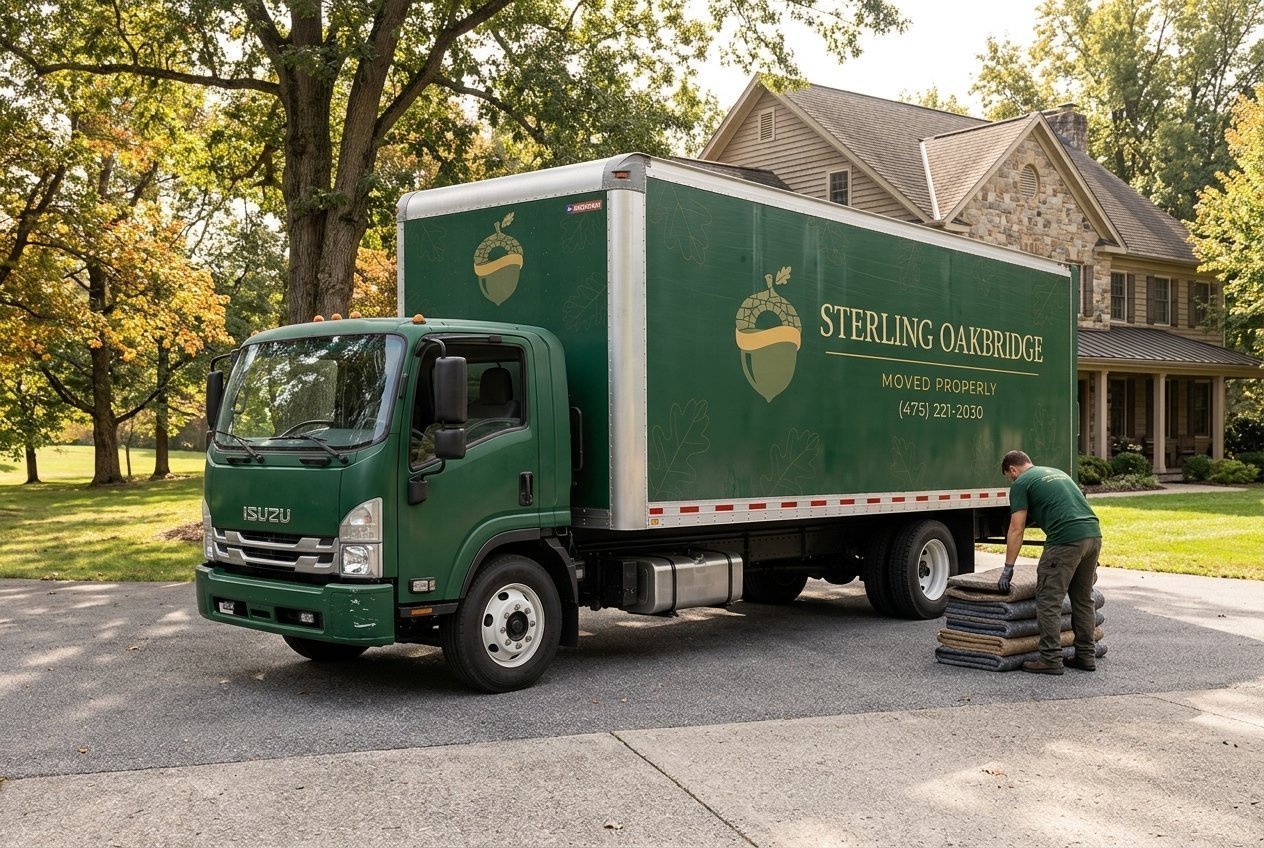
Open the cartons that matter first and place their contents on the clear surfaces you designate. Sterling Oakbridge offers optional box unpacking for selected rooms or the agreed household; putting contents into cupboards, drawers and shelves is separately agreed home organizing.
Box unpacking uses paid working time. Organizing, installation and packaging collection are separately agreed.
A useful room or the agreed household.
Contents go where you instruct.
Box unpacking is optional selected work.
Organizing and collection by agreement.
Plan the work
Basic box unpacking removes the contents of selected cartons and places them on suitable designated flat surfaces. Putting belongings into cupboards, drawers and shelves is additional home organizing. Start with the room you need to use: a kitchen, bedroom, work area or children’s essentials. Decide which cartons stay sealed so the work has a clear stopping point.
Furniture unwrapping is part of delivery and is different from box unpacking. Optional unpacking is charged for working time. Customer-directed organizing, mounting, assembly and packaging removal are separate selections; opening a kitchen box does not include designing the kitchen’s storage system.
Have suitable clear flat surfaces ready, with a person available to direct uncertain placements. Room labels, content identifiers and a priority list reduce searching. Keep personal papers, medicines, valuables and anything you want to handle yourself outside the selected unpacking scope.
Choose your scope
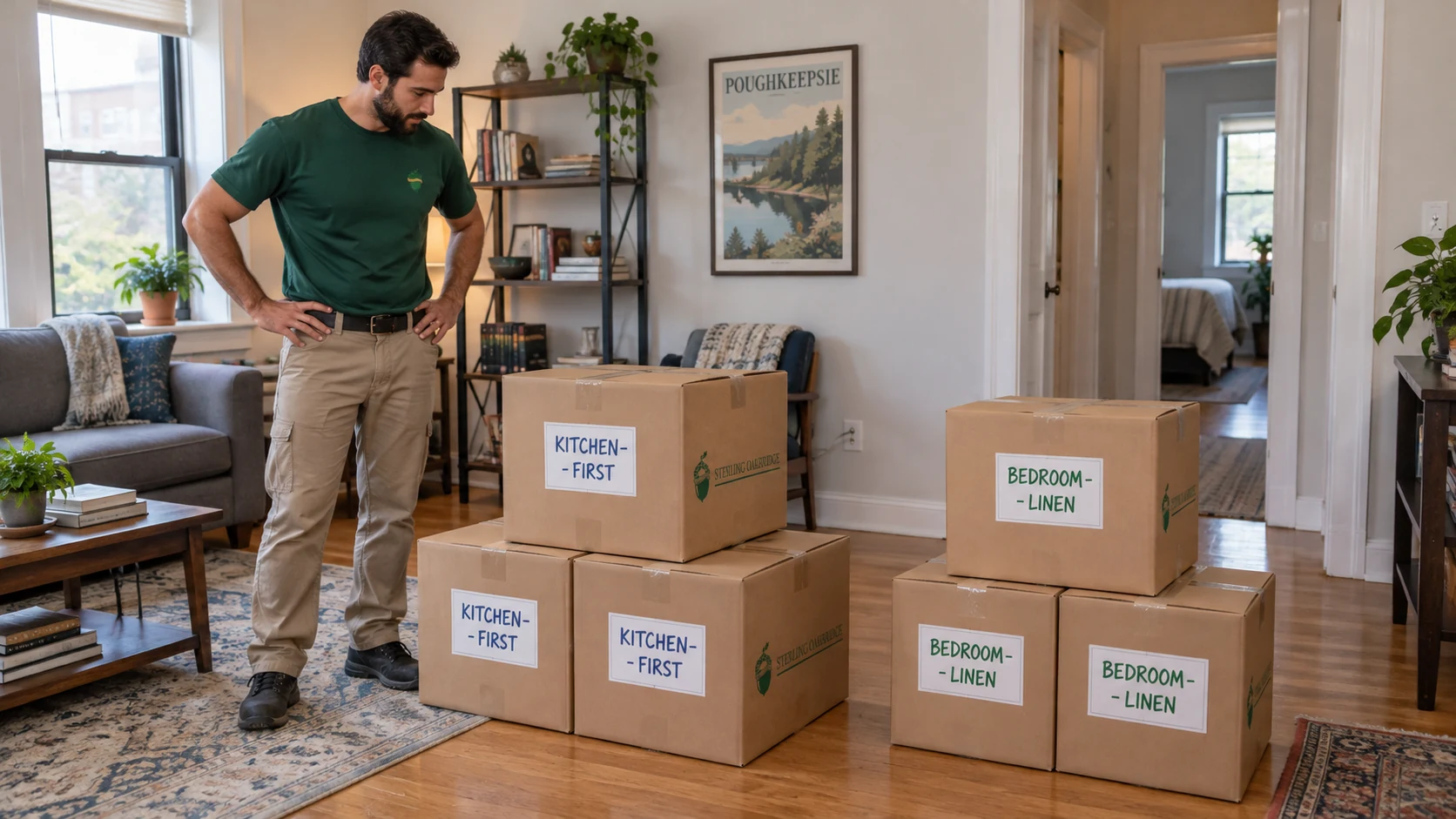
Open identified cartons for the immediate daily routine. Leave seasonal or undecided contents sealed and named for a later stage.
Agree the suitable receiving surface for glass, china or a collection before opening. Final cupboard or display placement is additional organizing. Specialist unpacking of crated art follows the approved method and coverage terms.
Set room destinations and a decision contact. The amount of contents and placement decisions determine working time.
A later session can suit rooms still being prepared or a household that wants to decide after living in the space. Agree a new appointment rather than assume an unlimited continuation.
Plan the work
Decide what happens when the planned shelf is full, a piece is damaged or the customer has not chosen a location. A clearly marked undecided area can retain identification while the customer makes the decision. The crew should not decide which belongings to discard.
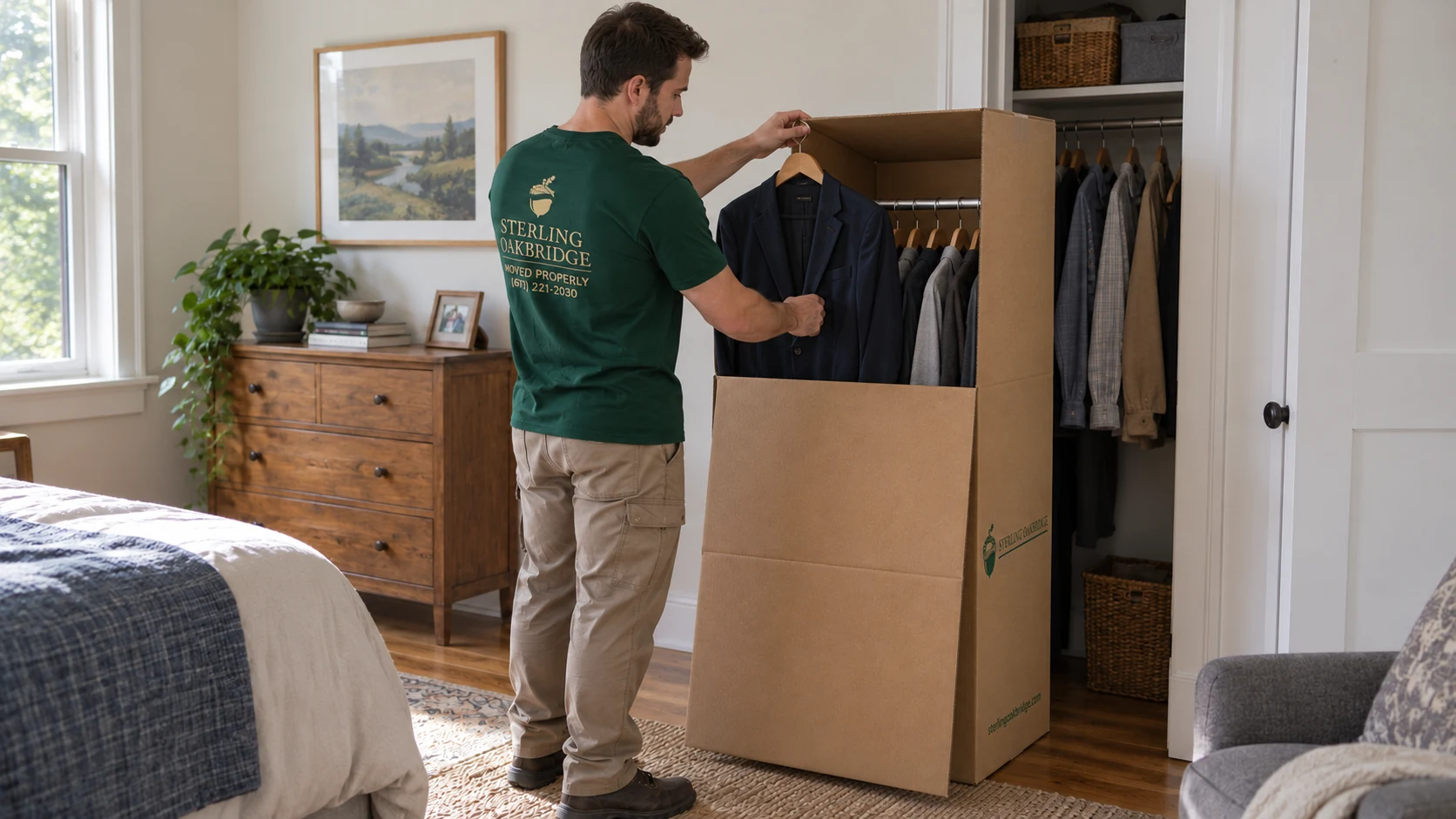
Check the received contents against the inventory and keep fittings with their object. Photograph and record a concern before disposing of the associated packaging; the relevant claims process may need it. Read the actual protection terms rather than assume opening a carton settles a claim.
For home organizing, agree the categories, priorities and placement rules separately. The service follows your instructions. It does not authorize donation, disposal or a universal promise to make every object fit existing storage.
Plan the work
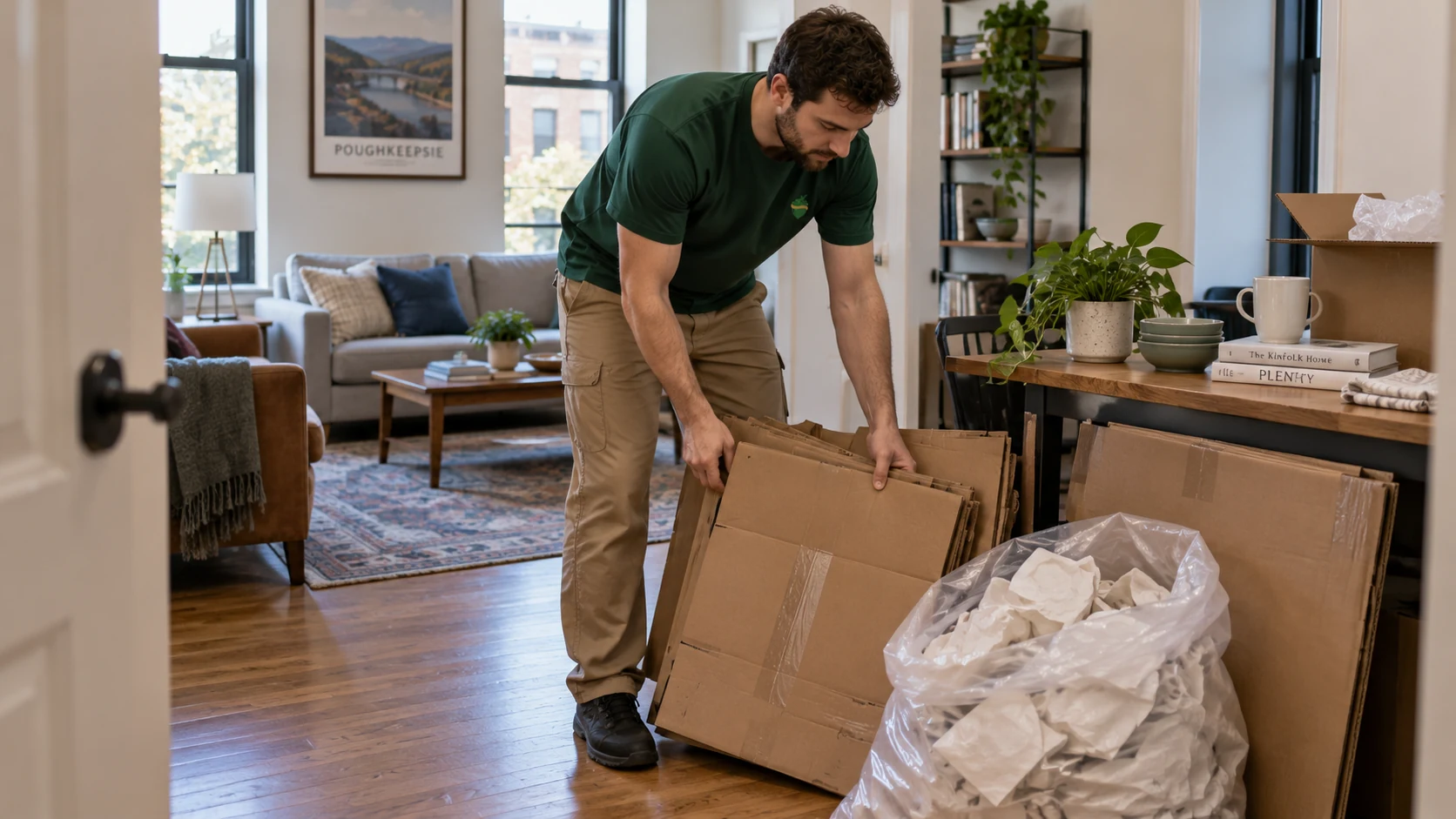
Packaging collection is separately charged. Check folds and paper for small fittings, cables, keys and belongings before release. Separate and flatten suitable material as agreed, and keep a clear walking route during the session.
Immediate collection makes sense only when the packaging is ready to release. If cartons remain sealed or condition questions need their packing retained, a later collection may be more useful. Include its timing, quantity and charge in the complete comparison.
Illustrative situations from our local pages
These are hypothetical planning situations, not reports of completed customer jobs.
Northern New York · Watertown
The local packing plan separates first-use cartons from the broader household. At receiving, the owner can direct those identified contents onto clear kitchen and bedroom surfaces. Cabinet and drawer placement is separately selected organizing.
Choosing a priority session controls the useful stopping point; it does not promise a whole home finished within a fixed number of hours.
These published local pages show how the work and access fit particular locations. Confirm the actual address and requested stages in your own plan.
Plan full or partial packing, priority unpacking and agreed finishing work around the household and receiving home.
Before you book
Practical answers about the work, preparation, price and receiving result.
Ask a coordinatorFurniture unwrapping is included in delivery. Opening boxes and placing their contents is optional unpacking charged for working time. Identify the cartons and rooms you want handled.
Yes. Name the cartons, priority items and suitable clear surfaces, and have someone direct placement. Cabinet, drawer and shelf organization is separately agreed. A defined room or stopping point is useful when the whole household does not need to be opened immediately.
Yes, as additional customer-directed home organizing with its own agreed categories, placement decisions and price. Basic unpacking opens the agreed cartons and places contents on designated flat surfaces; it does not include cupboard, drawer or shelf organization.
Packaging collection is separately charged. Check for belongings and fittings first, and retain packaging needed for any condition review. Collection can be planned after the selected unpacking or on a later visit.
Approved opening and placement can be reviewed with the object’s packing and protection terms. Insurer, lender or collection requirements may specify who opens the crate and how condition is checked; agree that method before the appointment.
The contents, access, ready storage and placement decisions determine the work. Agree priorities and the stopping point; a time estimate is not a promise that every carton or room will be completed.
A plan for your actual move
Send the item list, photographs, both ends of the handling route and the dates that matter. We will explain the stages and prepare a written estimate.
