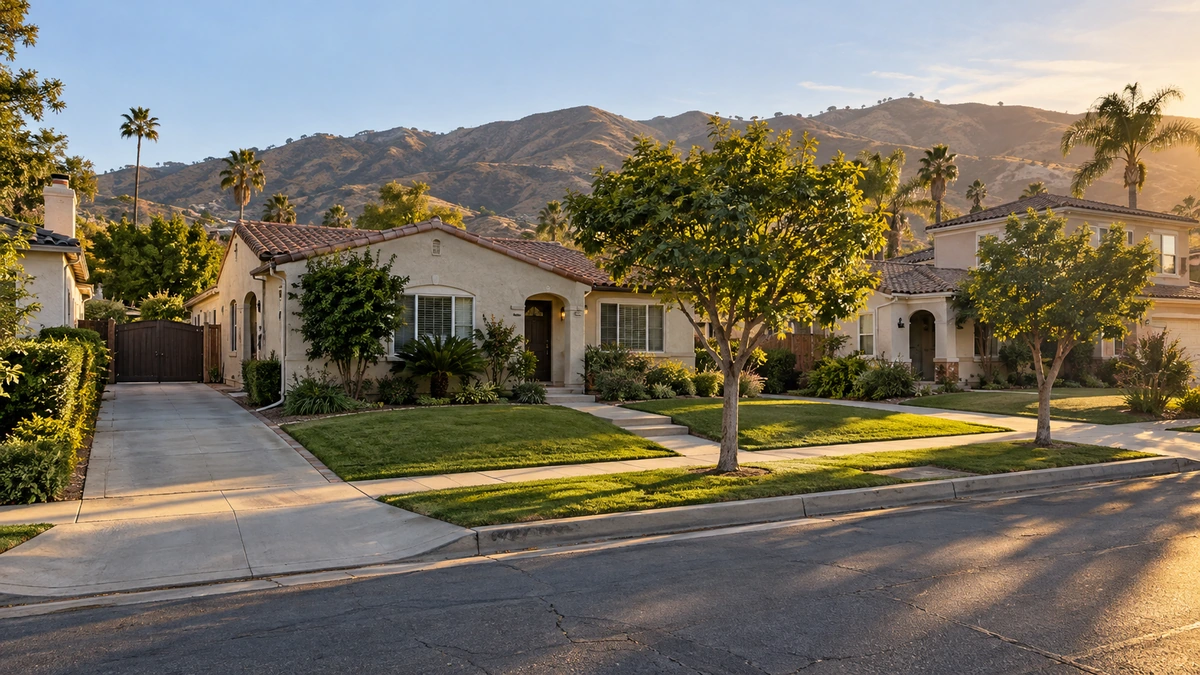
A resident carries a grocery bag along the sidewalk beside tile-roof California homes, with parked cars and dry hills beyond.

State moving guide

Moving to California: A Practical Guide

Find your part of California, compare moving costs and plan a smoother arrival. Explore twelve cities, choose a delivery option and get your home ready for a move to or from the Golden State.

California planning

Find your place in California

A city apartment in Los Angeles, a San Francisco home above the sidewalk or a house near Fresno offers a different version of California life. If you are still choosing where to live, start with the map and city profiles. Compare the coast, Bay Area and inland cities, then look more closely at the neighborhoods that fit your work and daily routine.

Already have an address? Use the practical chapters to compare prices and delivery options, prepare your belongings and get the new home ready. You will find California mover checks, weather and road considerations, storage choices and first-week tasks. Sterling Oakbridge can help plan an interstate household move to or from California.


California cities and regions
Explore twelve California cities, from Southern California and the Central Valley to the Bay Area and Santa Rosa. Compare their profiles below to narrow your home search.

California planning

Which part of California fits your plans?

Southern California. Los Angeles offers many distinct city neighborhoods; Long Beach adds a waterfront setting, while Anaheim and Riverside provide different starting points in Orange County and the Inland Empire. San Diego combines a coastal city with inland neighborhoods. Compare your actual daily destinations rather than choosing from the county name alone.

The Bay Area. San Francisco, Oakland and San Jose have different city centers and residential settings. A hillside street, a compact urban neighborhood and a lower-density subdivision can all be part of a Bay Area search. Look at the journey between the particular home and the places you will visit regularly.

Sacramento and the Central Valley. Sacramento has riverside districts and established central neighborhoods. Fresno and Bakersfield offer inland city settings with their own downtowns and residential areas. These places deserve a separate comparison with coastal California, rather than being treated as one interchangeable inland destination.

North of the Bay. Santa Rosa is the northernmost featured city in this guide, with older neighborhoods and the Railroad Square area among its local settings. The twelve profiles below are starting points for exploring California; they do not cover every region or replace a closer home search.

Service network

Explore California’s cities

From coastal cities to the Central Valley and North Bay, these twelve places offer different settings for your next home. Start with the city that interests you, then compare its neighborhoods and daily journeys.

Residents walk along a broad Los Angeles-style sidewalk between historic commercial buildings and a downtown skyline.CA

Los Angeles

Los Angeles brings together communities with very different identities. They include Van Nuys and North Hollywood in the Valley, Venice and Boyle Heights, and San Pedro and Wilmington in the harbor area. These are parts of the same city, rather than interchangeable names for the wider county.

Explore Los Angeles moving →
A woman walks beside a bayfront promenade while another resident reads on a bench, with sailboats and a San Diego-style skyline beyond.CA

San Diego

San Diego includes coastal communities and older neighborhoods farther inland. La Jolla is shaped by ocean bluffs, beaches and the hills around Mount Soledad. North Park occupies a mesa beside Balboa Park, where commercial streets meet a mixture of houses and apartment buildings. Both belong to the city, with distinct settings.

Explore San Diego moving →
Two residents sit outside a café while another walks along a San Jose-style downtown sidewalk.CA

San Jose

Downtown San Jose connects a commercial core with nearby communities such as Japantown and the neighborhoods around Diridon Station and San Jose State University. Beyond the downtown grid and older neighborhoods, much of the city's growth took the form of lower-density subdivisions and shopping areas. The city includes both urban and suburban settings.

Colorful Victorian homes line a San Francisco hillside street.CA

San Francisco

San Francisco's dense street grid climbs its hills instead of consistently winding around them. That landscape produces changing views across the bay and a varied pattern of neighborhoods, commercial streets and parks. The city's compact form and steep inclines are part of its character, alongside the differences between its individual districts.

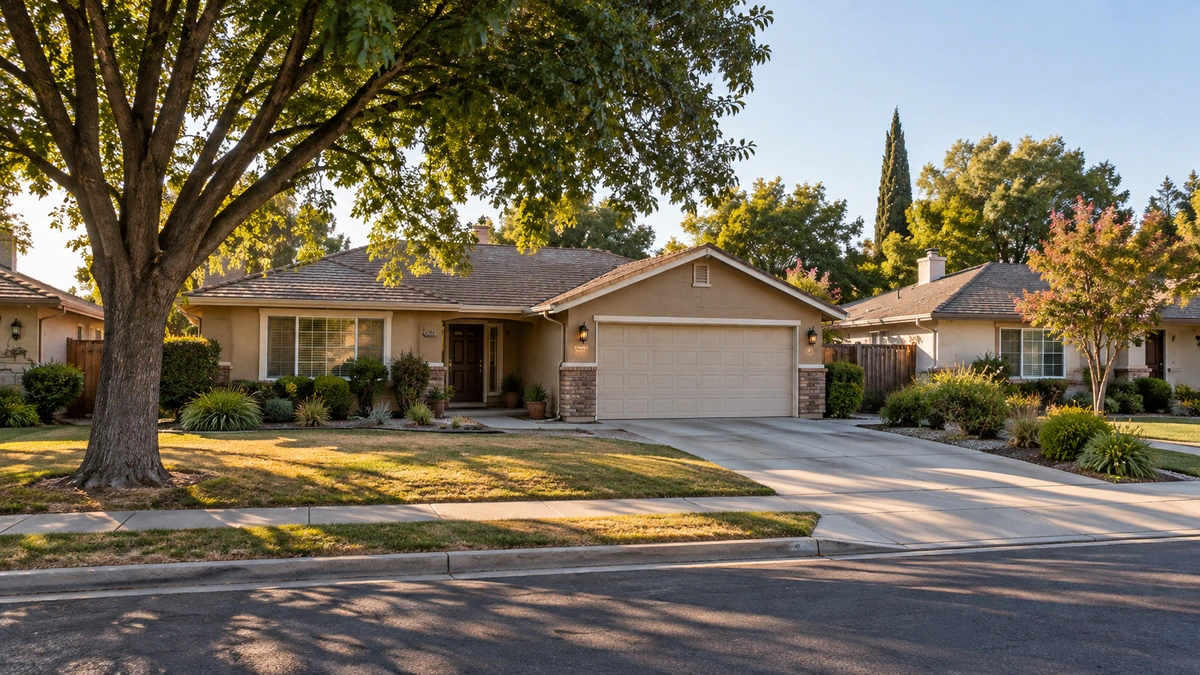
A tree-lined Sacramento-style street has Craftsman homes with raised front porches.CA

Sacramento

Sacramento's River District sits where the Sacramento and American rivers meet. Its central neighborhoods include Downtown, Midtown and Old Sacramento, while other residential areas extend toward East Sacramento, Land Park and Natomas. The rivers and these neighborhood names provide a useful way to understand the city beyond its central business district.

A single-story ranch home sits on a broad residential street in a Fresno-style neighborhood.CA

Fresno

Fresno has several distinct urban centers. Downtown is an employment and entertainment hub, while the Tower District combines a mainly residential setting with shops, restaurants and commercial streets such as Olive and Van Ness. This mix gives the city both a central business core and neighborhood destinations beyond it.

Residents walk along a Long Beach-style coastal promenade beside apartments and a sandy beach.CA

Long Beach

Long Beach's eastern neighborhoods reach the Pacific shoreline and include Belmont Shore, Naples and Belmont Heights. Farther along its neighborhood streets are places such as Fourth Street's Retro Row, Rose Park and the El Dorado park area. The city's residential geography extends well beyond a single waterfront scene.

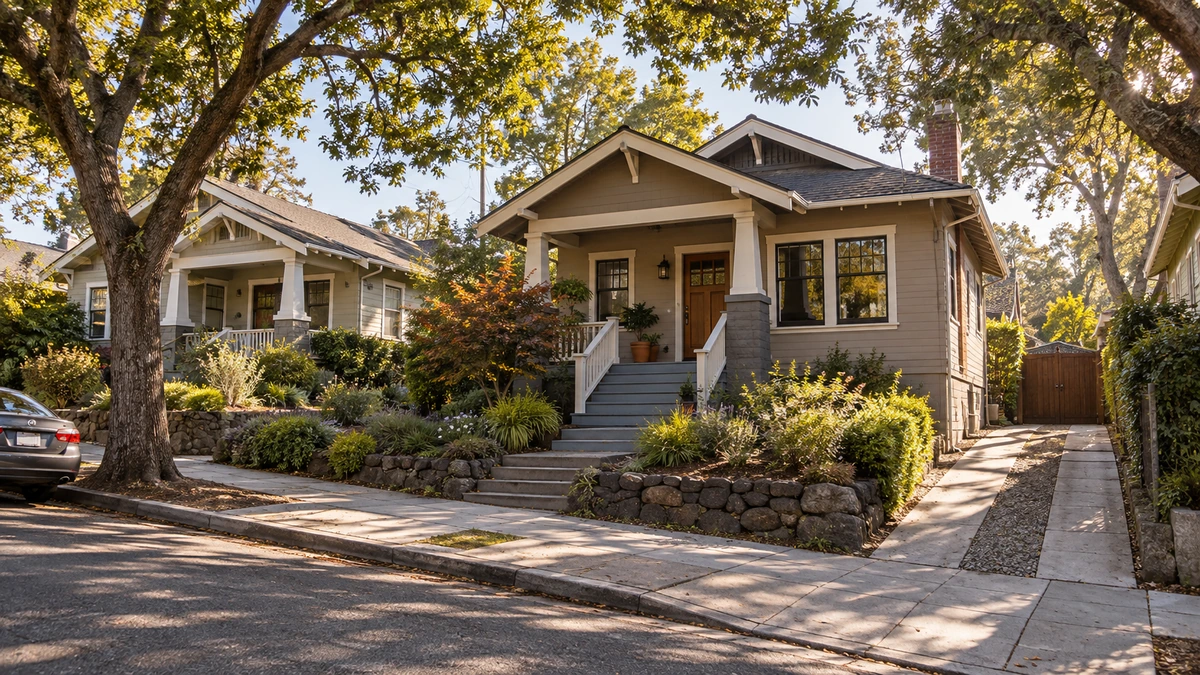
A Craftsman-style Oakland home has a raised porch and front steps.CA

Oakland

Oakland's neighborhoods range from the compact residential areas around Lake Merritt to more widely spaced homes in the hills. Houses and apartment buildings often share a neighborhood, with local commercial streets such as Grand, Lakeshore, College and Fruitvale avenues providing distinct centers. The city's residential areas have varied forms rather than one uniform streetscape.

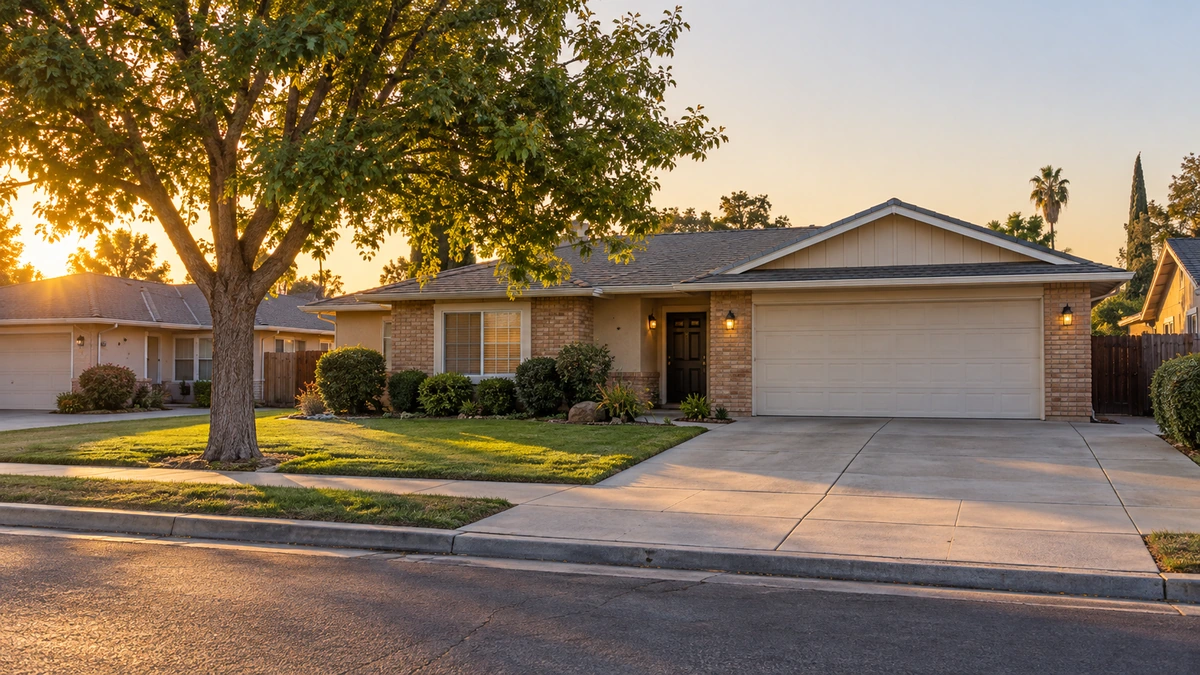
A low ranch house has a broad front lawn and a driveway in a Bakersfield-style neighborhood.CA

Bakersfield

Bakersfield lies near the southern end of the San Joaquin Valley and is the seat of Kern County. Alongside its downtown and residential neighborhoods, the city has public parks and recreation spaces that include the Kern River Parkway. These places add an outdoor dimension to this inland city's everyday landscape.

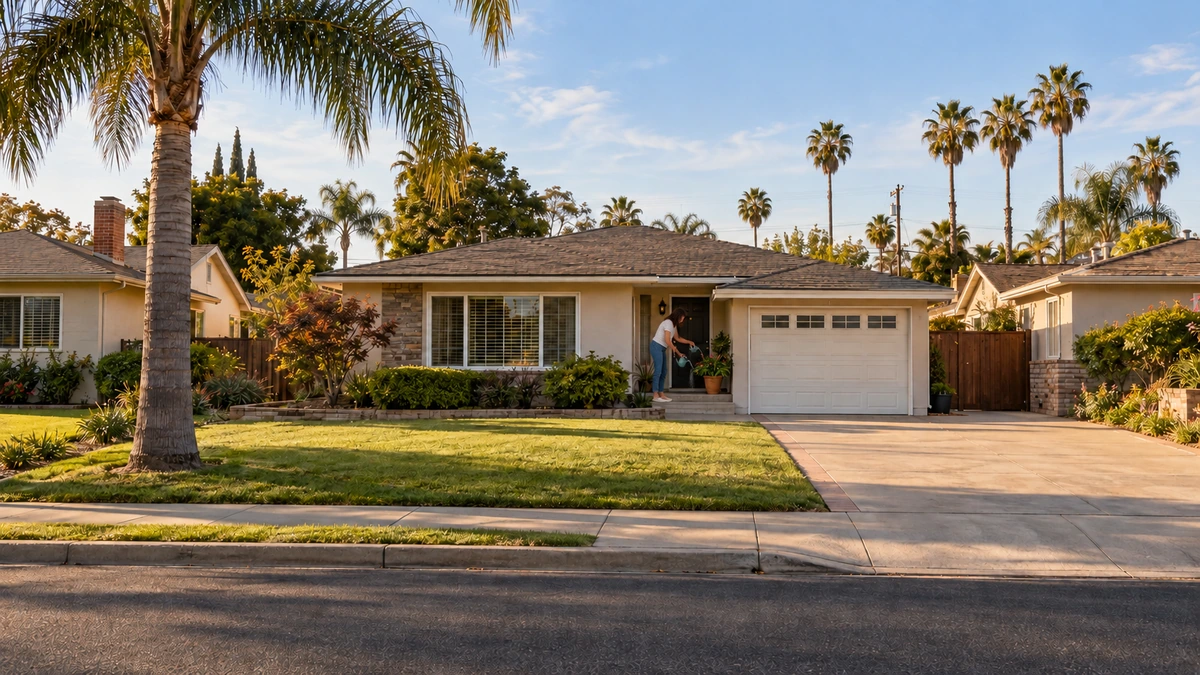
A resident waters a plant beside the front door of an Anaheim-style single-story home.CA

Anaheim

Central Anaheim contains historic residential districts with different architectural eras. The Colony is the city's first designated historic district; Historic Palm includes homes with French, English and Spanish influences, while Hoskins reflects the years immediately after World War II. These neighborhoods add a residential history to the city's broader identity.

A stucco home with a tiled roof stands against dry foothills in a Riverside-style neighborhood.CA

Riverside

Riverside's Wood Streets neighborhood shows one part of the city's residential history. Its narrow street grid and largely pre-World War II homes retain an early twentieth-century character. Magnolia Avenue connects the area toward Downtown across the Tequesquite Arroyo, linking this residential district with the older city center.

An older Santa Rosa-style home has a raised front porch and mature landscaping.CA

Santa Rosa

Santa Rosa's older neighborhoods have distinct architectural histories. Cherry Street includes nineteenth-century houses and later bungalows; St. Rose mixes surviving large houses with more modest homes. Near Railroad Square, the West End includes small bungalows and Queen Anne cottages, with the historic commercial district forming a neighborhood center.

California planning

Moving within California or between states?

A move staying entirely within California follows a different moving process from a shipment to another U.S. state. Los Angeles to Sacramento and Los Angeles to Portland may both be long journeys, but their mover checks and paperwork differ.

For a California-only move, start with California BHGS consumer guidance. For an interstate move, check the operating mover through both BHGS and the federal FMCSA resources. The California service described here is for interstate household moves; confirm any work staying within the state separately.

Give the full pickup and final delivery addresses, including any storage stop. If you change the destination, ask for the revised work and price in writing before proceeding. Mention an unusual route or extra transport stage so the actual journey is reviewed with the right documents.

More places to explore

Keep exploring California communities

Looking beyond the featured cities? These communities offer more starting points for your California home search.

Ask about your California move →

California planning

Can the truck reach your home?

Show the coordinator the road, driveway, gate and place where the truck could stop. Include tight turns, slopes, low branches, soft ground and vehicle restrictions. For a remote or shared entrance, arrange a contact who can provide access and respond if the route is blocked.

Then continue from the stopping place to the front door. A broad driveway may still lead to steps, a narrow gate or a long carry. A short video of the whole approach is more useful than a close-up of the house. For an apartment, include the service entrance and route to your unit.

The carrier checks the actual truck against the Caltrans truck network and current restrictions. Car navigation does not settle truck access. If the large vehicle cannot reach the home, discuss an authorized alternative, carrying distance or smaller-vehicle transfer and its cost before moving day. Share private gate instructions through the agreed private channel.

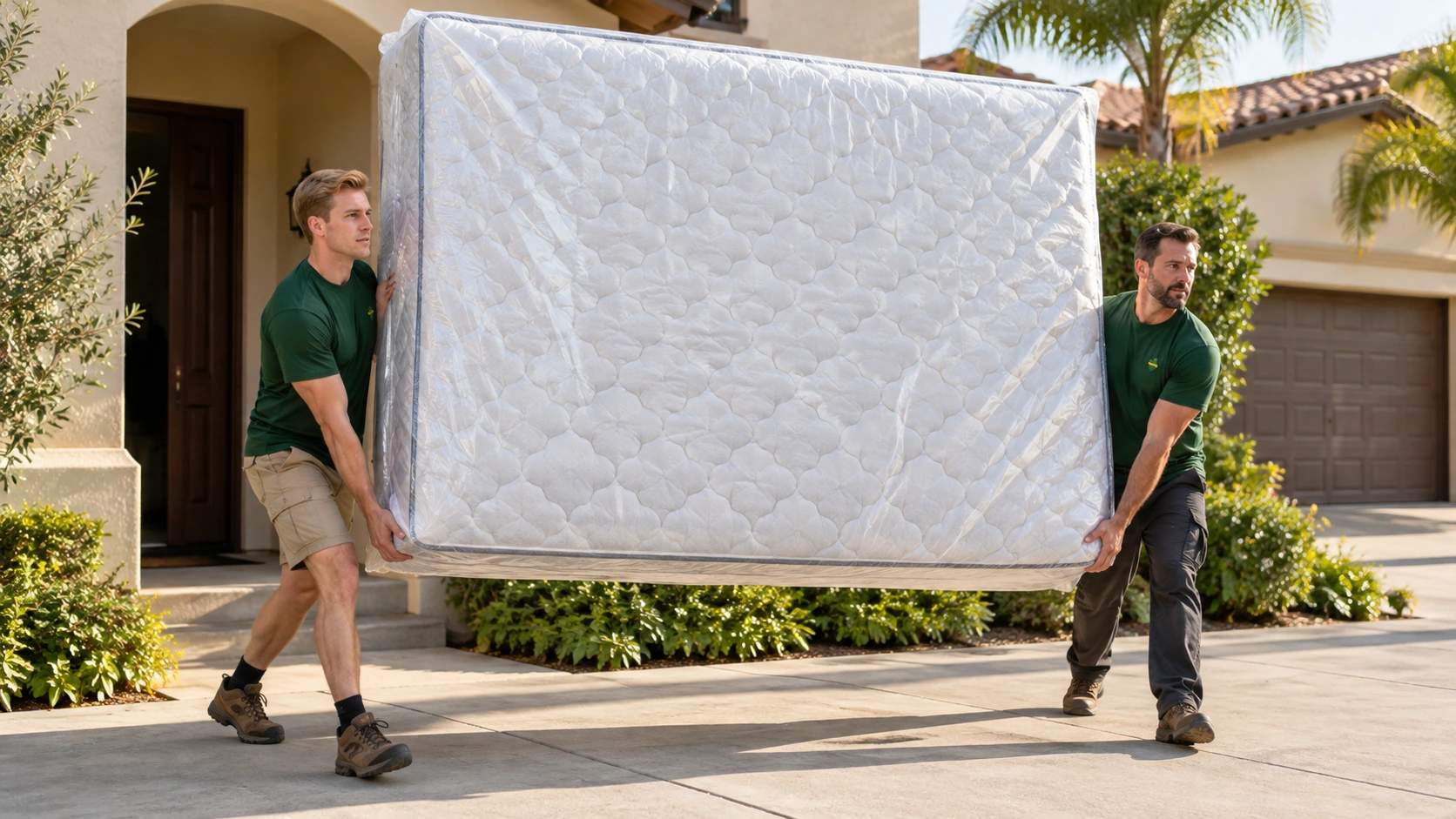
Two movers carry a bagged mattress outside a stucco home, supporting its lower edge with both hands.
A protective bag keeps the mattress covered during the carry.

The moving process

Your move, step by step

  1. 1

    Tell us about your move

    Share the addresses, belongings, dates and help you want, including large pieces and extra stops.

  2. 2

    Check both homes

    Show parking, entrances and stairs; get building instructions and any elevator appointment.

  3. 3

    Review your estimate

    Check the work, delivery option, price, payment and protection terms before booking.

  4. 4

    Pack and get ready

    Finish the agreed packing, keep essentials with you and clear the collection route.

  5. 5

    Receive and settle in

    Have someone ready, direct room placement and check the inventory and condition.

Ready when you are

Ready to discuss your move?Tell us where you are moving, what is coming with you and the dates you have in mind.

California planning

Compare California moving estimates fairly

For a California-only move, arrange the required visual inspection and obtain a signed written estimate. Check the moving agreement and its “Not to Exceed” price before work begins. BHGS explains the process and how changes to the requested work are recorded.

Compare the same belongings and tasks: packing, extra pickups, stairs, furniture preparation, transport, storage and later delivery. Mark whether you or the crew will pack. A cheaper estimate can leave out work included in another proposal.

Keep the selected version with your inventory. If you add furniture, change a pickup or need a second delivery, have that change priced and recorded. If you are comparing a California destination with an out-of-state destination, obtain the appropriate proposal for each journey.

County guides

Explore the area around your new home

These six counties include several of the featured cities. Use the local communities below as starting points for a closer home search.

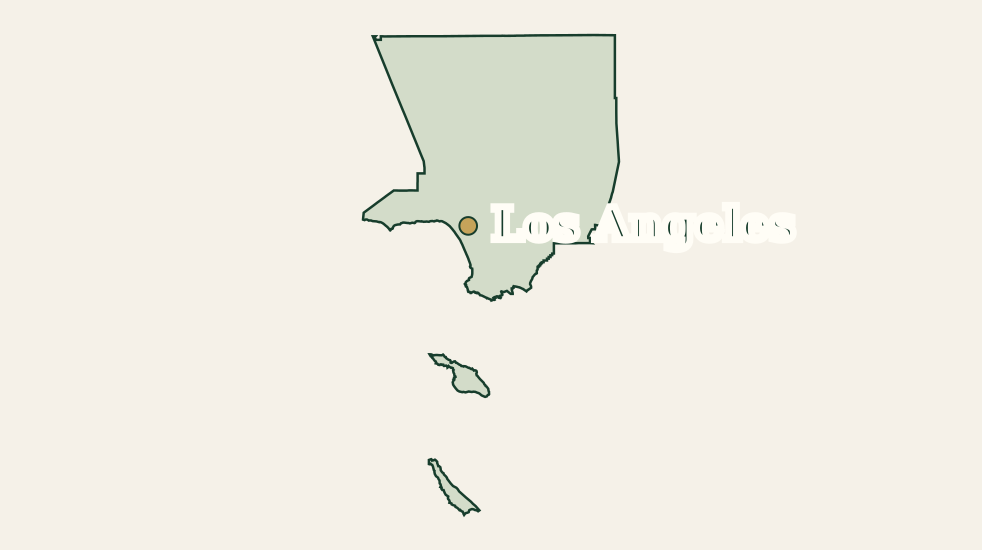
Los Angeles County with Los Angeles marked
Southern CaliforniaPop. 9,837,286 · 2026

Los Angeles County

Compare the city around your home: downtown apartments, coastal neighborhoods and inland communities have different daily journeys. Check the particular building and the route to your unit.

Key communities

Los Angeles · Long Beach · Pasadena

Check a California mover →
San Diego County with San Diego marked
Southern CaliforniaPop. 3,344,322 · 2026

San Diego County

Explore the coastal and inland communities around San Diego. For your chosen address, look at the shared entrance, any slope or stairs and the place where the truck can work.

Key communities

San Diego · Chula Vista · Oceanside

Check a California mover →
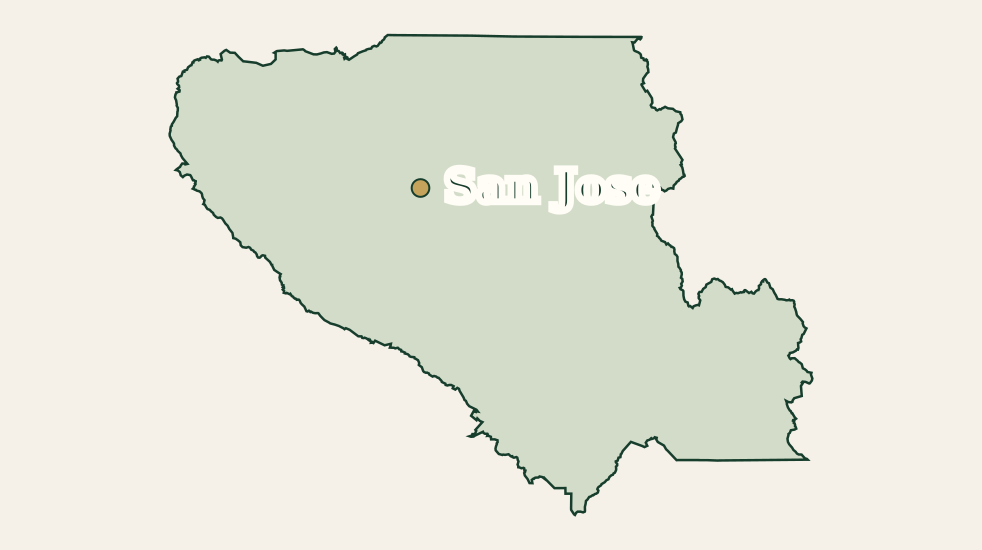
Santa Clara County with San Jose marked
South BayPop. 1,932,468 · 2026

Santa Clara County

Compare downtown San Jose with surrounding South Bay communities and your regular commute. A shared building and a detached house can need different moving appointments and preparation.

Key communities

San Jose · Santa Clara · Sunnyvale

Check a California mover →
San Francisco County with San Francisco marked
Bay AreaPop. 845,658 · 2026

San Francisco County

San Francisco is a consolidated city and county. Look closely at the home’s floor level, stairs and street loading arrangements when comparing its neighborhoods.

Key communities

San Francisco

Check a California mover →
Sacramento County with Sacramento marked
Sacramento regionPop. 1,628,349 · 2026

Sacramento County

Compare the central city with other Sacramento County communities. Look beyond the front door to garage contents, interior turns and where large furniture will go.

Key communities

Sacramento · Elk Grove · Folsom

Check a California mover →
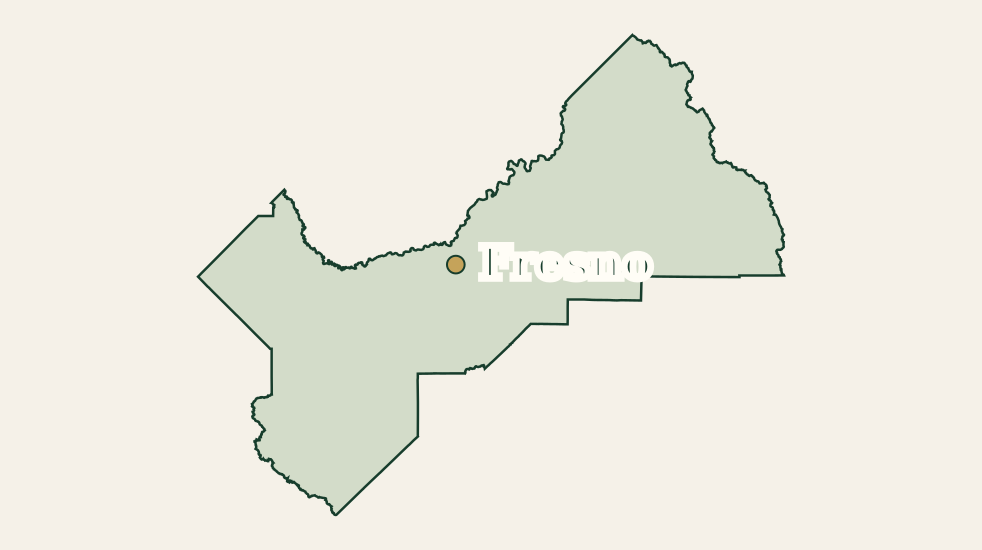
Fresno County with Fresno marked
Central ValleyPop. 1,041,676 · 2026

Fresno County

Explore Fresno-area city neighborhoods and surrounding communities. Include summer heat, driveway access and any additional garage or storage contents when preparing the move.

Key communities

Fresno · Clovis · Sanger

Check a California mover →

County population: January 1, 2026 provisional estimates, California Department of Finance E-1 (May 2026). Separate from the 2024 ACS housing figures. Read the source.

All 58 California counties

California planning

Will your furniture fit through the new home?

Measure a problem piece against the narrowest parts of its route: room door, hallway turn, stair landing, elevator door and building entrance. Include handles, projections and the space needed to turn. Photograph the actual restriction from both sides if one view hides the level change or door swing.

For a shared building, get the service entrance, elevator dimensions, move appointment, working hours and any required insurance documents from management. A tandem garage space or passenger parking bay may have no practical use for a moving truck.

Discuss suitable disassembly, an alternate room or leaving a piece before moving day. Clear the route and choose positions for the largest furniture before cartons occupy the floor. Tell the coordinator about delicate floors, fresh finishes or unfinished rooms so protection and placement can be planned.

California planning

Check the mover before you book

Use the mover’s operating business name to check its California BHGS record. For interstate work, also check the applicable FMCSA records. BHGS licensing guidance distinguishes an interstate-mover license from a general household-mover license.

Compare that business name with the estimate, agreement and company taking your payment. If another business arranged the move, ask who will actually carry the goods and handle delivery questions. Resolve unexplained differences before loading.

Ask for the written loss-or-damage protection options. A business insurance policy or building certificate does not explain how your belongings will be valued after a loss. Keep your selected terms, inventory, condition photographs, receipts and coordinator contact together. Read any changed collection-day paperwork before signing.

Who does what

A little coordination before moving day

You, the moving team and your building contacts each handle a different part of getting the move ready.

01 Moving checklist

Your household

Keep the inventory current, obtain property instructions and make packing and placement choices.

02 Moving checklist

Your moving team

Review the shipment and access, explain the proposed work and delivery terms, and identify the coordinating contact.

03 Moving checklist

Your building and receiver

Confirm entry and appointments, keep the route available and have someone ready to receive and check the goods.

California planning

Know what your interstate paperwork covers

Before booking, check that the estimate describes the same belongings, addresses and work you discussed. Include packing, furniture preparation, extra stops, access and receiving help. Confirm the pickup date, delivery window, payment terms and selected protection for your goods.

FMCSA’s consumer-rights guide explains the federal information movers and brokers must provide. Ask for the rights-and-responsibilities material and the mover’s written questions, complaints and claims procedures. Read the terms before signing and keep the agreed version and later changes.

Give your receiving representative the inventory and contact information. At delivery, check the goods and record missing items or visible condition concerns while they can be described clearly. Keep photographs and paperwork for any follow-up.

California planning

Plan for heat, rain and mountain travel

Plan for the route as well as the weather outside your home. A mild coastal pickup can still involve a mountain crossing or a cold destination. In hot weather, keep water and the household’s travel essentials available. For rain, discuss sheltered staging and suitable floor protection along the real walking route.

Mountain crossings such as Donner, Tejon and Cajon can have chain controls. These depend on current conditions, not fixed annual dates. The carrier must use the Caltrans truck-chain guidance for its vehicle; passenger-car exceptions should not be assumed for a moving truck. Check current road information as the date approaches and after a disruption.

For wildfire, smoke, closures or an evacuation instruction, follow the responsible authorities and put the household’s safety first. Contact the coordinator about where the goods can wait, how you will receive updates and when delivery can resume. Agree changed storage, handling or pricing before extra work begins.

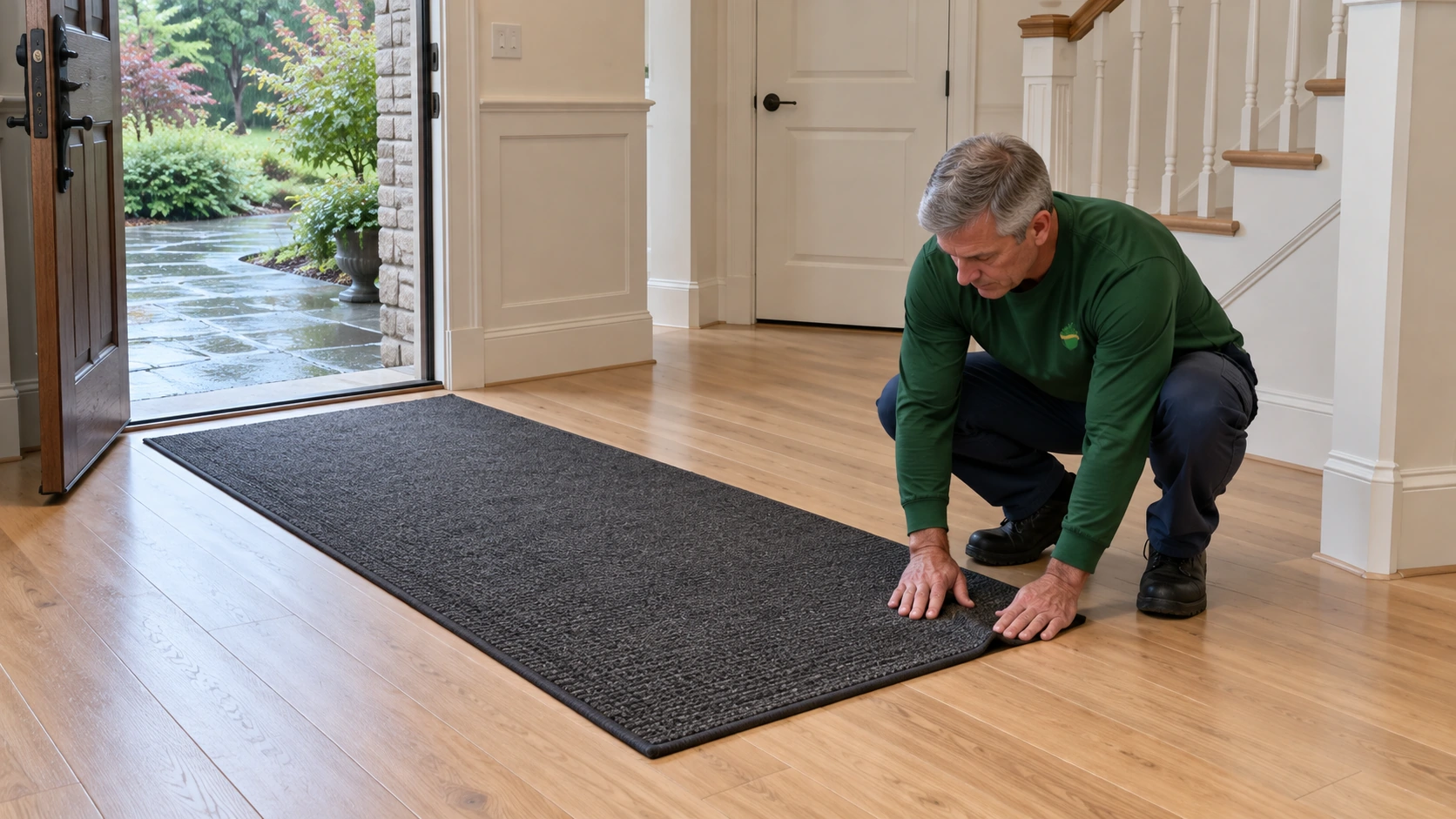
A mover kneels to flatten a protective floor runner just inside a doorway, with wet pavement outdoors.
Lay floor protection before bringing furniture inside.

California planning

Arrange a place for the truck to work

Ask the building manager or owner about private loading space and the route to your entrance. For a public curb, check the local authority’s procedure. An empty space or the owner’s permission does not by itself reserve a public street.

Send the coordinator the proposed position, access instructions and working hours. Include security check-in, a service-door key, elevator booking and time needed to prepare and clear the route. Show the conditions that will exist on moving day, including shared access or a gate that is usually closed.

Keep household cars, bins and other deliveries out of the agreed space. Have a reachable contact and an alternative if it becomes unusable. Ask whether a different position changes carrying distance, handling, transfer work or price.

Moving routes

Where are you moving?

A move within California, across a nearby border or farther away calls for different planning. Start with the journey that matches yours.

Within California

Staying in the state?

For a journey entirely within California, start with the state moving process.

Example

An apartment in Los Angeles to a house in Sacramento.

Before booking

Check the mover and compare the written inventory, estimate and moving agreement.

Read California moving guidance →

A neighboring state

Oregon, Nevada or Arizona

A nearby border crossing is still an interstate household move.

Access

Show both homes, any storage stop and the receiver’s working hours.

Timing

Agree the route, shipment model and actual receiving window.

Explore interstate moving →

Farther away

Cross-country or Canada

Compare transport options with your inventory and household schedule.

Direct or consolidated

Dedicated direct service or a suitable smaller shipment with a wider written window.

Canada

Prepare entry, accompanying goods and goods to follow before dispatch.

Discuss a longer move →

Direct service uses a dedicated truck and the same pickup and delivery crew. Suitable smaller consolidated shipments use a wider agreed window; confirm the model in writing.

California planning

Pack for the rooms you want to use first

Keep identification, medication, valuables and travel essentials with you. Then decide which contents you will pack and where you want help: a fragile kitchen group, selected rooms or more of the household. Label cartons clearly by receiving room; keep any storage group distinct.

Use small cartons for dense books and suitable cushioning for dishes and fragile objects. Show framed art, large televisions, lamps and unusual items during the survey so their packaging can be chosen for the actual object. A fragile label does not replace protection.

Company packing is charged for working time; supplied boxes are separate. At delivery, furniture is unwrapped, while emptying cartons is optional work charged for time. Packaging removal is separately priced. Decide which essential rooms to unpack first and have usable storage positions ready.

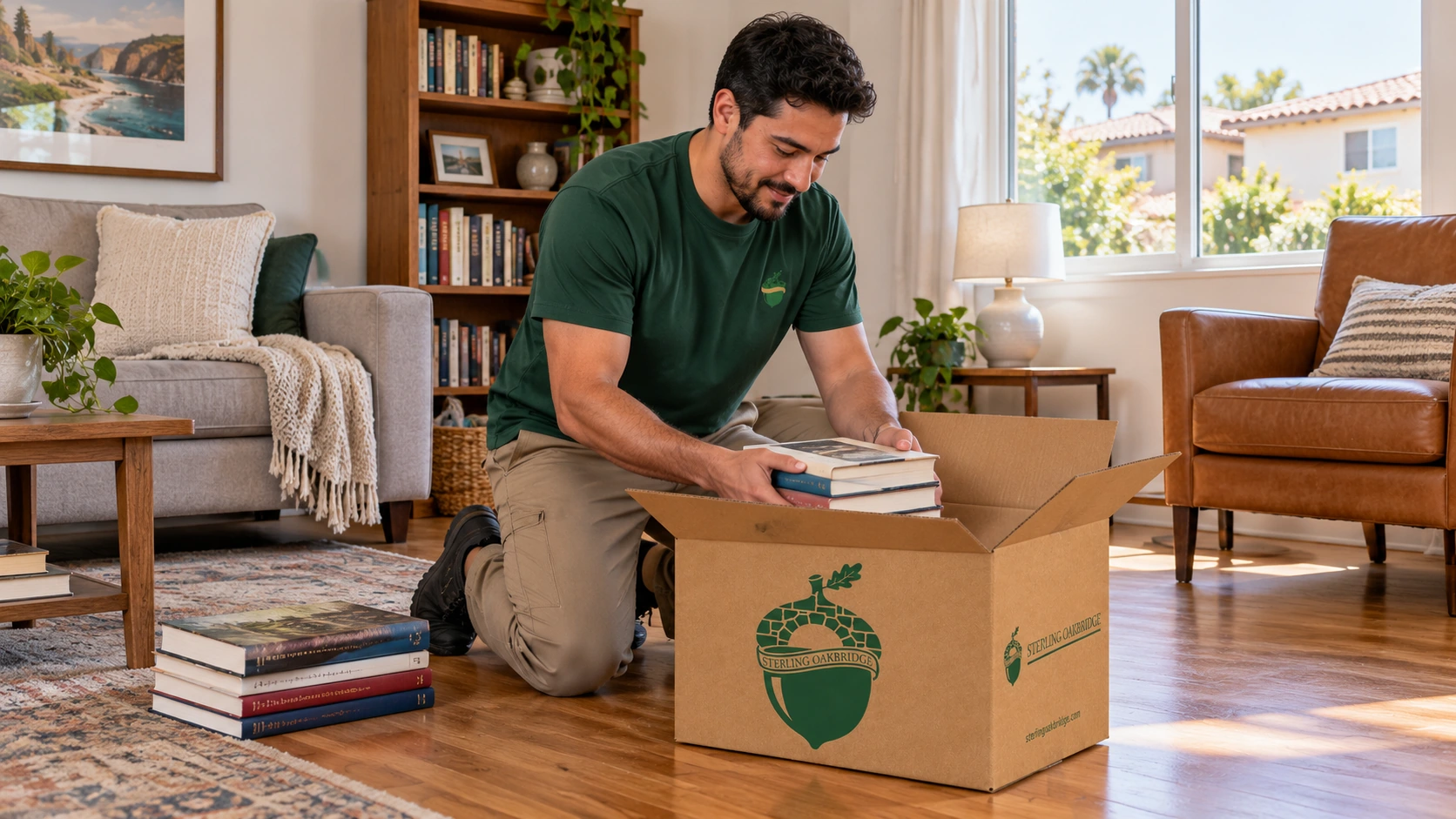
A mover kneels beside an open kraft carton and lowers a small stack of books through its opening.
Pack books in small cartons that are easy to handle.

California planning

Prepare large furniture before moving day

Show the team beds, long tables, tall cabinets, sectional seating and anything with a delicate finish or unusual mechanism. Include the joint, projection or tight turn that needs attention. Agree what can safely come apart and what needs to stay assembled.

Keep matching parts and hardware with the right item. Removable table legs and an integral chair frame need different preparation; do not dismantle one piece to imitate another. Transport coverings should protect vulnerable surfaces, corners and feet, with securing material around the covering.

Basic furniture disassembly and reassembly are part of moving labor time, without a separate basic assembly fee. Complex construction and specialist work need individual review. At the destination, place the large pieces before cartons block their footprint, then unwrap them and complete the agreed reassembly.

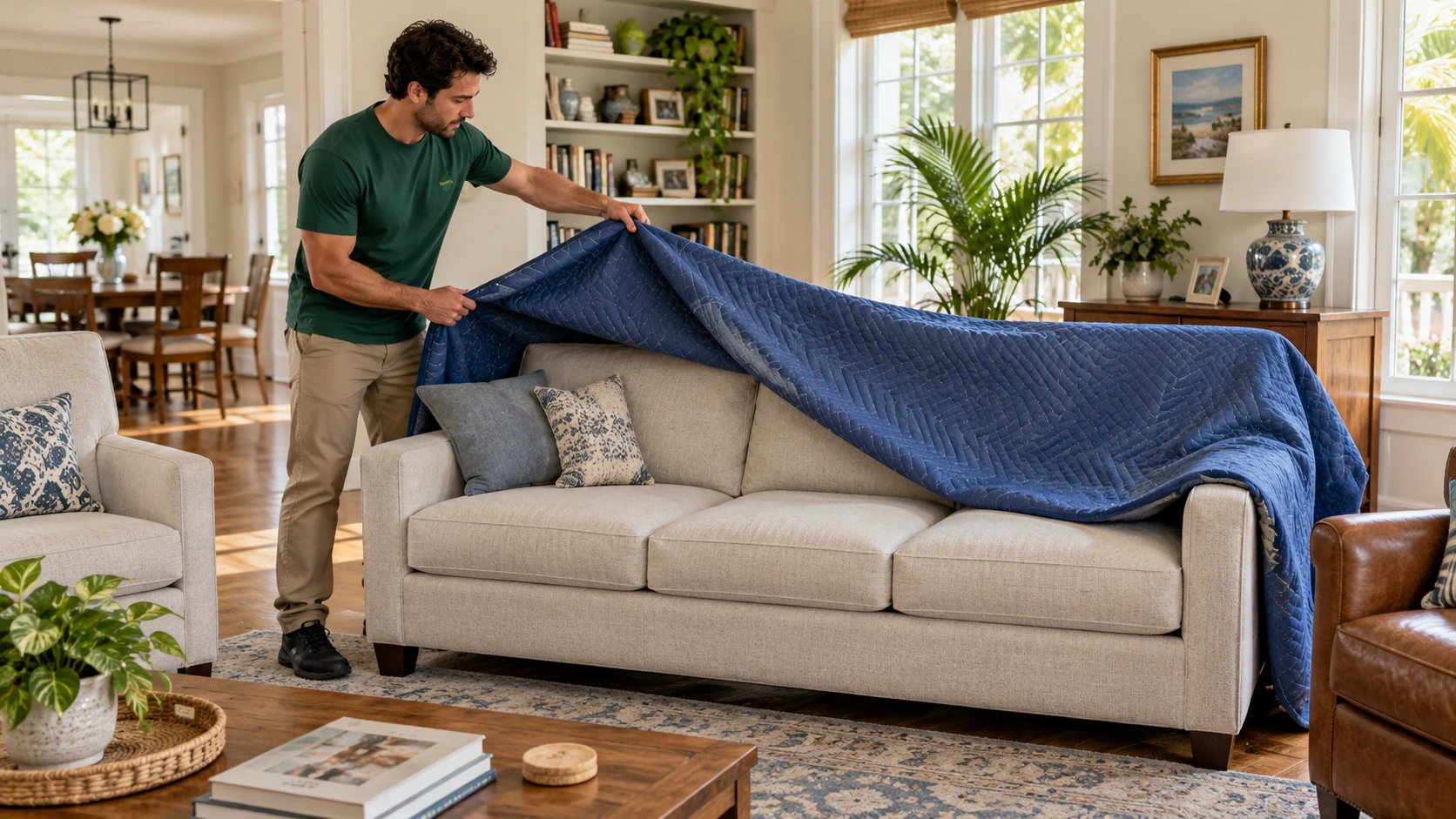
A mover lifts a blue moving blanket off a sofa standing on its legs in a furnished living room.
Once the sofa is in place, the moving blanket comes off.

California planning

What California’s housing figures tell you

California includes detached homes, apartments and older buildings with very different layouts. The 2024 ACS five-year estimates report 14,644,735 housing units, including 8,354,468 detached single-unit homes, about 57.0%. An estimated 1,298,992 units were built in 1939 or earlier, about 8.9%.

Among 13,548,091 occupied households, the same vintage reports 7,567,568 owner-occupied and 5,980,523 renter-occupied homes. These tenure counts use occupied homes; structure and age figures use all housing units. The planning-data table below keeps the measures and sources together.

Use this range as a reason to look closely at your chosen home. A newer apartment can have restricted shared access; an older house can have a straightforward entrance and a difficult internal turn. Statewide figures cannot tell you whether your sofa will fit or what your move will cost.

California planning

Migration figures do not predict your moving date

The 2024 ACS one-year estimate says 1.0% of California residents age one and older lived in another U.S. state a year earlier. It is a measure of people and prior residence, not a count of household shipments.

It does not show net migration, why someone moved, moving-company demand or availability on your route. Do not use it to choose a supposedly quieter week or predict a price. Your inventory, access, operator and actual date range provide the useful information for that decision.

California planning

Moving to Oregon, Nevada or Arizona

California borders Oregon, Nevada and Arizona. A shipment to one of these states is interstate even when the destination is close to the border. Plan the actual receiving address and access, rather than using distance alone to judge the job.

A Portland apartment, a Nevada house and an Arizona storage unit each need a receiver and workable delivery arrangements. Include storage access hours, extra pickups and any building appointment in the same request. The carrier checks its route and current conditions.

If the destination is still being chosen, decide whether to wait for an address or arrange an agreed holding stage. Compare the cost and later release as part of the whole move. The examples here are planning choices, rather than scheduled departures or confirmed appointments.

California planning

Choose dates around your household

Separate fixed dates from preferences: lease handover, closing, school or work commitments, storage access and a building’s move appointment. Tell the coordinator which cannot move and which have room to change.

Keep your travel plan separate from the goods until both are coordinated. Flights, pets, temporary accommodation and the first working day may need a more precise schedule than a flexible shipment window. Carry enough essentials for the window you accept.

Choose a receiver who can attend during that window. If someone is free for only one short appointment, resolve the mismatch before choosing consolidation. A delayed key handover can also affect collection, elevators, travel and storage, so update everyone who depends on the changed date.

California planning

Direct or consolidated delivery?

Direct delivery uses a dedicated truck and the same crew at pickup and delivery. It suits a household that values that continuity and needs an agreed plan for a substantial shipment. The route, inventory and dates still need review.

Consolidated delivery is available for suitable smaller shipments with a wider agreed window. Company policy allows up to 90 days for delivery into California, counted after pickup and loading are complete. For a Florida or Canadian destination, the consolidated maximum is up to 60 days from that same point; other long routes need individual agreement. These are maximum windows, not predicted arrival dates.

Choose using what you will actually ship and when someone can receive it. Keep essentials with you and confirm the accepted window in writing. If the inventory grows or the home loses access, have the arrangement reviewed before relying on the earlier plan.

Common moving situations

How the plan changes with your needs

Compare a small shipment, a full household, a building appointment and a delayed handover.

A small Bay Area apartment shipment

You are sending a few furniture pieces and cartons to an out-of-state home.

What to do. List the actual goods and compare consolidation with the dates someone can receive them.

Why it helps. You can choose a smaller-shipment option only if its agreed window works for the household.

A Southern California household move

A house has furniture, garage contents and fragile kitchen items to move across the country.

What to do. Include every inventory group and the chosen packing help in a direct-shipment proposal.

Why it helps. You can compare the total for the same work and prepare what you choose to handle yourself.

An apartment with a shared elevator

Your collection building allows moves during a reserved appointment.

What to do. Get the service route, elevator size and start/finish times before fixing the sequence.

Why it helps. The team can review whether the shipment fits the appointment while there is time to change the plan.

Keys arrive after the goods are ready

Pickup is approaching, but your destination’s handover has been delayed.

What to do. Arrange a real storage receiver, holding terms and later delivery; keep essentials with you.

Why it helps. Both storage intake and release are planned, rather than leaving a loaded truck without a usable destination.

California planning

Prepare separately for Canada and other handoffs

For a move to Canada, prepare the household’s entry and the goods’ arrival together. CBSA guidance explains eligibility, the inventory and the original list of accompanying goods and goods arriving later. Keep the accounting document from first entry accessible for the later shipment. Eligibility and restrictions depend on your situation and belongings.

For goods entering the United States, start with CBP’s household-effects guidance and obtain the document instructions for that direction. Do not reuse a Canadian form as a substitute. Review plants, food, vehicles and other restricted contents before dispatch, and work from the same inventory as the transport coordinator.

If your journey needs a separate road, marine or other transport stage, agree who prepares, releases, carries and receives the goods at each handoff. Include the documents, inventory checks and separately priced work. Settle a missing approval or receiver before the shipment leaves.

California planning

What affects the price of your California move?

The useful price is for your belongings and the complete work you want: pickup and delivery, packing, furniture preparation, access, extra stops and any storage or later delivery. List these before comparing estimates. You can save paid work by completing an agreed part of the packing yourself; the proposal should reflect that choice.

For the company’s long-distance flat-rate arrangement, the price stays the same for the same agreed shipment and service scope. Extra transit or delivery time alone does not increase it. Added goods, a changed address or additional handling require a revised written scope and price.

Packing time and supplied boxes are separate costs. Basic disassembly and reassembly are within moving labor time; specialist work needs review. Furniture unwrapping is included at delivery, optional carton unpacking is charged for time, and packaging removal is separately priced. Ask the estimate to distinguish included work from options so you can compare like for like.

California planning

A practical timeline for getting ready

Before the survey: list your belongings, extra stops and difficult pieces. Send access photographs and obtain building instructions. Identify the destination’s key handover and who can receive the goods.

Before booking: review the written estimate, pickup date, delivery option and protection terms. Resolve omitted work, storage needs and building appointments. Decide what the household will pack and what should remain available for the final night.

Before pickup: finish the agreed packing, keep essentials and documents with you, clear the working route and confirm the contacts. If you have a shared elevator, check the service-door route and the time the crew can start and finish.

Before delivery: reconfirm keys, access, the receiver and large-furniture positions. If something changes, tell the coordinator early and update related travel or property appointments. An edited transport date does not automatically change a building reservation.

California planning

Make room for the delivery

Choose where the bed, sofa and large cabinets will go before the crew arrives. Clear their footprints and the route through the home. A simple room plan or annotated photographs help your receiving representative give consistent directions.

Place large furniture before small cartons fill the space it needs. Keep doors, landings and essential walking routes open. If a room is unfinished, agree a temporary position in advance and tell the receiver who can approve an alternative.

Once furniture is stable, it can be unwrapped and the agreed basic reassembly completed. Check the inventory and condition, keep any exceptions with photographs, then direct cartons to usable rooms. Decide separately whether you want timed unpacking or packaging removal; do not assume all boxes will be emptied.

California planning

What if the new home is not ready?

Agree somewhere for the goods to go before pickup. A usable storage plan names the intake address, belongings, receiver, access hours, holding period and later release conditions. Include additional handling and delivery costs in writing.

Keep medication, work items, clothes and other essentials with you during the gap. Label home-delivery and storage groups consistently, and retain the intake record with the inventory. Accommodation for the family and storage for the goods are separate arrangements.

If keys are delayed after collection, contact the coordinator promptly. Before release, confirm the final home, building appointment, authorized receiver and remaining inventory. A later delivery can need a new vehicle approach or preparation. The moving-between-homes guide has a fuller checklist.

California planning

Make your first days in California easier

Bring an arrival bag with identification, medication, chargers, clothing, bedding and the property and moving contacts. Keep lease, utility and vehicle documents accessible. Arrange the first usable sleeping space without depending on retrieving a carton from the truck.

The California DMV new-resident portal states a 20-day vehicle-registration requirement when becoming a resident or bringing in a vehicle previously registered elsewhere. Use its instructions for your circumstances, including driver licensing; these tasks do not wait for the furniture delivery.

Before bringing plants, plant products or animals, check the item-specific CDFA guidance and the mover’s acceptance. For the home itself, confirm utilities, practical access and any relevant school assignment with the responsible provider or district. Start with the rooms you need for the next day, then work through optional unpacking.

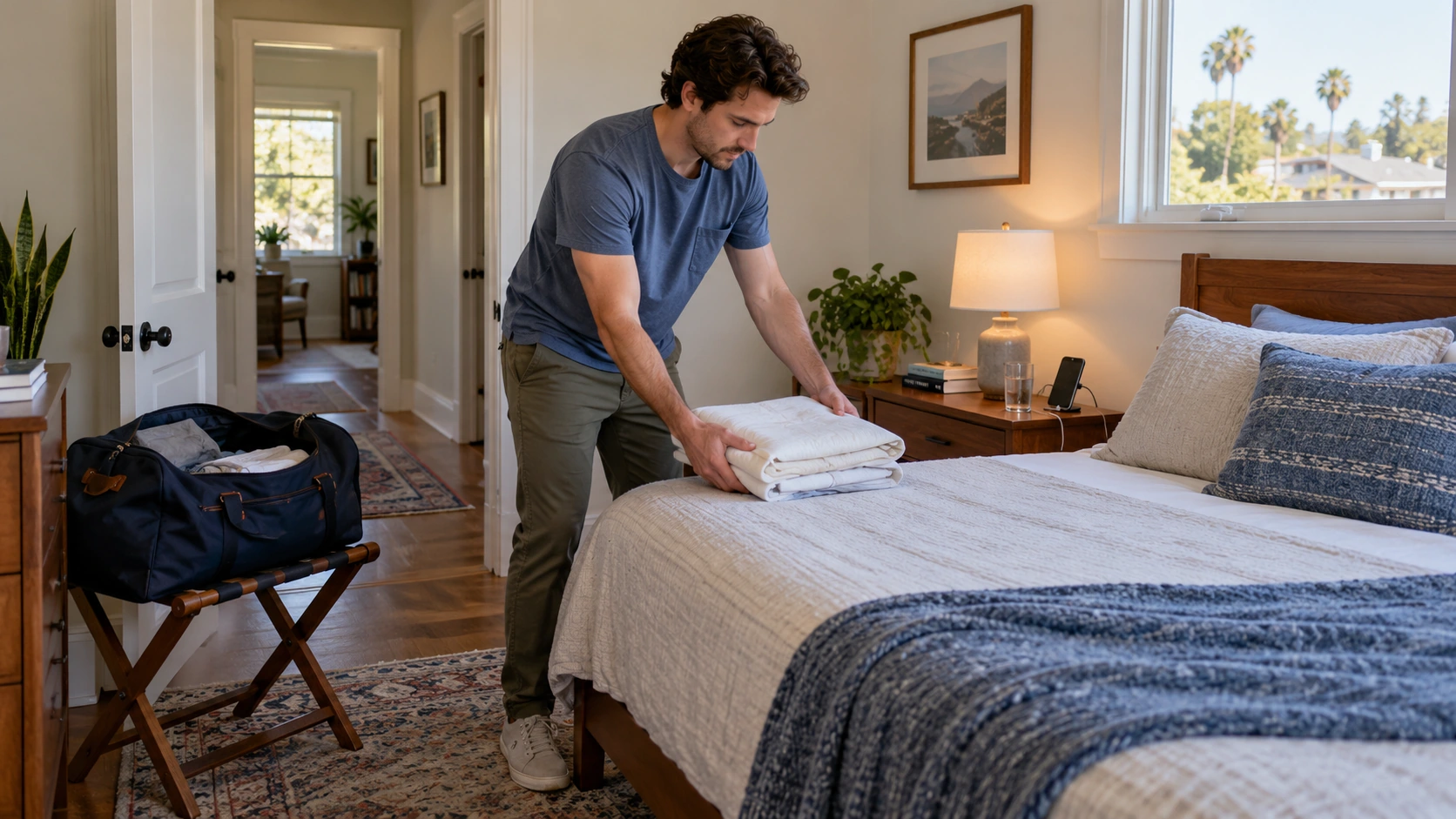
A resident places folded clean linen on a made bed, with an overnight bag on a luggage stand nearby.
Keep fresh bedding and an overnight bag easy to reach.

California planning

Ready to plan your California move?

Send both addresses, a list of belongings, a date range and the help you want. Include large pieces, packing, extra pickups, unpacking or storage. Add photographs of parking, the entrance and any difficult indoor turn, with dimensions where an actual fit question needs an answer.

Before booking, check the written work, price, pickup and delivery terms, protection choices, payment and receiving contact. Choose direct or suitable consolidated delivery around the household’s actual timing. Keep a simple fallback for delayed keys or an unavailable building appointment.

If something is pending, name it clearly: for example, “loading instructions due from the manager.” Keep that answer with the inventory and agreed changes. The next conversation can then resolve the missing decision without losing what has already been settled.

Verified data

California planning data

Planning factEstimateVintageSource
Total housing units14,644,7352024 ACS 5-yearU.S. Census Bureau
Detached single-unit homes8,354,468 · 57.0% of housing units2024 ACS 5-yearU.S. Census Bureau
Homes built in 1939 or earlier1,298,992 · 8.9% of housing units2024 ACS 5-yearU.S. Census Bureau
Owner-occupied homes7,567,568 · 55.9% of occupied homes2024 ACS 5-yearU.S. Census Bureau
Renter-occupied homes5,980,523 · 44.1% of occupied homes2024 ACS 5-yearU.S. Census Bureau
Residents age 1+ from another U.S. state one year earlier1.0% · not net migration or shipments2024 ACS 1-yearU.S. Census Bureau

Planning answers

California moving questions

Straightforward answers about prices, packing, delivery and getting settled.

Ask about your move
What should I send for a California moving estimate?

Send both addresses, a list of furniture and cartons, your preferred dates and the help you want. Include extra pickups, large or delicate pieces, storage needs and photographs of difficult access. If the destination is still being chosen, say what remains to be decided.

Can Sterling Oakbridge help with a move to or from California?

We can review an interstate household move involving California, including the packing, furniture preparation and receiving help you request. The actual route, inventory and dates need confirmation. For work entirely within California, establish the appropriate operator and arrangement separately.

Is a California move to a neighboring state interstate?

Yes. A shipment to Oregon, Nevada or Arizona crosses a state line and needs the interstate arrangement. A journey staying entirely within California follows the state moving process. Give the full addresses and any unusual route or storage stage so the right paperwork can be identified.

How do I check a California moving company?

Check the operating business through BHGS and, for interstate work, the applicable FMCSA records. Compare its name with the estimate, agreement and business taking payment. If another company arranged the move, ask who will carry the goods and handle delivery questions.

What should I look for in a California-only estimate?

Use the required visual inspection and a signed written estimate. Review the moving agreement and its Not to Exceed price before work begins. Compare the same belongings, packing, access, stops and delivery work, and record requested changes. BHGS provides the state consumer guide.

Does carrier insurance explain the protection for my belongings?

No. Ask separately for the written loss-or-damage protection or valuation options for your goods. A general business insurance statement or building certificate does not explain all shipment terms. Keep your selected option with the estimate, inventory and condition photographs.

What is the difference between direct and consolidated delivery?

Direct service uses a dedicated truck and the same crew at pickup and delivery. Suitable smaller shipments can use consolidated delivery with a wider agreed window. Compare your actual inventory and receiving dates, then confirm the chosen model in writing.

When does the California consolidated delivery window start?

It starts after pickup and loading are complete. Company policy allows up to 90 days for suitable consolidated shipments delivered into California. For a Florida or Canadian destination, the maximum is up to 60 days from that point; other long routes need individual agreement. Confirm the destination-specific terms and keep essentials with you.

Will a longer journey increase my agreed flat rate?

Extra transit or delivery time alone does not increase the price for the same agreed long-distance shipment and service scope. Added belongings, a changed address or additional work need a revised written scope and price. Check what is included before booking.

Is the number of bedrooms enough to plan the move?

Use it as a starting description, then list the actual furniture, cartons, garage contents and extra pickups. Show the access and any difficult piece. The coordinator can arrange the appropriate inventory review or survey; room count alone does not establish the work or delivery model.

What should I check before an apartment move?

Get the building’s service route, elevator dimensions, working hours, move appointment and required documents. Show the actual route to your unit. A passenger or tandem parking space may not be usable by a moving truck; get the loading procedure from management.

Who arranges the truck’s loading position?

Check private loading space with the owner or manager and public-street requirements with the responsible local authority. Show the proposed position to the coordinator and keep a contact available. If it changes, ask whether the revised carry, vehicle or transfer work changes the price.

What if the truck cannot reach the house?

Have the approach reviewed early. An authorized alternative position, a longer carry or a smaller-vehicle transfer may be possible after the site and load are assessed. Agree the inventory control, work and additional price before relying on the alternative.

What should I do about furniture that may not fit?

Photograph and measure the actual piece and the tight door, landing or turn. Discuss suitable disassembly, another placement or leaving the piece before move day. Keep the receiving representative able to approve an agreed alternative; do not improvise an unreviewed handling method.

Can packing help be included?

Yes, include the contents or rooms you want packed in the interstate request. Packing is charged for working time and supplied boxes are separate. Keep essentials with you, label receiving rooms and distinguish household-packed from crew-packed contents.

Are basic disassembly and reassembly charged separately?

Basic furniture disassembly and reassembly are part of moving labor time without a separate basic assembly fee. Complex construction or specialist handling needs individual review. Identify the particular pieces and keep matching parts and hardware together.

Does delivery include emptying every carton?

Furniture is unwrapped at delivery. Emptying cartons is optional work charged for working time, and packaging removal is separately priced. Choose the rooms or contents you want help with and have usable storage positions ready.

What if my new home is not ready?

Arrange an accepted storage or other receiving fallback before collection. Name the address, receiver, inventory, hours and release conditions; agree the extra handling and later delivery cost. If keys are delayed after pickup, contact the coordinator promptly and reconfirm the final home before release.

Can I travel before the shipment arrives?

Yes, if your agreed receiving arrangements allow it. Name someone who can attend during the accepted window, give that person the inventory and coordinator contact, and keep travel essentials with you. Confirm a precise appointment separately from a wider transport window.

What changes for a move from California to Canada?

Review your eligibility, inventory and arrival sequence using current CBSA guidance. Separate accompanying goods from goods arriving later on the original list and retain the entry accounting document. Restrictions and tax treatment depend on the person and goods. For the U.S. direction, use the U.S. entry process.

Can I bring plants into California?

Check the actual plant or plant product against CDFA entry requirements and confirm the mover’s acceptance before including it. Restrictions and documentation vary. Ask the authority a specific question early and keep its instructions with the relevant inventory group.

When should a new resident register an out-of-state vehicle?

The DMV portal states a 20-day requirement tied to becoming a resident or bringing in a vehicle previously registered elsewhere. Follow its instructions for your vehicle, residency and documents, and handle driver licensing separately. Keep the paperwork with you rather than in the shipment.

What do the California map and housing figures show?

The map locates twelve featured cities and the county outlines. The table provides dated housing and prior-residence estimates with their separate populations. Neither predicts your moving price, truck access or availability; use the actual home, inventory and dates for those decisions.

How should weather affect my California move?

Plan for both homes and the whole route. Arrange rain protection and keep essentials available; mountain truck-chain controls follow current conditions. For closures, smoke or evacuation instructions, follow the authorities and contact the coordinator to agree a safe waiting or revised delivery plan.

Primary sources

Sources for the decisions in this guide

Official resources for choosing a California community and preparing the move. Figures retain their stated dates; follow current agency guidance for your own circumstances.

Moving documents and consumer protection

3 sources

Weather and emergency planning

3 sources
  • Truck chain requirementsCalifornia Department of Transportation

    Condition-dependent controls for the actual vehicle, rather than a fixed season.

  • Current California road conditionsCalifornia Department of Transportation

    Check current conditions as travel approaches.

  • Wildfire informationCalifornia Department of Forestry and Fire Protection

    Follow current authority information and local instructions.

Roads and property access

1 source
  • California Truck NetworkCalifornia Department of Transportation

    Official state-highway truck-route information; local and private access still needs review.

Arrival and border documents

4 sources

Cities, neighborhoods and local housing

20 sources

Geography and dated statistics

8 sources

Photographs are original representative illustrations, not customer jobs or identified addresses.

Let’s plan your move

Tell us about your California move.

Tell us where you are moving, what you are taking and your preferred dates. Add any packing, furniture preparation, unpacking or storage help you need.

A Sterling Oakbridge move coordinator in the planning office

Plan your long-distance shipment

Compare direct and consolidated delivery, pickup access and receiving arrangements.