

California / Moving services
Movers in Los Angeles, CA
Plan your interstate move into or out of Los Angeles, from packing and the complete carrying route to a receiving arrangement that works at the next address.
01 /
Connect Los Angeles to the next state
Sterling Oakbridge plans long-distance household moves into and out of Los Angeles. Start with the belongings you are keeping, the help you want with preparation and the receiving arrangement at the other end. We can review selected packing, the full agreed household, furniture preparation and storage between addresses as parts of that interstate plan.
Give both complete addresses, including the unit and municipality. This page concerns the City of Los Angeles, California. A Los Angeles mailing address or a familiar regional name may describe a different municipality, with different parking and building arrangements. A move to another California city stays within California; crossing a state line changes the transport plan even when the destination is relatively close.
Los Angeles access can mean a shared apartment entrance, a house above street level or a unit reached through several controlled doors. The city's community plans help identify planning areas, but do not establish the route inside a home or authorize a moving vehicle. Send photographs of the actual path and the instructions supplied by your building.
02 /
Choose the work for your interstate shipment
| Help to discuss | Define the result |
|---|---|
| Household transport | The retained furniture and cartons, pickup address, out-of-state destination and receiving conditions. |
| Selected or full packing | Which cupboards, rooms and fragile groups the crew prepares, and which cartons you finish yourself. |
| Furniture preparation | Ordinary disassembly, loose parts and protection; unusual construction or specialist items need their own review. |
| Storage between addresses | Accepted intake, access, the later release and delivery, with each handling stage included in the scope. |
| Receiving help | Furniture placement, reassembly and any separately requested box unpacking or packaging removal. |
Separate the shipment from the items staying in Los Angeles, going to another recipient or traveling with you. Open storage closets, garage areas and rarely used rooms when preparing the inventory. A bedroom count can miss a second work area or a substantial collection of books. For a small shipment, a short accurate list is more useful than an assumed fraction of a full household.
Ask about the actual interstate route and date. Related preparation is planned with that shipment. A service discussion does not reserve a truck, crew, building window or storage space; those arrangements belong in the agreed move plan.
03 /
Review the complete route from room to vehicle
Follow the belongings through every stage: room, private stair, corridor, elevator, lobby, outside steps and lawful vehicle position. Repeat that review at delivery. A garage at street level does not make a raised front door step-free, and an elevator in the building may still leave another lift or stair between the loading level and your unit.
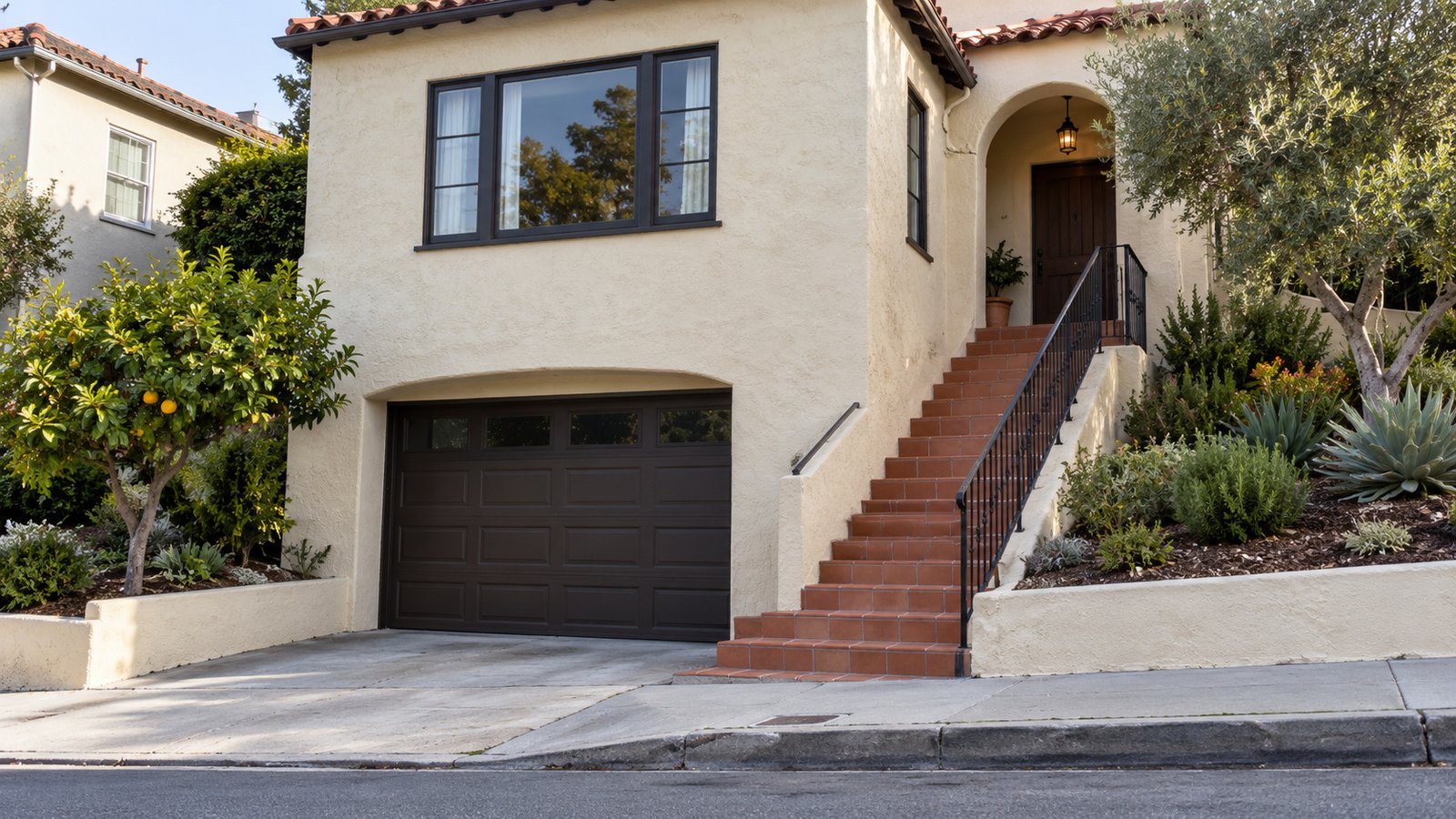
For a house above the street, show the entire outside stair, both landings, any turn and the door at the top. Include a separate lower-level entrance if belongings may use it. Keep the route description practical: handrails, overhead clearance, uneven surfaces and room to turn a long piece matter more than the property's architectural style.
For an apartment or condominium, obtain the building's moving instructions. Identify the authorized entrance, elevator dimensions, booking window, corridor turns, loading area and management contact. A loading appointment does not reserve an elevator unless the building confirms both. Name the person who can open each controlled door and remain available during the work.
We can coordinate building COIs, moving-truck permit arrangements, elevator scheduling and moves that require union labor. Send the building instructions and management contact early. We can also arrange materials and packing before the carrying window when the property permits that access.
The agreed plan should identify who submits each request, who approves it and which municipal or building charges apply. An application is one step; the required access and time still need confirmation.
Send the height, width and depth of an oversized sofa or cabinet, together with views of the narrow opening and turning space from both directions. Basic disassembly can solve some routes; it cannot guarantee that every piece fits. Resolve the handling method before dispatch rather than counting on a door removal or an unreviewed alternate entrance.
04 /
Settle the loading position and its working duration
Start with a private loading arrangement the property has authorized and the selected vehicle can use. For a public curb, send the exact frontage, posted signs and the vehicle's working space, including the unloading method. A resident's parking permit, an empty space at a viewing or a nearby colored curb does not reserve a moving position.
Under LADOT's colored-curb rules, a commercial-license-plate vehicle may actively load or unload freight in a yellow zone for a maximum of 30 minutes. Its default hours are Monday through Saturday, 7 a.m. to 6 p.m., unless signs say otherwise; other restrictions can still apply outside those hours. That is a short loading allowance, not a half-day moving reservation. The separate five-minute allowance for vehicles without commercial plates concerns passengers and baggage, not a general household-freight exemption.
A white zone is for passenger loading, with a five-minute maximum. A red curb prohibits stopping, standing and parking, including an attended vehicle. Signs can add restrictions regardless of curb color. Photograph the whole sign assembly and the usable frontage so the actual operation can be reviewed.
For temporary no-parking signs, LADOT directs requests to its Special Traffic Control Division at (213) 485-2298. Begin with that office and describe the address, date, vehicle and working duration. Its fees page states that online payment does not process the initial request: the service request must start with the appropriate office first. Temporary sign posting and traffic control are separate services.
Have the responsible person confirm the applicable request, timing, charges and posting arrangement for the address before relying on it. Keep private building permission separate from the public-street arrangement. If the available position is farther from the entrance, review the carry, equipment and time before the move rather than blocking the sidewalk or a driveway to shorten it.

05 /
Prepare contents for transport and useful receiving
Decide which groups you will finish and which the crew will pack. A household with owner-packed clothes, crew-packed kitchen contents and later box unpacking has three different responsibilities. Identify them before comparing estimates. Keep medicines, keys, identity documents, chargers and first-night essentials with the people who need them.
Pack dense books in suitable manageable cartons and keep fragile kitchen pieces in their own protected groups. Label cartons by receiving room and destination. If some belongings go to storage, use a clear storage designation as well as the room name so the wrong group is not buried at the next address. Maintain a continuous walking route while packing is in progress.
Labor, materials and optional work
| Item or task | How it is charged |
|---|---|
| Basic furniture disassembly and reassembly | Part of your moving labor time, without a separate basic assembly fee |
| Moving blankets, shrink wrap and tape | No separate charge for these basic protection materials |
| Boxes supplied for your move | Charged separately |
| Packing | Charged for working time; boxes are separate |
| Unwrapping furniture | Part of delivery |
| Unpacking the contents of boxes | Optional work, charged for working time |
| Packaging and waste removal | Charged separately |
| Complex furniture and other specialist work | Individually quoted after review |
Tell us which tasks you want completed and which materials you need. Your estimate should distinguish moving labor, boxes, specialist work and removal charges.
Review removable furniture parts before loading. Show glass shelves, detached legs and unusual joints, and agree how parts will stay associated with the correct piece. A built-in installation or complicated wardrobe is a different task from ordinary freestanding furniture. Tell the planner about it early so its preparation, handling and reassembly can receive the right scope.

06 /
Include the spaces and pieces that change the job
Work through the home in a repeatable order: living rooms, bedrooms, kitchen, office, closets and every separate storage area. Include balcony furniture, a garage group or a lower-level room when those belongings travel. Mark items staying behind so the survey does not treat everything visible as part of the shipment.
List delicate or unusual pieces individually. For artwork, glass, a large dining table or another item with a handling concern, send its dimensions, construction and photographs. Include declared values and any building restrictions that affect preparation. The planning team can identify the specialist work or additional information needed; a general household description does not settle those requirements.
Agree the receiving result as carefully as the pickup inventory. Identify the room for each large item, what needs reassembly and which areas must remain usable first. If a piece will not enter the intended room, resolve an acceptable location or another reviewed method before transport. A shipment reaching the destination city is only one stage of a completed delivery.
07 /
Compare the same inventory and agreed finish
Long-distance flat rates: the same scope, the same price
For a long-distance move quoted at a flat rate, the agreed price stays the same when the shipment and agreed work stay the same. Added belongings, omitted items, extra packing or changed access and delivery requirements can change the scope and price. Keep the inventory, packing responsibilities and pickup and delivery conditions in writing, and have additions reviewed before the affected work begins.
Compare both options against the same result. If you pack clothes and books yourself, remove only the packing work you will actually finish. Keep furniture preparation, the complete carry, transport, receiving and separately charged cartons in the comparison. A second delivery address or storage release needs to appear in both scopes before their totals are comparable.
Tell us which dates are firm and which are alternatives. A direct shipment and a suitable consolidated shipment can have different receiving arrangements. Review that choice together with your need for the home to be ready, the people who can accept delivery and the cost of any interim arrangements. A wider window is useful only when the household can actually accommodate it.
More time in transit or a delivery-window change alone does not increase the same agreed flat price. Changed work still needs review. Keep the written scope current when access, inventory or the receiving plan changes so a later disagreement is not built into an outdated estimate.
08 /
Choose a delivery arrangement you can receive
Direct and consolidated long-distance moving
Our direct long-distance service uses a dedicated truck and the same moving crew at pickup and delivery. For a suitable small shipment, ask about consolidated delivery with a wider agreed receiving window. We serve destinations throughout the United States and Canada. Confirm pickup, delivery and any storage stages in the written move plan. The planning team performs a separate role from the moving crew.
Discuss the receiving window before choosing between those arrangements. For consolidated delivery to California, the confirmed company window can be up to 90 days after pickup and completion of loading. A shipment leaving California does not automatically use that California destination window. The destination and service arrangement determine the applicable terms, which must be recorded for your move.
For interstate household goods, use the FMCSA consumer resources to review the documents and the distinction between a carrier and a broker. Confirm who arranges and carries the shipment, the inventory, pickup conditions, receiving window and any storage stages. Keep the actual contact and written instructions accessible while traveling.
Choose protection before the move
Discuss the basic liability option and higher protection available at an additional charge before moving day. Have the selected level, cost, limits and claims process recorded in your moving documents. Tell us about artwork and other high-value items in advance so their declared values and any special requirements can be reviewed.
For interstate household-goods moves, Full Value Protection applies unless you select Released Value through the required written waiver. Valuation is the mover’s level of liability; it is different from a separate insurance policy. Review the FMCSA explanation of liability and protection and the terms for your particular move.
If belongings split between a home and storage, confirm both receiving arrangements before pickup. Record the extra stop, accepted intake, authorized recipient and later release. A storage contact number does not establish that suitable space and an appointment are available for your shipment.
09 /
Build the dates around possession and access
Begin with the commitments that have real consequences: leaving the first home, receiving keys, an elevator booking, travel and the date the household needs essential rooms. Give several genuine date options when possible. Availability of a moving service, possession of the property and permission to use its loading route are separate arrangements.
With a short building window, ask whether materials and packing can be prepared earlier under the property's rules. That can leave the permitted carrying period for loading or delivery. Confirm the additional visit and charges rather than assuming preparation can happen in a lobby or outside the booked hours.
Review the two addresses in sequence, including the route between them and any storage stage. Pickup and delivery windows need to be compatible with that sequence; they do not need to be identical. Keep a receiving representative available if you will travel separately from the shipment.
Check current access again before dispatch. Road restrictions, a failed elevator or a property delay can change a previously workable plan. Give the planner the observed problem and the latest time by which an alternative must be accepted. The useful response is a confirmed revised arrangement, with its costs and responsibilities understood.
10 /
Keep a receiving order and an accepted fallback
At pickup, identify the items staying, the traveling groups and anything being released to another recipient. Keep keys and an authorized decision-maker available. At delivery, clear the footprint of the larger furniture and direct cartons to places that will not block reassembly, another room or the route back to the vehicle.
Furniture is unwrapped as part of delivery. Box unpacking and packaging removal have separate scopes. If a usable bed or a cleared kitchen matters before other rooms, describe that finish when planning the work so it can guide the receiving order.
If keys, the loading position or the building window are lost
Set a decision deadline before dispatch or before an alternative intake or receiving slot is lost. Name the customer or property representative who may decide, and have the move planner confirm the usable resource: another authorized window, a separately agreed stage or suitable storage with accepted intake. Record the extra travel, handling, storage or rescheduling charges that apply.
Arrange where the household will stay and keep medicines, documents and overnight essentials with them. Specify where the belongings will be received under the alternative. Notify the moving team and both property contacts when the trigger occurs. Resume delivery only after possession, lawful vehicle access, the receiving person and the required building window are confirmed. Do not empty the first home on an assumption that the second will open later.

11 /
Send the details that change the work
- Two addresses and the route. Include the municipality, unit, out-of-state destination, firm possession dates and receiving availability.
- Contents and preparation. List retained belongings, separate storage, difficult pieces, packing responsibilities and anything going to another recipient.
- The complete access route. Show stairs, landings, every lift and controlled door, the lawful vehicle position and actual building instructions.
- The receiving result and fallback. Name the rooms needed first, requested unpacking, authorized decision-maker and accepted alternative if access is delayed.
Start the review, then complete the required estimate process
An item list and access photographs help start the discussion. For an interstate household move, FMCSA describes a survey conducted on-site or by live or recorded video that clearly identifies the belongings. A small shipment does not by itself remove that requirement. Under 49 CFR 375.401, a customer may choose to waive the survey through a written agreement signed before loading.
Send what you know; our planning team will identify the review and documents needed. Keep the shipment, related services and receiving conditions in the written estimate, including whether it is binding or non-binding. The person reviewing the move is not necessarily part of the moving crew.
12 /
Questions before you move
Can you plan a move from Los Angeles to another state?
Yes. Send the Los Angeles pickup address, out-of-state destination, retained inventory and dates. We review the interstate shipment together with packing, access and receiving requirements. Confirm the route and availability in the written plan.
Can you move a household into Los Angeles?
Yes, an interstate move into Los Angeles can be reviewed with the origin address and the actual receiving conditions. Include the unit, building window, lawful unloading position and person accepting delivery. Choose a delivery arrangement that your receiving plan can accommodate.
Does this page cover a move entirely within California?
This page covers interstate household moves into and out of Los Angeles. A move between two California addresses is an intrastate route and needs its own confirmed service arrangement. Give both addresses at the start so the request is reviewed for the correct route.
Is an inventory list alone enough for the interstate estimate?
A list starts the review. The interstate household-goods survey can be on-site or use live or recorded video that clearly identifies the goods. A customer may elect a written survey waiver signed before loading. The small size of a shipment is not itself a waiver; complete the applicable survey and written-estimate process.
Can a moving truck use a yellow curb for the whole move?
No. LADOT permits commercial-license-plate vehicles to actively load or unload freight for at most 30 minutes in a yellow zone, during the applicable hours. That does not reserve the space for a longer move. Have the actual loading position and duration resolved before dispatch.
Is a white curb a freight loading zone?
No. A white curb is for passenger loading, with a five-minute maximum. It is not a household-goods loading reservation. Share the posted signs and exact frontage so a lawful arrangement can be reviewed for the truck and the required work.
Does paying online request temporary no-parking signs?
No. LADOT requires the initial service request to begin with the appropriate office before online payment. For temporary signs, its FAQ directs requests to Special Traffic Control at (213) 485-2298. Confirm the applicable process, timing, charges and posting arrangement with that office.
Does a preferential parking district always require a separate vendor permit?
LADOT says commercial vehicles parked for commercial activities in a preferential parking district do not require its permit. That specific allowance does not reserve a space or cancel other parking restrictions. Confirm that the actual vehicle and activity meet the conditions, and resolve the working position separately.
What if the garage is level with the street but the front door is upstairs?
Show both routes and identify which belongings can use each entrance. Include the complete outdoor stair, landings, turns and receiving room. A street-level garage does not establish step-free access to the home. The handling plan must follow a route that is authorized and physically workable.
Can you work with a building that has more than one elevator?
We review every lift and controlled door on the route, together with its dimensions, booking and access contact. Reserving one elevator does not reserve another. Send the building instructions early so the loading area, carrying sequence and permitted working window can be coordinated.
Are basic furniture work and protective materials included?
Basic furniture disassembly and reassembly use your moving labor time without a separate basic assembly fee. Moving blankets, shrink wrap and tape have no separate material charge. Boxes are charged separately. Complex furniture and specialist work receive individual quotes.
Can you unpack cartons after delivery?
Furniture is unwrapped as part of delivery. We can also unpack the contents of boxes as optional work charged for time. Packaging and waste removal are charged separately; include the help you want in your request.
What is the difference between direct and consolidated delivery?
Direct long-distance service uses a dedicated truck and the same moving crew at pickup and delivery. A suitable small shipment may use consolidated delivery with a wider agreed receiving window. Choose against the actual route and your receiving availability, and record the arrangement in writing.
Does every shipment leaving California have a 90-day window?
No. The company’s up-to-90-day consolidated window concerns delivery to California and starts after pickup and completion of loading. A shipment leaving California follows the applicable destination and service terms. Confirm the receiving window for the actual move.
Does a longer transit time alone increase an agreed flat rate?
No. The same agreed shipment and service scope keep the same flat price; extra transit or delivery time alone does not raise it. Added inventory, extra packing or changed access and receiving work can change the scope. Have those changes reviewed in writing before the affected work begins.
What should we do if the new home cannot receive on time?
Use the agreed decision deadline and authorized person before dispatch or loss of the alternative slot. Have the planner confirm another approved window, a separately agreed stage or suitable storage with accepted intake and charges. Arrange accommodation and essentials for the household, notify both properties and resume only after access and receiving are confirmed.
Choosing where to move from Los Angeles
Compare the useful parts of your current week, nearby alternatives and a wider change of region before choosing a home.
Your next step
Tell us about your Los Angeles move
Tell us the two addresses, the belongings and what needs to be ready when delivery is finished.
Sources & useful local resources
Official procedures and local resources are linked beside the answers above. Reopen the relevant page when arranging a date: fees, schedules and application requirements can change.
Los Angeles loading and address context
- Temporary signs and commercial activities in preferential parking districtsLos Angeles Department of Transportation
- Service requests before payment and sign-posting feesLos Angeles Department of Transportation
- Colored curb zones and loading limitsLos Angeles Department of Transportation
- Community plans and their planning roleLos Angeles City Planning
Interstate moving and protection
- Interstate surveys and written estimatesFederal Motor Carrier Safety Administration
- 49 CFR 375.401: survey waiver and written estimate requirementsElectronic Code of Federal Regulations, Office of the Federal Register
- Liability and protection for interstate household movesFederal Motor Carrier Safety Administration
- Planning an interstate household moveFederal Motor Carrier Safety Administration
Plan your long-distance shipment
Compare direct and consolidated delivery, pickup access and receiving arrangements.
- Long-distance moving
Interstate and Canadian household moving from Los Angeles City, California, with direct or suitable consolidated delivery.