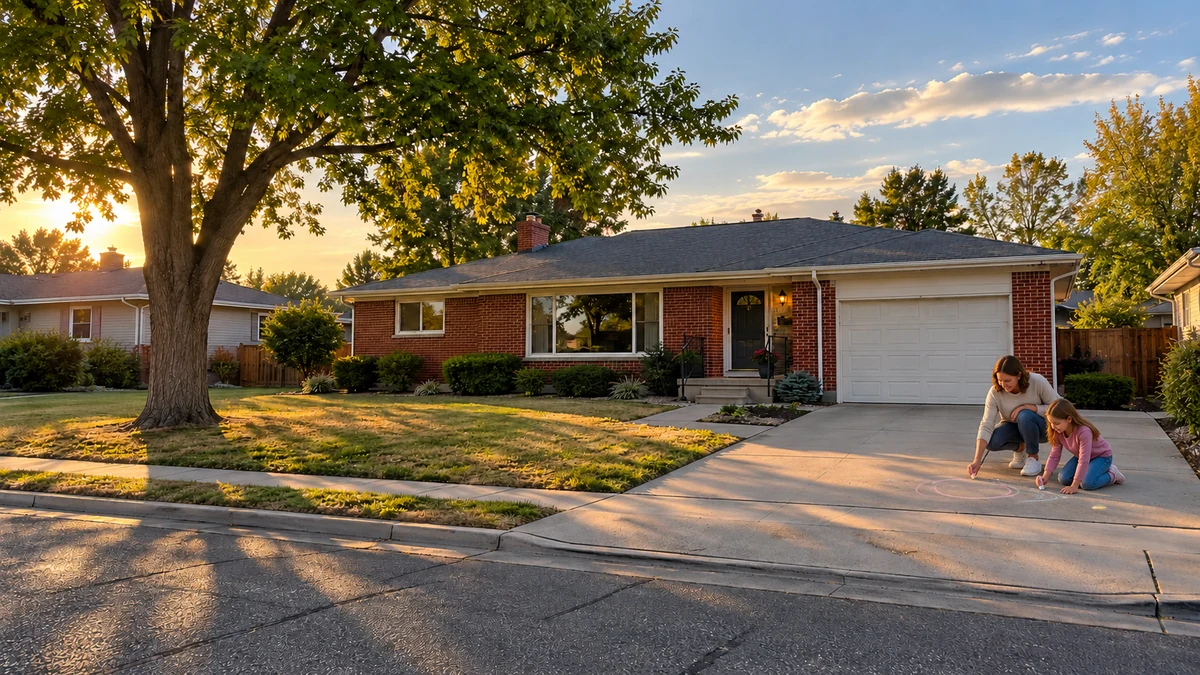
A resident walks along a tree-lined sidewalk past brick porch homes in a Colorado-style neighborhood.

State moving guide

Moving to Colorado: A Practical Guide

Find your part of Colorado, compare moving options and prepare for a smoother arrival. Explore twelve cities, plan for mountain travel and get practical help with a move to or from the Centennial State.

Colorado planning

Find your place in Colorado

Colorado offers more than a single mountain-town lifestyle. Denver’s city neighborhoods, the northern Front Range, Colorado Springs and Pueblo, and the western valleys give you very different places to start. Use the map and city profiles to find the area that interests you, then compare the neighborhoods around your work, schools and everyday destinations.

Already chosen a home? Go straight to moving costs, delivery options, packing or the arrival checklist. This guide also explains Colorado mover checks, snow and road planning, storage gaps and the first tasks after you arrive. Sterling Oakbridge can help plan an interstate household move to or from Colorado.
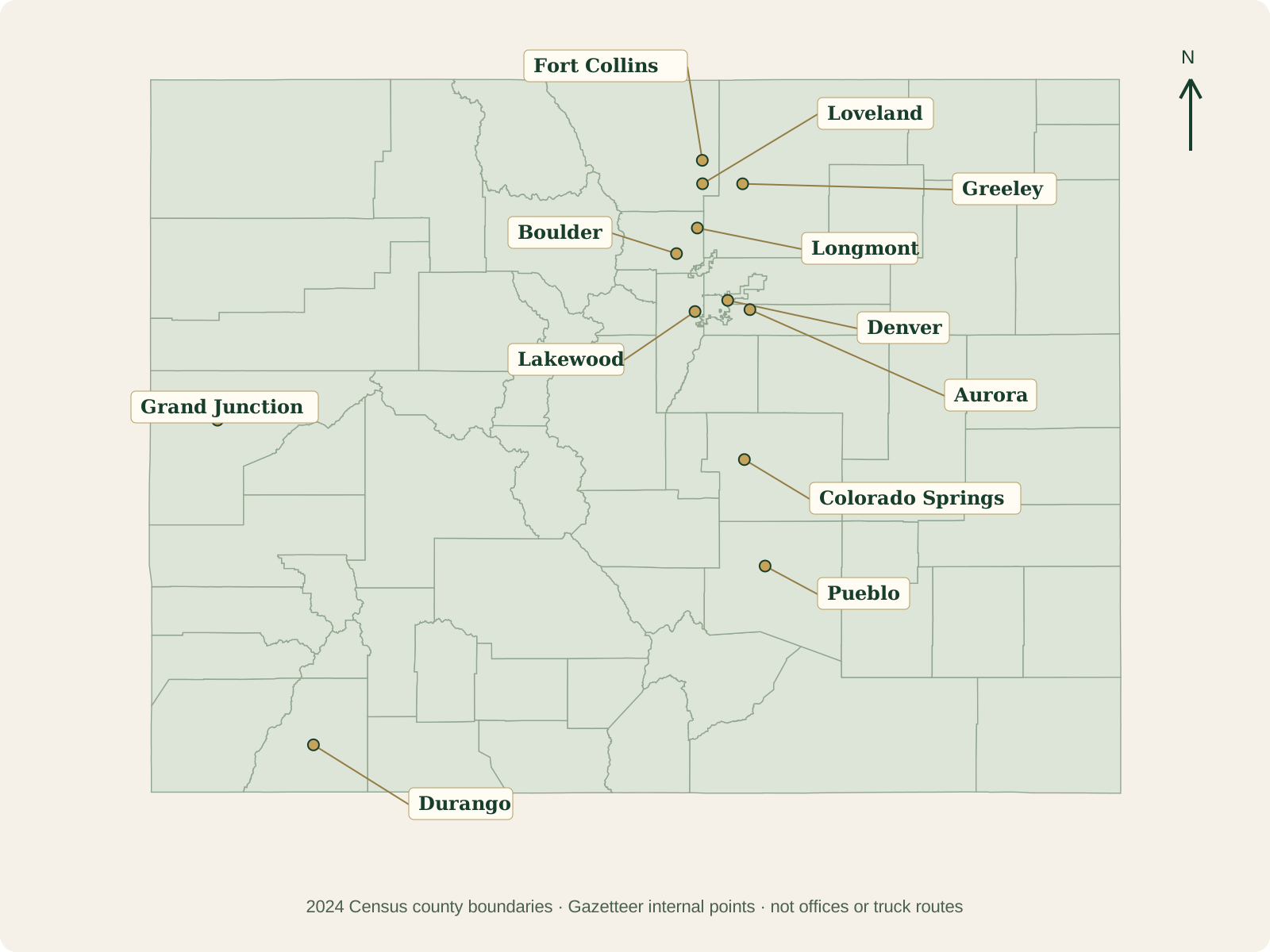

Colorado cities and regions
Explore twelve Colorado cities, from the Front Range to Grand Junction and Durango. Use their profiles below to find the area that fits your plans.

Colorado planning

Which part of Colorado fits your plans?

Denver and the surrounding metro. Denver has a lively city center and distinct residential neighborhoods. Aurora and Lakewood offer other starting points east and west of the central city. Compare the actual journey between home and your regular destinations; a metro name alone says little about your daily routine.

Northern Front Range. Fort Collins, Loveland, Longmont and Greeley have their own centers and community life. Fort Collins has Old Town and older residential districts, Loveland has a strong sculpture and arts tradition, and Longmont brings a downtown setting together with the St. Vrain Greenway. Explore each as a place in its own right.

Colorado Springs and Pueblo. Colorado Springs includes historic central neighborhoods and newer residential areas farther east and north. Pueblo offers a southern Front Range setting with its Arkansas River corridor and downtown. Look closely at the neighborhood and home rather than treating the two cities as interchangeable.

Western and southwestern Colorado. Grand Junction sits among the western valleys and mesa landscapes; Durango has a historic downtown and the Animas River Valley. These are different everyday settings from the Denver metro. If you choose a home beyond the city, include its last stretch of road in your moving review.

Service network

Explore Colorado’s cities

Explore twelve different places to make a home, from Denver’s city neighborhoods to northern Front Range communities and western Colorado valleys. Start with the place that interests you, then compare its neighborhoods and your daily journeys.

A pair of residents walks at different distances along a Denver-style sidewalk beside brick storefronts and city towers.CO

Denver

Denver brings city-center apartments, historic districts and quieter residential streets into one home search. Explore the warehouse character of LoDo, the independent shops of Highland or the green spaces around Washington Park. Start with the neighborhood that fits your daily destinations, then use the Denver page to plan the move.

Explore Denver moving →
Two residents walk beside historic-style brick storefronts on a Colorado Springs street, with low foothills behind.CO

Colorado Springs

Compare downtown’s Tejon corridor and its older commercial streets with Old Colorado City, the Old North End and newer residential areas such as Briargate and Powers. Colorado Springs covers several distinct settings, so choose the neighborhood around your regular journeys rather than relying on a mountain view alone.

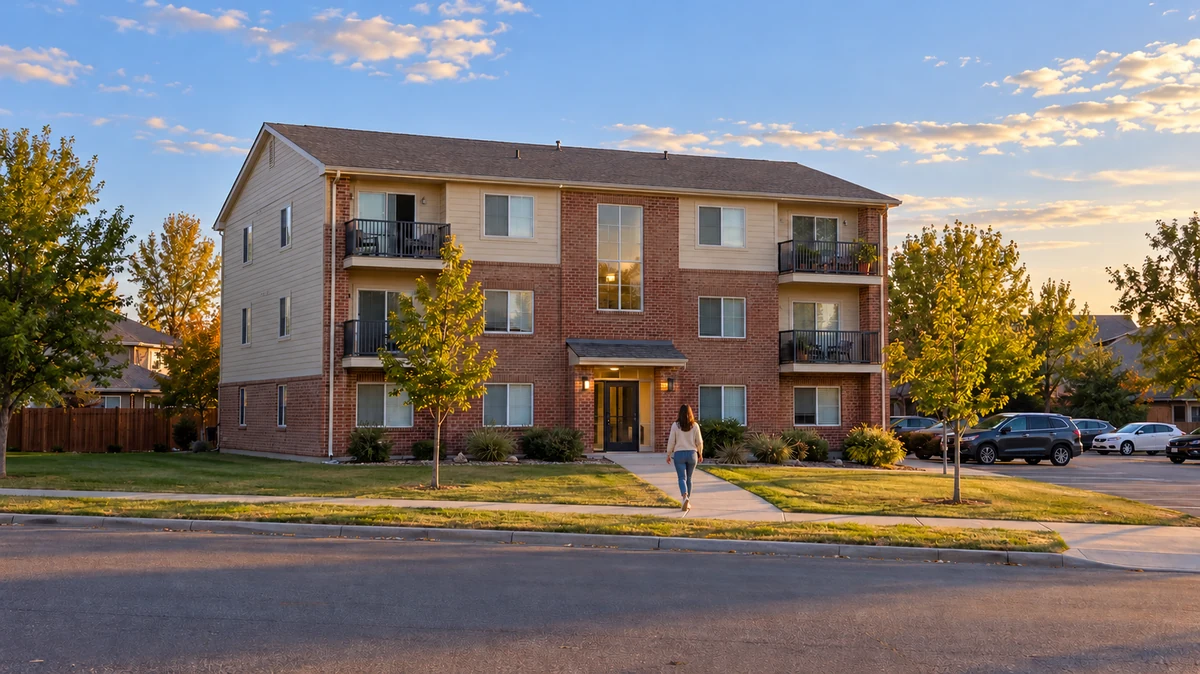
A resident follows a front path toward a low-rise brick apartment building with shared access.CO

Aurora

Aurora combines established neighborhoods with parks, trails and reservoir recreation. Stanley Marketplace and the arts activity around Colfax offer different starting points for exploring local life. Compare the particular neighborhood with your work and daily destinations; the city extends across more than one county.

A resident reads on a raised porch beneath autumn trees in a Fort Collins-style neighborhood.CO

Fort Collins

Old Town gives Fort Collins a historic center of shops and local gathering places, with older residential districts nearby. It is a useful place to start if you want a northern Front Range home with a distinct town center. Compare that established setting with the neighborhoods around your own daily route.

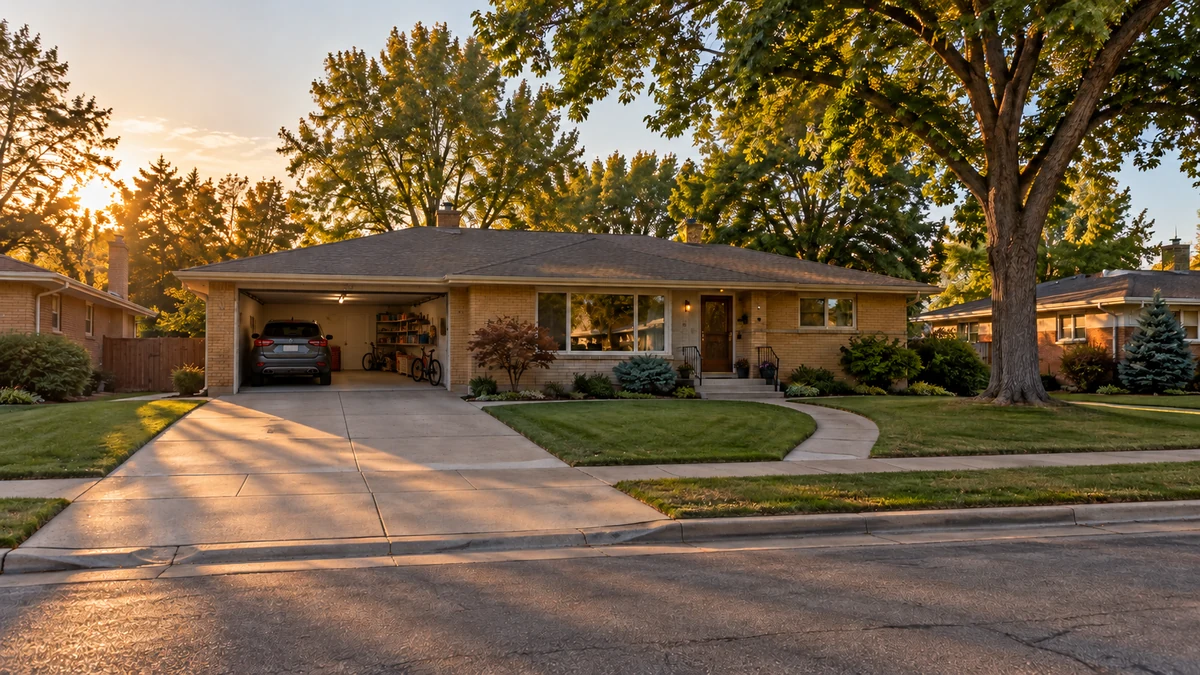
A single-story ranch home has a connected driveway, open garage and curved front walk.CO

Lakewood

Lakewood offers a home-search starting point west of central Denver. Belmar has a plaza and shops, while the city also includes established residential streets and parks. Compare a home’s everyday journeys with the sort of neighborhood you want, then review the particular house or apartment for the move.

A resident sweeps a front walk beside a stucco house, with mesa country in the distance.CO

Grand Junction

Grand Junction offers a western Colorado setting shaped by valleys, mesas and the nearby Colorado National Monument. Its downtown and surrounding residential areas give you a different starting point from the Front Range. Compare the actual neighborhood and daily journeys, especially if your home search extends beyond the central city.

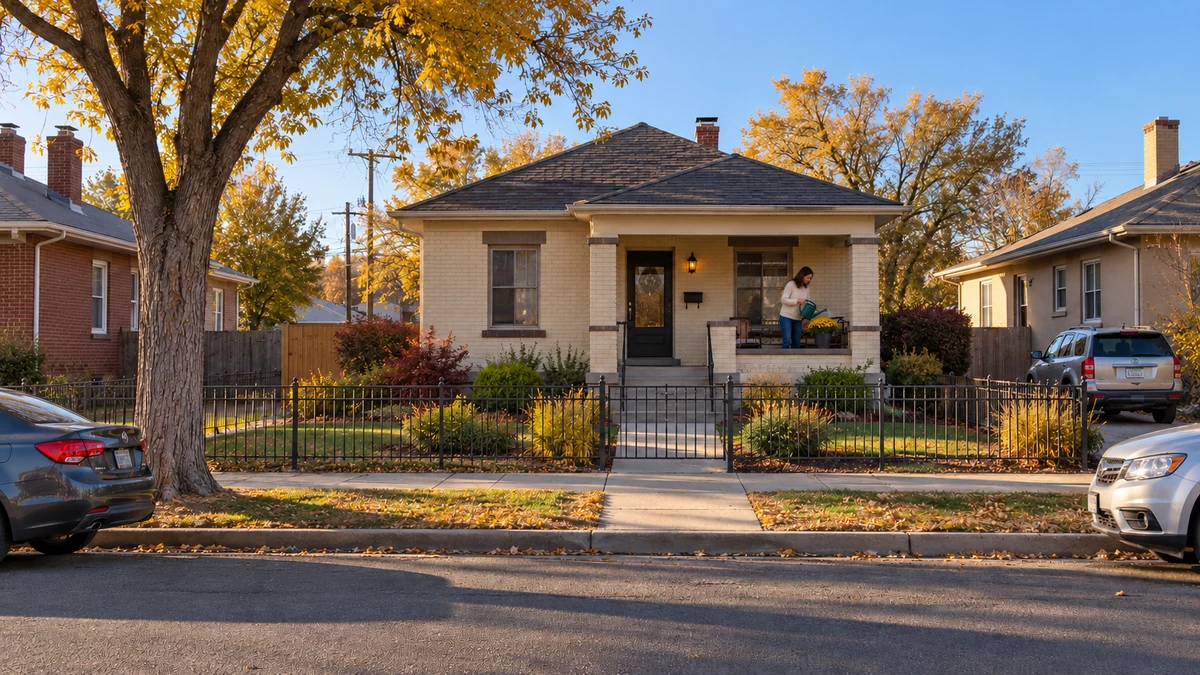
A resident waters a porch plant at a brick house behind a low front fence and gate.CO

Pueblo

Pueblo’s Arkansas River corridor, downtown and Riverwalk provide a starting point for exploring this southern Colorado city. Older residential streets and other neighborhoods offer different versions of everyday life. Look beyond a single attractive frontage to the places you will use regularly and the type of home you want.

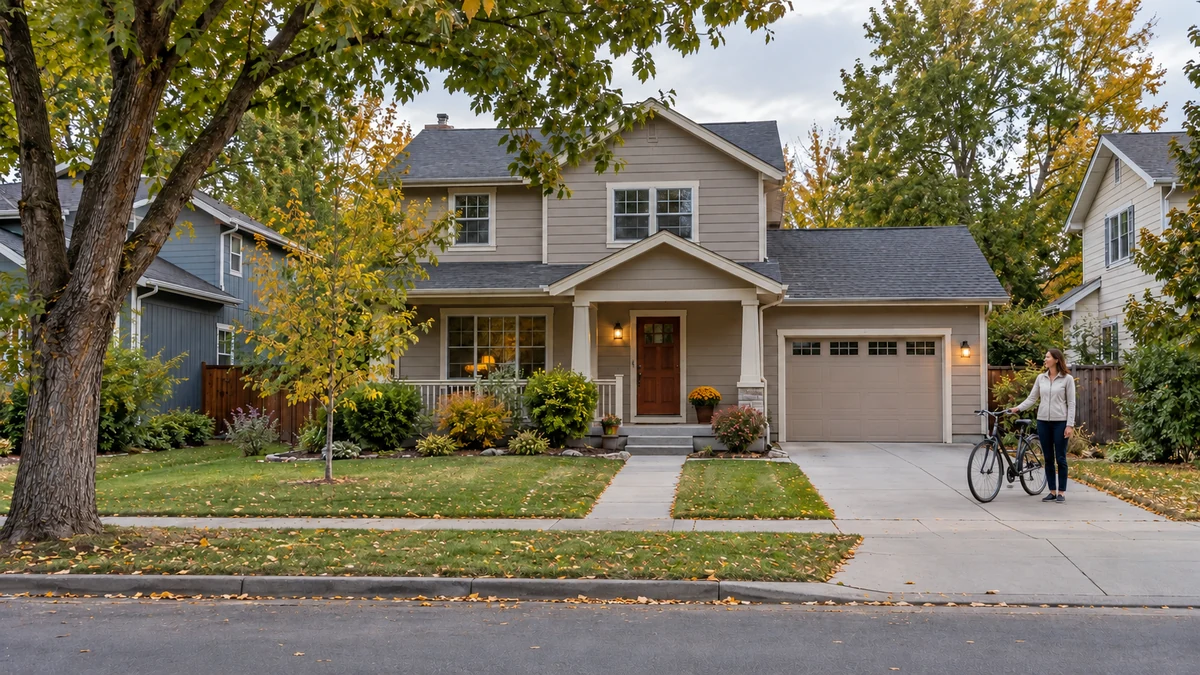
A resident stands beside a bicycle on a driveway outside a two-story home.CO

Boulder

Boulder combines a university-city setting with Pearl Street’s pedestrian center and access to the Flatirons and foothills. Explore the neighborhood around your regular work or study destinations as well as the outdoor setting. Once you choose a home, plan its actual entrance and furniture route rather than assuming every address works alike.

Bicycles rest beside the raised porch of an older home beneath mature trees.CO

Longmont

Longmont has a downtown arts and shopping setting alongside the St. Vrain Greenway and local lakes. It offers another starting point for a northern Front Range search, with its own everyday destinations. Compare the neighborhood and home with your work routine rather than choosing from the wider Boulder-area name alone.

An adult and child draw with chalk on a driveway beside a ranch house.CO

Loveland

Loveland’s sculpture gardens, galleries and downtown make the arts a visible part of local life. Lakes and foothill recreation add other ways to spend time close to home. Explore the neighborhoods around the places you would visit regularly; this city north of Denver is separate from Loveland Ski Area.

Two neighbors talk on a driveway beside an older two-story porch home.CO

Greeley

Greeley is the Weld County seat and another distinct northern Colorado option. Use its city center and surrounding neighborhoods as starting points for a closer search. Compare the home with your actual work, school and shopping journeys instead of treating Greeley, Loveland and Fort Collins as one interchangeable destination.

A resident walks a bicycle past brick shops in a Durango-style downtown, with hills behind the town.CO

Durango

Durango pairs a historic downtown with the Animas River Valley and southwestern Colorado’s mountain and mesa landscapes. Shops, galleries and older town streets offer a different setting from a home farther outside the city. Compare the daily route as well as the scenery, then include the final approach in your moving plan.

Colorado planning

Moving within Colorado or between states?

Denver to Lakewood stays within Colorado. Denver to Cheyenne, Wyoming, or Durango to Farmington, New Mexico, crosses a state line. The addresses determine the moving process; the mileage and metro name do not.

For a Colorado-only move, start with the Colorado Public Utilities Commission’s mover information. For interstate work, use the federal FMCSA checks and shipment documents. The Sterling Oakbridge service described here is for interstate household moves; arrange a job staying entirely within Colorado separately.

List the full pickup and final delivery addresses, any storage stop and goods traveling in separate groups. If you change the destination or add a later delivery, have the work and price updated in writing. Name the responsible operator for a separately arranged Colorado-only leg rather than assuming the interstate booking includes it.

More places to explore

Keep exploring Colorado communities

Looking beyond the featured cities? These communities offer more starting points for your Colorado home search.

Ask about your Colorado move →

Colorado planning

Can the truck reach your home?

Show the road, driveway, gate and the place where the truck could stop. Include tight turns, steep grades, overhead branches, soft surfaces and room to turn or leave. For a private road or shared drive, identify the person who can confirm access and open any gate.

Continue the survey from the stopping place to the actual entrance and rooms. A broad drive can still lead to a narrow side gate, porch steps or a difficult hall turn. A short video following the whole approach is more useful than a close-up of the house. Share private gate details through the agreed private channel.

Use CDOT’s travel resources for road conditions and closures. The carrier checks the route for the actual commercial vehicle; a passenger-car itinerary does not settle truck access. If the large truck cannot reach the home, agree an alternative position or smaller-vehicle transfer, its carrying work and cost before moving day.

The moving process

Your move, step by step

  1. 1

    Describe the move

    Send both addresses, the belongings, access details and the dates that matter. Include the receiving home even if you are still waiting for keys.

  2. 2

    Choose preparation

    Decide what you will pack and what help you want. Show large or delicate pieces and keep a final-night essentials group with you.

  3. 3

    Agree the delivery plan

    Compare direct and suitable consolidated service with your receiver’s availability. Resolve a storage gap or building appointment before booking.

  4. 4

    Review the written proposal

    Check the inventory, included work, materials, price, protection and accepted timing. Record additions before the affected work.

  5. 5

    Receive and check the goods

    Place large furniture first, check the inventory and condition, then make the priority rooms usable. Arrange optional unpacking or packaging removal separately.

Ready when you are

Ready to discuss your move?Tell us where you are moving, what is coming with you and the dates you have in mind.

Colorado planning

Compare Colorado moving estimates fairly

For a move staying within Colorado, check the proposed mover’s PUC permit and obtain a written estimate and contract. The PUC consumer alert identifies the HHG permit number as an important check. Match it to the actual operating business, rather than relying on an advertisement alone.

Compare the same belongings and tasks in each estimate: packing, stairs, extra pickups, storage, furniture preparation and later delivery. Ask which charges are included, how payment works and how an addition will be recorded. Resolve a blank or unclear part before signing and keep your own complete copy.

The company’s interstate flat-rate terms are a separate arrangement. A long Colorado-only trip does not inherit those terms simply because it covers many miles. Use the appropriate proposal for the journey you are actually booking.

County guides

Explore the area around your new home

These six counties include several of the featured cities. Use the local communities below as starting points for a closer home search.

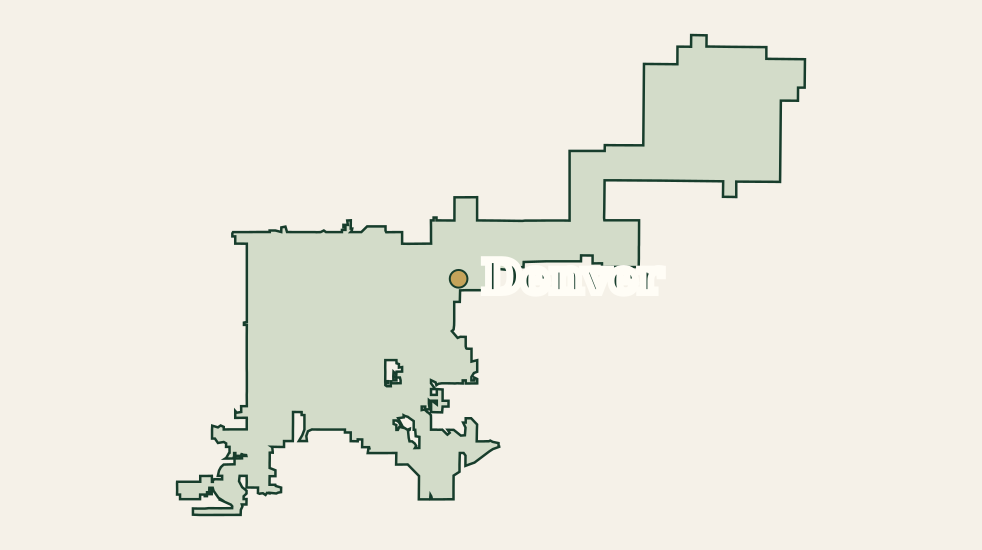
Denver County with Denver marked
Denver metroPop. 718,877 · 2024

Denver County

Denver is a consolidated city and county. Compare the city-center and residential neighborhoods with the routines you want, then check the actual home and building arrangements.

Key communities

Denver

Check a Colorado mover →
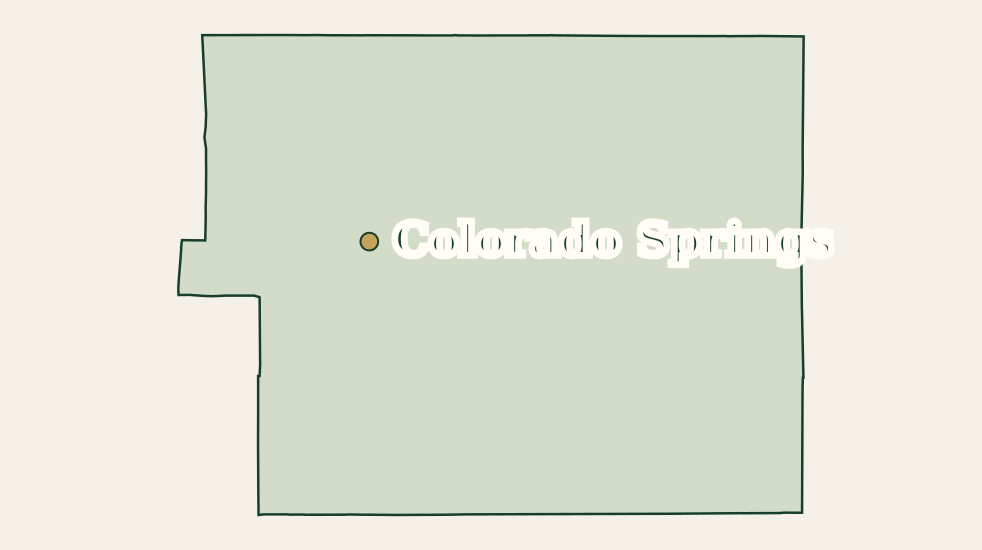
El Paso County with Colorado Springs marked
Southern Front RangePop. 742,999 · 2024

El Paso County

Explore the Colorado Springs area’s central, northern and eastern neighborhoods. A county label covers different communities and daily journeys; choose the actual home before planning its move.

Key communities

Colorado Springs · Fountain · Manitou Springs

Check a Colorado mover →
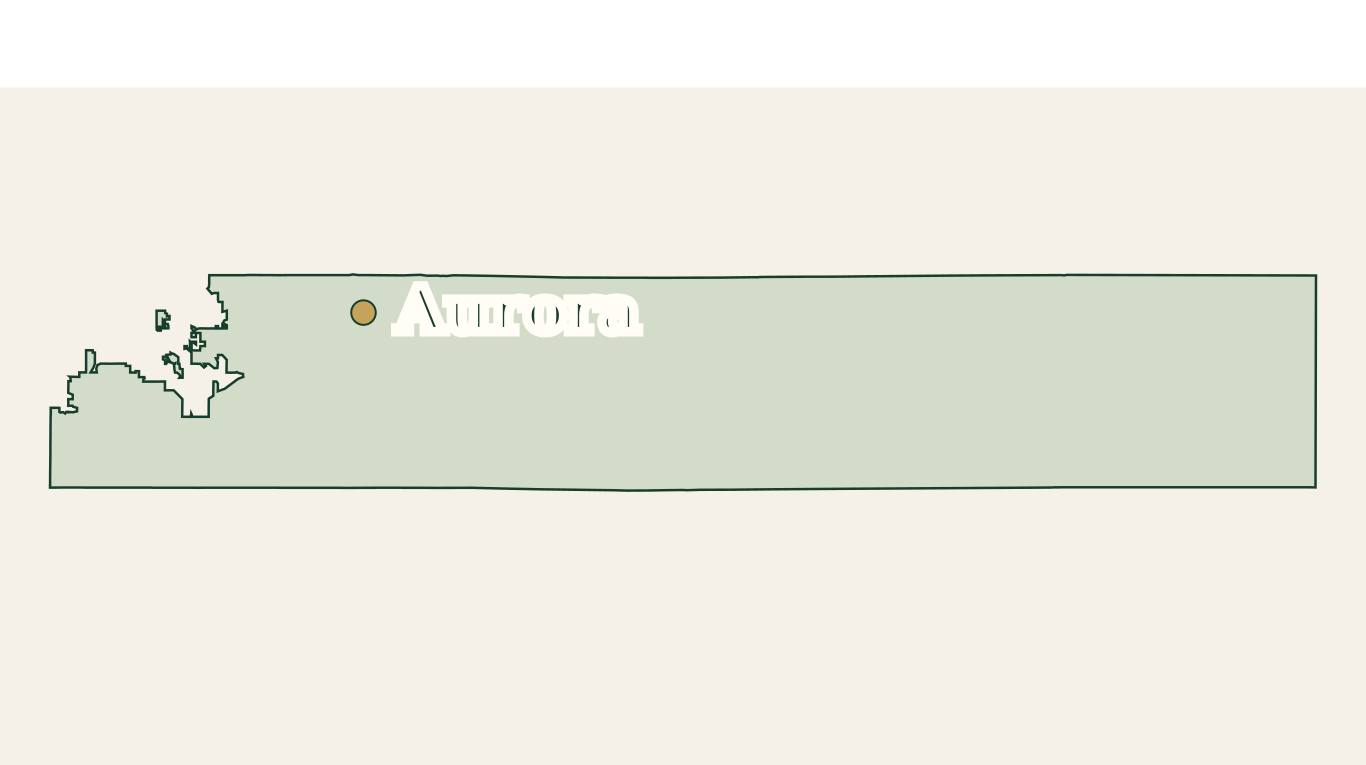
Arapahoe County with Aurora marked
Denver metroPop. 659,844 · 2024

Arapahoe County

Aurora extends across county lines. Use the actual property address to confirm the county and the community around your home rather than relying on a postal city name alone.

Key communities

Aurora · Centennial · Englewood

Check a Colorado mover →
Larimer County with Fort Collins marked
Northern Front RangePop. 367,368 · 2024

Larimer County

Compare Fort Collins and Loveland with other Larimer County communities. A home in a developed neighborhood and one reached beyond the town center may need different final approaches.

Key communities

Fort Collins · Loveland · Estes Park

Check a Colorado mover →
Mesa County with Grand Junction marked
Western ColoradoPop. 158,601 · 2024

Mesa County

Explore Grand Junction and other valley communities for a western Colorado home. Include the actual local road, drive and household routine when comparing places beyond the central city.

Key communities

Grand Junction · Fruita · Palisade

Check a Colorado mover →
Boulder County with Boulder marked
Northern Front RangePop. 328,961 · 2024

Boulder County

Compare Boulder and Longmont as distinct city settings. Look at your regular destinations and the particular neighborhood, then review shared-building rules or the house’s furniture route.

Key communities

Boulder · Longmont · Louisville

Check a Colorado mover →

County population: 2024 ACS five-year estimates, U.S. Census Bureau. These are survey estimates for the stated period, separate from a current-year population count. Read the source.

All 64 Colorado counties

Colorado planning

Will your furniture fit through the new home?

Measure a problem piece against the narrowest parts of its route: room door, hallway turn, stair landing, elevator door and building entrance. Include handles, projections and the space needed to turn. Photograph the actual restriction from both sides if one view hides the level change or door swing.

For a shared building, get the service entrance, elevator dimensions, move appointment, working hours and any required insurance documents from management. A household garage space or passenger parking bay may have no practical use for a moving truck.

Discuss suitable disassembly, an alternate room or leaving a piece before moving day. Clear the route and choose positions for the largest furniture before cartons occupy the floor. Tell the coordinator about delicate floors, fresh finishes or unfinished rooms so protection and placement can be planned.

A mover supports a labelled linen carton from underneath while following a clear front walk.
A mover carries a linen carton along a clear front path.

Colorado planning

Check the mover before you book

Identify who will actually transport the goods. For a Colorado-only move, verify the operating business and its permit through the Colorado PUC. For an interstate move, check the carrier or broker through the applicable FMCSA records and consumer resources.

Compare the business name with the estimate, agreement and company receiving your payment. If another business arranged the move, ask who will carry the shipment and answer delivery questions. Keep a working contact for before, during and after the move.

Read the loss-or-damage terms for your belongings. A business insurance policy or a certificate for a building does not explain your valuation choice. Keep the selected protection, inventory, condition photographs and signed documents accessible during travel. Do not sign a blank document or leave an unexplained change until the goods are already loaded.

Who does what

A little coordination before moving day

You, the moving team and your building contacts each handle a different part of getting the move ready.

01 Moving checklist

You and your receiver

Provide the inventory, access, household dates and a reachable authorized receiver. Keep essentials and documents available and communicate changes early.

02 Moving checklist

The planning team

Review the shipment and preparation, coordinate the accepted dates and record the work, price and unresolved questions in the proposal. The surveyor is not necessarily the truck crew.

03 Moving checklist

The crew and any separate operator

Perform the agreed moving work. Direct service uses the same pickup and delivery crew; identify who handles any separate storage, later transport or specialist task.

Colorado planning

Know what your interstate paperwork covers

Before booking, check that the estimate describes the same belongings, addresses and work you discussed. Include packing, furniture preparation, extra stops, access and receiving help. Confirm the pickup date, delivery window, payment terms and selected protection for your goods.

FMCSA’s consumer-rights guide explains the federal information movers and brokers must provide. Ask for the rights-and-responsibilities material and the mover’s written questions, complaints and claims procedures. Read the terms before signing and keep the agreed version and later changes.

Give your receiving representative the inventory and contact information. At delivery, check the goods and record missing items or visible condition concerns while they can be described clearly. Keep photographs and paperwork for any follow-up.

Colorado planning

Plan for snow, mountain roads and summer heat

Plan for the whole route, not just the weather at your front door. A clear Denver street can be followed by a mountain crossing with different conditions. Check COtrip through CDOT as travel approaches and after a disruption. The carrier must use the commercial-vehicle requirements for its truck; the family car’s traction guidance is a separate check.

At the property, arrange a cleared path and landing, a usable working area and suitable floor protection. Tell the crew about shaded ice, wet steps or meltwater. In summer, keep drinking water and household essentials available and discuss shade or sheltered staging where it helps the work.

For wildfire readiness, use the Colorado State Forest Service’s local resources. Arrange local emergency notifications and a plan for people and pets. Follow an actual closure or evacuation instruction and contact the coordinator about the shipment. Agree a safe receiving or holding arrangement and any changed work; a moving reservation is not an evacuation service.

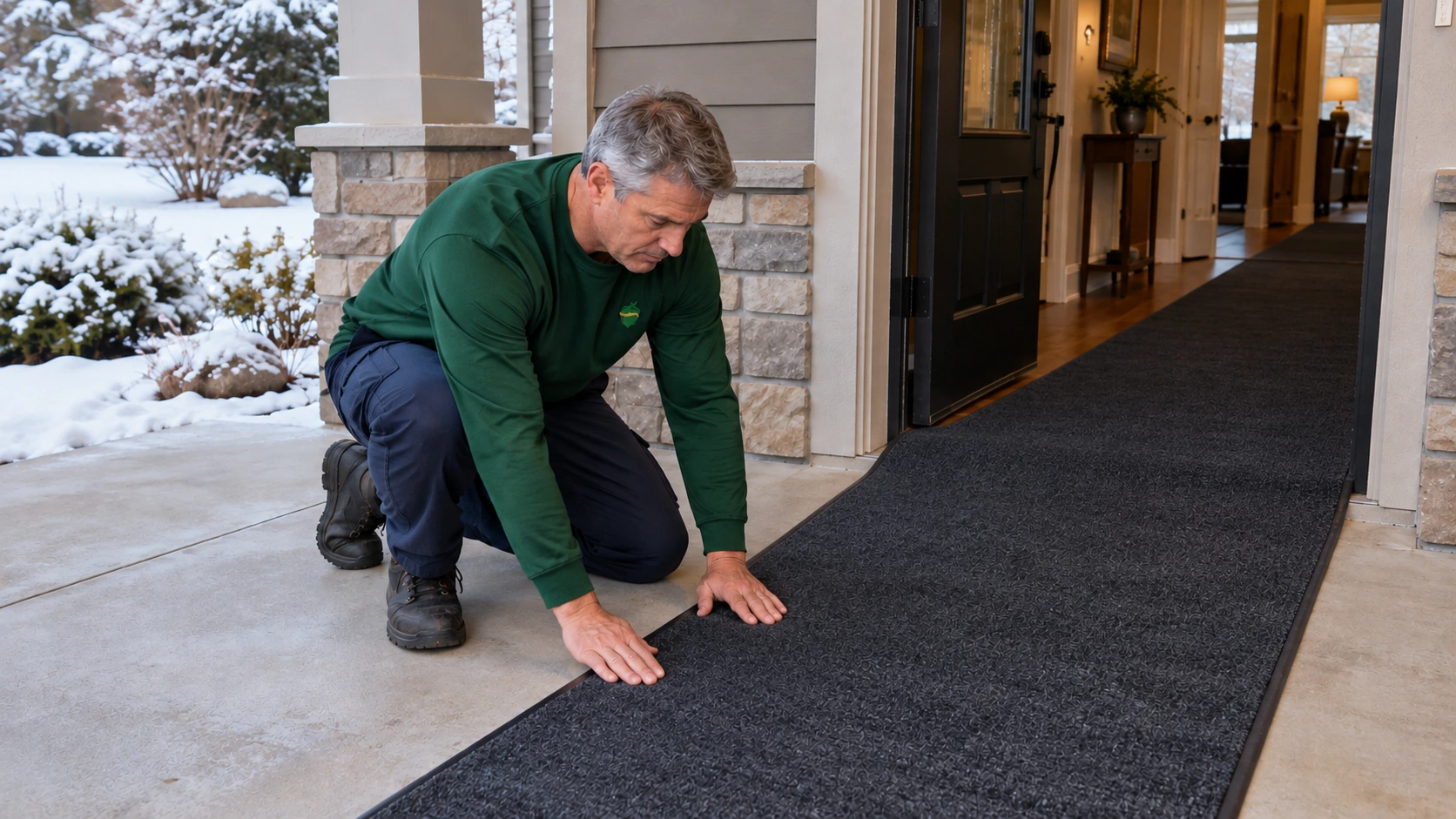
A mover kneels to flatten a protective runner across a covered doorway, with snow beyond the cleared porch.
Lay a flat runner along the cleared entrance before moving furniture.

Colorado planning

Arrange a place for the truck to work

Ask the building manager or owner about private loading space and the route to your entrance. For a public curb, check the local authority’s procedure. An empty space or the owner’s permission does not by itself reserve a public street.

Send the coordinator the proposed position, access instructions and working hours. Include security check-in, a service-door key, elevator booking and time needed to prepare and clear the route. Show the conditions that will exist on moving day, including shared access or a gate that is usually closed.

Keep household cars, bins and other deliveries out of the agreed space. Have a reachable contact and an alternative if it becomes unusable. Ask whether a different position changes carrying distance, handling, transfer work or price.

Moving routes

Where are you moving?

Moving across a neighboring border, across the country or to Canada? Compare the destination and receiving arrangements before choosing your delivery plan.

Neighboring states

A shorter interstate journey

A state line matters even when the drive looks short. Start with the two real homes.

Wyoming and Nebraska

Match pickup and receiving appointments to the inventory and access. Distance alone does not establish a delivery day.

Kansas and Oklahoma

Include any extra stops and the contact who can receive during the accepted window.

New Mexico and Utah

Review the route for the actual truck and current conditions, including the final approach.

Compare interstate options →

Across the country

Plan for the receiving window

Compare transport choices with the household’s actual commitments.

Northeast and Mid-Atlantic

Prepare the apartment, house or storage address at the far end as carefully as the Colorado home.

Florida and California

Consolidated maxima are destination-specific: up to 60 days into Florida and 90 into California, after pickup and loading are complete.

Direct or consolidated

Dedicated direct service retains the same crew. Suitable smaller consolidation needs a wider accepted window; Colorado-bound timing is individually agreed.

Choose a delivery arrangement →

Canada and separate stages

Make every handoff clear

Prepare household entry and the goods’ documents alongside transport.

Canada-bound goods

Review CBSA eligibility, accompanying and goods-to-follow lists; retain the first-entry accounting document.

Entering the United States

Use the U.S. instructions for that direction, including item-specific restrictions.

Holding or onward transport

Name who receives, holds, releases and carries the goods, with the inventory and separately priced work recorded.

Plan a receiving gap →

Direct service uses a dedicated truck and the same pickup and delivery crew. Suitable smaller consolidated shipments use a wider agreed window; confirm the model in writing.

Colorado planning

Pack for the rooms you want to use first

Keep identification, medication, valuables and travel essentials with you. Then decide which contents you will pack and where you want help: a fragile kitchen group, selected rooms or more of the household. Label cartons clearly by receiving room; keep any storage group distinct.

Use small cartons for dense books and suitable cushioning for dishes and fragile objects. Show framed art, large televisions, lamps and unusual items during the survey so their packaging can be chosen for the actual object. A fragile label does not replace protection.

Company packing is charged for working time; supplied boxes are separate. At delivery, furniture is unwrapped, while emptying cartons is optional work charged for time. Packaging removal is separately priced. Decide which essential rooms to unpack first and have usable storage positions ready.

A mover kneels beside a bookcase and lowers a supported stack of books into an open compact carton.
Small cartons keep book packing manageable.

Colorado planning

Prepare large furniture before moving day

Show the team beds, long tables, tall cabinets, sectional seating and anything with a delicate finish or unusual mechanism. Include the joint, projection or tight turn that needs attention. Agree what can safely come apart and what needs to stay assembled.

Keep matching parts and hardware with the right item. Removable table legs and an integral chair frame need different preparation; do not dismantle one piece to imitate another. Transport coverings should protect vulnerable surfaces, corners and feet, with securing material around the covering.

Basic furniture disassembly and reassembly are part of moving labor time, without a separate basic assembly fee. Complex construction and specialist work need individual review. At the destination, place the large pieces before cartons block their footprint, then unwrap them and complete the agreed reassembly.

Colorado planning

What Colorado’s housing figures tell you

Colorado’s homes include detached houses, apartments and older buildings with very different layouts. The 2024 ACS five-year estimates count 2,589,053 housing units. About 61.4%, or 1,590,419 units, are detached single-unit homes. An estimated 180,970 units were built in 1939 or earlier, about 7.0%.

The same vintage reports 2,374,218 occupied homes: 1,571,735 owner-occupied and 802,483 renter-occupied. These tenure figures use occupied homes, while structure and age use all housing units. The planning-data table keeps their periods and sources together.

Use this range to look closely at your chosen home. An older porch house may have a straightforward entrance and a tight internal turn; a newer apartment may need a shared elevator appointment. Statewide figures do not measure the route for your furniture or provide a moving price.

Colorado planning

What the migration figure can tell you

The 2024 ACS one-year estimate reports that 3.1% of Colorado residents age one and older lived in another U.S. state one year earlier. It describes people and their previous residence, rather than household shipments.

It does not show net migration, why someone moved or which weeks have available moving crews. It also uses a different period from the five-year housing figures. Choose your dates from the household’s commitments and the actual moving proposal, rather than treating the statewide percentage as a price or availability forecast.

Colorado planning

Moving between Colorado and a neighboring state

A move involving Wyoming, Nebraska, Kansas, Oklahoma, New Mexico or Utah crosses a state line even when the homes are close to the border. Denver to Cheyenne and Durango to Farmington still need an interstate arrangement and documents.

Give both properties equal attention. An apartment pickup can involve an elevator appointment while the receiving house needs a driveway or stair review. Include extra stops, goods going to relatives and any storage address in the same proposal, with each group clearly identified.

Have the carrier check its route and current conditions for the actual truck. A short driving time does not promise same-day delivery. Choose an accepted appointment or delivery window that your receiver can cover, and resolve delayed keys before making the old home’s handover depend on arrival.

Colorado planning

Choose dates around your household

Separate fixed dates from preferences: lease handover, closing, school or work commitments, storage access and a building’s move appointment. Tell the coordinator which cannot move and which have room to change.

Keep your travel plan separate from the goods until both are coordinated. Flights, pets, temporary accommodation and the first working day may need a more precise schedule than a flexible shipment window. Carry enough essentials for the window you accept.

Choose a receiver who can attend during that window. If someone is free for only one short appointment, resolve the mismatch before choosing consolidation. A delayed key handover can also affect collection, elevators, travel and storage, so update everyone who depends on the changed date.

Colorado planning

Direct or consolidated delivery?

Direct delivery uses a dedicated truck and the same crew at pickup and delivery. It is worth comparing when you want that continuity or need a closely coordinated household move. The inventory, route, preparation and dates still need an agreed plan.

Consolidated delivery is available for suitable smaller shipments with a wider agreed window. Colorado and other distant domestic destinations need individual timing terms. Destination-specific company maxima include up to 90 days into California and up to 60 days into Florida or Canada, counted after pickup and loading are complete. Nearby domestic categories can have a 30-day outer term; do not assign a Colorado route to that category without reviewing the destination. These are maximum windows, not predicted arrival dates.

Choose around the goods you will ship and the period someone can receive them. Keep essentials with you. Do not assume consolidation includes the same crew, free storage or an appointment that has not been accepted in writing.

Common moving situations

How the plan changes with your needs

See how delayed keys, a family schedule, priority rooms and renovation can change the plan.

A Denver apartment with later keys

Suppose the Denver lease ends before a Pennsylvania home is ready. The household has a modest shipment and can travel with essentials.

What to do. Compare a suitable consolidated window that begins with a usable receiving plan against an agreed holding stage. Name the receiver before pickup.

Why it helps. The lease handover no longer depends on an unconfirmed arrival or inaccessible home.

A final school morning in Fort Collins

A family wants the last morning at home to stay usable before a move to Rhode Island.

What to do. Request earlier packing for most contents, retain bedding and breakfast items and assign the small final packing group. Review direct service around the accepted receiving appointment.

Why it helps. Preparation preserves the household’s last morning and leaves clear responsibilities for collection.

Priority rooms in Grand Junction

A household receiving a Connecticut shipment wants bedrooms and kitchen usable first while another room is unfinished.

What to do. Mark large-furniture positions, the cartons to leave closed and the clear surfaces for optional unpacking. Keep the unfinished room outside that work.

Why it helps. The receiver can make essential rooms usable without moving the same belongings repeatedly.

A Durango renovation delay

A Maryland household’s intended Durango rooms will not be ready when the goods can leave.

What to do. Agree a holding address, intake record and later release. Identify the separately appropriate operator and price for a later Colorado-only leg.

Why it helps. The shipment has a real receiver while the household carries what it needs during the gap.

Colorado planning

Prepare separately for Canada and other handoffs

For a move to Canada, prepare the household’s entry and the goods’ arrival together. CBSA guidance explains eligibility, the inventory and the original list of accompanying goods and goods arriving later. Keep the accounting document from first entry accessible for the later shipment. Eligibility and restrictions depend on your situation and belongings.

For goods entering the United States, start with CBP’s household-effects guidance and obtain the document instructions for that direction. Do not reuse a Canadian form as a substitute. Review plants, food, vehicles and other restricted contents before dispatch, and work from the same inventory as the transport coordinator.

If your journey needs a separate road, marine or other transport stage, agree who prepares, releases, carries and receives the goods at each handoff. Include the documents, inventory checks and separately priced work. Settle a missing approval or receiver before the shipment leaves.

Colorado planning

What affects the price of your Colorado move?

Your moving price should cover your belongings and all the work you want: pickup and delivery, packing, furniture preparation, access, extra stops and any storage or later delivery. List these before comparing estimates. You can save paid work by completing an agreed part of the packing yourself; the proposal should reflect that choice.

For the company’s long-distance flat-rate arrangement, the price stays the same for the same agreed shipment and service scope. Extra transit or delivery time alone does not increase it. Added goods, a changed address or additional handling require a revised written scope and price.

Packing time and supplied boxes are separate costs. Basic disassembly and reassembly are within moving labor time; specialist work needs review. Furniture unwrapping is included at delivery, optional carton unpacking is charged for time, and packaging removal is separately priced. Ask the estimate to distinguish included work from options so you can compare like for like.

Ordinary furniture blankets, shrink wrap and tape have no separate materials charge under the current company terms. An estimate should still identify the actual preparation and paid labor. A minimum or estimated number of hours is not a promise that every additional task fits within it.

Colorado planning

A practical timeline for getting ready

Before the survey: list your belongings, extra stops and difficult pieces. Send access photographs and obtain building instructions. Identify the destination’s key handover and who can receive the goods.

Before booking: review the written estimate, pickup date, delivery option and protection terms. Resolve omitted work, storage needs and building appointments. Decide what the household will pack and what should remain available for the final night.

Before pickup: finish the agreed packing, keep essentials and documents with you, clear the working route and confirm the contacts. If you have a shared elevator, check the service-door route and the time the crew can start and finish.

Before delivery: reconfirm keys, access, the receiver and large-furniture positions. If something changes, tell the coordinator early and update related travel or property appointments. An edited transport date does not automatically change a building reservation.

An earlier packing visit can leave bedding, breakfast and school or work essentials available for the final morning. Identify who finishes that small remaining group instead of assuming the earlier visit empties every cupboard.

Colorado planning

Make room for the delivery

Choose where the bed, sofa and large cabinets will go before the crew arrives. Clear their footprints and the route through the home. A simple room plan or annotated photographs help your receiving representative give consistent directions.

Place large furniture before small cartons fill the space it needs. Keep doors, landings and essential walking routes open. If a room is unfinished, agree a temporary position in advance and tell the receiver who can approve an alternative.

Once furniture is stable, it can be unwrapped and the agreed basic reassembly completed. Check the inventory and condition, keep any exceptions with photographs, then direct cartons to usable rooms. Decide separately whether you want timed unpacking or packaging removal; do not assume all boxes will be emptied.

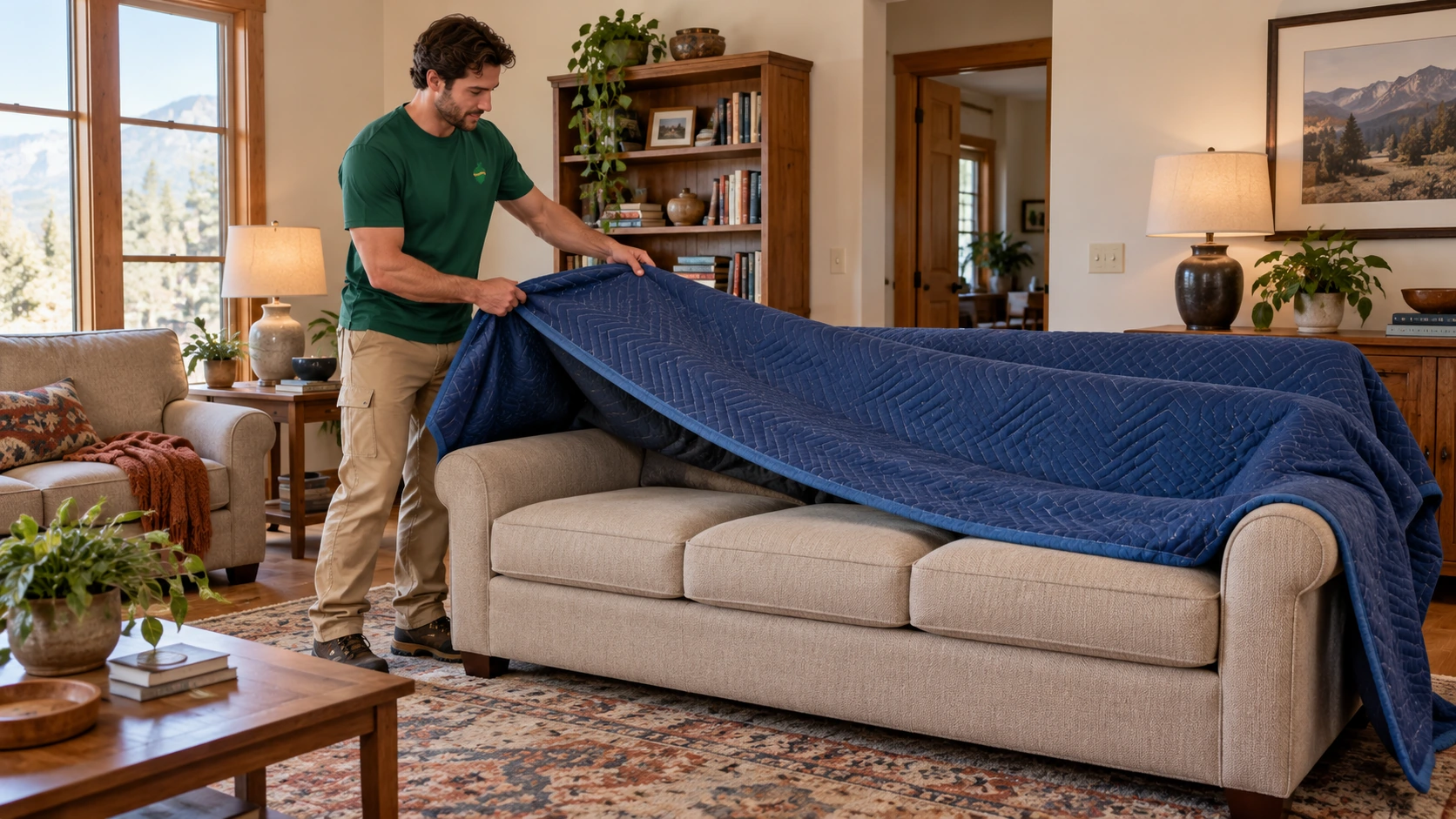
A mover lifts a loose quilted blanket from a sofa after delivery in a furnished living room.
Furniture is unwrapped once it is safely in place.

Colorado planning

What if the new home is not ready?

Agree somewhere for the goods to go before pickup. A usable storage plan names the intake address, belongings, receiver, access hours, holding period and later release conditions. Include additional handling and delivery costs in writing.

Keep medication, work items, clothes and other essentials with you during the gap. Label home-delivery and storage groups consistently, and retain the intake record with the inventory. Accommodation for the family and storage for the goods are separate arrangements.

If keys are delayed after collection, contact the coordinator promptly. Before release, confirm the final home, building appointment, authorized receiver and remaining inventory. A later delivery can need a new vehicle approach or preparation. The moving-between-homes guide has a fuller checklist.

If a later Colorado-only journey is separate from the interstate shipment, name its appropriate operator, price and handoff records. Confirm who can authorize release and whether you may access goods during the holding period.

Colorado planning

Make your first days in Colorado easier

Bring an arrival bag with identification, medication, chargers, clothing, bedding, pet supplies and the property and moving contacts. Keep lease, utility and vehicle documents accessible. Confirm keys, working utilities and the first usable sleeping space before depending on the shipment.

The Colorado DMV gives separate deadlines after residency is established: transfer a driver’s license within 30 days and title and register a vehicle within 90 days. Business ownership or operation, employment or 90 consecutive days of residence can establish residency. The residence period is not an extra waiting period if another condition already applies. Follow the DMV instructions and any exemption for your circumstances.

Confirm school assignment with the actual district, arrange local emergency notifications and keep a plan for people and pets. After delivery, work through the priority rooms and retain the shipment records and condition photographs. Separate furniture hardware from discarded paper before arranging optional packaging removal.

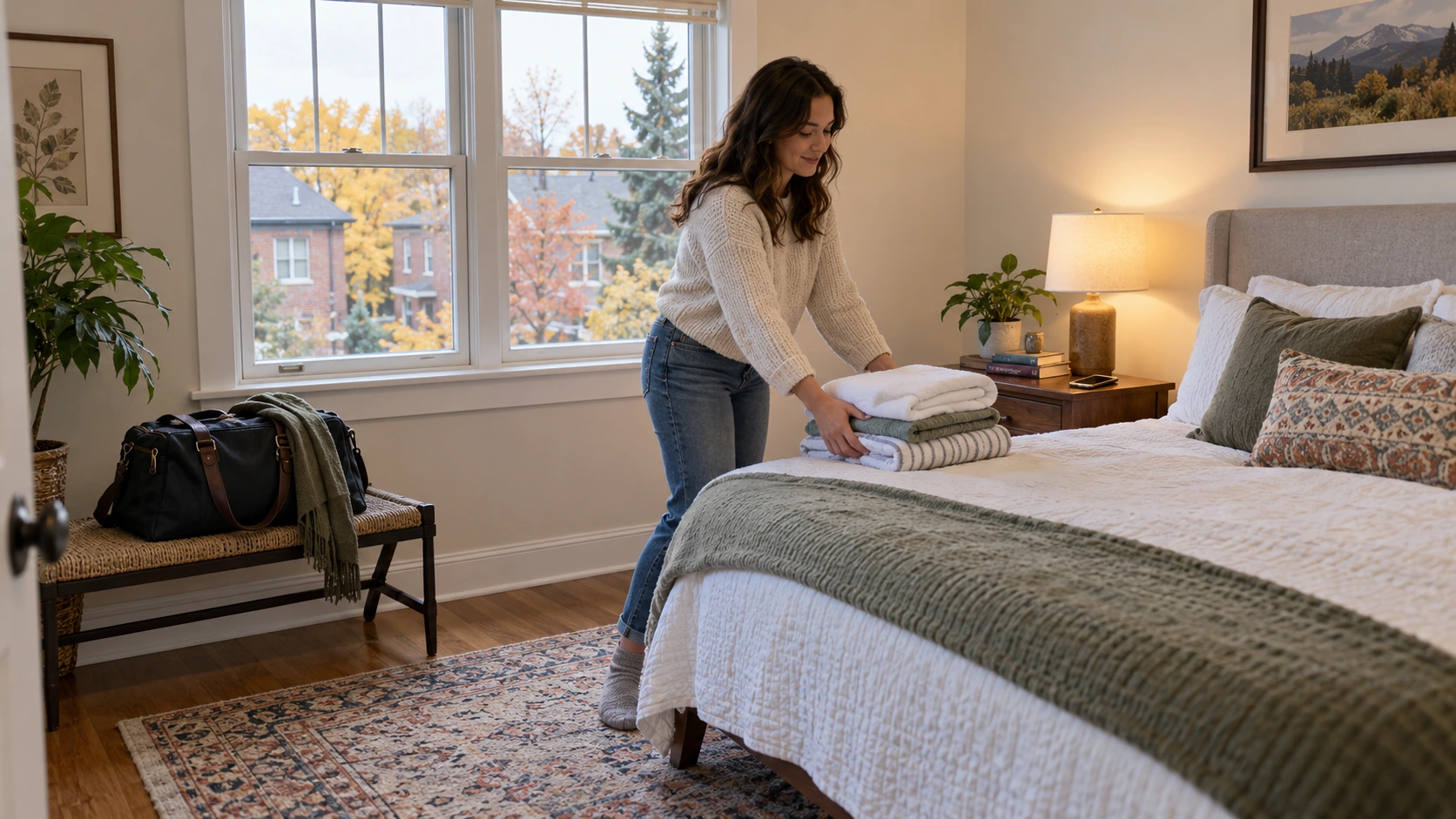
A resident places folded towels on a bed beside a personal overnight bag in a Colorado-style bedroom.
Keep bedding and towels handy for your first night.

Colorado planning

Ready to plan your Colorado move?

Send both addresses, a list of belongings, a date range and the help you want. Include large pieces, packing, extra pickups, unpacking or storage. Add photographs of parking, the entrance and any difficult indoor turn, with dimensions where an actual fit question needs an answer.

Before booking, check the written work, price, pickup and delivery terms, protection choices, payment and receiving contact. Choose direct or suitable consolidated delivery around the household’s actual timing. Keep a simple fallback for delayed keys or an unavailable building appointment.

If something is pending, name it clearly: for example, “loading instructions due from the manager.” Keep that answer with the inventory and agreed changes. The next conversation can then resolve the missing decision without losing what has already been settled.

Verified data

Colorado planning data

Planning factEstimateVintageSource
Total housing units2,589,0532024 ACS 5-yearU.S. Census Bureau
Detached single-unit homes1,590,419 · 61.4% of housing units2024 ACS 5-yearU.S. Census Bureau
Homes built in 1939 or earlier180,970 · 7.0% of housing units2024 ACS 5-yearU.S. Census Bureau
Owner-occupied homes1,571,735 · 66.2% of occupied homes2024 ACS 5-yearU.S. Census Bureau
Renter-occupied homes802,483 · 33.8% of occupied homes2024 ACS 5-yearU.S. Census Bureau
Residents age 1+ from another U.S. state one year earlier3.1% · not net migration or shipments2024 ACS 1-yearU.S. Census Bureau

Planning answers

Colorado moving questions

Straightforward answers about prices, packing, delivery and getting settled.

Ask about your move
Can you help with a move to or from Colorado?

Yes. Request an interstate household move with Colorado as the origin or destination. Send both addresses, the belongings, access and date range. The proposal can cover agreed packing, furniture preparation and receiving help with the shipment. Direct service uses a dedicated truck and the same pickup and delivery crew; suitable smaller loads may use consolidation. The team confirms the actual work and timing.

Do you offer moves entirely within Colorado?

This page describes interstate moving. It does not confirm a Colorado local office, local crew or a move staying entirely within the state. For a Colorado-only move, use an appropriately permitted operator and the state’s estimate and contract process. If your interstate plan includes a separate later Colorado leg, identify its operator, records and price before booking.

Which Colorado city should I start with?

Start with the region that fits your work and everyday destinations. Compare Denver, Aurora and Lakewood for different metro settings; Fort Collins, Loveland, Longmont and Greeley for northern options; Colorado Springs and Pueblo farther south; or Grand Junction and Durango in western and southwestern Colorado. Use the city portraits to narrow the search, then look closely at the actual neighborhood and home.

What do you need for an estimate?

Send the full pickup and delivery addresses, an inventory, the date range and any firm receiving deadline. Add packing groups, large pieces, extra stops, storage and the access at both homes. Include photographs of the proposed truck position, steps, turns and any building elevator. Say clearly if the receiving address or keys are still uncertain so the proposal can address the gap.

Will an agreed long-distance flat rate increase if delivery takes longer?

Extra transit or delivery time alone does not increase the price for the same agreed shipment and service scope. Added goods, packing, stops, storage or changed access can change that scope. Keep the inventory and included work in writing and have changes reviewed before the affected work. Compare complete proposals for the same tasks rather than a headline transport figure.

How do direct and consolidated delivery differ?

Direct service uses a dedicated truck and the same crew at pickup and delivery. Consolidated service suits eligible smaller shipments that can accommodate a wider agreed delivery window. Compare the same belongings and preparation, then choose around your receiver’s availability. Do not assume consolidation offers the same crew, free storage or one fixed day unless those terms are expressly agreed.

What is the consolidated delivery window for Colorado?

Colorado-bound and other distant domestic routes need individual timing terms in the proposal. Do not borrow California’s up to 90-day maximum or the up to 60-day Florida or Canada maximum for a different destination. The applicable consolidated clock starts after pickup and loading are complete. Tell the coordinator if your receiver or building can accept only a narrow appointment before choosing that service.

Can a short interstate route be delivered the same day?

A short driving time does not confirm a delivery appointment. Inventory, packing, access, lawful travel and the receiver still need a workable plan. Send the deadline before booking and ask for accepted timing in writing. A move across a nearby state line remains interstate; use the actual origin and destination, not the metro name, to choose the arrangement.

How do I check a moving company?

Identify the operating business and whether it is carrying the goods or arranging them as a broker. Check the Colorado PUC permit for a Colorado-only move and applicable FMCSA records for interstate work. Match the names on the estimate, agreement and payment instructions, and retain a working contact for delivery or complaints. Resolve unexplained differences before the goods are collected.

Is valuation the same as a separate insurance policy?

No. Valuation concerns the mover’s liability; separate insurance is a different product. For an interstate shipment, Full Value Protection applies unless you waive it in writing and select Released Value. Released Value is limited to 60 cents per pound per article, rather than its replacement cost. Ask about cost, limits, high-value items and the claims procedure before moving day. Keep the selected terms and condition records; a building certificate or careful wrapping does not explain the protection you chose.

How can I check whether large furniture will fit?

Measure the actual piece against its narrowest door, stair landing, elevator opening and turn at both homes. Include projections such as handles and room to rotate. Send photographs from both sides of an unclear restriction. Discuss appropriate disassembly, another room or a different authorized method before collection. A wide front door alone does not settle a tight hall behind it.

Can the truck use my driveway or the curb outside?

Show the proposed position, surface, grade, gate, turning space and path to the entrance. Confirm private permission with the owner or manager and public-curb requirements with the local authority. The operator reviews the actual truck and route. If the position cannot be used, agree an alternative and any carrying or transfer cost instead of assuming the neighboring space is available.

Can you pack only selected rooms or fragile items?

Yes. Name the rooms or items you want packed and what you will finish yourself. Show the contents and any delicate or unusual pieces so the materials and work can be reviewed. Keep documents, medicine, valuables and immediate essentials out of the packing group. For earlier packing, identify bedding and other final-night items and who will close those last cartons.

How are packing and materials charged?

Packing labor is charged for working time and company-supplied boxes are separate. Ordinary furniture blankets, shrink wrap and tape have no separate materials charge under current company terms. The proposal should identify the actual work and supplies for your shipment. Compare the same packing scope in each option and have additional goods or preparation recorded before the work begins.

Does basic furniture assembly cost extra?

Basic disassembly and reassembly use moving labor time without a separate basic assembly surcharge. List the furniture and its construction during the survey, and keep hardware identified by piece. Complex first-time builds, wall fixing or specialist tasks need separate review of the method, executor and price. A transport booking does not automatically include electrical, appliance-connection or general repair work.

Does delivery include unpacking every carton?

Furniture unwrapping is included at delivery. Emptying cartons is optional work charged for time. Choose the rooms or groups you want opened and provide suitable clear surfaces. Directed placement into final cupboards or drawers is a further organizing task, and packaging removal is separately priced. Record the result you want so the receiver does not have to decide it while unloading.

What if I want organizing or packaging removal?

Request each task explicitly with the rooms, quantity and desired result. Customer-directed organizing, handyman work and packaging removal have separate scope, executor, availability and price. Keep furniture parts and documents away from discarded paper. A residential collection option does not by itself authorize a commercial crew to use that disposal route.

What if the new home is not ready?

Agree a real receiving or holding address before pickup. Name the inventory, authorized receiver, access hours, intake record and later release conditions, including the additional work and price. Carry essentials for the gap with you. If a later Colorado-only leg is separate, identify its appropriate operator instead of assuming storage and another delivery are included in the original interstate price.

Can someone else receive the shipment?

Yes, arrange an authorized person who can attend during the accepted window and access the usable home. Give that receiver the inventory, placement instructions, contacts and documents needed to note concerns. A spare key alone is not enough. If the person can attend for only one short appointment, resolve that limitation before selecting a wider consolidated window.

How should I prepare for snow or a mountain crossing?

Check current CDOT and COtrip information and have the carrier review the route and requirements for its actual commercial vehicle. The family car’s traction guidance is separate. Arrange a cleared approach, usable landing and protected indoor route; tell the crew about ice or meltwater. Keep the coordinator and receiver reachable and agree how a road closure or changed arrival will be handled.

What should I do about wildfire readiness?

Use local emergency notifications and Colorado State Forest Service resources for the actual home. Plan where people and pets will go, keep essential supplies accessible and follow the responsible authorities’ current instructions. If access or receiving is affected, contact the moving coordinator to agree the next stage. A statewide risk guide or moving reservation does not establish conditions at your property or provide evacuation service.

What should I prepare for a Canada-bound move?

Review your eligibility, the item list and the direction of travel with the current CBSA guidance. Prepare accompanying-goods and goods-to-follow records and keep the accounting document from first entry for the later shipment. Confirm restricted contents before dispatch. Transport arrangements do not establish entry or duty-free eligibility, and the Canadian instructions do not replace U.S. requirements for the opposite direction.

When should I transfer my Colorado license and vehicle registration?

After residency is established, Colorado DMV gives 30 days to transfer a driver’s license and 90 days to title and register a vehicle. Employment, business ownership or operation, or 90 consecutive days of residence can establish residency; another qualifying condition can apply before that residence period ends. Use the DMV instructions, documents and any student or military exemption that applies to you. Furniture delivery does not set that clock.

What should I check at delivery?

Have the inventory and condition records available, check the goods and record missing items or visible concerns with photographs and written notes. Keep the documents for the applicable claims process. Place large furniture before cartons consume its footprint, retain small parts and direct boxes to usable rooms. Confirm any timed unpacking or separately priced packaging removal before that extra work begins.

Primary sources

Sources for the decisions in this guide

Official resources for choosing a Colorado community and preparing the move. Figures retain their stated dates; follow current agency guidance for your own circumstances.

Moving documents and consumer protection

4 sources
  • Colorado mover checksColorado Public Utilities Commission

    Verify the actual operator for a Colorado-only move.

  • PUC moving consumer alertColorado Department of Regulatory Agencies / PUC

    May 2025 published guidance on written estimates, contracts and HHG permits.

  • Interstate consumer rightsFederal Motor Carrier Safety Administration

    Federal moving information and shipment documents.

  • Liability and protectionFederal Motor Carrier Safety Administration

    Valuation choices and the distinction from separate insurance.

Weather and emergency planning

2 sources
  • Current road conditionsColorado Department of Transportation

    Access COtrip conditions, closures and travel alerts for the actual date.

  • Live Wildfire ReadyColorado State Forest Service / Colorado State University

    Local notifications and a household evacuation plan for people and pets.

Roads and property access

2 sources

Arrival and border documents

3 sources

Cities, neighborhoods and local housing

12 sources
  • Denver neighborhoodsVISIT DENVER

    City-center, historic and residential neighborhood descriptions.

  • Colorado Springs areasVisit Colorado Springs

    Tejon, Old Colorado City, the Old North End and other distinct local settings.

  • Aurora things to doVisit Aurora

    Arts, local places, parks and trails.

  • Fort Collins historic preservationCity of Fort Collins

    Old Town and historic residential context.

  • Lakewood and BelmarVISIT DENVER

    A western metro community and local center.

  • Grand JunctionColorado Tourism Office

    Western valleys and mesa landscapes.

  • PuebloColorado Tourism Office

    Downtown, Arkansas River and Riverwalk context.

  • BoulderColorado Tourism Office

    University setting, Pearl Street and foothills.

  • LongmontColorado Tourism Office

    Downtown arts and the St. Vrain Greenway.

  • LovelandColorado Tourism Office

    Sculpture, galleries and downtown; separate from the ski area.

  • Greeley community profileCity of Greeley

    Weld County seat and local community background.

  • DurangoColorado Tourism Office

    Historic downtown and the Animas River Valley.

Geography and dated planning data

5 sources

Photographs are original representative illustrations, not customer jobs or identified addresses.

Let’s plan your move

Tell us about your Colorado move.

Tell us where you are moving, what you are taking and your preferred dates. Add any packing, furniture preparation, unpacking or storage help you need.

A Sterling Oakbridge move coordinator in the planning office