
Stamford, CT · Household preparation
Full Packing and Unpacking in Stamford, CT
Give the wrapping and carton preparation to our crew, for the whole retained household or the rooms you select.
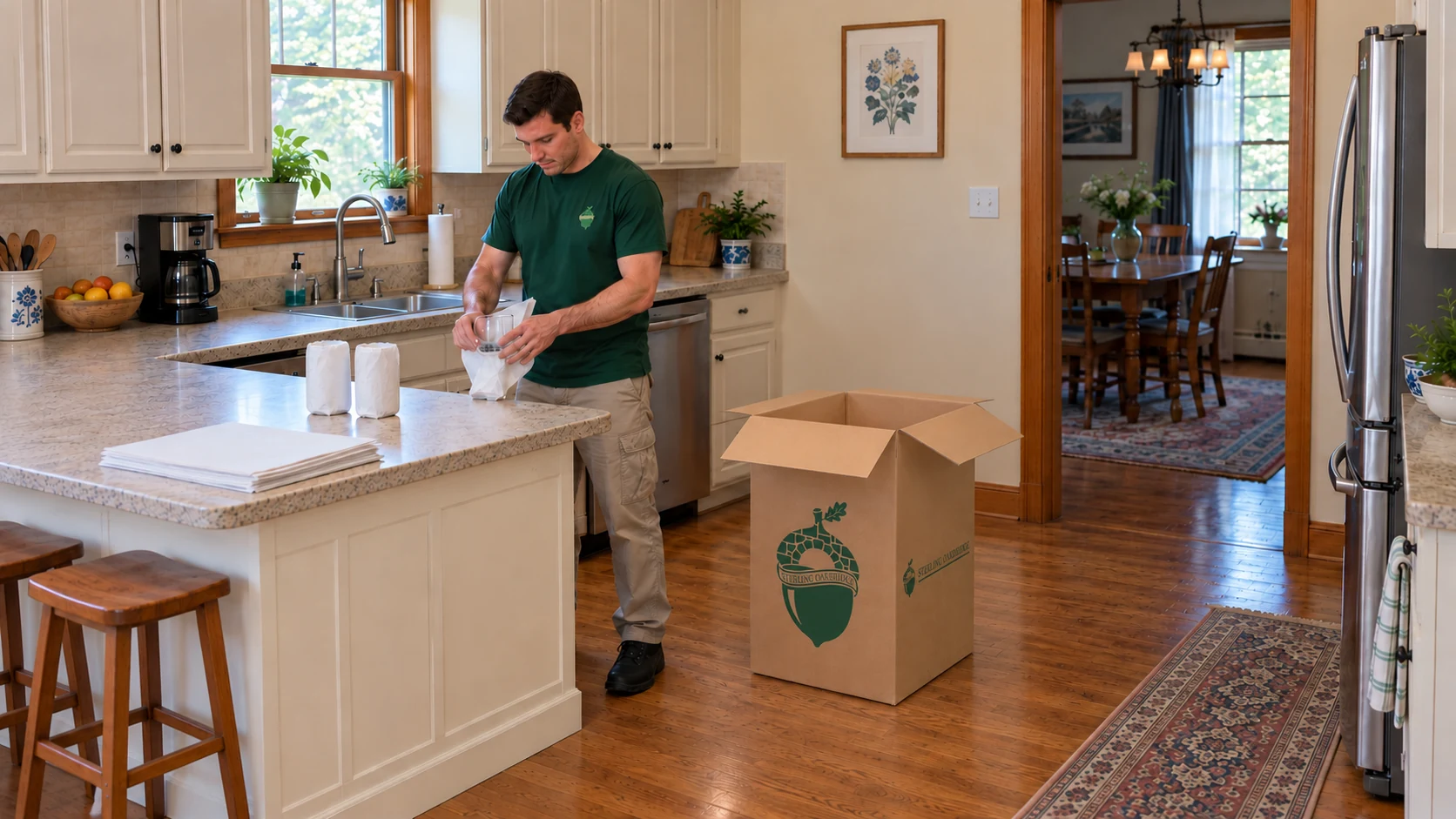
In Stamford, plan the preparation visit around your working home and arrange the unpacking or directed placement you want after arrival. The estimate separates working time, supplied cartons and optional receiving help.
Start with the contents and the result you want: kitchen packing before a building's carrying window, a smaller-home inventory, or help with the cartons left after you settle in. Send both complete addresses, firm dates and photographs of open storage. Our planning team will recommend the review suited to the actual work.
Explore packing, costs and local examples
Hand over preparation while keeping the decisions
Professional packing gives back time that would otherwise go to wrapping dishes, sorting packing supplies and closing cartons after work. You choose what travels and which decisions remain with you. Full packing covers the agreed retained contents; partial packing can cover named rooms, cupboards, books or fragile pieces while you prepare the rest.
Write that division down. A kitchen packing request needs to identify whether it includes the daily dishes still in use, the pantry contents and glass kept elsewhere. Fragile-only work needs an item list and the condition of the pieces. Neither choice automatically includes household sorting, removal or final cupboard placement at the new home.
Give undecided items a separate place. The crew should not have to infer whether a closed wardrobe belongs to a roommate, a departing family member or the shipment. Confirm ownership and the person authorized to release shared contents before those items are prepared. A possible donation needs an accepting recipient and a collection plan.
Review cupboards and stored contents before counting cartons
Show open kitchen cupboards, bookshelves, wardrobes, drawers and other storage. Include a basement, garage or separate storage space in the retained inventory. A bedroom count says little about books, china, hobby equipment or the number of objects needing individual protection. Decide what will stay or leave before paying to prepare everything in a crowded room.
A household expecting twenty cartons might discover sixty to one hundred after a complete contents review. This is an illustration of undercounting, not a Stamford average or an allowance for a particular home. Show dense books, light bedding, fragile collections and larger awkward objects as different groups.
Tell us which cartons you already have and which items are packed. A sound, suitably sized reused carton can be useful; weakened walls, poor closures or a large carton filled with dense books need another method. Company-supplied cartons are charged separately. Your own supplies do not remove the working time required for the agreed preparation.
Protect the contents through the whole move
Preparation has to survive lifting, carrying, stacking, restraint and vehicle movement. Glass needs individual wrapping and support inside a sound carton. Books need manageable dense loads; linen can use a larger carton for light, bulky contents. Appropriate wardrobe packing can keep selected hanging clothes grouped. A closed lid or a fragile label does not establish that the contents are supported.
Review framed work, glass doors, removable shelves and decorative pieces by construction and condition. Keep fittings identified with their matching object. Empty ordinary dresser drawers as agreed and retain them in the furniture body when the reviewed method allows; integral supports and unusual construction need individual handling. Explain repairs, loose joints and vulnerable projections before the visit.
Working surfaces should be clean and usable. Hand protection must suit the material and grip, rather than assuming one glove type fits every object. For art or antiques needing specialist preparation, use the fine-art handling scope. Separate a fragile object needing its own method from a cupboard of ordinary household dishes.
Give the packing visit its own working period
A smaller local household can sometimes combine packing and moving in one day when the reviewed contents, route and available hours allow. A one-bedroom with extensive books or fragile kitchenware can still benefit from earlier preparation. Larger work may use a separate packing day and team; the inventory and property access determine that arrangement.
Confirm admission for preparation separately from loading. Ask which entrance the crew uses, who opens it, when working is permitted and where cartons and materials may stand. A later elevator reservation does not automatically admit an earlier visit. Keep the shared hallway, stairs and exit clear while the home is still occupied.
The Stamford guide's truck-space procedure explains how to arrange public loading. Include any preparation vehicle or material delivery that needs review. At a house, show the driveway and lawful standing position as well as the rooms; a familiar car approach does not confirm the truck's route.
An apartment kitchen is ready before the carrying slot
Imagine a working household in a managed Stamford apartment. The property has given a short carrying window, while the kitchen contains fragile serving pieces and the study remains in use through the preceding day. The household selects an earlier kitchen and less-used book group for professional packing, keeping its work setup and a small meal group accessible.
Confirm that the property admits the preparation visit and accepts the working surface and indoor carton position. Close and identify the finished groups without filling the common corridor. Agree when the remaining dishes and study contents will be handed over, with a household contact available to make decisions.
The earlier visit moves wrapping out of the carrying period and protects the household's last working day. It does not extend the elevator booking or promise that every apartment can be packed in that window. The actual management instructions and inventory decide what can be ready.
Keep a small everyday group outside finished cartons
Set aside bedding, toiletries, simple meal items, essential clothing and chargers until their final use. For children, include familiar belongings needed for the last evening and journey. Keep medicines, identification, keys, valuables and personal documents with the household rather than in the shipment.
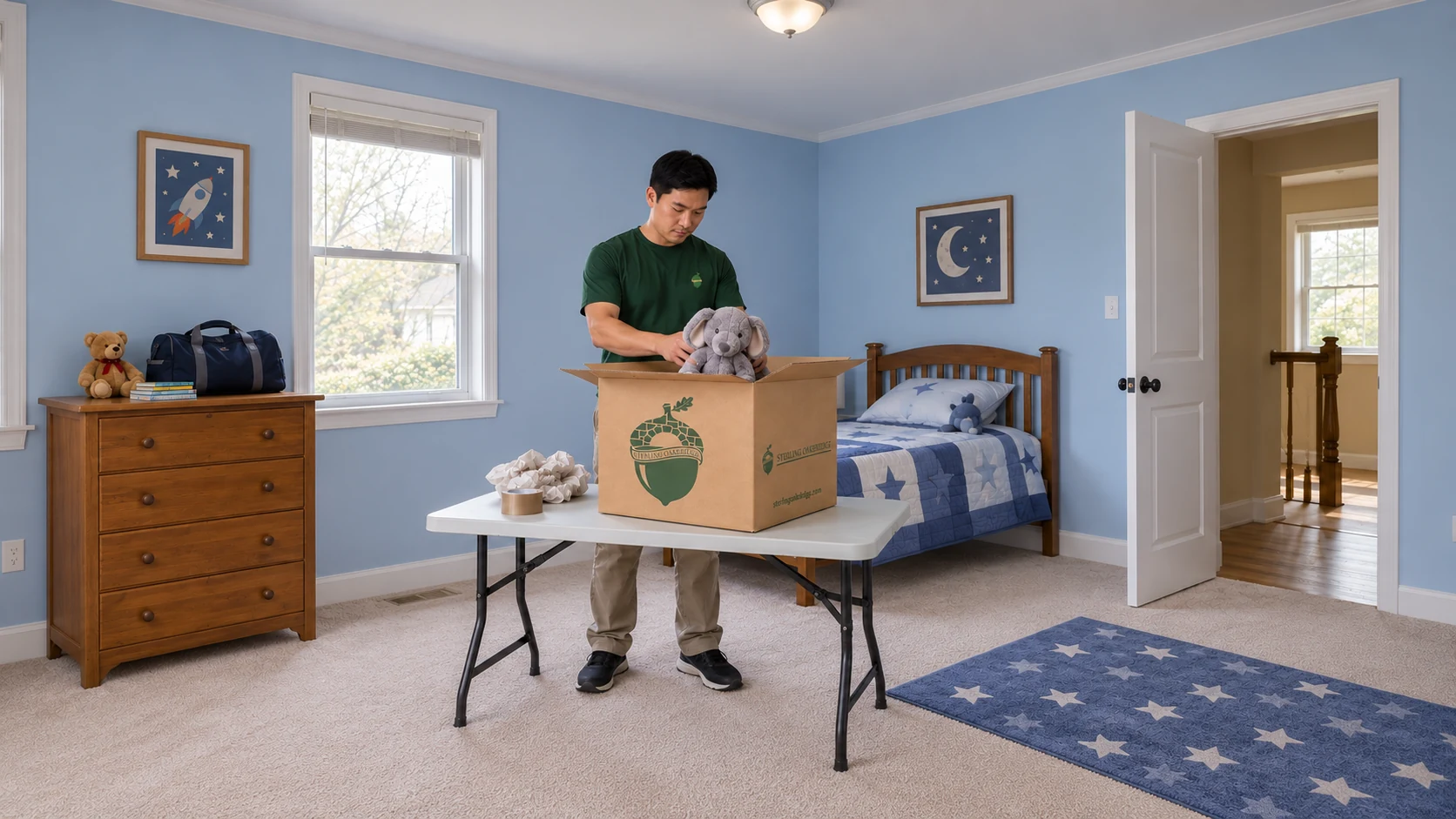
Make the boundary visible to everyone packing and agree the last handover. A personal bag should not resemble another carton waiting to load. If the household travels before delivery or waits for possession, prepare for that interval as well as the first night. Label the cartons to open first without exposing private personal information.
Choose the retained groups and their destinations
Write the destination, receiving room, useful contents and an inventory identifier on each carton. Add opening priority where it helps. Color can distinguish groups, but words still explain the contents when a receiver does not know the color scheme. Keep destination lists with the people directing loading and receiving.

A house inventory is reduced before a smaller-home move
Consider a North Stamford household preparing to leave a house for a smaller home. Its retained kitchen and book collection will be used immediately. Some seasonal belongings have a defined future use in storage; surplus contents still awaiting a decision stay outside both packing groups until their owners decide.
Review open storage before choosing cartons or reserving shipment space. Make separate retained-home, agreed-storage and approved-removal lists. Confirm who can accept the storage group, its intake and later release, and how the home receiver will identify the first-opening cartons. Storage planning covers the separate holding and delivery arrangement.
The household avoids paying to wrap and handle contents it has already chosen not to keep, while preserving useful collections and a genuine storage purpose. It does not discard things solely because they are old. Any unwanted furniture needs the Stamford removal plan, with ownership, receiving route and a deadline; a label or donation inquiry does not book collection.
Open useful cartons onto surfaces that are ready
Basic unpacking opens the agreed cartons and places contents on suitable surfaces. Dishes can go on a clear counter; linen can go on a designated table. Choose priority groups, cartons that stay closed and the rooms ready to receive them. Opening every carton into one room can make that room harder to use.
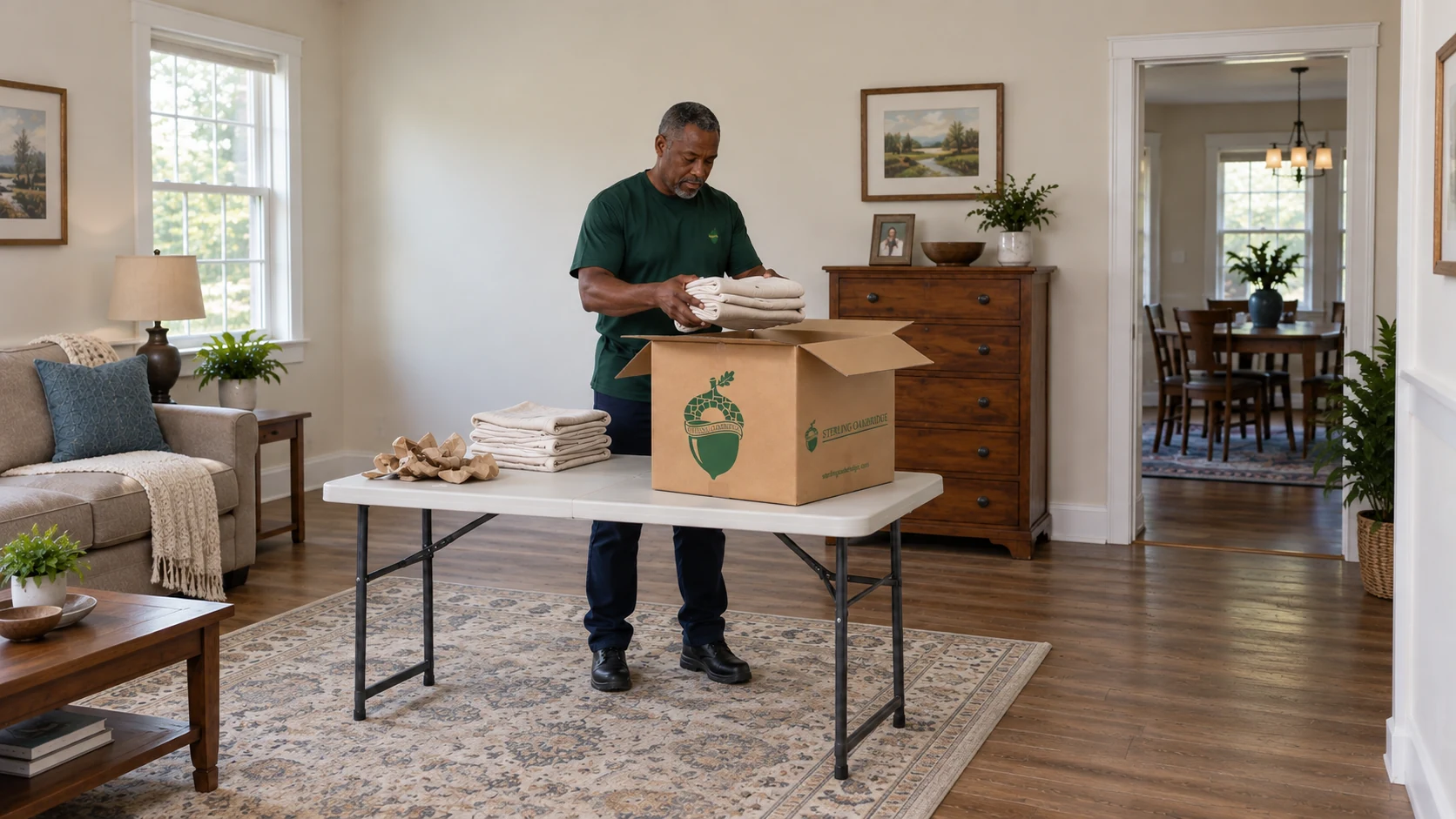
Keep a place for used paper and check it for small fittings, personal items and retained supplies before gathering it. Furniture is unwrapped as part of delivery, while opening carton contents is optional working time. Final shelf placement and taking packaging away have separate purposes and charges.
Return for placement after the household chooses its layout
Home organizing places the agreed contents in cupboards, drawers and on shelves under your direction. Choose the storage arrangement and the person who approves positions. Define the remaining cartons, rooms, priorities, working time and price. A smaller team can be easier to guide when each group needs a household decision.
The household tries unpacking before choosing the final help
Imagine a household already in its Stamford receiving home. It has opened everyday dishes and bedding itself, but several collection and study cartons remain closed. After living with the furniture arrangement, it now knows which shelves and cupboards should receive those groups and who can direct the placement.
A separately arranged return visit can focus on the remaining contents instead of repeating the whole move. Confirm usable shelves and surfaces, access, a directing person and the cartons that stay closed. Include any later furniture carry under the local in-home moving scope; changing rooms or floors is another task.
On a larger project, three or four extra hours of unpacking can be substantial. A later visit by two people may fit better than retaining the whole moving crew. These are planning examples, not a duration or staffing promise. Crew availability, the property's admission and the actual remaining work control the return appointment.
Separate furniture work from contents placement
Basic furniture disassembly and reassembly use moving labor time without a separate basic assembly fee. Complex flat-pack furniture and specialist pieces need their exact model, construction, instructions and fittings reviewed. A new boxed storage unit can require first assembly rather than reconnecting a few previously assembled parts.
Hanging pictures, mounting and other agreed handyman work need their own item, wall, hardware and permission review, with the appropriate executor. Packing or organizing does not establish electrical work or appliance hookup. Name the finished result and the work required instead of assuming every task belongs to the unpacking visit.
A new purchase also needs its seller's actual release and collection arrangement. Use Stamford furniture delivery for that job. Already-delivered furniture going from a garage or one room to another has a carrying route and placement scope even when there is no new truck journey.
Plan the packaging handoff before surfaces fill up
Gathering empty packaging indoors clears working space; removing it from the property is separately charged work that must be arranged. Identify cartons, paper, foam, plastic film and any dirty floor protection individually. Keep unwanted furniture and special waste outside the used-packaging group.

Connecticut DEEP's mixed-recycling guidance accepts paper and flat cardboard, excludes food-soiled material and plastic bags, and says to leave recyclables unbagged. Empty an indoor gathering bag before placing accepted material in that stream. The photograph shows gathering inside, not a completed recycling setout.
DEEP's plastic-film instructions keep bags, shrink wrap and similar film out of mixed recycling. A separate accepting program needs to confirm the actual clean, dry material. Do not assume that a recycling symbol or a nearby facility accepts the whole packing group.
DEEP's apartment and condominium guidance explains that most such properties contract directly with a hauler and that recycling must be separated where the waste is generated. Ask the actual manager for the provider, material streams and presentation point. The mover's visit does not replace that arrangement or establish admission for a commercial load.
Fit unpacking to the actual delivery arrangement
For long-distance work, the delivery clock begins after pickup and loading are complete. An earlier packing day does not start the transport window. The household's travel, possession and truck delivery can have different dates, so optional receiving help should follow the accepted direct or consolidated arrangement.
For the same agreed shipment and work, the long-distance flat rate stays the same when the journey or delivery takes longer. Added contents, preparation, storage, stops or receiving work need written review. Use Stamford long-distance planning for delivery models and windows, and include preparation responsibilities and dates in the same written move plan.
Compare the whole job and the work you keep
Packing is charged for working time, with company-supplied cartons separate. Moving blankets, shrink wrap and tape have no separate basic-material charge. Optional box unpacking uses working time. Organizing, specialist finishing, storage and packaging removal need their own agreed scope and price.
A full packing-and-moving job adds preparation to the carry and transport. An illustrative complete total approaching two budgets for moving already prepared contents explains why the chosen scope matters; it is not a multiplier or rate for your household. Compare the same retained inventory, access, materials and receiving result in each option.
Send both addresses, dates, open-storage photos or video, fragile details and the tasks you will finish. Add property instructions for every visit, destination lists, daily essentials and the person directing receiving work. The Stamford moving page explains the moving estimate separately. We will recommend the level of review needed to put the requested work in writing.
Stamford packing and unpacking questions
Can I ask for kitchen packing while I prepare other rooms?
Yes. Name the cupboards and contents you want the crew to prepare, including dishes still in use and fragile pieces stored elsewhere. Agree what you will finish and when those groups will be ready. Full, partial and fragile-only packing differ by the actual retained contents, rather than a bedroom allowance.
Does full packing include deciding what to keep?
You choose what stays, travels, goes to an accepting recipient or is approved for removal. Keep undecided contents separate and identify who can authorize preparation of shared belongings. Our packing scope handles the selected contents; it does not settle ownership, book a donation or choose every final cupboard position.
Can my existing cartons be used?
Sound cartons can be reviewed for reuse when their size, strength and closures suit the contents. Show already packed groups and any weakened or damaged cartons. Dense books and light linen need different containers. Company-supplied cartons are separate, and agreed packing still uses working time.
Why can a carton estimate change after opening storage?
Cupboards, wardrobes, books and separate storage can hold far more than a room count reveals. An expected twenty cartons versus an illustrative sixty to one hundred explains the possible undercount; neither is a Stamford home estimate. Show the retained contents and fragile groups before choosing the packing plan.
Can preparation and a local move happen in one day?
They can when a reviewed smaller inventory, workable route and available hours allow both jobs. Extensive fragile work, more contents or a restricted carrying period can justify earlier preparation even in a one-bedroom home. Compare the actual work and property windows rather than treating room count as a timetable.
Does the loading appointment cover an earlier packing visit?
No. Obtain the actual property instructions for preparation as well as loading: entrance, hours, working surfaces, material delivery and permitted carton position. A building reservation does not itself settle the public truck position. Keep an authorized contact available for each visit and confirm the two arrangements separately.
Can we keep a study working until the last day?
Yes, by separating the work equipment and everyday contents that stay accessible and agreeing a final handover. Prepare less-used groups first, with a usable working surface and a permitted carton area. The remaining study must still be ready by the reviewed packing and carrying sequence.
What should stay with the household rather than the shipment?
Keep medicines, keys, identification, valuables, personal documents, chargers and journey supplies under household control. Set aside the bedding, clothing, meal items and familiar belongings needed through the final evening. Plan for any gap before possession or truck delivery, then identify when the remaining home group can be packed.
Should a smaller-home move start by packing every cupboard?
Start by choosing the retained contents and their actual destinations. Separate useful home items, agreed storage, undecided belongings and approved removal. A collection inquiry is not an accepted donation. This can avoid preparation and repeated handling of unwanted things while preserving useful collections and a defined future storage need.
How do we keep home and storage cartons distinct?
Use separate lists and staging groups, with destination, room, useful contents and inventory identifiers on the cartons. Add opening priority for immediate home needs. Color supports the written information. Confirm storage intake, access, release, later transport and receivers separately; the storage label does not book those stages.
Do ordinary dresser drawers need to come out?
Empty loose contents as agreed; ordinary drawers can remain in the furniture body when the reviewed transport method allows. Unusual construction, damage, glass and genuinely removable shelves need individual preparation. Keep fittings with the correct piece instead of assuming every drawer or support is designed to detach.
Is a sealed carton enough protection for glass?
No. Glass needs suitable individual wrapping, cushioning and support inside a sound carton. Protection must work through carrying, stacking, restraint and transport. Show projections, repaired joints and vulnerable parts so the method follows the actual object, rather than relying on a closed lid or fragile sticker.
What result does basic unpacking provide?
The crew opens selected cartons and puts their contents on suitable surfaces, such as a clear kitchen counter or designated linen table. Choose priority groups, ready rooms and cartons that stay closed. Check used paper for fittings and personal belongings before gathering it; final cupboard placement is a separate scope.
Can you put the remaining contents into cupboards and shelves?
Yes, as separately scoped organizing under your direction. Choose the arrangement, directing person, contents and ready storage areas, then agree priorities, working time and price. Basic unpacking onto surfaces does not decide the layout or automatically include putting away every household item.
Can we try unpacking ourselves and ask for a return visit?
Yes, a later visit for selected remaining cartons or directed placement can be arranged when crew and property access are available. List the unopened groups, usable shelves and rooms, and who will approve positions. A smaller return team can be useful; its size and appointment still need confirmation.
How does basic reassembly differ from a new flat-pack build?
Reconnecting suitable previously assembled parts uses moving labor time without a separate basic assembly fee. A new unit can need many panel, fitting and wall-attachment operations. Send its model, full carton set, instructions, condition and desired work for individual review before treating it as basic reassembly.
Can packing help include hanging pictures or technical installation?
Agreed hanging or mounting needs its own item, wall, hardware, permission and executor review. Describe the exact result before the visit. Packing and organizing do not establish electrical work or appliance hookup; more complex finishing is not automatically included because the moving crew is present.
Will empty packaging automatically leave with the crew?
No. Removal is separately charged and must be arranged for the material, quantity, access and collection stage. Indoor gathering clears surfaces but does not itself take material off the property. Keep unwanted furniture, chemicals and other special waste outside the used-packaging group.
Can paper go into mixed recycling inside a plastic bag?
No. Connecticut DEEP says mixed recyclables should remain unbagged. Empty an indoor gathering bag before putting accepted paper in that stream, and keep plastic bags and film separate. The indoor gathering photograph does not show a completed or accepted recycling presentation.
How should empty cardboard be prepared?
Use flat cardboard suitable for the mixed-recycling stream and keep food-soiled materials and plastic bags out. Follow the actual provider and property instructions. First check for fittings, documents and useful supplies; flattening packaging is different from deciding to discard belongings that remain inside.
Who controls the packaging arrangement at a condo or apartment?
The actual management and collection provider control the property arrangement. DEEP explains that most apartment buildings and condominium associations contract directly with a hauler and that recycling must be separated where generated. Confirm the provider, accepted streams and presentation point rather than assuming a public lookup or moving booking covers collection.
Can unwanted furniture be collected with the empty cartons?
Only under its own approved removal or receiving arrangement. Name the pieces, ownership, exit route, deadline and accepting destination before packing retained contents. A packaging collection does not automatically book furniture disposal, donation acceptance or resident-only facility access for a commercial vehicle.
Does an earlier packing date start the long-distance window?
No. The delivery clock starts after pickup and loading are complete. Preparation, household travel and possession may occur on different dates. Arrange optional unpacking around the actual direct or consolidated delivery agreement and receiving access, rather than counting from the first packing appointment.
Can a longer journey change the agreed flat price?
For the same agreed shipment and work, the long-distance flat rate stays the same when travel or delivery takes longer. Added belongings, preparation, stops, storage or receiving services need written review. Identify changed work separately from ordinary transport delay.
What information starts a useful Stamford packing estimate?
Send both addresses, firm dates, retained inventory, photographs or video of open storage, fragile details and the division between your work and ours. Add instructions for each visit, last-night essentials, separate destinations, ready receiving rooms and the directing person. Our planning team will recommend the review needed for a written scope.
Plan your Stamford packing and receiving
Send the retained contents, two addresses, dates and the work you want before and after transport.
Sources and related Stamford planning
- Stamford moving services and the relocation guide: local address, household and access context.
- CT DEEP recycling FAQ: apartment/condominium haulers and source separation.
- CT DEEP material guide and the mixed-recycling poster: separate film, unbagged paper and flat cardboard.