A woman walks a brown dog past brick and painted Victorian houses in autumn

State moving guide

Moving to Kentucky: Places, Homes and Household Planning

Compare Kentucky’s river cities, Bluegrass communities, western towns and Appalachian settings. Explore the everyday places, then prepare the home, paperwork and household move.

Kentucky planning

Choose a Kentucky setting you would enjoy beyond the first visit

Start with a few places that fit the life you want to investigate. Louisville introduces museums, historic neighborhoods and Ohio River public places. Lexington offers distinct shopping and arts districts within the Bluegrass setting. Covington opens a Northern Kentucky comparison across the river from Cincinnati, while Bowling Green, Owensboro and Paducah offer different western and south-central starting points. Frankfort and smaller communities extend the choice beyond the largest cities.

Use cultural interests to begin exploring, then examine an ordinary week around the prospective home. Compare the actual neighborhood, services and journeys rather than assuming a visitor itinerary describes every residence. A riverfront walk, museum or horse-country outing may explain your interest without settling the household’s needs. Keep the municipality and county clear, especially where a regional search crosses a state line or uses a broad Louisville or Lexington label.

As an address takes shape, prepare the moving brief alongside the place comparison. Send the coordinator the origin, destination, contents, preferred dates and selected work. Mention uncertain keys or another receiving stage early. Company statements here concern reviewed interstate household work involving Kentucky. A city portrait does not establish an office, unrestricted Kentucky-only authority or an available appointment. The next useful result is a shortlist of places and a clear household plan.
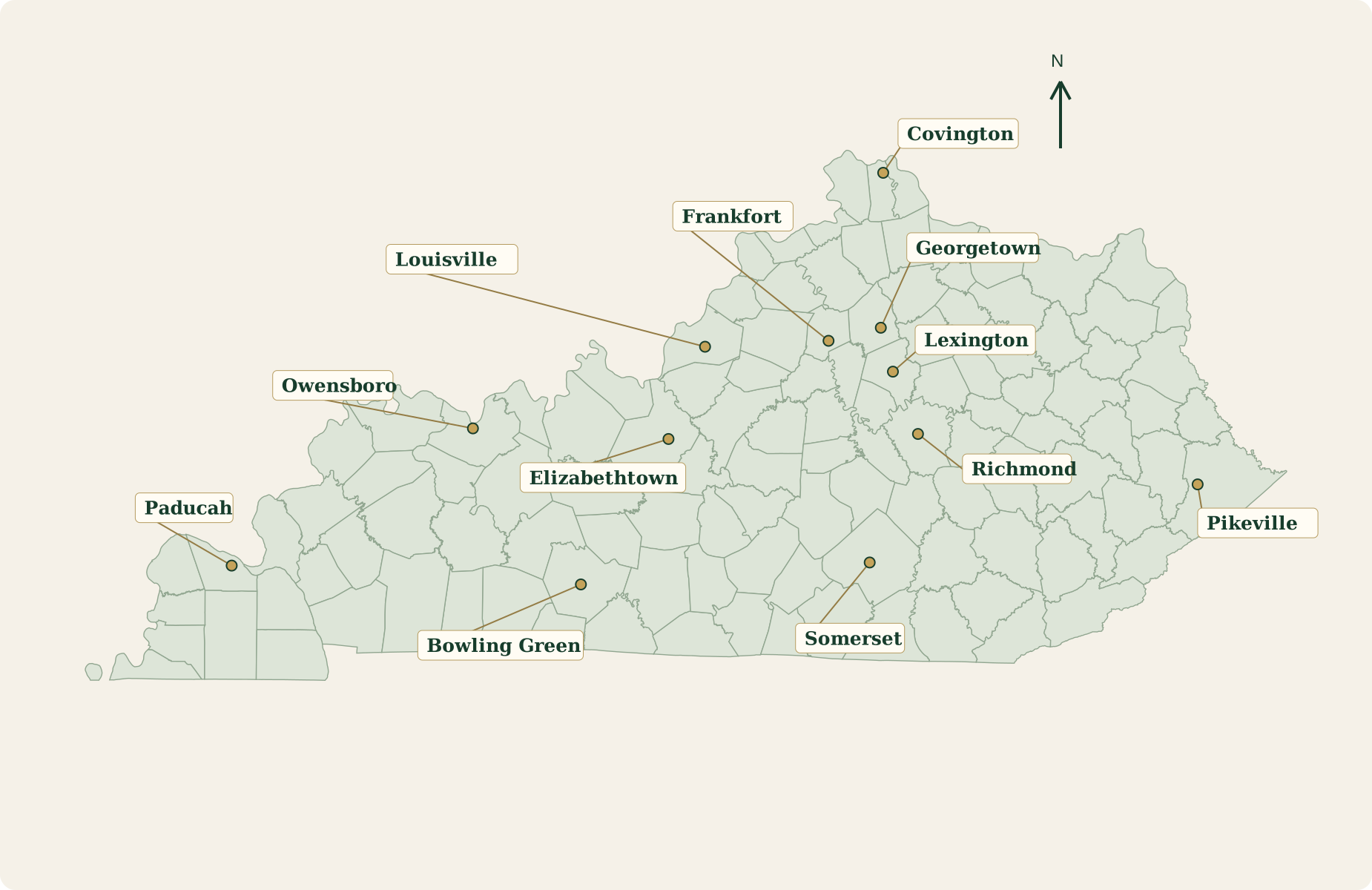

Kentucky cities and regions
Explore twelve Kentucky communities across river, Bluegrass, western and Appalachian settings, then compare the places that interest you.

Kentucky planning

Compare river, Bluegrass, western and mountain settings

Kentucky Tourism uses nine visitor regions to organize exploration: Bourbon, Horses & History; Northern Kentucky River Region; Daniel Boone Country; Bluegrass, Horses, Bourbon, and Boone Region; Western Waterlands; Kentucky Appalachians; Bluegrass, Blues & BBQ; Caves, Lakes & Corvettes; and Southern Kentucky Vacations. These are visitor groupings, while municipalities, counties and the actual property retain their own identities. An attraction in a regional itinerary may lie outside the featured city.

Louisville and its wider surroundings offer one comparison, while Lexington, Frankfort and Georgetown introduce different Bluegrass places. Covington, Newport and Florence belong to a Northern Kentucky search that can also involve Cincinnati in Ohio. Owensboro’s music and river setting differs from Paducah’s arts and Lower Town character farther west. Bowling Green adds museums and wider cave-country interests without making every nearby attraction part of the city.

Somerset introduces a downtown arts setting and the wider Lake Cumberland area. Richmond offers historical interests and a separate community comparison, while Pikeville and other eastern towns bring Appalachian surroundings into the search. Explore the interests that matter to you, then check the real residence and regular journeys. A county outline or tourism label helps organize the shortlist; it does not replace an address, establish waterfront property or promise identical housing and access throughout the region.

City portraits

Explore Kentucky’s cities

Discover twelve Kentucky places through arts, public spaces and their wider surroundings. Compare the neighborhood and ordinary week behind the first visit.

People browse shop windows along a brick and cast-iron downtown blockKY

Louisville

Louisville offers museums, public riverfront places and distinct historic neighborhoods rather than one uniform city setting. Museum Row, the Muhammad Ali Center, Louisville Slugger Museum & Factory and Waterfront Park provide different starting interests. Old Louisville introduces Victorian-era residential architecture, while other neighborhoods have their own character. Explore the places you would use beyond the first visit, then examine the home and ordinary journeys behind them. Jefferson County, the Census metro-government balance and the wider metropolitan area have different boundaries. Keep the exact address central to the housing comparison and obtain the property’s own receiving instructions when the move takes shape.

A woman carries flowers past a cafe with a sidewalk table and chairsKY

Lexington

Lexington offers several neighborhood comparisons within the Bluegrass setting. Downtown, Chevy Chase, Southland Drive, the Distillery District and Warehouse Block introduce different combinations of shops, food, music and arts. Horse-country interests extend the exploration beyond a single urban district, with the actual destination and current visitor arrangements checked separately. Look beyond an attractive outing to the neighborhood, residence and services used during an ordinary week. Lexington-Fayette is an urban-county government, while Georgetown, Nicholasville and other nearby cities retain separate identities. Keep the home’s actual address and household needs clear when a broad regional search becomes a moving plan.
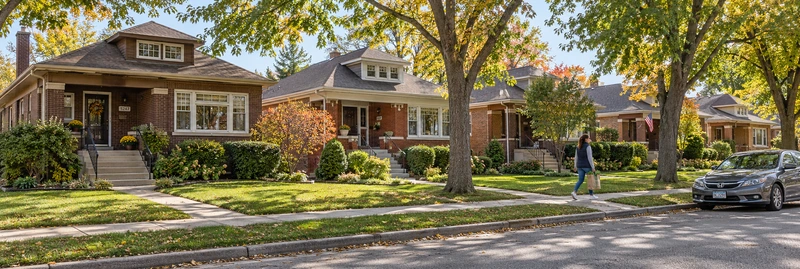
A man carries a grocery bag past brick and painted houses on an autumn sidewalkKY

Bowling Green

Bowling Green introduces south-central Kentucky through museums, history and wider outdoor interests. The National Corvette Museum, Historic RailPark & Train Museum and Downing Museum at Baker Arboretum offer different reasons to explore. Lost River Cave adds another local destination, with current visits and weather arrangements checked separately. A cave-country itinerary can extend beyond the city, so retain the true location of each place. Compare the neighborhood and ordinary services behind the attractions, including the home’s actual rooms and regular journeys. A historic-house setting can be appealing while its stairs, entrances and furniture path still need individual review.

An older couple walks beside a river with a wooded opposite bankKY

Owensboro

Owensboro provides an Ohio River comparison shaped by music, museums and public outdoor places. The Bluegrass Music Hall of Fame & Museum, Smothers Park and the city’s art and history museums offer distinct starting points. The Western Kentucky Botanical Garden adds another interest, while the wider county includes places beyond the featured city. Choose what you would enjoy between ordinary household routines, then investigate the particular neighborhood and home. A riverfront attraction does not make every residence waterfront property or establish its flood exposure. Keep current conditions, the actual address and the household’s receiving arrangements separate from the first visitor impression.

A woman stands beside a bicycle outside a brick-front bookstoreKY

Covington

Covington offers a Northern Kentucky city setting with its own neighborhoods and Ohio River relationship. Roebling Point and Mainstrasse Village introduce architecture, independent shops, public art and walking interests. Cincinnati lies across the river in Ohio, while Newport and Florence remain separate Kentucky cities. A metropolitan search can include all of them without giving them the same jurisdiction or home conditions. Explore the public places you enjoy, then compare everyday journeys and services around a prospective residence. Keep both state and municipality clear in the moving brief. A short cross-river trip can be interstate even when the broader city region feels continuous.

A man reads a folded map on a bench in a brick downtown squareKY

Frankfort

Frankfort introduces Kentucky’s capital through history, public art and the Kentucky River setting. The downtown ArtWalk, historical walking routes, Liberty Hall Historic Site and state-history destinations provide different ways to begin exploring. Josephine Sculpture Park and other regional places have their own locations and visitor arrangements. Check current openings independently rather than relying on an enduring description. Then compare the actual neighborhood, home and ordinary journeys behind the cultural interests. Lexington and Georgetown remain separate communities in a wider Bluegrass search. A capital-city identity helps explain the place without defining every property’s entrance, contents or receiving requirements.

A woman in a mustard jacket looks at ceramics through a gallery windowKY

Paducah

Paducah introduces western Kentucky through creative work, architecture and public cultural places. The National Quilt Museum, local galleries, the Carson Center and Lower Town provide different starting interests. Downtown storefronts, public art and the river setting can make a useful first exploration, while the particular neighborhood and home deserve a closer comparison. A regional lake-country visit may lead well beyond Paducah itself. Keep the actual places distinct and check current visitor arrangements before making plans. Compare the household’s ordinary services and journeys alongside the attractions. A porch-front cottage or historic building still needs its own review of rooms, steps and furniture access.

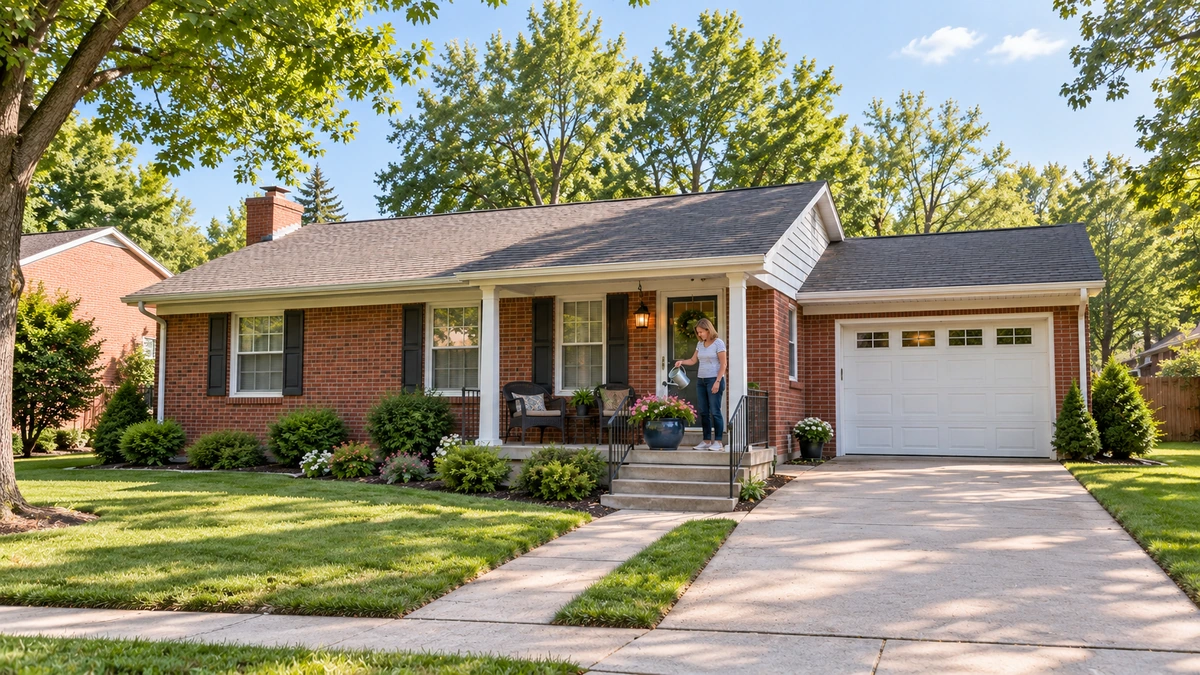
A woman waters a porch plant outside a brick ranch house with a garageKY

Elizabethtown

Elizabethtown offers a separate community comparison through its downtown shops, local restaurants and historical setting. Begin with the public places that attract you, then explore the neighborhood and everyday services around a prospective home. Events may change the character of a particular visit; check current arrangements independently from the place’s enduring setting. A wider Louisville-area or south-central Kentucky search can include Elizabethtown without making it another neighborhood of a larger city. Keep the actual municipality and the journeys the household would make clear. The residence, contents and property instructions should determine receiving preparations rather than a broad regional label.

A man carries a takeaway cup along a brick downtown sidewalkKY

Richmond

Richmond offers a distinct historical comparison in the wider Bluegrass setting. The local historic walking tour and Irvinton House Museum introduce the city, while White Hall State Historic Site and Fort Boonesborough add destinations in the wider area. They retain their own locations and seasonal visitor arrangements. A historical outing can begin an exploration without describing the whole current housing stock. Look closely at the home, neighborhood and services needed during an ordinary week. Berea, Lexington and other communities remain separate places in the same broad search. Keep the actual address and household’s regular journeys central when turning an interesting visit into a residence decision.

A couple walks on a paved path beside a limestone wall and green pastureKY

Georgetown

Georgetown provides another Central Kentucky comparison through its historic downtown, Ward Hall and wider horse-country interests. Horse attractions around the area retain their own locations and visitor arrangements; a regional itinerary does not place every destination inside the city. Begin with the cultural and outdoor interests that matter to you, then examine the neighborhood and ordinary services behind a prospective home. Lexington is a separate place rather than another name for Georgetown. Keep the actual municipality, residence and household journeys clear. A broad Bluegrass identity can organize the first search while the particular property determines entrances, contents and receiving preparations.

A man sketches in a notebook while seated beside a gallery windowKY

Somerset

Somerset introduces a downtown arts and entertainment comparison alongside the wider Lake Cumberland setting. The Mural Trail, theatre and local shops provide interests within ordinary city life, while lakes, parks and other regional destinations extend much farther. A tourism itinerary can include several distinct places; it does not make every Somerset residence a lakefront home. Choose the interests you would enjoy between household routines, then compare the particular neighborhood, services and regular journeys. Keep current visitor arrangements separate from the enduring setting. The actual home and property contact should guide receiving plans when the household settles on an address.

A brick downtown street leads toward wooded Appalachian hillsKY

Pikeville

Pikeville offers an Appalachian city comparison through arts, history and the surrounding mountain setting. The Appalachian Center for the Arts, Big Sandy Heritage-History Center Museum and Bob Amos Park introduce different public interests. Wider outdoor destinations retain their own locations and access arrangements. Check current visits and conditions rather than treating an older attraction listing as confirmation of today’s hours. Look beyond the first outing to the neighborhood, services and home that would shape an ordinary week. Other eastern Kentucky towns remain separate comparisons. Keep the actual residence and its approach clear when planning the household’s collection or receiving arrangements.

Kentucky planning

Keep consolidated geography and separate communities clear

Louisville, Jefferson County and the metropolitan region are related names with different boundaries. The Census Louisville/Jefferson County metro government balance excludes separately incorporated places; it is not the whole county, a new standalone municipality or the entire metro. Lexington-Fayette is an urban-county government. Use the actual address and jurisdiction when comparing services or preparing receiving rather than treating every broad place label as interchangeable.

Covington and Newport are separate Kentucky cities, and Cincinnati is in Ohio. A short journey across the river can therefore be interstate. A metropolitan housing search may include all three without giving them the same state procedures or property rules. The same care applies to smaller communities near a larger city: keep the municipality, county, postal name and property contact attached to the actual home.

When the shipment is being planned, record both endpoints and explain any building or household restrictions. The actual move determines the applicable carrier framework. A regional guide does not establish a local company office or authority to perform every Kentucky-only job. Show the team the contents and access at each property, and obtain any building permission from its owner. A precise address turns a broad geographic comparison into a plan someone can carry out.

More places to explore

Keep exploring Kentucky communities

Looking beyond the featured cities? These communities offer more starting points for your Kentucky home search.

Ask about your Kentucky move →

Kentucky planning

Follow the furniture path through the real entrance

Trace the route from the lawful stopping position to the room where each large piece will be used. A porch-front cottage may have steps and a compact entrance; a dormer house may combine a garage drive with a separate front approach. A historic home can have a wide room connected through a much tighter cased opening. Show the whole path and its changes of level instead of relying on a broad facade photograph.

Keep a driveway, garden walk and front steps distinct. Identify where a vehicle may actually stop, which door is intended for furniture and whether the path changes behind the visible part of the property. For an apartment, include the relevant corridor, stairs, lift and receiving appointment. Ask the property contact about permissions rather than assuming a regional road connection or open-looking entrance grants access.

Send useful photographs and dimensions before collection: the largest pieces, narrowest clear openings and turning space on each side. The reviewed plan should connect contents, preparation and access at both ends. Tell the coordinator if the furniture, entrance or receiving arrangements change. A useful access review follows the same object through the route, including any disassembly and protection agreed for it, so that the destination is prepared before the team arrives.

Two male movers carry a navy-padded cabinet along a level residential sidewalk
Two movers carry a fully padded cabinet along a level walk.

The moving process

Your move, step by step

  1. 1

    Describe the household

    Send the two addresses, complete contents, dates and the work you want included.

  2. 2

    Confirm the access

    Show the approach and interior route, and obtain building and loading instructions.

  3. 3

    Agree the written plan

    Review the inventory, price, protection, payment and delivery arrangement together.

  4. 4

    Prepare for collection

    Finish the chosen packing, keep essentials apart and make the working path available.

  5. 5

    Receive the goods

    Have an authorized person ready, direct placement and check the inventory and condition.

Ready when you are

Ready to discuss your move?Tell us where you are moving, what is coming with you and the dates you have in mind.

Kentucky planning

For a Kentucky-only move, verify KYTC authority and the tariff

Kentucky Transportation Cabinet guidance directs households moving within Kentucky to a mover with current KYTC operating authority. Check the exact business through the Division of Motor Carriers’ household-goods resources. A federal USDOT record alone does not establish Kentucky intrastate authority. Ask for the applicable filed tariff and how it will be applied to the actual shipment, including packing, travel time and other additional services.

The household-goods regulation, 601 KAR 1:080, requires a carrier’s estimate to follow a visual inspection of the goods and use the specified form. Keep your copy and show everything that will travel. The regulation says the shipper must not sign the estimated-cost-of-services form; that form is distinct from the shipment’s bill of lading. An estimate is not a guaranteed bid. The rule generally requires notice when actual charges exceed the estimate by more than 10% or $25, whichever is greater, with specified timing and exceptions. This notification threshold is not an absolute final-price cap. Ask the carrier to explain the basis of charges and the records you will receive.

Review the shipment documents and payment arrangements before handing over the goods. Keep the carrier’s contact details, the delivery date or period, any storage instructions and your copy of the bill of lading. The freight bill should identify the basis of charges and itemize additional services as applicable. These are Kentucky-only carrier checks. The company’s reviewed interstate flat-rate policy does not replace the intrastate tariff or prove Kentucky-only operating authority.

County guides

Explore the area around your new home

Explore six county profiles connected with featured places, then use the complete county directory for a wider comparison. Keep consolidated government, municipality and actual address clear.

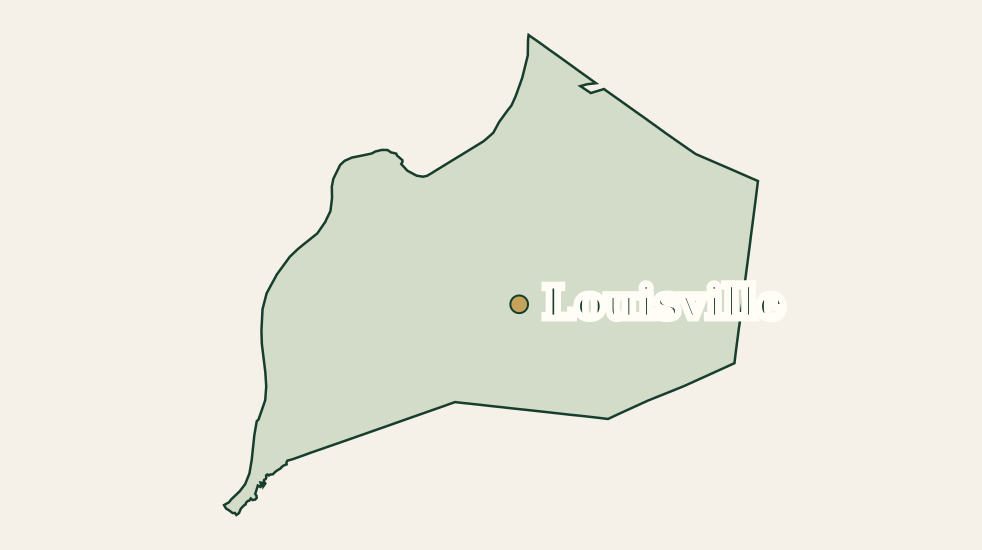
Jefferson County with Louisville marked
Louisville and the wider county comparisonPop. 783,022 · 2024

Jefferson County

Louisville introduces Jefferson County through museums, historic neighborhoods and Ohio River public places. The county, Louisville Metro, the Census metro-government balance and the wider metropolitan region answer different geographic questions. The balance excludes separately incorporated communities; a broad Louisville label does not identify every actual jurisdiction. Explore the cultural places that interest you, then compare the particular home, neighborhood and ordinary services. Keep regular household journeys alongside the first visit. An attractive riverfront or historic district does not describe every residence or its exposure and entrance. Use the actual address and property contact when preparing receiving.

Key communities

Louisville

Check mover credentials →
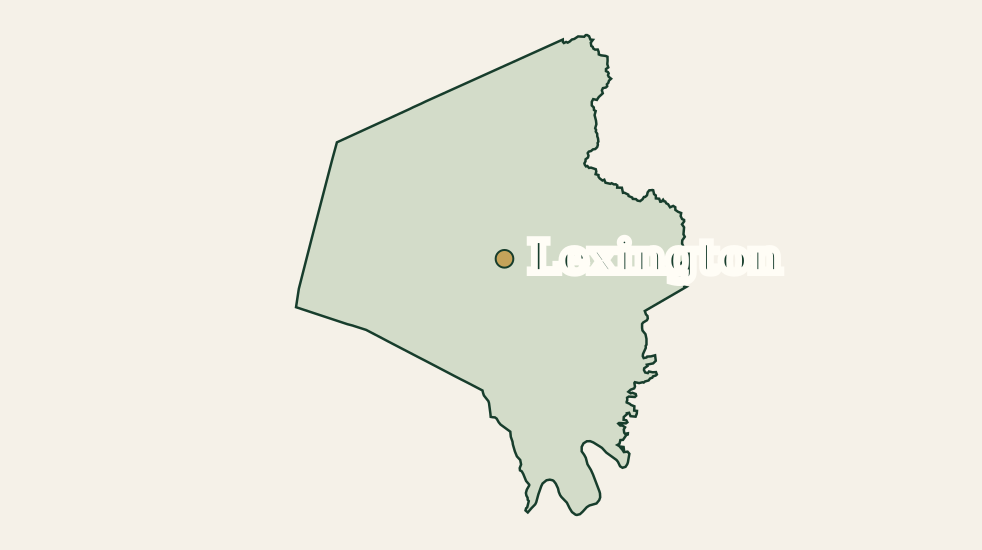
Fayette County with Lexington marked
Lexington-Fayette and the Bluegrass settingPop. 323,725 · 2024

Fayette County

Lexington-Fayette is an urban-county government with city districts and a wider Bluegrass setting. Downtown, Chevy Chase, Southland Drive and the Distillery District offer different introductions; a horse-country itinerary may extend beyond one district or jurisdiction. Georgetown and Nicholasville remain separate communities in a regional search. Compare the ordinary services, neighborhood and journeys around a prospective home rather than assuming the visitor route defines daily life. Keep the exact property and household contents central when preparing a move. A broad county map provides orientation, while the residence’s actual entrance and receiving arrangements need their own review.

Key communities

Lexington

Check mover credentials →
Warren County with Bowling Green marked
Bowling Green and a south-central comparisonPop. 140,918 · 2024

Warren County

Bowling Green introduces Warren County through museums, a historic-city setting and wider cave-country interests. The National Corvette Museum and RailPark provide different reasons to begin exploring, while regional attractions retain their own locations. A county comparison includes homes and communities beyond the featured city. Look at the actual neighborhood, ordinary services and regular journeys behind a first outing. A spacious historic room can still connect through a compact doorway or stair. Keep the residence and property contact clear when arranging collection or receiving; the county outline does not establish a vehicle approach or permission to use an entrance.

Key communities

Bowling Green

Check mover credentials →
Kenton County with Covington marked
Covington and distinct Northern Kentucky communitiesPop. 171,288 · 2024

Kenton County

Covington provides a Northern Kentucky introduction through riverfront interests, Roebling Point and Mainstrasse Village. Kenton County includes other communities and residential comparisons; Newport is a separate city in Campbell County, and Cincinnati lies across the river in Ohio. A metropolitan search can bring those places together while leaving their actual jurisdictions different. Compare the home, ordinary services and household journeys behind the regional label. Keep both endpoints and states clear in a moving brief. A short cross-river journey can be interstate, and the property’s own entrance, receiving appointment and permissions need review independently of a county map.

Key communities

Covington

Check mover credentials →
McCracken County with Paducah marked
Paducah arts and the western county settingPop. 67,564 · 2024

McCracken County

Paducah introduces McCracken County through museums, creative work, downtown and Lower Town. The National Quilt Museum and public cultural places provide different starting interests, while a western Kentucky lake-country itinerary can extend beyond the county. Keep the true location of each destination rather than treating a broad visitor label as a residential address. Compare the particular neighborhood, ordinary services and regular journeys around a prospective home. A porch-front cottage has its own contents, steps and clear openings. County orientation helps locate the comparison; the actual property contact and current receiving instructions govern the household’s arrangements.

Key communities

Paducah

Check mover credentials →
Pike County with Pikeville marked
Pikeville and the Appalachian county comparisonPop. 56,727 · 2024

Pike County

Pikeville introduces Pike County through arts, local history and a mountain-city setting. Bob Amos Park and the Appalachian Center for the Arts offer distinct public interests, while the county includes other communities and a much wider range of surroundings. A regional itinerary may reach destinations beyond the featured city, each with its own current access arrangements. Explore what matters to you, then examine the home, neighborhood and services behind the first visit. Keep regular journeys and current conditions central. The county outline provides orientation without settling the actual vehicle approach, entrance or receiving permission for a particular residence.

Key communities

Pikeville

Check mover credentials →

County population: 2024 ACS five-year estimates, U.S. Census Bureau. Period estimates describe people, not available homes or moving jobs. Read the source.

All 120 Kentucky counties

Kentucky planning

Plan from the furnished rooms and the pieces that will travel

Keep furniture in the access discussion. A room’s floor area does not tell the team how many items will travel or whether a cabinet can make a turn. Show sofas, chairs, tables and storage pieces, including items partly hidden behind others. Identify what stays at the property and what belongs to the shipment. A compact cottage and a larger historic-house unit can both contain substantial household contents.

Measure clear openings and the usable turning space beside them. Include the door leaf, frame, hardware and any screen or storm door that affects the path. Show stairs and landings, with the direction of each turn. A porch roof or attractive entrance does not establish the internal clearances. For the destination, review the complete route to the intended room rather than ending the discussion at the front threshold.

Agree any disassembly, packing and protection in advance. Check how floor protection fits the real entrance without creating a loose edge or preventing a door from working. The household obtains property permissions and makes the agreed path available; the carrier reviews the handling operation. Send updated information if a room layout, piece of furniture or stopping position changes. The resulting plan should make the same item recognizable from collection through placement and agreed reassembly.

A male mover smooths a finite protective runner inside a furnished cottage entrance
A mover smooths a protective runner flat beside the closed entrance.

Kentucky planning

Understand the declared value and keep a written record

For a Kentucky-only move, ask how the provider’s declared-value terms limit recovery and what additional protection is available. KYTC explains that many movers offer a base declared rate limiting responsibility to $0.60 per pound per article; it is not an insurance policy. Review the actual agreement, valuable articles and any additional charges before shipment. Do not assume the federal interstate protection framework automatically applies to an intrastate move.

Keep the estimate, bill of lading, inventory, photographs and correspondence. Read the shipment documents for the applicable claim limits and procedure. KYTC advises reporting damage promptly and confirming the concern in writing. Preserve damaged items so the mover or adjuster can inspect them. A quick phone call can alert the provider, while a clear written record identifies the shipment, the problem and the response requested.

If a concern remains unresolved, use the Cabinet’s current household-goods consumer-complaint process. Keep a regulatory complaint distinct from a shipment claim against the carrier, and retain copies of what you submit. This guide does not import another state’s claim deadline or promise a particular recovery. The actual Kentucky framework and shipment records determine the applicable next step; asking early leaves time to understand the terms before the goods are handed over.

Who does what

A little coordination before moving day

You, the moving team and your building contacts each handle a different part of getting the move ready.

01 Moving checklist

The household

Choose what moves, keep the inventory accurate and obtain permission to use both properties.

02 Moving checklist

The moving team

Review the shipment and access, explain the proposed work and identify the coordinating contact.

03 Moving checklist

The building and receiver

Keep the agreed entrance and appointment available and prepare to direct and check delivery.

Kentucky planning

Verify who arranges and who carries the interstate shipment

Use FMCSA’s mover and broker records to check the business involved in an interstate household move. Match the name and identifying information on the proposal, and establish whether the business is arranging transport as a broker or performing it as a carrier. A trading name, advertisement or number displayed on a page is not the whole check. Review the actual role and current record.

Read the written estimate, shipping documents, inventory and protection choices before signing. FMCSA explains the role of the bill of lading and the inventory, and warns against blank documents. Keep a copy of the agreed work and record changes so that the household, coordinator and receiving person can work from the same information. Ask how a disputed charge, missing item, damage or delay should be reported.

At collection and delivery, use the inventory to identify what travels and its recorded condition. Be present or arrange an authorized person who can check the goods and communicate concerns. Keep the federal complaint process separate from the shipment’s claim requirements. For the agreed company interstate work, confirm the flat rate, delivery model and included services with the coordinator before collection rather than inferring them from a general guide.

Kentucky planning

Check current warnings and the property’s ability to receive

Review official weather information for both properties and the route as the moving date approaches. Heavy rain, flood closures, severe thunderstorms or winter conditions can change access and receiver availability. A photograph taken on a dry day does not establish current road or entrance conditions. Keep a practical household plan for warnings while furniture and ordinary supplies are unavailable.

Use National Weather Service safety resources and current local instructions. Tornadoes can occur at any time of day or year; know the appropriate shelter before a warning interrupts the move. Never drive or walk into floodwater or around a closure barrier. Put essential medicines, communications and the items needed for an interrupted journey with the household rather than in a shipment that may not be immediately accessible.

Kentucky’s GoKY service provides changing traffic and travel information. A general map does not certify a commercial-vehicle route or a property’s permission to receive. If access or keys change, contact the coordinator promptly and explain the actual restriction. Agree any revised handover, storage or later delivery rather than assuming those arrangements are included. Public safety instructions and current property conditions should inform the next step alongside the shipment’s written schedule.

Kentucky planning

Confirm the stopping position and the complete carrying path

Ask the property contact where the moving vehicle may stop, what loading time is allowed and whether an appointment or permission is required. A visitor parking space, open curb or residential driveway may not be available for the proposed vehicle. Keep current instructions with the address and tell the carrier about gates, overhead obstructions and turning limits that need assessment.

Show how the goods reach the home from that position. A longer walk, porch steps, shared hallway or interior turn belongs in the proposal alongside the inventory and selected work. Explain whether an elevator must be reserved and whether another household or business shares the loading area. Obtain the building’s permission separately from the carrier’s review of road, vehicle and handling conditions.

Kentucky’s GoKY service provides current traffic and road-information tools, but those tools do not replace a route assessment for the actual vehicle. If access changes, ask the coordinator to review the alternative position and resulting work before treating it as equivalent. Keep the receiver and property contact informed. A workable plan gives the driver a permitted stopping place, the team a usable carrying route and the household clear responsibility for the arrangements it controls.

Moving routes

Where are you moving?

Describe the whole shipment, then match the agreement, preparation and receiving arrangements to the actual journey.

Within Kentucky

A Kentucky-only move

Verify the actual provider’s KYTC household-goods authority and applicable tariff.

Provider and records

Keep the written estimate, bill of lading, inventory and carrier contacts.

Charges and protection

Ask how the tariff and declared-value terms apply to this shipment.

Read Kentucky carrier guidance →

Across a state line

A nearby interstate journey

Give both properties equal attention even when the journey looks short.

Preparation

Keep the same contents, selected packing, furniture work and property conditions in the proposal.

Receiving

Confirm the delivery model, keys, appointments and authorized person at the destination.

Plan interstate moving →

A longer journey

Cross-country or Canada

Review transport and the household’s arrangements for the interval between homes.

Delivery model

Choose dedicated direct service or suitable consolidation with the actual destination window agreed.

Handover

Define any border, storage or provider stage through inventory, records, charges and a named receiver.

Review the full journey →

Direct service uses a dedicated truck and the same pickup and delivery crew. Suitable smaller consolidated shipments use a wider agreed window; confirm the model in writing.

Kentucky planning

Choose packing help from the actual contents

A small home can contain a substantial amount of packing. Count cupboards, books, dishes, decorations and stored belongings as well as large furniture. Decide which rooms or selected items you will prepare and which need team packing. Tell the coordinator about fragile ceramics, artwork, unusual shapes or objects that may require separate assessment before assuming an ordinary carton is suitable.

For the agreed company interstate service, packing uses working time and company-supplied boxes are charged separately. Moving blankets, shrink wrap and tape have no separate basic-material charge. Put the selected work and materials into the proposal. The household and crew should know which contents will be ready and which will need attention on collection day.

Use suitable containers and clear identification, and keep the inventory consistent with the load. Explain what is already packed and anything whose contents or condition may need review. Keep keys, identification, personal documents and journey essentials with the household. Do not bury the things needed during a delivery wait in the truck shipment. Packing should produce protected, identifiable goods while leaving the people traveling able to manage the journey and the first nights.

A male packer folds paper around a ceramic plate beside a sealed branded carton
A packer folds paper around a ceramic plate on the dining table.

Kentucky planning

Plan protection and reassembly as part of the same journey

Review furniture construction and access at both addresses before deciding how it should travel. Some pieces need basic disassembly, while others require separate assessment or a particular supported carrying position. Show removable shelves, delicate legs, heavy tops and projecting fittings. An unfamiliar object should be reviewed while there is time to agree the operation and any specialist involvement.

For the confirmed company interstate work, basic furniture disassembly and reassembly have no separate basic labor fee, but the work uses time. Moving blankets, shrink wrap and tape carry no separate basic-material charge. These terms do not establish that every unusual item or specialist task is included. Keep the actual preparation and receiving work in the agreed scope.

Identify hardware and removable components with the piece. Tell the receiver which furniture needs reassembly and where it belongs, and keep relevant instructions accessible. Protection should continue through transport and the carrying route until placement permits unwrapping. A useful plan considers the next physical action as well as the current one: whether the supported piece can pass the opening, turn safely and reach its intended position without a last-minute improvisation.

Kentucky planning

Use dated housing figures to ask better property questions

The 2024 American Community Survey five-year estimates describe 2,023,116 housing units in Kentucky. Of these, 1,365,469 are detached single-unit homes, about 67.5% of the housing stock. Another useful distinction is age: 181,655 units, about 9.0%, were built in 1939 or earlier. These are statewide estimates of units, not a count of available homes or a description of every neighborhood.

The occupied-housing denominator is different. Among 1,814,469 occupied units, the estimates identify 1,239,908 owner-occupied homes, about 68.3%, and 574,561 renter-occupied homes, about 31.7%. Do not use total housing units as the denominator for those tenure shares. Owner and renter households can both have substantial contents, stairs, building requirements or a gap between homes.

Use the figures to improve the questions rather than infer the move from a category. Ask about the actual openings, furniture, property permission and receiving arrangements. An older house may have been altered; a detached home can have compact internal turns. A county population estimate helps orient a geographic comparison but does not establish available housing, moving demand or the suitability of a particular residence. The planning table keeps each period and unit visible.

Kentucky planning

Separate residents changing state from moving-company demand

The 2024 ACS one-year mobility table estimates that 2.1% of Kentucky residents age one and older lived in another U.S. state one year earlier. This is a people-based mobility measure with a specific population and period. It is not a net-migration rate, a household count or the number of shipments available to a moving company.

People can change residence for many reasons and carry very different amounts of furniture. One household may arrive together; another may move in stages or take only a small selection of possessions. The state-level figure does not identify an individual’s reason, budget or preferred delivery model. It also does not show which municipality, neighborhood or property would suit a particular household.

For the actual proposal, provide the addresses, contents, selected work and dates. Explain any fixed receiving appointment or uncertain next address. Let those facts guide the discussion of direct service, suitable consolidation and any separately agreed storage. Population and housing evidence can organize research, while the household’s inventory and access determine what needs to be planned. Keep estimates, geographic references and the company’s confirmed service scope distinct throughout the decision.

Kentucky planning

Review both ends of a short journey across a state line

Kentucky borders Illinois, Indiana, Ohio, West Virginia, Virginia, Tennessee and Missouri. A nearby destination can still involve a state boundary, different property arrangements and a different carrier framework. Covington and Cincinnati illustrate why a shared metropolitan label does not make a cross-river household shipment Kentucky-only. Keep both complete addresses with the proposal.

Give collection and receiving equal attention. Show the contents, stopping place, entrance and turning space at the origin, then repeat the review for the destination. Confirm keys, any building appointment and the person authorized to receive. A familiar drive between cities does not establish a lawful commercial-vehicle approach, unrestricted parking or a guaranteed delivery hour.

For the company’s reviewed interstate work, compare the same inventory, preparation and selected services in each proposal. Discuss the delivery model and any fixed receiving constraint before collection. Tell the coordinator if the household must hand over one property before the next is available. Short road distance alone does not settle same-day suitability or eliminate the need for a complete plan. The useful result is a journey with clear responsibilities at both ends.

Kentucky planning

Match delivery to keys and someone who can receive

Choose dates around the points at which both properties can actually be used. Confirm when the origin must be cleared, when the new home is available and whether a building requires a loading appointment. Keep uncertainty about closing, keys or tenancy in the brief. A preferred arrival day is not enough if no authorized person can admit the team and direct receiving.

The company interstate delivery window begins after pickup and loading are complete. Discuss the delivery model and proposed window before collection. Direct delivery uses a dedicated truck and the same moving crew at pickup and drop-off. Suitable small shipments may use consolidated delivery with a wider agreed window. The receiving household needs arrangements that work for the selected option.

Do not infer a Kentucky delivery range from another state’s published maximum or a passenger-car driving estimate. The exact route, load, work and receiving conditions need review. Tell the coordinator about a fixed elevator slot, a limited receiver or a storage deadline early. If access or keys change, communicate that promptly so the effect can be agreed. Keep essentials with the household for the interval between collection and usable furniture at the new home.

Kentucky planning

Choose the delivery model before committing the household schedule

For a longer interstate move, discuss how the shipment will travel and how the household will manage the receiving interval. Direct company delivery uses a dedicated truck and the same moving crew at pickup and drop-off. Consolidated delivery is available for suitable small shipments with a wider agreed window. Ask which model is proposed and make sure the home and receiving person can accommodate it.

Keep destination-specific terms attached to the destination. Company consolidated limits include up to 60 days for Florida or Canada and up to 90 days for California, beginning after pickup and loading are complete. Other longer routes require individual agreement. A western destination does not automatically inherit California’s window, and Kentucky does not inherit a default merely because another route is shown in a guide.

The agreed interstate flat rate stays the same for the same shipment and service scope when the journey or delivery takes longer. Added goods or services require separate review and written agreement. Keep travel essentials, temporary living needs and property availability in view when choosing the model. A larger buffer is useful only if it reflects a real arrangement for the people, goods and receiver.

Common moving situations

How the plan changes with your needs

These are conditional planning situations, not reports of customer jobs. Each connects a property or timing issue with a decision to settle before collection.

A porch-front cottage with a compact room

A cottage has front steps and substantial living-room furniture.

What to do. Show the clear doorway, turning space and largest pieces before agreeing preparation.

Why it helps. The receiving plan follows the furniture into its intended room.

A historic-house unit with upstairs bedrooms

Large downstairs rooms connect to a narrow stair and landing.

What to do. Identify which pieces go upstairs and review the full route, including agreed disassembly.

Why it helps. Room size is kept separate from usable stair and doorway clearance.

A short move across the Ohio River

The household compares Covington and a Cincinnati address.

What to do. Retain both complete addresses and review the interstate provider, preparation and receiving appointment.

Why it helps. A shared metropolitan label does not hide the state boundary.

A warning changes the receiving day

Flood closure or a severe-weather warning prevents safe access.

What to do. Follow official instructions, notify the coordinator and agree any next storage or handover stage.

Why it helps. People and goods have clear next arrangements without assumed free storage.

Kentucky planning

Give a Canadian arrival or separate handover its own records

For a Kentucky–Canada household move, explain the full origin, destination, goods and receiving dates before requesting a proposal. Check CBSA guidance for the actual arrival category and circumstances. The mover’s transport arrangement does not establish a person’s immigration status, entitlement to duty relief or the admissibility of every item.

CBSA describes lists for goods arriving with you and goods to follow, and the records needed at the first arrival. Ownership and use conditions differ by category, and some goods have separate restrictions. Keep the relevant personal documents and the household inventory accessible to the person responsible for them. Review the actual case instead of assuming that ordinary household use makes everything automatically eligible.

If any journey includes storage or another provider, name the receiving party and define what is handed over. Agree inventory, condition records, protection, access, charges and the next delivery responsibility. A handover should remain traceable through the same goods and records. Ask the coordinator to review any unusual routing or destination; this guide does not create an automatic commitment for every separate transport mode, noncontiguous destination or international stage.

Kentucky planning

Compare the same inventory, access and work

Prepare one useful household brief before comparing prices. Include the two addresses, complete contents, photographs of difficult access, packing choices and large or unusual pieces. Floor area provides context but does not describe how many books, dishes or stored belongings will travel. Two similarly sized homes can require quite different preparation and labor.

For the confirmed company interstate work, the price is an agreed flat rate for the defined shipment and services. A longer journey or delivery interval does not change that price for the same scope. Additions and changes need separate review and written agreement. Keep the latest inventory and access instructions with the proposal so that the price refers to the work actually being planned.

Check individual service terms as well. Packing and basic furniture preparation use working time; supplied boxes are separate. Basic blankets, shrink wrap and tape have no separate material charge. Optional carton unpacking and packaging-waste removal are distinct choices, and unusual work needs review. Ask what is included, what must be ready and how payment is arranged. This makes a comparison useful without publishing a generic price that ignores the household and property.

Kentucky planning

Resolve the biggest uncertainty before the final week

Begin with the things that could change the entire plan: uncertain keys, a large piece, a difficult approach or a fixed receiving appointment. Send enough information for the team to review those points while alternatives are still possible. Then confirm the inventory, chosen work, delivery model and written proposal together, rather than treating them as unrelated decisions.

As collection approaches, finish the packing assigned to the household and separate the things traveling with the people. Keep hardware, room labels and contents identification useful. Reconfirm entrances, appointments and contacts at both properties. A short update about changed access can prevent the team and receiver from relying on an earlier photograph or arrangement.

On collection day, use the inventory and retain copies of the relevant records. During the journey, remain reachable about receiving conditions. Before delivery, ensure the permitted stopping place, working path and authorized receiver are ready. If the new home cannot accept the goods, agree what happens next instead of assuming the shipment can wait indefinitely. The timeline should connect decisions to their practical purpose: protected goods, clear responsibility and a home that can actually receive.

Kentucky planning

Prepare placement and checking before the vehicle arrives

Decide where the larger pieces belong and make the intended rooms available. Check that the agreed entrance, shared spaces and stopping position remain usable. Have an authorized receiver ready with the inventory, placement instructions, included-work list and coordinator contact. Someone who can unlock the door may still need information to handle the rest of receiving.

As goods arrive, compare them with the inventory and record concerns about missing items or condition. Keep photographs and relevant paperwork so a later question can be explained clearly. Ask how to report a concern and follow the applicable written claim procedure promptly. An agency complaint is a separate route and should not replace the shipment’s own records or requirements.

Furniture unwrapping is part of the agreed company service. Opening cartons and removing their contents is optional work charged for time, and packaging-waste removal is separate. Explain which tasks you want and make sure the receiver understands the same scope. Keep the path clear while furniture is placed and prepared for use. Receiving is complete enough to be useful when the household knows what arrived, where it is and what remains to be addressed.

A male mover lifts a loose navy pad from a placed gray sofa in a furnished room
A mover lifts a loose moving pad from a sofa after placement.

Kentucky planning

Define storage and the later delivery before collection

If keys or the new property are uncertain, discuss the gap while there is time to agree a plan. Identify where the goods would go, who receives them and who is responsible for the later delivery. Keep the inventory, condition records, protection choices and access arrangements connected through that handover. Storage is an operation with its own responsibilities and charges.

Ask what happens if the expected release date changes. Establish who can authorize collection from storage, what notice or appointment is required and which work is included in the next stage. The household should know how to contact the responsible party and which records to keep. Avoid an arrangement that depends on an unnamed receiver or an assumed loading opportunity.

A consolidated delivery window is not a promise of free storage. Keep daily essentials and documents with the household for the time the furniture is unavailable. Review temporary living needs separately from the transport proposal. The goal is a defined location for the goods, an identifiable receiving party and a practical route to the final home. If the original destination becomes available sooner or later, communicate the change before treating it as an automatic alteration to the agreement.

Kentucky planning

Separate daily essentials from driver and vehicle tasks

Keep the first days manageable by carrying medicines, identification, chargers, basic clothing and documents with the household. Choose the rooms and items needed first, then make books, kitchen supplies and ordinary storage usable in stages. Distinguish furniture unwrapping from optional carton unpacking. If extra help is wanted, describe the work to the coordinator so its scope and timing can be agreed.

New Kentucky residents must obtain a Kentucky driver credential within 30 days of establishing residency. Driver transfers take place at Driver Licensing Regional Offices. Review the current identity, legal-presence, Social Security, residence and previous-credential checklist; REAL ID requires its own documents. Testing requirements depend on the actual license and applicant, so use the current transfer guidance rather than assuming every case is identical.

Vehicle title and registration are separate county-clerk tasks, including Kentucky insurance and the applicable out-of-state inspection and title records. The current KRS 186.020 and KYTC insurance guidance specify a 15-day registration-application period for a vehicle brought into Kentucky. The New to Kentucky page contains conflicting introductory wording, so contact the county clerk promptly for the actual case and use the current statutory requirements. Financed, leased, student and military cases may need different treatment. Do not wait for the driver appointment before checking the vehicle procedure.

A woman sets a framed photograph on a console while a dog rests on the rug
A woman sets a framed photograph on a console table.

Kentucky planning

Bring the place comparison and moving brief together

Choose a few communities to explore, then examine the actual home and everyday journeys. Use city portraits, county profiles and the map as starting points rather than as proof that every address has the same surroundings. Keep the exact jurisdiction and property instructions with the address, particularly when a mailing label or visitor region covers more than one community.

For the move, send the complete contents, two addresses, dates and selected services. Show vehicle access, carrying routes and the pieces that need special attention. Explain uncertain keys, building appointments, storage or another provider’s handover. The coordinator can then review a concrete household operation rather than a general destination and an approximate room count.

Before collection, read the agreed inventory, price, protection, payment and delivery terms together. Keep the household’s travel essentials apart and prepare an authorized receiver. At delivery, direct placement, check the goods and retain useful records. The finished plan should answer what moves, what work is included, how the properties can be used and who is responsible at each stage. Revisit those answers whenever the contents, access or receiving conditions change.

Verified data

Kentucky planning data

Planning factEstimateVintageSource
Total housing units2,023,1162024 ACS 5-yearU.S. Census Bureau
Detached single-unit homes1,365,469 · 67.5% of housing units2024 ACS 5-yearU.S. Census Bureau
Homes built in 1939 or earlier181,655 · 9.0% of housing units2024 ACS 5-yearU.S. Census Bureau
Owner-occupied homes1,239,908 · 68.3% of occupied homes2024 ACS 5-yearU.S. Census Bureau
Renter-occupied homes574,561 · 31.7% of occupied homes2024 ACS 5-yearU.S. Census Bureau
Residents age 1+ from another U.S. state one year earlier2.1% · not net migration or shipments2024 ACS 1-yearU.S. Census Bureau

Planning answers

Kentucky moving questions

Straightforward answers about prices, packing, delivery and getting settled.

Ask about your move
How should I start comparing Kentucky communities?

Choose a few contrasting settings, then examine the actual home, neighborhood and ordinary journeys. Louisville, Lexington, Covington, Bowling Green and smaller regional communities offer different introductions. Use the map, portraits and county profiles to form a shortlist. A visitor attraction does not describe every address or settle the household’s service needs.

Does this guide establish a local company office in every featured city?

No. The portraits and county profiles help compare places and prepare a household. Confirmed company statements here concern reviewed interstate work involving Kentucky. Send the coordinator the actual origin, destination, contents and dates so the proposed service can be assessed. A place appearing in the guide does not establish unrestricted local service or confirmed availability.

Are Louisville, Jefferson County and the metro region the same geography?

No. Their boundaries and purposes differ. The Census Louisville/Jefferson County metro government balance excludes separately incorporated places and is different from the whole county and wider metro. Lexington-Fayette is an urban-county government. Keep the actual address and jurisdiction when comparing a residence or arranging receiving.

Which Kentucky regions can help organize a search?

Kentucky Tourism uses nine visitor regions: Bourbon, Horses & History; Northern Kentucky River Region; Daniel Boone Country; Bluegrass, Horses, Bourbon, and Boone Region; Western Waterlands; Kentucky Appalachians; Bluegrass, Blues & BBQ; Caves, Lakes & Corvettes; and Southern Kentucky Vacations. Use them to explore places, then retain the actual municipality, county and property. Attractions in a regional itinerary may lie outside the featured city.

What information is most useful for a moving proposal?

Send the two addresses, complete inventory, dates, selected packing and photographs of access. Identify large or unusual pieces, uncertain keys, a building appointment and any storage or provider handover. Floor area is context rather than a substitute for contents. Update the coordinator when goods, work or access change so the written proposal remains tied to the household being moved.

How do I check a mover for a Kentucky-only household move?

Use KYTC’s current household-goods resources to verify the exact provider’s operating authority. Ask for the applicable filed tariff, a written estimate and the shipment’s declared-value terms. A USDOT number alone does not establish Kentucky intrastate authority. Keep the company’s interstate service policy separate from the actual Kentucky-only agreement.

Does a Kentucky intrastate estimate guarantee the final price?

An estimate is not automatically a guaranteed bid. Ask how the tariff, inventory and selected services determine charges, and retain the estimate after the carrier’s visual inspection. The rule generally requires notice when actual charges exceed an estimate by more than 10% or $25, whichever is greater, subject to its timing and exceptions. This is not an absolute final-price cap. The estimated-cost-of-services form is distinct from the bill of lading; the regulation says the shipper must not sign that estimate form.

What should I show for an older brick cottage?

Show the complete furniture route from the proposed stopping position: porch steps, usable door opening, interior archways and turning space. Include dimensions and photographs of the largest pieces as well as the rooms. A compact floor area can hold substantial contents. Have the team review preparation and handling before collection, and obtain property permission separately.

What should I do about damage on a Kentucky-only move?

Report the concern promptly to the mover and confirm it in writing. Preserve the items, photographs, inventory and shipment documents. Read the bill of lading for the applicable claim terms and limits rather than importing another state’s deadline. If the issue remains unresolved, KYTC’s current consumer-complaint process is a separate regulatory route; it does not replace the carrier claim.

Is a Kentucky declared-value limit the same as interstate protection?

No. Review the actual Kentucky-only agreement and available protection. KYTC describes a common base declared rate of $0.60 per pound per article, which is not an insurance policy. Federal interstate household-goods protection follows a different framework. Confirm the applicable terms, exclusions, declared articles and charges before handing over the shipment.

How do I check an interstate mover or broker?

Match the business on the proposal with FMCSA’s current mover and broker records, and establish its role in arranging or performing transportation. Read the estimate, bill of lading, inventory and protection choices, and keep copies. Ask how changes and concerns are reported. A displayed name or number is a starting point for verification, not a substitute for checking the actual business and agreement.

Is direct delivery different from consolidated delivery?

Yes. Company direct delivery uses a dedicated truck and the same moving crew at pickup and drop-off. Suitable small shipments may use consolidated delivery with a wider agreed window. Confirm the proposed model, dates and receiving responsibilities before collection. The household needs arrangements that work for the chosen window, including keys, an authorized receiver and essentials kept outside the shipment.

Does every longer Kentucky route have the same consolidated delivery window?

No. Other longer routes require individual agreement. The confirmed destination-specific consolidated limits include up to 60 days for Florida or Canada and up to 90 days for California, starting after pickup and loading are complete. Do not transfer California’s limit to another western state or assume Kentucky has the same default. Discuss the actual route and receiving conditions with the coordinator.

Will the company interstate price rise if delivery takes longer?

No, the agreed flat rate stays the same for the same shipment and service scope when the journey or delivery takes longer. Added goods, different work or changed arrangements need separate review and written agreement. Keep the current inventory, access information and selected services with the proposal so the price is attached to a clear scope.

Are packing and supplied boxes included on the same basis?

No. Packing uses working time, while company-supplied boxes are charged separately. Basic moving blankets, shrink wrap and tape have no separate material charge for the agreed company work. Identify which contents the household will pack and which need team preparation, and record the selected work and materials in the proposal. A small room count does not describe the amount of packing.

How is basic furniture disassembly handled?

For the confirmed company service, basic disassembly and reassembly have no separate basic labor fee but use working time. Show the furniture and route so the necessary preparation can be reviewed. Unusual items or specialist operations need their own assessment. Keep hardware and removable components identified, and give the receiver the placement and preparation instructions for delivery.

What if the moving vehicle cannot use the expected stopping place?

Tell the coordinator as soon as the issue is known and have the alternative position and carrying route reviewed. Building or curb permission is separate from the carrier’s road and vehicle requirements. A changed position can change the access and work. Keep the actual entrance, appointments and responsible property contact available instead of assuming an empty-looking space can be used.

Does a low house or attached garage guarantee step-free receiving?

No. The driveway can reach a garage while the furniture entrance has separate porch steps or a narrow turn. Show the actual route from the permitted stopping place to the intended rooms. Include the door leaf, frame, hardware and any screen or storm door. The carrier needs the real furniture path rather than an inference from a listing’s floor count.

Does delivery include opening all cartons and removing the packaging?

No. Furniture unwrapping is part of the agreed company service. Carton unpacking is optional work charged for time, and packaging-waste removal is separate. Specify the contents you want unpacked and what should happen to the waste. Give the receiver the included-work list so the household and team share the same expectations at delivery.

Can someone else receive the shipment for me?

Yes, arrange an authorized receiver before delivery. Give them the inventory, room plan, included-work list and coordinator contact. They should be able to direct placement, check the goods, record concerns and sign the relevant records. Confirm their availability for the agreed window; unlocking the door alone does not cover the full receiving task.

What if the Kentucky home is not ready for delivery?

Agree a defined storage and later-delivery arrangement, preferably before collection. Identify the location, receiver, inventory, protection, access, charges and responsibility for the next stage. Keep essentials with the household while furniture is unavailable. A consolidated window does not promise free storage, and uncertain keys should be discussed before they become a blocked receiving appointment.

How should I prepare for a tornado warning during the move?

Know the shelter and communication plan before moving day. Follow current official warnings. National Weather Service guidance directs people to a basement, safe room or interior room away from windows; outside, seek a sturdy building. A vehicle or outdoor loading area is unsafe in a tornado. Tell the coordinator about changed access or receiving availability, and never enter floodwater or go around a closure.

Where do new Kentucky residents handle driver and vehicle records?

Driver transfers take place at Driver Licensing Regional Offices, with a Kentucky credential due within 30 days of establishing residency. Vehicle title and registration are separate county-clerk tasks. Current KRS 186.020 and KYTC insurance guidance specify a 15-day registration-application period for a vehicle brought into Kentucky. Start promptly, confirm the actual case with the clerk, and gather the insurance, title, inspection and identity records required.

How should I begin a Kentucky–Canada household move?

Describe the full journey, goods, dates and receiving conditions to the coordinator. Check CBSA requirements for the actual arrival category, goods accompanying you and goods to follow. Keep relevant personal and inventory records accessible. Any storage or provider handover needs clear responsibility and charges. Transport arrangements do not establish immigration eligibility, automatic duty relief or admissibility for every item.

Primary sources

Sources for the decisions in this guide

Official resources for choosing a community in Kentucky and preparing the move. Figures retain their stated dates; follow current agency guidance for your own circumstances.

Kentucky-only carriers, estimates and protection

2 sources
  • Household Goods · consumer guidanceKentucky Transportation Cabinet · DRIVE

    Intrastate authority, filed tariff, estimates, declared-value terms, shipment documents and written consumer complaints; check the actual provider.

  • 601 KAR 1:080 · Household goods carriersKentucky Legislative Research Commission

    Current posting certified August 27, 2026: visual-inspection estimate, charges and notification, bill of lading and freight bill. Notification thresholds are not absolute final-price caps.

Interstate transport and Canadian arrival

4 sources
  • Protect Your MoveFederal Motor Carrier Safety Administration

    Federal household-goods consumer resources and required information; complaints do not replace shipment claims.

  • Movers and brokersFederal Motor Carrier Safety Administration

    Different roles and registration requirements, with links to current mover records.

  • Valuation and protectionFederal Motor Carrier Safety Administration

    Full Value Protection and signed Released Value election; valuation is different from a separate insurance policy.

  • Moving or returning to CanadaCanada Border Services Agency

    Actual arrival category, ownership/use requirements, accompanying goods and goods to follow.

New-resident driver and vehicle tasks

4 sources
  • New to KentuckyKentucky Transportation Cabinet · DRIVE

    Driver transfer within 30 days; Regional Offices and document checklist. Introductory vehicle-deadline wording conflicts with the page’s later 15-day statement; use current statute and contact the county clerk.

  • Vehicle titlingKentucky Transportation Cabinet · DRIVE

    Out-of-state title application, insurance, identity, sheriff inspection and county-clerk process; financed or leased cases need their own records.

  • Mandatory insurance · moving to KentuckyKentucky Transportation Cabinet · DRIVE

    Kentucky insurance and KRS 186.020 registration-application period of 15 days for a vehicle brought into the state; exceptions need their own review.

  • KRS 186.020 · current through January 1, 2027Kentucky General Assembly · Legislative Research Commission

    Subsection (1) specifies registration application within 15 days for a vehicle purchased or brought into Kentucky; use the version applicable to the actual date.

Communities, regions and housing context

14 sources
  • Kentucky regions and citiesKentucky Department of Tourism

    Nine visitor regions organize exploration; they are not municipal or county boundaries.

  • LouisvilleLouisville Tourism

    Downtown museums, architecture and Ohio River public places; actual neighborhood and jurisdiction remain distinct.

  • LexingtonVisitLEX

    Downtown, Chevy Chase, Southland Drive, Distillery District and other city districts.

  • Bowling GreenBowling Green Area Convention & Visitors Bureau

    Corvette Museum, RailPark, Downing Museum and wider cave interests; check actual location and current visits.

  • OwensboroOwensboro-Daviess County Convention & Visitors Bureau

    Music, museums, Smothers Park, botanical garden and Ohio River setting.

  • CovingtonmeetNKY · Northern Kentucky Convention & Visitors Bureau

    Roebling Point, Mainstrasse and distinct Northern Kentucky neighborhoods; Cincinnati is in Ohio.

  • FrankfortFrankfort/Franklin County Tourist & Convention Commission

    Public art, downtown history and regional tours; current hours and reservations checked separately.

  • PaducahPaducah Convention & Visitors Bureau

    National Quilt Museum, galleries, performance and Lower Town arts and architecture.

  • ElizabethtownElizabethtown Tourism & Convention Bureau

    Downtown shops, restaurants and historical setting, with current event arrangements separate.

  • RichmondRichmond Tourism

    Historical walking tour, Irvinton House and wider seasonal historic sites; retain actual locations.

  • GeorgetownCity of Georgetown

    Historic downtown, Ward Hall and wider horse-country visitor interests; retain each destination’s actual location.

  • SomersetSomerset Tourism

    Downtown arts, mural trail, shops and wider Lake Cumberland interests; not every city residence is waterfront.

  • PikevillePikeville City Tourism

    Appalachian arts, history and Bob Amos Park; older listings do not certify current operating hours.

  • Old LouisvilleLouisville Tourism

    Victorian residential character and mature trees; qualitative setting, not a statewide housing description.

Weather and changing road information

4 sources
  • Tornado safetyNOAA · National Weather Service

    Prepare for warnings; tornadoes can occur at any time of day or year.

  • During a tornadoNOAA · National Weather Service

    Shelter in a basement, safe room or interior room away from windows; outside seek a sturdy building. A vehicle is not a safe tornado shelter.

  • GoKY traffic and travel informationKentucky Transportation Cabinet · DRIVE

    Dynamic current travel information; no current road state or commercial-vehicle route certified in this article.

  • Flooded-road safetyNOAA · National Weather Service

    Never enter floodwater or go around a closure barrier.

Dated housing, population and geographic evidence

7 sources

Photographs are original representative illustrations, not customer jobs or identified addresses.

Let’s plan your move

Tell us about your Kentucky move.

Tell us where you are moving, what you are taking and your preferred dates. Add any packing, furniture preparation, unpacking or storage help you need.

A Sterling Oakbridge move coordinator in the planning office