A woman walks a brown dog past light-sided Tennessee houses and autumn trees

State moving guide

Moving to Tennessee: A Practical Guide

Explore Tennessee’s river cities, cultural neighborhoods and eastern mountain communities. Compare places, understand the moving arrangements and prepare the home for delivery.

Tennessee planning

Find the Tennessee setting that suits your ordinary week

Start with the part of Tennessee you want to investigate. Memphis offers Mississippi River surroundings and a distinct music and neighborhood culture in the west. Nashville brings another collection of urban districts in the center. Knoxville and Chattanooga provide different eastern city comparisons, while smaller places add historic downtowns, public trails, arts and regional landscapes. The map locates twelve starting points; the portraits explain why each might interest you.

Then look beyond a visitor’s itinerary. Explore the neighborhood, the services you would use and the journeys that belong to your usual week. A riverfront, music district or mountain outing can introduce a place without describing every residential street. Compare the actual home with the setting that first caught your attention. A broad search label may cover several communities and different property arrangements.

If the move is already taking shape, bring together the two addresses, contents, dates and receiving conditions. Sterling Oakbridge plans interstate household moves involving Tennessee, subject to review of the journey and work. This guide’s place descriptions do not establish a local company office or availability for every Tennessee-only request. Use the local information to choose where to investigate and the practical sections to define the household work.
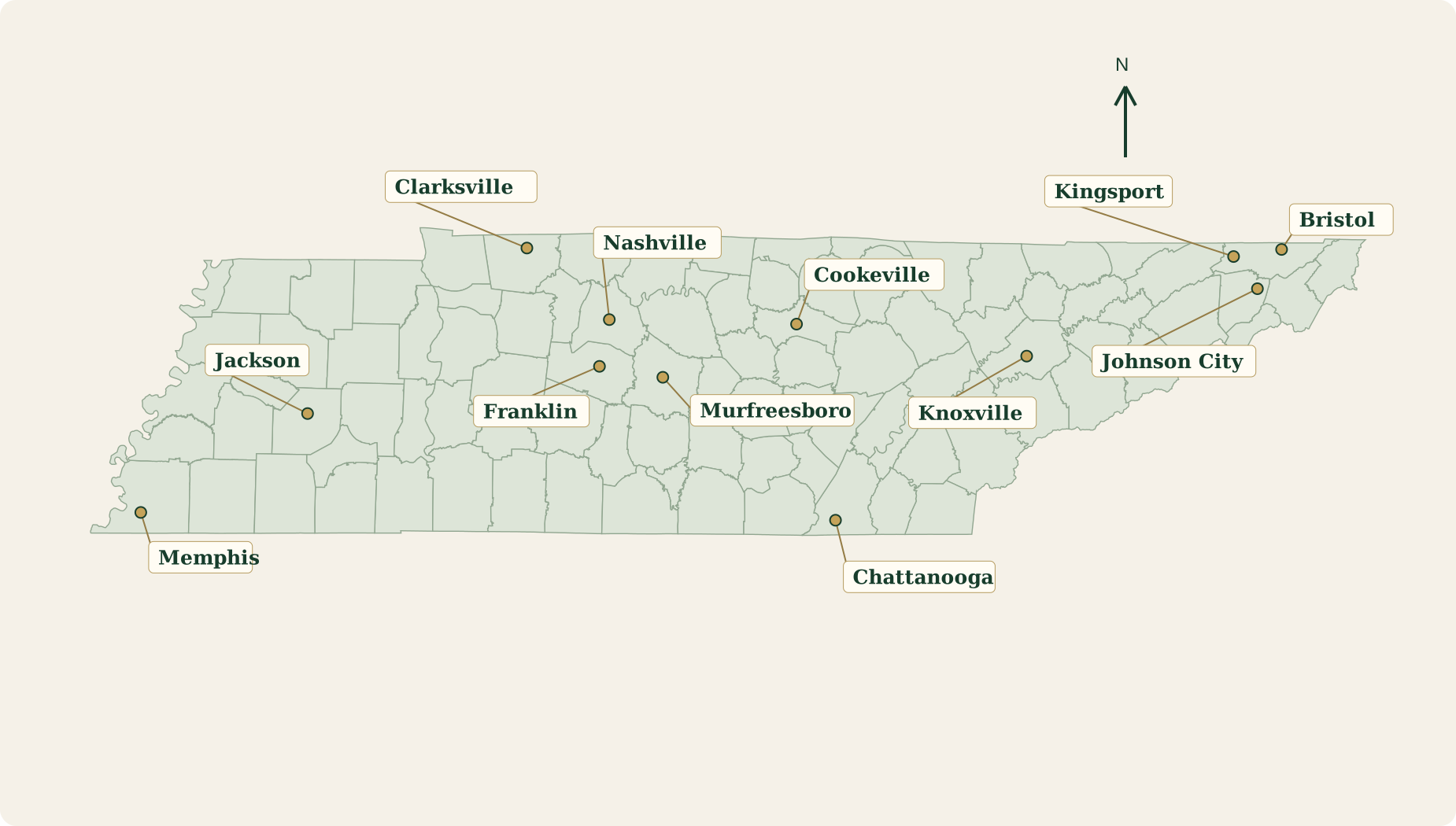

Tennessee cities and regions
Explore twelve Tennessee communities from the Mississippi River region through central neighborhoods to eastern cities and mountain surroundings.

Tennessee planning

Compare western river life, central neighborhoods and eastern communities

Memphis is a useful western starting point through its waterfront, music and individual districts. Downtown, South Main and Midtown offer different ways to explore public life. Jackson provides a separate West Tennessee comparison through music heritage and town destinations. A regional outing from either city is a journey to another place, rather than a feature of every home advertised under that city name.

In central Tennessee, compare Nashville’s varied neighborhoods with Clarksville, Murfreesboro and Franklin as separate communities. Their historic streets, arts and public spaces give each an identity. Nashville’s metropolitan-government balance, Davidson County and the wider Nashville visitor region are different geographic descriptions. Nearby municipalities should retain their own names and boundaries when you compare addresses.

Knoxville and Chattanooga offer two different eastern urban starting points. Johnson City, Kingsport and Bristol add distinct northeastern communities; Cookeville provides another downtown and regional-landscape comparison. A mountain trail, waterfall or attraction on a regional tourism site may lie outside the city. Locate the home, everyday destinations and jurisdiction separately. This makes the comparison useful for living there as well as visiting, and gives the moving team an exact destination for reviewing the approach and receiving arrangements.

City portraits

Explore Tennessee’s cities

Compare twelve Tennessee communities through their public life, culture and surroundings. Explore the actual neighborhood and home alongside the places that interest you.

Two adults talk beside a cafe table on a Nashville neighborhood sidewalkTN

Nashville

Nashville offers several different urban starting points through music, art and neighborhood streets. SoBro and the Gulch bring one city experience, while East Nashville and Wedgewood-Houston offer other cultural settings. Explore the districts that interest you, then compare the residential streets and regular journeys behind the visitor introduction. The metropolitan-government balance, Davidson County and wider tourism region are different geographic areas; separate municipalities such as Berry Hill retain their own identity. A neighborhood portrait can guide a visit while the exact address, services and home determine whether the place suits an ordinary week.

People walk, cycle and sit beside the Mississippi River in a Memphis riverfront illustrationTN

Memphis

Memphis combines Mississippi River surroundings with distinct music and neighborhood culture. Downtown, South Main and the Edge offer one group of public destinations; Cooper-Young, Overton Square, Broad Avenue and Crosstown provide other ways to explore Midtown. Follow the places that interest you, then investigate the actual neighborhood and the services the household would use. A regional visitor description may also include separate Germantown or Collierville, which should retain their own locations. Compare the particular home and daily journeys with the waterfront, arts or music that first drew your attention.

A young adult reads a paperback at a table beside a Knoxville brick storefrontTN

Knoxville

Knoxville introduces eastern city life through public trails, arts alleys, history venues and the World's Fair Park setting. The Sunsphere gives one familiar point of orientation, while individual streets and neighborhoods offer their own everyday surroundings. Explore public places as part of a broader visit, then compare the home, services and journeys you would regularly use. A Knoxville-area property search can include wider Knox County locations and mailing labels. Confirm the address and jurisdiction separately rather than assuming every result shares the same municipal setting or approach.

A woman adjusts a bicycle saddlebag beside a Chattanooga riverfront rackTN

Chattanooga

Chattanooga offers a riverfront and an arts-oriented city comparison alongside wider outdoor surroundings. Public spaces, creative neighborhoods and music give reasons to explore the city itself before considering regional outings. Visit the residential area and the destinations that would belong to an ordinary week as well as the places that first attracted you. A trail or scenic itinerary is a separate journey, and it does not describe every home or establish a truck route. Compare the actual address, property approach and receiving arrangements with the cultural and landscape setting.

A man photographs a storefront detail on a Clarksville downtown sidewalkTN

Clarksville

Clarksville brings historic downtown streets, arts, rivers and trails into a separate central-to-northern Tennessee comparison. Its visitor descriptions cover several areas, so the particular neighborhood matters alongside the attractions. Explore the public spaces that interest you and the ordinary services and journeys the household would need. A downtown visit may reveal one part of the city while a prospective home sits in another setting. Confirm the address, building instructions and actual approach independently of a broad regional label or an itinerary. Use the cultural introduction to decide where to investigate further.

A woman carries a canvas bag along a Murfreesboro downtown sidewalkTN

Murfreesboro

Murfreesboro offers a historic downtown square, Cannonsburgh Village and greenway surroundings as starting points for a visit. The Rutherford County tourism region also includes separate Smyrna, La Vergne and Eagleville, so keep each destination's location clear. Explore the actual neighborhood and the places the household would use between outings. History and public spaces can help form a shortlist without describing every residential street. Compare the home, regular journeys and property arrangements separately, especially when a search result or visitor description uses the wider county name.

An older couple look into a gallery window on a Franklin commercial streetTN

Franklin

Franklin introduces a Main Street setting through history, music and public life. Its wider Williamson County visitor region includes other communities and rural destinations, which remain separate places when you compare addresses. Explore the downtown streets that interest you, then visit the neighborhood and services relevant to the household's ordinary week. A regional outing can explain the area's appeal without becoming a feature of every Franklin home. Review the actual property and receiving approach as well as the cultural setting, and keep the municipality or county location clear in the moving brief.

A man walks past a Jackson music shop carrying a closed guitar caseTN

Jackson

Jackson offers a West Tennessee comparison through music heritage, town destinations and Casey Jones Village. Blues, gospel and country connections provide different ways to begin exploring the area. Look beyond an outing to the residential neighborhood and the services you would use regularly. The particular home, journeys and receiving arrangements need their own review; a visitor introduction does not establish the conditions at an address. Jackson is a separate community comparison from Memphis, with its own public places and surroundings to investigate before deciding which setting fits the household.

A runner pauses with a water bottle beside a bench on a Johnson City greenway illustrationTN

Johnson City

Johnson City brings a northeastern downtown and arts setting together with trails and mountain surroundings. Tannery Knobs Bike Park and the Tweetsie Trail provide outdoor starting points, while the city has ordinary residential streets and daily destinations to explore. Regional tourism material also describes institutions in other communities, so locate each outing separately. Visit the actual neighborhood and compare the services and journeys the household would use. A trail visit can introduce the setting without establishing the suitability, jurisdiction or approach of a particular home.

A woman looks at handmade pottery in a Kingsport shop windowTN

Kingsport

Kingsport offers public life through makers, music, cultural destinations and its hand-carved carousel. These provide a different northeastern starting point for exploring the city and wider surroundings. Follow the places that interest you, then compare the particular neighborhood and the ordinary journeys needed by the household. A visitor highlight is an introduction rather than a description of every address. Check the actual home, local services and property approach independently, and keep regional destinations distinct from the residential place you are considering. The comparison can include both cultural outings and a practical ordinary week.

A man plays an acoustic guitar on a bench in a Bristol public plaza illustrationTN

Bristol

Bristol, Tennessee, has a downtown music and public-space introduction through the Downtown Center on State Street. Community gathering, music and the farmers-market setting provide reasons to explore the center. Bristol also has a separate Virginia city across the state line; an attraction described for the wider Bristol area may lie on that side. Keep the actual street address and state clear when comparing a home or planning delivery. Explore the neighborhood, services and ordinary journeys alongside the public destinations, without treating the shared regional name as one jurisdiction.

People walk and sit beside shops on a Cookeville town-center street illustrationTN

Cookeville

Cookeville offers historic downtown districts, arts and culture within a wider Putnam County and regional landscape setting. Parks, trails and waterfall outings can extend a visit, but their exact locations should remain separate from the residential city. Explore the downtown places that interest you and the neighborhood and services the household would use between trips. Compare the actual home and regular journeys with the broader setting that appeals to you. A regional visitor description is a useful starting point, while the address and property determine the moving approach and receiving arrangements.

Tennessee planning

Use the exact address and describe the complete journey

Keep the complete property address with the moving brief. A mailing city, municipality, county and metropolitan region can identify different areas. Confirm which building or association controls the entrance and where a vehicle can actually stop. If the home shares a driveway, corridor or loading area, obtain the instructions that apply to that particular property rather than relying on a general neighborhood description.

Describe every stage of the shipment. A collection, storage stop and final delivery need a coherent inventory and clear responsibility at each handover. Do not decide which rules apply from the last short driving leg alone. Explain the full origin, destination and any intermediate location, and have the provider confirm the appropriate agreement and records for that journey.

For a move entirely within Tennessee, check the provider and Tennessee-only terms separately from an interstate proposal. Tennessee’s Department of Revenue describes intrastate authority and insurance-filing requirements, including household-goods cargo filings. Those requirements do not, by themselves, tell you the household price or establish a particular company’s authority. Match the business named on the proposal to the business responsible for transport, and keep a contact for inventory, delivery and later questions.

More places to explore

Keep exploring Tennessee communities

Looking beyond the featured cities? These communities offer more starting points for your Tennessee home search.

Ask about your Tennessee move →

Tennessee planning

Show the whole route from the vehicle to the room

Photograph the proposed stopping position and continue along the actual path to the rooms. Include the driveway connection, surface, slope, steps, porch, entrance and interior turns. In an apartment, show the shared entrance, loading area, elevator or stairs and the route to the private door. A large room or attractive facade does not establish an easy carrying route.

An older small house can have narrow openings, substantial trim and changes in floor level. A newer home can place a staircase immediately inside the entrance. A hillside or rural property may need closer attention to vehicle approach, turning space and a stable stopping position. These are questions about the particular property; age, floor area or a city label cannot answer them alone.

Send useful measurements with the photographs and explain anything the pictures cannot show, such as an appointment, locked gate or shared access restriction. The household or property manager should obtain necessary property permissions. The moving team should review how the vehicle, equipment and goods can use the proposed route. Resolve a questionable turn or stopping place before the final plan so there is time to agree preparation or a different arrangement.

Two movers carry a blanket-protected piece of furniture along a Tennessee frontwalk
Two movers carry a blanket-protected piece along a frontwalk.

The moving process

Your move, step by step

  1. 1

    Describe the household

    Send the two addresses, complete contents, dates and the work you want included.

  2. 2

    Confirm the access

    Show the approach and interior route, and obtain building and loading instructions.

  3. 3

    Agree the written plan

    Review the inventory, price, protection, payment and delivery arrangement together.

  4. 4

    Prepare for collection

    Finish the chosen packing, keep essentials apart and make the working path available.

  5. 5

    Receive the goods

    Have an authorized person ready, direct placement and check the inventory and condition.

Ready when you are

Ready to discuss your move?Tell us where you are moving, what is coming with you and the dates you have in mind.

Tennessee planning

Read a Tennessee-only estimate before comparing totals

Ask a Tennessee-only provider to explain the price basis and the work included. Compare the same inventory, packing, preparation, travel and receiving conditions. Keep the estimate, any stated method and the bill of lading together. If an amount depends on weight or another measured quantity, ask how that quantity will be established and which records you will receive.

Tennessee Rule 1340-06-01-.13 addresses household-goods estimates, weights and claims. Its estimate provision requires notification before delivery when actual charges exceed the estimate by more than 10 percent or $25, whichever is greater, subject to its stated contact and credit exceptions. This is a notification rule; it should not be read as a general cap on what is payable at delivery. Ask the provider to explain the applicable terms before handing over the household.

The rule also addresses requested reweighing before delivery where practical and use of the lower net weight. Discuss any weight concern while that option can still be considered. The linked rule text and the agency’s current guidance are useful records to consult. Keep this Tennessee-only framework separate from the agreed company interstate flat rate and from another state’s estimate or payment rules.

County guides

Explore the area around your new home

Explore six counties connected with the featured communities, then use the full directory for the wider setting. A city, county, mailing label and visitor region can cover different areas.

Davidson County with Nashville marked
Nashville and the central metropolitan settingPop. 715,388 · 2024

Davidson County

Nashville offers music, art and several different neighborhood introductions. Davidson County, the metropolitan-government balance and the wider visitor region are different descriptions; separate municipalities retain their own identity. Explore the actual residential streets, services and regular journeys alongside the cultural districts that interest you. Confirm the property jurisdiction and building arrangements before turning the comparison into a receiving plan.

Key communities

Nashville

Check mover credentials →
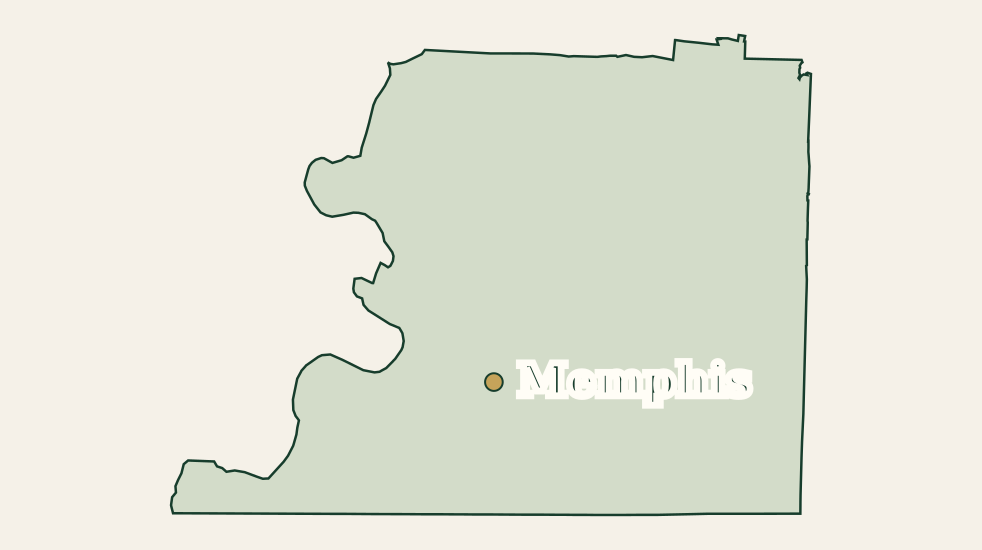
Shelby County with Memphis marked
Memphis and the western river regionPop. 919,173 · 2024

Shelby County

Memphis provides a Mississippi waterfront, music and individual neighborhood comparison in western Tennessee. Shelby County also contains other municipalities and areas. Germantown and Collierville remain separate communities even when a regional visitor description includes them. Compare the particular home and everyday services with the places you want to explore, then review the exact property approach and receiving arrangement.

Key communities

Memphis

Check mover credentials →
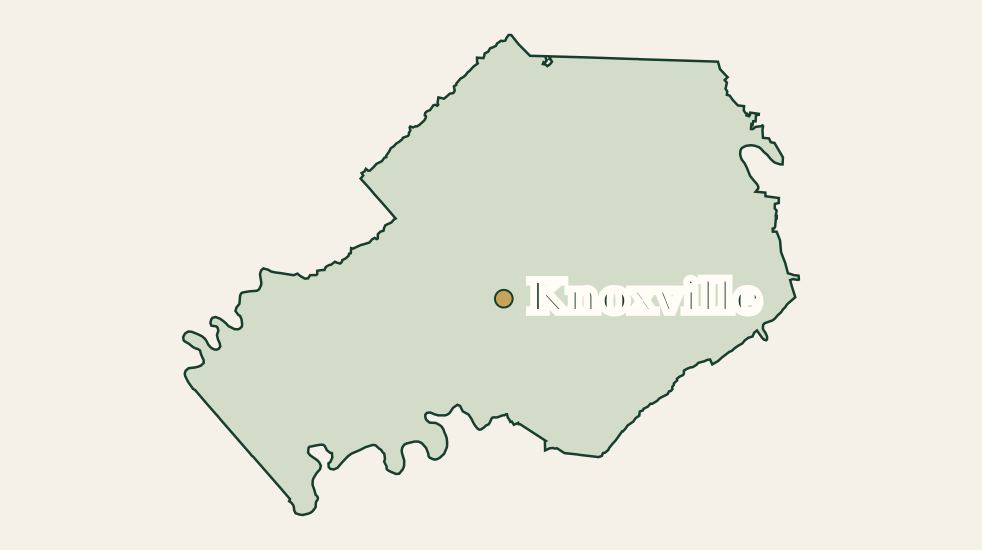
Knox County with Knoxville marked
Knoxville and the eastern city regionPop. 494,148 · 2024

Knox County

Knoxville offers public trails, arts and history within a wider eastern setting. A city-area search or mailing label can include other Knox County locations, so keep the actual municipality or county jurisdiction clear. Explore the neighborhood and ordinary journeys as well as the public destinations that draw your attention. Review the home and vehicle approach independently of a scenic itinerary.

Key communities

Knoxville

Check mover credentials →
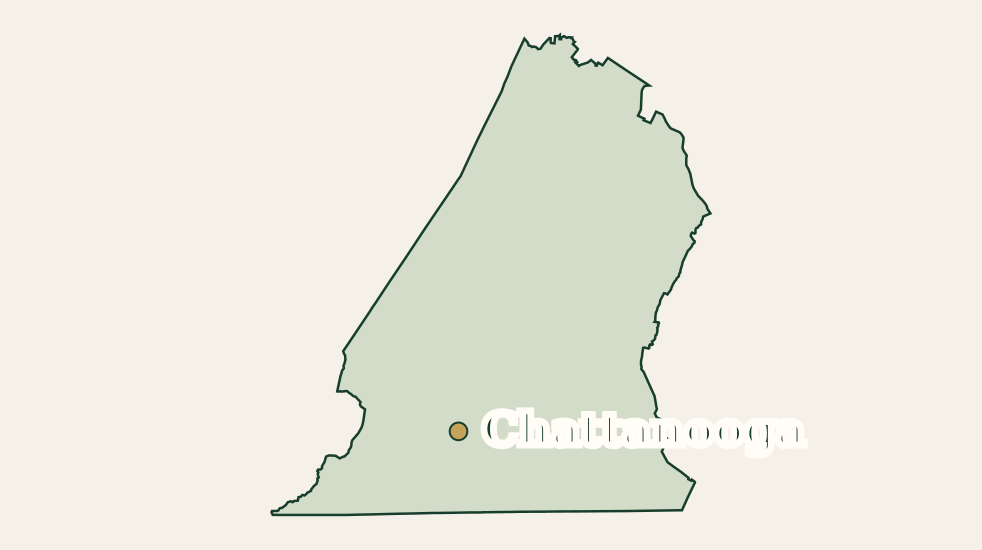
Hamilton County with Chattanooga marked
Chattanooga and the southeastern river regionPop. 376,192 · 2024

Hamilton County

Chattanooga introduces a riverfront and creative city setting with separate regional outdoor destinations. Hamilton County extends beyond the city and includes other communities. Keep each attraction and residential address in its actual location when comparing the area. Investigate the services and journeys needed by the household, and confirm the property instructions and approach before arranging receiving.

Key communities

Chattanooga

Check mover credentials →
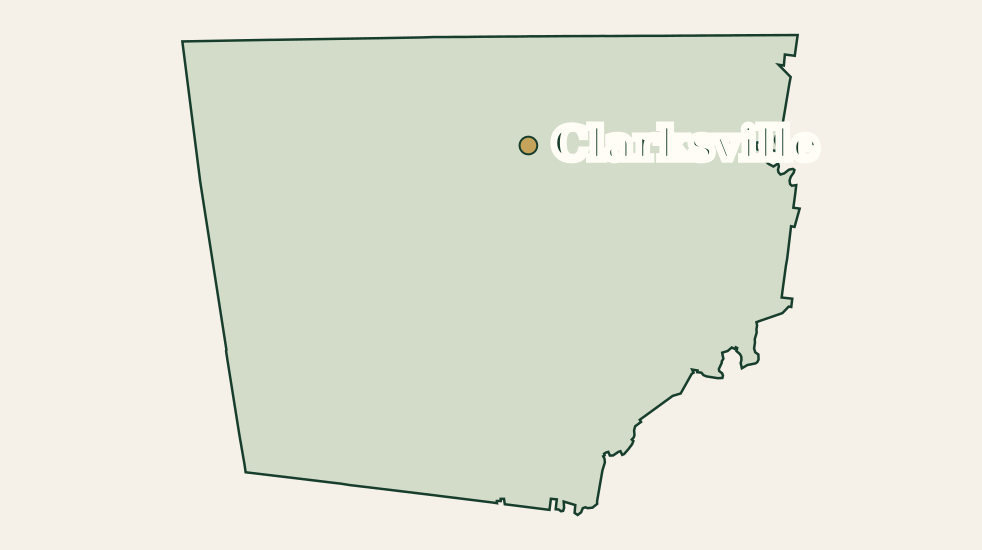
Montgomery County with Clarksville marked
Clarksville and northern central TennesseePop. 234,153 · 2024

Montgomery County

Clarksville offers historic downtown streets, arts, rivers and trails within a larger county setting. Its visitor descriptions cover several areas, while Montgomery County and the city are different geographic references. Explore the actual neighborhood and services behind the public introduction. Compare the home and regular journeys, then review the receiving property and any appointment or access instructions.

Key communities

Clarksville

Check mover credentials →
Washington County with Johnson City marked
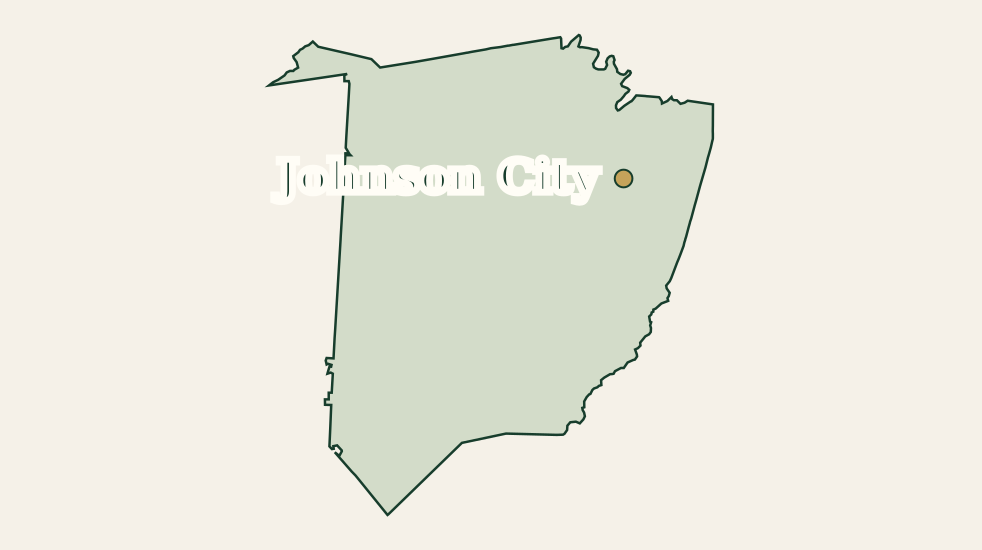
Johnson City and the northeastern regionPop. 136,261 · 2024

Washington County

Johnson City brings downtown arts, trail connections and mountain surroundings to a northeastern comparison. Washington County also contains other communities, and regional tourism material may describe places outside the city. Locate each destination separately from the home under consideration. Investigate ordinary services and journeys, and keep the exact jurisdiction, entrance and property arrangements with the moving brief.

Key communities

Johnson City

Check mover credentials →

County population: 2024 ACS five-year estimates, U.S. Census Bureau. These period estimates do not count current movers or available homes. Read the source.

All 95 Tennessee counties

Tennessee planning

Check the largest piece against the tightest opening

Start with the furniture that is hardest to turn, separate or replace. Measure the piece and the narrowest doorway, landing or corner on its route at both homes. A sofa may fit through the first opening but lack room to turn beside a staircase. A tall cabinet may need a different preparation from several small cartons, even when both loads occupy similar floor space.

Show the door in its usable position, with the frame, handles, hinge side and threshold visible. Include projecting trim, railings, fixtures and cupboards along the path. Describe the construction of furniture that might need disassembly, and ask before assuming a door, rail or fitting can be removed. Building permission and an appropriate handling plan are separate questions.

Identify delicate feet, loose shelves, heavy tops and small hardware early. Keep removable components connected to the inventory so they can be found at delivery. A larger truck does not solve an interior clearance problem. The useful result is a reviewed route and preparation plan for the actual piece, including how it will be protected, supported and placed in the new room. Send new information if the property or contents change after the first review.

A mover smooths a protective runner in a Tennessee home entrance
A mover smooths the edge of a protective runner inside an entrance.

Tennessee planning

Keep claim records and choose the appropriate Tennessee channel

Record a loss or damage concern clearly, keep photographs and retain the shipment’s written records. Ask promptly for the provider’s claim procedure and applicable filing requirements. Tennessee Rule 1340-06-01-.13 calls for acknowledgement of a written loss or damage claim within 30 calendar days. It provides for payment, denial or a firm written compromise within 120 days, with written status and reasons at that point and each succeeding 30-day period when circumstances beyond the carrier’s control prevent final disposition.

Those handling periods are not a substitute for establishing the filing deadline applicable to your shipment. Keep the claim and any agency complaint distinct. Preserve the inventory, estimate, bill of lading, changes, payment records and correspondence so that the issue can be explained from actual documents rather than recollection.

Tennessee’s Division of Consumer Affairs offers informal complaint mediation. Its guidance says to contact the business first and describes the Tennessee connection required for mediation. Complaints are public records, so follow its instructions about necessary copies and sensitive information. The Division cannot compel a business to resolve the complaint or act as your private legal representative. A complaint does not promise recovery or pause other applicable requirements.

Who does what

A little coordination before moving day

You, the moving team and your building contacts each handle a different part of getting the move ready.

01 Moving checklist

The household

Choose what moves, keep the inventory accurate and obtain permission to use both properties.

02 Moving checklist

The moving team

Review the shipment and access, explain the proposed work and identify the coordinating contact.

03 Moving checklist

The building and receiver

Keep the agreed entrance and appointment available and prepare to direct and check delivery.

Tennessee planning

Verify who arranges and who carries the interstate shipment

Use FMCSA’s mover and broker records to check the business involved in an interstate household move. Match the name and identifying information on the proposal, and establish whether the business is arranging transport as a broker or performing it as a carrier. A trading name, advertisement or number displayed on a page is not the whole check. Review the actual role and current record.

Read the written estimate, shipping documents, inventory and protection choices before signing. FMCSA explains the role of the bill of lading and the inventory, and warns against blank documents. Keep a copy of the agreed work and record changes so that the household, coordinator and receiving person can work from the same information. Ask how a disputed charge, missing item, damage or delay should be reported.

At collection and delivery, use the inventory to identify what travels and its recorded condition. Be present or arrange an authorized person who can check the goods and communicate concerns. Keep the federal complaint process separate from the shipment’s claim requirements. For the agreed company interstate work, confirm the flat rate, delivery model and included services with the coordinator before collection rather than inferring them from a general guide.

Tennessee planning

Keep weather information and household essentials within reach

Check current conditions for the actual route and destination as the move approaches. TDOT SmartWay provides road information; the carrier still needs to review the vehicle and proposed journey. A clear street in one city does not establish conditions along the full route or at a hillside property. Discuss how a closure or unsafe receiving condition will be communicated and reviewed.

Prepare a household emergency plan that remains usable between homes. Tennessee’s emergency-management guidance covers contacts, meeting places, evacuation, staying in place and the needs of children, pets, older adults and people who need assistance. Keep important information available in an accessible format, with a way to contact one another if normal communications fail. Adapt the plan when the household’s location changes.

Know how to receive local weather warnings and where to shelter at the destination. During a tornado warning, NWS advises shelter in a basement, safe room or interior room away from windows. Never enter floodwater or drive around a barrier closing a flooded road. Keep travel essentials and the household’s necessary supplies with the people traveling. Follow local instructions and revise receiving arrangements when conditions make the original plan unsuitable.

Tennessee planning

Confirm a stopping place separately from road permissions

Ask the building, property manager or relevant local authority where the moving vehicle may stand and whether an appointment or permission is needed. Give the carrier the exact entrance and permitted position. An empty-looking curb, convenient alley or wide driveway in a photograph may have restrictions that matter at the delivery time. Establish who can resolve a blocked entrance during the appointment.

The carrier should also review the actual vehicle, dimensions, weight and approach. TDOT’s oversize and overweight guidance concerns vehicles or loads beyond legal limits; it does not reserve a building’s loading area. Do not assume every ordinary household shipment needs a special oversize permit, or that a road permit provides permission to occupy a private driveway or curb.

Once the stopping place is defined, check the carry from that point through shared and private spaces. Include surface changes, stairs and any long section before the first door. Agree how the route will remain usable while work takes place. If the planned position changes, have the effect on access and work reviewed before treating it as part of the same proposal. The household’s passenger-car route and parking plan need their own arrangements.

Moving routes

Where are you moving?

Describe the complete journey and receiving conditions before choosing the appropriate agreement and delivery model.

Within Tennessee

A Tennessee-only household move

Compare the actual local provider, estimate, work and applicable Tennessee records.

Estimate

Keep the price basis, inventory and access with the shipping records; ask how measured charges are established.

Consumer records

Review the Tennessee estimate, weight and claim provisions and keep the shipment claim distinct from agency mediation.

Read Tennessee carrier guidance →

Across a state line

A nearby interstate journey

Review both properties and the whole household shipment before confirming dates.

Work and access

Compare the same contents, packing, furniture preparation and receiving conditions.

Delivery

Match the proposed model and window to keys, property appointments and an authorized receiver.

Plan interstate moving →

A longer journey

Cross-country or Canada

Choose a delivery model and define any border, storage or provider handover.

Transport

Review dedicated direct delivery or individually agreed suitable consolidation.

Responsibility

Keep the goods, records, charges and next receiving contact clear through each stage.

Review the full journey →

Direct service uses a dedicated truck and the same pickup and delivery crew. Suitable smaller consolidated shipments use a wider agreed window; confirm the model in writing.

Tennessee planning

Choose packing help from the actual contents

A small home can contain a substantial amount of packing. Count cupboards, books, dishes, decorations and stored belongings as well as large furniture. Decide which rooms or selected items you will prepare and which need team packing. Tell the coordinator about fragile ceramics, artwork, unusual shapes or objects that may require separate assessment before assuming an ordinary carton is suitable.

For the agreed company interstate service, packing uses working time and company-supplied boxes are charged separately. Moving blankets, shrink wrap and tape have no separate basic-material charge. Put the selected work and materials into the proposal. The household and crew should know which contents will be ready and which will need attention on collection day.

Use suitable containers and clear identification, and keep the inventory consistent with the load. Explain what is already packed and anything whose contents or condition may need review. Keep keys, identification, personal documents and journey essentials with the household. Do not bury the things needed during a delivery wait in the truck shipment. Packing should produce protected, identifiable goods while leaving the people traveling able to manage the journey and the first nights.

A mover folds packing paper around a pot at a Tennessee dining table beside a marked company carton
A mover folds packing paper around a pot resting on a dining table.

Tennessee planning

Plan protection and reassembly as part of the same journey

Review furniture construction and access at both addresses before deciding how it should travel. Some pieces need basic disassembly, while others require separate assessment or a particular supported carrying position. Show removable shelves, delicate legs, heavy tops and projecting fittings. An unfamiliar object should be reviewed while there is time to agree the operation and any specialist involvement.

For the confirmed company interstate work, basic furniture disassembly and reassembly have no separate basic labor fee, but the work uses time. Moving blankets, shrink wrap and tape carry no separate basic-material charge. These terms do not establish that every unusual item or specialist task is included. Keep the actual preparation and receiving work in the agreed scope.

Identify hardware and removable components with the piece. Tell the receiver which furniture needs reassembly and where it belongs, and keep relevant instructions accessible. Protection should continue through transport and the carrying route until placement permits unwrapping. A useful plan considers the next physical action as well as the current one: whether the supported piece can pass the opening, turn safely and reach its intended position without a last-minute improvisation.

Tennessee planning

Use dated housing figures as context for inspecting a home

The 2024 ACS five-year estimates describe 3,143,670 housing units in Tennessee. Detached single-unit homes account for 68.3 percent of that housing-unit total. This is statewide context, rather than a current property inventory or a description of every neighborhood. A detached home can still have stairs, a narrow doorway or a difficult approach that needs individual review.

Homes built in 1939 or earlier account for 5.6 percent of the same all-housing-unit denominator. Age can prompt questions about trim, openings, floor levels and alterations; it does not establish a home’s condition. The total shown here comes from the year-built table, while the detached count comes from the units-in-structure table, using the same housing-unit universe.

Tenure uses a different denominator: occupied housing units. Owners account for 66.9 percent and renters 33.1 percent of occupied homes in the five-year estimates. Both need a clear handover, permission and receiving plan. Use the dated figures to understand the range of housing questions worth asking. Then assess the actual property, household contents and building arrangements instead of treating a statewide percentage as evidence about one address.

Tennessee planning

Separate previous residence from household moving demand

The 2024 ACS one-year mobility measure shown below is 2.7 percent: Tennessee residents age one or older who lived in another U.S. state one year earlier. It describes people’s previous residence. It does not count household shipments, company bookings or the volume of furniture traveling into Tennessee.

The figure is not net migration because it does not subtract people leaving the state. It also uses a different period and population from the five-year housing estimates. Keep the year, unit and denominator with each measure when comparing places. Neither a mobility percentage nor a county population estimate establishes current moving capacity, a delivery date or the availability of a particular home.

For your own decision, identify the reasons a place interests you and the conditions needed to make living there work. Music, arts, a riverfront, a trail or a family connection may lead to a shortlist. The neighborhood, services, regular journeys and property then deserve their own investigation. Ask about actual moving arrangements for the household and dates you have, rather than trying to infer service availability from a statewide statistic or a visitor description.

Tennessee planning

Check both ends even when the state-line journey looks simple

A move involving Tennessee and a nearby state still needs two complete property plans. Describe collection access and receiving access with equal care. Include contents, packing, large pieces, parking permissions and who can make decisions at each end. A short journey does not eliminate a long carry, tight staircase or a fixed building appointment.

Compare the agreed work before comparing proposals. A price that assumes completed household packing is different from one that includes preparation of cupboards and fragile contents. Keep the inventory and service choices consistent. Ask how a changed piece, extra packing or a different receiving entrance will be reviewed and recorded.

Use the appropriate guide for the other end of the move to check local documents and preparations. A state line changes the context for the shipment even if the places feel part of the same wider region. Have the provider identify the agreement and responsibilities for the actual full journey. Keep household travel, keys and receiving separate enough that the people can manage their own arrival without depending on an unconfirmed same-day furniture delivery.

Tennessee planning

Match delivery to keys and someone who can receive

Choose dates around the points at which both properties can actually be used. Confirm when the origin must be cleared, when the new home is available and whether a building requires a loading appointment. Keep uncertainty about closing, keys or tenancy in the brief. A preferred arrival day is not enough if no authorized person can admit the team and direct receiving.

The company interstate delivery window begins after pickup and loading are complete. Discuss the delivery model and proposed window before collection. Direct delivery uses a dedicated truck and the same moving crew at pickup and drop-off. Suitable small shipments may use consolidated delivery with a wider agreed window. The receiving household needs arrangements that work for the selected option.

Do not infer a Tennessee delivery range from another state’s published maximum or a passenger-car driving estimate. The exact route, load, work and receiving conditions need review. Tell the coordinator about a fixed elevator slot, a limited receiver or a storage deadline early. If access or keys change, communicate that promptly so the effect can be agreed. Keep essentials with the household for the interval between collection and usable furniture at the new home.

Tennessee planning

Choose the delivery model before committing the household schedule

For a longer interstate move, discuss how the shipment will travel and how the household will manage the receiving interval. Direct company delivery uses a dedicated truck and the same moving crew at pickup and drop-off. Consolidated delivery is available for suitable small shipments with a wider agreed window. Ask which model is proposed and make sure the home and receiving person can accommodate it.

Keep destination-specific terms attached to the destination. Company consolidated limits include up to 60 days for Florida or Canada and up to 90 days for California, beginning after pickup and loading are complete. Other longer routes require individual agreement. A western destination does not automatically inherit California’s window, and Tennessee does not inherit a default merely because another route is shown in a guide.

The agreed interstate flat rate stays the same for the same shipment and service scope when the journey or delivery takes longer. Added goods or services require separate review and written agreement. Keep travel essentials, temporary living needs and property availability in view when choosing the model. A larger buffer is useful only if it reflects a real arrangement for the people, goods and receiver.

Common moving situations

How the plan changes with your needs

These are planning situations, not accounts of customer jobs. Each points to a decision worth resolving before collection.

A small Nashville home with substantial contents

A modest house still contains books, kitchen cupboards and stored belongings.

What to do. Send the complete inventory and choose which contents need team packing, with supplied boxes separate.

Why it helps. The proposal addresses the actual packing work rather than inferring it from floor area.

An older Memphis opening and a long piece

The piece must pass the first doorway and turn into the following room.

What to do. Measure the furniture, opening and next corner, and have preparation and supported handling reviewed.

Why it helps. The plan addresses interior clearance while there is time to agree a workable approach.

A newer eastern home with stairs at the entrance

The front door opens into a hall beside the staircase and the large pieces belong beyond it.

What to do. Show the full route and destination rooms, then review protection and preparation against that layout.

Why it helps. The receiving plan reflects the actual home rather than assuming easy access from its age.

Keys with no confirmed handover

The origin must be cleared while the new home is not yet available.

What to do. Agree where goods can go, who receives, the charges and responsibility for later delivery before collection.

Why it helps. The gap has a defined handover rather than depending on assumed free storage or an uncertain entrance.

Tennessee planning

Give a Canadian arrival or separate handover its own records

For a Tennessee–Canada household move, explain the full origin, destination, goods and receiving dates before requesting a proposal. Check CBSA guidance for the actual arrival category and circumstances. The mover’s transport arrangement does not establish a person’s immigration status, entitlement to duty relief or the admissibility of every item.

CBSA describes lists for goods arriving with you and goods to follow, and the records needed at the first arrival. Ownership and use conditions differ by category, and some goods have separate restrictions. Keep the relevant personal documents and the household inventory accessible to the person responsible for them. Review the actual case instead of assuming that ordinary household use makes everything automatically eligible.

If any journey includes storage or another provider, name the receiving party and define what is handed over. Agree inventory, condition records, protection, access, charges and the next delivery responsibility. A handover should remain traceable through the same goods and records. Ask the coordinator to review any unusual routing or destination; this guide does not create an automatic commitment for every separate transport mode, noncontiguous destination or international stage.

Tennessee planning

Compare the same inventory, access and work

Prepare one useful household brief before comparing prices. Include the two addresses, complete contents, photographs of difficult access, packing choices and large or unusual pieces. Floor area provides context but does not describe how many books, dishes or stored belongings will travel. Two similarly sized homes can require quite different preparation and labor.

For the confirmed company interstate work, the price is an agreed flat rate for the defined shipment and services. A longer journey or delivery interval does not change that price for the same scope. Additions and changes need separate review and written agreement. Keep the latest inventory and access instructions with the proposal so that the price refers to the work actually being planned.

Check individual service terms as well. Packing and basic furniture preparation use working time; supplied boxes are separate. Basic blankets, shrink wrap and tape have no separate material charge. Optional carton unpacking and packaging-waste removal are distinct choices, and unusual work needs review. Ask what is included, what must be ready and how payment is arranged. This makes a comparison useful without publishing a generic price that ignores the household and property.

Tennessee planning

Resolve the biggest uncertainty before the final week

Begin with the things that could change the entire plan: uncertain keys, a large piece, a difficult approach or a fixed receiving appointment. Send enough information for the team to review those points while alternatives are still possible. Then confirm the inventory, chosen work, delivery model and written proposal together, rather than treating them as unrelated decisions.

As collection approaches, finish the packing assigned to the household and separate the things traveling with the people. Keep hardware, room labels and contents identification useful. Reconfirm entrances, appointments and contacts at both properties. A short update about changed access can prevent the team and receiver from relying on an earlier photograph or arrangement.

On collection day, use the inventory and retain copies of the relevant records. During the journey, remain reachable about receiving conditions. Before delivery, ensure the permitted stopping place, working path and authorized receiver are ready. If the new home cannot accept the goods, agree what happens next instead of assuming the shipment can wait indefinitely. The timeline should connect decisions to their practical purpose: protected goods, clear responsibility and a home that can actually receive.

Tennessee planning

Prepare placement and checking before the vehicle arrives

Decide where the larger pieces belong and make the intended rooms available. Check that the agreed entrance, shared spaces and stopping position remain usable. Have an authorized receiver ready with the inventory, placement instructions, included-work list and coordinator contact. Someone who can unlock the door may still need information to handle the rest of receiving.

As goods arrive, compare them with the inventory and record concerns about missing items or condition. Keep photographs and relevant paperwork so a later question can be explained clearly. Ask how to report a concern and follow the applicable written claim procedure promptly. An agency complaint is a separate route and should not replace the shipment’s own records or requirements.

Furniture unwrapping is part of the agreed company service. Opening cartons and removing their contents is optional work charged for time, and packaging-waste removal is separate. Explain which tasks you want and make sure the receiver understands the same scope. Keep the path clear while furniture is placed and prepared for use. Receiving is complete enough to be useful when the household knows what arrived, where it is and what remains to be addressed.

A mover folds a loose blanket away from a wood console table in a Tennessee home
A mover folds a loose blanket away from a table after placement.

Tennessee planning

Define storage and the later delivery before collection

If keys or the new property are uncertain, discuss the gap while there is time to agree a plan. Identify where the goods would go, who receives them and who is responsible for the later delivery. Keep the inventory, condition records, protection choices and access arrangements connected through that handover. Storage is an operation with its own responsibilities and charges.

Ask what happens if the expected release date changes. Establish who can authorize collection from storage, what notice or appointment is required and which work is included in the next stage. The household should know how to contact the responsible party and which records to keep. Avoid an arrangement that depends on an unnamed receiver or an assumed loading opportunity.

A consolidated delivery window is not a promise of free storage. Keep daily essentials and documents with the household for the time the furniture is unavailable. Review temporary living needs separately from the transport proposal. The goal is a defined location for the goods, an identifiable receiving party and a practical route to the final home. If the original destination becomes available sooner or later, communicate the change before treating it as an automatic alteration to the agreement.

Tennessee planning

Make the home usable and prepare Tennessee resident documents

Start with the rooms and belongings needed for an ordinary day. Locate essential bedding, clothes, kitchen items and the records kept with the household. Place frequently used goods where they can be reached, check necessary furniture preparation and retain moving documents while any concerns are addressed. Revisit the household’s emergency contacts and local warning arrangements at the new address.

Plan driver and vehicle tasks before their deadlines. Tennessee’s ordinary adult transfer guidance gives new residents with an out-of-state license 30 days after establishing residency to obtain the appropriate Tennessee credential. Document, status and testing requirements depend on the application. The official checklist calls for two Tennessee residency proofs; a lease has accompanying landlord-letter conditions and does not replace the second proof. Some state transfers also require a former-state driving record.

Vehicle registration is a separate county-clerk process, ordinarily within 30 days of moving, with listed exceptions. Check the actual title, registration and lender circumstances. Tennessee has also announced a documentation change for specified initial registrations from January 1, 2027; that future date should not be mistaken for a rule already in effect in October 2026. Use the current official checklists for the transaction and status that apply to you.

A resident puts a book onto a shelf in a furnished Tennessee living room
A resident puts a book onto a living-room shelf.

Tennessee planning

Bring the place comparison and moving brief together

Choose a few communities to explore, then examine the actual home and everyday journeys. Use city portraits, county profiles and the map as starting points rather than as proof that every address has the same surroundings. Keep the exact jurisdiction and property instructions with the address, particularly when a mailing label or visitor region covers more than one community.

For the move, send the complete contents, two addresses, dates and selected services. Show vehicle access, carrying routes and the pieces that need special attention. Explain uncertain keys, building appointments, storage or another provider’s handover. The coordinator can then review a concrete household operation rather than a general destination and an approximate room count.

Before collection, read the agreed inventory, price, protection, payment and delivery terms together. Keep the household’s travel essentials apart and prepare an authorized receiver. At delivery, direct placement, check the goods and retain useful records. The finished plan should answer what moves, what work is included, how the properties can be used and who is responsible at each stage. Revisit those answers whenever the contents, access or receiving conditions change.

Verified data

Tennessee planning data

Planning factEstimateVintageSource
Total housing units3,143,6702024 ACS 5-yearU.S. Census Bureau
Detached single-unit homes2,145,674 · 68.3% of housing units2024 ACS 5-yearU.S. Census Bureau
Homes built in 1939 or earlier175,771 · 5.6% of housing units2024 ACS 5-yearU.S. Census Bureau
Owner-occupied homes1,890,569 · 66.9% of occupied homes2024 ACS 5-yearU.S. Census Bureau
Renter-occupied homes933,708 · 33.1% of occupied homes2024 ACS 5-yearU.S. Census Bureau
Residents age 1+ from another U.S. state one year earlier2.7% · not net migration or shipments2024 ACS 1-yearU.S. Census Bureau

Planning answers

Tennessee moving questions

Straightforward answers about prices, packing, delivery and getting settled.

Ask about your move
How should I compare places before moving to Tennessee?

Choose a few settings to explore, then investigate the particular neighborhood, home and journeys you would regularly use. Memphis, Nashville, Knoxville and Chattanooga offer different urban introductions, while smaller communities bring their own public life. Keep regional attractions separate from the residential address. The map and portraits help form a shortlist; they do not establish that every home has the same services or access.

Does this guide confirm a local Sterling Oakbridge office in each Tennessee city?

No. The city and county descriptions help with place comparison and preparation. Confirmed company statements here concern reviewed interstate household work involving Tennessee. Give the coordinator the actual origin, destination, inventory and dates so the proposed service can be assessed. A place appearing in the guide does not establish a local office, unrestricted route or confirmed availability.

Are Nashville, Davidson County and the wider Nashville area the same place?

No. The guide distinguishes the metropolitan-government balance reference, the county and the wider visitor region. Separate municipalities keep their own identity. Check the exact address, jurisdiction and property instructions when comparing a home. A neighborhood or mailing label is useful context but should not replace the address used to obtain permissions and plan receiving.

What should I know about Bristol before choosing an address?

Keep the state with the full address. Bristol, Tennessee, and Bristol, Virginia, are separate cities, and a regional attraction may be on either side. Explore the actual neighborhood, services and regular journeys as well as the downtown music setting. Give the moving team the exact property and entrance so the proposal and receiving arrangements refer to the correct place.

What information is most useful for a moving proposal?

Send the two addresses, complete inventory, dates, selected packing and photographs of access. Identify large or unusual pieces, uncertain keys, a building appointment and any storage or provider handover. Floor area is context rather than a substitute for contents. Update the coordinator when goods, work or access change so the written proposal remains tied to the household being moved.

What should I check on a Tennessee-only estimate?

Check the price basis, included work, inventory, access and records used to establish any measured charges. Keep the estimate with the bill of lading and written changes. Tennessee Rule 1340-06-01-.13 addresses estimates, weights and claims; ask the provider to explain the applicable terms. Do not assume the company interstate flat-rate arrangement or another state’s payment rules apply to that local proposal.

Does Tennessee’s 10-percent estimate provision cap the delivery payment?

No. The cited rule addresses notification before delivery when actual charges exceed the estimate by more than 10 percent or $25, whichever is greater, with its stated exceptions. That is not a general payment cap. Have the provider explain the applicable estimate, charges and payment terms in writing before the move, and retain the records if the amount is questioned.

How can I raise a concern about a weight-based charge?

Ask promptly how the shipment weight and charge were established, and retain the relevant records. The Tennessee intrastate rule addresses requested reweighing before delivery where practical and use of the lower net weight. Discuss the concern while reweighing can still be considered, and have the provider explain the applicable procedure rather than relying on another state’s formula.

How should I document loss or damage on a Tennessee-only move?

Record the concern clearly, preserve photographs and keep the inventory, shipping documents and correspondence. Ask immediately for the provider’s claim procedure and applicable filing requirements. The cited Tennessee rule has acknowledgement and processing periods, including 30 calendar days for written-claim acknowledgement and 120 days for disposition or a qualifying status response. Those periods do not establish the deadline for filing your claim.

Can Tennessee Consumer Affairs force a mover to refund me?

No. The Division describes an informal mediation process and says it cannot compel a business to resolve a complaint or represent you privately. Contact the business first and review the Division’s jurisdiction and submission guidance. Keep a consumer complaint separate from the shipment claim and other applicable deadlines. Complaints are public records, so follow its instructions for necessary documents and sensitive information.

How do I check an interstate mover or broker?

Match the business on the proposal with FMCSA’s current mover and broker records, and establish its role in arranging or performing transportation. Read the estimate, bill of lading, inventory and protection choices, and keep copies. Ask how changes and concerns are reported. A displayed name or number is a starting point for verification, not a substitute for checking the actual business and agreement.

Is direct delivery different from consolidated delivery?

Yes. Company direct delivery uses a dedicated truck and the same moving crew at pickup and drop-off. Suitable small shipments may use consolidated delivery with a wider agreed window. Confirm the proposed model, dates and receiving responsibilities before collection. The household needs arrangements that work for the chosen window, including keys, an authorized receiver and essentials kept outside the shipment.

Does every longer Tennessee route have the same consolidated delivery window?

No. Other longer routes require individual agreement. The confirmed destination-specific consolidated limits include up to 60 days for Florida or Canada and up to 90 days for California, starting after pickup and loading are complete. Do not transfer California’s limit to another western state or assume Tennessee has the same default. Discuss the actual route and receiving conditions with the coordinator.

Will the company interstate price rise if delivery takes longer?

No, the agreed flat rate stays the same for the same shipment and service scope when the journey or delivery takes longer. Added goods, different work or changed arrangements need separate review and written agreement. Keep the current inventory, access information and selected services with the proposal so the price is attached to a clear scope.

Are packing and supplied boxes included on the same basis?

No. Packing uses working time, while company-supplied boxes are charged separately. Basic moving blankets, shrink wrap and tape have no separate material charge for the agreed company work. Identify which contents the household will pack and which need team preparation, and record the selected work and materials in the proposal. A small room count does not describe the amount of packing.

How is basic furniture disassembly handled?

For the confirmed company service, basic disassembly and reassembly have no separate basic labor fee but use working time. Show the furniture and route so the necessary preparation can be reviewed. Unusual items or specialist operations need their own assessment. Keep hardware and removable components identified, and give the receiver the placement and preparation instructions for delivery.

What if the moving vehicle cannot use the expected stopping place?

Tell the coordinator as soon as the issue is known and have the alternative position and carrying route reviewed. Building or curb permission is separate from the carrier’s road and vehicle requirements. A changed position can change the access and work. Keep the actual entrance, appointments and responsible property contact available instead of assuming an empty-looking space can be used.

Can I use a tourism driving route to plan the moving truck’s approach?

No. A visitor itinerary or passenger-car route does not establish truck clearance, legal access or a suitable stopping place. Give the carrier the exact address, vehicle approach information and property instructions for review. Use TDOT’s current road resources as relevant, and arrange building or curb permissions separately. Regional scenery and the practical receiving route answer different questions.

Does delivery include opening all cartons and removing the packaging?

No. Furniture unwrapping is part of the agreed company service. Carton unpacking is optional work charged for time, and packaging-waste removal is separate. Specify the contents you want unpacked and what should happen to the waste. Give the receiver the included-work list so the household and team share the same expectations at delivery.

Can someone else receive the shipment for me?

Yes, arrange an authorized receiver before delivery. Give them the inventory, room plan, included-work list and coordinator contact. They should be able to direct placement, check the goods, record concerns and sign the relevant records. Confirm their availability for the agreed window; unlocking the door alone does not cover the full receiving task.

What if the Tennessee home is not ready for delivery?

Agree a defined storage and later-delivery arrangement, preferably before collection. Identify the location, receiver, inventory, protection, access, charges and responsibility for the next stage. Keep essentials with the household while furniture is unavailable. A consolidated window does not promise free storage, and uncertain keys should be discussed before they become a blocked receiving appointment.

What should stay with the household during the journey?

Keep keys, identification, personal documents, necessary medications, contacts and the supplies needed between homes accessible to the people traveling. Adapt the household emergency plan and local-warning arrangements to the changing location. The first-night needs should not depend on a carton buried in the truck or an unconfirmed delivery hour. Plan separately for children, pets and anyone needing assistance.

When should new residents handle Tennessee driver and vehicle documents?

Plan both tasks promptly. Ordinary adult out-of-state license transfer guidance gives 30 days after establishing residency, while ordinary new-resident vehicle registration is also within 30 days of moving, with exceptions. They are separate processes with different document and eligibility requirements. Review the relevant Driver Services and county-clerk checklists; do not assume one completed transaction automatically satisfies the other.

How should I begin a Tennessee–Canada household move?

Describe the full journey, goods, dates and receiving conditions to the coordinator. Check CBSA requirements for the actual arrival category, goods accompanying you and goods to follow. Keep relevant personal and inventory records accessible. Any storage or provider handover needs clear responsibility and charges. Transport arrangements do not establish immigration eligibility, automatic duty relief or admissibility for every item.

Primary sources

Sources for the decisions in this guide

Official resources for choosing a community in Tennessee and preparing the move. Figures retain their stated dates; follow current agency guidance for your own circumstances.

Tennessee-only estimates, records and consumer channels

4 sources
  • Intrastate carrier authorityTennessee Department of Revenue

    Authority and insurance-filing information, including household-goods cargo filings; separate from the household price agreement.

  • Tennessee household-goods rule · August 2021 compilationTennessee Secretary of State · Department of Safety and Homeland Security

    Official compiled chapter in the August 2021 file. Readable text of Rule 1340-06-01-.13 is available through the separately identified mirror.

  • Rule 1340-06-01-.13 · readable text mirrorLegal Information Institute · Cornell Law School

    Mirror of the Tennessee rule on estimate notification, weights and claim handling; distinguish notification from a payment cap and processing periods from filing requirements.

  • Consumer complaint mediation and its limitsTennessee Attorney General · Division of Consumer Affairs

    Contact the business first; review Tennessee connection, public records and mediation limits. A complaint does not replace shipment claim requirements.

Interstate records and Canadian arrival

3 sources
  • Tips for a successful interstate moveFederal Motor Carrier Safety Administration

    Business role and registration, written estimate, bill of lading, inventory, protection and receiving responsibilities.

  • Interstate mover and broker searchFederal Motor Carrier Safety Administration

    Check the current actual business and its role; no company-specific result is implied by this link.

  • Moving or returning to CanadaCanada Border Services Agency

    Arrival categories, personal-effects conditions, accompanying and later goods and their records.

Tennessee driver and vehicle documents

3 sources
  • New and returning resident driver licensesTennessee Department of Safety and Homeland Security · Driver Services

    Ordinary 30-day adult transfer guidance, applicable identity and address proofs, former-state records and conditional testing. Status and application type matter.

  • New-resident vehicle registration periodTennessee Department of Revenue

    Ordinary 30-day registration guidance and listed exceptions; a separate task from driver licensing.

  • Initial vehicle registrationTennessee Department of Revenue

    County-clerk title and registration records for the actual ownership and lender circumstances; keep future dated changes distinct from current requirements.

City settings and the wider region

12 sources
  • Nashville neighborhoodsNashville Convention & Visitors Corp · Visit Music City

    Music, art and distinct neighborhood introductions; wider visitor geography and separate municipalities retain their identity.

  • Memphis neighborhoodsMemphis Tourism

    Mississippi waterfront, Downtown and Midtown districts, and separate regional suburbs.

  • KnoxvilleVisit Knoxville

    Public trails, arts alleys, history and the World’s Fair Park setting.

  • ChattanoogaChattanooga Tourism Co.

    Riverfront public life, creative neighborhoods and separate outdoor-region destinations.

  • ClarksvilleVisit Clarksville

    Historic downtown, arts, rivers, trails and distinct visitor areas.

  • Murfreesboro and Rutherford CountyRutherford County Convention & Visitors Bureau

    Downtown, Cannonsburgh Village and greenways; separate Murfreesboro, Smyrna, La Vergne and Eagleville.

  • Franklin and Williamson CountyVisit Franklin

    Main Street, history and music within a wider region of separate communities.

  • JacksonVisit Jackson TN

    Music heritage, Casey Jones Village and town destinations.

  • Johnson CityVisit Johnson City

    Downtown arts, Tannery Knobs Bike Park and Tweetsie Trail; regional institutions have separate locations.

  • KingsportVisit Kingsport

    Carousel, makers, music and cultural destinations.

  • Bristol, Tennessee · Downtown CenterCity of Bristol, Tennessee

    State Street public gathering, music and farmers-market setting; Bristol, Virginia, remains a separate city.

  • Cookeville and the wider regionVisit Cookeville · Putnam County

    Historic downtown districts and arts with separately located regional parks, trails and waterfalls.

Roads, weather and household emergency plans

7 sources
  • Current road informationTennessee Department of Transportation · SmartWay

    Check changing road conditions; a general map does not certify a commercial-vehicle route or property access.

  • Oversize and overweight permit questionsTennessee Department of Transportation

    Actual vehicle and load limits, separate from a building appointment or curb permission.

  • Vehicle restrictions and map resourcesTennessee Department of Transportation

    Relevant route and restriction resources for the carrier’s actual vehicle review.

  • Make a household emergency planTennessee Emergency Management Authority

    Contacts, meeting places, evacuation, sheltering and accessible records for the household’s specific needs.

  • Tornado warning actionsNOAA · National Weather Service

    Use a basement, safe room or interior room away from windows as appropriate, and follow current warnings.

  • Heat safetyNOAA · National Weather Service

    Keep people, pets and necessary journey supplies safe during changing temperatures.

  • Flooded-road safetyNOAA · National Weather Service

    Do not enter floodwater or drive around barriers closing a flooded road.

Dated housing, population and geographic evidence

7 sources

Photographs are original representative illustrations, not customer jobs or identified addresses.

Let’s plan your move

Tell us about your Tennessee move.

Tell us where you are moving, what you are taking and your preferred dates. Add any packing, furniture preparation, unpacking or storage help you need.

A Sterling Oakbridge move coordinator in the planning office