
New Jersey · Newark service planning
Commercial Movers in Newark, NJ
Sterling Oakbridge moves offices, business furniture and equipment in Newark. We prepare, protect, carry and transport the items in your moving plan, then place them in the agreed rooms. Book a relocation, department move, internal transfer, delivery or temporary clearance and return.

A University Heights workspace, Ironbound stock, restaurant equipment or event shipment needs its own inventory release and receiving plan.
Your business schedule shapes the job. Tell us what needs to move, what must keep working and when the destination needs to be ready. We plan the crew, vehicle and sequence around those priorities, the inventory and access at both properties. Packing, furniture work, storage and additional visits belong in the same written estimate.
Plan the move around the working day
Give the project one coordinator who can bring together the office manager, budget approver, department heads, designer and property managers. Each still makes their own decisions; the crew needs one reliable contact for questions and changes.
Set the last working period at the old premises and the first required use of the new space. Include lease handover, customer appointments, stock deliveries, production commitments and scheduled events. A Friday move might allow packing during the day and carrying after closing, but the receiving building and IT team need compatible access too.
Identify what must keep working until the final phase: a customer-support desk, selected warehouse dispatch or a restaurant's last service. We use those priorities to plan what leaves first, what arrives first and where it goes. Before choosing a mover, compare the work included in each quote: restricted access, packing, systems furniture, heavy items and return visits can change the total more than the hourly rate.
Agree how changes will be handled before they affect the job. A delayed supplier, unfinished room or larger inventory may require a different phase or extra work. At each handover, check contents and placement, record exceptions and leave usable access for the next supplier. Your IT provider checks its systems; the moving schedule should allow time for that work.
Give each supplier a clear part of the job
Existing furniture, new purchases, leased equipment, installers and contractors may all arrive during the same project. Share one current layout and schedule. Give desks, departments and receiving rooms stable identifiers so every supplier works from the same version.
Swipe sideways to read all three columns.
| Responsible team | Their decisions and preparation | What the movers need |
|---|---|---|
| Business coordinator and department leads | Inventory, priorities, budget approval and final layout | A current destination list and someone who can approve placement or scope changes |
| Property managers at both ends | Loading position, freight elevator, access hours, protection, COI and labor rules | Building instructions, accepted reservations and a contact who can open the route |
| IT and network providers | Backup, shutdown, technical disconnection, connectivity, reconnection and testing | Equipment ready for the agreed handling and time to reconnect it after delivery |
| Designer, furniture supplier and equipment lessor | Placement, deliveries, assembly, retained systems and leased-item returns | Models, collection appointments and a clear division of supplier and mover work |
| Contractor or restoration team | Work areas, safe access, clearance and readiness for return | A room and carrying route ready for the scheduled phase |
| Sterling Oakbridge | Crew, vehicle, preparation, handling and agreed additional tasks | Your inventory, access information and project sequence for the written moving scope |
If purchases arrive from several vendors, designer and project receiving can help organize receiving, storage and release. For one collection or the carry after a supplier's delivery, see furniture delivery. Supply the actual collection address, the person authorizing release and the supplier's appointment.
Let employees pack their desks
Employees usually know their own desk contents better than a crew sorting many similar workspaces. We can deliver cartons ahead of the move and pack the company contents you assign to us. Decide which items employees prepare, send instructions and allow time for people who are away, work different shifts or need permission to handle particular documents.
An office might start by allowing three to five cartons per employee for desk contents and accessories. For 100 employees, that means 300–500 cartons before shared supplies, files, furniture and equipment. This is an illustration, not a standard allowance: count the actual contents and adjust. Company-supplied boxes are charged separately.

Label each carton for its new room or zone, department and employee or workstation. Someone changing teams may have a different destination from their old department. Keep keyboards, mice, chargers and other accessories grouped with the same workstation identifier. The business decides how employee names, private desk contents and sensitive labels are handled; finish packing, closing and protection before transport.
Example 1: a University Heights team leaves shared workspace
These are hypothetical planning examples grounded in published Newark places and services. They explain decisions a business may face, rather than documenting Sterling jobs, customer relationships or permission at the named premises. Photographs illustrate the operation and do not reproduce those locations.
NJII identifies its Profeta Center at 211 Warren Street and another incubation location at 105 Lock Street. That gives a concrete University Heights setting for a small business moving out of shared workspace. It does not tell us which room is available or who owns the furniture. Imagine a team taking its own desks, computers and project files into a separate office while neighboring teams continue working.
The useful first document is an ownership list. Separate the team's equipment from the host's desks, shared meeting furniture and printers. A photograph of a room is useful for estimating handling, but cannot authorize removal of everything visible. The business and workspace contact should release the actual retained inventory, identify what stays and agree the point at which the room is handed back. Keep purchases for the new office on a separate list so that movers do not wait for items coming from another supplier.
Set destination identifiers before employees pack. An employee's carton and desk equipment should point to the same workstation, even if the receiving office uses different room numbers. Shared files need their own authorized sequence and recipient; a company can keep selected records with its staff. Empty the released file furniture before handling it. Where the receiving layout is smaller, decide which furniture fits before paying to prepare and transport it.
IT has a separate release: the business decides the shutdown and backup plan, any agreed physical disconnection is included in the reviewed scope, and its technical team owns reconnection and startup. Moving the last computer does not by itself restore a working office. Use the Newark in-building moving plan if part of the work remains inside one property; use the full addresses for the outward move. Release only the team's selected contents, leaving shared property and other occupants' work in place.
Arrange loading, elevators and building documents
Get instructions from both properties before fixing the schedule. Check the permitted entrance, vehicle size, shared dock, freight elevator reservation and protection along the carrying route. The pickup booking and receiving booking are separate, and either may last only a few hours.
Send us the building's certificate-of-insurance requirements early, including the requested entities and wording. Assign someone to confirm management has accepted the COI and reservations. Name the person who can unlock the entrance, arrange security access and resolve a loading or elevator conflict on the day.
Sterling can arrange work at properties that require union labor. Send the exact building rules so the proposed crew and documents can be checked with management. This requirement depends on the property; it does not apply automatically across Newark.
Use the actual Newark address and approved carrying entrance. The City traffic division publishes a curb loading-zone application resource; check the appropriate current arrangement for your vehicle and work with its owner rather than treating a private building booking as street permission. The Newark relocation guide provides wider local context. A public entrance, guest parking space or normal office period does not reserve freight access.
Example 2: an Ironbound trade business transfers selected stock
Ironbound Supply lists pipes, valves, fittings and specialty equipment for trade customers, with its Newark contact address on Jackson Street. Imagine a trade business transferring one released stock group while keeping its counter open. The example does not describe that supplier's actual inventory, premises or a booked Sterling collection.
Count the shipment in handling units as well as products. A pallet of small fittings, a loose valve and a long pipe group require different preparation. The person authorizing the order should identify exactly which stock goes, what remains available for customers and who signs at the receiving end. Do not let a general instruction to move the warehouse override goods already committed to a customer order.
If the selected goods are already suitable palletized loads and the customer has appropriate equipment, competent operators and usable loading arrangements at both ends, a truck with a driver can be reviewed without a full moving crew. The customer's people load and unload; vehicle fit, payload, restraint, arrival and unloading responsibility still need an agreed plan. If one end lacks that method, the saving at pickup may simply create a waiting truck at delivery. A forklift appearing on an inventory photograph does not establish who will operate it or whether it will be present on the date.
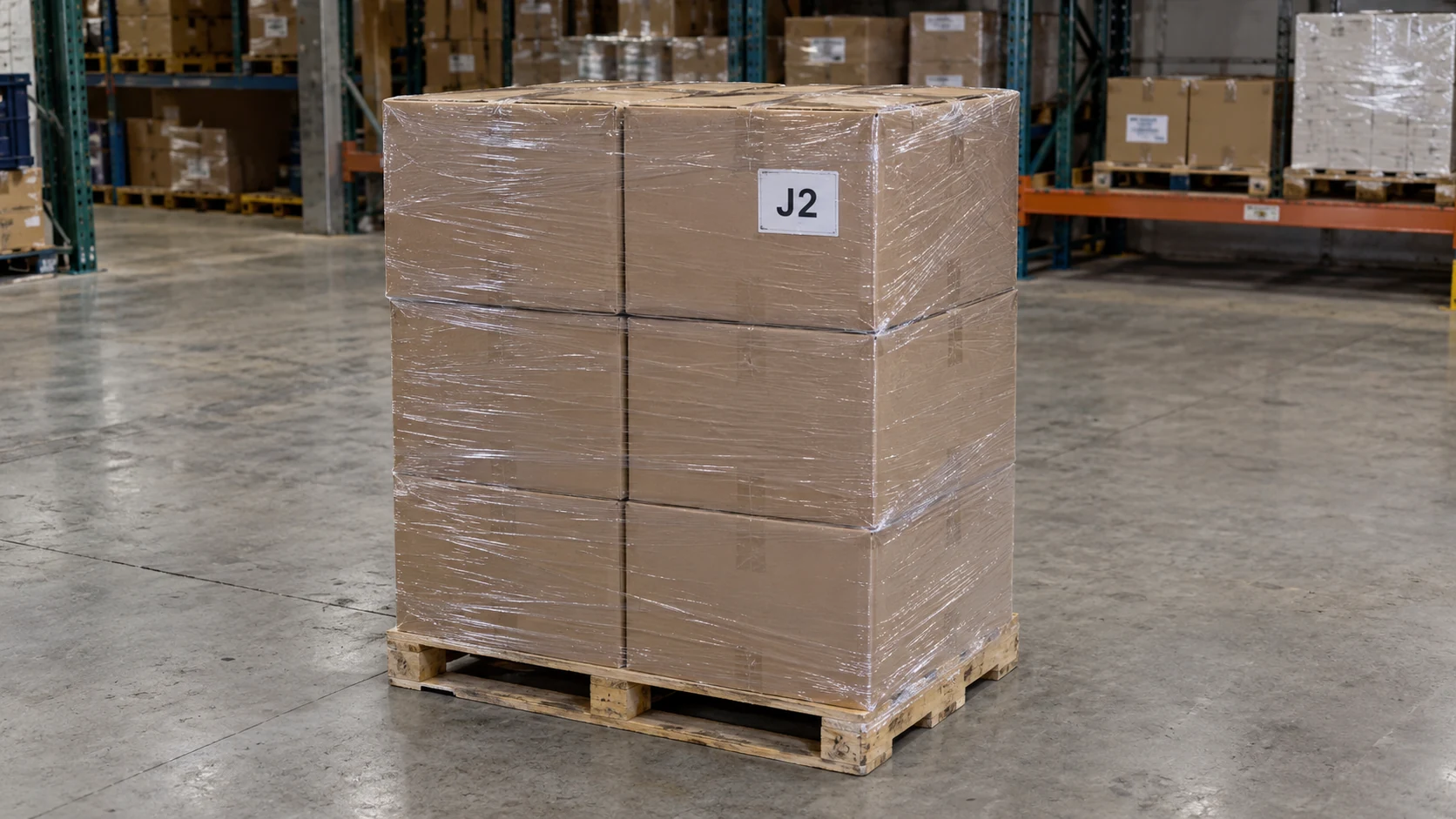
Loose stock and the office section may need different labor. Keep retained stock identifiers visible after wrapping, and reconcile the dispatch count against the receiving count before staff put products into new racks. Consider separate trips only after checking both access periods and who can release each group. The supplier's published freight information is not the contract for an unrelated move: review the actual load and terms. Start with packing for the preparation work and the actual addresses for the vehicle plan. Compare preparation, loading, transport and receiving together; a small pickup crew can still leave work or waiting at the delivery end.
Moving help for other business clients
Commercial moving is broader than transferring an office. The commissioning client may be a business even when the contents are ordinary household furniture or the destination is a home. Tell us who orders the work, who owns the items, who permits access and who will approve placement and completion.
Retail shops and showrooms. We move the agreed fixtures, counters, racks, display furniture and merchandise. A shop may transfer stock while still trading, replace part of its fit-out or clear a lease before a deadline. Sterling has moved clothing and wine shops. Identify alcohol or other regulated inventory before booking so the shipment, route and applicable requirements can be reviewed; settle the applicable authorization for the actual shipment and any storage before including it in the scope. Remove rejected fixtures before they obstruct packing and loading.
Contractor deliveries and occasional labor. A kitchen contractor may have installers but need a crew with suitable handling experience and equipment for a large appliance. A supplier may need help unloading and carrying to a room without buying a complete transport service. Specify arrival, item details, route, preparation and what happens after placement. The installation team remains responsible for its own work. A reviewed labor visit can avoid maintaining a permanent delivery team for occasional jobs, but compare its price with employee time, equipment and disruption rather than assuming a fixed saving.
Restoration pack-out and return. We can move and return contents for a contractor's leak or damage project. For a restoration contractor working at a Newark property, separate who owns the contents, who orders and pays for handling, and who releases the outward and later return visits. Agree the protected holding position and final layout before the crew removes anything; a contractor completion estimate alone does not release the room. The restoration team determines which goods and spaces are cleared for handling, the client authorizes the inventory and the coordinator arranges temporary placement or storage. Record the original layout when a return is intended. Transport does not include mold treatment, damage restoration or a decision about insurer reimbursement. See storage for the separately reviewed holding stage; coordinate the outward and return visits.
Storage operators. We can carry out authorized unit-to-unit transfers, repacking and moves needed for work at a storage property. Establish permission to enter and handle the particular customer's goods, a retained-item list and the destination. Do not treat an instruction to move contents as permission to dispose of them. Access, inventory, photos where agreed and key control need a named owner.
Pack shared files and prepare IT equipment
Shared files need their own inventory and packing time. Empty filing cabinets for the agreed handling method, use suitable cartons and preserve the filing order. Keep records needed during the move with authorized staff, along with any contents the business does not release for ordinary packing.
We pack and physically move the office contents listed in the job, including prepared computers, monitors and printers; server equipment needs its own handling review. Your IT provider arranges backups, shutdown and equipment readiness. Sterling can quote agreed IT disconnection separately. Arrange network reconnection, connectivity and system testing with your IT provider, and give that team access after delivery.
List screens, computer units, printers, shared copiers and detached parts separately. Send model information and handling requirements for large or leased machines. Equipment needs protection through stairs, loading, vehicle restraint and delivery. Ordinary packing does not include certified secure-records handling, shredding or data management. Packing and unpacking explains preparation time, cartons, optional unpacking and packaging removal.
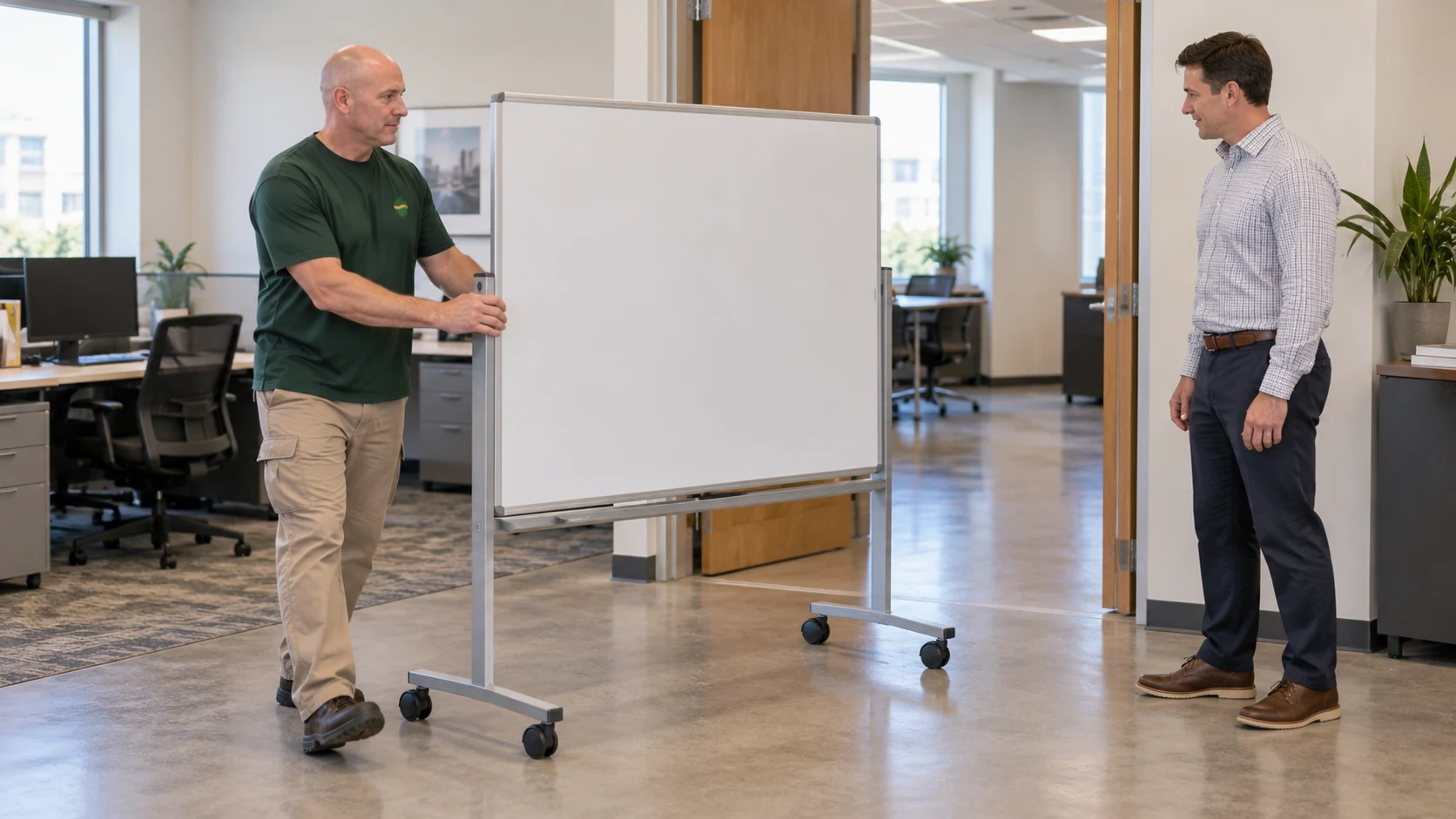
Choose which cubicles and fixtures to keep
Compare reusing existing workstation systems with buying furniture for the new layout before packing begins. Condition, missing fittings, damaged connections and dismantling or reassembly time can change the value of reuse.
Send the manufacturer, model, photos, panel arrangement, connection details and installation instructions. Keep assemblies and fittings identified for their destination. Systems furniture needs its own method: Herman Miller's guidance points workstation questions to product-specific instructions and dealer help.
Phone booths and acoustic pods need a similar check of weight, glazing, detachable sections, doors and elevators. Some models use a specific relocation kit; Framery's pod-moving instructions show one example. That kit's method does not apply to every booth or establish how to load a pod onto a truck.
Sterling can also quote removal and hanging of whiteboards, wall-mounted televisions, pictures and mirrors. Send the item, wall construction, hardware and intended position, approved by the designer or authorized client. Specify technical connections and electrical work separately. See local moving and furniture preparation for other furniture tasks.
Fit each phase into the permitted hours
One building may allow daytime packing and evening carrying; another may allow weekend work or a different delivery period. Match the pickup and receiving windows, including travel, unloading and security access. We can arrange evening, weekend or phased work around the property's permission and crew availability.
For example, a 5 p.m.–midnight carrying window may fit only part of a large move. Earlier preparation helps, but the crew still needs a feasible workload. Compare several phases or scheduled crews, including availability and charges, instead of assuming one crew can keep working indefinitely.
Set a completion point for each phase: rooms cleared, desks placed or stock available. Give remaining contents a safe waiting position. Before the next phase, check for an unfinished floor, missed delivery or changed inventory. Update the affected stage before dispatching the crew, and leave access for the next supplier. Each supplier remains responsible for completing its own work.
Example 3: an Ironbound restaurant changes equipment while rooms remain in use
Fornos of Spain publishes several private-event rooms and identifies its Ferry Street location. That illustrates a Newark food business where public dining, private functions and equipment work can have different calendars. Imagine replacing one heavy kitchen item while retained furnishings and the next booked function stay in place. No actual renovation, equipment model or freight entrance is implied.
Inspect the extraction route before assuming that a newly delivered replacement can follow the old item's path. Equipment may have entered before a counter, partition or other fit-out was built. Measure the item in its reviewed transport condition and check each doorway, turn, floor change and fixed obstruction. A wide outside entrance does not resolve a counter blocking the only interior passage. The owner and appropriate contractor must arrange any required alteration; movers do not solve it by lifting a heavy appliance over an unexplained barrier.
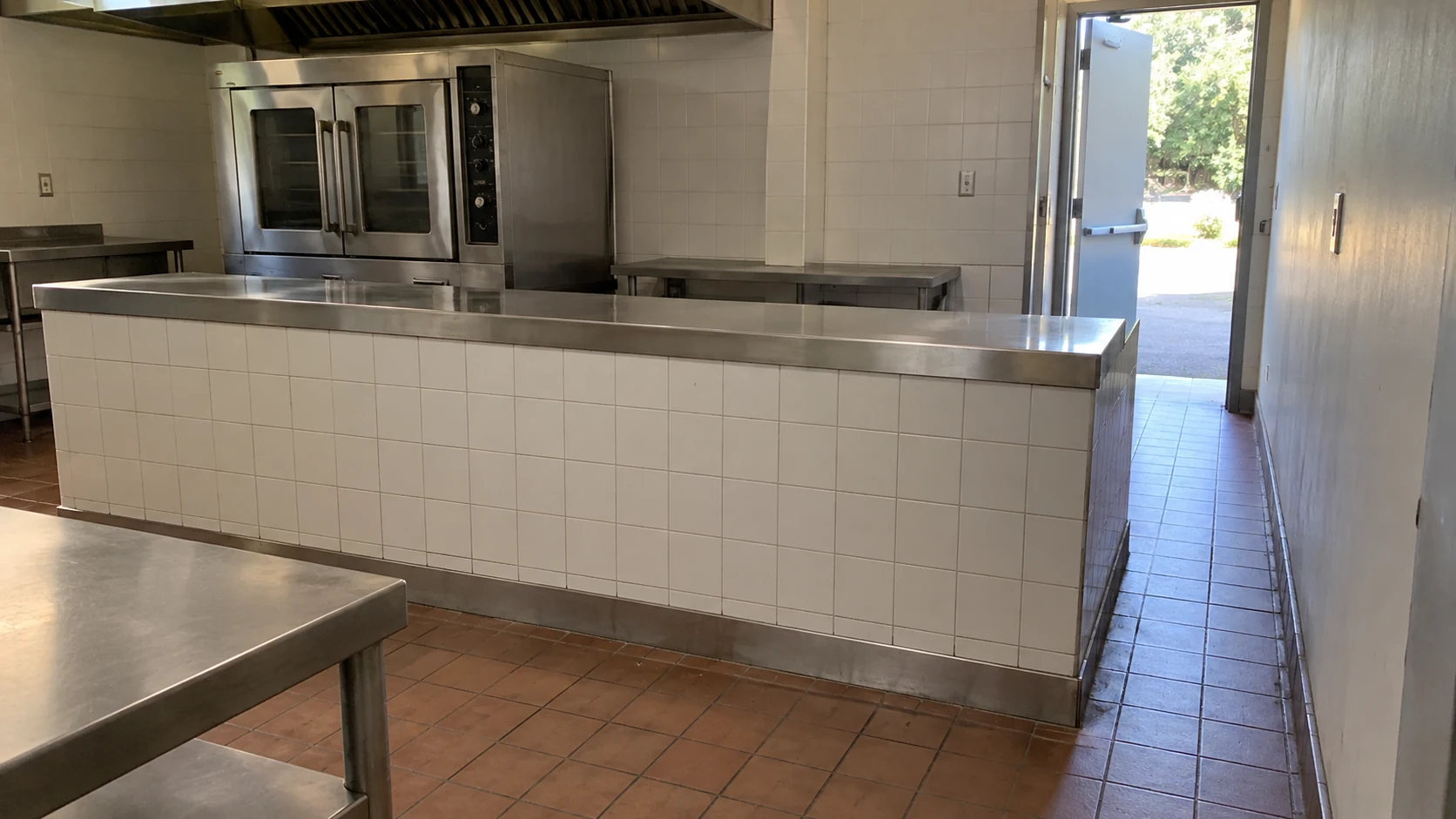
The outgoing and incoming items also have different release conditions. The responsible trades must make the existing equipment ready for physical handling, and the replacement needs a cleared destination before arrival. Separate physical carrying from plumbing, electrical work, installation and startup. Confirm dimensions and weight from the actual item or reliable model information, rather than a general picture of a similar stove.
Plan any dining-room clearance around the work area and later return layout. Identify the furniture that moves, its holding position and the return appointment; keep the guest route and contractor workspace separate. A booking calendar can set the deadline, but does not approve a vehicle position or loading period. If old equipment will not return, confirm the accepting destination and review Newark disposal separately. For the replacement, the furniture and selected-item delivery plan helps organize seller release, physical receiving and the next supplier's work. The first cost decision is whether the complete route is possible in the existing fit-out.
Events, staging and other professional work
Hotels, weddings, banquets and film projects. Temporary room changes need a placement plan, suitable holding space and a return appointment. Keep escape and working routes usable, coordinate with the venue or production team and identify who releases the room after the event. A private home can have a professionally commissioned event move too. Hiring movers does not include event design, furniture rental, production rigging or unlimited overnight storage.
Realtors, designers, stagers and resellers. A professional may book help for a client, for staging stock or for purchased pieces. Tell us whether you need internal rearrangement, collection, receiving from several suppliers or return of staging furniture. Agree who gives the layout and authorizes changes when the property owner is absent. Include purchased items' actual seller release in the local moving plan. Businesses interested in discussing cooperation can use our partner inquiry page; each job still needs an agreed scope.
Example 4: ordinary event furnishings enter a museum venue
The Newark Museum of Art's event page distinguishes venue furniture from additional hired equipment, requires outside vendors to meet its insurance and rules, and specifies freestanding decorations. Those published distinctions make the commercial scope more precise. Imagine an organizer bringing ordinary hired furnishings and a freestanding event display, with collection after the function. This is an event-delivery example, not authority to move the museum's collection.
Begin with the booked room and the venue coordinator's approved item list. Count what the venue supplies, what the caterer arranges and what the organizer hires separately. Otherwise, a delivery crew can bring a duplicate group while nobody has arranged its return. Reconcile those ownership lists with the room layout before dispatch, including the position of freestanding items and the clear guest route. The particular room's release, receiving entrance and arrival period must come from the authorized event contact.
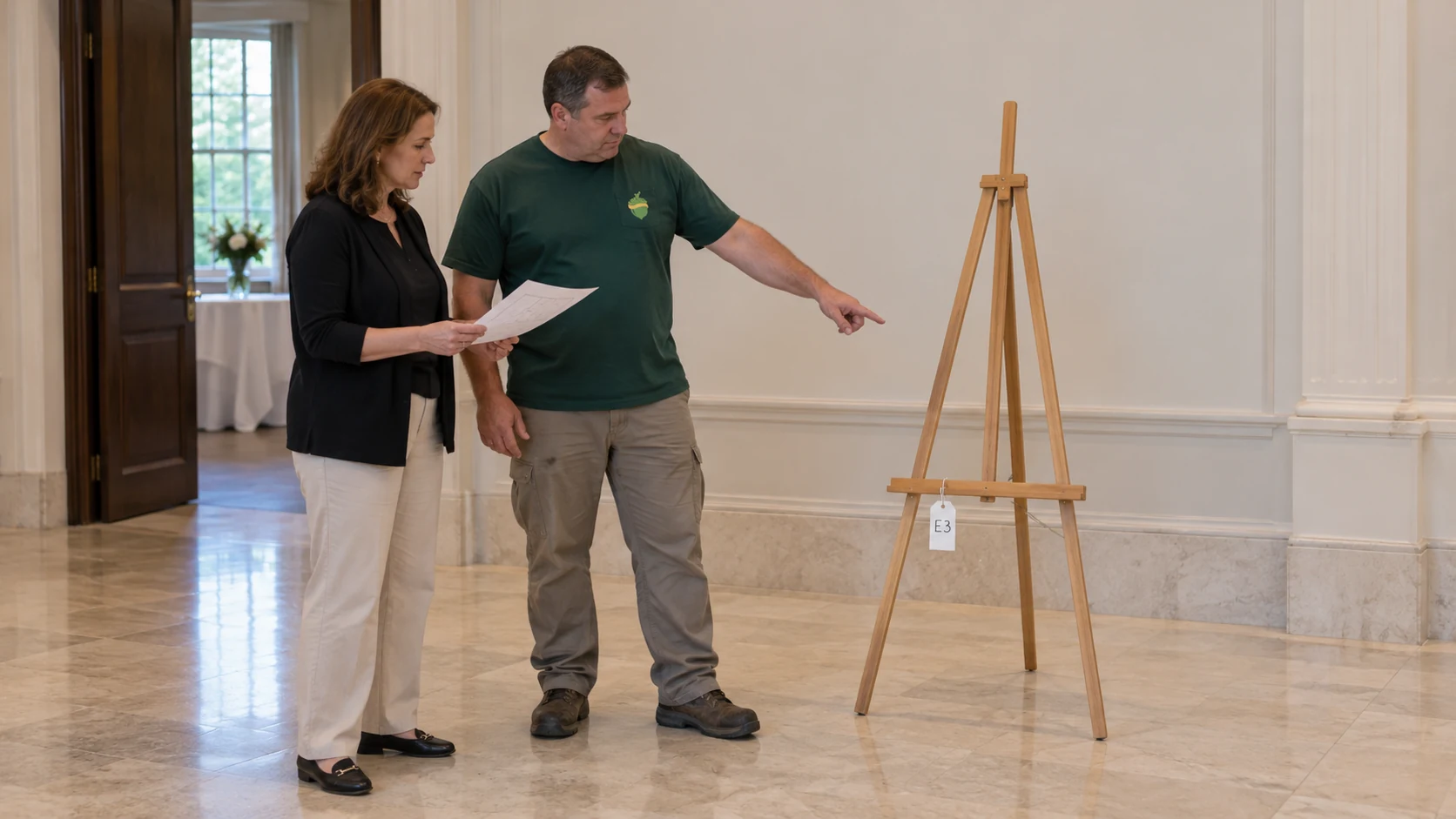
Give each hired group a return identifier and a named collection owner. A later crew should be able to distinguish an organizer's easel or chair group from similar venue property. Agree where the items wait after guests leave, who releases them and whether the next collection overlaps with breakdown, catering or another booking. Include the outward and return inventory in the same brief even if different crews attend.
An event delivery beside art requires respect for the approved work area; it does not permit attaching an ordinary display to a wall or touching a collection object. If the request expands into transporting artwork, stop treating it as the same furnishing order and review the actual object, authorized custodian and fine-art handling scope. A representative photograph of an ordinary freestanding display cannot prove museum approval. Count and check the placed furnishings with the receiver, retain the return plan and leave the venue's event work to its team.
Compare the full cost, including your own team's time
Decide what stays, goes, is replaced or must return before paying to pack it. Redundant printers, damaged chairs, old cubicles and surplus stock use labor, truck space and sometimes storage. Arrange a destination for each group.
Use junk removal and disposal for the removal plan. Business waste does not automatically qualify for a household collection program. Review the business's current collection arrangement and the accepting route for the actual materials; confidential records, electronics, batteries and chemicals need separate decisions.
Swipe sideways to read all three columns.
| Option | Include these costs | Have this ready |
|---|---|---|
| Full moving crew | Preparation, handling, vehicle, travel, delivery and additional tasks | Approved inventory, both routes and receiving layout |
| Employees pack desks; movers prepare company contents | Cartons, employee time, shared packing, equipment and furniture work | Instructions, destination labels and a packing deadline |
| Truck and driver; your team handles suitable pallets | Transport, trips, waiting, staff time, equipment and agreed securing | Suitable goods, vehicle capacity, loading teams and access at both ends |
| Phased or after-hours move | Preparation visits, staffing, work windows, building charges and handovers | Property permission and a feasible completion point for each phase |
| Storage and later return | Travel, unloading, storage, reloading, return transport and placement | Suitable storage and a receiving space released for return |
For a local job, the estimate identifies the charging basis, expected time, any minimum and separately charged work. An hourly estimate is not a price ceiling or guaranteed completion time. Basic furniture disassembly and reassembly use moving labor time, with no separate basic assembly surcharge. Boxes are charged separately; basic moving blankets, shrink wrap and tape have no separate material charge. Complex systems, heavy items and specialist tasks need an individual quote. Furniture unwrapping is part of delivery; optional box unpacking and packaging removal have their own charges.
An interstate business move needs its own long-distance plan, with the route, delivery arrangement and written pricing for that load. Household examples do not determine its terms. A quoted flat rate covers the agreed shipment and services; changes need separate agreement. Include the destination's building window even after a long journey.
Request an estimate for your business move
Tell us the business type and task: a relocation, opening, department transfer, internal move, delivery, temporary clearance or labor visit. Send what you know; we can recommend an item-list review, video survey or site visit. Floor area alone misses packed files, stock, a heavy oven and systems furniture work.
Include:
- Both addresses and the actual municipality, floors, loading position and full carrying route.
- Inventory and photos; models, dimensions and known weights for large items; pallet details where relevant.
- Employee, vendor and mover preparation, including sensitive contents kept with authorized staff.
- Preferred dates, last working period, required first use, supplier appointments and alternatives.
- Building instructions, COI and union rules, accepted dock or elevator reservations and management contacts.
- The destination layout and workstation identifiers, plus someone who can approve onsite changes.
- What stays, goes, is replaced or returns; any storage, assembly, hanging, removal or multiple releases.
- Who orders and pays, purchasing or approval requirements, and who receives each phase.
Before move day, share the latest plan with the people doing the work. Check preparation, accepted access and room readiness. If a contractor or supplier changes the sequence, tell us before the affected crew or truck leaves.
Business moving questions
Can you move an entire office or just one department?
Yes. We move whole offices and selected departments, preparing and moving the contents in your agreed inventory to their new positions. For a department move, identify what stays in use and when the new area must be ready; we use those priorities to plan the phases, crew and access at both ends.
Can employees pack their own desk contents?
Yes. Employees can pack their desks while we prepare the shared contents, equipment and furniture assigned to us. Label cartons with the new room or zone, department and employee or workstation. Three to five cartons per person is a planning example, not a fixed allowance; count the actual contents and set a packing deadline.
Can you deliver packing boxes before the office move?
Yes. We can arrange carton delivery before your move so employees have time to pack. Tell us the quantity, delivery date, receiving contact and building access. Company-supplied boxes are charged separately; earlier packing work can also be included in the job.
Do you pack computers, monitors and office files?
Yes. We pack and physically move the office contents agreed for the job. Your IT provider arranges backups, shutdown and equipment readiness; Sterling can quote agreed IT disconnection separately. The business sets filing order and decides which records stay with authorized staff. Network reconnection, system startup, data management and certified secure-records handling need separate arrangements.
Will you reconnect the network and get the office systems running?
Your IT provider handles network reconnection, connectivity and system testing. We deliver the prepared equipment to the agreed locations and plan access so that team can work afterward. Include the IT appointment in the move schedule; physical delivery alone does not make the systems ready for use.
Can you disassemble and reassemble cubicles?
Yes, with the method and price agreed for your workstation system. Send the manufacturer, model, condition, installation information and new layout. We need to identify panels and fittings for their destinations. Compare reuse with replacement first: missing parts and reassembly work can change the cost, and systems work may be quoted separately from basic furniture operations.
Can you move an office phone booth or acoustic pod?
Its model, weight and access route determine whether it can travel assembled or needs dismantling. Send the make, dimensions, known weight and details of doors, stairs and elevators so we can propose the handling method and price. Some models use a manufacturer's relocation kit; a kit for one pod is not suitable for every booth or for truck loading.
Can you install whiteboards, televisions and office artwork?
Yes. We can quote hanging, mounting and related handyman work alongside the move. Provide the item, wall construction, hardware and an approved position. Technical connections and electrical work need their own scope and responsible provider; transport and mounting do not include them automatically.
Can you work after business hours or over several days?
Yes. We arrange evening, weekend and phased moves around building permission and crew availability. Match both properties' hours, allow for travel and unloading, and agree staffing, charges and a completion point for each phase. A short elevator reservation may require several visits rather than one overloaded night.
Can Sterling work in a building that requires union movers?
Yes. We can arrange work at union-required properties. Send the exact building instructions, documentation requirements and management contact early so we can check the proposed crew and access with that property.
Who arranges the COI, loading dock and freight elevator?
Send the mover's COI requirements to our planning team. Your business coordinator and the property managers should assign who books each dock and elevator and who confirms acceptance. Include the required entities and wording, both reservations and the contact who opens the route. A submitted document or booking request still needs management's acceptance before the move.
Can we hire only a truck and driver for palletized stock?
Yes, when your staff can load and unload the suitable goods at both ends. We quote transport, trips, waiting and agreed load securing. Check pallet condition, dimensions and weights, vehicle capacity, loading equipment, operators and access before booking. Include your team's time and equipment when comparing this with a full moving crew.
Can you move restaurant refrigerators, ranges and ovens?
We can quote moving these items after checking their model, weight, condition and complete extraction route. The appropriate trades must prepare and disconnect them for transport. A counter or later fit-out may block the original route; demolition, utility hookup and commissioning need separate arrangements.
Can a contractor hire you to unload or carry a heavy delivery?
Yes. Book a handling or labor visit for the delivery you need unloaded and carried to its final position. Send arrival details, item models, dimensions, known weights and the full route. We agree the crew's tasks in advance; construction and installation work remain with the responsible trade.
Can you clear premises for renovation and return the contents?
Yes. We can move contents to an agreed onsite position or offsite storage, then return them when the space is ready. Identify who authorizes the goods and who approves the return; record item identity and the intended layout. Include both visits, travel and any extra loading or storage. Restoration work and insurer reimbursement are separate from the move.
Do commercial jobs include shops, museums, events and storage operators?
Yes. Businesses and institutions, including nonprofits, can hire us for moving and handling work. We plan retail contents, temporary room changes and authorized storage transfers around the specific inventory and permissions. Collections and other specialist items need a separate handling plan.
Can an office or business move to another state?
Yes. We can arrange a commercial long-distance move with an inventory, route, delivery plan and written pricing for that shipment. Include receiving restrictions at the destination. Household examples do not set the timing or terms for your business load; a quoted flat rate applies to its agreed shipment and services.
How can we reduce the overall cost of a business move?
Remove unwanted items before paying to pack, transport or store them. Employee desk packing, a feasible phase plan, direct delivery instead of storage, or customer loading of suitable pallets can also reduce some costs. Compare the whole job, including staff time, cartons, repeat visits, waiting and equipment. The lowest hourly rate does not necessarily produce the lowest total.
Is a local commercial estimate a fixed price?
An hourly estimate is an estimate of time and cost, not a maximum charge or guaranteed completion time. Ask for the written charging basis, any minimum and separately charged tasks. Cartons, specialist work, storage, optional box unpacking and packaging removal belong in that breakdown.
Can a Newark team move out of shared workspace without taking host property?
Yes. List the team's items separately from host-owned desks, shared furniture and printers, then have the business and workspace contact authorize the actual collection. NJII's published incubation settings illustrate why both kinds of property can share a room. Identify what travels, what stays and who releases each group before packing or dispatch.
Does a Newark building reservation also reserve the street for the truck?
No. Arrange building access and street space separately. The City's traffic page links to a curb loading-zone application, but the link alone does not approve your truck. Check the actual position, signs and current conditions with the responsible authority.
When is truck plus driver useful for an Ironbound stock transfer?
When the selected goods fit the vehicle and the customer supplies competent loading and unloading at both ends. Agree handling units, operators, payload, restraint, released stock counts and the receiving period. A pallet photograph alone does not establish that the complete method is ready.
Why survey a restaurant extraction path before ordering equipment removal?
The installed equipment may have entered before the present counter or partition existed. Check its actual dimensions and every turn, doorway and fixed obstruction. The appropriate owner and contractor must release any required alteration; physical handling does not include disconnection by a trade, installation or startup.
Is museum event delivery the same scope as moving a collection?
No. The Newark Museum of Art publishes event furniture and vendor distinctions, including freestanding decorations. An ordinary event brief needs its own item ownership, room placement and return plan. Collection objects require a separately authorized and reviewed art-handling scope.