

New Jersey / Moving services
Movers in Woodbridge, NJ
Move the belongings you choose, with the packing and receiving help that makes the next home usable. Plan the basement, stairs, building window and working curb together.
01 /
Choose the work you want completed in Woodbridge
Sterling Oakbridge provides household and office moving, with packing, ordinary furniture assembly and receiving help chosen around the actual contents. You can arrange an agreed household move or select the work you need help finishing. Tell us whether the useful result is furniture in designated rooms, cupboards prepared for transport, or cartons opened so you can begin using the new home.
Sterling Oakbridge provides local and interstate household moves, commercial moving, packing and storage. Choose the work you need, then let us review the inventory, access and timing for your estimate.
| Moving help | What we can include | What to send |
|---|---|---|
| Local residential moving | Loading, transport, delivery and basic furniture disassembly and reassembly | Both addresses, inventory, dates and the route through each property |
| Interstate moving | Pickup, transport and delivery arrangements, with storage when needed | Destination, date constraints and the person receiving the shipment |
| Commercial moving | Office and business furniture, equipment and agreed preparation, including moves with building restrictions | Business type, equipment list, building rules and the work schedule to protect |
| Packing and unpacking | Selected-item or full packing, preparation before move day and optional box unpacking | What you will pack and what you want us to prepare |
| Storage and staged delivery | Storage between addresses and an agreed receiving and delivery plan | Expected dates, contents and anything you need to access during storage |
| Designer and hotel furniture receiving | Receiving, storage and delivery of furniture to an agreed plan | Expected shipments, delivery instructions and the final receiving site |
This page focuses on Woodbridge proper, the Census-designated place within Woodbridge Township in Middlesex County, New Jersey. The Township lists ten communities, including Woodbridge proper, Avenel, Colonia, Fords, Iselin and others. The smaller Woodbridge CDP is not the entire municipality. Send the complete street and unit at both ends so the proposal uses the right property, street authority and collection arrangements.
The 2020–2024 ACS estimates for Woodbridge CDP count 8,290 housing units: 3,530 in detached single-unit homes, 548 in attached single-unit homes, 841 in two- to four-unit structures and 1,099 in structures with at least 20 units. Those are housing units rather than buildings or moving jobs. A house with a basement, one upstairs unit and an apartment with shared access each need a different review of the work.
Start by separating what moves from what stays. Identify contents in a basement, shed or storage locker as well as furnished rooms. A household that packs its own clothing may still want help with books and kitchen fragiles; another may need packing first and receiving work later. The written proposal should describe the division you actually want.
02 /
Follow the route from the basement to the receiving room
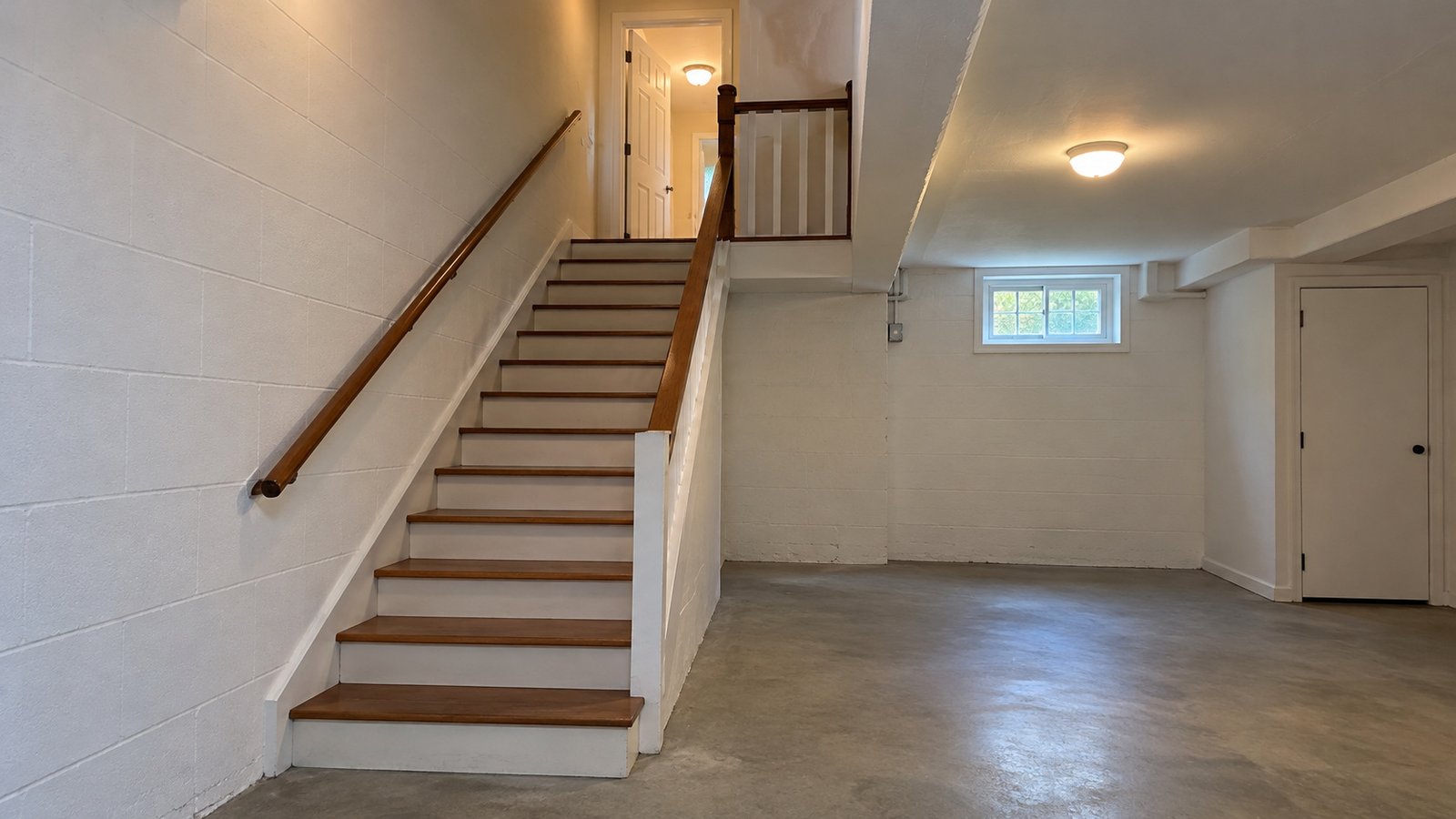
Include every part of the carrying route in the review. At a house, follow basement or shed contents through the actual door, all stairs and turns, the enclosed porch if used, outside steps, gate and the proposed vehicle position. A side driveway may reach the backyard while the useful basement exit is elsewhere. Showing both does not establish that either can carry the largest piece safely.
| Starting situation | What makes the work reviewable |
|---|---|
| House with stored contents | Open the selected basement or shed groups; show every change of level, whole door opening, landing and route to the vehicle. |
| One apartment in a shared house | Name the unit and floor, distinguish other residents' belongings, and show shared stairs, turns and the entrance the owner permits. |
| Managed apartment building | Identify the authorized entrance, all lifts, transfer corridors, door sizes, working window and the person who accepts the arrangements. |
Continue that review at the destination until the furniture reaches its intended room. Include a second lift, an internal stair or a long corridor after the main elevator. Measure the object and actual openings when fit is uncertain. A room's floor area or a listing's elevator symbol does not establish a usable moving route.
We can coordinate building COIs, moving-truck permit arrangements, elevator scheduling and moves that require union labor. Send the building instructions and management contact early. We can also arrange materials and packing before the carrying window when the property permits that access.
The agreed plan should identify who submits each request, who approves it and which municipal or building charges apply. An application is one step; the required access and time still need confirmation.
For example: stored belongings behind a finished room
A household is moving its living-room furniture and a selected basement group. The basement passage runs through a room that will still be occupied during preparation. The household first identifies the retained contents and clears an authorized path; the coordinator reviews the complete stair and exit. Packing can happen earlier only where the property permits it, while carrying uses the accepted window. The homeowner and crew then share a defined route and inventory. This is an illustrative situation, not a claimed customer job.
03 /
Plan the working curb and the truck approach separately
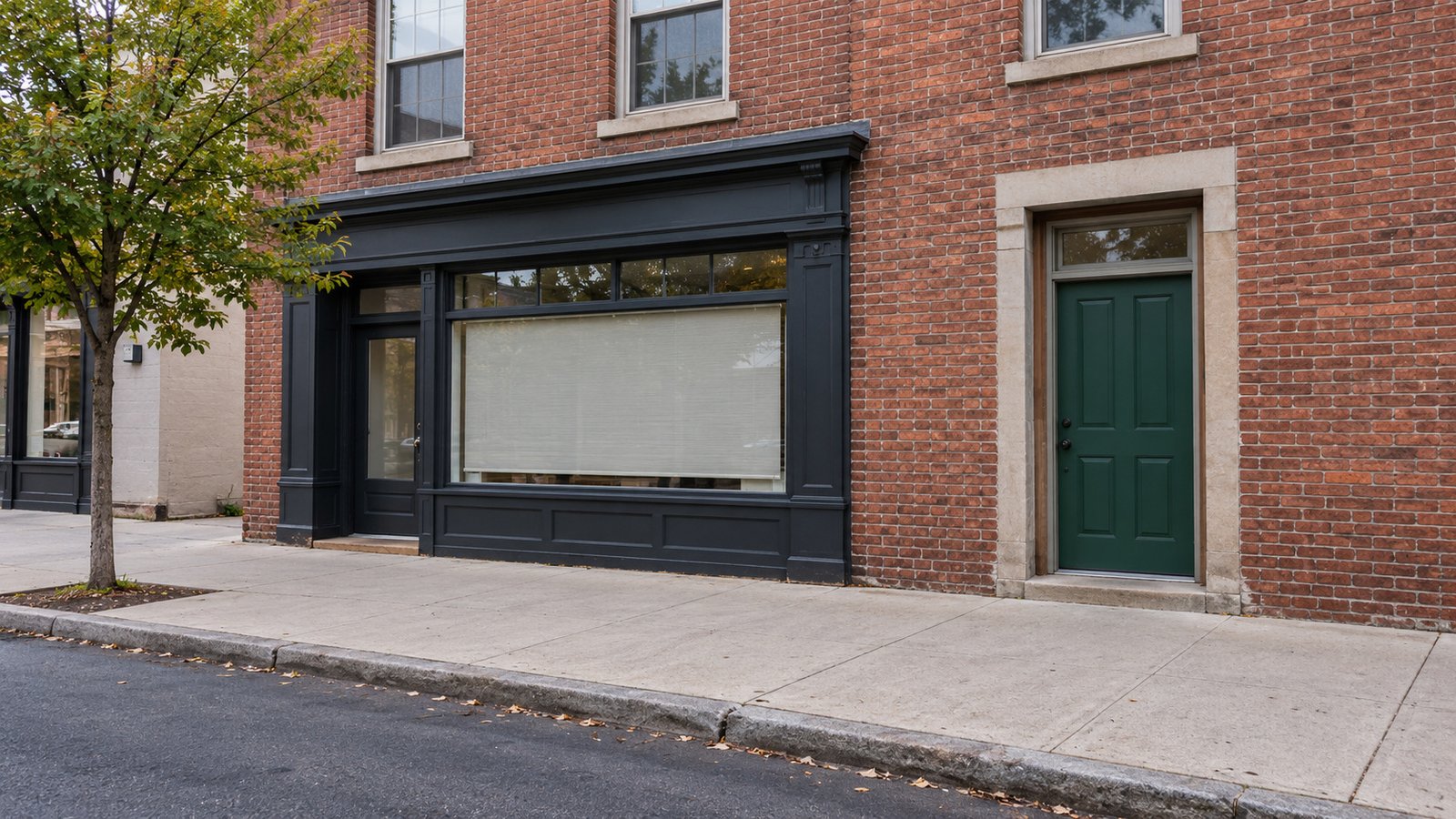
The useful arrangement is a lawful place for the actual vehicle, room for the loading operation and a clear path to the entrance. Give the coordinator the street, side, proposed hours, vehicle dimensions and any required ramp or rear-working space. Review posted restrictions, crosswalks, bus stops, driveways and the public walking route before relying on an apparently empty curb.
Woodbridge Township's traffic code addresses several different questions. Section 7-17.1 exempts named and addressed contractors, service and delivery vehicles from residential permit requirements while actually providing services to a resident within the affected area. That qualified exemption does not reserve an exclusive space or remove other stopping, standing or parking restrictions. A resident or commuter permit is not a substitute for a workable loading arrangement.
Section 7-36 lists specific loading zones, including precisely described parts of Main Street, for loading or unloading goods and materials during the listed times. A zone elsewhere on Main Street does not establish permission outside your door. Check its exact side, extent, current signs and usable working space; active loading permission is not a whole-day reservation.
The approach also matters. Section 7-24 directs trucks at or above its four-ton registered-weight threshold to designated routes, with state and county roads treated separately. It expressly preserves deliveries of merchandise or other property on otherwise excluded streets. That delivery provision does not turn every residential street into a through route. The coordinator should review the actual vehicle's approach to the selected address, including current signs and any independent road restrictions.
For an address-specific question about temporary space, signs or a traffic arrangement, use the Township Police Department at 732-634-7700 and ask for the responsible traffic contact. Supply the operation and vehicle details, establish the applicable procedure and assign who obtains any required acceptance. Confirm any required acceptance, signs, lead time and municipal charges before dispatch.
For example: the original loading position is unavailable
If the proposed frontage cannot be used, the household's authorized contact and coordinator should choose before dispatch between another accepted lawful position, an accepted later window or a changed moving stage. Review the longer carrying route, staffing and charges before accepting it. Do not make double parking, blocking a pedestrian route or improvising cones the fallback. Keep the alternative available until the property and street arrangements are confirmed.
04 /
Do not make overnight street waiting the receiving plan
Arrange a confirmed place for the shipment if the receiving home is not ready. The Township code's §7-16 includes a 9 p.m.–6 a.m. parking prohibition for commercial vehicles with a manufacturer GVWR of four tons or more, alongside other listed vehicle categories. Its courier pickup-and-delivery provision is qualified; the section also treats more than 30 minutes without loading or unloading activity as presumed parking. That is not a general allowance for a moving truck to wait at the curb overnight.
Section 7-8.2 separately prohibits an unattached trailer on municipal streets, with its stated courier-vehicle exception. A delivery-related provision in another section does not establish permission to leave a trailer behind. Review the particular truck and operation with the responsible authority rather than planning around the word delivery alone.
If keys, closing or building acceptance are uncertain, set a decision time before loading or dispatch removes the workable alternative. The authorized household contact and move coordinator can accept a later pickup while origin access remains available, or confirmed storage and later delivery. Identify handling and storage costs, receiving access, the people who must attend and where the household will stay. A storage phone number is not a booking.
Resume when the person controlling the receiving property has released access and the coordinator has accepted the revised route and timing. Keep medicines, documents, keys, chargers and necessary clothing with the household. A priority carton buried in the shipment cannot replace the essentials needed while delivery is delayed.
05 /
Pack the agreed groups while keeping essentials available
Full packing prepares the accepted household contents for transport. Partial packing addresses selected cupboards, rooms or fragile groups while you prepare the rest. Show the actual shelves and stored contents, then decide who finishes each group. The word kitchen can mean a few everyday cupboards or a larger collection that needs substantially more preparation.
Labor, materials and optional work
| Item or task | How it is charged |
|---|---|
| Basic furniture disassembly and reassembly | Part of your moving labor time, without a separate basic assembly fee |
| Moving blankets, shrink wrap and tape | No separate charge for these basic protection materials |
| Boxes supplied for your move | Charged separately |
| Packing | Charged for working time; boxes are separate |
| Unwrapping furniture | Part of delivery |
| Unpacking the contents of boxes | Optional work, charged for working time |
| Packaging and waste removal | Charged separately |
| Complex furniture and other specialist work | Individually quoted after review |
Tell us which tasks you want completed and which materials you need. Your estimate should distinguish moving labor, boxes, specialist work and removal charges.
Specialist services by individual quote
| What needs attention | Work available for review |
|---|---|
| Complex furniture | Bunk beds, Murphy beds, large flat-pack wardrobes and specialist sofa disassembly and reassembly |
| Heavy items | Pianos and grand pianos, safes, gym equipment and pool tables |
| Art and collections | Fine-art handling, soft packing, custom crates and crating to an agreed museum or collection specification |
| Hanging and installation | Pictures, mirrors, wall-mounted TVs, curtain hardware and chandeliers, with the removal, installation and any technical work scoped separately |
| Business equipment | Office furniture systems, restaurant refrigerators and ranges, and industrial equipment assessed for the specific item and route |
Send photographs, dimensions, make or model where relevant, and the route through both properties. Describe exactly what needs to be taken apart, moved or installed. We review the method and required work before providing an individual quote.
An earlier packing visit can leave the moving window for carrying when access, materials and the additional visit are accepted. A reviewed smaller inventory may be packed and moved on one day. Full cupboards, a narrow building window or unfinished household sorting can require a different sequence. Put the accepted visits and costs in the plan before the last usable preparation day.
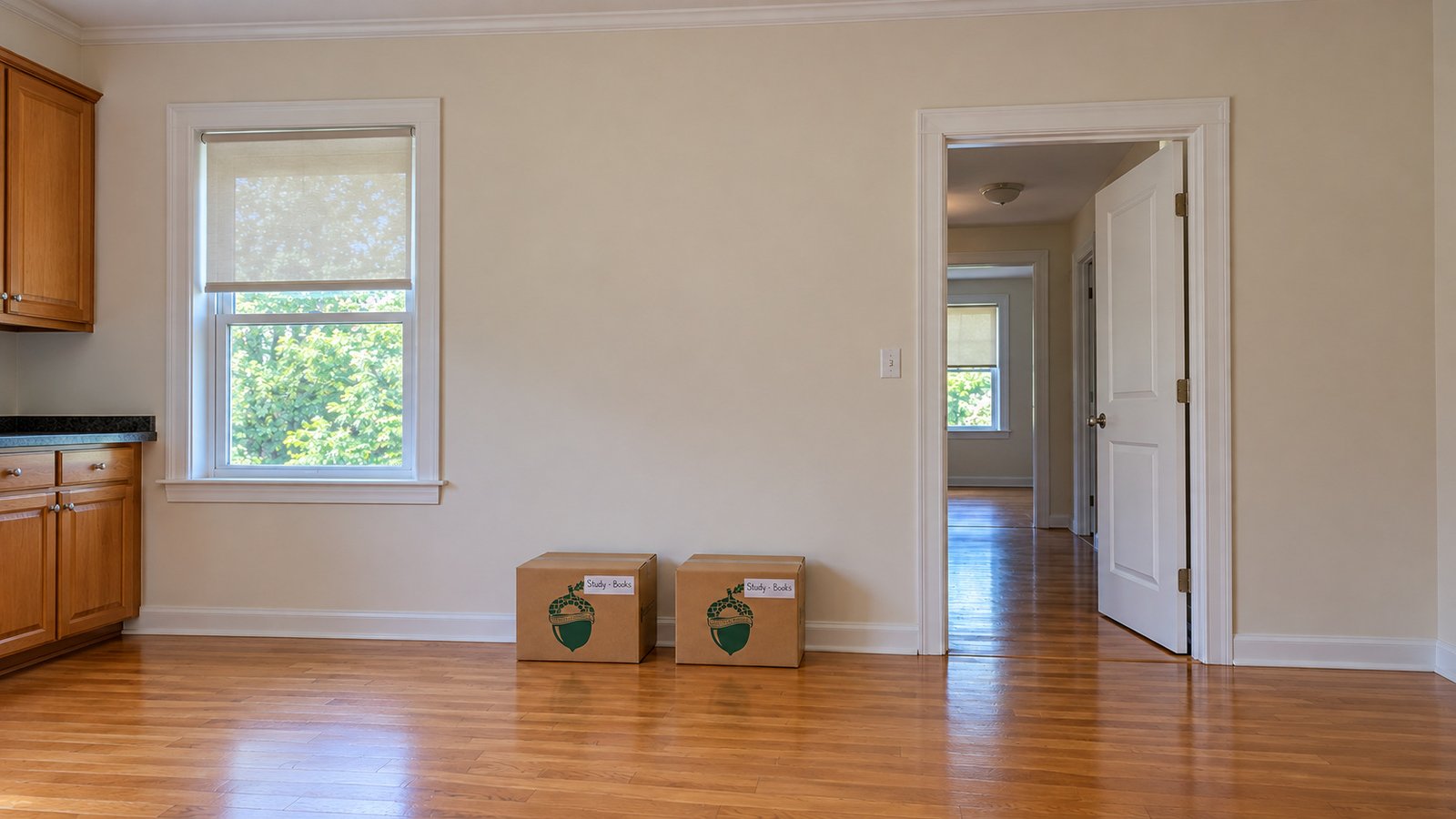
Label cartons with a destination and useful contents. Books need a manageable carton group; bedding should remain distinguishable from the reading-room cartons. If some belongings go to storage or another household, identify the accepted receiving address and keep that group separate. Color can help people recognize a group, but words still need to tell a new receiver where it belongs.
Keep ownership decisions and private papers with the household. Set aside what you need for the final night and journey before cupboards are prepared. After delivery, basic unpacking opens agreed cartons onto available surfaces; organizing places items into final positions under your direction. Empty-material removal is another agreed task. The packing and unpacking service explains those different finishing results.
06 /
Prepare furniture for the route and its final position
Show the largest pieces and their actual construction before deciding how they will travel. Include surface condition, removable components, existing damage and any missing fasteners. Ordinary emptied drawers normally stay secured with their protected furniture. Integral legs and supports are not loose packing accessories to remove simply because the object is being moved.
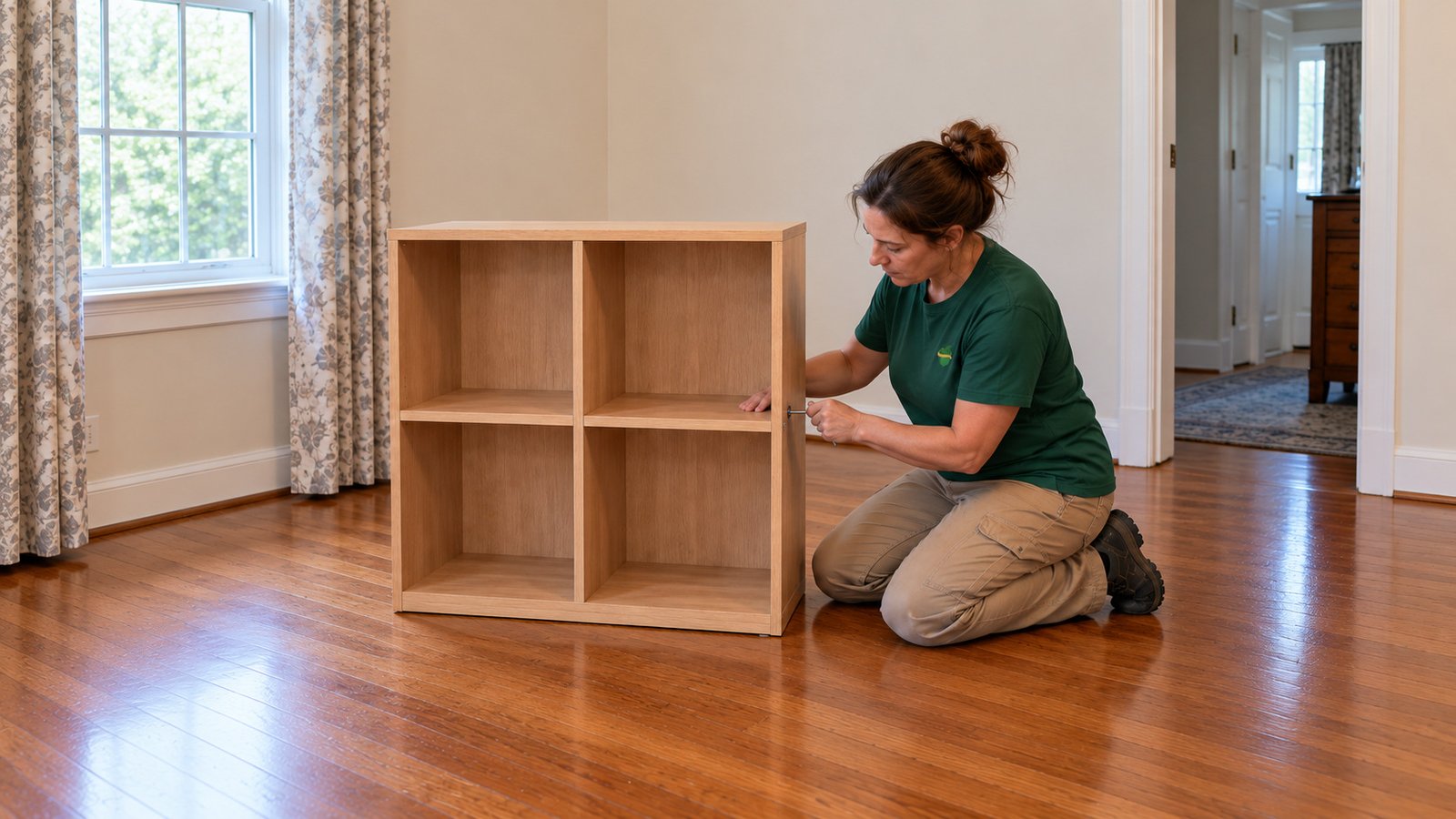
Basic disassembly and assembly are moving labor where suitable for ordinary construction and the agreed scope. The crew needs the actual bed, table or shelving system, its fittings and the route it must use. A sofa fitting the room does not prove it can turn on the basement stair. Removing a door or changing the building requires the relevant property authority and an accepted method.
At delivery, choose the receiving room and position before assembly. Labeled fittings should stay associated with the correct piece. If damage, an unusual connection or missing hardware prevents ordinary assembly, the authorized contact needs a decision about repair or specialist work instead of an unsupported promise that the piece will be ready that evening.
Art, antiques and unusual or sensitive construction need their own preparation review. Use the white-glove moving or fine-art service as a starting point for that scope. Building installation, wall mounting and technical hookups are separate from putting ordinary furniture together.
07 /
Assign the office receiving work before promising a restart
Office moving can include agreed furniture, workstations and equipment, with selected packing, phased work or after-hours access where accepted. Name who controls both properties, which belongings belong to the business and the entrance the crew may use. Review loading, every lift and corridor, documents and the actual receiving window before deciding the sequence.
For example: furniture arrives before the office can reopen
An office can receive furniture in an approved evening window, but computers need reconnection the next morning. Labels and disconnected equipment can be prepared earlier in an authorized area. The coordinator plans the physical delivery, while the client assigns its IT provider to reconnection, testing and startup. If building acceptance is missing before dispatch, the client's authorized contact chooses a confirmed later window or an accepted storage-and-delivery arrangement and its costs. Moving furniture into rooms does not by itself restart the business.
IT transport and disconnection are available; arrange reconnection and system startup with your IT team. Crane work is outside our service scope.
We can also quote island moves, recycling, move-out cleaning and car shipping. For an island destination, provide the exact address so the vehicle or freight crossing, receiving arrangements and final delivery can be reviewed together.
08 /
Compare the same inventory, access and finished result
Local moves: estimated hours, not a fixed total
Most local moves are priced by working time. Your estimate sets out the hourly basis, any minimum hours and the work and materials to be charged separately. Estimated hours help us plan the crew and whether the work can fit the proposed day; they are not a maximum charge or a promise that the move will finish within that time.
A move estimated at six hours may take eight if traffic delays the truck, an elevator is shared rather than reserved, packing is unfinished or the inventory or plan changes. Tell us about changes early. If the work needs preparation on another day or a separate delivery stage, we will review those arrangements with you. Charging follows the written terms for the move.
Long-distance flat rates: the same scope, the same price
For a long-distance move quoted at a flat rate, the agreed price stays the same when the shipment and agreed work stay the same. Added belongings, omitted items, extra packing or changed access and delivery requirements can change the scope and price. Keep the inventory, packing responsibilities and pickup and delivery conditions in writing, and have additions reviewed before the affected work begins.
For a local hourly proposal, estimated hours help plan staffing and stages; they do not cap the final charge. Compare the same retained contents, packing division, stairs, carrying distance, work windows and desired receiving result. State how additional work and changed access will be reviewed and approved. A shorter road distance does not remove packing time or the stair between the room and street.
Keep company cartons, optional unpacking or organizing, material removal, storage and extra visits visible as separate choices where they apply. Basic furniture assembly can be labor within the accepted move; it does not make every repair, installation or supply free. A useful comparison follows the completed job rather than the lowest number beside an unspecified scope.
For a household-goods move within New Jersey, the Division of Consumer Affairs' mover FAQ requires an on-site or virtual survey of the goods before the written estimate. An inventory helps begin the conversation, but a small shipment or bedroom count does not replace that survey. Show open contents and the full route so the proposal reflects the actual work.
A move between states needs its own classification and documents. FMCSA explains the interstate-move definition; distance alone does not determine it. Long-distance flat-rate terms remain tied to the agreed shipment and service scope. For interstate household goods, federal liability and protection guidance explains relevant choices; valuation should not automatically be described as a separate insurance policy. Ask for the applicable written terms and any high-value conditions for your actual move.
09 /
Choose dates that both properties can actually support
Begin with several dates that fit the lease or closing, the household's preparation and each property's access. Check summer travel, school or work commitments and end-of-month handover pressure against that real calendar. An earlier packing day may make the move easier to schedule if the property allows preparation and the additional visit is accepted. A mid-month date does not establish a discount or available crew.
Pickup and delivery windows must work in sequence with travel between the addresses; they do not have to be identical. Confirm who releases keys and who receives the shipment. Keep enough time to choose the agreed alternative before an uncertain closing or delayed approval makes the original plan unusable.
For winter work, §7-10.1 applies snow parking restrictions to indicated streets when accumulation covers the road; restrictions continue until plowing permits parking without interfering with traffic and depend on legally erected signs. Section 7-9 separately addresses emergency no-parking signs. Recheck the actual street and current instructions rather than assuming an earlier truck position remains available.
Keep outdoor steps, the threshold and the carrying path usable. If weather or a property closure removes safe access, the authorized household contact and coordinator should accept another window or confirmed arrangement before dispatch, with changed costs stated.
10 /
Arrange unwanted furniture and cartons by an eligible route
Mark unwanted furniture separately from the retained shipment before loading begins. Company removal is separately arranged and charged for the selected items and accepted receiving route. It is not automatically included in packing or delivery. Decide the removal day early enough that unwanted items do not block handover or the carrying path.
The Township's collection questions and answers directs residents to call Sanitation at 732-738-1311 extension 3600 to schedule bulk pickup. Give the actual items and address and obtain the accepted pickup and preparation instructions before setting them out. Use the address-based calendar or Recycle Coach for ordinary collection and item guidance; the schedule for a different Woodbridge community is not enough.
The Convenience & Recycling Center at 225 Smith Street in Keasbey is for Township residents with proof of residency. Its published rules exclude commercial vehicles, commercial plates, out-of-state plates, box trucks and rental vehicles, and exclude construction or demolition material. Do not plan for the moving truck or a rented van to drop the household's leftovers there. Use a resident-eligible arrangement under the Center's rules, scheduled eligible bulk collection, or separately accepted company removal.
After unpacking, inspect cartons and paper for small fittings or retained belongings before gathering outgoing materials. Put checked empty packaging in an allowed place and arrange any removal before it obstructs common access. Final cupboard placement under your direction, installations and handyman tasks each need their own accepted work, executor and price.
11 /
Send the facts that turn a request into a workable proposal
Review the household goods before the written NJ estimate
For a household-goods move within New Jersey, arrange an on-site or virtual survey before the written estimate, including a small shipment. Start with your item list and addresses so the move-planning team can arrange that review; the list helps preparation and does not replace the required survey. Show the stored contents, open cupboards, actual furniture and access.
The survey helps plan staffing, time and preparation. The person reviewing the move is not necessarily part of the moving crew. If you need a separate service rather than a household-goods transport move, identify that work in the request so its review and written scope match the task.
Send both complete addresses and units, useful date options and the actual retained inventory. Include basement, shed or locker groups and open cupboards for the survey. Identify the contents you will prepare, what the crew should pack and when final essentials can become available. Name every confirmed receiving stop if the shipment is divided.
Show every door, stair, turn and lift between the starting items and their receiving rooms. Add the proposed vehicle approach and working position, including the current property or street arrangements. Name who releases keys, accepts documents and windows, and can authorize a change before dispatch.
State what you want ready when the agreed work ends: selected furniture placed, an ordinary bed assembled, cartons opened, or a later finishing visit. Put optional work and the confirmed fallback in the written scope. The household, property contacts and crew can then work from the same plan.
12 /
Questions before you move
Is this Woodbridge proper or the whole Township?
This page focuses on Woodbridge proper, the Woodbridge CDP within the larger Township in Middlesex County. Township rules may apply across its communities, but the CDP housing figures describe the smaller place. Send the actual street and unit at both ends so a postal or community name does not substitute for the correct property and jurisdiction.
Can I arrange help for only part of my move?
Yes. Selected moving labor, partial packing and agreed receiving work can address a defined set of belongings. Name the rooms, furniture or contents included and the preparation you will finish. The proposal then describes that division; private sorting, unwanted-item removal and organizing are separate choices rather than assumed parts of every job.
What should I show for a house with a basement or enclosed porch?
Show the selected stored contents and the entire path through the basement door, stair, landings, porch if used, outside steps and vehicle position. Continue through the destination to the intended room. Include the largest furniture and who permits each entrance. A clear front-door photograph alone does not show that full route.
Can an elevator building still need extra access planning?
Yes. Every lift, door and transfer corridor on the route matters, including a second lift or internal stair after the lobby. Coordination can cover accepted bookings, access windows, COI documents and other building requirements. The property controller must accept them; a listing naming an elevator does not establish carrying capacity or a moving reservation.
Do I need a resident permit for a service vehicle on a permit street?
Section 7-17.1 includes a qualified exemption for contractors, service and delivery vehicles bearing a business name and address while actually serving a resident in the affected area. It does not reserve an exclusive curb space or remove other restrictions. Give the Police traffic contact the actual address, vehicle and operation when temporary space or signs need an applicability decision.
Can I reserve any Main Street loading zone for my move?
A listed loading zone permits the specified loading activity during its applicable hours; it is not an exclusive household reservation. Main Street zones have exact sides and short defined extents. Review the actual signs, location, usable length and carrying route. If it cannot serve the job, accept another lawful position or window and any changed carrying cost before dispatch.
Does the truck-route rule prevent delivery to a residential street?
Section 7-24 expressly preserves deliveries of merchandise or other property on streets otherwise excluded by its truck-route provisions. That does not make the street an unrestricted through route or cancel independent restrictions. The coordinator needs the actual vehicle and destination approach, current signs and a lawful working position rather than the shortest map route alone.
Can the moving truck wait on the street overnight?
Do not use overnight curb waiting as the fallback. Section 7-16 includes a 9 p.m.–6 a.m. restriction for commercial vehicles at its four-ton manufacturer-GVWR threshold and other listed categories. Its courier and active-delivery language is qualified, not general permission for a household move to wait overnight. Agree confirmed storage or a later accepted stage before the shipment depends on receiving access.
Can a trailer be left at the curb until the receiving home is ready?
Do not plan that arrangement. Section 7-8.2 separately prohibits an unattached trailer on municipal streets with its stated courier exception. A delivery provision elsewhere does not establish permission to leave a moving trailer behind. Use a confirmed accepted holding or storage arrangement and a receiving plan with known costs and timing.
Is the local written estimate the maximum I will pay?
No. For a local hourly job, estimated hours plan the labor and day; the final charge can change with actual time, readiness, access or additional accepted work. Compare the same inventory and finished result and establish how changes will be approved. Long-distance flat-rate terms have their own agreed shipment-and-service-scope conditions.
Does a small move within New Jersey still need a survey?
Yes. The New Jersey household-goods written-estimate process requires an on-site or virtual survey of the goods. A small shipment, room count or inventory list does not remove that requirement. Show the open contents, actual furniture and access so the written proposal can reflect the work. A separate service visit remains its own request.
Are ordinary furniture assembly and packing materials included?
Basic furniture disassembly and reassembly use your moving labor time without a separate basic assembly fee. Moving blankets, shrink wrap and tape have no separate material charge. Boxes are charged separately. Complex furniture and specialist work receive individual quotes.
Can I pack clothing while the crew packs books and kitchen contents?
Yes. Partial packing can divide the work into those named groups. Identify the cupboards and shelves included, what you will finish and when final essentials are available. Packing labor takes working time and company cartons are separately charged. Label each destination group so retained belongings follow the intended receiver.
Can packing and moving happen on the same day?
Sometimes, for a reviewed inventory and workable access. Full cupboards, unfinished sorting or a narrow building window can require an earlier packing visit or another accepted sequence. That visit needs permission to prepare the space, materials and stated costs. Decide from actual contents and available working time rather than a bedroom-count promise.
What do I keep with me if delivery may be later?
Keep medication, identification, keys, private papers, chargers, necessary clothing and travel essentials with the people who need them. Agree when the last bed and everyday kitchen items can be prepared. A priority carton inside the shipment may be useful after unloading but can be inaccessible during travel or storage.
Can ordinary furniture be assembled in its receiving room?
Basic assembly can be moving labor where the construction, condition and accepted scope allow it. Show the actual furniture and fittings, keep parts labeled and select the receiving position before assembly. Missing hardware, repairs, unusual construction, wall mounting and installation need a separate decision; transport alone does not establish that every piece will be ready for use.
Can you unpack and take away the packaging?
Furniture is unwrapped as part of delivery. We can also unpack the contents of boxes as optional work charged for time. Packaging and waste removal are charged separately; include the help you want in your request.
What happens if the keys or closing are delayed?
Before loading or dispatch removes the alternative, the authorized household contact and coordinator should accept a later pickup while origin access remains available, or confirmed storage and later delivery. State handling, storage and attendance costs and where people stay. Resume when the receiving property controller releases access and the revised delivery timing is accepted.
Can an office move include computer reconnection?
No. Your designated IT provider handles computer reconnection, testing and system startup. Sterling Oakbridge can transport agreed office furniture, workstations and equipment, with IT disconnection included in the reviewed scope where needed. Assign both responsibilities before promising staff an operational restart. Phased or after-hours moving still needs accepted property access and a coordinated receiving sequence.
Can the moving truck take unwanted items to the Township Center?
No: the Center’s published rules exclude commercial vehicles, commercial plates, out-of-state plates, box trucks and rental vehicles. It is a resident facility with proof-of-residency requirements. Use an eligible resident arrangement, schedule eligible bulk collection through Sanitation, or arrange separately charged company removal. Confirm the actual item and receiving route before the move.
How do I arrange municipal bulk pickup before moving out?
Call Township Sanitation at 732-738-1311 extension 3600 to schedule it. Describe the items and address and obtain the accepted preparation and pickup instructions before setting anything out. Mark unwanted furniture separately from the moving inventory. Ordinary collection uses the actual address’s calendar or Recycle Coach; a neighboring community’s day is not a reliable substitute.
Should I choose summer, month-end or mid-month?
Choose dates that support the lease or closing, preparation and both properties’ actual access. Several options or an earlier accepted packing visit can help coordinate the work. A mid-month label does not prove a discount or a free crew. In winter, current street restrictions and a usable carrying path can change the plan; accept the alternative before dispatch.
Your next step
Tell us about your Woodbridge move
Tell us what should move, which work you want help finishing and what needs to be ready at the receiving address.
Sources & useful local resources
Official procedures and local resources are linked beside the answers above. Reopen the relevant page when arranging a date: fees, schedules and application requirements can change.
Woodbridge geography, vehicle access and collection
- 2020–2024 ACS: Woodbridge CDP housing units by structureU.S. Census Bureau
- Township communities, including Woodbridge properWoodbridge Township
- Chapter 7: truck routes, parking, loading and qualified exceptionsWoodbridge Township
- Police Department: non-emergency contactWoodbridge Township
- Collection questions: address schedules and resident bulk pickupWoodbridge Township
- Convenience & Recycling Center: resident and vehicle eligibilityWoodbridge Township
Moving estimates and protection
- Public movers FAQ: New Jersey surveys and written estimatesNew Jersey Division of Consumer Affairs
- What is an interstate move?Federal Motor Carrier Safety Administration
- Household-goods liability and protectionFederal Motor Carrier Safety Administration
Plan your Woodbridge move
Compare direct or consolidated delivery, packing preparation and optional unpacking against your inventory, pickup access and receiving dates.
- Long-distance moving
Direct and consolidated household moving from Woodbridge, New Jersey, throughout the United States and Canada.
- Full packing and unpacking
Choose full or selected packing, keep the last night usable, label separate receivers and make agreed daily contents accessible after arrival in Woodbridge.