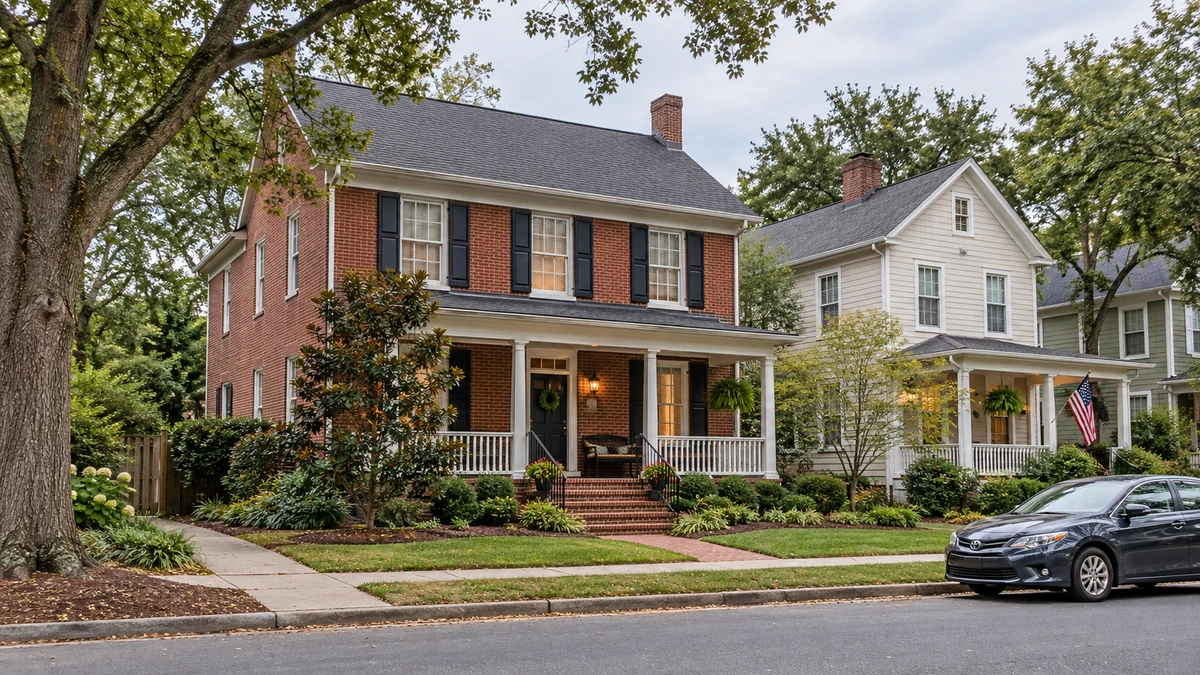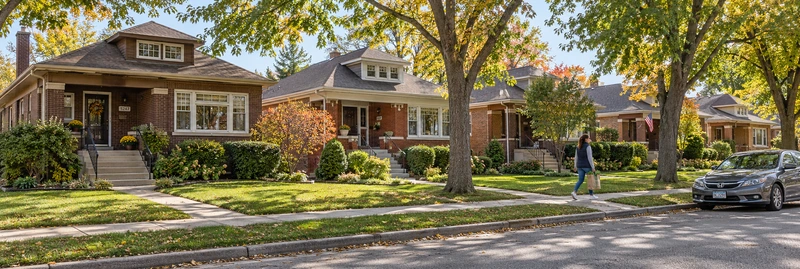
A woman walks beside porch homes on a leafy North Carolina neighborhood street

State moving guide

Moving to North Carolina: A Practical Guide

Explore North Carolina’s cities, from the Piedmont to the mountains and coast. Compare moving costs and delivery choices, prepare both homes and make a clear plan for arriving.

North Carolina planning

Find your North Carolina setting

North Carolina gives you several quite different starting points: Charlotte's city neighborhoods, the separate Triangle cities, the Piedmont Triad, mountain communities and the eastern rivers and coast. Start with the twelve city portraits if you are choosing a destination. The map places those cities in relation to one another; the county profiles and additional community names help you widen the search.

If you already have an address, begin with the practical decisions: the belongings, packing work, route through each property and person receiving delivery. A downtown apartment appointment, a mountain driveway and a coastal house with raised living space need different preparations. The property's actual layout matters more than its region's reputation.

Sterling Oakbridge plans interstate household moves involving North Carolina. Share both addresses and your date constraints to review the journey and services. This guide also explains North Carolina's separate process for moves staying within the state; it does not establish a statewide local-moving service or a North Carolina office.
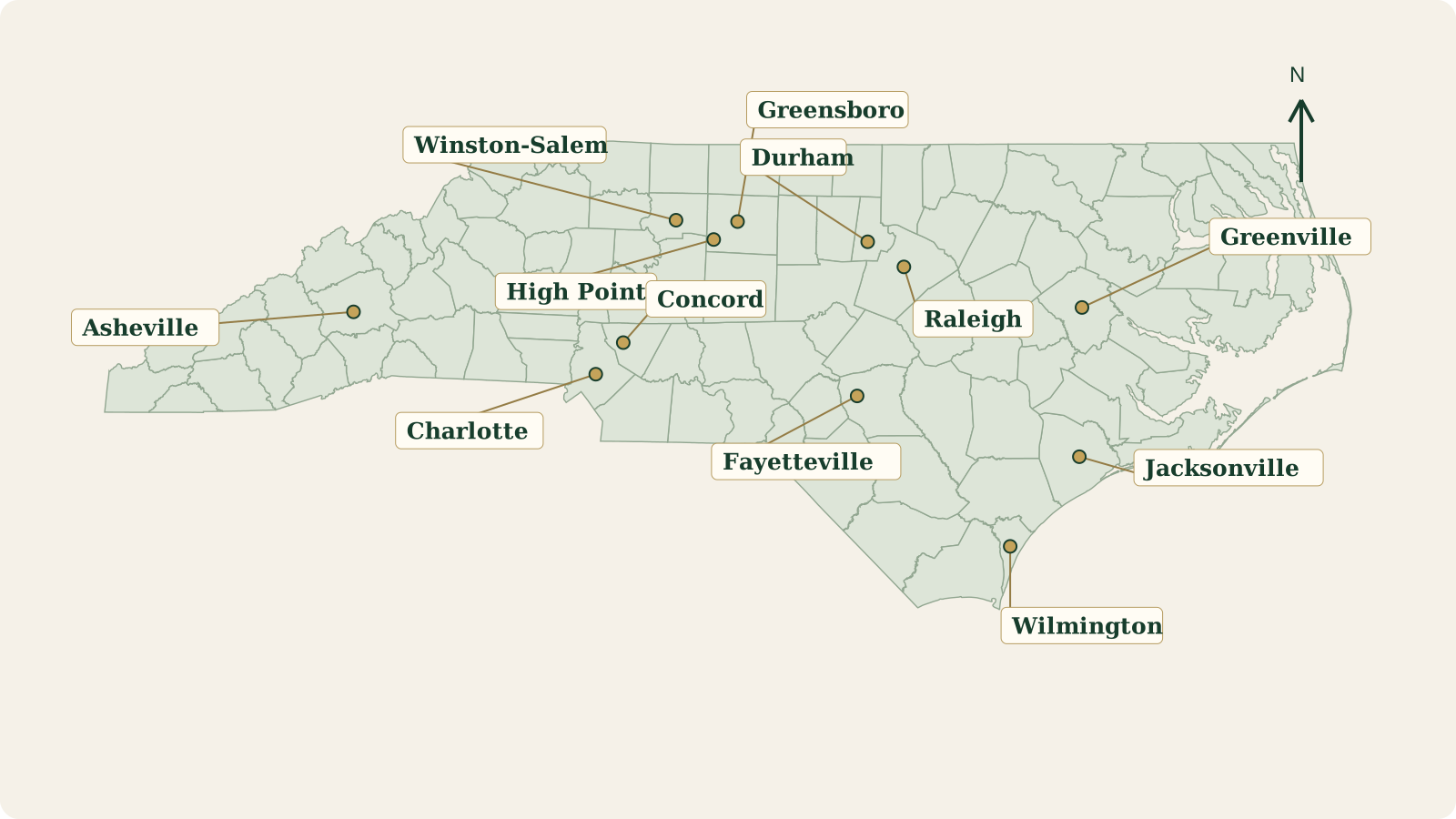

North Carolina cities and regions
Explore twelve North Carolina cities across the Piedmont, mountains and eastern part of the state. Use their portraits to narrow the setting you want to investigate.

North Carolina planning

From the Piedmont to the mountains and coast

Charlotte and nearby communities. Charlotte combines Uptown apartments and condos, older neighborhoods, adapted mill districts and a much wider metropolitan area. Concord has its own historic downtown and identity. Begin with the daily places you need, then compare the actual neighborhood and home. A metropolitan label does not tell you which municipality manages the address.

The Triangle and the Triad. Raleigh and Durham are separate cities, with Chapel Hill, Cary and other communities providing further choices. The Piedmont Triad centers on Greensboro, Winston-Salem and High Point. These names describe different regions, not interchangeable suburbs. University-related activity, arts districts, civic centers and established residential areas give you different reasons to visit and investigate.

Western North Carolina. Asheville introduces the mountain part of this guide. Its older neighborhoods and wooded surroundings differ from the more level Piedmont and coastal settings. Look beyond a scenic view at the property's road access, slope, utilities and the journeys you will make throughout the year.

Eastern North Carolina. Fayetteville, Greenville, Jacksonville and Wilmington offer distinct inland, river and coastal-area settings. Greenville here is in North Carolina, not South Carolina; Jacksonville here is not the Florida city. Wilmington's river district and the nearby beach municipalities are different places. Compare your address, rather than assuming that every home in the region is by the ocean.

City portraits

Explore North Carolina’s cities

Meet twelve different city settings, from major Piedmont centers to mountain and eastern communities. These portraits help you choose where to look more closely; links appear only when a corresponding guide is already published.

A woman reads on a bench in a planted plaza beneath Charlotte-style high-rise buildingsNC

Charlotte

Charlotte offers several kinds of city life: Uptown towers and condos, older residential neighborhoods, and former mill areas adapted for shops and apartments. Begin with the neighborhood and daily journeys you want, then compare the homes within it.

Two people walk through a leafy Raleigh-style square between older brick shops and apartmentsNC

Raleigh

North Carolina’s capital brings together civic buildings, museums, greenways and distinct neighborhoods. Downtown and the wider city offer different settings; compare the address with work, errands and the places you use outside the working day.

A cyclist follows a planted Greensboro-style greenway toward downtown buildingsNC

Greensboro

Greensboro is a Piedmont Triad city with a downtown arts scene, public spaces and the Downtown Greenway. Explore the surrounding neighborhoods as well as the center to understand the housing and everyday setting.

Two people sit at a cafe table beside adapted brick industrial buildings in a Durham-style districtNC

Durham

Durham’s districts give the city several starting points, from downtown and its adapted industrial buildings to Ninth Street, university areas and established neighborhoods. Durham and Raleigh remain separate cities even when discussed as part of the Triangle.

An older man walks beside a green park and adapted brick buildings in a Winston-Salem-style districtNC

Winston-Salem

Historic manufacturing buildings, the Innovation Quarter and downtown arts districts form part of Winston-Salem’s present-day setting. Older neighborhoods and cultural destinations offer other ways to explore this distinct Triad city.

An older man walks past low brick shops on a Fayetteville-style North Carolina downtown streetNC

Fayetteville

Fayetteville combines a historic downtown, museums and outdoor places with a military-connected regional identity. Look at the particular community: nearby Hope Mills and Spring Lake are separate municipalities in the wider area.

A woman looks into a furniture gallery in an adapted brick High Point-style buildingNC

High Point

High Point’s furniture and design identity sits alongside a downtown with places for sport, food and arts. Explore adapted industrial spaces and residential areas as different parts of the city, rather than judging it only by a visitor event.

An older woman and another walker use a timber riverwalk beside Wilmington-style riverfront buildingsNC

Wilmington

Wilmington’s historic river district gives the city a setting distinct from the nearby beach towns. Compare the neighborhood, home and everyday journeys; a Wilmington-area address does not automatically mean a beachfront property.

A woman waters a planted garden beside older Asheville-style porch homes and a wooded ridgeNC

Asheville

Asheville offers a mountain-city setting, older porch neighborhoods, cultural activity and wooded surroundings. Compare the individual home and its year-round approach as carefully as the scenery; conditions vary across the wider region.

A red-brick porch house and a neighboring pale timber home on a leafy Concord-style streetNC

Concord

Concord has its own historic downtown, with Union Street shops and older civic buildings, alongside adapted mill spaces and a wider motorsports identity. Compare its neighborhoods as parts of a separate city near Charlotte.

Two residents walk along a planted Greenville-style riverfront park pathNC

Greenville

Greenville, North Carolina, brings together East Carolina University, the Tar River, Town Common and districts such as Dickinson Avenue. Explore both the city setting and the wider Pitt County communities when narrowing your search.

An older man reads on a bench beside a Jacksonville-style North Carolina riverfront pathNC

Jacksonville

Jacksonville, North Carolina, has a New River waterfront and a strong military-connected community. Parks, memorials and nearby outdoor places provide starting points for exploration; the city is distinct from Jacksonville, Florida.

North Carolina planning

Does your shipment stay inside North Carolina?

Raleigh to Asheville is an intrastate household move. Charlotte to a South Carolina home is interstate even when it is a shorter journey. Tell the planner the actual origin, final destination and any storage or extra collection stage. “Local,” “long distance” and a metro-area name do not establish the rules by themselves.

For a North Carolina-only household move, the North Carolina Utilities Commission regulates certificated household-goods carriers and the applicable maximum-rate tariff. For an interstate move, use FMCSA's carrier and broker resources and the interstate documents. The NCUC booklet expressly separates interstate shipments from its North Carolina-only guidance.

Ask which legal company will carry the goods, which business prepared the estimate and who coordinates delivery. If you change the destination after booking, obtain the revised plan before loading. Sterling Oakbridge's service described here is interstate household moving; a shipment that stays entirely within North Carolina needs a separate operator and scope check.

More places to explore

Keep exploring North Carolina communities

Looking beyond the featured cities? These communities offer more starting points for your North Carolina home search.

Ask about your North Carolina move →

North Carolina planning

Show the approach as well as the front door

A useful access video begins at the proposed truck stopping place and follows the whole journey to the room. Show the driveway or sidewalk, gate, steps, entrance, turns and final furniture position. Include the narrowest point and give a measured carrying distance. A single attractive photograph of the house usually leaves these details out.

For a sloping or rural approach, show changes in grade, road width, branches, overhead wires, soft edges and turning space. Ask the owner about a shared lane, bridge or driveway's suitability for the proposed vehicle. For an urban building, include the authorized loading point and the route from the service entrance to the elevator. Do not treat a neighboring driveway or empty curb as permission to use it.

This information lets the team plan the actual vehicle and handling method. A smaller-vehicle transfer, longer carry or different stopping place can change the work and price. Resolve those arrangements in writing while there is time to choose a practical alternative. Send access codes privately rather than including them in a public video.

A male mover carries a quilt-covered dining chair along a level path outside a North Carolina porch home
A mover carries a protected chair along a clear front path.

The moving process

Your move, step by step

  1. 1

    Describe the household

    Send the two addresses, complete contents, dates and the work you want included.

  2. 2

    Confirm the access

    Show the approach and interior route, and obtain building and loading instructions.

  3. 3

    Agree the written plan

    Review the inventory, price, protection, payment and delivery arrangement together.

  4. 4

    Prepare for collection

    Finish the chosen packing, keep essentials apart and make the working path available.

  5. 5

    Receive the goods

    Have an authorized person ready, direct placement and check the inventory and condition.

Ready when you are

Ready to discuss your move?Tell us where you are moving, what is coming with you and the dates you have in mind.

North Carolina planning

Read a North Carolina-only estimate correctly

North Carolina's household-goods maximum-rate tariff uses hourly charging for moves of 50 miles or less and weight-and-distance charging for moves over 50 miles. The applicable mileage follows the tariff's route rules, so ask the carrier how it determined the distance. A maximum permitted rate is not automatically the rate you must pay: the NCUC consumer guide explains that lower rates may be negotiated.

The current tariff provides written nonbinding and binding guaranteed estimates. A nonbinding estimate generally has a 120% limit, with specified exceptions for a signed change order or addendum before work or when additional services are requested. A binding guaranteed estimate gives the agreed price for its described work; changed services still need the proper written record. Free-estimate requirements have exceptions for requests less than five business days before moving or shipments under 1,000 pounds.

Use the tariff effective January 1, 2026 with the current Moving 101 booklet. The old “binding not-to-exceed” heading remains in the contents, but Rule 15 says it no longer applies. Have the carrier identify the estimate type, inventory, packing, access, valuation and payment terms. These North Carolina-only terms do not replace an interstate proposal.

County guides

Explore the area around your new home

These six counties include several of the featured cities. Use the local communities below as starting points for a closer home search.

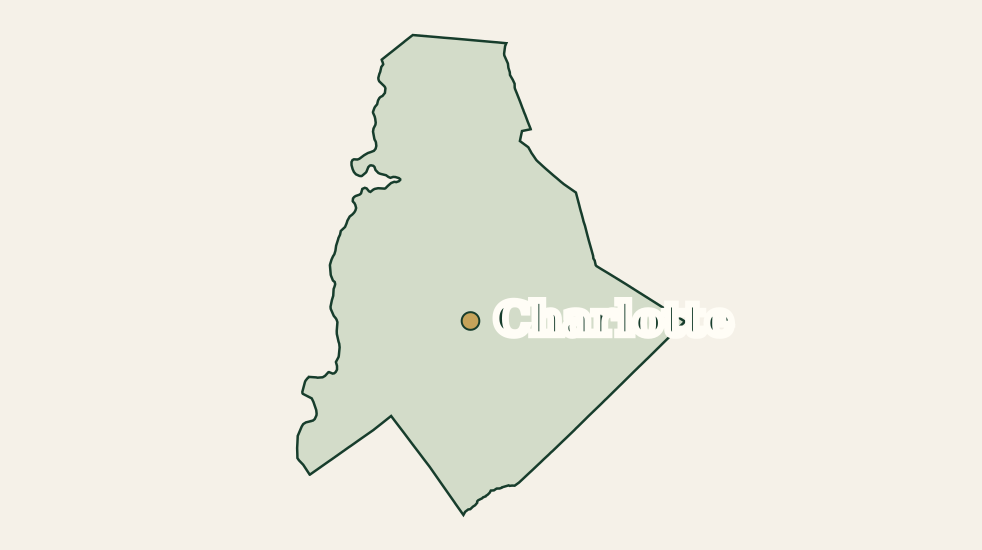
Mecklenburg County with Charlotte marked
Charlotte regionPop. 1,154,681 · 2024

Mecklenburg County

Compare Charlotte neighborhoods with separate surrounding towns. Uptown apartments, older homes and suburban settings make the particular address and daily journeys more useful than one metropolitan label.

Key communities

Charlotte · Huntersville · Matthews

Check mover credentials →
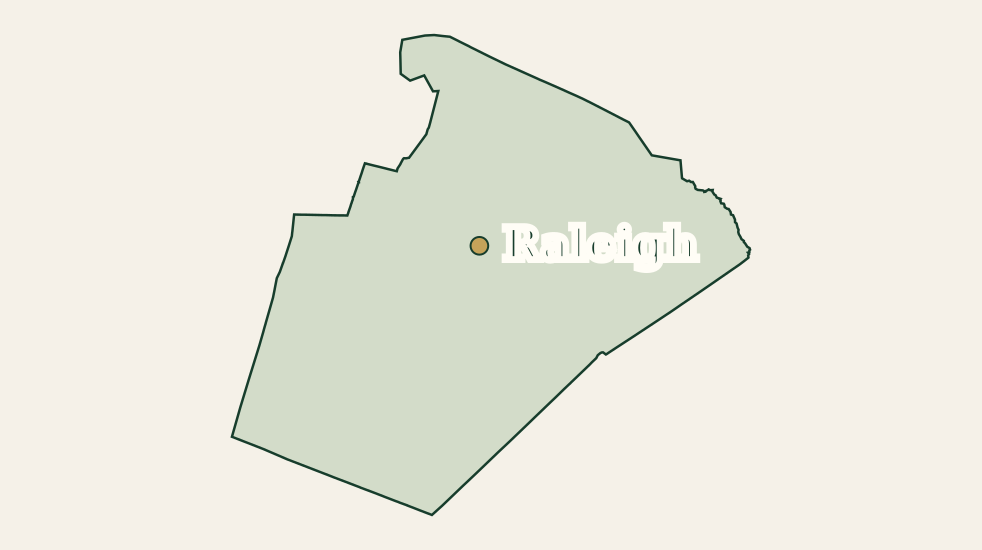
Wake County with Raleigh marked
Triangle regionPop. 1,178,653 · 2024

Wake County

Begin with Raleigh and other distinct communities, then compare the actual neighborhood, home and everyday destinations. Wake County and the wider Triangle are different geographic units.

Key communities

Raleigh · Cary · Apex

Check mover credentials →
Guilford County with Greensboro marked
Piedmont TriadPop. 547,940 · 2024

Guilford County

Explore Greensboro and High Point as separate city settings, along with smaller communities. Look at the places you will use regularly and the home itself rather than assuming one Triad address substitutes for another.

Key communities

Greensboro · High Point · Jamestown

Check mover credentials →
Buncombe County with Asheville marked
Western North CarolinaPop. 274,360 · 2024

Buncombe County

Compare the Asheville area and neighboring mountain communities. Review the property’s slope, road approach and year-round journeys alongside its interior and surroundings.

Key communities

Asheville · Weaverville · Black Mountain

Check mover credentials →
New Hanover County with Wilmington marked
Lower Cape Fear areaPop. 235,229 · 2024

New Hanover County

Distinguish Wilmington’s urban river setting from separate beach municipalities. Examine the actual property, arrival level, access and current local conditions rather than assigning a coastal label to every home.

Key communities

Wilmington · Wrightsville Beach · Carolina Beach

Check mover credentials →
Cumberland County with Fayetteville marked
Fayetteville areaPop. 338,545 · 2024

Cumberland County

Compare Fayetteville with separate nearby towns and the daily destinations around your candidate home. A military-connected region still contains varied neighborhoods, households and property arrangements.

Key communities

Fayetteville · Hope Mills · Spring Lake

Check mover credentials →

County population: 2024 ACS five-year estimates, U.S. Census Bureau. These period estimates do not count current movers or available homes. Read the source.

All 100 North Carolina counties

North Carolina planning

Check how the home will actually work

A porch house, downtown condo, adapted mill apartment and new townhouse can all suit a North Carolina household, but they create different moving routes. In an older house, examine entrance steps, narrow interior doors and the turn onto an upper landing. In a shared building, the service elevator and reserved loading appointment may govern the whole day. A floor plan and a few measurements are more useful than assuming the bedroom count describes the job.

Measure the complete large item, including feet and handles, against every restricted opening and turn. Record clear door width, stair and landing dimensions, elevator opening and cabin, and the room immediately beyond the entrance. A sofa can pass one opening yet fail to turn into the hall. Decide its placement before cartons fill that space.

Tell the coordinator about wet access, fresh finishes, incomplete construction or rooms still occupied by another household. Ask the property manager for written hours, entry instructions, elevator reservations and insurance-document requirements. For raised or hillside homes, show the lower arrival level and how the crew reaches the living space. Resolve a piece that cannot fit before it is loaded.

North Carolina planning

Check the North Carolina carrier and protection choice

Match the carrier's legal name and North Carolina certificate number, often called a C-number, to the estimate and bill of lading. Use the NCUC's household-goods resources; its published carrier list is updated periodically, so the Commission or Public Staff can help with current status. A branded truck or a verbal claim of insurance does not replace this check.

The Moving 101 booklet explains Full Value Protection and the express written choice of Basic Value Protection, generally 60 cents per pound per article. Read the particular valuation provision and record unusually valuable items before the move. The tariff has special limits for ready-to-assemble furniture made from particleboard or similar materials; do not assume a general protection choice removes every item-specific limitation. A building's insurance certificate is a different document.

At delivery, inspect accessible items and note concerns, then follow the separate written claim procedure. Keep the item, packaging, photographs and shipment documents. The North Carolina tariff contains a nine-month written-claim rule tied to its stated delivery circumstances; use that actual rule promptly rather than waiting on informal messages. Interstate shipments follow their own documents and federal process.

Who does what

A little coordination before moving day

You, the moving team and your building contacts each handle a different part of getting the move ready.

01 Moving checklist

The household

Choose what moves, keep the inventory accurate and obtain permission to use both properties.

02 Moving checklist

The moving team

Review the shipment and access, explain the proposed work and identify the coordinating contact.

03 Moving checklist

The building and receiver

Keep the agreed entrance and appointment available and prepare to direct and check delivery.

North Carolina planning

Know who is carrying your interstate shipment

An interstate booking should leave you knowing the carrier, the agreed belongings and services, the delivery arrangement and the payment terms. Check the company and any broker through FMCSA's Protect Your Move resources. Match the name and USDOT information to the documents, and establish which carrier will arrive if another business arranged the booking.

Read the estimate, bill of lading, inventory and protection selection together. Include extra stops, packing, difficult access, storage and receiving help in the written description. Read any revision before signing it and keep copies where you can reach them during travel. A low proposal based on missing furniture or omitted packing is not a useful comparison with a complete household plan.

Interstate Full Value Protection and Released Value are different options; Released Value generally limits liability to 60 cents per pound per article and requires the appropriate written election. Separate insurance is distinct. Ask how high-value articles, owner-packed contents and storage stages are handled. Record loss or damage at delivery and use the carrier's written claim process as well.

North Carolina planning

Plan for rain, heat and changing road conditions

Weather planning belongs at both homes. In hot weather, keep drinking water, medications and the household's essentials with you. For rain, agree how the entry and floors will be protected while maintaining a clear walking route. Clear snow or ice from exterior steps and approaches when winter conditions affect the address; a mild forecast in one city does not describe a mountain destination.

Heavy rain and flooding can affect inland and mountain communities as well as the coast. ReadyNC explains address-level flood information and preparation. A hurricane or other dangerous warning may require a changed collection or receiving plan. Put household safety first, follow official instructions and tell the coordinator and building if access is no longer usable.

Check DriveNC and local forecasts close to travel, including closures, work zones and weather conditions along the actual route. An old report about a repaired road does not confirm its present status. Never drive through a flooded approach to preserve an appointment. If the destination cannot receive safely, agree a different date or an appropriate storage stage before proceeding.

A male mover smooths a floor runner inside a furnished entrance on a rainy day
A mover smooths a protective runner inside the entrance.

North Carolina planning

Arrange the stopping place before moving day

The truck needs a lawful, usable place to load and unload, with a connected route to the entrance. Ask the property manager or relevant local authority about a loading reservation, permits, timed restrictions and keeping a designated space clear. Rules belong to the particular street or property; there is no single statewide curb reservation that covers every city.

Send the coordinator a photograph of signs and the proposed space, the carry distance and any gate or height restriction. Include the actual vehicle restrictions rather than assuming a passenger-car route works for a moving truck. NCDOT's truck network and restrictions provide a starting point for truck routes and posted roads and bridges. Oversize permits are a separate issue and do not grant ordinary parking permission.

For managed apartments, reserve the loading point and elevator together. For a private driveway, confirm access, surface, slope and turning room with the owner and team. If the preferred location is unavailable, review the alternative carry or transfer and its price in advance. Keep fire routes, other residents' entrances and the working path open.

Moving routes

Where are you moving?

Identify whether the goods stay in North Carolina, cross a nearby border or need a longer journey. Then choose the documents and delivery plan for that shipment.

Within North Carolina

Moving inside the state?

A Raleigh-to-Asheville household shipment follows the North Carolina carrier and tariff process. Confirm the proper operator separately.

Carrier

Check the NCUC certificate and the name on the documents.

Written terms

Identify hourly or weight-and-distance charging, estimate type and protection.

Read North Carolina guidance →

Across a nearby border

A short interstate journey

South Carolina, Virginia, Tennessee and Georgia are interstate destinations from a North Carolina origin.

Properties

Show both approaches and any building appointment or extra stop.

Receiving

Agree the actual collection and delivery sequence, even for a nearby address.

Plan interstate moving →

A longer journey

Cross-country or Canada

Match the household and receiving flexibility to a direct or suitable consolidated arrangement.

Delivery model

Compare the dedicated truck with a wider written window for an eligible small shipment.

Additional stages

Identify storage, border documents and the person receiving at the final address.

Review the longer move →

Direct service uses a dedicated truck and the same pickup and delivery crew. Suitable smaller consolidated shipments use a wider agreed window; confirm the model in writing.

North Carolina planning

Choose what you want packed and what you will keep

Packing can cover a few fragile pieces, selected rooms or most of the household. Tell the planner what you will finish yourself and what you want prepared before the loading day. Books need manageable small cartons; lamps, glass, artwork and electronics need protection suited to the actual item. Identify fragile, heavy, valuable or unusually shaped pieces while there is time to plan them.

For Sterling Oakbridge's agreed interstate work, packing is charged for working time, with company-supplied boxes charged separately. Moving blankets, shrink wrap and tape have no separate basic-material charge. Furniture unwrapping is part of delivery; optional removal of contents from cartons uses working time, and packaging-waste removal is separate. Put the chosen work in the proposal instead of treating “packing included” as a complete description.

North Carolina-only tariff packing has its own rules. Section IV Item 1 includes regular delivery-time unpacking of carrier-packed items within its described packing service, with exceptions; incidental packing or unpacking during an hourly move is treated separately under Rule 54. Read that carrier's applicable terms rather than transferring either pricing arrangement to every shipment. Keep medicines, documents, valuables and first-night supplies with your household.

A male mover folds packing paper around a ceramic vase on a protected dining table
A mover folds packing paper around a supported ceramic vase.

North Carolina planning

Plan both transport and placement of the furniture

Make a short list of the pieces that need more than lifting: beds, large tables, sectionals, fragile cabinets, attached mirrors and items fixed to a wall. Photograph joints and attachments and keep assembly instructions if available. Tell the team about previous repairs, weak panels or furniture that was assembled in place and has never passed through the doorway.

Basic furniture disassembly and reassembly use moving labor time without a separate basic assembly fee in Sterling Oakbridge's agreed work. More complex or specialist work needs review of the piece, access and operation. Do not assume that disassembling ready-to-assemble particleboard furniture is harmless; damaged joints and glued connections may change the sensible handling choice. Appliances and utility connections require their own preparation and suitable person.

At the destination, decide the position of large pieces first. Furniture is unwrapped as part of delivery; taking contents out of cartons is a separate optional task. Inspect the revealed surfaces and note an issue while the piece is accessible. Keep circulation clear so that placement and later unpacking can happen without repeatedly moving the same furniture.

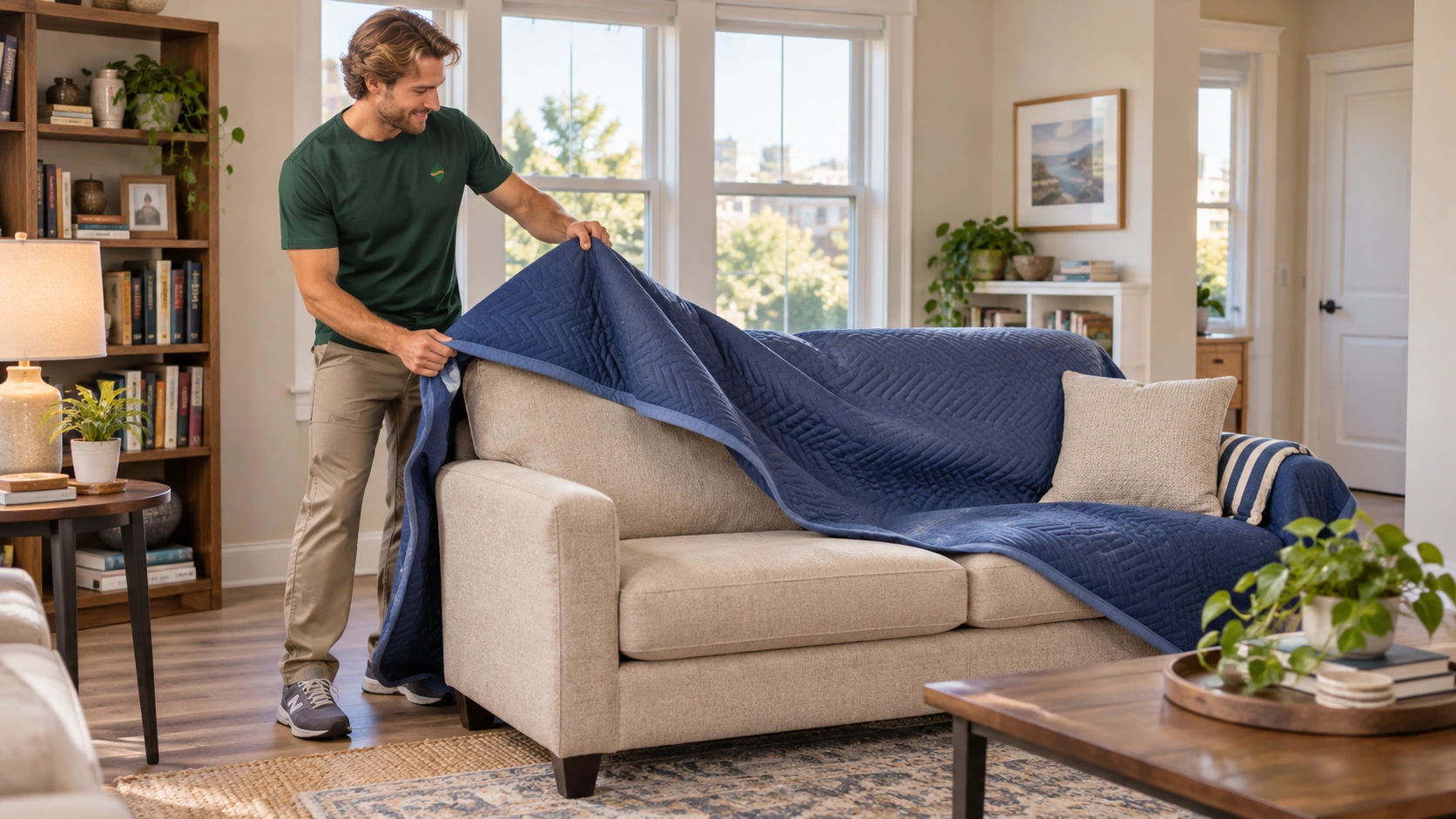
A male mover lifts a blue moving blanket from a beige sofa in a furnished sitting room
A mover lifts a moving blanket from a placed sofa.

North Carolina planning

Use the housing figures for context

The Census housing figures below describe the stock of homes, not the homes currently available to buy or rent. North Carolina had an estimated 4,895,668 housing units in the 2024 ACS five-year dataset. Detached single-unit homes accounted for about 65.3% of that total, leaving a substantial range of other structures. Do not use the statewide mix to predict the layout of a particular Charlotte apartment or Asheville house.

The same five-year dataset estimates that 4.9% of housing units were built in 1939 or earlier. Among occupied homes, approximately 66.6% were owner-occupied and 33.4% renter-occupied. Those tenure percentages use occupied homes as their denominator, unlike the structure and age figures. The county populations are also dated ACS five-year estimates, rather than current moving counts.

For planning, translate the broad context into an individual question. What kind of dwelling have you chosen, who controls its entry, and what route will the furniture take? A restored older home and a contemporary condo can each be comfortable choices while requiring different measurements and appointments. The figures provide background; the actual property determines the work.

North Carolina planning

A mobility percentage does not choose a city for you

The 2024 ACS one-year estimate reports that 2.7% of North Carolina residents age one or older lived in a different U.S. state one year earlier. This describes previous residence among people living in North Carolina at the survey time. It is not net migration, a count of moving-company shipments, a forecast or evidence that a particular city will suit your household.

A statewide percentage cannot tell you why an individual moved, what they paid for housing or whether they enjoy living there. It also does not count departures in a way that lets this single figure establish the state's net gain. Avoid treating a larger percentage as a ranking of neighborhoods or a promise of easier employment.

Choose your destination using the life you need: housing budget, work, school, care, regular errands, social connections and ways to travel. If you plan to live without a car, examine the particular address and the whole week's journeys, including evenings and shopping. A walkable visitor district or one transit stop does not establish that every daily destination will be convenient.

North Carolina planning

A short journey across the border is still interstate

North Carolina borders Virginia, Tennessee, Georgia and South Carolina. A move from Charlotte into South Carolina or from a mountain community into Tennessee crosses a state line even if the addresses are nearby. The full shipment and destination determine the process; distance and a shared regional name do not make it a North Carolina-only move.

Show both properties and any additional stop. A short drive can still involve a long carry, timed elevator, narrow approach or incomplete receiving home. Agree the legal stopping place and person meeting the goods at each end. A nearby route does not automatically guarantee same-day delivery, especially when loading and building hours leave little receiving time.

Review the interstate documents, protection choice and written price for the actual work. Ask the team to confirm whether the proposed collection and delivery sequence fits the shipment and access. If a route enters another jurisdiction for a storage or transport stage, explain the whole arrangement rather than presenting only the first and last city names.

North Carolina planning

Separate fixed dates from flexible preferences

Write down the dates that genuinely constrain the move: when you can obtain keys, when the old home must be empty, when a building permits loading and when someone can receive. Keep those separate from a preferred departure day. An elevator reservation that ends at noon may matter more than choosing the middle rather than the end of the month.

Summer, school terms, lease endings, holidays and the beginning or end of a month can affect your household's choices. Use them to organize the plan, not to assume a published discount or guaranteed company availability. If there is flexibility, explain which dates can move and which cannot. Confirm the proposed appointment before arranging nonrefundable travel around it.

For a longer journey, distinguish collection, loading completion, travel and receiving. A direct plan and a suitable consolidated shipment offer different control over arrival. Keep a person and home available for the written receiving arrangement, and tell the coordinator promptly if closing or construction shifts. A storage alternative is easier to arrange before the dates collide.

North Carolina planning

Choose the delivery arrangement your household can use

Direct delivery uses a dedicated truck and the same moving crew at pickup and drop-off. It is the useful option to discuss when furniture is needed promptly or receiving dates are restrictive. The team reviews the real route, loading work and destination appointment before proposing timing. Travel starts after pickup and loading are complete; a general road distance is not a delivery guarantee.

Consolidated delivery is available for suitable smaller shipments when a wider receiving window works. The shipment, route and available arrangement must be reviewed. Do not assume it has the same crew or timing as direct delivery. The household needs enough essentials outside the shipment to manage the agreed window, and the destination must be able to receive throughout it.

The company's consolidated limits differ by destination: up to 60 days for Florida or Canada and up to 90 days for California, measured from completed pickup and loading. These are wider limits, not predicted arrival days or free-storage promises. North Carolina and other routes need their own written terms; do not import the California window simply because a journey is long. Compare delivery and any storage charges together.

Common moving situations

How the plan changes with your needs

These are planning situations, not customer jobs. Each shows a decision that changes how the household move is arranged.

A condo with a fixed elevator appointment

A household is arriving at a Charlotte building that offers a limited service-elevator slot.

What to do. Confirm the loading point, elevator dimensions and receiver before agreeing the delivery model and appointment.

Why it helps. The proposal accounts for the actual receiving restriction instead of treating travel time as the whole schedule.

A small shipment with flexible receiving

Someone leaving Raleigh has fewer belongings and can manage without them during a wider window.

What to do. Compare eligible consolidated delivery with a direct plan, including the written window, essentials and any storage charges.

Why it helps. The choice reflects what the household can use, rather than assuming every smaller shipment has identical timing.

A mountain home with a narrow approach

A home near Asheville has a sloping private lane and limited turning space.

What to do. Send a continuous access video and owner instructions so the team can review the actual vehicle and any transfer.

Why it helps. The handling method and price can be agreed before a truck reaches an unsuitable approach.

Keys arrive after the old lease ends

A household must leave a Wilmington-area rental before the next property is ready.

What to do. Agree collection, a storage handover and later receiving, keeping the documents and daily essentials outside the shipment.

Why it helps. The plan includes the gap and redelivery instead of relying on an unconfirmed same-day handover.

North Carolina planning

Discuss Canada and other transport stages early

A household move involving Canada needs a plan for the person crossing, the belongings and the destination. Sterling Oakbridge coordinates moves within its confirmed United States and Canada scope; the actual route, shipment and receiving work still need review. Ask about customs preparation before packing or loading, rather than treating the border as an ordinary roadside stop.

The Canada Border Services Agency's moving guidance explains accompanying goods and goods to follow. Prepare the relevant item lists and documents for your own entry circumstances, retain the required copies and keep travel papers with you. Personal eligibility and clearance belong with the border authorities. Do not pack essential identification inside the shipment.

For an island, ferry leg, Alaska, Hawaii or another additional transport stage, request a specific review of the route, handoff and receiving arrangements. A general U.S. coverage statement is not a confirmed sailing, partner, through-service or delivery date. Identify who holds the goods at each stage, which documents apply and what happens if the next receiving point is unavailable. Other international destinations are outside the confirmed scope described here.

North Carolina planning

Compare prices for the same household plan

A useful price covers the same inventory, addresses and work in every proposal. Include furniture and cartons from garages, storage units and spare rooms, plus extra collections, packing, access restrictions and receiving help. Send photographs or arrange a video review when a list cannot explain the volume or handling. Home size provides context but does not describe all the contents.

Sterling Oakbridge's interstate work uses an agreed flat rate for the reviewed shipment and service scope. Travel or delivery taking longer does not itself change that price. Added items, changed addresses or services need a revised written scope and price. State those changes before loading so that everyone understands what the agreement now covers.

Separate packing time, supplied boxes, furniture preparation, optional carton unpacking, waste removal and storage stages as applicable. Read the payment, protection and delivery terms alongside the total. A North Carolina-only carrier's hourly or weight-and-distance tariff is a separate pricing process. There is no reliable statewide dollar price for “a three-bedroom move” without reviewing what is actually being moved.

North Carolina planning

Give each stage a clear handover

Once the destination is known: assemble the inventory, large-item photographs and constraints at both homes. Ask the building or owner for access instructions. Choose the packing scope and delivery model, then review the written proposal, protection and payment terms before committing to the plan.

Before collection: finish your agreed packing, identify fragile or high-value items, label cartons by room and contents, and confirm the truck space and elevator. Keep travel papers, medicines, valuables, keys and first-night supplies apart from the shipment. Tell the coordinator about changes in inventory, closing, weather or access while alternatives are still possible.

During pickup and delivery: keep the inventory and contact information available, confirm the receiving person and review any changed documents. At the destination, direct the largest pieces first, check the inventory and visible condition, and record concerns before the work area fills with cartons. Follow a separate written claim process if needed.

After delivery: make essential rooms usable, keep documents and item photographs, and finish optional unpacking and disposal according to the agreed work. Deal with address changes and local services separately from moving-company tasks. This sequence gives each person a next action without pretending that every household uses the same calendar.

North Carolina planning

Make a usable place to receive the goods

Before the truck arrives, the receiving home needs lawful access, working keys, a clear entrance and someone authorized to direct placement and check delivery. Confirm electricity and lighting where needed and tell the team about unfinished rooms or hazards. A signed closing document does not by itself mean the crew can reach every room that afternoon.

Arrange the truck stopping place and building appointment for the written delivery plan. Measure the service elevator and any restricted turn before dispatch. Sketch the positions of beds, sofa and large storage pieces, and use consistent room names on cartons. Keep the path to those rooms open; stacking everything in the hall makes both placement and inspection harder.

If another person will receive, give them the inventory, agreed work, contact and instructions, and explain what they are authorized to sign. They should record visible condition and shortages and keep the delivery paperwork. If the home or receiver becomes unavailable, notify the coordinator promptly and review another date or storage; do not assume the truck can wait indefinitely or use a different building without agreement.

North Carolina planning

Plan storage as a separate stage

When the old home must be empty before the new one is ready, storage can bridge the gap. Agree the receiving location, inventory, protection, storage period, access to goods and later delivery before collection. Keep anything you may need during the gap outside the shipment or arrange access explicitly. Storage is not automatically free or included because delivery has a wider window.

For a North Carolina-only shipment, the NCUC booklet distinguishes storage-in-transit of up to 180 days from permanent storage under a separate warehouse contract. It also distinguishes a customer-controlled self-storage delivery, where the mover's responsibility changes at the handover. Read the actual terms for the chosen arrangement; those state-specific distinctions do not automatically govern every interstate storage stage.

For Sterling Oakbridge interstate planning, compare collection, storage and redelivery as one written sequence with separately understood work and charges. Give the expected readiness date and tell the coordinator if it changes. At each warehouse or storage handover, keep the inventory and condition record. Confirm who can authorize release and who will meet the final delivery.

North Carolina planning

Make the first night work, then settle the paperwork

Keep bedding, toiletries, regular medications, chargers, clean clothing, food and pet supplies with you. Make a bed, bathroom and simple eating area usable before opening every carton. Check that windows, doors, smoke alarms and essential utilities work, and keep the route between rooms clear. Separate packaging as you unpack rather than blocking the entrance with it.

For new permanent residents who drive, NCDMV says to obtain a North Carolina driver license within 60 days. Vehicle registration can be required earlier: its detailed guidance says upon accepting gainful employment or expiration of the reciprocity period, usually 30 days, whichever comes first. Do not treat the introductory 60-day wording as a universal vehicle deadline. Review the current new-resident page for your circumstances, documents, North Carolina insurance and appointments.

Arrange mail forwarding, utilities, waste collection and address changes with their actual providers. Learn the property's emergency and evacuation arrangements and keep an out-of-area contact. Deal with a delivery issue through the written process while retaining evidence. Then unpack in a useful order—sleeping, bathing, meals and work—rather than trying to finish the whole home on the first evening.

A resident sets a mug beside a kettle in a furnished apartment kitchen
A resident sets a mug beside the kettle.

North Carolina planning

Bring the decisions into one clear moving plan

Before booking, you should be able to explain five things: what is going, where each stage takes place, who prepares the contents, how delivery works and who receives. Add the practical access details at both homes and the dates that cannot shift. If an answer is still missing, identify the particular choice rather than accepting a vague promise to “take care of everything.”

Use the work cards below to choose the components of an interstate household move: transport, packing, furniture preparation, receiving, storage or Canada coordination. The city portraits introduce places to investigate; the county and housing figures provide context. The North Carolina-only guidance helps you recognize the separate state carrier process. Those roles should remain clear when you compare proposals.

Send Sterling Oakbridge the two addresses, inventory, photographs, date constraints and help you want. The team can review the actual route and work, propose a delivery arrangement and prepare the written price and terms. Keep the final version with the inventory and contacts so that collection, travel and receiving follow the same plan.

Verified data

North Carolina planning data

Planning factEstimateVintageSource
Total housing units4,895,6682024 ACS 5-yearU.S. Census Bureau
Detached single-unit homes3,196,105 · 65.3% of housing units2024 ACS 5-yearU.S. Census Bureau
Homes built in 1939 or earlier241,025 · 4.9% of housing units2024 ACS 5-yearU.S. Census Bureau
Owner-occupied homes2,853,493 · 66.6% of occupied homes2024 ACS 5-yearU.S. Census Bureau
Renter-occupied homes1,428,852 · 33.4% of occupied homes2024 ACS 5-yearU.S. Census Bureau
Residents age 1+ from another U.S. state one year earlier2.7% · not net migration or shipments2024 ACS 1-yearU.S. Census Bureau

Planning answers

North Carolina moving questions

Straightforward answers about prices, packing, delivery and getting settled.

Ask about your move
Where should I start when choosing a North Carolina city?

Start with the part of the state and daily life you need. Charlotte, the Triangle, the Triad, the mountains and eastern river or coastal-area cities offer different settings. Use the city portraits to narrow that choice, then compare an actual neighborhood, home, budget and weekly journeys. A statewide popularity figure cannot make that decision for your household.

Are Raleigh, Durham and the Triad the same place?

No. Raleigh and Durham are separate cities within the Triangle region, which also includes Chapel Hill and other communities. The Piedmont Triad refers to the Greensboro, Winston-Salem and High Point region. Use the actual address for housing, local services and the moving proposal rather than treating these regional names as interchangeable.

Does Sterling Oakbridge move households to and from North Carolina?

Sterling Oakbridge plans interstate household moves involving North Carolina within its confirmed United States and Canada coverage. Send the origin, destination, inventory, access and dates for review of the actual work and delivery arrangement. This does not establish a local North Carolina office or confirm every shipment that stays within the state.

Is a short Charlotte-to-South Carolina move interstate?

Yes. A household shipment crossing from North Carolina to South Carolina is interstate even when the addresses are close. The carrier and documents follow the interstate process. Give the complete addresses and any extra stop or storage stage, and confirm collection and delivery timing rather than assuming a short journey guarantees same-day service.

How are North Carolina-only household moves charged?

Under the current NCUC maximum-rate tariff, moves of 50 miles or less use hourly charging; moves over 50 miles use weight and distance. Packing and other services have their own provisions, and lower rates may be negotiated. Ask a certificated carrier which tariff, mileage calculation and estimate apply to the actual shipment. These rules do not set an interstate flat rate.

Which estimate types does the current North Carolina tariff use?

The tariff effective January 1, 2026 provides nonbinding and binding guaranteed estimates. A nonbinding estimate generally has a 120% limit with specified written-change exceptions; a binding guaranteed estimate covers its agreed work, subject to properly recorded changes. Rule 15 says the former binding not-to-exceed option no longer applies. Read the complete terms and any applicable estimate exceptions before booking.

How do I check a North Carolina-only mover?

Match the operating business and its NCUC certificate number to the estimate and bill of lading, using the Commission’s household-goods resources. Its published carrier list is updated periodically, so seek current status from NCUC or Public Staff when needed. For an interstate carrier or broker, use FMCSA instead. A website or branded truck alone is not the check.

What should I send for an interstate moving estimate?

Send both addresses, the full item list, photographs of large or complex pieces, packing choices, access details, extra stops and date constraints. Include storage and the person receiving. Video or an in-person review may help when a list does not explain the work. Square footage gives context but does not replace the actual contents and route through the properties.

Will a longer journey change my agreed flat rate?

For Sterling Oakbridge interstate work, travel or delivery taking longer does not itself change the agreed flat rate for the same shipment and service scope. Added belongings, changed addresses or extra services need a revised written scope and price. North Carolina-only hourly or weight-and-distance billing is a separate process.

What is the difference between direct and consolidated delivery?

Direct delivery uses a dedicated truck and the same moving crew at pickup and drop-off. Consolidated delivery is available for suitable smaller shipments with an agreed wider receiving window; the same crew is not promised. Choose according to the belongings, route and ability to receive, and obtain the actual timing and charges in writing.

When does the delivery clock start?

The company’s delivery planning starts after pickup and loading are complete. Collection, loading, travel and the receiving appointment are separate stages. Consolidated limits differ by destination: up to 60 days for Florida or Canada and up to 90 days for California. Other routes, including a North Carolina destination, need their own written terms; these limits are not predicted arrival days.

Can I reserve the curb or use a building’s loading space?

Only with the permission and arrangements that apply to that street or property. Ask the building or local authority about timed reservations, permits and restrictions, then send the team the signs, location and carrying distance. A truck-route map or oversize permit does not grant parking permission. Agree an alternative if the preferred space cannot be used.

What should I show for a mountain or rural address?

Show the road approach, width, grade changes, overhead obstructions, gates, driveway surface and turning space, followed by the complete path to the rooms. Ask the owner about shared lanes and any bridge or vehicle restriction. The team can then review the vehicle and any transfer or longer carry before pricing and dispatch.

How should I prepare for rain or a flood warning?

Keep a clear, safe entrance and agree floor protection for ordinary rain. For a flood or other dangerous warning, follow official instructions and contact the coordinator and receiver about a changed plan. Check DriveNC and local alerts close to travel. Never drive through a flooded approach to keep an appointment; another date or storage may be needed.

Can I have only selected belongings packed?

Yes. Selected fragile items or rooms can be included in the agreed interstate work, as well as broader household packing. Explain what you will finish yourself and identify unusual items before loading day. Packing uses working time; supplied boxes are separate, while moving blankets, shrink wrap and tape have no separate basic-material charge.

Does delivery include emptying every carton?

For Sterling Oakbridge interstate work, furniture is unwrapped as part of delivery; emptying cartons is optional work charged for time, and waste removal is separate. A North Carolina-only carrier’s tariff packing may include specified delivery-time unpacking of carrier-packed goods, with exceptions and separate hourly provisions. Read the terms for your actual shipment rather than assuming either arrangement applies to every move.

Is basic furniture disassembly a separate fee?

Basic furniture disassembly and reassembly use moving labor time without a separate basic assembly fee in the agreed company work. Identify the pieces, joints and access in advance. Complex, fixed, fragile or specialist items need individual review, and ready-to-assemble furniture may have handling and liability limitations. Do not assume every assembled piece can be taken apart safely.

Are my belongings covered for their full purchase price?

Not automatically. Read the applicable valuation choice and item-specific terms. Interstate Full Value Protection differs from a written Released Value election, generally 60 cents per pound per article; separate insurance is distinct. North Carolina-only protection follows its own tariff, including limits for some ready-to-assemble furniture. Declare high-value pieces and ask about owner-packed contents and storage before signing.

What if the new home is not ready?

Arrange a storage stage before collection if the homes do not line up. Agree the location, inventory, protection, charges, access and later delivery. Keep essentials outside the shipment. A broad delivery window does not itself include free storage, and a customer-controlled storage handover differs from a carrier’s storage-in-transit arrangement.

Can somebody else receive my delivery?

Yes, an authorized receiver can meet the shipment when the arrangement is agreed. Give them the inventory, room plan, contact, scope and clear signing instructions. They need access and time to check the goods and record concerns. Tell the coordinator in advance; leaving a key or naming a building without an available receiver is not a complete delivery plan.

What should I do if an item is damaged or missing?

Record the issue promptly, photograph it, keep the goods and packaging, and retain the inventory and delivery documents. Follow the separate written claim procedure; a delivery note or informal conversation may not be a claim. Use the actual deadline for the shipment. North Carolina-only tariff claims and interstate claims have different governing terms.

What should stay with me for the first night?

Keep identification, moving documents, medicines, valuables, keys, chargers, bedding, toiletries, clean clothes and essential food or pet supplies with your household. Make a bed, bathroom and simple eating area usable first. If delivery has a wider window or storage stage, pack enough essentials for that entire period rather than just the first evening.

How soon do new residents need a North Carolina license and registration?

NCDMV says new permanent residents who drive must obtain a North Carolina license within 60 days. Vehicle registration can be due earlier: the detailed guidance says upon accepting gainful employment or the end of the reciprocity period, usually 30 days, whichever comes first. Read the current page for your circumstances, insurance, required documents and appointments; do not apply one 60-day deadline to everything.

Can Sterling Oakbridge plan a North Carolina–Canada household move?

Yes, a move involving Canada is within the confirmed geographic scope, subject to review of the route, goods, dates and work. Prepare the personal entry and accompanying or goods-to-follow documents that apply to you using CBSA guidance. Keep travel papers with you and agree the border and receiving stages before loading. Other international destinations are not established by this service.

Primary sources

Sources for the decisions in this guide

Official resources for choosing a community in North Carolina and preparing the move. Figures retain their stated dates; follow current agency guidance for your own circumstances.

Moving documents and consumer protection

4 sources

Weather and household preparation

3 sources
  • North Carolina flood preparationNorth Carolina Emergency Management / ReadyNC

    Flood information and official address-level resources for coastal, inland and mountain areas.

  • Make a household emergency planNorth Carolina Emergency Management / ReadyNC

    Communication, essential documents and preparing the household.

  • Avoid flooded roadsNational Weather Service

    Flooded-road safety; road access must be checked near travel.

Roads, trucks and receiving access

3 sources

Arrival documents and additional stages

2 sources
  • New to North CarolinaNorth Carolina Division of Motor Vehicles

    License and vehicle documents; detailed registration timing can precede the introductory 60-day guidance.

  • Moving or returning to CanadaCanada Border Services Agency

    Personal-effects lists, accompanying goods, goods to follow and individual customs conditions.

Cities, neighborhoods and housing context

14 sources

Geography and dated housing statistics

7 sources

Photographs are original representative illustrations, not customer jobs or identified addresses.

Let’s plan your move

Tell us about your North Carolina move.

Tell us where you are moving, what you are taking and your preferred dates. Add any packing, furniture preparation, unpacking or storage help you need.

A Sterling Oakbridge move coordinator in the planning office