
Pennsylvania · Philadelphia service planning
In Home and In Building Movers in Philadelphia PA
Philadelphia in-home moving starts with the interior route, not just the distance between rooms. A front room, a rear room and an upstairs destination can involve different turns and different holding choices. Our labor-only and in-house movers can review those stages, including apartment and office changes within one building.
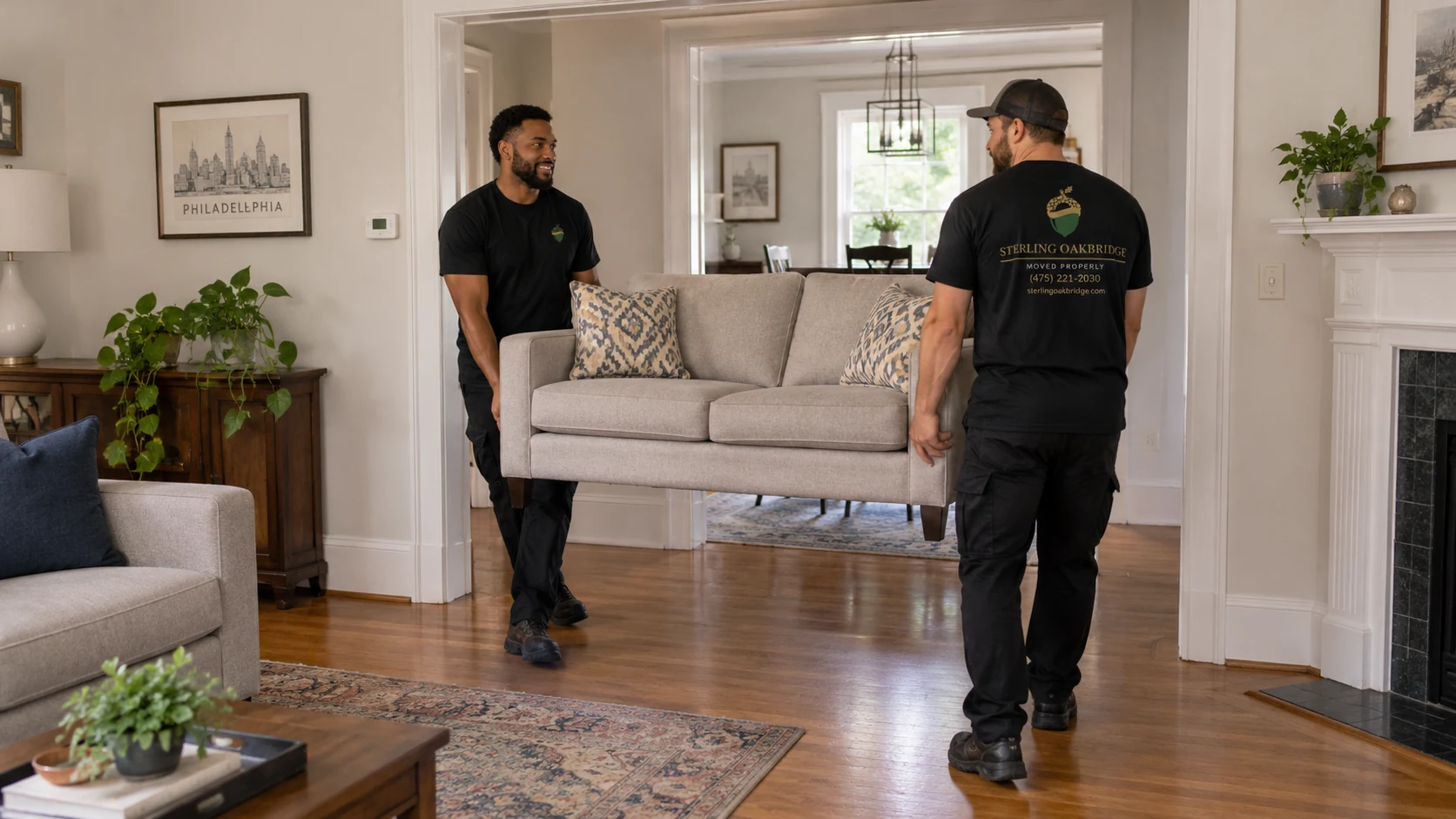
Our labor-only in-home moving service handles agreed preparation, carrying and placement when belongings stay at the property or inside the same building. In-house movers still need the item list, the complete route and a destination for each larger piece. A short carry can involve stairs, disassembly or a specialist item.
What can move without leaving the property?
- Room rearrangements: sofas, beds and cabinets between rooms; furniture lifted clear for an area-rug change.
- Seasonal setup: patio furniture outside or into suitable storage, with accessible attic and basement carries reviewed separately.
- Renovation clearance: retained furniture held elsewhere in the building and returned when the room is ready.
- Garage-to-room placement: already-delivered pieces carried into their final rooms.
- Real estate staging: existing or delivered furniture placed for photographs, showings or an open house.
- Party, wedding or filming preparation: temporary room or outdoor clearance, holding and a planned return.
- Apartment transfers: along a hallway or between floors, including two-bedroom to three-bedroom changes.
- Internal office moves: rooms exchanged, another suite occupied or workstations moved to another floor.
Philadelphia planning pages describe rowhouse stairs and connected rooms alongside managed apartment and office buildings. Measure the actual passage rather than assuming that a piece which fits its destination will fit the route. The named streets below locate illustrative examples, without identifying customers or exact addresses.
Four Philadelphia situations with distinct routes and return plans
Spruce Street: changing connected rooms without losing the passage
Imagine a Spruce Street home where a compact loveseat will move from the rear sitting room to the front room. A console in the front room needs to go the other way. The two destinations are connected through a shared passage, so simply putting one piece in the middle would block the other carry.
Confirm the proposed positions and compare both pieces with the narrowest point and any doorway turn. Choose an agreed temporary console position that leaves the passage open, then plan the loveseat carry. The owner handles loose decorations; a large picture or mirror is identified as a separate handling or hanging task.
Place the loveseat first, then bring the console through and check access between the rooms. If the owner wants to try the reverse layout after seeing it, that means additional carrying and placement time. An upstairs alternative needs its own stair review rather than being treated as the same ground-floor change.
Walnut Street: desks moving to another floor while the meeting room stays
Consider an office on Walnut Street moving two work desks and their packed accessories to another floor of the same building. A conference table remains on the original floor. The new desk positions and the items staying behind need to be distinguishable before staff start clearing their workstations.
Request the building instructions for the internal route, including any lift reservation, shared-area protection and permitted work period. Staff prepare devices and packed accessories, and each desk receives a destination label. Photograph or measure any construction detail relevant to basic disassembly and reassembly.
Place the desks at the receiving floor before the office owner reconnects equipment. Confirm that the conference table was outside the moving inventory and that its room remains accessible under the operating plan. If an additional cabinet or another floor is added, review the revised inventory and route before expanding the work.
Pine Street: furniture clearance for a two-night film setup
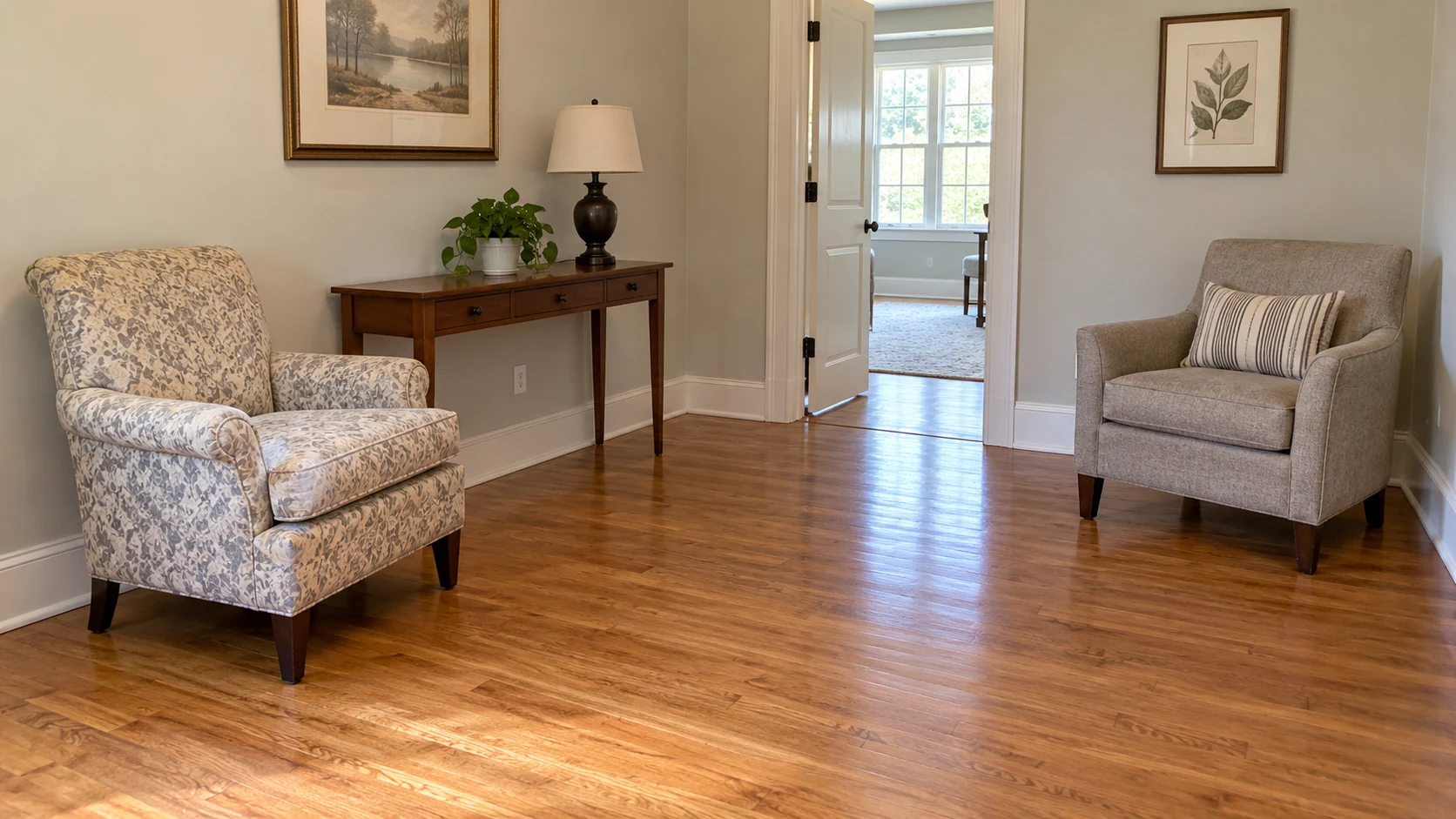
Imagine a Pine Street residence being prepared for a short film shoot. Two armchairs and a console need to leave the filming room, while the existing sofa will stay in the scene. A rear room can hold the chairs; the console fits there only if the agreed household access remains open.
Confirm the production clearance, list each retained piece and test the holding arrangement before the shoot. The owner and production team prepare props, electronics and other items outside the furniture scope. If the console cannot stay onsite, compare a specifically agreed truck hold with storage and later delivery, including their charges and access.
Record which items return after the two-night shoot and which receiving positions the production team must release. Overnight truck holding is a separate arrangement, not a consequence of booking labor-only carrying. A longer or uncertain interval changes the holding choice, transport stages and return visit.
Green Street: returning a small courtyard set through the house
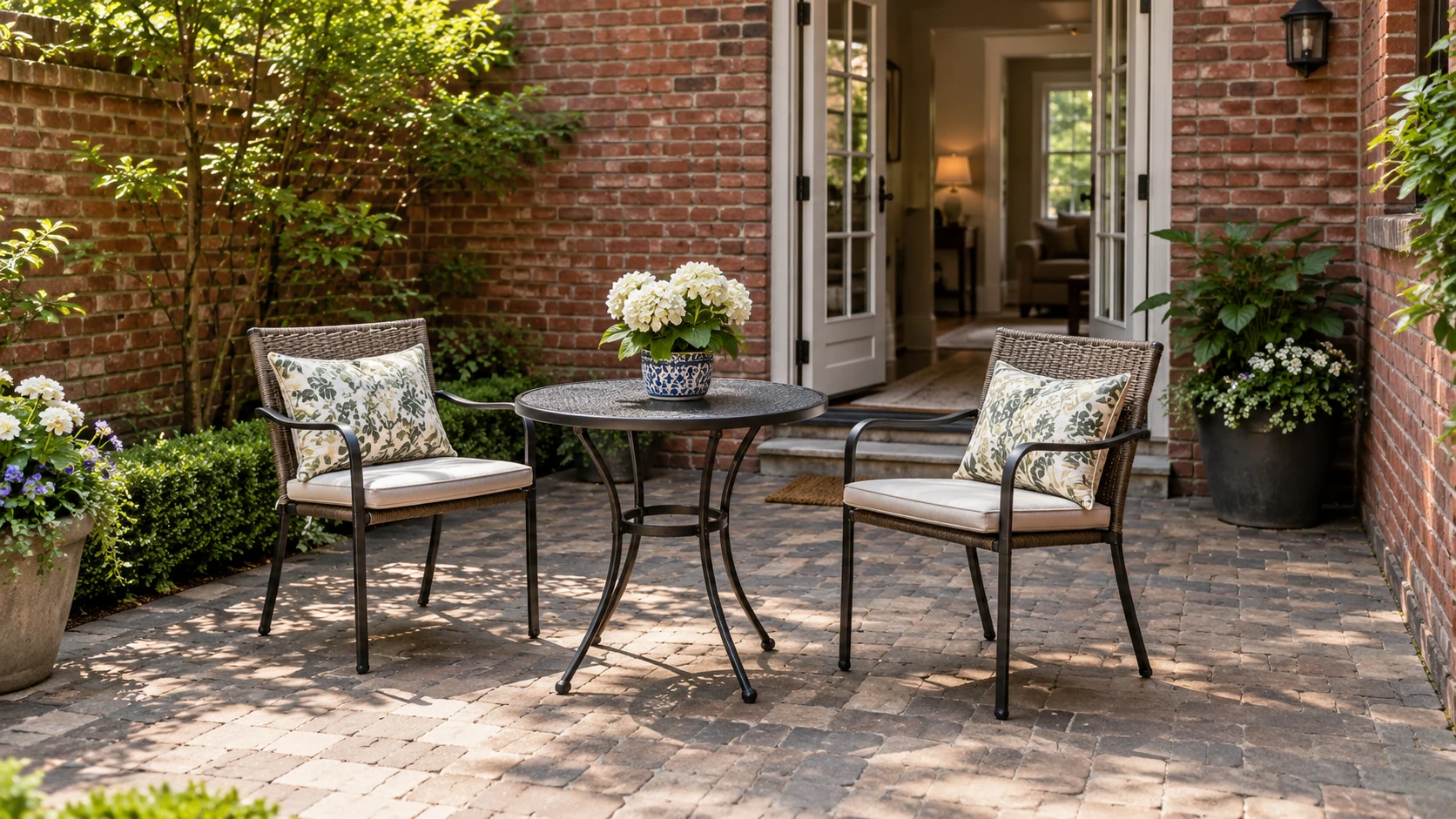
Consider a Green Street home with two outdoor chairs and a small table stored indoors over winter. Their spring destinations are in a courtyard reached through the home. The household needs a protected, usable passage for that route, rather than an assumption that a rear delivery entrance exists.
List the three pieces and show every indoor doorway, threshold and outdoor turn. Confirm the courtyard positions and the condition of the receiving area before the visit. Cushions and small accessories are prepared by the owner unless their handling is expressly included.
Place the chairs and table with room to use the courtyard entrance. If additional outdoor furniture is stored upstairs or in the basement, those retrievals create different routes and labor time. The autumn return can be planned separately after choosing a suitable dry holding position.
These are illustrative situations on checked local streets, without customer house or unit numbers or a claim of a completed job. Street locations were checked against Census street and municipal-boundary data. The actual building, access and interiors are reviewed for your request.
Apartment-to-apartment moves in one building
A household can move across the hallway, between floors or from a two-bedroom to a three-bedroom apartment without a journey to another street. Downsizing and temporary relocation during repairs also fit this service. Provide both units, access dates and labels for the receiving rooms.
Review the furniture against doors, corridors and the actual stairs or elevator. Management may specify moving hours, common-area protection or insurance documents. If the two units are not available together, the belongings need an authorized place to wait; storage elsewhere changes the stages and estimate.
Already-delivered furniture from the garage to its rooms
An early delivery may already be in an authorized garage or another suitable receiving area while the rooms are being prepared. List the pieces together and mark where each one belongs before the visit. A bed going upstairs and a cabinet going into a ground-floor study have different routes.
We can review carrying the furniture inside, unwrapping it and completing agreed basic assembly. Complex assembly, optional box unpacking and packaging removal belong in the requested scope. Pickup from a retailer or another address adds a transport stage before placement.
Placement for listing photographs and showings
An owner, agent or stager supplies the furniture arrangement for photographs, showings or an open house. We can review moving existing pieces into an agreed holding room and placing already-delivered staging furniture. Identify the person who approves the final layout and the date the rooms must be ready.
Decide whether the arrangement stays for showings or whether some household furniture returns after the photographs. Collection from a warehouse and later staging removal are additional stages. Furniture hire, photography and styling decisions remain with their respective owners.
Clearing rooms for renovation or repairs
Painting, flooring and repairs can require furniture to wait in an agreed spare room. Record its original layout and identify what the contractor needs cleared. Suitable temporary placement keeps everyday household routes open and removable parts matched to their furniture.
After a leak, the restoration team identifies retained belongings ready for handling and usable dry spaces. The return follows confirmation that the work area can receive furniture. For a room-by-room project, settle the order so an item does not go straight into the next room due for clearance. Off-site storage adds collection, handling and return stages.
Parties, weddings and filming need their own return plan
For a private party, agreed sofas and tables can move into a suitable room or garage to make space for guests, dining or dancing. Record where they should return. At a rented residence, obtain the owner's permission to move and hold its contents.
For a wedding at the property, the inventory may include outdoor furniture to clear and already-delivered tables or chairs to position. Preparation and later clearing or restoration are separate visits, with indoor and outdoor destinations identified.
For filming or a photo shoot, identify the production contact approving changes and the release date. Furniture may leave the camera frame, move between rooms or wait for several days. Include expected rearrangements during the shoot and preserve the original layout.
If suitable on-site space is unavailable, ask about an agreed overnight truck hold for a confirmed short interval, or storage and later delivery for a longer gap. The holding location, charges and return window must be settled for the job. Those stages extend the labor-only carries inside the property.
Related tasks without a truck
- Furniture assembly and disassembly: suitable basic operations use moving labor time without a separate basic assembly surcharge. Large wardrobes and flat-pack furniture need individual model and scope review.
- Fine art, pictures and mirrors: a new arrangement can involve delicate handling or another hanging position. Picture and mirror hanging is additional agreed work; send item dimensions, wall information and intended positions.
- Heavy items and gym equipment: a treadmill, safe or unusually heavy cabinet needs its actual construction, weight and route assessed. Gym equipment moving has specialist preparation questions even when the destination is another room.
Prepare the route and the requested work
Send the inventory, floors, destination plan, route photographs and preferred dates. Include packing, assembly, hanging, temporary holding and a return visit where wanted. Keep a person available to approve placement, and identify when each room or unit becomes usable. Clear decisions help avoid unnecessary repeated carries.
Local work is usually priced by labor time with any applicable minimum. Estimated hours help plan the job; they are not a fixed total or a completion guarantee. Company-supplied boxes are charged separately. Moving blankets, shrink wrap and tape carry no separate material charge. Furniture unwrapping is part of delivery; optional box unpacking is charged for time, and packaging or waste removal is charged separately. Specialist operations, storage, truck holding and later visits have their applicable agreed terms.
Questions about internal moving in Philadelphia
Can I book labor-only or in-house movers without a truck journey?
Yes. Describe the furniture, starting places and destinations inside the property or building. Labor-only moving covers agreed carrying and placement without a truck transport stage. Packing, specialist tasks, any applicable minimum and the access still need review.
Can furniture cross several connected rooms for a short rearrangement?
Yes, after the complete passage and temporary positions are reviewed. A holding piece cannot block the next carry. Include every doorway and turn, and specify any upstairs or outdoor alternative separately.
Can you transfer a two-bedroom apartment to a three-bedroom in one building?
Yes, an internal apartment transfer can be reviewed. Include both units, floors, dates, destination labels and management instructions. Both spaces must be accessible at the required times, or an authorized holding stage is needed.
Does a two-night film clearance include overnight truck holding?
No automatic holding arrangement follows from an internal labor scope. Confirm the inventory, duration, suitable holding space and return access. A quoted truck hold or storage with later delivery adds its own agreed stages and charges.
Can furniture stay in a spare room during renovation?
An agreed suitable room can hold retained furniture while work proceeds elsewhere. Identify the contractor clearance and daily walking routes. The return follows confirmation that the room is ready to receive furniture; leak-related handling requires restoration-team readiness first.
Can you finish placing furniture delivered to the garage?
Yes. List the already-delivered pieces and their destinations. Furniture unwrapping and agreed basic assembly can be included. Add complex assembly, optional box unpacking or packaging removal to the requested scope.
Can the job include pictures, mirrors or an area rug?
Furniture can be moved to make room for an area-rug change. Picture and mirror handling or hanging need an agreed item, wall and fixing scope. Send dimensions, photographs and intended positions before the visit.
Can furniture wait on a truck overnight after an event?
An overnight hold can be reviewed for a confirmed short interval. Agree the holding location, truck arrangement, charges and unloading window. Longer or uncertain gaps may need storage and later delivery; those are additional stages.
Can office teams exchange rooms or move between floors?
Yes, agreed furniture, equipment and packed contents can move within the building. Provide the destination plan, building instructions and work period. Coordinate device preparation and technical reconnection with the IT owner.
What is included in the labor estimate?
The estimate reviews items, preparation, staffing, route and stages, with labor time and any applicable minimum. Basic furniture disassembly and reassembly use labor time without a separate basic surcharge. Company boxes, optional box unpacking, removal, specialist work, holding and return stages have their applicable agreed terms; estimated hours are not a fixed total or completion promise.
Send the starting places and destinations
Tell us what should change, where the items wait now and where they should finish. Include the dates when the space must be usable and photographs of the route. Our planning team will review the requested work and provide the applicable written estimate.
For a move to another property, see Philadelphia moving services. The Philadelphia relocation guide covers the wider preparation decisions.