
Rhode Island · Providence service planning
Long-distance moving from Providence, RI
A long-distance move from Providence starts with two usable properties and a shipment that matches the written plan. The receiving door, stair turn or elevator appointment can determine how furniture is prepared before the truck leaves Rhode Island. Give Sterling Oakbridge the actual pickup and delivery addresses, belongings, dates and preparation you need. We can review a direct move or a smaller consolidated shipment across the United States and Canada.
An apartment in a converted house may use a shared entrance even when its rooms are spacious. A Downtown building may have a separate service door and a scheduled lift. At a house, a visible driveway still needs the owner's approval and a check of the moving vehicle's clearance. Describe your particular route, including basement or upper-floor belongings, instead of relying on the neighborhood or bedroom count to describe the job.
Use the Providence moving page for the wider service discussion and the Providence relocation guide for household setup and local procedures. For this move, connect the inventory, street access and destination readiness to one achievable loading and delivery sequence. The examples below are planning situations, rather than accounts of completed customer jobs.
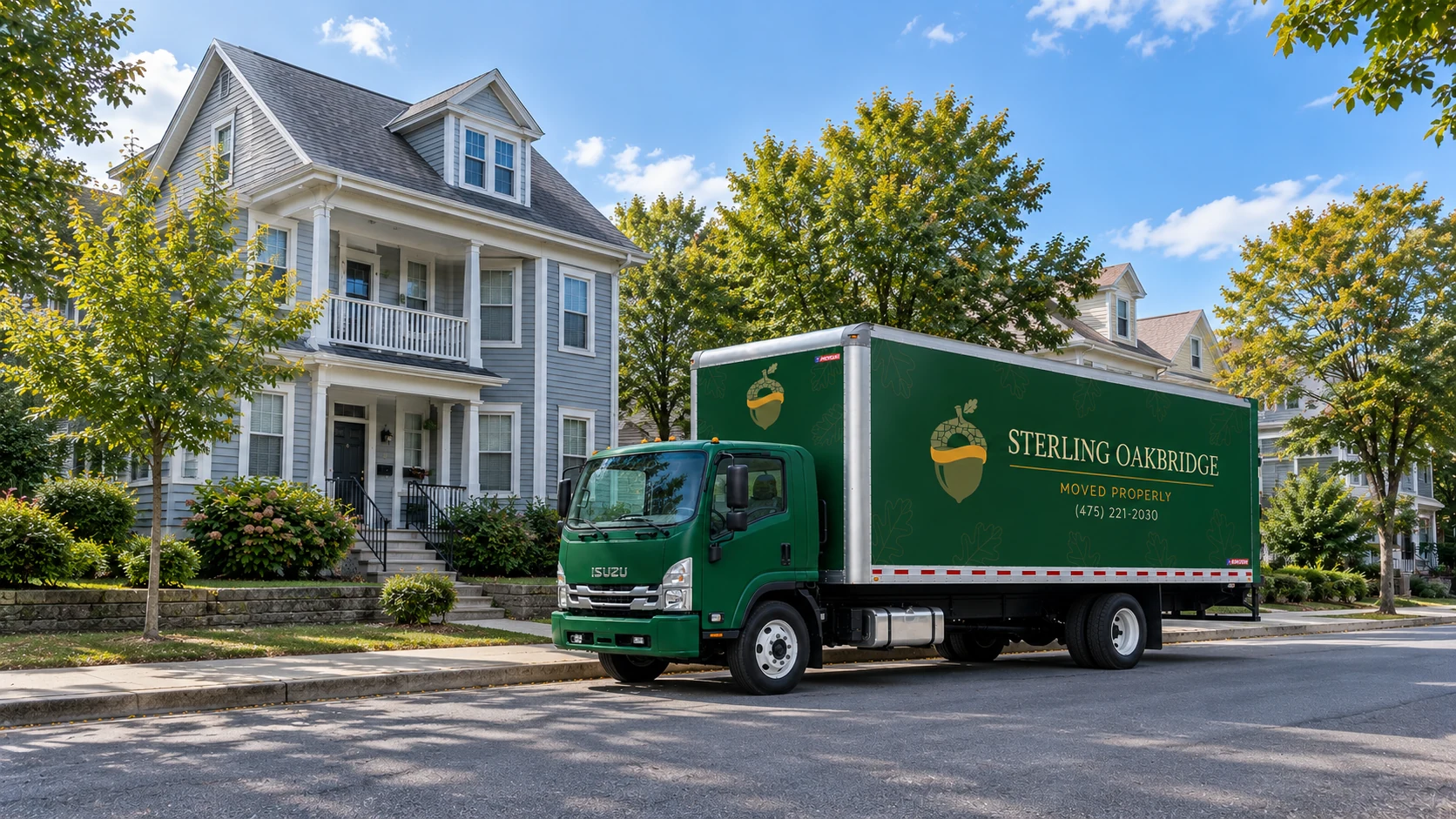
Choose the shipment and receiving window together
Direct or dedicated moving uses a dedicated truck and delivery with the same moving crew at pickup and drop-off. It can suit a substantial household shipment or a receiving schedule that needs a closely coordinated trip. The survey and planning team has a separate role; the person reviewing your belongings is not necessarily a member of that crew.
Consolidated moving can suit a smaller shipment when you can accommodate a wider delivery window. A selected group of furniture and cartons around 300–400 cubic feet is an example worth reviewing, not a minimum volume. Confirm the actual contents, preparation, storage if needed and receiving arrangement. Do not assume that a consolidated move has the dedicated truck or same-crew arrangement of direct service.
Consider what the receiving property can support throughout the agreed window. Someone needs access, authority to answer placement questions and a way to arrange any required loading or lift appointment. A flexible household calendar does not help if the building admits deliveries on only one unconfirmed afternoon. Bring that restriction into the discussion before choosing the service.
All delivery windows below begin after pickup and loading are complete. Preparation, loading, building restrictions, border procedures and the actual truck route still need their own review. A nearby address may support a specially coordinated same-day or next-day move, but distance alone does not promise either appointment.
| Illustrative destination | Direct planning window | Consolidated window |
|---|---|---|
| New Bedford, Massachusetts | 1–2 days | Up to 30 days |
| Bradenton, Florida | 2–3 days | Up to 60 days |
| Peterborough, Ontario | 1–2 days | Up to 60 days |
| Fresno, California | 5–6 days | Up to 90 days |
These are illustrative planning windows. Confirm the dates and receiving conditions for your written move plan. Other destinations can require a different consolidated window; the California example does not establish one rule for every western state.
Put the complete scope into the flat-rate quote
For a long-distance move quoted at a flat rate, the agreed price stays the same when the shipment, access and services stay the same, even if travel or delivery takes longer. More furniture, unfinished packing, an added stop or a changed carrying route can change the work. Have an actual scope change reviewed and agreed in writing before that work begins.
Include the belongings in every room and storage area. Identify pieces needing specialist preparation and distinguish the cartons you will pack from those you want us to prepare. A photograph of a living room does not establish the contents of the basement, an attic or a separate storage unit. Keep items staying behind out of the moving list.
| Part of the plan | What to confirm |
|---|---|
| Shipment | Furniture, cartons, totes, large pieces and belongings in secondary storage; what stays behind. |
| Preparation | Your packing responsibilities, requested packing, basic furniture work and separately reviewed specialist items. |
| Pickup | Correct unit and entrance, stairs and turns, lawful truck position, building window and any additional stop. |
| Delivery | Receiving contact, keys, final rooms, stairs or lifts, loading access and the agreed window. |
| Optional stages | Storage, box unpacking, packaging removal or other work that belongs in the quote. |
Basic furniture disassembly and reassembly are part of moving labor without a separate basic assembly fee. Moving blankets, shrink wrap and tape have no separate basic material charge; boxes supplied for your move are charged separately. Packing, optional box unpacking, packaging removal, complex furniture and other specialist work must appear in the appropriate scope. Review the packing service and storage service when either stage is needed.
Resolve Providence street access before loading
Providence's parking guidance distinguishes daytime time-limit relief from a reserved moving position. Temporary Parking Privileges do not reserve a particular space or authorize overnight parking. For a moving van needing reserved space, the city directs applicants to a Traffic Permit with Emergency No Parking Tow Zone posting. An ordinary resident overnight permit is a separate arrangement.
The Traffic Permit instructions say applications are not accepted less than two business days before the requested start and prefer submission ten days ahead. Only Providence Traffic Engineering posts the official emergency signs. Multiple streets require a permit for each street. Describe the actual occupation: street, side, length, dates, hours and any effect on the sidewalk, bicycle route or traffic lane.
The portal's category overview and detailed instructions display different fee amounts. Obtain the applicable current itemized charges and approval from Traffic Engineering. Closure or occupation can also require a traffic-control plan and other conditions appropriate to that activity. Keep the approval and property instructions together; neither substitutes for the other. The Public Works forms directory gives the application routes.
If the approved area is unavailable, contact the responsible authority and moving contact before changing the position. Confirm a lawful alternative and whether the new carrying route changes the agreed work. Cones, an elevator reservation or a person standing at the curb do not establish permission to close the public way.
Prepare furniture and labels for the whole trip
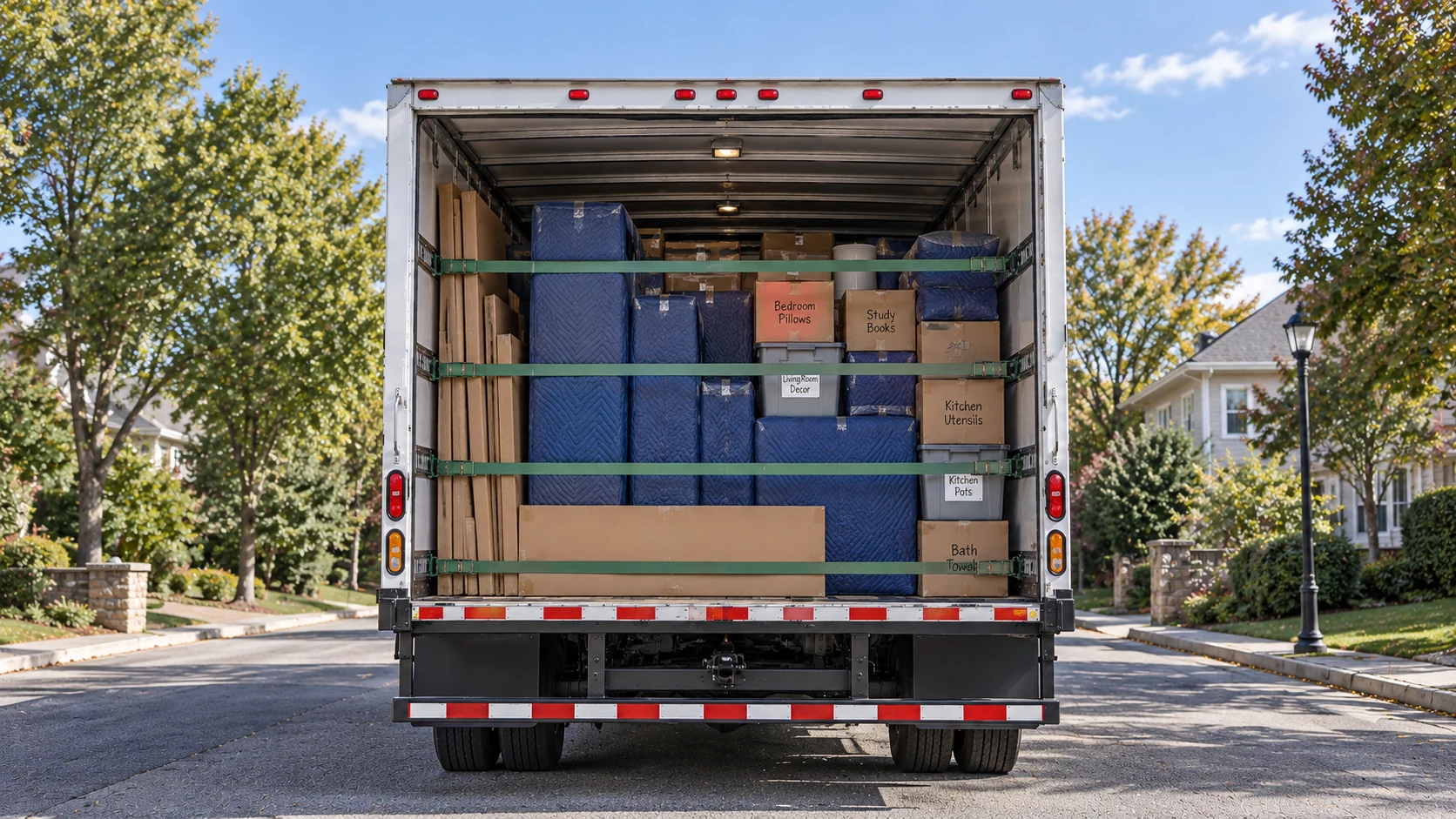
Identify cartons by destination room and contents. Heavy books belong in a suitable small carton; lighter linens can use a different format. Seal cartons before pickup, keep the labels readable and attach a paper room-and-contents label to a customer tote when it needs one. Avoid leaving essential paperwork or medication inside the shipment.
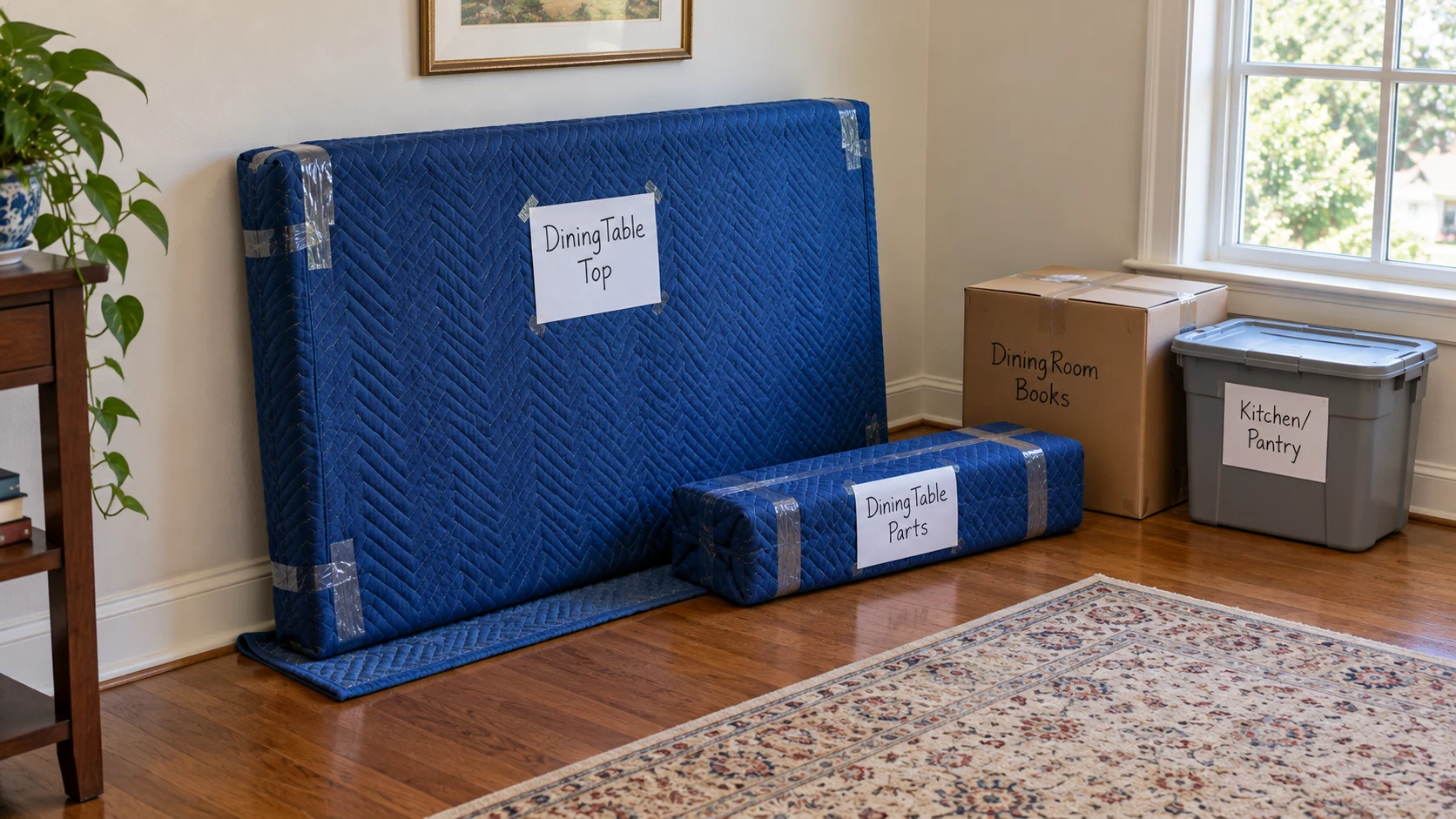
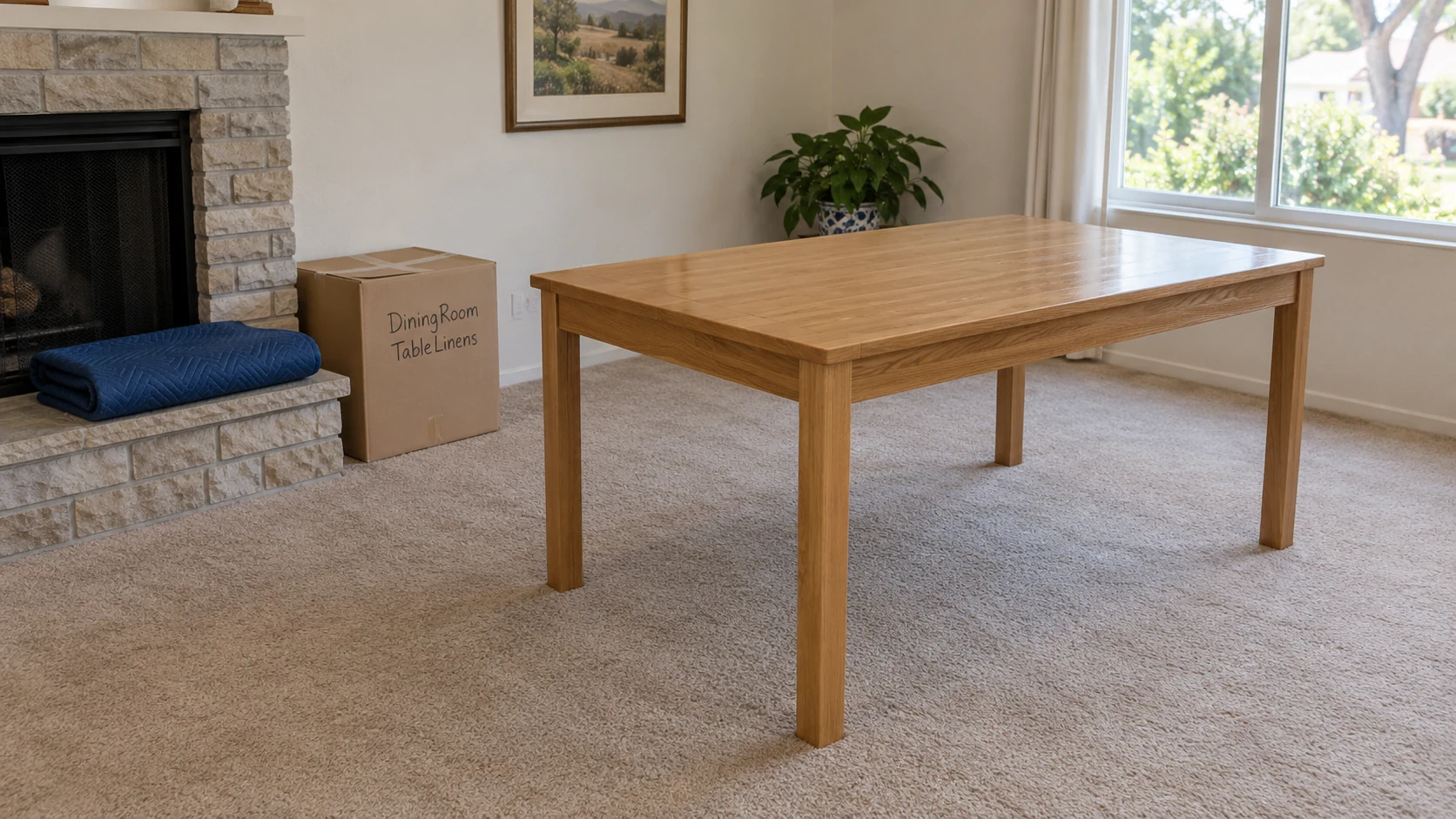
For an ordinary table with safely removable long legs, protect the body before handling it for removal. Pack the removed legs together as a protected set and retain the hardware with the corresponding furniture. The table body and parts need matching identification so the receiving crew can find the right group. The method must suit the actual construction; a genuinely fixed component needs a different handling plan.
Ordinary dresser drawers should be emptied and retained in the protected body. Furniture quilts need to cover vulnerable surfaces and bases with real cloth, including retained feet that can otherwise scrape against other pieces. A part requiring separate transport also needs protection and identification. Tell us about loose components, fragile finishes and anything whose construction needs review.
A substantial direct household load combines protected sofas, dressers, cabinets, cartons, totes and other belongings in supported tiers. The finishing rows step down where pieces cannot be stacked safely. Side materials and retaining flat panels have their own secure positions, and restraints hold the load against movement. A small selected consolidated pickup is a different stage; it should be described by its actual parcels and receiving needs.
Example 1: Providence to New Bedford, Massachusetts
Suppose a household is leaving an upper-floor unit in a West End two-family house for a New Bedford apartment. The main concerns are a shared stair at pickup and a narrow turn beyond the destination door. A short road trip does not remove either constraint, so begin with the furniture list and the complete route through both properties.
Photograph the authorized Providence entrance, the landing with the door open and the stair turn with the handrail in place. Include basement belongings and anything kept on another floor. Ask the owner when the shared route can be used and how other residents will retain their access. At the destination, confirm the correct unit, key handoff and who can answer if the selected sofa will not make the interior turn.
For a dedicated move, the illustrative delivery window is 1–2 days after loading. Same-day or next-day coordination may be possible when preparation, travel and both access windows support it; agree that schedule specifically. A small consolidated shipment has an illustrative window of up to 30 days, which requires a receiver able to work with that arrangement.
Choose the service by the household's actual need for the furniture. If the family can live with essentials while a small shipment travels, consolidation can be reviewed. If the beds and household seating must arrive in a tightly coordinated sequence, discuss the dedicated arrangement and preparation before pickup. The quote should identify disassembly, packing, any long carry and the conditions at New Bedford.
Set a decision time for a late key handoff. A friend nearby is not automatically an authorized receiver, and a second door is not automatically an available furniture route. Confirm the fallback entrance or later appointment with its owner, then review any changed work before using it.
Example 2: Providence to Bradenton, Florida
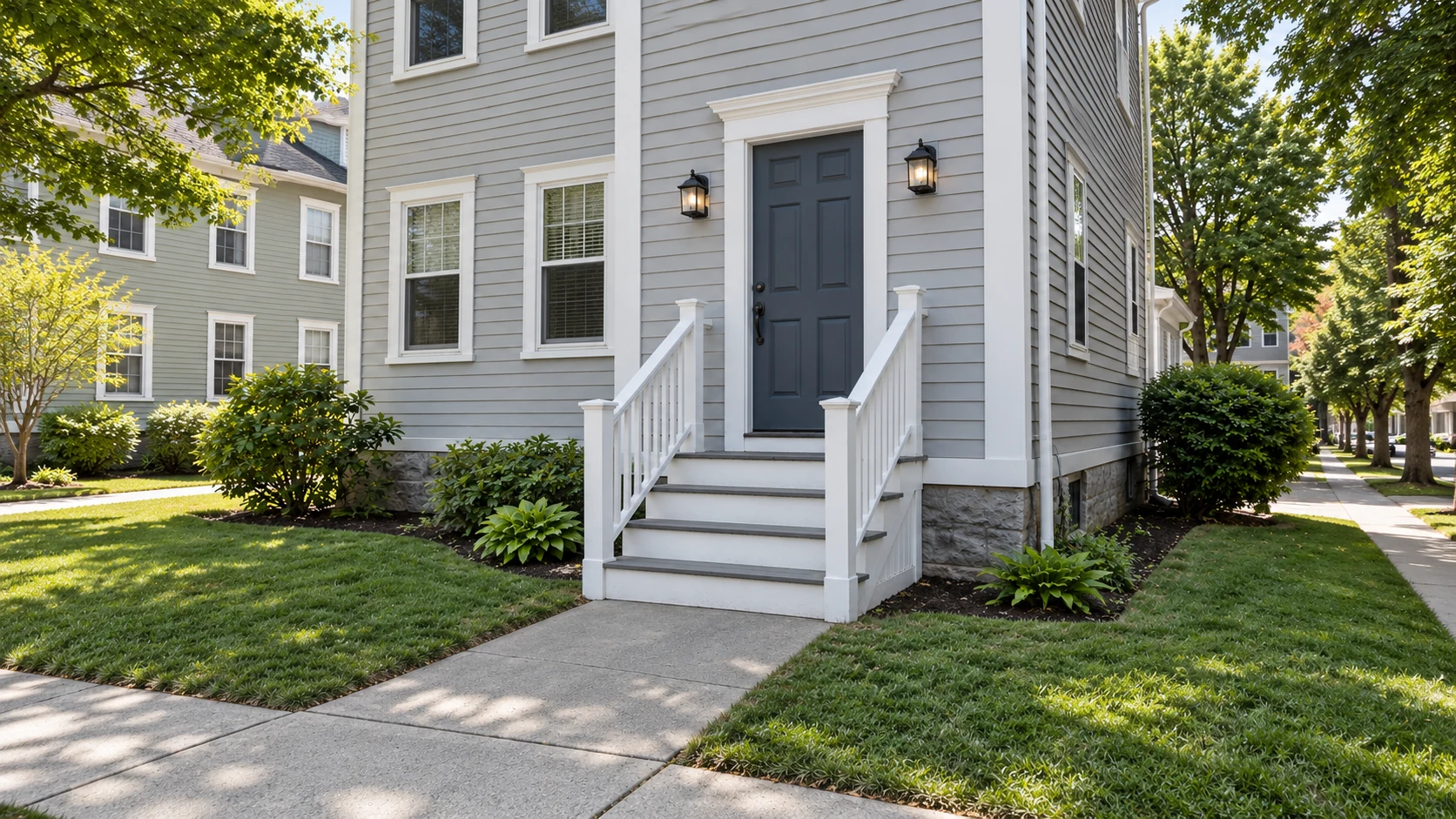
Consider an Elmhurst household moving most of its furniture to a managed Bradenton condominium. The Providence address may have a private approach, while the receiving building may require a service entrance, one lift to a transfer level and another lift to the unit. Those are separate checks even if the destination room itself is large.
At pickup, measure the driveway or identify the approved curb arrangement. Include the turn from the road and the surface where the vehicle would stand; a household car's parking position does not establish clearance for the moving truck. Agree which rooms will be packed beforehand and which belongings remain with the family during travel.
Ask the condominium manager for the written receiving instructions. Confirm both lifts, their usable dimensions, the transfer route, operating hours, protective coverings and any required COI wording. Determine who releases the lifts and what happens if one becomes unavailable. A booking for the first lift does not prove that the second stage is ready.
The illustrative dedicated window is 2–3 days after pickup and loading. The Florida consolidated example allows up to 60 days. Match the selected window to actual possession, an available receiver and the building's process for arranging delivery. Do not commit a non-changeable receiving appointment solely from this planning table.
If a lift failure changes the receiving route or introduces another delivery stage, review that proposed work and its costs. If the shipment, services and agreed access remain unchanged but the trip takes longer, the long-distance flat-rate price stays the same. Keep those situations distinct when discussing a change.
For the first evening, the household should retain medication, clothes, documents and practical essentials. At arrival, the receiver can use room labels to direct placement and check the agreed work before the lift window closes. Optional box unpacking or packaging removal should already be identified in the scope.
Example 3: Providence to Peterborough, Ontario
Imagine a household moving from a College Hill apartment to a smaller home in the City of Peterborough, Ontario. The origin includes a steep approach and a stair turn; the Canadian property has a separate possession date. Confirm the exact receiving municipality and unit. A familiar Peterborough area name does not establish that the address uses the city's procedures.
The City of Peterborough contact page identifies its municipal departments. Use the relevant property and street authority for the actual Canadian address. For this example, the receiving contact confirms keys, the permitted truck position and final rooms before the Rhode Island shipment is loaded.
Prepare the Canadian entry documents early. CBSA's moving guidance asks for two copies of a list dividing accompanying goods from goods to follow, with values and identifying details where applicable. Declare the list at the first entry and retain the accounting receipt needed for the unaccompanied shipment. BSF186 is the Personal Effects Accounting Document. Eligibility, restrictions and clearance depend on the household's actual circumstances; the mover cannot promise duty-free admission or a particular border completion time.
The illustrative dedicated window is 1–2 days after loading, subject to the agreed border and receiving plan. A Canadian consolidated shipment has an illustrative window of up to 60 days, even on a relatively short route. Border preparation and an available receiver are necessary for either model.
Keep the border documents with the household instead of packing them in a sealed carton. Make the goods-to-follow list consistent with the shipment inventory and identify additions before departure. Separate anything travelling personally or remaining behind. The delivery contact needs to know what can be accepted and where the furniture belongs.
If possession or documentation remains unresolved, choose a decision point while alternatives are still available. Confirm an actual later receiving window or storage arrangement, its handling and costs, and the condition for resuming delivery. A general suggestion to wait near the destination is not a receiving plan.
Example 4: A selected Providence shipment to Fresno, California
Suppose a household is retaining some furnishings in Providence while sending a dining table, chairs and selected cartons to a Fresno home. The estimated shipment might be around 320 cubic feet once the actual items and preparation are reviewed. This is an illustration of a small shipment, not a minimum volume or a measurement inferred from a room photograph.
Identify precisely what leaves the Providence dining room. Prepare the table body, safely remove its long removable legs and keep the protected parts and hardware with matching identification. Cartons of books, linens and kitchen items should name their destination rooms and contents. The selected group can be ready even while the household continues to use furniture that is staying behind.
At Fresno, confirm the actual entrance, room doorway and final table position. A single-level ranch-style home can still have a narrow door, a threshold or a turn between rooms. Review that route rather than treating the absence of an upstairs flight as proof of easy delivery. Keep a clear passage around the planned position and confirm when someone can receive the shipment.
The illustrative dedicated window is 5–6 days after loading. The California consolidated example is up to 90 days. A household that needs this table for a particular occasion should discuss whether the available service and written window meet that date before choosing consolidation. Arrange a real temporary alternative for daily use if the wider window is acceptable.
After placement and basic reassembly, review the table position and the agreed work. Long legs can be installed at this finished stage; they are removed for the protected transport stage where the construction permits. Furniture unwrapping does not mean that all cartons have been unpacked or that the whole home is finished. Keep the labelled container and passage accessible for the next household tasks.
Confirm readiness before the truck reaches either property
For an older Providence house, inspect the private walk, landing and doorway as well as the public sidewalk. In a managed building, confirm the authorized entrance, the functioning lift and the person responsible for access. A possession date, utility request and lift reservation each need their own confirmation.
For winter conditions, assign someone to clear and check the route close to pickup. Providence's Snow Ready guidance assigns sidewalk clearing to owners within eight hours after snowfall stops, with overnight snow addressed the next morning. It asks for a path at least three feet wide. Also check the private steps and any current parking ban; a normal permit does not settle changed storm restrictions. Destination conditions need their own review.
Keep children, pets and visitors away from the active carrying route while preserving required exits. Arrange a receiver who understands the room labels and can approve the agreed placement. Before access closes, review the inventory and completed work, record concerns and keep any follow-up with the moving documents.
If the original plan fails, identify the trigger, decision time and authorized decision-maker. Confirm the alternate entrance or appointment with its owner, or confirm actual storage availability and the additional handling and costs. Account for temporary accommodation for people and pets. State what must be ready before delivery can resume. A phone number for a storage facility is not a reservation.
Keep disposal and protection choices separate from the shipment
Decide which furniture will not move before the inventory is finalized. Providence's bulky-item guidance requires an arranged pickup for eligible residential collection and gives mattresses a separate drop-off or paid pickup procedure. Ask the manager about a private collection arrangement where applicable. Do not leave unwanted furniture in the moving route while assuming ordinary collection will take it.
For cartons left after unpacking, the city's recycling guide calls for flattened, mostly clean and dry cardboard kept loose in the recycling cart. Plastic wrap and unsuitable debris belong in the appropriate separate stream. Any packaging-removal work requested from the mover needs its own agreed scope.
Review liability and protection choices before the move. For interstate household-goods shipments, FMCSA explains Full Value Protection and Released Value. Full Value Protection applies unless you choose Released Value through the required written agreement; valuation is different from a separate insurance policy. Disclose high-value items and review the selected cost, limits and claims terms in your moving documents.
Pickup addresses and destination examples
We can review long-distance pickup in Providence and nearby Cranston, Pawtucket and East Providence, Rhode Island. These are separate cities in Providence County; neighboring municipalities are not Providence neighborhoods. Send the actual address, unit, inventory and carrying route, then confirm the responsible property and street authority.
Long-distance moving questions
Where can you review long-distance pickup near Providence?
We can review long-distance pickup in Providence and nearby Cranston, Pawtucket and East Providence, Rhode Island. These are separate cities in Providence County; neighboring municipalities are not Providence neighborhoods. Send the actual address, unit, inventory and carrying route, then confirm the responsible property and street authority.
What does a direct dedicated move include?
A dedicated truck and delivery serve the agreed shipment, with the same moving crew at pickup and drop-off. Confirm preparation, access, loading and receiving dates in the move plan. The survey and planning team performs a separate role from the carrying crew.
When is a consolidated shipment worth considering?
Consolidation can suit a smaller shipment when you can receive within a wider window. A group around 300–400 cubic feet is an illustration, not a minimum volume. Review the actual inventory, packing, access and destination before choosing; do not assume the direct same-crew arrangement applies.
When do the delivery windows begin?
The illustrative windows begin after pickup and loading are complete. Preparation, access appointments, the actual truck route and border procedures need separate review. Agree the dates and receiving conditions for your particular shipment.
Can a New Bedford move arrive the same day?
It may be possible when preparation, travel and both access windows support a specifically coordinated plan. Distance alone does not promise that appointment. The New Bedford direct example uses 1–2 days after loading; the suitable consolidated example uses up to 30 days.
How do the Florida and California examples differ?
The Bradenton direct example uses 2–3 days after loading and Florida consolidation up to 60 days. The Fresno direct example uses 5–6 days and California consolidation up to 90 days. These are planning references; other western destinations can require a different consolidated window.
Does a nearby Canadian destination use the domestic consolidated window?
No. The Peterborough, Ontario example uses up to 60 days for a suitable consolidated shipment. Review the Canadian documents, receiving address and agreed window even when the road distance is relatively short.
Will the flat price increase if delivery takes longer?
For unchanged long-distance inventory, access and services, the agreed flat-rate price stays the same when travel or delivery takes longer. Added belongings, extra preparation, another stop or changed access can change the work; have that scope reviewed and agreed separately in writing.
What should I send for a Providence apartment?
Send the exact unit, inventory, photographs of the authorized entrance and continuing route, stair and landing measurements, any lift instructions and the proposed lawful truck position. Include basement or attic belongings and ask who controls a shared entrance or receiving appointment.
Does a Temporary Parking Privilege reserve a moving space?
No. Providence distinguishes daytime time-limit relief from reserved space. For a moving van that needs a specific position, the city directs applicants to a Traffic Permit with Emergency No Parking Tow Zone posting. Ordinary overnight parking is a separate arrangement.
How early should I arrange the Traffic Permit?
The public instructions say applications are not accepted less than two business days before the requested start and prefer submission ten days ahead. Allow time for approval and official posting by Traffic Engineering; an application is not a confirmed reservation. Multiple streets require a permit for each street.
Which street-access fee should I use in the budget?
The Traffic Engineering category overview and detailed application display different amounts. Request the current itemized charges and conditions for the actual activity from the city. Do not treat a displayed posting or meter fee as the complete approved price.
Should a dining table travel with its long legs installed?
Safely removable long legs are removed for the reviewed transport. Protect the body first, keep the removed legs together as a protected set and retain matching hardware with the furniture. A genuinely fixed component needs its own suitable method. Legs can be installed after placement and basic reassembly.
What happens to ordinary dresser drawers?
Empty ordinary drawers and retain them in the protected body for the reviewed move. Identify genuinely loose components that need separate preparation. Furniture protection should cover vulnerable surfaces, bases and retained feet with continuous quilt cloth.
How should cartons and customer totes be labelled?
Identify the destination room and contents. Use a suitable small carton for heavy books, seal the containers and keep identification readable. Write on ordinary kraft where appropriate and attach a paper label to a tote. A generic room label alone can leave the receiver searching for the contents.
Are boxes, unpacking and removal included automatically?
Boxes supplied for the move are charged separately. Basic protection materials have no separate basic material charge; basic furniture work is part of moving labor. Furniture is unwrapped at delivery, while box unpacking, packaging removal, specialist work and storage need their appropriate agreed scope and charges.
What documents need attention for the Canadian example?
Review CBSA guidance for your actual circumstances and prepare consistent accompanying-goods and goods-to-follow lists. Keep the Personal Effects Accounting Document and relevant receipt available for the unaccompanied shipment. Confirm restrictions and the receiving plan; no moving example guarantees admission or duty-free clearance.
What if the new property cannot receive the shipment?
Use an agreed decision time and an authorized contact. Confirm an actual later appointment, permitted alternative route or available storage, with any additional handling and costs. Arrange for people and pets and identify the condition for resuming delivery. A suggested storage facility is not a reservation.
Which protection choice should I review before an interstate move?
Review FMCSA guidance and the written moving documents. Full Value Protection applies unless you choose Released Value through the required written agreement. Valuation differs from a separate insurance policy. Disclose high-value items and confirm the selected cost, limits and claims terms before the move.
Explore long-distance destinations from Providence
These destinations are examples within our United States and Canada household-moving coverage. Confirm the actual addresses, belongings, access and receiving dates before agreeing the shipment and delivery window.
East Coast and nearby interstate examples
- New Bedford, Massachusetts
- Boston, Massachusetts
- Worcester, Massachusetts
- Cambridge, Massachusetts
- New York City, New York
- Newark, New Jersey
- Albany, New York
- Philadelphia, Pennsylvania
Florida and the Southeast
- Bradenton, Florida
- Tampa, Florida
- Sarasota, Florida
- Orlando, Florida
- Jacksonville, Florida
- Raleigh, North Carolina
- Charleston, South Carolina
- Savannah, Georgia
Midwest and Texas
- Cleveland, Ohio
- Columbus, Ohio
- Chicago, Illinois
- Detroit, Michigan
- Dallas, Texas
- Houston, Texas
Mountain West and Southwest
- Phoenix, Arizona
- Las Vegas, Nevada
- Salt Lake City, Utah
- Denver, Colorado
- Albuquerque, New Mexico
Pacific Coast and Washington
- Fresno, California
- Sacramento, California
- Los Angeles, California
- Portland, Oregon
- Seattle, Washington
- Spokane, Washington
Canada
- Peterborough, Ontario
- Ottawa, Ontario
- Toronto, Ontario
- Brockville, Ontario
- Burlington, Ontario
- Montreal, Quebec
- London, Ontario