
Released inventory
Operating and moving groups separated.
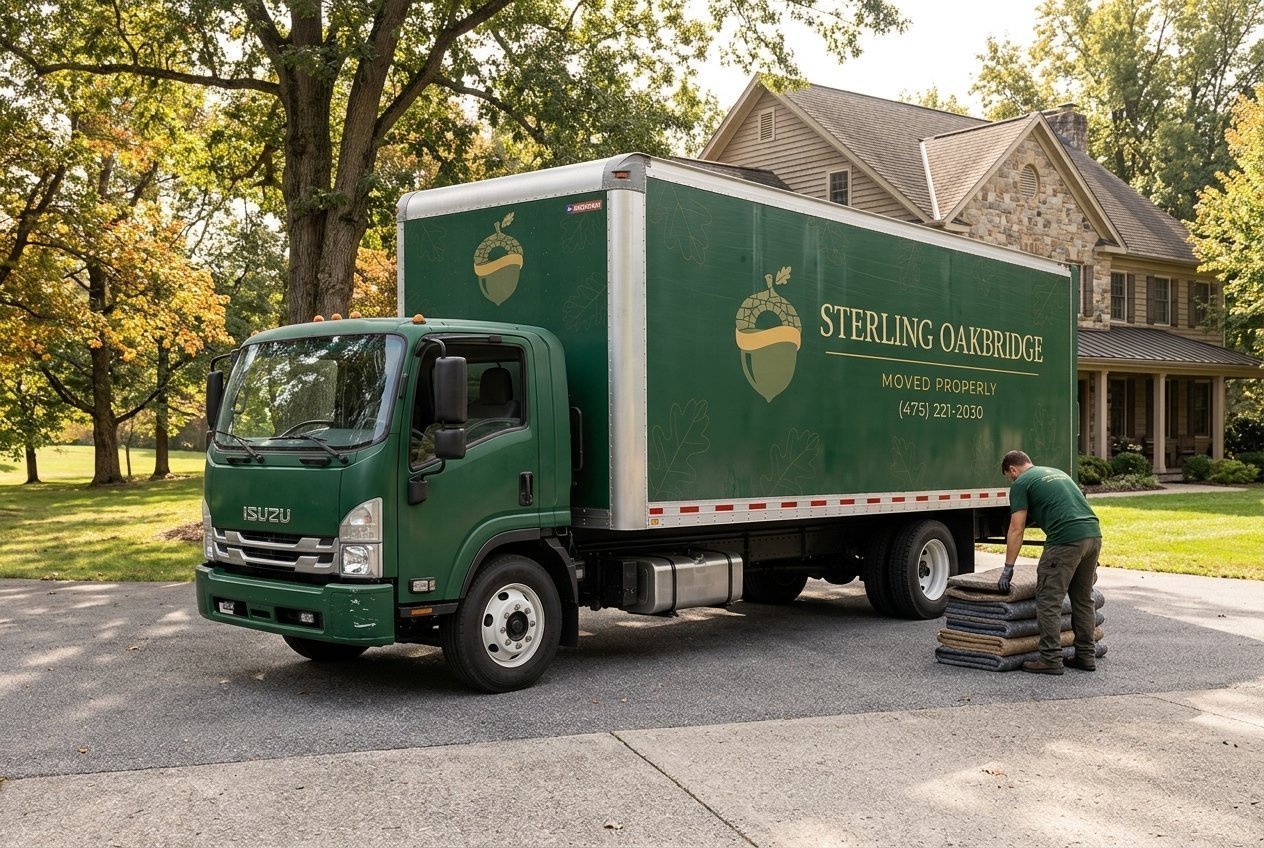
Business Equipment Moving
Move the released equipment while keeping technical responsibilities clear. Sterling Oakbridge reviews restaurant appliances, industrial equipment and physical IT or server transport, including agreed IT disconnection, around the actual load, utility readiness and business handover.
Physical handling, customer loading, utility work and technical startup have named separate responsibilities.
Operating and moving groups separated.
Model, load and attachments reviewed.
Disconnection and startup roles assigned.
Room placement connects to operations.
Plan the work
Provide the asset list, exact models, dimensions, weights from available specifications, photographs and condition. Mark which equipment is released, which must remain operating and which is excluded. Add removable components, attachments and the approved receiving positions.
Show the entire extraction and receiving routes: gaps, doorways, loading docks, stairs, lifts, floor conditions and lawful vehicle access. Supply the building’s actual restrictions and the responsible approval contact. The proposed crew and handling equipment are chosen from the load and route, not from a broad “industrial” label.
Set usable work phases and an authorized release person. A planned pause, room clearance or selected equipment change can differ from a whole business move. A date is useful only if utilities, vendor work, access and receiving readiness can meet it.
Choose your scope
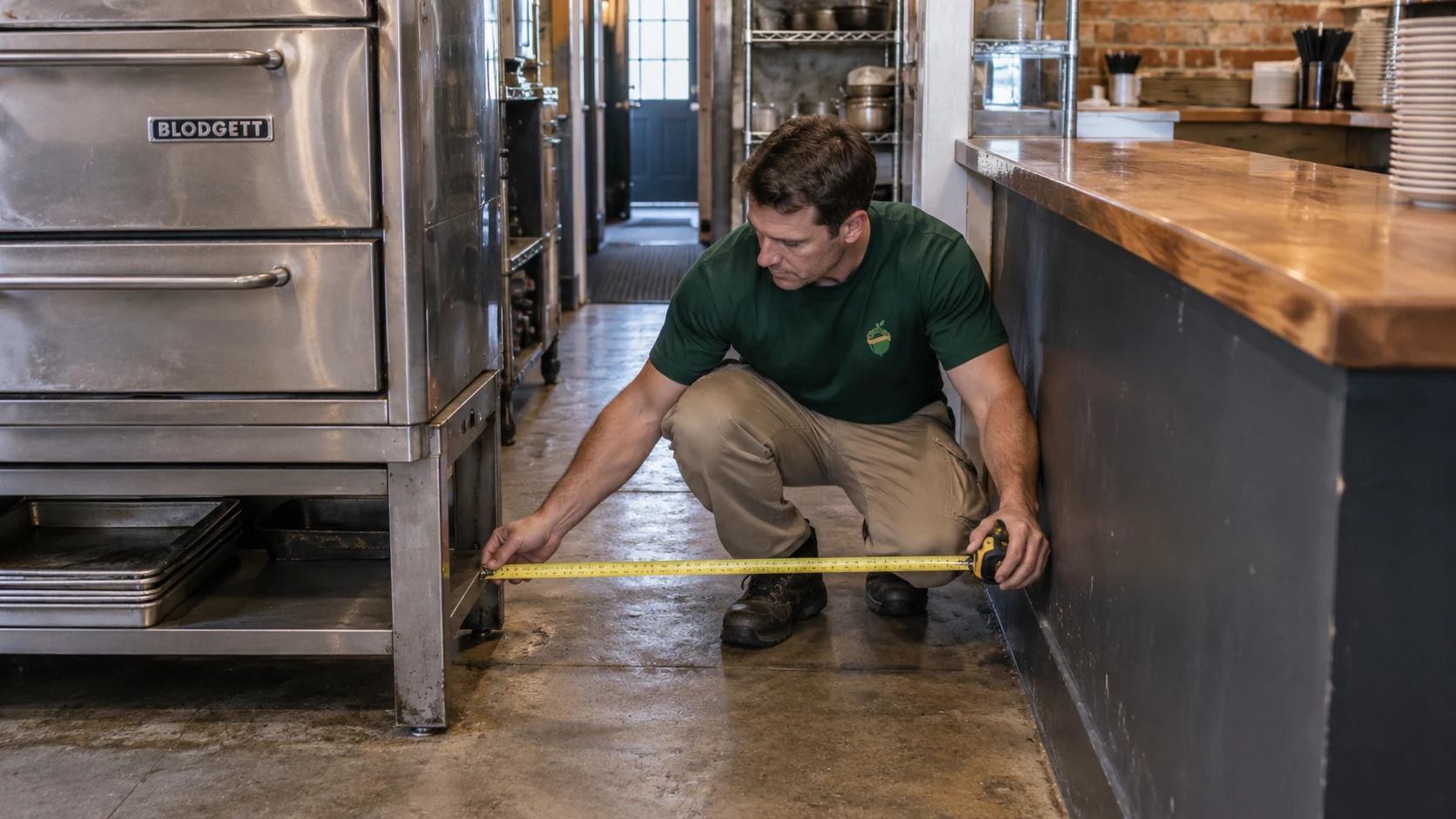
Identify refrigeration, cooking and other kitchen units, their connections, fixed parts and extraction gaps. Qualified utility preparation and any technical installation must be assigned before carrying or receiving.
Give exact load and manufacturer handling information, attachment details and receiving support. Review specialist equipment and release operations individually; no universal capacity, crane work or commissioning promise is made.
Agree physical disconnection where selected, identifiers, protection, transport and room placement. Your IT team controls backups, shutdown, reconnection, testing and system startup; those are not automatic transport tasks.
Plan the work
IT disconnection is available within an agreed scope. Assign shutdown and data protection to the business’s IT team before that physical work. Identify cables, devices and destination positions, and keep the agreed components connected to their asset records.
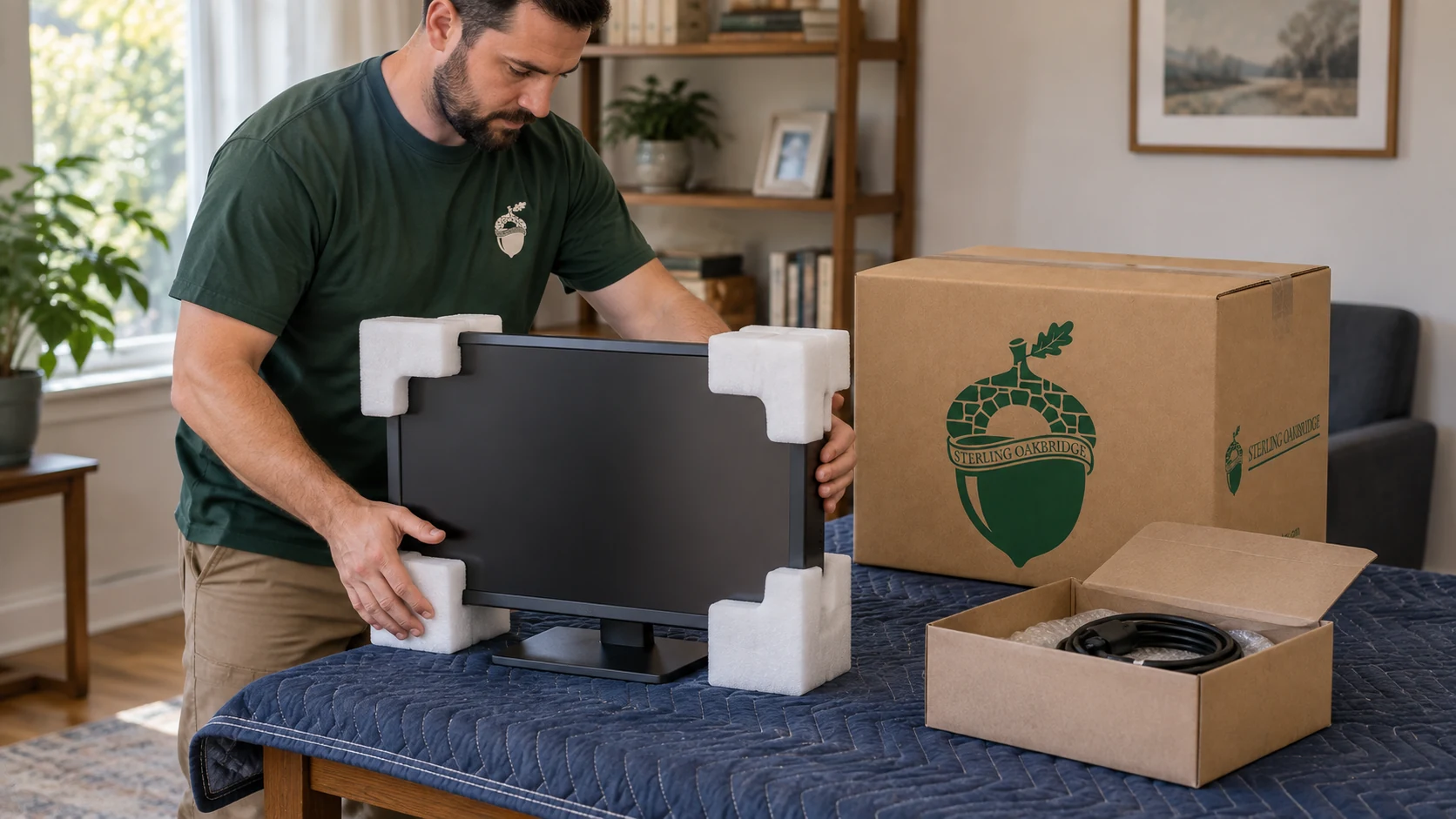
Protection and physical transport can include reviewed monitors, servers and other equipment. Record condition and define the handover contact. A sensitive file or device requires the customer’s actual handling instructions; ordinary moving does not establish secure-records certification or a managed data-migration service.
Arrange reconnection, testing and system startup with your IT team. The move plan names when that team can begin and what physical placement must be complete first. A deadline to resume operations is not a guarantee that transport includes technical commissioning.
Plan the work
For a suitable project, compare an agreed truck-and-driver arrangement with a crew-handling scope. If the customer supplies forklift operators or loading labor, the plan must identify the qualified people, equipment, responsibility and ready load. Driver paperwork is not the same task as operating a forklift.
Confirm utility disconnection, drainage or other manufacturer-required preparation with the responsible professionals before extraction. At receiving, assign connection and startup separately, with suitable space, support and access. Do not depend on an unconfirmed trade being available when the truck arrives.
The quote includes the selected preparation, specialist handling, travel, loading and unloading, any holding and final placement. Phased releases, restricted work windows and repeat visits can add time and cost. Hourly estimates and minimums are not completion caps; any flat-rate arrangement applies only to its agreed shipment and scope.

Illustrative situations from our local pages
These are hypothetical planning situations, not reports of completed customer jobs.
Hudson Valley · Poughkeepsie
The local commercial plan measures the equipment and extraction gap before selecting handling. The responsible specialist releases utilities and identifies what can move.
The receiving project separately assigns reconnection and technical startup. Moving an unplugged unit through a doorway does not settle its commissioning.
Northern New York · Watertown
Identify physical devices and room positions while the client’s IT team owns backup, shutdown and restart. Disconnection and protected transport are selected moving stages.
A phased physical delivery can support the IT schedule when the building and room are ready; the technical handover must be assigned rather than inferred from the moving deadline.
A workable sequence
List assets, operating/retained groups, condition and final positions.
Supply models, specifications, utility readiness, building rules and specialist requirements.
Name customer labor, mover handling and each technical responsibility, with selected stages quoted.
Track assets and condition through placement, then release the physical result to the assigned technical or operations team.
Published business plans connect physical handling, preparation and the actual property’s approved access.
Plan office and business moves around people, vendors, building access, packing, equipment and operational deadlines.
Plan business preparation, vendor handoffs, building access and the complete moving scope in Watertown.
Before you book
Practical answers about the work, preparation, price and receiving result.
Ask a coordinatorRestaurant appliances and kitchen equipment, industrial equipment, and physical IT or server transport are available with exact-item and route review. Send the asset list, models, specifications, attachments and receiving requirements for an individual plan.
Yes, within an expressly agreed physical disconnection scope. Your IT team first controls backups, shutdown and data protection. Identify devices, cables and destination positions before the work.
No. Arrange reconnection, testing and system startup with your IT team. Our reviewed scope covers selected physical disconnection, protection, transport and placement, with a clear handover to that team.
Those responsibilities must be explicitly assigned to appropriate professionals for the exact equipment. Physical moving does not automatically include gas, water, electrical work, refrigeration service or technical commissioning.
A suitable truck-and-driver/customer-loading arrangement can be reviewed. Name the qualified operators, equipment, ready load and responsibility allocation in the written plan; the driver’s transport and paperwork role is distinct from customer loading.
Yes, with released assets, retained operations, usable stopping points and building windows agreed. Include any repeat handling, holding and technical restart handoffs in the complete comparison.
Crane work is outside our service scope, and no generic equipment capacity is published. Provide the actual load and routes so a feasible specialist plan can be established before booking.
No such certification is established. Supply your actual sensitive-material handling requirements; ordinary equipment transport is distinct from secure-records management, data migration and system startup.
A plan for your actual move
Send the released asset list, model specifications, routes, utility readiness, dates and the customer, mover and technical responsibilities.
