
Shipment register
Supplier and project references connected.
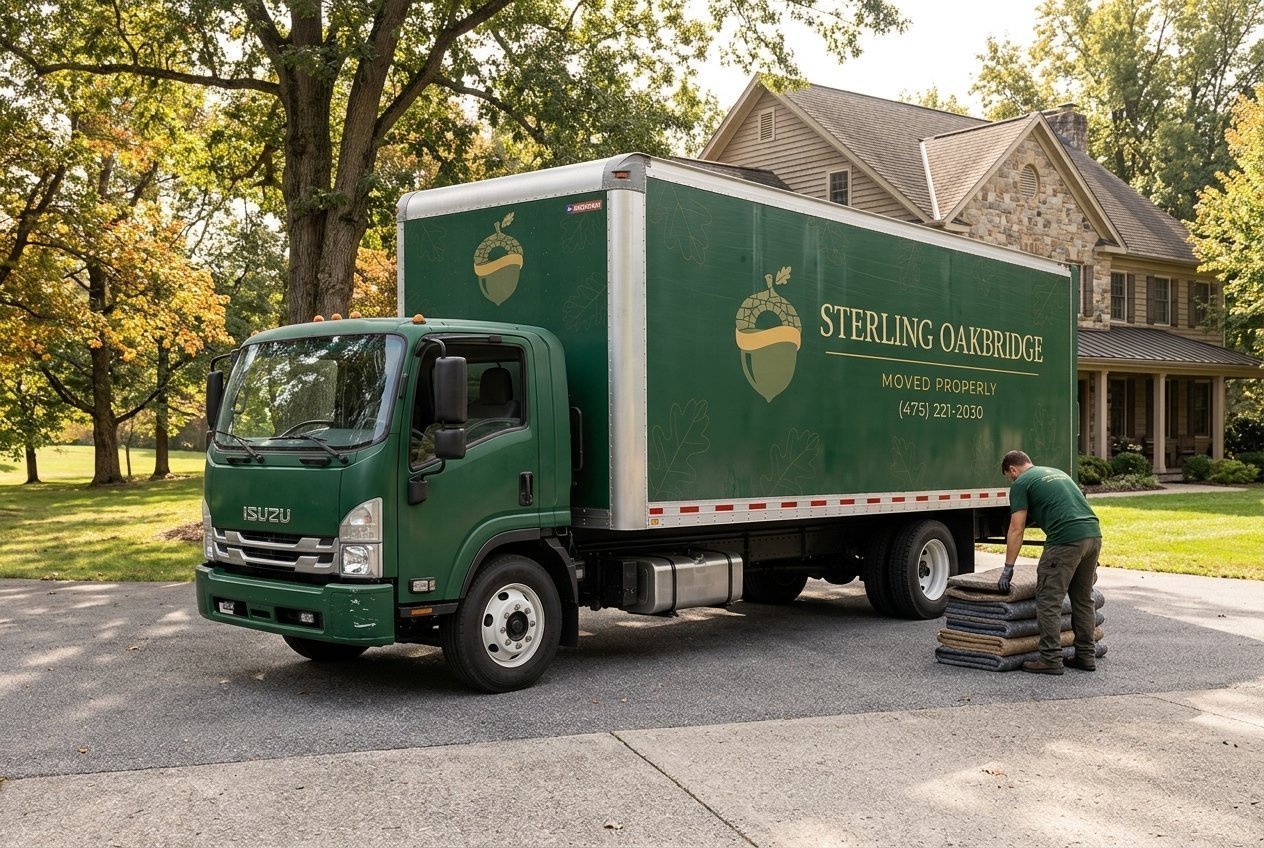
Designer Receiving & FF&E Delivery
Bring supplier deliveries into one agreed receiving and release plan. Sterling Oakbridge can receive, hold and deliver reviewed furniture, fixtures and equipment for designers and hospitality projects, with inventory, reporting responsibilities and final placement settled in advance.
Agree receiving checks, discrepancy reporting, holding, release and installation as distinct tasks.
Supplier and project references connected.
Receipt and inspection tasks defined.
One delivery or reviewed phases.
Placement and installation responsibilities set.
Plan the work
Send the expected shipment list, purchase orders, supplier contacts, quantities, dimensions and arrival dates. Add project identifiers and receiving-room destinations. Confirm the actual accepting address and appointment; a service-area page is not an instruction to deliver freight to an office or warehouse.
Agree who is authorized to receive each shipment and what will be checked: exterior condition, carton counts, shortages, photographs, opening, detailed inspection and repacking. Those are distinct tasks. A signed receipt should not be confused with an inspection of every surface inside a sealed carton.
Supplier reporting deadlines and remedies belong to the actual purchase terms. Assign who reports discrepancies, retains packaging and authorizes return, repair or replacement. Detailed inspection and managing a vendor claim must be expressly selected rather than assumed.

Choose your scope
Connect supplier references, item identifiers, counts and destination rooms. Record changed or backordered items rather than mark the project complete prematurely.
Agree the actual checks and condition record at arrival, plus who receives a discrepancy report and can decide the next step.
Group the project goods for an agreed release, with suitable environmental conditions and access. Ask what incomplete or early-retrieval groups add to handling.
Confirm rooms, routes, lawful loading, building approval and a placement contact. Basic furniture unwrapping and reviewed placement connect the handover.
Basic furniture work uses moving labor time; complex assembly, mounting and technical installation require their own reviewed allocation.
Agree collection separately, after checks and any vendor return requirements. Identify remaining shortages or decisions before releasing records and packaging.
Plan the work
Consolidation can bring ready pieces together into one planned delivery. It can also delay an essential item while another supplier is late. Decide whether the receiving project can wait, or whether selected rooms or operational needs justify an earlier release.
A phased plan names which items go in each visit, what remains held and who approves release. Compare all receiving, storage, handling, travel, placement and selected assembly costs. A shorter storage term does not remove the labor of unloading and reloading.
Confirm temperature, humidity or object-specific requirements before selecting holding. Review any coverage for receiving, storage, handling and final delivery; indoor storage does not by itself establish every lender or insurer condition.

Plan the work
Flooring, paint, other trades and occupied rooms can affect access and placement. The project team confirms that the rooms and routes are ready under the applicable work requirements. Set the release notice, authorized contact and what happens if readiness changes.
Give both ends’ loading and vendor rules, elevator reservations and COI instructions. Submission of a certificate is distinct from management acceptance. Check any hotel or building restrictions on work hours and who may perform specific operations.
The receiving layout should identify the final room and position for each item. Assign utility connections, commissioning and specialist installation separately. A sofa placed and unwrapped is a different handover from a kitchen appliance connected or a hotel system commissioned.

Illustrative situations from our local pages
These are hypothetical planning situations, not reports of completed customer jobs.
Hudson Valley · Poughkeepsie
The local example has supplier arrivals ready while work at the receiving property is still incomplete. The designer compares one held release with selected phased deliveries.
Before choosing, add receiving, holding, repeat handling and any essential-room delay to the comparison. The project contact authorizes release after the space is ready.
Northern West Virginia · Wheeling
Use project and room identifiers to keep goods from different suppliers connected to their destinations. A supplier’s promised ship date is not a completed receipt.
A phased release can serve a usable room while backorders remain tracked, provided the access, handling charges and decision contact are agreed.
Explore published location plans for the actual work, access and preparation. The address, item and appointment remain individually reviewed.
Bring supplier deliveries into an agreed receiving, storage and project release plan.
Bring supplier deliveries into an agreed receiving, storage and project release plan.
Before you book
Practical answers about the work, preparation, price and receiving result.
Ask a coordinatorYes. Furniture, fixtures and equipment receiving, storage and delivery are available with an agreed project scope. Send purchase orders, counts, dimensions, expected dates and destinations; confirm the actual accepting address before any supplier ships.
Only when that work is expressly agreed. Exterior checks, counts, photographs, opening, detailed inspection and repacking are distinct operations. Specify the checks needed and the reporting contact before arrival.
The project must assign that responsibility under the vendor’s actual terms and deadlines. Agree the receiving record and discrepancy report, retain required packaging, and name who authorizes a return, repair or replacement. Vendor-claim management is not automatic.
Yes, with contents, holding conditions, expected term and release arrangements reviewed. Include storage, handling and later delivery in the estimate and disclose any object-specific environmental or coverage requirements.
Yes, when the item groups, project readiness, access and visits are agreed. Each release can add handling and travel; compare the complete phased plan with one consolidated delivery.
The written scope identifies each task. Basic furniture work uses moving labor time; complex assembly and mounting are individually reviewed. Utility connections, technical commissioning and other specialist installation require explicit responsibilities.
No. Obtain the actual accepting address, contact and appointment in the project plan. Do not instruct a vendor to ship to an address merely because it appears on a location page.
Packaging collection is separately charged and scheduled. Check for fittings and belongings, and retain any packaging required for a condition claim or vendor return before releasing it.
A plan for your actual move
Send the item list, photographs, both ends of the handling route and the dates that matter. We will explain the stages and prepare a written estimate.
