A man walks a brown dog along a sidewalk beside Utah brick bungalows and autumn trees

State moving guide

Moving to Utah: A Practical Guide

Compare Utah’s city neighborhoods, mountain valleys and desert communities. Find places to explore, understand the household moving arrangements and prepare the home for delivery.

Utah planning

Start with the part of Utah you want to call home

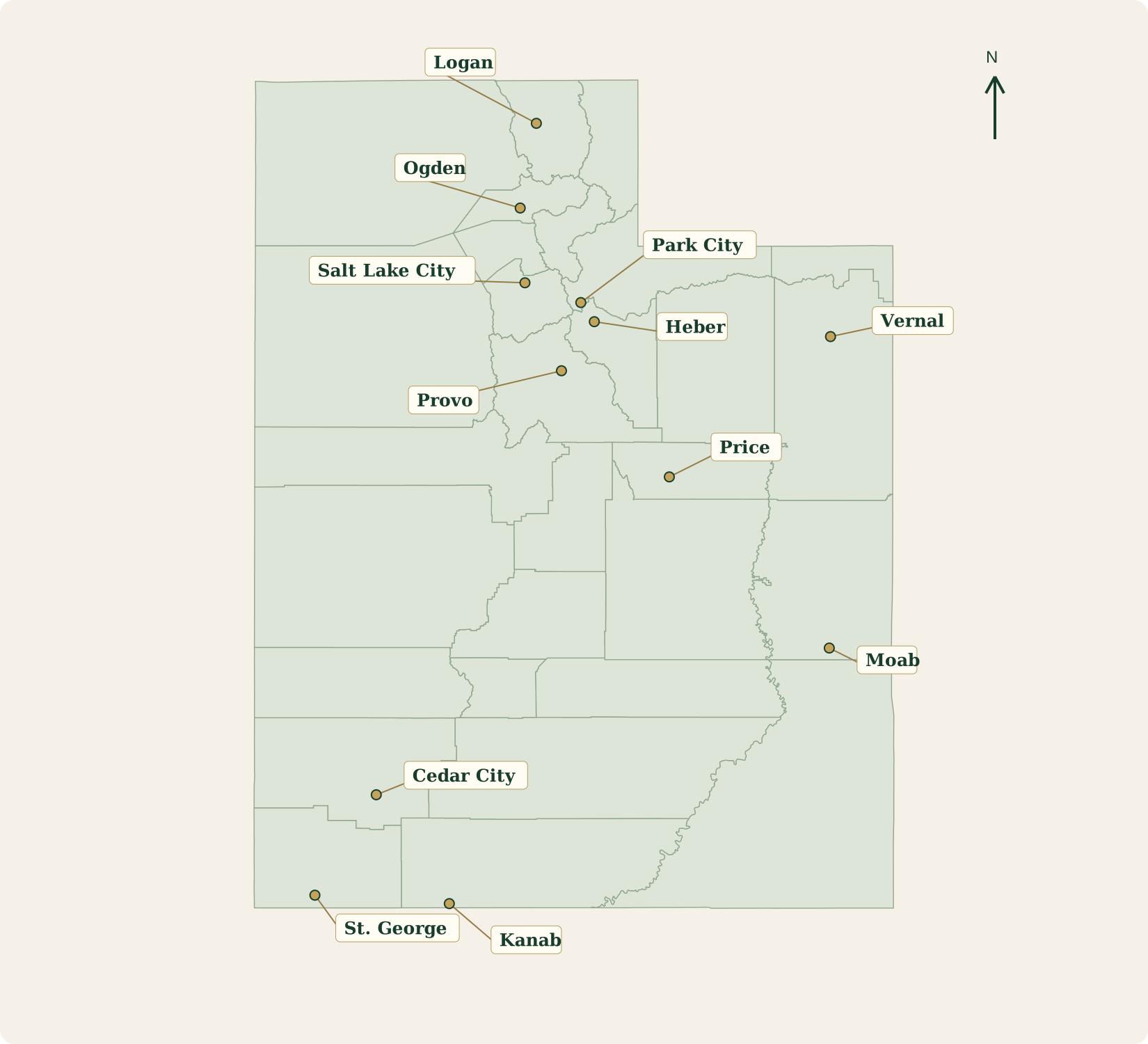
Utah offers more than one version of a mountain or desert home. Salt Lake City has metropolitan neighborhoods, markets and cultural life. Provo and Ogden bring their own downtowns and university or railway connections. Logan sits in Cache Valley, while Park City and Heber offer different mountain-valley settings. Southern and eastern places add arts communities, museums and red-rock surroundings. Use the map to locate a few possibilities, then use the portraits to decide which deserve a closer look.

An attractive setting is the beginning of the comparison. Investigate the particular neighborhood, the journeys you expect to make and the home you could actually use. A town associated with a national park is still a community with ordinary homes, work and services; the park does not describe every street or determine a household’s daily routine.

For a move you are already planning, start with the two addresses, contents and handover dates. Sterling Oakbridge plans interstate household moves involving Utah, subject to review of the journey and work. The city descriptions do not establish a local company office or availability for every Utah-only request.

Utah cities and regions
Explore twelve Utah communities across the Wasatch Front, mountain valleys, southern Utah and the eastern region. Use the portraits and county profiles to choose where to investigate.

Utah planning

Compare the Wasatch Front, mountain valleys and desert towns

Salt Lake City, Provo and Ogden are useful starting points for comparing urban life along the Wasatch Front. They are separate cities, and a broad property search can include other municipalities. Look beyond the search label to the actual address and the places you would use regularly. Logan provides another northern comparison, with a university presence, performing arts and the wider Cache Valley setting.

Park City and Heber are different places within a larger mountain region. A visitor description of a resort or valley may include destinations outside the city. Compare an ordinary residential week with the experience that first attracted you: the route to work, shopping and services, the property approach and the seasonal journey. A recreational trail or ski itinerary does not establish a suitable truck route.

In the south, compare St. George’s desert-city surroundings with Cedar City’s arts and college-town character. Moab, Price, Kanab and Vernal offer other eastern and southern starting points. Their public places and regional attractions can help you form a shortlist. Before choosing a home, establish its jurisdiction, services and receiving conditions independently of those attractions.

City portraits

Explore Utah’s cities

Compare twelve Utah communities through their public life, culture and surroundings. Explore the actual neighborhood and home alongside the places that first interest you.

Two adults talk beside an outdoor cafe table on a Salt Lake City sidewalkUT

Salt Lake City

Salt Lake City combines metropolitan neighborhoods with a mountain backdrop. Markets, public art, music and food districts offer ways to explore the city beyond a ski itinerary. Investigate the parts of town that fit your ordinary week, including the places you would use regularly. The wider Salt Lake area contains separate municipalities, and a broad housing-search label does not establish the city boundary or property jurisdiction. Compare the actual neighborhood and home with the destinations that first interested you. A cultural outing can help you discover a place; the address, daily journeys and receiving arrangements need their own review.

A woman reads an open paperback at an outdoor table on a Provo streetUT

Provo

Provo brings university life, downtown music and arts venues together with the larger Utah Valley setting. Its public places and mountain surroundings provide different reasons to visit, while an ordinary residential week may be centered on another part of the city. Explore the neighborhood and the journeys that matter to the household. Utah Valley includes separate communities and regional destinations; a valley attraction does not automatically sit in Provo. Compare the home, everyday services and property arrangements independently of a recreation itinerary or a broad search result. The city’s individual character is useful context for a shortlist, not a substitute for examining the address.

A woman photographs an ornamental building detail on an Ogden sidewalkUT

Ogden

Ogden offers a historic downtown, public trails and railway heritage. Historic 25th Street and Union Station provide a cultural starting point, while the wider region adds mountain recreation. A resort or canyon visit describes only part of the area, and those destinations should remain separate from the residential property you are considering. Explore a few neighborhoods, their ordinary services and the journeys you would make. Check the municipality, building and exact approach for the home as well as the public places that attract you. Ogden is a distinct city comparison rather than another name for every community in the northern Wasatch region.

A man adjusts a bicycle saddlebag beside a park bicycle rack in LoganUT

Logan

Logan’s Cache Valley setting combines a university presence, historic buildings, specialty shops and performing arts. It offers a northern Utah comparison with a different everyday scale from the larger metropolitan area. Explore the city’s public spaces and cultural destinations, then investigate the neighborhood and the services the household would use. Bear Lake, canyon outings and other regional attractions are separate journeys, not features of every Logan address. Compare the actual home and seasonal travel needs with the broader setting that appeals to you. A visit can reveal what you enjoy about a place while leaving practical residential questions to answer.

Two women look at flowering desert plants beside a paved St. George garden pathUT

St. George

St. George gives a southern Utah comparison through city parks, museums, arts and desert surroundings. Regional red-rock scenery can be a strong first impression, but daily life may revolve around a particular neighborhood and regular services. Explore those ordinary destinations as well as the cultural places you want to visit. The wider visitor region includes separate communities and attractions; a regional gallery, theater or park should not be treated as part of every city address. Check the actual property, approach and seasonal conditions. A home near the southern desert still needs a complete household and receiving plan for the full interstate journey.

Two adults look into a gallery window on a Park City streetUT

Park City

Park City’s historic Main Street, mining heritage and arts provide an introduction beyond the ski slopes. The surrounding mountain region adds recreation in different seasons, but a visitor’s route is not the same as the daily journey from a particular home. Explore the neighborhood, services and practical property approach alongside the destinations that interest you. A broad Park City-area search can cover locations with different jurisdictions and building arrangements. Confirm the actual address and seasonal access rather than assuming the same conditions throughout the region. The cultural and mountain setting can guide your shortlist while the home determines the moving preparation.

A Moab public path passes planted beds, seating and low town buildings below sandstone hillsUT

Moab

Moab has an active town center within a wider sandstone landscape associated with cycling, hiking and river recreation. Its Main Street and public life offer an introduction to the community itself. Regional national and state parks are separate destinations, and a home search should not turn their landscapes into a description of every residential street. Investigate the neighborhood, ordinary services and travel needs behind the visitor image. Review the actual property and receiving arrangements as well as seasonal conditions for the full journey. An outdoor attraction may explain your interest in the area; it does not establish the suitability or access of a particular home.

A woman looks at an abstract outdoor sculpture in a Cedar City gardenUT

Cedar City

Cedar City offers a college-town and arts comparison in southern Utah. The Southern Utah Museum of Art, sculpture gardens and performance venues give the city its own cultural destinations. Mountain and national-park outings belong to the wider region, with separate journeys and conditions. Explore the residential neighborhood and the ordinary services you would use between those outings. Compare the exact home, building arrangements and approach with the broader setting that first drew your attention. Cedar City’s public life can help distinguish it from another southern community without implying that every property has the same scenery, scale or receiving conditions.

Two adults talk on a Price downtown sidewalk beside older brick shopsUT

Price

Price provides an eastern Utah starting point through local history and the USU Eastern Prehistoric Museum. Coal and railway connections are part of the wider region’s story, while nearby Helper remains a separate community. The San Rafael Swell, dinosaur sites and canyon outings should remain regional destinations rather than descriptions of every city home. Explore the actual neighborhood and the journeys the household would make regularly. Check the property’s jurisdiction, services and receiving approach alongside the public places that make the area interesting. A museum visit can introduce the community; choosing a home requires a closer residential comparison.

A man sweeps the sidewalk outside a Kanab shopUT

Kanab

Kanab combines a small-town center with film heritage and a wider sandstone setting. Museums and local public places offer ways to explore its history, while parks, animal-sanctuary visits and other regional outings involve separate destinations. Investigate the ordinary neighborhood and services behind the visitor itinerary. A red-rock backdrop does not establish what a particular street, driveway or home will be like. Compare the actual address, travel needs and receiving plan with the cultural and outdoor interests that brought Kanab to your shortlist. Keep regional scenery and household arrangements distinct so each can inform the decision it actually answers.

A man reads on a park bench in a Vernal town settingUT

Vernal

Vernal offers a northeastern Utah comparison through the Utah Field House of Natural History State Park Museum and the wider Uinta Basin setting. Fossils and dinosaur history are a useful introduction, with other outdoor destinations spread across the region. Dinosaur National Monument, reservoirs and river outings are separate places and journeys, not features of every residential address. Explore the neighborhood, regular services and household travel needs as well as the museum or recreation that first interests you. Check the actual property and receiving conditions. Vernal’s regional role helps orient a comparison without turning it into an interchangeable desert-town portrait.

A Heber valley neighborhood beside a fenced field and distant mountainsUT

Heber

Heber sits within a mountain valley that also includes the separate community of Midway. The railway, public places and wider valley surroundings offer different ways to explore the area. A Heber Valley visitor description may discuss attractions outside Heber itself, so keep those destinations separate when comparing a residential address. Investigate the neighborhood, ordinary services and seasonal journeys that would shape the household’s week. Review the exact home and approach alongside the scenery or cultural outings that first drew your attention. A broader valley setting can help you decide where to look; it does not establish the jurisdiction or receiving arrangements for a property.

Utah planning

Check the address and the whole shipment

A city name does not identify every authority involved in a property. Check the municipality or unincorporated county location, the building or association, and the actual entrance. A mailing address, a visitor region and a county can describe different areas. Keep the exact property address with the moving instructions so that permissions and arrival arrangements refer to the right place.

Classify the complete shipment as well. UDOT explains that interstate commerce can include a journey between two points in the same state when the transportation is part of a movement originating or ending outside that state. A Utah collection or receiving leg is not automatically a separate local move simply because that leg stays inside Utah. Explain the full origin, destination and any storage or handover before comparing proposals.

A household moving entirely within Utah needs an appropriate Utah-only agreement and provider. This guide’s confirmed Sterling Oakbridge service statements concern interstate work. For either type of journey, identify who contracts for the transport, who performs each stage and who answers questions about the inventory, delivery and a later claim.

More places to explore

Keep exploring Utah communities

Looking beyond the featured cities? These communities offer more starting points for your Utah home search.

Ask about your Utah move →

Utah planning

Show the path from the stopping place to the room

A broad street, a generous porch or a large floor area can hide a difficult furniture route. Show the actual stopping position, driveway connection, path, steps, doorway and interior turns. Continue to the rooms where the larger pieces belong. For an apartment or townhome, include shared entrances, corridors and stairs as well as the private door.

Older homes can combine substantial trim with smaller openings and changes in floor level. Newer homes can still have tight turns, a long carry or a staircase behind the front room. A rural or hillside property may require a closer review of the vehicle approach, turning space, surface and safe stopping position. Describe what exists rather than assuming one housing type has easy access.

Send photographs and useful measurements before the proposal is finalized. Include any building instructions, loading appointment and restrictions on where a vehicle may stand. The household or property manager should obtain the necessary property permissions; the moving team should review how the vehicle and goods can use the agreed route. Resolve uncertainty while there is still time to change preparation or arrangements.

Two movers carry blanket-protected furniture along a Utah brick-home front walk
Two movers carry protected furniture along the front walk.

The moving process

Your move, step by step

  1. 1

    Describe the household

    Send the two addresses, complete contents, dates and the work you want included.

  2. 2

    Confirm the access

    Show the approach and interior route, and obtain building and loading instructions.

  3. 3

    Agree the written plan

    Review the inventory, price, protection, payment and delivery arrangement together.

  4. 4

    Prepare for collection

    Finish the chosen packing, keep essentials apart and make the working path available.

  5. 5

    Receive the goods

    Have an authorized person ready, direct placement and check the inventory and condition.

Ready when you are

Ready to discuss your move?Tell us where you are moving, what is coming with you and the dates you have in mind.

Utah planning

Compare a Utah-only proposal on its actual terms

For a household move that stays entirely within Utah, ask the provider to explain the price basis in writing. Compare the same contents, packing, furniture preparation, travel and receiving work. Establish which charges are included, how additional work is handled and what payment is expected at collection or delivery. A short headline price is not enough to compare two different scopes.

Keep the estimate or proposal with the agreed inventory and access information. Ask whether the stated amount is fixed for the defined work or is calculated from the work actually performed, and what could change the total. Have the provider explain the applicable agreement and any additional charges before the move. Do not assume that a payment cap, tariff formula or claim deadline from another state applies in Utah.

UDOT’s motor-carrier pages describe registration, operating authority and safety responsibilities. A vehicle registration or a USDOT number is not, by itself, an explanation of a household’s price or a guarantee of satisfactory service. Review the actual business and agreement. Keep the confirmed company interstate flat-rate terms separate from an unrelated Utah-only proposal.

County guides

Explore the area around your new home

Explore six counties connected with the featured communities, then use the full directory for the wider setting. A city, mailing label and visitor region can cover different areas; check the exact address.

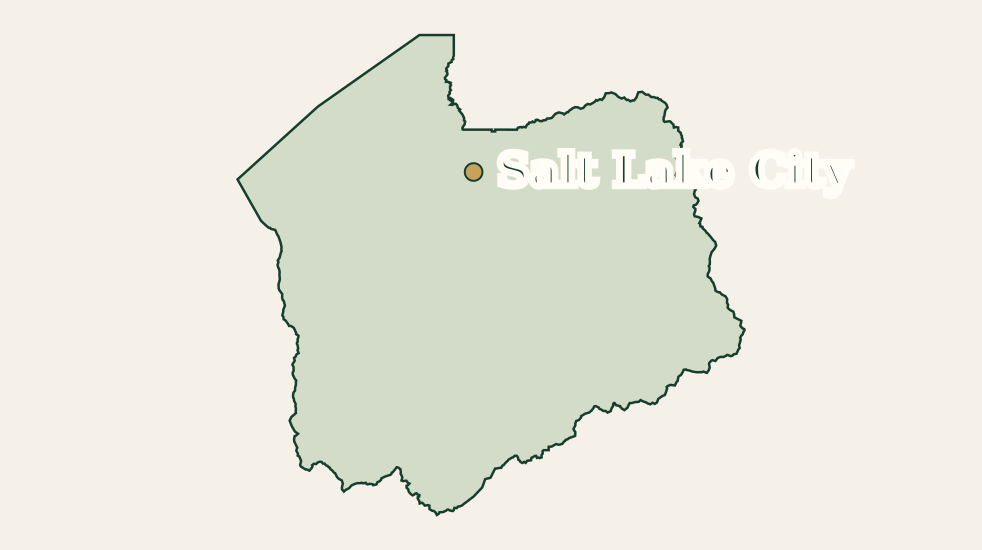
Salt Lake County with Salt Lake City marked
Salt Lake City and the metropolitan regionPop. 1,196,523 · 2024

Salt Lake County

Salt Lake City offers an urban starting point through neighborhoods, markets and cultural destinations. Salt Lake County also contains other municipalities and areas; neither the county nor a broad housing-search label is a synonym for the city. Compare the actual neighborhood, services and regular journeys with the public places that interest you. Check the exact address and relevant property instructions before making the receiving plan.

Key communities

Salt Lake City

Check mover credentials →
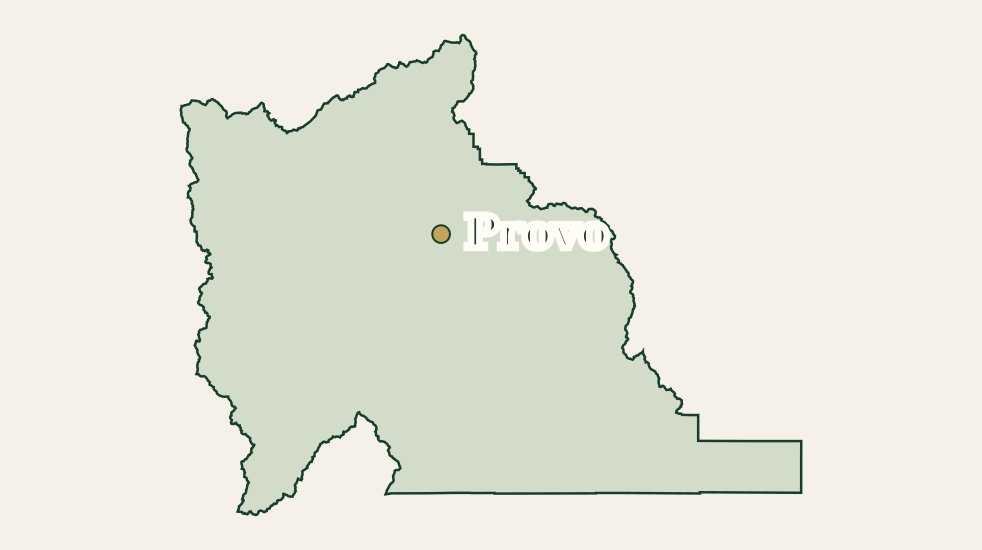
Utah County with Provo marked
Provo and the wider Utah ValleyPop. 705,400 · 2024

Utah County

Provo provides a university-city and downtown arts comparison within a larger valley of separate communities. Utah County and the Utah Valley visitor region should not turn a regional attraction into a feature of every Provo address. Explore the particular home, daily destinations and property approach alongside the cultural and mountain setting. Confirm the jurisdiction and building arrangements for the actual address.

Key communities

Provo

Check mover credentials →
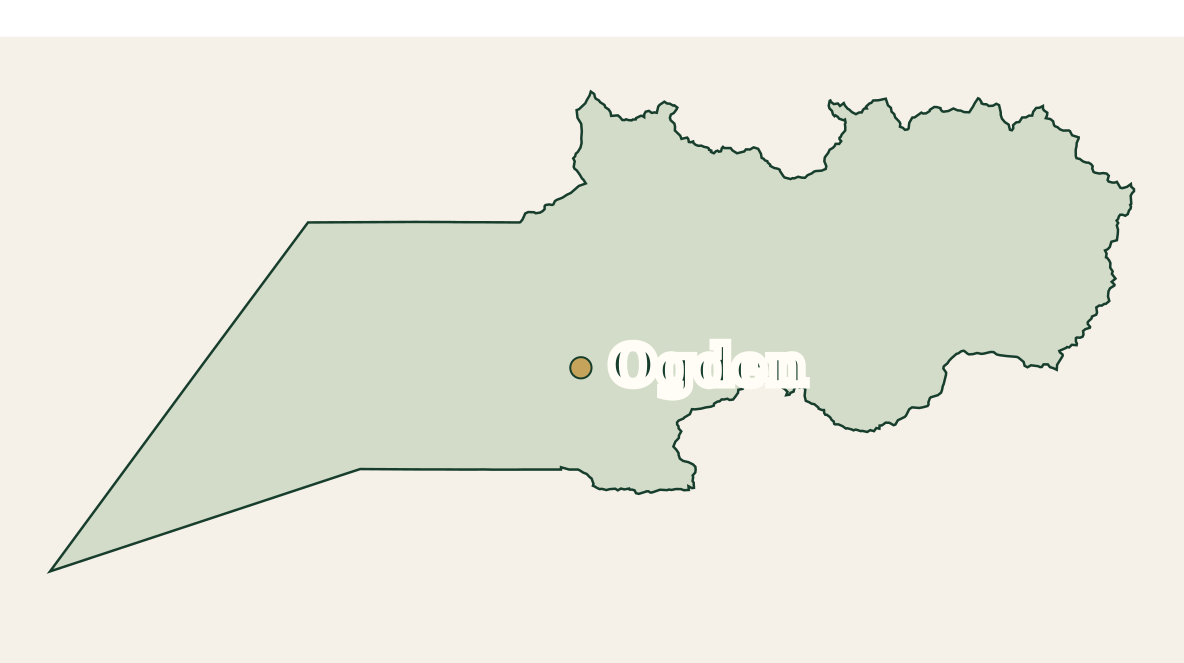
Weber County with Ogden marked
Ogden and the northern Wasatch regionPop. 269,648 · 2024

Weber County

Ogden’s historic downtown, railway heritage and public trails offer one northern urban comparison. Weber County also includes communities and landscapes beyond the city. A regional resort or canyon outing does not describe every neighborhood or establish a truck route. Compare the home, everyday services and seasonal journey with the public places that draw your attention, then review the actual receiving conditions.

Key communities

Ogden

Check mover credentials →
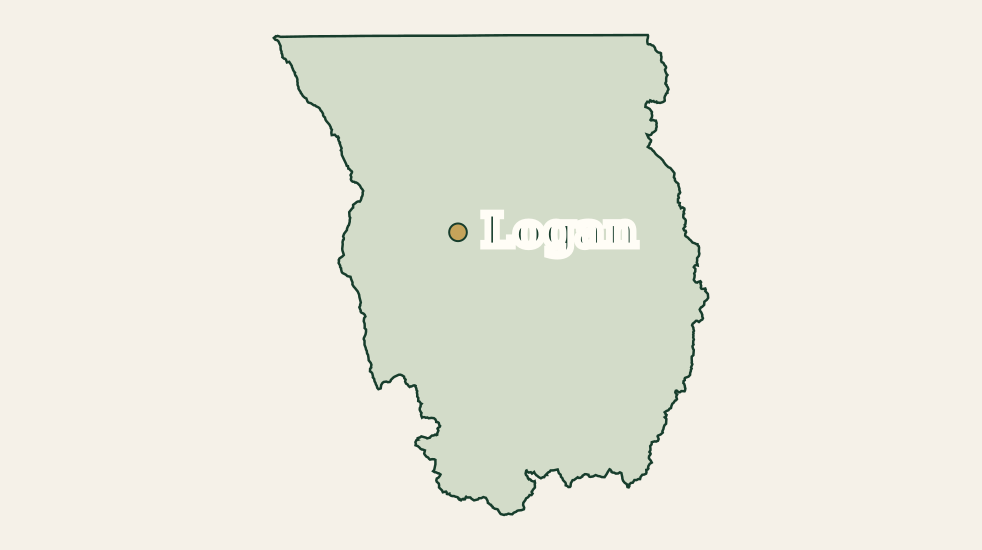
Cache County with Logan marked
Logan and Cache ValleyPop. 140,046 · 2024

Cache County

Logan brings university life, performing arts and historic buildings to a northern valley comparison. Cache County includes separate communities as well as the wider landscape. A visitor itinerary through a canyon or to another destination is not a description of the home itself. Investigate the particular neighborhood, regular journeys and services, and review the actual approach and property arrangements for the move.

Key communities

Logan

Check mover credentials →
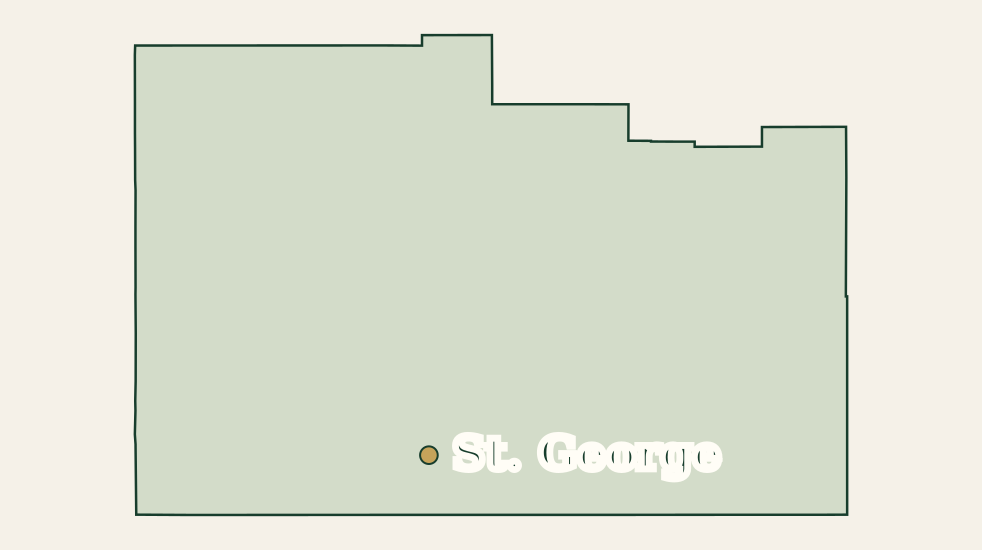
Washington County with St. George marked
St. George and southern desert communitiesPop. 196,431 · 2024

Washington County

St. George offers city parks, museums, arts and desert surroundings within a wider county containing separate communities. Regional visitor descriptions may combine destinations outside the city. Compare the actual neighborhood and home with the places you want to explore, keeping their different locations clear. Check the property approach, ordinary services and relevant seasonal and emergency information before arranging receiving.

Key communities

St. George

Check mover credentials →
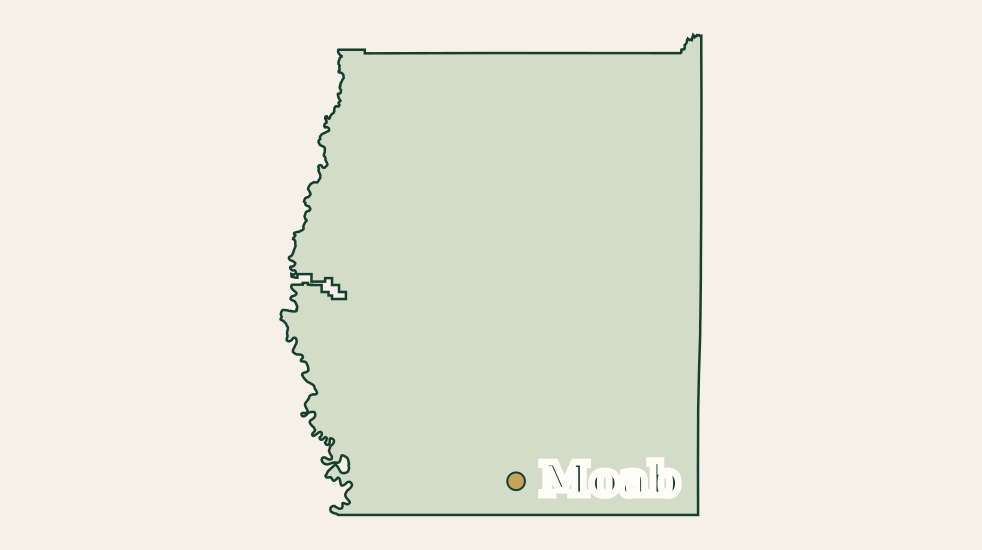
Grand County with Moab marked
Moab and the eastern red-rock regionPop. 9,754 · 2024

Grand County

Moab’s town center and public life sit within a broad recreation landscape. Grand County covers more than the residential city, and regional park or river destinations need their own journeys. Explore the particular neighborhood and the services the household would use between outings. Review the actual home, vehicle approach and receiving arrangement independently of a visitor itinerary or a scenic backdrop.

Key communities

Moab

Check mover credentials →

County population: 2024 ACS five-year estimates, U.S. Census Bureau. These period estimates do not count current movers or available homes. Read the source.

All 29 Utah counties

Utah planning

Measure the furniture and the tightest part of its route

Start with the pieces that are hardest to turn, separate or replace. A long sofa, bed frame, dining table or tall cabinet may need more planning than several cartons. Record the piece’s dimensions and the narrowest openings, landings and turns on its route. An open doorway photograph is useful, but it does not establish clearance around the next corner.

Show doors in their usable position and keep the hinge side, handles, trim and threshold visible. Explain which parts of the furniture can be removed and whether the building permits a proposed preparation step. A porch roof, low fixture, stair rail or projecting cupboard can matter along a carrying route even when the room itself looks spacious.

Agree who will disconnect, prepare or move any item that requires specialist work. Do not assume every unusual object can travel as presented or that a larger vehicle solves an interior fit problem. The useful result is a reviewed handling plan for the actual piece and property. Keep fragile fittings, loose shelves and small hardware identified so they can be protected and found at receiving.

Utah planning

Keep business records and use the appropriate Utah complaint channel

Before booking a Utah-only move, identify the contracting business, the work it agrees to do and the contact responsible for resolving a problem. Retain the written proposal, inventory, changes, payment records and delivery paperwork. If something is missing or damaged, record the concern clearly, preserve photographs and ask promptly for the provider’s written claim procedure and applicable deadlines.

Utah’s Division of Consumer Protection has a complaint process for consumer purchases and services. Its intake asks about personal or household use, the Utah connection and the business involved. It also explains that some matters, including workmanship issues generally, may fall outside its jurisdiction. Use its referral guidance or contact the appropriate agency when the problem is not within that process.

A complaint does not replace the shipment’s own claim requirements or promise a refund or recovery. Keep the facts, dates and supporting records together so you can explain what was agreed, what happened and what response you received. For an interstate shipment, check the federal process as well; a Utah address alone does not turn the whole journey into an intrastate one.

Who does what

A little coordination before moving day

You, the moving team and your building contacts each handle a different part of getting the move ready.

01 Moving checklist

The household

Choose what moves, keep the inventory accurate and obtain permission to use both properties.

02 Moving checklist

The moving team

Review the shipment and access, explain the proposed work and identify the coordinating contact.

03 Moving checklist

The building and receiver

Keep the agreed entrance and appointment available and prepare to direct and check delivery.

Utah planning

Verify the interstate business before handing over the household

Check the business that will actually perform and arrange the interstate transportation. Match the legal name and identifying information on the proposal with the relevant federal records, and establish whether you are dealing with a carrier or a broker. A familiar trading name or a search advertisement should not be the only basis for that check.

Keep the written estimate, agreed inventory, service selections, payment terms, protection choices and shipping documents together. Have any change explained and recorded rather than relying on a conversation that another person may not have heard. Ask how loss, damage, delayed delivery or a disputed charge should be reported and which records the process requires.

At collection and receiving, make the inventory useful enough to check. Record concerns when you observe them, keep copies and follow the applicable written procedure promptly. An agency complaint and a contractual or shipment claim can be different processes. For the confirmed company interstate work, review the flat rate for the agreed scope and the selected delivery model with the coordinator before collection.

Utah planning

Plan for the actual Utah route and changing conditions

A southern desert destination and a northern mountain journey can need different preparations in the same season. Check current UDOT road information for the intended journey and the receiving property’s local conditions. A clear city street does not establish that a higher route is clear, and a recreational driving suggestion is not a reviewed commercial-vehicle plan.

UDOT’s traction requirements distinguish designated road segments and vehicle categories. Under the published guidance, Class I and Class II conditions differ, and the rules for a heavy vehicle should not be inferred from what a passenger car may use. Ask the carrier to review the actual truck and route. Keep the household’s own vehicle arrangements separate, including the equipment appropriate to its journey.

Prepare for heat, changing weather and an interruption without burying the essentials in the shipment. Check local emergency alerts and follow authorities’ instructions if fire or another incident affects the destination. Never drive or walk into floodwater or bypass a closed-road barrier. A revised receiving plan is more useful than an unsupported promise to maintain an arrival time through unsafe conditions.

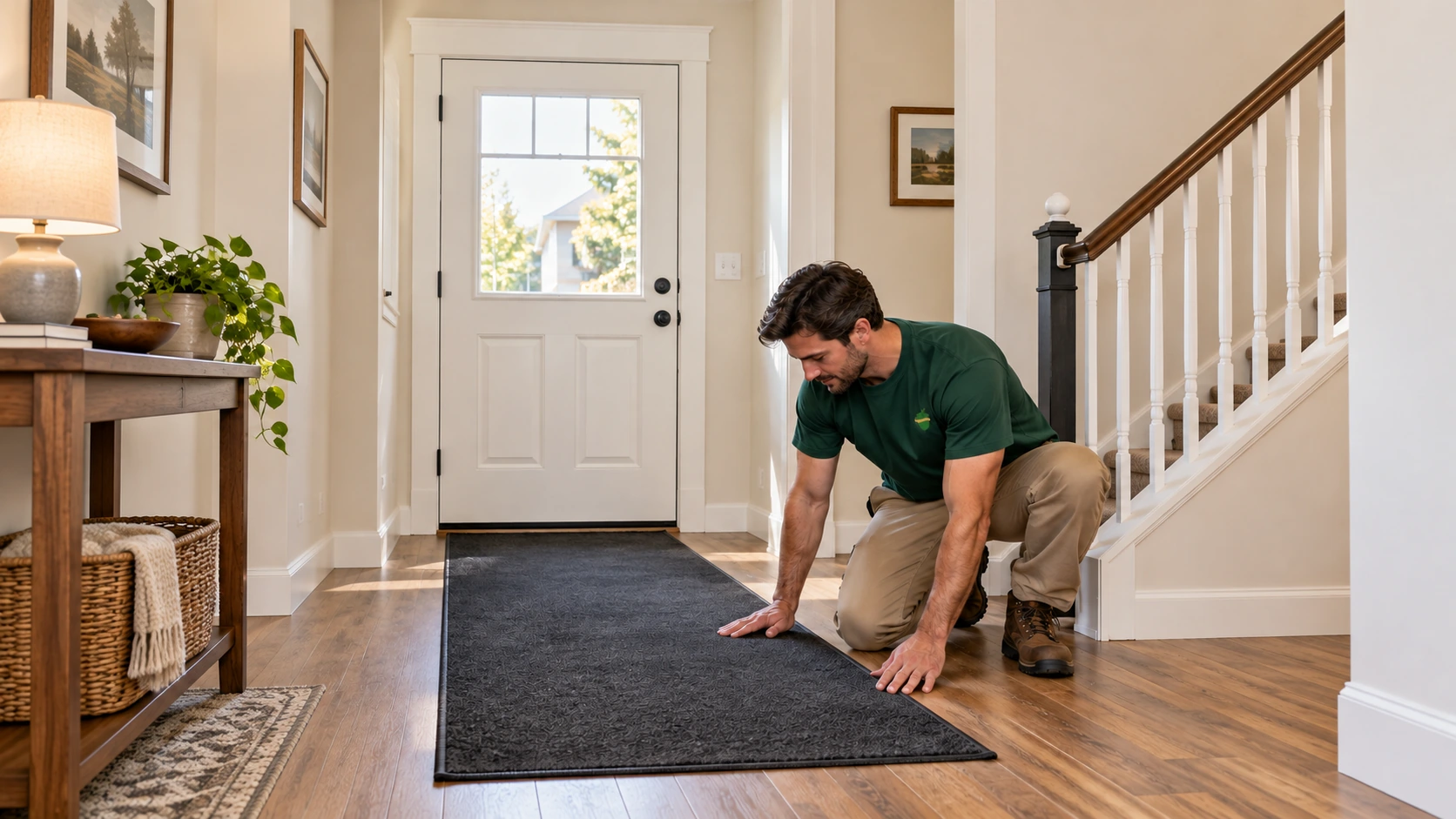
A mover smooths a dark floor runner in a furnished Utah entry
A mover smooths a floor runner beside the entry.

Utah planning

Arrange the stopping place separately from road permissions

Ask the property manager or relevant local authority where the moving vehicle may stop and whether a reservation, building appointment or other permission is needed. Give the carrier the exact entrance and the permitted stopping location. A curb that appears empty in a photograph may still be unavailable at the time of delivery.

The carrier also needs to review the approach, vehicle dimensions and applicable highway restrictions. UDOT’s oversize and overweight requirements concern vehicles or loads that exceed legal limits; they are separate from permission to occupy a building’s loading area. Do not assume that an ordinary household shipment needs a special oversize permit, or that a highway permit secures a curb space.

Once the stopping place is defined, show the complete carrying route. Include surface changes, slopes, steps and shared spaces. Agree how the path will remain available during the appointment and who can resolve a blocked entrance. If the original position cannot be used, have the changed access and any resulting work reviewed before treating it as part of the same proposal.

Moving routes

Where are you moving?

Describe the complete household journey first, then review the provider, work and receiving arrangement for that route.

Within Utah

A Utah-only household move

Compare the written scope, price basis and applicable state and local requirements for the actual provider.

Agreement

Keep inventory, access, work, payment and change conditions together.

Records

Ask for the written claim process and use the appropriate consumer referral channel.

Review Utah carrier guidance →

Across a state line

A nearby interstate journey

A neighboring-state move still needs a complete household and receiving plan.

Both properties

Review the contents, preparation, vehicle position and interior route.

Receiving

Match the offered model and window to keys, appointments and an authorized person.

Plan interstate moving →

A longer journey

Cross-country or Canada

Review the transport model and any additional provider, border or storage handover.

Transport

Compare dedicated direct delivery with individually agreed suitable consolidation.

Handover

Keep the inventory, documents, responsibilities and next receiving contact clear.

Review the full journey →

Direct service uses a dedicated truck and the same pickup and delivery crew. Suitable smaller consolidated shipments use a wider agreed window; confirm the model in writing.

Utah planning

Choose packing help according to the contents

Count the cupboards, books, dishes and small objects as well as the large furniture. A compact home can contain substantial packing work. Decide which rooms or selected contents you will pack and which should be prepared by the team. Describe fragile, unusually shaped or valuable items before assuming that ordinary carton packing is suitable.

For the agreed company interstate work, packing takes working time and supplied boxes are charged separately. Moving blankets, shrink wrap and tape have no separate basic-material charge. Record the selected work and materials in the proposal so that the household and team have the same understanding of what will be ready at collection.

Use suitable containers, identify their contents and keep the inventory consistent with what actually travels. Tell the coordinator about items already packed and anything that may need separate assessment. Keep personal documents, keys, medication and the essentials for the journey apart from the truck shipment. The practical aim is a protected, identifiable household load and a first-night kit that remains available to the people traveling.

A mover folds packing paper around a ceramic pitcher on a dining table
A mover folds paper around a ceramic pitcher.

Utah planning

Agree the preparation each piece needs

Review large furniture against the route at both homes. Some pieces can travel with ordinary protection; others need basic disassembly, a particular carrying position or separate assessment. Show the actual construction and any fittings that could be damaged or lost. A loose shelf, delicate leg or heavy top should not be discovered only when the crew reaches a doorway.

For the confirmed company interstate service, basic furniture disassembly and reassembly have no separate basic labor fee, but the work uses time. Moving blankets, shrink wrap and tape have no separate basic-material charge. This does not establish that every specialist task or unusual object is included. Have the necessary work reviewed and written into the agreed scope.

Keep hardware and removable components identified with the piece. Tell the receiving person how the rooms should be arranged and which furniture needs attention after transport. Do not put tools, small fittings or the instructions for a necessary first-night item into an unmarked carton that will be hard to find. Preparation should support the whole journey, including placement and usable furniture at the new home.

Utah planning

Use the housing figures to ask better questions about a home

The 2024 American Community Survey five-year estimates describe about 1.22 million housing units in Utah. Detached single-unit homes account for 66.5 percent of that housing-unit total. The figures provide statewide context, not a description of the particular neighborhood, a current list of available homes or a guarantee of a simple furniture route.

Homes built in 1939 or earlier account for 6.1 percent of the same housing-unit denominator. Age can prompt useful questions about openings, stairs, trim and later alterations, but it does not establish a property’s condition. A newer townhome can also need careful planning around shared access and interior turns. Inspect the actual home and contents.

The tenure figures use occupied homes, a different denominator. Owner-occupied homes make up 70.2 percent and renter-occupied homes 29.8 percent of occupied units in the five-year estimates. Both owners and renters should confirm keys, permission and receiving arrangements. Use the dated figures to frame an investigation, then make the moving plan from the property and household you actually have.

Utah planning

Keep previous residence separate from moving demand

The 2024 ACS one-year mobility figure shown here is 2.8 percent: the share of Utah residents age one or older who lived in another U.S. state one year earlier. It is a people-based previous-residence measure. It does not count household shipments, measure the amount of furniture traveling or show the company’s bookings.

The figure is not net migration. It does not subtract people leaving Utah, and it should not be treated as a forecast of demand, delivery times or truck capacity. A one-year mobility estimate also has a different period and population from the five-year housing and tenure estimates. Keep those labels with the numbers when comparing them.

For a household decision, identify your own reasons for considering a place and the practical conditions needed to make it work. A cultural district, university, outdoor setting or family connection may draw attention to a city. The home, regular journeys, budget and handover then need their own review. Ask about actual service dates and arrangements instead of trying to infer availability from a statewide statistic.

Utah planning

Review both properties on a nearby interstate move

A journey between Utah and a neighboring state still needs a complete household plan. Arizona, Nevada and Colorado provide different regional comparisons, but proximity alone does not establish the delivery day or the work required. The two properties, contents, preparation and receiving appointment remain essential inputs.

Compare how the furniture leaves the first rooms and reaches the new ones. A suburban collection followed by a mountain-valley townhome delivery can combine very different access conditions. Show both ends before finalizing the proposal. The household should also plan its own travel, overnight essentials and access to keys without assuming it must accompany the truck in the same way.

Use the continuation guides for a place-specific introduction to another end of the journey. Then review the actual route and service with the coordinator. A short interstate trip may have suitable options after operational review, but a city pair or mileage figure does not create a same-day promise, a local office or permission to use a restricted street.

Utah planning

Match delivery to keys, access and someone who can receive

Begin with the date you must leave the first home and the date the Utah property is actually available. Add any building appointment and the times an authorized person can be present. A lease start date, a closing expectation and permission to move furniture into the property can be different things. Confirm which one the delivery plan depends on.

Review the proposed delivery model and window against those conditions. For the confirmed company interstate service, the delivery window begins after pickup and loading are complete. A dedicated direct truck and a suitable consolidated shipment have different arrangements; neither should be reduced to a drive-time estimate taken from a passenger navigation app.

Tell the coordinator about a fixed receiving slot, uncertain keys or a person who cannot attend across the proposed window. Resolve an alternative receiver, another appointment or a defined storage arrangement before collection where possible. Weather, lawful truck travel and local restrictions still matter. Keep a usable contact and a written plan for what happens if an important receiving condition changes.

Utah planning

Choose a delivery model the household can actually receive

The confirmed company direct option uses a dedicated truck, with the same moving crew at collection and delivery. Review the household inventory, preparation and receiving conditions together so that the plan covers more than transport between two addresses. Have the proposed delivery window and the included work recorded before collection.

A suitable smaller shipment may be considered for consolidated delivery, with a wider delivery window and individually agreed Utah terms. Do not assume that it has the dedicated option’s same-crew arrangement or that a storage allowance described for another state applies. Ask what the proposed Utah arrangement includes and how its timing matches the receiving home.

Compare the total household plan: packing readiness, vehicle approach, building appointment, authorized receiver and any gap before keys. A model that appears attractive on price may be unsuitable if the property accepts furniture only at one fixed time. Choose from the arrangements actually offered after review, rather than assuming that every shipment, route or calendar can use either model.

Common moving situations

How the plan changes with your needs

These conditional examples show planning decisions and their practical benefit. They are not accounts of customer jobs.

An older Salt Lake City home and a long cabinet

The street approach looks straightforward, but the cabinet must turn through a smaller interior opening.

What to do. Measure the cabinet and the entire route, and review removable parts and handling before collection.

Why it helps. The preparation addresses the actual fit while there is time to choose a workable approach.

A Provo townhome with shared access

The household has keys, but the common entrance and permitted stopping position have not been confirmed.

What to do. Obtain the property instructions and show the complete path to the rooms, including the stairs.

Why it helps. Vehicle position, carrying work and building arrangements can be included in one reviewed plan.

A Park City delivery with one fixed appointment

A suitable smaller shipment could be consolidated, but the building accepts deliveries only in a booked period.

What to do. Compare the appointment with the actual offered window and review another model or defined storage if needed.

Why it helps. The household chooses an arrangement that someone can actually receive.

A St. George move with a gap between homes

The first home must be vacated before the southern Utah property is available.

What to do. Agree storage, handover, protection, charges and later delivery, and keep travel and first-night essentials apart.

Why it helps. The gap has a usable plan before the household goods leave.

Utah planning

Give Canada and separate handovers their own checklist

For a household journey involving Canada, begin with the actual people, residency circumstances, goods and intended arrival. Check the applicable Canada Border Services Agency guidance, including the records for goods arriving with you and goods to follow. Ownership, use, eligibility and declarations can matter; a moving proposal does not by itself establish immigration status, admissibility or duty-free treatment.

Plan personal travel and border documents separately from the shipment’s collection and delivery. Keep essential originals available to the people who need them. Tell the coordinator about any item or stage requiring additional assessment, and confirm who is responsible for each handover and the receiving arrangements beyond it.

For a journey involving another transport provider, an island or a separate storage stage, identify where one responsibility ends and the next begins. Agree inventory, condition records, access, charges and contacts at the transition. The confirmed company coverage discussed here is the United States and Canada. Do not assume that a guide establishes a route or additional service that has not been reviewed and agreed.

Utah planning

Compare the same household work before comparing the price

Start with a complete inventory and the help you actually want. Include packing, supplied cartons, furniture preparation, the carrying route and the receiving arrangement. Two proposals can differ because one assumes a ready shipment and clear entrance while another includes more preparation or a more complicated delivery.

For the confirmed company interstate work, the agreed flat rate remains unchanged if the same agreed scope takes longer to complete or the journey takes longer. Changes to the inventory or work should be reviewed and agreed in writing. Keep that distinction clear: taking longer on the same scope and asking for additional work are different situations.

Ask the coordinator to explain what is included and which decisions remain open. Compare dedicated and any suitable consolidated proposal with the keys, appointment and authorized receiving plan. Optional carton unpacking, supplied boxes or a defined storage gap should not disappear into an assumption about an all-inclusive price. The useful comparison is a written plan you understand and can carry out at both homes.

Utah planning

Resolve the largest uncertainty before the final week

While you are comparing homes or arranging a move, identify the condition most likely to change the plan. It may be access for a long piece, uncertain possession of the new property, a building appointment or a gap between homes. Review that condition early enough to choose another preparation or receiving arrangement.

As the inventory becomes firm, decide who packs each group of contents and which furniture needs preparation. Obtain the property instructions and keep the coordinator informed of changes. Review the written scope, price, protection, payment and delivery model together. Put keys, identity documents, medication, chargers and necessary first-night items with the household’s travel kit.

Before collection, confirm that the selected packing is finished and the path is usable. Before delivery, have the authorized receiver, entrance and placement plan ready. After arrival, check the goods and preserve any condition or claim records promptly. A timeline should make the next decision clear; it should not invent an arrival date before the operational and property conditions have been reviewed.

Utah planning

Prepare the rooms and a receiver who can make decisions

Make the agreed entrance and furniture route available before delivery. Confirm keys, any building appointment and the permitted stopping place. Keep the first rooms usable and decide where larger furniture should go. Clear placement instructions can prevent repeated carrying and make it easier to see what has arrived.

If someone else will receive the shipment, authorize that person in advance. Give them the inventory, placement instructions, included-work list and coordinator contact. They need to be able to direct placement, check the goods, note concerns and sign the appropriate records. A person who can unlock a door is not automatically prepared to perform all of those responsibilities.

Furniture is unwrapped as part of the agreed company service. Carton unpacking is optional work charged for time, and packaging-waste removal is separate. Specify what you want unpacked and what should happen to the waste. Preserve photographs and records for any concern, and ask for the applicable written claim process rather than leaving an unresolved problem to memory.

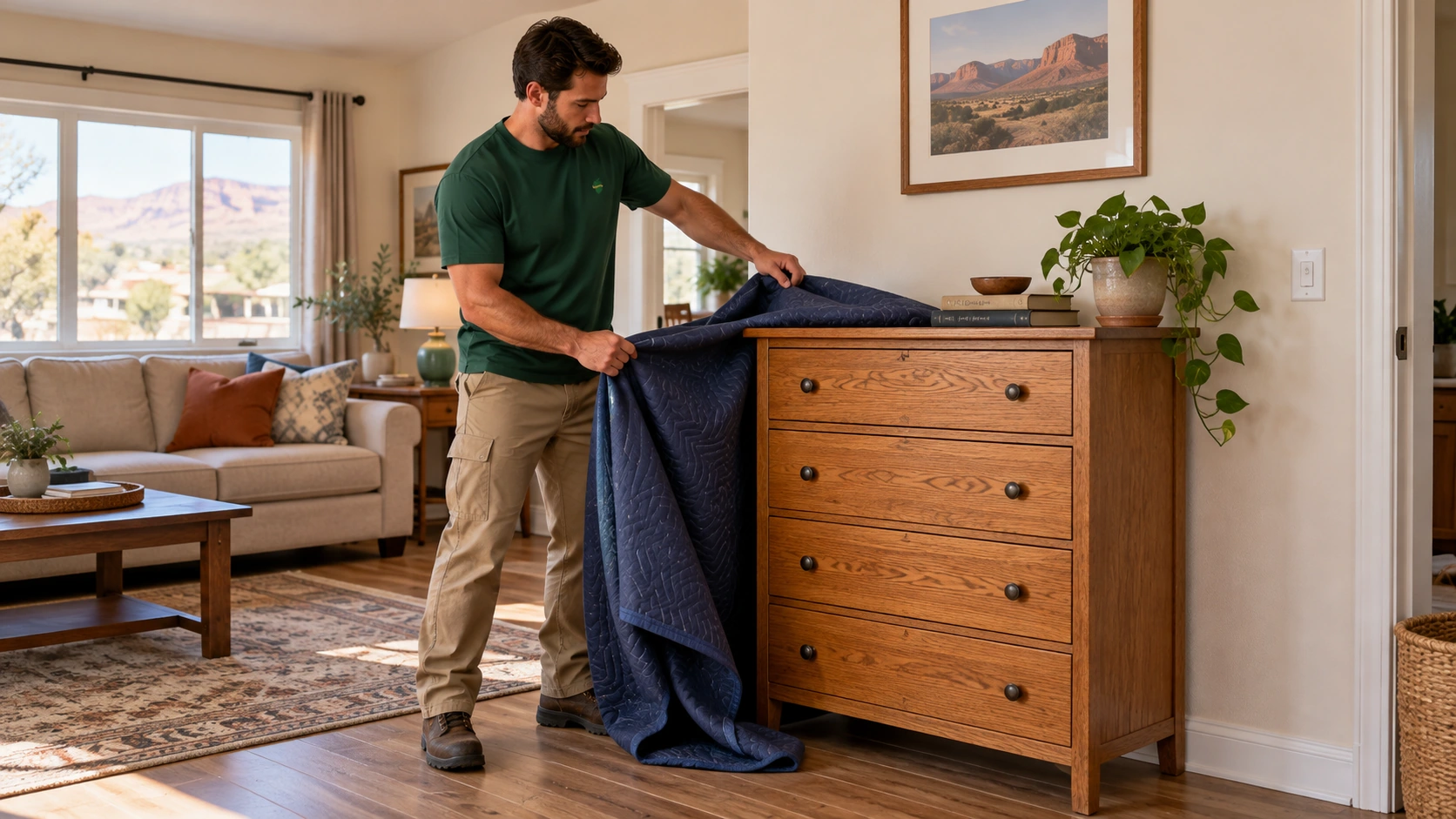
A mover folds a moving blanket away from an upright oak dresser
A mover folds a blanket away from a dresser.

Utah planning

Define the handover if the next home is not ready

A gap between leaving one property and entering another needs a plan before the goods leave. Identify where the household will stay, which essentials must remain with you and where the furniture can be held. Storage is not simply an instruction to delay the truck without reviewing the arrangement.

Agree the location, responsibility, inventory, access, charges, protection and later delivery. Ask what conditions apply to the storage environment and to retrieving individual items. If a consolidated option is being considered, review its actual Utah terms; do not treat a delivery window as free storage or assume a storage allowance from another state applies.

Keep documents, medication, daily clothing and essential work or school items outside the stored shipment. Confirm when keys and an authorized receiver will be available for the later delivery. If another provider is involved, record the condition and inventory at the handover and establish the next contact. A defined gap gives the household usable choices when the property dates do not line up.

Utah planning

Make the home usable and separate the two resident-document tasks

Start with the rooms and objects needed for ordinary life. Find bedding, basic kitchen items, chargers and the documents you kept with you. Keep the entrance clear while opening cartons, and preserve packing and photographs if an item needs a condition review. Confirm any remaining agreed furniture work and the separate arrangements for optional carton unpacking or waste removal.

For driving, use the Utah Driver License Division service appropriate to your status. Its guidance says residents who drive need a valid Utah license or permit; do not treat the vehicle-registration period as a licensing grace period. A previously licensed applicant for the regular license should prepare identity, Social Security and Utah-address evidence, the current credential and an appointment. The process includes an eye test and a 25-question open-book knowledge test; a driving skills test may also be required.

Vehicle title and registration are a separate DMV task. The ordinary residency-related registration requirement is within 60 days, with specified nonresident exceptions. Review ownership, registration, identification, fees and the inspections or lienholder and leasing documents applicable to the transaction. Use the current out-of-state checklist rather than assuming every vehicle needs the same paperwork or a separate inspection visit.

A resident places a book on a shelf in a furnished Utah home
A resident places a book on a shelf.

Utah planning

Turn the comparison into a clear household brief

Bring together the two addresses, complete contents, preferred dates and the work you want included. Add photographs and measurements for the stopping places and interior routes. Include building instructions, any fixed appointment and the person who can receive. Identify uncertainty about keys, storage or a special item instead of leaving it implicit.

For confirmed company interstate work, compare dedicated direct delivery with any suitable consolidated proposal on its actual terms. Review the agreed scope and flat rate, selected packing and supplied materials, furniture preparation, protection, payment and delivery window. Clarify optional unpacking and waste removal and who is responsible for each stage. Keep the written plan and useful contacts available throughout the journey.

Use the city and county sections to investigate the place, the dated sources to check official requirements and the continuation guides to explore another end of the move. The next step is a specific household plan that both properties can accommodate. Request a review of the actual journey and work; a statewide guide cannot establish a booking, a building’s permission or an unreviewed local service.

Verified data

Utah planning data

Planning factEstimateVintageSource
Total housing units1,223,4682024 ACS 5-yearU.S. Census Bureau
Detached single-unit homes813,940 - 66.5% of housing units2024 ACS 5-yearU.S. Census Bureau
Homes built in 1939 or earlier74,790 - 6.1% of housing units2024 ACS 5-yearU.S. Census Bureau
Owner-occupied homes790,144 - 70.2% of occupied homes2024 ACS 5-yearU.S. Census Bureau
Renter-occupied homes334,678 - 29.8% of occupied homes2024 ACS 5-yearU.S. Census Bureau
Residents age 1+ from another U.S. state one year earlier2.8% - not net migration or shipments2024 ACS 1-yearU.S. Census Bureau

Planning answers

Utah moving questions

Straightforward answers about prices, packing, delivery and getting settled.

Ask about your move
Where should I start when comparing places to live in Utah?

Start with a few settings that fit your ordinary week: a Wasatch Front city, a northern or mountain valley, or a southern or eastern community. Use the map and portraits to make a shortlist, then investigate the actual neighborhood, services and journeys. A park or resort visit does not answer every question about living at a particular address.

Can I use a city name to identify all the property rules?

No. A mailing label, municipality, county and visitor region can cover different areas. Check the exact address and the building or association instructions. Establish who controls the entrance and stopping place, what permission is needed and who can make those arrangements. Keep that information with the shipment instructions so everyone is planning for the same property.

Does this guide establish a Sterling Oakbridge office in Utah?

No. It describes places and household planning and explains confirmed interstate service options. It does not establish a local office, a Utah-only service assignment or availability for every address and date. Give the coordinator the complete journey, inventory and required work so the actual route and arrangements can be reviewed before a proposal is finalized.

Is a shipment with two Utah addresses always intrastate?

No. UDOT explains that a same-state leg can form part of an interstate journey originating or ending outside the state. Describe the full shipment, including any storage or other handover. Identify who contracts for and performs each stage before deciding which process applies. Two addresses on one leg do not necessarily describe the complete transportation.

How should I compare a Utah-only moving proposal?

Compare the same inventory, preparation, packing, travel, access and receiving work. Ask the provider to explain the price basis, included charges, payment and change conditions in writing. Keep the proposal and agreed inventory together. Do not assume that another state’s estimate formula, payment cap or claim deadline applies to a Utah-only agreement.

Does a USDOT number by itself explain a household’s price and protection?

No. Registration and operating or safety obligations are separate from the terms of a particular household agreement. Check the actual business, the proposed work and the written payment, protection and claim procedures. For an interstate move, verify the relevant federal records and establish whether you are dealing with the carrier or a broker.

Where can I take a consumer-service concern in Utah?

Check the Utah Division of Consumer Protection complaint and referral guidance after preserving the agreement, payment records and a clear account of the problem. Its intake asks about household use and the Utah connection, and some issues fall outside its jurisdiction. Follow the shipment’s own claim requirements promptly as well; an agency complaint does not promise recovery or replace those steps.

What should I check before choosing an interstate mover?

Identify the contracting business and the actual carrier, verify the relevant federal records and read the written scope, inventory, payment and protection terms. Ask who coordinates collection and receiving and how concerns should be reported. Keep copies of the shipping documents and written changes so the household has a usable record throughout the journey.

Is a mountain recreation route a suitable route for a moving truck?

Not necessarily. The carrier must review the actual vehicle, journey, restrictions and property approach. UDOT’s designated traction requirements distinguish road segments and vehicle categories, and passenger-car equipment does not establish what a heavy truck needs. Share the exact address and local access instructions and check current conditions before relying on a visitor itinerary.

Does all-wheel drive remove every Utah winter restriction?

No. UDOT defines vehicle and equipment categories and distinguishes Class I and Class II traction segments when conditions warrant restrictions. The actual vehicle and applicable instructions matter. Have the carrier review the truck’s route and equipment, and plan the household’s own vehicle separately. Do not infer a heavy-vehicle exemption from what a passenger car may use.

Does a highway permit reserve the building’s loading area?

No. UDOT vehicle or load permits and local property or curb permission are different matters. Ask the building or relevant local authority about stopping and appointments, and give those instructions to the carrier. The carrier should review the approach and any applicable highway requirements. Resolve both parts before assuming the vehicle can use the intended position.

What access information should I send?

Send photographs and useful measurements from the intended stopping place through the entrance, steps, landings and turns to the destination rooms. Include building instructions and restrictions. Show doors in their usable position and identify the largest pieces. A broad exterior photograph or floor area does not establish that a sofa can negotiate the tightest turn.

How do the Utah housing figures help with planning?

They provide dated statewide context and help frame questions about a particular home. The five-year estimates distinguish all housing units from occupied homes; the mobility figure uses a separate people-based population and period. Inspect the actual property, contents and access. None of these figures is a current housing inventory, a measure of shipment demand or a delivery forecast.

What is the confirmed dedicated direct option?

The confirmed company interstate direct option uses a dedicated truck with the same moving crew at collection and delivery. Review the actual route, inventory, preparation and receiving conditions with the coordinator. Have the proposed window and included work recorded. A drive-time estimate or city pair alone does not establish a guaranteed arrival or a booking.

Can a smaller Utah shipment use consolidated delivery?

It may be suitable after review, with a wider delivery window and individually agreed Utah terms. Compare the proposal with keys, building appointments and an authorized receiver. Do not assume dedicated-service crew arrangements or a storage allowance from another state. The actual shipment, journey and receiving conditions determine which options can be offered.

Will the agreed company interstate flat rate rise just because the work takes longer?

No. For the same agreed scope, the confirmed company flat rate remains unchanged if the work or journey takes longer. Changes to contents or requested work should be reviewed and agreed in writing. Keep the inventory, access and selected services accurate so the proposal covers what the household actually wants done.

Are supplied boxes included with the ordinary protection materials?

No. For the agreed company interstate work, supplied boxes are charged separately and packing uses working time. Moving blankets, shrink wrap and tape have no separate basic-material charge. Describe fragile or unusual contents for assessment and record the selected packing and materials so the proposal does not depend on an unspoken assumption.

Does basic furniture disassembly have a separate labor fee?

No. For the confirmed company service, basic disassembly and reassembly have no separate basic labor fee, but the work uses time. Review the pieces, construction and route in advance. Specialist tasks and unusual items need their own assessment. Identify removable parts and hardware so they remain with the correct furniture and can be found at receiving.

Does delivery include opening every carton and removing all packaging?

No. Furniture unwrapping is part of the agreed company service. Carton unpacking is optional work charged for time, and packaging-waste removal is separate. Specify what you want unpacked and what should happen to the waste. Give the receiver the included-work list so they understand the arrangement at delivery.

When does the company interstate delivery window begin?

It begins after pickup and loading are complete. Review the proposed window and delivery model against the time the home is available and a person can receive. A fixed building slot or uncertain keys should be discussed before collection. Keep a contact and an agreed response to a changed receiving condition available throughout the journey.

What if the Utah home is not ready for the goods?

Agree a defined storage and later-delivery arrangement before collection where possible. Identify the location, responsibility, inventory, protection, access and charges, and keep daily essentials with the household. A consolidated delivery window is not free storage. Confirm who receives at each handover and when the final property can accept the shipment.

Can another person receive the shipment for me?

Yes, arrange an authorized receiver in advance. Give them the inventory, placement instructions, included-work list and coordinator contact. They should be ready to direct placement, check goods, record concerns and sign the relevant records. Being able to unlock the door is not the same as being prepared to handle the receiving responsibilities.

Do new Utah residents have the same deadline for a driver license and vehicle registration?

No. DLD says residents who drive need a valid Utah license or permit; do not treat the vehicle period as a licensing grace period. The ordinary residency-related vehicle registration requirement is within 60 days, with specified exceptions. Use the DLD service and DMV checklist appropriate to your status and transaction, including testing, ownership, fees and conditional inspections.

How should I start planning a Utah–Canada household move?

Give the coordinator the complete journey, household inventory, dates and receiving arrangement. Check CBSA requirements for the actual arrival category, goods and goods to follow, and keep personal documents accessible. Eligibility and admissibility are separate from the moving proposal. Record any additional provider or storage handover, responsibilities and charges rather than assuming every stage is included.

Primary sources

Sources for the decisions in this guide

Official resources for choosing a community in Utah and preparing the move. Figures retain their stated dates; follow current agency guidance for your own circumstances.

Utah-only agreements and consumer channels

4 sources
  • Motor carrier operating authorityUtah Department of Transportation

    Interstate and intrastate definitions and the distinction between registration, authority and the full journey.

  • Utah intrastate registrationUtah Department of Transportation

    Vehicle registration information; separate from household price and protection terms.

  • Motor carrier safety resourcesUtah Department of Transportation

    Official safety and registration resources for the actual carrier and vehicle.

  • Consumer complaint and referral guidanceUtah Department of Commerce · Division of Consumer Protection

    Consumer-service intake, jurisdiction limits and referral guidance; a complaint does not replace shipment claim requirements.

Interstate records and Canadian arrival

3 sources

Utah driver and vehicle documents

5 sources

City settings and the wider region

13 sources
  • Utah cities and townsUtah Office of Tourism · Visit Utah

    Geographic and cultural starting points; a visitor region is not a certified residential boundary.

  • Salt Lake CityUtah Office of Tourism · Visit Utah

    Metropolitan neighborhoods, markets, arts, music and public life.

  • Provo and Utah ValleyUtah Office of Tourism · Visit Utah

    University and downtown culture within a wider valley of separate communities.

  • OgdenUtah Office of Tourism · Visit Utah

    Historic downtown, Union Station and regional outdoor context.

  • LoganUtah Office of Tourism · Visit Utah

    Cache Valley, university setting, historic buildings and performing arts.

  • St. GeorgeUtah Office of Tourism · Visit Utah

    City culture and the wider southern desert region; regional attractions have separate locations.

  • Park CityUtah Office of Tourism · Visit Utah

    Main Street, mining heritage, arts and mountain-region surroundings.

  • MoabUtah Office of Tourism · Visit Utah

    Town-center life and separate regional parks, river and outdoor destinations.

  • Cedar CityUtah Office of Tourism · Visit Utah

    College-town arts, museum and sculpture gardens with wider regional outings.

  • PriceUtah Office of Tourism · Visit Utah

    Local history, prehistoric museum and regional coal and railway connections.

  • KanabUtah Office of Tourism · Visit Utah

    Film heritage and town-center life within a wider sandstone landscape.

  • VernalUtah Office of Tourism · Visit Utah

    Natural-history museum and Uinta Basin regional context.

  • Heber and the Heber ValleyUtah Office of Tourism · Visit Utah

    Heber, separate Midway and wider valley attractions; the visitor-region label is broader than one city.

Weather, emergency plans and vehicle access

8 sources
  • Current road and travel informationUtah Department of Transportation

    Check current conditions for the actual journey; a map does not certify a truck route.

  • Snow tires and chain requirementsUtah Department of Transportation

    Designated traction segments and actual vehicle categories; passenger-car provisions are not blanket truck exemptions.

  • Oversize and overweight provisionsUtah Department of Transportation

    Permits for vehicles or loads beyond legal limits, separate from curb and building appointments.

  • Make a family emergency planUtah Department of Public Safety · Be Ready Utah

    Local hazards, alerts, communication, reunification, sheltering and evacuation planning.

  • Prepare household and vehicle kitsUtah Department of Public Safety · Be Ready Utah

    Personalize accessible supplies for household members and the places where they spend time.

  • Wildfire preparationUtah Department of Public Safety · Be Ready Utah

    County alerts, local-authority instructions, more than one evacuation route and accessible kits.

  • Heat safetyNOAA · National Weather Service

    Keep people and pets safe during travel and changing temperatures.

  • Flooded-road safetyNOAA · National Weather Service

    Do not enter floodwater or drive around a closed-road barrier.

Dated housing, population and geographic evidence

7 sources

Photographs are original representative illustrations, not customer jobs or identified addresses.

Let’s plan your move

Tell us about your Utah move.

Tell us where you are moving, what you are taking and your preferred dates. Add any packing, furniture preparation, unpacking or storage help you need.

A Sterling Oakbridge move coordinator in the planning office