
- What it offers
- Service orders and account questions: 860-537-7289.
- Plan the visit
- 127 Norwich Avenue, Suite 106; confirm current office availability.
- Check first
- Establish property connection and the current transfer process.
Connecticut / City relocation guide
Moving to Colchester, Connecticut
Choosing a Colchester address means comparing the home, its systems and the journeys your household will actually make. Use this guide to resolve practical questions before handover and establish a workable first week in the Connecticut village area.
01 /
Locate the CDP, town and mailing address
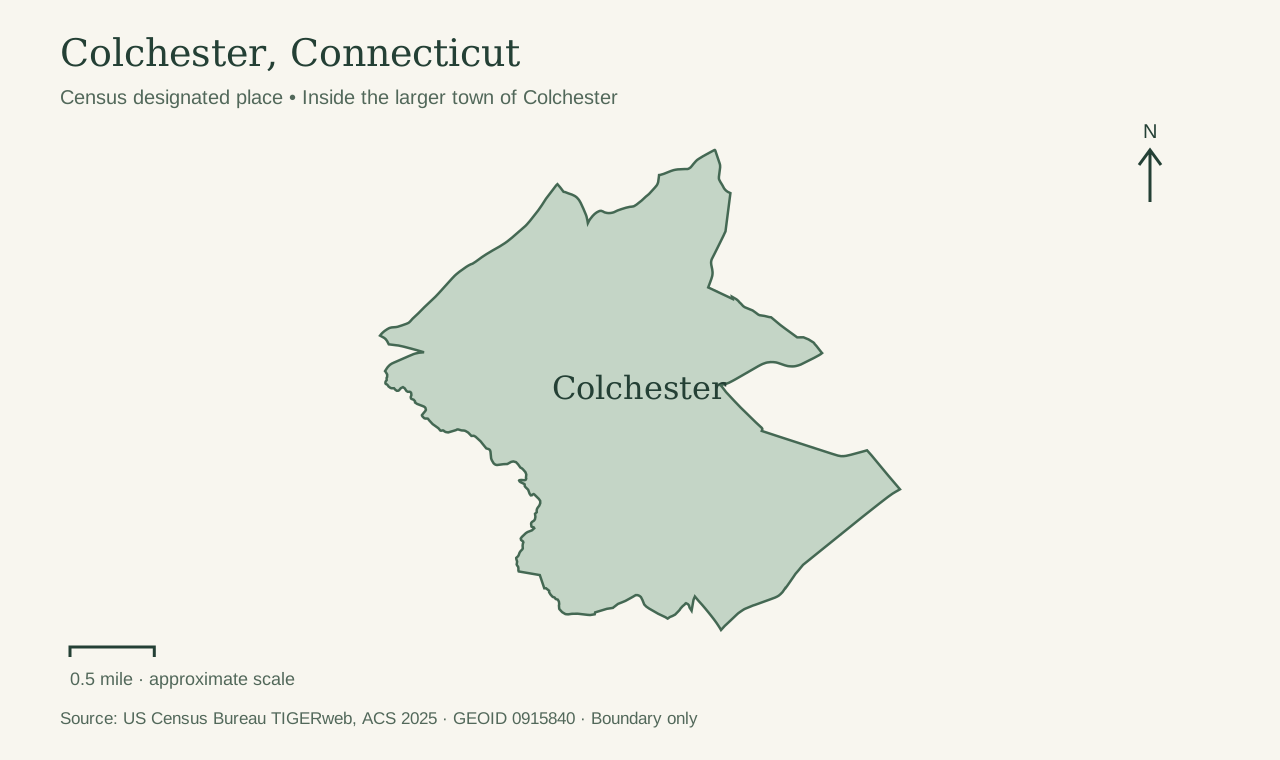
The US Census Bureau identifies Colchester CDP as GEOID 0915840. A CDP is a statistical place, not a separately incorporated city government. The map below outlines that place; the town of Colchester extends farther, while a mailing address and ZIP describe another geography.
Compare homes using the complete street address and unit. Ask which municipality owns the parcel, which school district verifies the residence, who serves the meters and who controls the road. Do not apply a village-area description to every property carrying a Colchester mailing address.
This guide concerns Connecticut. Search results also include Colchester in Vermont, England and other states. Check the domain, state and institution before using a form, school record or transport page. The official town site is colchesterct.gov; the public school district uses colchesterct.org.
Start a short address record with the property contact, systems and open questions. Use it while comparing homes and preparing handover rather than relying on a city label to answer everything.
02 /
Find the area that fits your routine
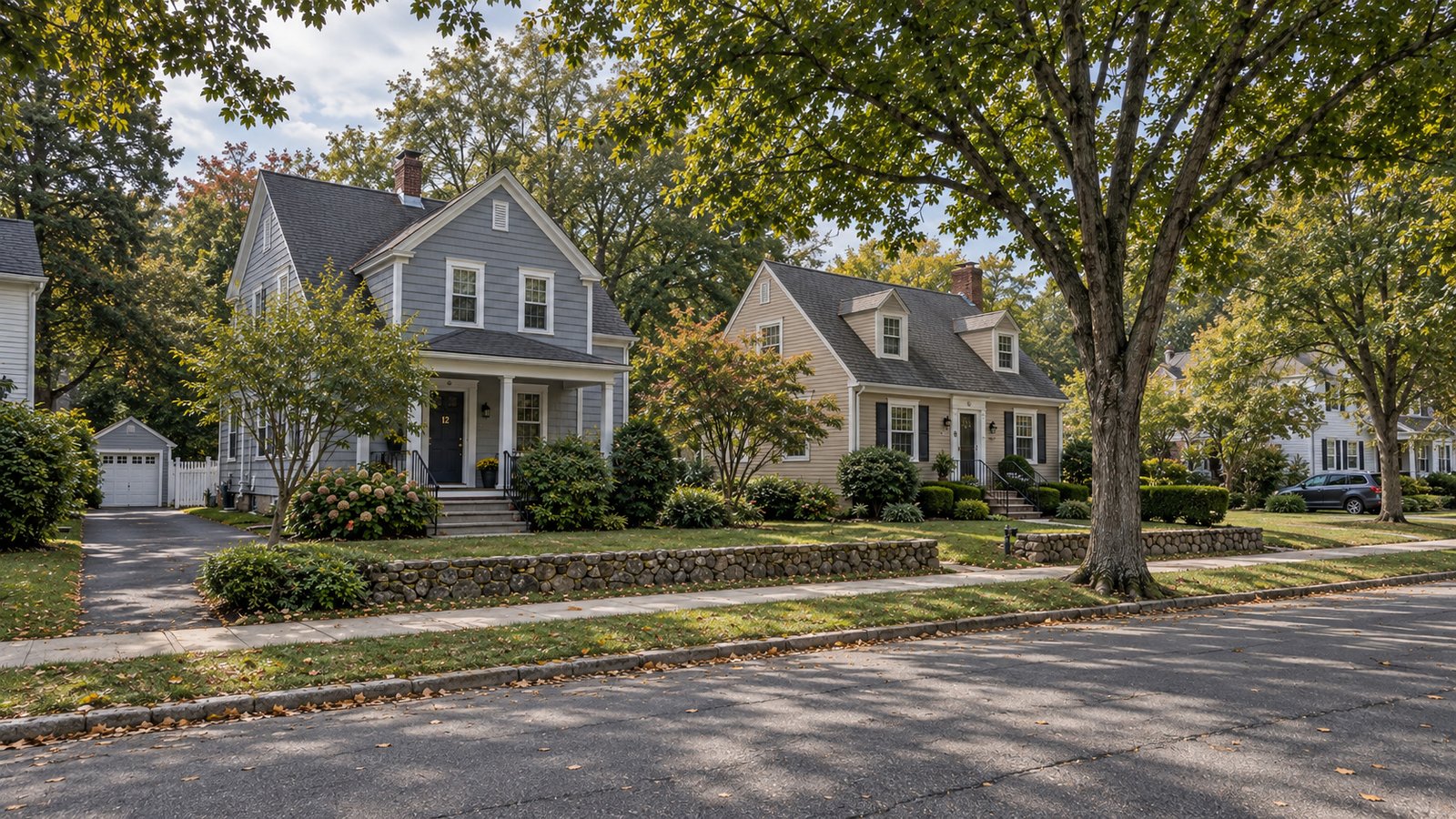
Use the office that owns the question. The town, school district and library serve different needs; transit and disposal arrangements require their own trip or eligibility checks. These are useful documented resources, not invented neighborhood boundaries.
- What it offers
- Public library resources, programs and digital borrowing.
- Plan the visit
- 8 Linwood Avenue; main number 860-537-5752.
- Check first
- Check opening notices, service availability and charges.
- What it offers
- New or returning student registration: 860-537-7267.
- Plan the visit
- Town Hall, 127 Norwich Avenue, Suite 202.
- Check first
- Follow current portal, records and residency process for the child.
- What it offers
- A town-resident disposal resource separate from a household hauler.
- Plan the visit
- 89 Old Amston Road; Tuesday/Saturday 8–3 except holidays as published.
- Check first
- Confirm eligibility, current hours, material category and fee before loading.
- What it offers
- Building, zoning and planning contacts for the address and intended use.
- Plan the visit
- Town Hall, 127 Norwich Avenue.
- Check first
- Get the applicable property record and process from the responsible office.
03 /
Choose the home for the routine you need
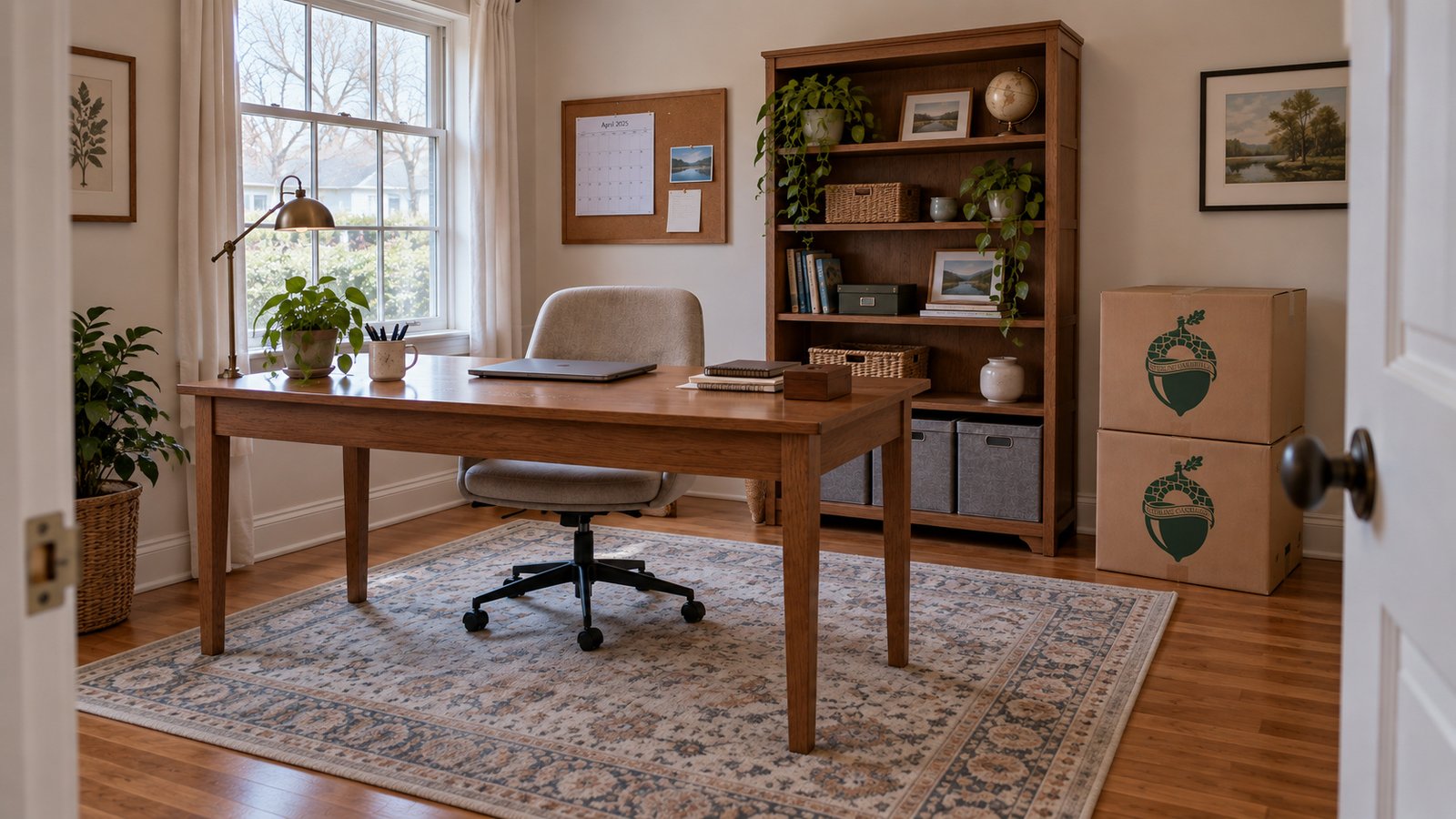
Visit the property with the household’s actual furniture and daily requirements in mind. Check room use, storage, circulation, sound, light, heating controls and where a desk or other essential equipment will go. A photograph may show attractive finishes while hiding the route upstairs or a very small landing.
For a rental, resolve the lease start, keys, permitted use, parking, pets, included utilities and responsibility for the outdoor approach. For a purchase, review possession and the property records with the professionals responsible for the transaction. Do not schedule delivery merely because an offer or online application has been submitted.
Compare the total recurring commitments you can verify: rent or financing, utilities, fuel, maintenance, necessary travel and any shared-building charges. Keep unresolved figures marked as unresolved. A townwide statistic or an advertised price does not establish the household’s own cost.
Visit again at a useful time if traffic, neighbors, lighting or access could change your decision. Leave space for ordinary life after unpacking, including a clear path around cartons and working doors.
04 /
Ask which entrance and shared space you can use
Walk the access path during the showing. Examine steps, handrails, thresholds and turns to the rooms you plan to use. Ask whether the entrance is private or shared and whether the building has delivery instructions. Tell the property owner about larger furniture early so a route issue can be resolved before the moving date.
For an upper-floor home, consider the everyday journey as well as carrying furniture: groceries, children, pets and mobility needs. Check the lighting and the way the entrance works in rain or snow. A side door or basement approach should not become the assumed move route without permission and a usable path.
Confirm who clears and maintains the common approach. Record a responsible contact for a locked door or failed key handover. Use the separate moving page for the shipment inventory and estimate; the address decision should establish that the home suits the household and can be received.
05 /
Check household parking and delivery independently
Ask which parking spaces belong to the unit, whether overnight or visitor restrictions apply and where deliveries may stand. Household parking and a moving vehicle’s working area are different uses. Review a proposed delivery position with the owner and the authority over the road when public space is involved.
The town-road snow notice describes a parking ban after half an inch accumulates and for twelve hours after snow ends. It also describes possible towing. Keep winter delivery plans flexible and confirm a suitable alternative when conditions make roadside standing unavailable.
Check driveway slope, width, surface, drainage and any low overhead obstacles with the moving team. The CDP map supplies no road widths or truck clearances. An empty parking place near a shop or public resource is not automatically available to a residential moving crew.
06 /
Resolve water service before the handover
First establish whether the home uses town water and sewer, a private well or an onsite wastewater system. A Colchester address alone does not establish connection. Ask the property owner for the actual systems and account responsibilities, and use the responsible provider’s confirmation before treating service as settled.
For town service, contact Sewer and Water at 860-537-7289 for usage and service orders; the published office is Town Hall, 127 Norwich Avenue, Suite 106. The linked connection-policy document, page 10, calls for written authorization or a service application reviewed by the department and three business days’ notice when premises are to be vacated. Its effective-date field is blank, so confirm the applicable current transfer procedure with the office.
Agree the final reading and responsibility dates with the outgoing account holder or property owner. Keep confirmation of the incoming arrangement, rather than assuming a form or a scheduled closing switches service. Ask about any unresolved balance or appointment before delivery day.
07 /
Clarify the landlord and tenant account arrangement
The town’s landlord–tenant billing policy makes the property owner ultimately responsible for sewer and water bills, while allowing tenant-named water service at the commission’s discretion. It places notification of a tenancy change with the property owner and describes a final-bill and prior-balance condition for a new tenant account.
Ask the landlord how that policy applies to your premises and what they have arranged with the department. Confirm the agreed lease responsibilities and the practical service start together. Keep a record of the right unit and date; a tenant’s request alone does not establish that an account has opened.
Direct a disputed balance or eligibility question to the owner and department before handover. Do not assume the town will start a new account despite an unresolved prior condition. Separate billing paperwork from the immediate question of whether essential service is actually available in the home.
08 /
Understand a well, septic system and heating fuel
Where the property uses a private well or septic system, ask for the relevant inspection, water testing, maintenance and service records. Locate equipment and essential controls with somebody who knows the home. Establish who maintains the system in a rental and whom to call when something fails.
Chatham Health District is a starting point for local public-health questions. Confirm jurisdiction and the property-specific process with the district; neither the CDP outline nor the public-water office supplies a private system inspection.
Identify the heating equipment and fuel separately from the electric account. Ask about the delivery supplier, tank arrangement, any automatic-delivery agreement and the condition and responsibility for equipment. Arrange technical inspection or service through the appropriate professional when it is needed.
Keep records for the actual property. A home nearby may have a different supply or a different maintenance history. The purpose is to know what you are taking over before the first cold night or interruption, not to infer system condition from a listing.
09 /
Start the right meter account and test the connection
Obtain the provider name, complete address and unit from the owner or an existing bill. Check that the meter and account apply to your home, then request the incoming start date and coordinate the outgoing stop date. Resolve a missing or unmatched unit directly with the provider.
Eversource’s start, stop or transfer page requires a location choice before tailored information is shown. Use it if Eversource is the provider for the property. The generic page does not verify an individual address, fees or an accepted start date.
For internet, ask providers to qualify the full unit and confirm the actual service and installation appointment. Check equipment, landlord permission and technician access. A coverage map or a neighbor’s plan does not demonstrate the connection inside your home.
Test mobile reception and establish a workable backup if the first remote working day precedes installation. Keep private account information in the provider’s process. Check actual service after setup so a submitted request is not mistaken for a usable connection.
10 /
Follow the district’s registration sequence
Colchester Public Schools Central Registration publishes its process at Town Hall, 127 Norwich Avenue, Suite 202, with 860-537-7267 and registration@colchesterct.org. Transfer registration is ongoing; the district encourages families to begin promptly.
For a child new to the district, the initial preregistration form starts the process. The confirmation and subsequent email lead to Parent Portal access and the remaining forms. Returning students should contact the office to reactivate their record; an existing parent account can add a new child using the supplied access information.
The page requests one photo-ID item, one property document, two recent residency documents showing the same name and address and one proof-of-age item from its lists. It also describes health forms, records transfer and additional host-household arrangements. Read the current detailed list with the office for your child; unusual or nonpermanent residence needs its own discussion.
Confirm that the process is complete, the assigned school, first attendance date and any counselor or support meeting. Submission is not acceptance. Keep education and health records in the school’s secure process rather than ordinary moving cartons or a public inquiry.
11 /
Plan the child’s daily trip and care
The district transportation page describes service for eligible kindergarten through grade 12 students and warns that pickup times are estimates, with delays possible while new routes settle. Confirm the child’s actual eligibility, stop, return and first travel date with the district.
Walk the approach from the home to the confirmed stop. Consider visibility, crossings, weather and the adult supervision needed for a younger child. An express commuter bus and a school bus are different systems; neither listing establishes the other’s route.
Ask separately about before or after-school care, meals, calendar dates and the contact for a missed bus or unexpected dismissal. Match those arrangements to household work commitments. If the move falls midyear, agree when records, schedule and transportation will be ready before starting the new routine.
Keep the first week flexible where possible. Review how the real trip works after attendance begins rather than assuming the address alone has settled every daily arrangement.
12 /
Test the Hartford journey and the return
CTtransit is the source for current routes, schedules and service alerts. Its published Colchester express information identifies route 914, with village and park-and-ride connections toward Hartford. Choose a current route document from the operator before deciding that the trip fits your working hours.
The available 904/914 HTML table is dated August 22, 2021 and describes weekday service without Saturday or Sunday operation. Treat it as historical planning material, not today’s departure list. A newer search-indexed PDF returned 404 during this check; do not plan a connection from its stale link.
Confirm the day, direction, boarding point, return and any alert. Include the walk or drive to that point, waiting and the final leg after Hartford arrival. A park-and-ride combines parking with transit only where both spaces and pedestrian access are actually provided.
For driving, trial the route at the hour you will use it, including the return. Check CTroads for current conditions close to travel. There is no guaranteed commute time from a straight-line distance or a quiet weekend visit.

13 /
Separate the hauler from the transfer station
Ask the landlord or household hauler about the exact address’s collection day, containers, placement, recycling and extra-volume rules. The town transfer station is a separate option with its own eligibility, fees and opening days. Its schedule does not prohibit private hauling on another day or provide automatic furniture pickup.
The transfer-station page lists 89 Old Amston Road, 860-537-3169, Tuesday and Saturday from 8 a.m. to 3 p.m., excluding holidays. A Public Works update says Tuesday opening has resumed after the budget freeze. Confirm current notices before loading a disposal trip.
The town preparation instructions call for flattened cardboard cut to pieces no larger than three feet by three feet, recyclable material kept out of plastic grocery bags and different waste categories separated. Follow the selected hauler’s or facility’s current instructions.
Read the July 1, 2026 standards for the actual item. They distinguish recyclable material, household trash, bulky waste, electronics and hazardous waste. Mattress condition affects its category; do not assume every mattress or renovation load is free. Confirm resident eligibility and any commercial restriction with the station.
14 /
Use a verified local resource and build the errands list
Cragin Memorial Library is the town’s public library at 8 Linwood Avenue, with 860-537-5752 as its main number. Check current opening notices before visiting. The published page also points to digital borrowing and its program calendar.
The library services page describes public computers, Wi-Fi, technology assistance and copying or printing. Ask about the task, availability, identification and current charges. Library access can help with a short errand or document, while a required work connection deserves its own reliable arrangement.
Build a small practical list near your home: groceries, pharmacy, needed health appointments and places your household will use regularly. Check each provider’s current hours and the actual journey. A town guide cannot establish a new patient appointment, prescription transfer or insurance acceptance.
Combine errands only when their hours and return paths fit. Keep one or two useful destinations ready before delivery so arrival does not require searching through cartons for information. The photograph illustrates an ordinary routine rather than identifying a particular local business.

15 /
Ask the right office about changes to the property
The Planning and Zoning Department publishes separate building, zoning and planning contacts at Town Hall. Bring the full address and the proposed use or change so the responsible staff can identify the applicable records and process.
For a home office or other business plan, resolve questions about use, customer visits, parking, alterations or equipment before assuming the space supports the operation. A delivered desk or a signed rental agreement does not itself settle land-use approval.
For an older home, ask about the status of additions or alterations with the owners and appropriate professionals. Request the records relevant to the decision you are making; do not substitute a town plan for a parcel’s own documentation.
Track submission and decision separately. Preserve the written response that applies to the exact project and address. The moving estimate covers handling and logistics, while property approvals belong to the office and owner responsible for the property.
16 /
Check the parcel and approach for weather problems
Use the FEMA Flood Map Service Center with the precise address for official flood-map products. Review any property-specific concern with the appropriate owner or professional. The CDP outline is an orientation tool, not a flood-zone assessment.
Ask about drainage, basement water, the approach after heavy rain and interruptions the household should prepare for. Inspect and obtain relevant records instead of assuming a home is unaffected because a nearby photograph looks dry. Decide where vulnerable belongings can be kept after delivery.
Identify the essential household response for lost power, an unusable road or failed heating. Keep medicines, communications and first-night supplies available outside the shipment. A general map cannot provide a present all-clear or settle insurance and property-condition questions.
If a specific inspection is needed for the address decision, obtain it at that stage. Keep its conclusion with the property record, distinct from the move’s handling plan and estimate.
17 /
Keep the driveway and entrance usable in winter
Agree who clears the drive, walk, landing and steps in a rental or shared building. Check the handrails, lighting and drainage where water can freeze. Identify where snow can be placed without obstructing the working route or parking.
Check current weather and road notices shortly before delivery. The town-road parking ban can affect the standing plan even when the home itself is accessible. Review the alternate vehicle position with the moving team while there is still time to change preparation.
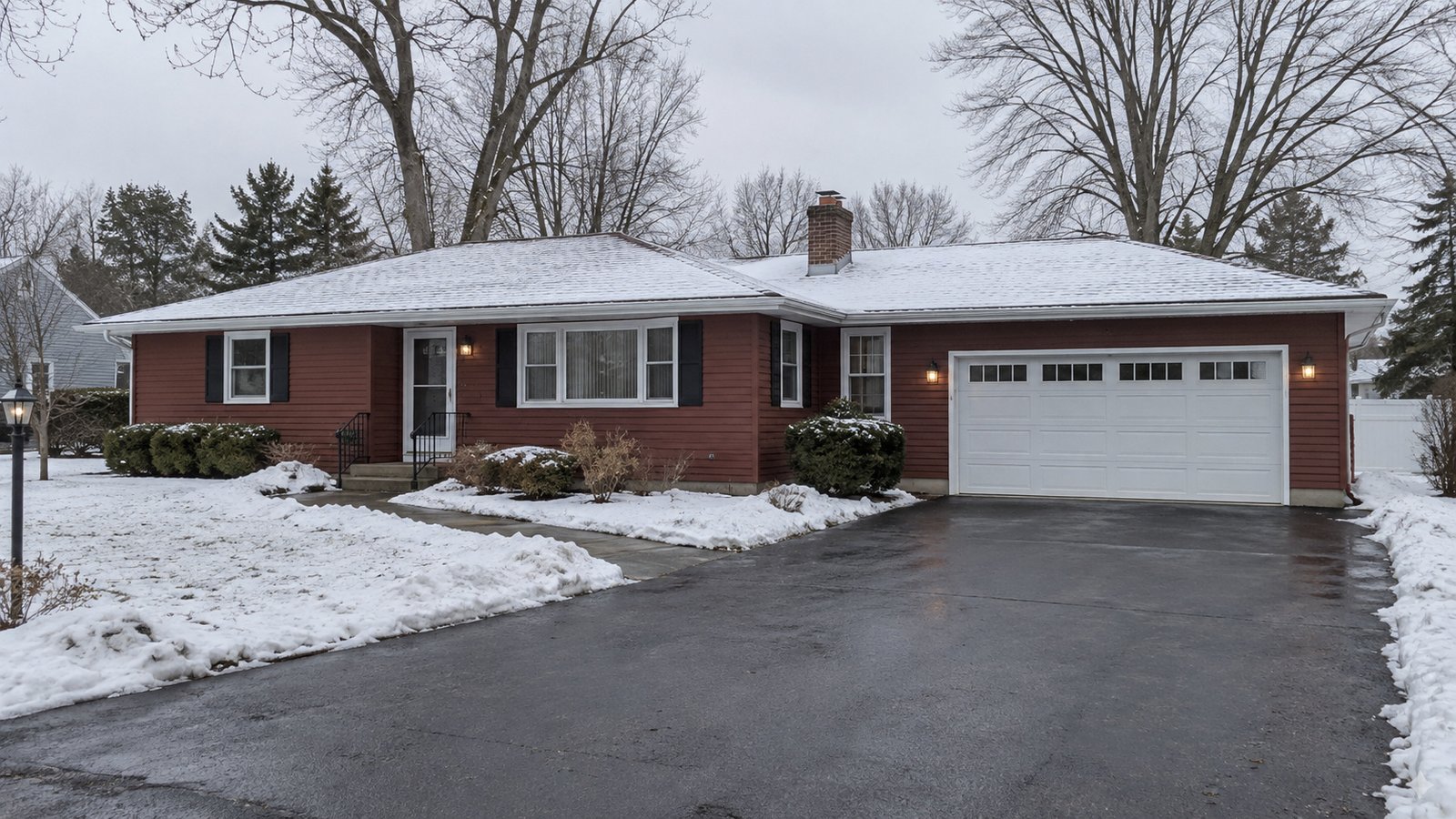
Do not promise a clear entrance that has not been prepared. Tell the crew about an unresolved surface or obstacle and arrange the responsible clearing work. A cleared path in a seasonal photograph is an example of readiness, not current conditions at your address.
Keep the household’s essentials available if timing changes. Winter preparation protects the same receiving plan you made earlier: keys, usable access, essential service and a person authorized to receive.
18 /
Confirm possession and essential service before delivery
Contact the property owner for the actual key handover and receiving arrangement. Confirm that the home is available, essential utilities work and the entrance and standing space are usable. Keep important documents, keys, medicines, devices and overnight supplies with the household.
At handover, record visible condition with the appropriate person and ask someone familiar with the home to identify essential controls. Avoid experimenting with unfamiliar equipment during a busy delivery. Make room names clear and preserve the main circulation route while cartons arrive.
If possession or service activation fails, contact the owner and moving team early. Review a suitable temporary arrangement and a revised stage. An expected closing date, submitted account request or school application is not evidence that its result is available.
For the shipment details, use the separate Colchester moving-services page. Keeping arrival arrangements and the moving inventory linked makes it easier to resolve a changed date without losing the agreed work.
19 /
Close the remaining questions after the routine begins
Review the first account confirmations and bills against the unit and responsibility dates. Ask the provider or owner to resolve a mismatch. Confirm that school attendance, transport and necessary care are working as arranged, and adjust an errand or commute after observing it at the real time.
Finish unpacking in a useful order and retain a safe clear route. Reuse sound cartons or prepare them for the verified recycling path; book a separate destination or collection for excluded and bulky material. Keep a disposal problem from becoming a pile at the curb without authorization.
Update important employer, financial and health contacts through their own processes. Track any building issue found in normal use with the owner. The first month should turn open questions into confirmed arrangements, while preserving a backup for a service or journey that still needs attention.
20 /
Questions before you arrive
Is this Colchester in Vermont?
No. This guide concerns Colchester CDP, Connecticut, GEOID 0915840, within the larger town of Colchester.
Does every Colchester address use town water?
No address coverage is established by the town name. Ask the property owner about town water/sewer or a private well and onsite wastewater system, then confirm with the responsible provider.
How early should a town-water transfer be discussed?
The published connection-policy document calls for three business days’ notice when premises are vacated and department review of a written transfer. Its effective-date field is blank; confirm the current applicable procedure with Sewer and Water.
Does the first school form complete registration?
No. The district’s sequence includes confirmation emails, portal forms, residency and age records and health documentation. Confirm completion, assignment, first attendance and transport with Central Registration.
Can I use the old 914 departure table?
The linked HTML is dated August 22, 2021. Obtain the current route and alerts from CTtransit, including your day, direction, boarding point and return.
Is the transfer station the same as my trash hauler?
No. The town facility has separate hours, eligibility and material rules. Confirm your household collection schedule directly with the hauler or landlord.
Where is the local public library?
The town lists Cragin Memorial Library at 8 Linwood Avenue, 860-537-5752. Check current opening notices and the conditions for the service you need.
What should be ready before delivery?
Actual possession and keys, essential utilities, authorized usable access and vehicle standing space, a receiver, room labels and a fallback if handover fails.
Sources & useful local resources
Official procedures and local resources are linked beside the answers above. Reopen the relevant page when arranging a date: fees, schedules and application requirements can change.
Sources for address planning
- SchoolsColchester Public Schools
- School BusColchester Public Schools
- RoadsSource owner
- FemaSource owner
- CensusUS Census Bureau
- HealthSource owner
- TownTown of Colchester
- LibraryTown of Colchester
- Library ServicesTown of Colchester
- ParkingTown of Colchester
- PlanningTown of Colchester
- PublicworksTown of Colchester
- WaterTown of Colchester
- Tenant WaterTown of Colchester
- Water RulesTown of Colchester
- WasteTown of Colchester
- Waste2026Town of Colchester
- Waste RulesTown of Colchester
- Transit CurrentSource owner
- Transit HtmlSource owner
- EnergySource owner
Your next step
Bring the plan together
Use the city moving page to prepare the inventory, access details and questions for your estimate.