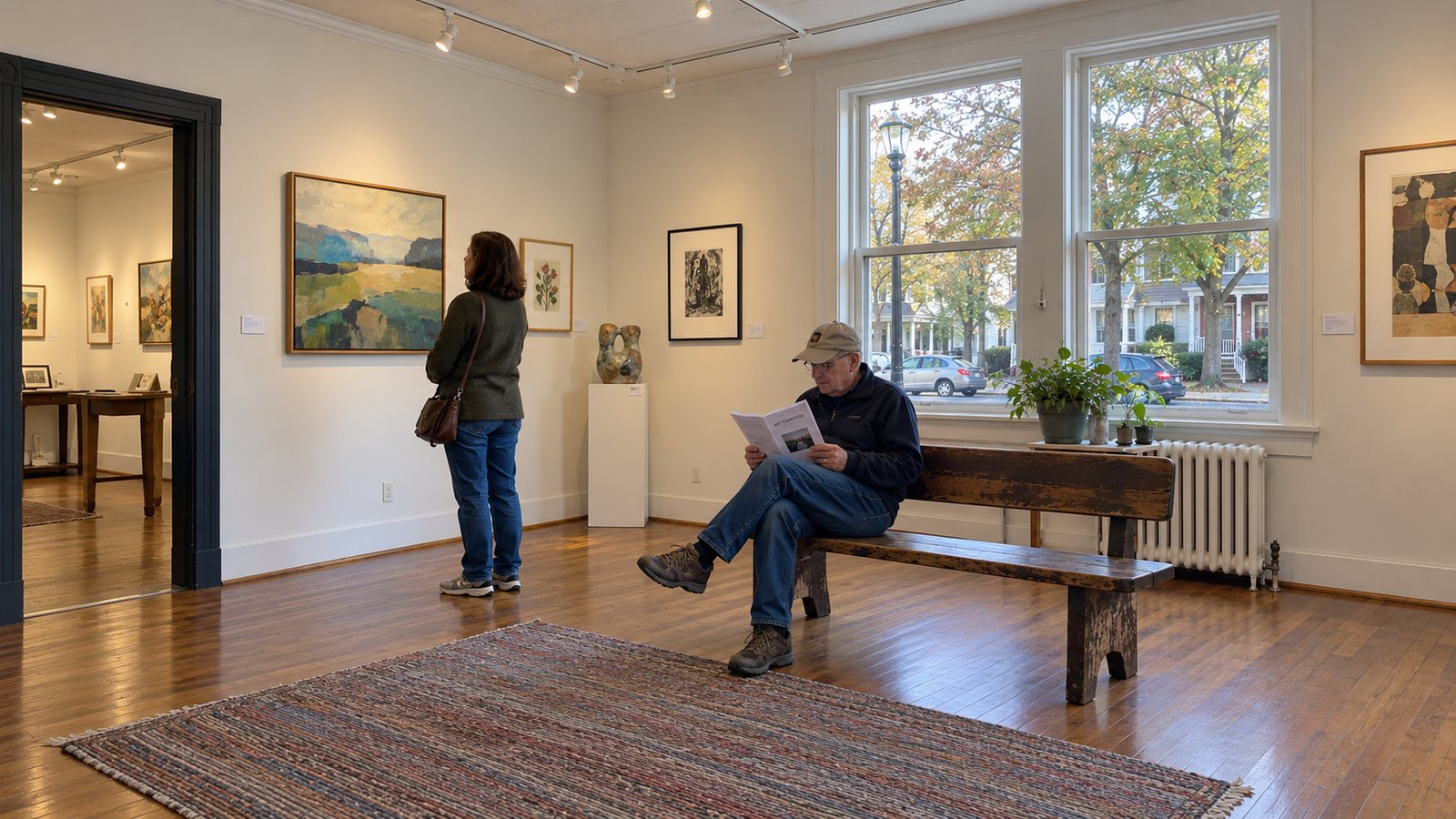
A home search usually begins with rooms and a price, but living there means a whole week of ordinary journeys and decisions. This guide brings together local contacts and questions you can test at the actual address, with room for the interests that make the place useful to your household.
Yanceyville is an incorporated town in Caswell County, North Carolina. A Yanceyville mailing address or ZIP 27379 does not establish that a property is inside the town. Begin with the full address when checking municipal services, a local rule or the office that should answer a question.
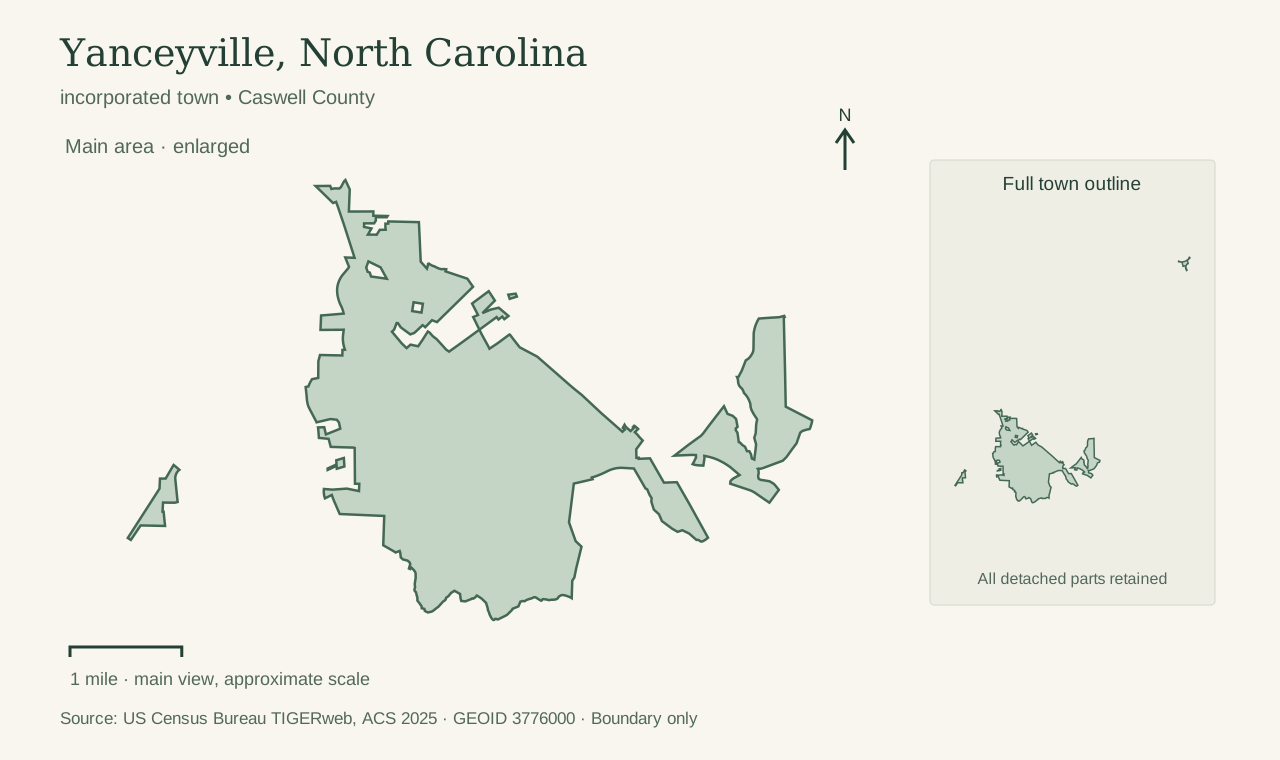
The map in this guide shows the US Census town boundary, GEOID 3776000. Use it to orient yourself, then confirm property-specific details with the responsible organization. It does not show school attendance zones, utility eligibility, parcel-level flood risk or the route a vehicle should take.
The town office gives 158 East Church Street and 336-694-5431 as its contact details. Its published weekday office hours are 8:30 a.m. to 5 p.m. Check the current arrangements before a visit, especially when an application or a holiday may affect the errand.
For a property beyond the limits, ask the relevant county department or provider rather than trying to fit it into a town-only process. Keep the municipality and contact beside the address in your home-search notes. That small distinction can explain why two homes with the same postal label have different practical arrangements.
Danville is across the border in Virginia and may be part of the journeys you are considering. Test the actual destinations and times you need. A nearby regional city is useful context, but straight-line proximity does not tell you a commute, appointment schedule or moving travel time.
The incorporated town boundary from the US Census Bureau. ZIP 27379 is wider; school assignment, utilities and property access need separate checks. Open full-size map.
02 /
Places to explore in Yanceyville
Start with a few places you would enjoy using, rather than trying to complete a sightseeing list. These three real destinations offer reading, local history and an outdoor break. They are not invented neighborhood divisions or recommendations about where every household should live.
Gunn Memorial Public Library
Reading, programs and a useful first local errand.
The county library describes activities for adults, teenagers and children, alongside borrowing and local-history resources. Look for a program you would actually attend; a recurring interest can make a new place feel familiar sooner than a long checklist.
Getting there
The official address is 161 Main Street East. Try the journey from the property you are considering and check the current visiting information before combining it with another appointment.
Before visiting
The published card instructions require identification with a correct name and current address. Ask about acceptable documentation if you have just moved, and confirm borrowing eligibility for your address.
The museum describes its role in sharing Yanceyville and Caswell County history, operated by the town with support from the Friends of the Museum. It can provide context for the place you are getting to know without turning a home search into a claim about every nearby property.
Getting there
The museum gives 15 Main Street and telephone 336-694-4965. Plan a separate visit or combine it with a town-center errand once the opening arrangements are confirmed.
Before visiting
The page has conflicting weekday schedules in its main text and footer. Call before visiting rather than relying on one of those schedules. Ask about current exhibits and accessibility if they affect your plans.
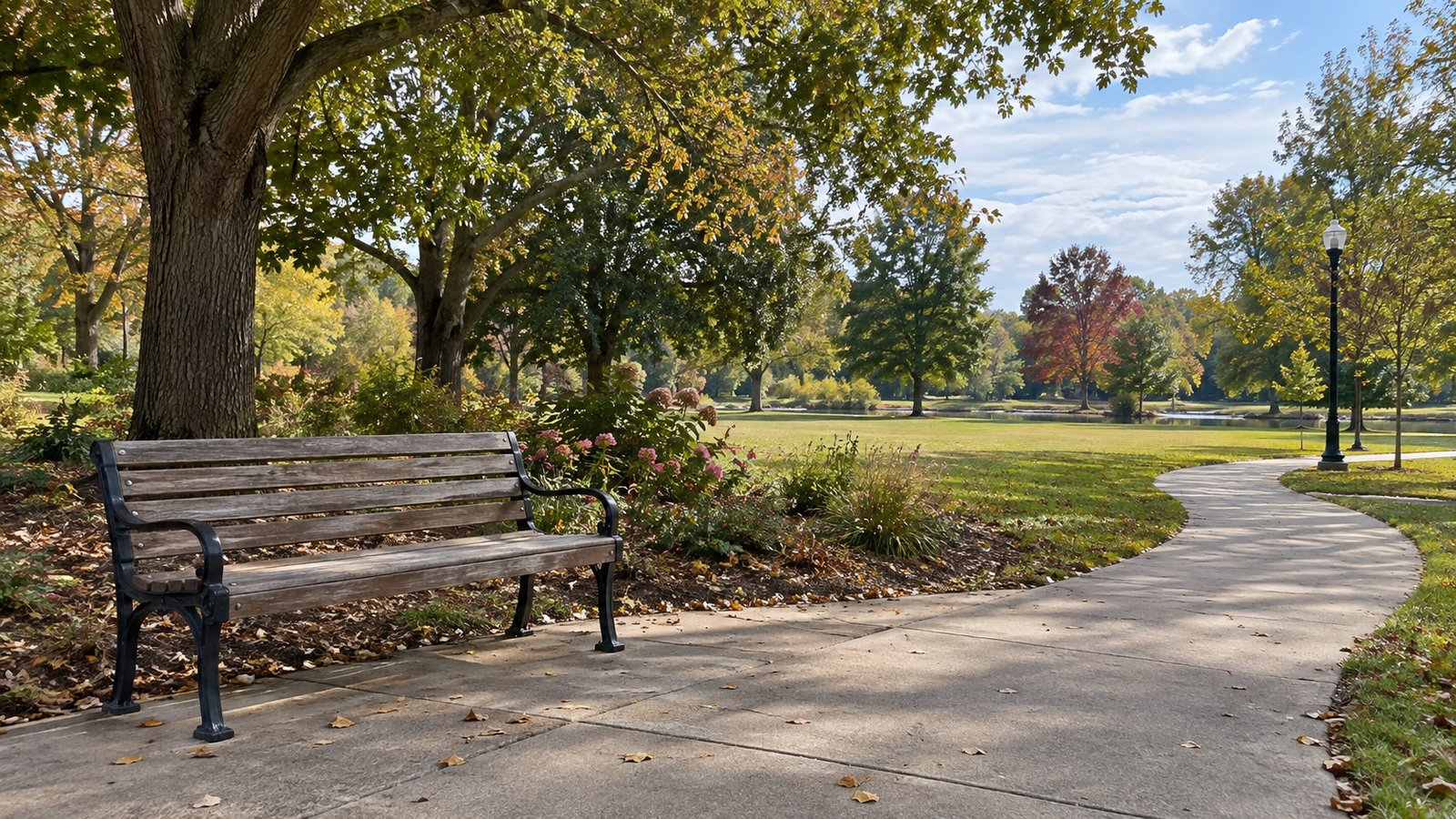
The town lists Maud Gatewood Park among its local amenities. An ordinary walk can help you decide whether an outdoor routine suits you; the park name alone does not establish which facilities are available on a particular day.
Getting there
Use the town’s living-in-Yanceyville information as a starting point, then confirm the entrance and practical access for your visit. Test the journey from the actual home rather than judging it from a postal label.
Before visiting
Confirm current conditions, hours and any activity-specific rules with the town. The linked artist biography supplies background, not a park operating schedule. The park illustration in this guide does not claim to depict the actual site.
03 /
Look beyond the room count during a viewing
Think about how the home would work on an ordinary morning. Where does someone make a call, keep a desk, read or prepare for an early departure? A spare room can be valuable for different reasons in different households. Walk through the layout with your own activities in mind.
Measure the furniture that determines the arrangement: a bed, desk, dining table or storage piece. Check where doors open and where daylight falls. An attractive room photograph does not tell you whether the furniture will reach that room or leave enough usable walking space once it is in place.
Ask the owner or manager what maintenance, exterior work and shared areas are included in a rental. Discuss keys, any access instructions and who handles a problem after arrival. Put a confirmed responsibility in writing when needed rather than relying on a vague impression from a viewing.
For an address outside the municipal service area, ask about the actual water, wastewater and other arrangements. For an address inside it, still verify the account and connection details. A town boundary should not stand in for a conversation about the individual property.
Visit at a time that resembles your routine if you can. Notice the approach, nearby activity, where you would park and the journey to a destination you use often. Keep those observations separate from unverified claims about safety, property values or which street is “best.”
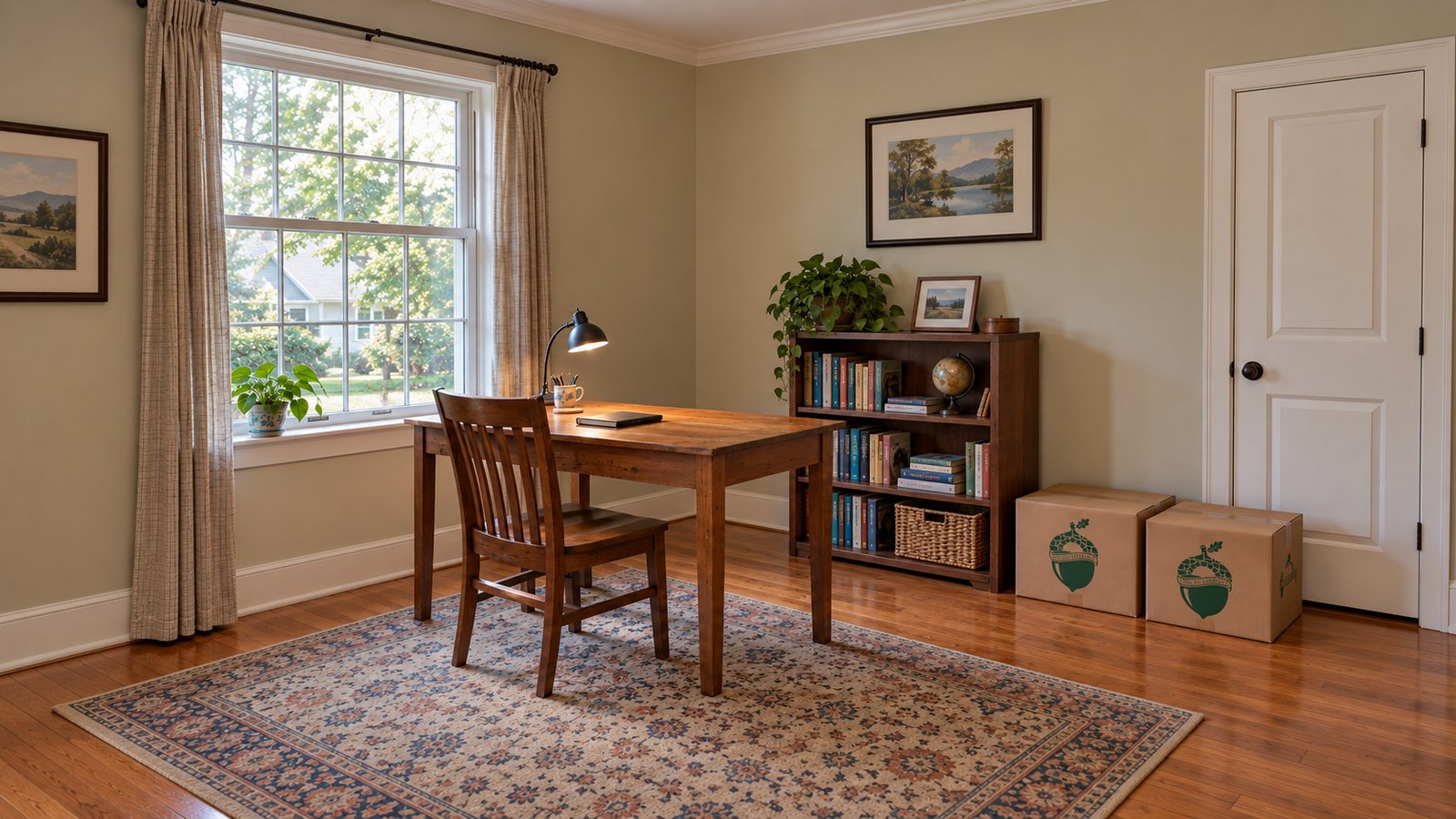
If the room will also be used during preparation, leave a small working area available while packing. Store books in compact book cartons and plan where those cartons will wait. The useful result is a home that can keep functioning before departure and start functioning again after arrival.
Plan space for the work and reading you want to keep doing.
04 /
Test the journeys you actually need
Write down a few real destinations: work, school, a regular appointment, shopping or visiting someone. Test each journey from the property you are considering, including the return. A place can seem convenient on a regional map while a specific appointment or household schedule needs more planning.
Caswell County’s CATS transportation service describes demand-response travel, including local and out-of-county trips. This is a separate booking process, not a fixed route you can assume will arrive outside the home. Ask whether the intended journey can be accommodated and how the outward and return arrangements work.
The linked CATS FAQ asks riders to call by 5 p.m. three days ahead. The document is undated, so confirm the current booking requirement with CATS at 336-694-1424, extension 1. Explain the destination, appointment time and return needs when discussing a reservation.
The FAQ also describes shared journeys, destination schedules and group return arrangements. Build that into the conversation if someone needs to be home for another commitment. Fares and funding arrangements vary; the presence of an agency-supported trip does not mean every ride is free.
Ask about current operation when weather changes the plan. The FAQ says unsafe icy or snowy conditions can prevent service. Keep a backup conversation with the person responsible for an essential appointment rather than treating a usual reservation as an all-weather guarantee.
During the move, arrange passenger travel separately from the delivery of belongings. Decide who carries essentials, who can receive the load and how household members will reach the property. Those plans may use different vehicles and schedules.
Test the journeys you will make regularly.
05 /
Confirm the school building as well as registration
Start with Caswell County Schools and the property address. The nearest school building or a postal label does not establish a student’s assignment. Ask the district about the current school, the actual building used and transportation arrangements for the student.
There is a specific point to check for the 2026–27 year: the district announced that Oakwood students would temporarily attend South Elementary during renovation, with its self-contained PK–5 classes placed at North Elementary. Verify the current arrangement with the district rather than directing a family automatically to Oakwood’s usual building.
The registration page provides the forms and document instructions. Its checklist includes a certified birth certificate, guardian photo identification and proof of residence, with alternatives such as a lease, utility bill or property documents. Use the district’s current instructions to decide which papers apply to your household.
The page also lists records requests, applicable custody information and health-related enrollment documents. A social security card is described as optional. Ask the registration contact about a missing document or a circumstance requiring a different process; this guide does not decide a child’s eligibility.
For the school journey, use the district transportation department to confirm the stop, schedule and the building the bus serves. A move between addresses can change the arrangements even when a school name stays the same. Share the planned start date early enough to discuss that change.
Keep school appointments separate from move-day receiving duties when possible. A person who needs to be at a registration meeting may not also be available to direct furniture placement. Agree who can handle each task so neither relies on an assumption.
06 /
Check each service at the property
The town services page describes water and sewer accounts both inside and outside the town limits. The practical question is whether the particular home has the service and what account arrangement applies. Ask about both water and wastewater before choosing a start date.
The town FAQ directs applicants to 158 East Church Street and lists identification and proof of ownership. That stated owner process does not settle every rental arrangement. A renter should ask the landlord and town office who holds the account and what documentation is needed.
Confirm the start or transfer date alongside the moment you receive keys. Ask who is responsible for the previous account, meter access and any outstanding steps before service begins. Keep the answer with the address rather than assuming the account changes automatically at a property handover.
For electricity, gas and internet, confirm the current provider and service availability at the exact address. Some older town directory information uses a historical electricity-company name, so this guide does not repeat it as a verified current provider. Obtain the contact from a current bill, the owner or the provider’s current address check.
For internet, distinguish available service from an installation appointment and a connection you can actually use. If someone needs a working desk immediately, ask about equipment, installation access and the earliest confirmed appointment. A general list of providers cannot promise speed or readiness at one house.
Make a short service list showing the provider, account holder, agreed date and remaining action. It is often easier to resolve one unconfirmed appointment before arrival than discover it while unpacking with several other tasks waiting.
07 /
Know which collection or drop-off applies
Ask about ordinary household collection before the first week’s packaging builds up. The town FAQ lists Tuesday residential trash collection and asks for cans by 7:30 a.m., with cans no larger than 40 gallons. Confirm current arrangements and whether your full address receives that service.
Furniture, appliances and yard debris are excluded from that collection. Keep them out of the ordinary trash plan and ask about a separate route. A moving household can create several material groups at once; identifying them first makes the right question easier to ask.
The county Solid Waste listing places the Yanceyville site at 162 Landfill Road, off NC 86 North. It publishes Monday–Friday 8 a.m.–4 p.m. and Saturday 8 a.m.–noon, differing from the schedule shown for other county centers. Confirm present hours, holidays and material acceptance with Solid Waste at 336-694-5811 before a trip.
Ask specifically about flattened moving cartons. The county lists several recycling streams but says cardboard cannot be mixed with newspaper. The instruction is a reason to check the correct route, not to assume cardboard is accepted in every container or cannot be recycled anywhere.
For an appliance, electronics, brush or other unusual material, describe what you have and ask about preparation and any charge. Avoid transferring an old price or a rule for one material onto another. The useful answer is the current arrangement for the actual load.
Leave reusable belongings apart from the disposal group while sorting. If the mover is providing agreed removal work, identify it separately. If you will make a drop-off yourself, allow time for the confirmed journey and unloading rather than adding it to an already crowded receiving appointment.
08 /
Check the approach while viewing the home
Photograph the road approach, private drive and space beside the entrance when viewing a home. Include a tight turn, a low branch, shared access or a soft surface that matters. A driveway may suit daily car parking but require a different arrangement for the moving vehicle.
Ask who can authorize use of the private or shared standing area. Consider other residents’ exits and whether the entrance will remain usable during delivery. Keep that permission separate from any public-street question.
If a public-side position is needed, contact the authority responsible for the exact street. The town office can help identify the appropriate contact for an address inside Yanceyville. Confirm the restrictions for the location and date; this guide has not established a special moving-permit requirement or permission to occupy a curb.
Show the confirmed position to the mover and describe the walking route into the property. Include steps or a gate along that route. If the position changes after the first discussion, send the updated photographs so the plan reflects the space that will actually be available.
Do not rely on another driver leaving at the right moment. An arrangement with the responsible owner or authority is more useful than a hope about an empty space. Keep the contact available if a shared-access question needs resolving on the day.
09 /
Plan how the home will receive the load
A walkthrough should follow the belongings all the way into their rooms. Look at the porch, door, hallway, stairs and turns together. A wide outside path can still lead to a tight corner inside, and a side entrance may solve one problem while introducing another.
Check keys and ordinary door operation before the delivery appointment. At a rental, ask the manager about access instructions and any shared spaces involved. Tell the mover who can open the property and who can answer a question if the arrangements change.
Plan the first furniture positions around usable routes. Leave access to the bathroom, somewhere to sleep and room to open the necessary doors. Make the receiving labels match the carton labels; this helps a person directing delivery distinguish otherwise similar rooms.
Notice obstacles that listing photographs may hide: a loose mat, stored items beside a hall turn or an exterior step needing attention. Discuss the remedy with the responsible owner. The purpose is a practical route, not an unapproved alteration to the building.
Choose where children, pets and other household members can comfortably stay during the active work. Keep that space away from the carrying path. A home can remain welcoming while also giving the people handling the load room to work.
10 /
Prepare for conditions on the actual day
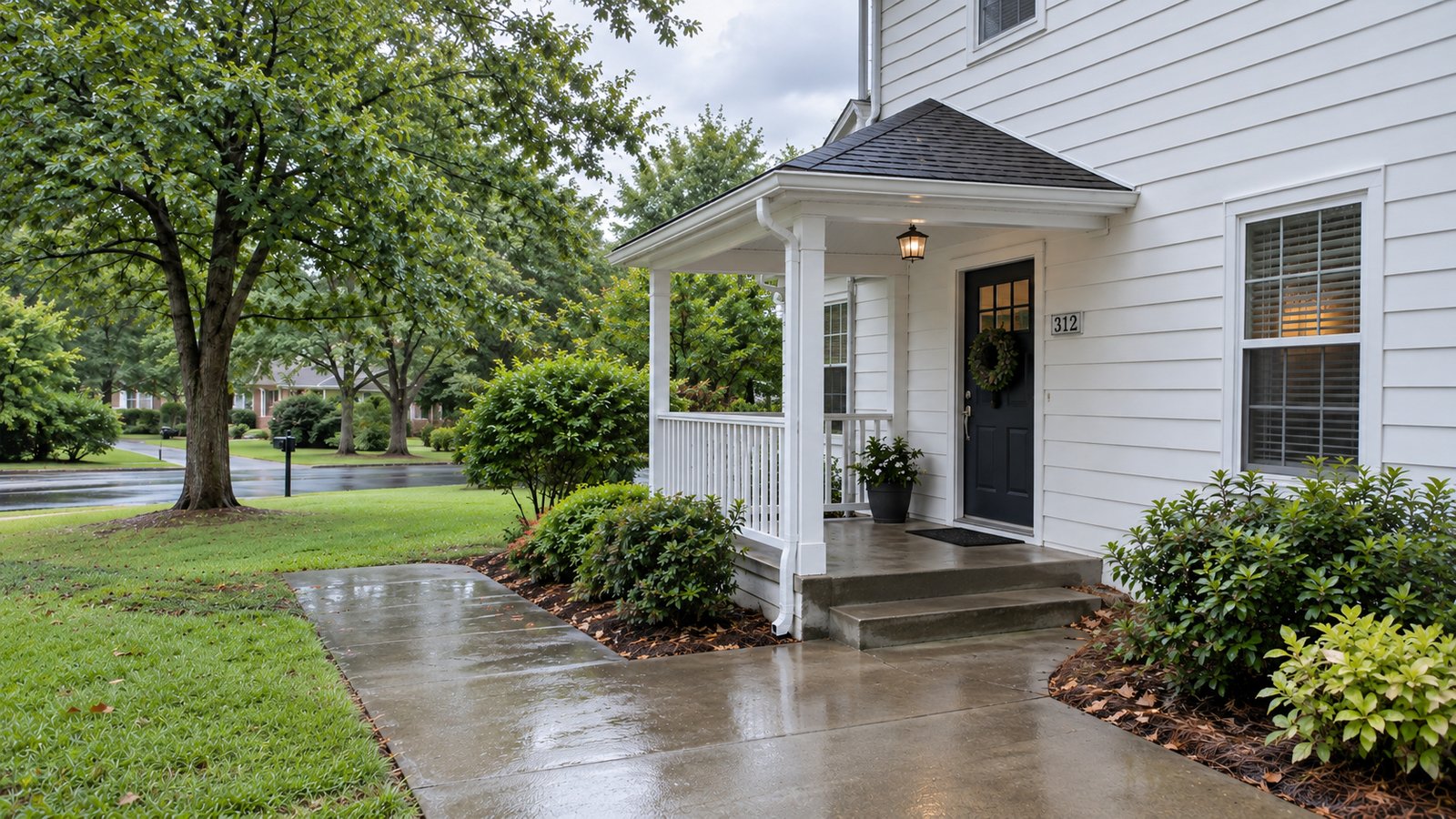
A wet entrance needs attention even when the porch itself is covered. Check the path, steps and the area where people will set down what they are carrying. Arrange who prepares those surfaces and how damp footwear will be managed inside.
Discuss drainage or other property-specific concerns with the owner or the appropriate professional. The town outline and a representative photograph cannot establish whether a parcel has a flood issue. Keep risk, maintenance and insurance questions with the sources that can address the actual property.
For a community ride, check current CATS operation when weather affects a necessary appointment. Its FAQ warns that unsafe snowy or icy conditions can prevent travel. An ordinary reservation does not remove that limitation; confirm the journey with the provider.
Outdoor plans also depend on current conditions and opening arrangements. The town names parks and an arboretum, but a mention in an amenity list does not promise access to every feature on the day you arrive. Confirm the destination you intend to use.
Keep the household’s first evening straightforward if weather or a late handover changes the schedule. Put immediate essentials within reach and let the remaining unpacking follow the way the home will actually be used.
Prepare the outside route for the conditions on the day.
11 /
Leave room for a useful first week
Begin with a few essentials: a usable bed, washing supplies, food, medication and what is needed the following morning. Put those where their users can find them. The home does not need every carton emptied before an ordinary routine can begin.
Group the local tasks that still need attention: an account question, school appointment, waste arrangement or library visit. Keep a contact and next action beside each one. A short list of confirmed steps is more useful than a long collection of attractive but unresolved plans.
Gunn Memorial Public Library offers reading, activities and local-history resources at 161 Main Street East. Ask about its current calendar and card documentation. It can be a practical first errand as well as a place to find something the household would enjoy doing again.
The Yanceyville Caswell Museum of History is another starting point, at 15 Main Street. Its website gives conflicting weekday schedules, so call 336-694-4965 before visiting. For an outdoor break, use the town’s information to check Maud Gatewood Park and present conditions.
If art interests you, the Caswell arts account of Maud Gatewood provides background and museum context. A library program, a short history visit or simply a walk may suit different people. There is no requirement to share the same interests for a guide to be useful.
Keep notes after a few days of actual use: the better place for the desk, a journey that needs a different schedule or supplies worth unpacking next. If the physical move still needs arranging, the Yanceyville moving page explains the work and information for an estimate.
Make room for the activities that interest your household.
12 /
Questions before you arrive
Is ZIP 27379 the same as incorporated Yanceyville?
No. The postal area and a Yanceyville mailing address can extend beyond the town. Use the full address to confirm the municipality and each service arrangement.
Does this map show school zones or utility coverage?
No. It shows the Census incorporated-town boundary, GEOID 3776000, for orientation. Student assignment, service eligibility and parcel questions need separate checks.
What is the Oakwood school point to check for 2026–27?
The district announced temporary placement at South Elementary during renovation, with self-contained PK–5 classes at North Elementary. Ask Caswell County Schools to confirm the current building, assignment and bus arrangements for the student.
Which documents should I prepare for school registration?
Use the district’s current registration checklist for forms, birth certificate, guardian identification, residence proof and applicable records or health documents. It lists a social security card as optional. Ask the district about missing documents or alternative processes.
Can I use CATS without planning ahead?
The linked FAQ requests calls by 5 p.m. three days ahead. Confirm the current requirement, trip availability, shared return arrangements and fare with CATS at 336-694-1424, extension 1.
Are town water and sewer limited to homes inside the outline?
The town services page describes accounts inside and outside the limits. Confirm the actual property connection and account arrangement; the boundary alone does not settle them.
Does a renter follow the stated owner water application process?
The town FAQ lists owner identification and proof of ownership. A renter should ask the landlord and town office who holds the account and what documentation applies to that tenancy.
Can furniture or appliances go into Tuesday residential trash?
The town FAQ excludes them. Confirm a separate drop-off or removal route and whether ordinary town collection applies to your address.
Does the county newspaper recycling stream take cardboard?
The county specifically excludes cardboard from that stream. Ask Solid Waste where moving cartons can be taken and how to prepare them.
Where can I start exploring without planning a full day out?
Gunn Memorial Public Library, the local history museum and Maud Gatewood Park offer different starting points. Check current visiting information; call the museum because its published weekday schedules conflict.
Are the images identified Yanceyville properties or museum interiors?
The Census boundary map uses actual town geography. The photographs are representative illustrations of homes, moving tasks and daily activities, not identified local addresses, artworks or completed jobs.
Continue planning
The other side of your move
Explore the local guide or plan the moving services for this location.
Official procedures and local resources are linked beside the answers above. Reopen the relevant page when arranging a date: fees, schedules and application requirements can change.