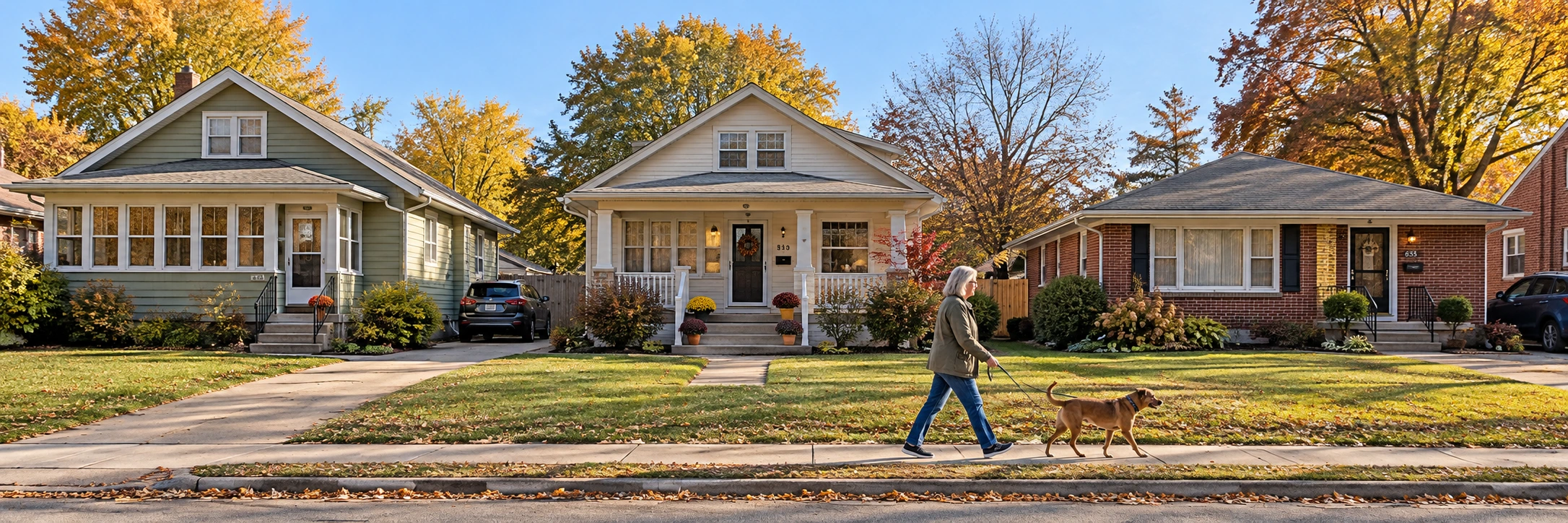
An older woman walks a brown dog past Indiana homes and autumn trees

State moving guide

Moving to Indiana: places and preparation

Explore Indiana communities, compare the work behind a moving proposal and prepare the receiving home. Use local sources and a clear household plan to connect the place you choose with the move you need.

Indiana planning

Find an Indiana setting that belongs in your everyday life

Start with the kind of place you want to explore. Indianapolis offers a large-city introduction through cultural districts, public places and very different residential streets. Fort Wayne provides another northern urban comparison, while Evansville and New Albany introduce distinct Ohio River settings in the south. Bloomington, Lafayette, South Bend and Muncie connect city life with university and cultural destinations. Columbus brings its architectural character, and Valparaiso offers a northwestern downtown within a wider dunes region. The map and twelve portraits help turn a broad interest in Indiana into a manageable shortlist.

Look beyond the destination that first attracted you. A courthouse square, performance venue or river path can make a visit memorable, but the home also needs to work for an ordinary week. Explore the surrounding streets, locate the services you would use and try the journeys that matter to the household. Keep a regional attraction separate from the municipality in which you might live. Compare several neighborhoods before allowing a familiar city name to settle the entire choice.

If the destination is already decided, begin with the household rather than another place search. Gather the two addresses, complete contents, dates and receiving arrangements. Sterling Oakbridge plans interstate household moves involving Indiana after reviewing the particular journey and requested work. The practical chapters help you prepare that brief, compare the written proposal and make the new home ready to receive the shipment.
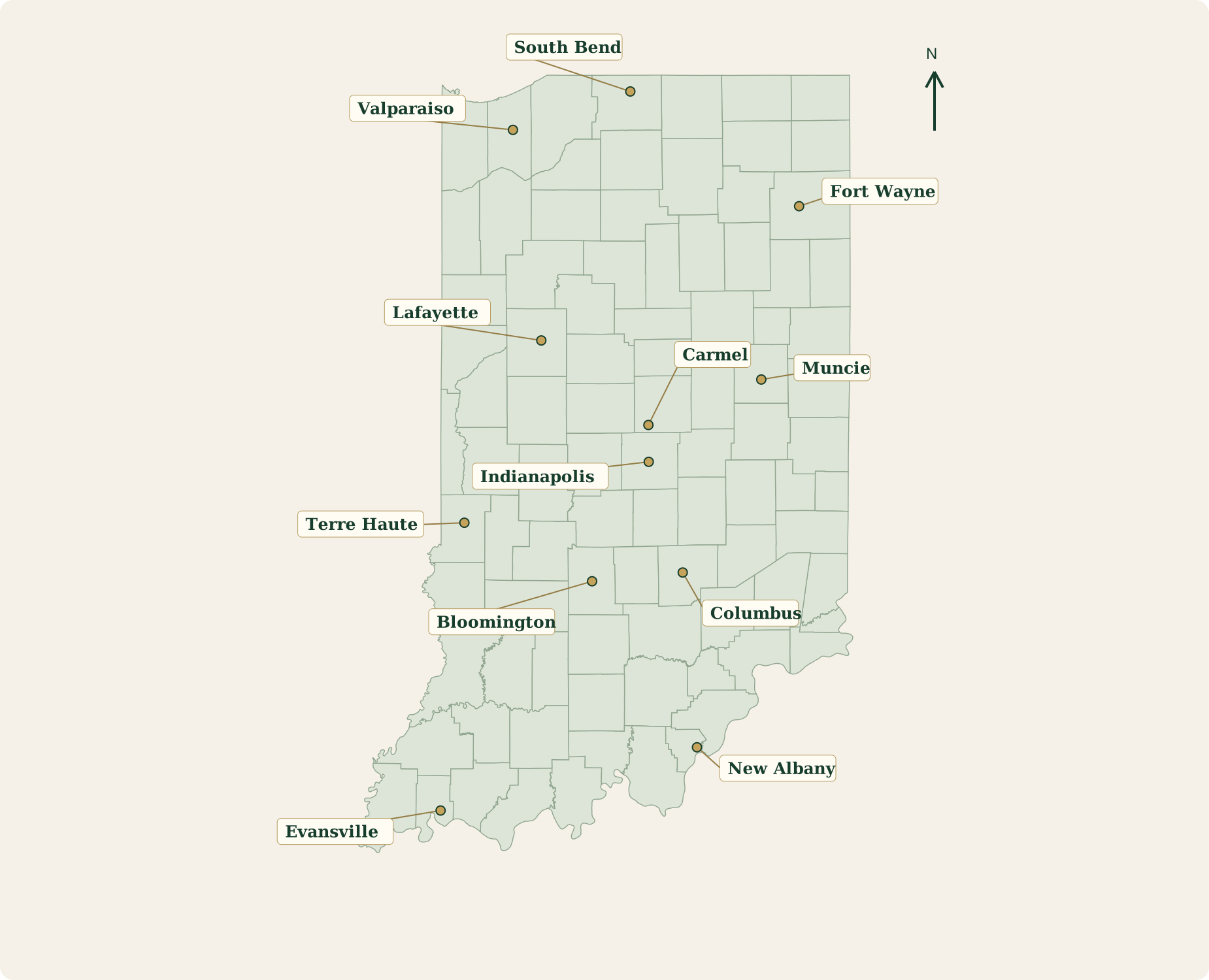

Indiana cities and regions
Explore twelve Indiana communities across central neighborhoods, northern cities, university settings and southern river towns.

Indiana planning

Explore city streets, university settings and southern river communities

Use the twelve city profiles as different starting points. Indianapolis and Carmel offer separate central Indiana comparisons, with Mass Ave's arts and theater and Carmel's Arts & Design District, Midtown and City Center. Fort Wayne's downtown and historic neighborhoods provide a northeastern introduction. South Bend's East Bank and river parks offer another northern setting, while Valparaiso's shops and Central Park Plaza belong to the northwestern part of the state.

Bloomington's courthouse square, Lafayette's Arts & Market District and Muncie's downtown cultural venues each give a university-area search a different city context. The institutions and neighborhoods still have their own locations: Purdue and Chauncey Village are in West Lafayette, across the Wabash from Lafayette. Terre Haute brings the 41|40 Arts & Cultural District and its Wabash setting, and Columbus combines modern architecture with a lively downtown. In the south, Evansville's neighborhood districts and New Albany's Main Street and river surroundings merit separate visits.

Choose a few places to investigate in depth. Read the local visitor sources for an introduction, then examine the residential area, property and regular journeys. An appealing day out does not establish housing availability, school eligibility or a particular commute. Use the portraits here to choose the places you want to investigate further, then follow the official local sources for current visitor information.

City portraits

Explore Indiana’s cities

Explore twelve Indiana communities through their arts, public places and surroundings, then investigate the neighborhood and home behind your shortlist.

A woman in a burgundy coat looks into a gallery window on an autumn city sidewalkIN

Indianapolis

Indianapolis offers a large-city introduction with distinct cultural and residential streets. Mass Ave brings galleries, theater, independent shops and places to eat, with connections to the Indianapolis Cultural Trail. Bottleworks adds another destination at the avenue's northern end. Use those public places to begin exploring, then spend time in the neighborhoods and on the journeys that might belong to an ordinary week. The city is more varied than one downtown visit can show. When comparing homes and statistics, keep the actual municipality clear: the Indianapolis Census city-balance reference and the wider Marion County area describe different geographic extents.

A man walks a bicycle beside brick shops and autumn treesIN

Fort Wayne

Fort Wayne's downtown and historic neighborhoods offer several ways into northeastern Indiana city life. Explore the central shops, food and public destinations, then compare the architecture of West Central with the tree-lined streets of the Historic Northeast. The Wells Street corridor, Packard and other districts add their own neighborhood introductions. A public walk can help identify which area deserves more time, but the home and daily routine still need a closer look. Compare the streets around the address, locate ordinary services and investigate the journeys the household would make. A neighborhood guide is a starting point for that exploration rather than a single description of the whole city.

People walk beside a broad river with autumn trees and city buildings beyondIN

Evansville

Evansville offers an Ohio River city comparison with several distinct neighborhood centers. Downtown's Main Street and surrounding blocks combine museums, performances, shops and food. Haynie's Corner Arts District brings galleries, historic buildings and creative public life, while North Main and West Franklin Street give the visitor other streets to explore. Use the variety to build a residential shortlist rather than expect every address to share one downtown atmosphere. Spend time around the particular home and investigate the services and journeys that matter to the household. Evansville's Vanderburgh County setting uses Central time, a useful detail when arranging a visit or receiving appointment with someone elsewhere in Indiana.

A woman in a blue jacket photographs a river beside an autumn park pathIN

South Bend

South Bend's East Bank offers a river-side introduction through local shops, galleries, food and public places. Howard Park connects seasonal recreation and community space with the St. Joseph River trail setting, while downtown arts and the River Lights give another reason to explore the area. The wider visitor region also includes separate communities and university destinations, so locate each place before treating it as part of a residential neighborhood. Check current attraction information when planning a visit: the official visitor source lists East Race Waterway as closed for the 2026 season. The surrounding city streets, parks and cultural places still provide useful starting points for comparing ordinary life.

An older woman holding a book talks with a younger man beside a bookshopIN

Bloomington

Bloomington's courthouse square makes a distinctive first introduction. The limestone Monroe County Courthouse anchors a downtown setting of independent shops, galleries, cafés and restaurants. Explore the square's different sides, look into the arts venues and continue into the surrounding streets to see how the public center relates to residential life. The university is part of the wider city context, but the household's week may also depend on services and journeys beyond the first campus or downtown visit. Compare the actual neighborhood and home rather than choose solely from an appealing afternoon on the square. Keep regional outings and separate communities in their own locations when building the shortlist.

A man and girl walk along a broad urban trail beside shops and autumn treesIN

Carmel

Carmel offers a central Indiana comparison through several connected downtown districts. The Arts & Design District combines galleries, shops and cafés with a mixture of older facades and newer buildings. Midtown adds public spaces, food and entertainment, and City Center brings another concentration of destinations, including the performing arts center. The Monon Trail connects this broader downtown introduction. Explore the districts at a human pace, then investigate the residential streets, services and routine journeys relevant to the household. Carmel is a separate municipality within the wider Indianapolis region; liking a regional destination does not establish which neighborhood or property will suit an ordinary week.

A young man reads a paperback on a wooden bench beside autumn shop frontsIN

Lafayette

Lafayette's Arts & Market District introduces galleries, shops, museums and historic downtown streets. The Wabash riverfront adds public spaces and a connection across the river, giving a visit more than one center of interest. Keep the two-city geography clear: West Lafayette, Purdue and Chauncey Village are on the other side of the Wabash and remain separate from Lafayette. A regional downtown itinerary can include both municipalities without making them one residential place. Explore the actual side of the river, neighborhood and services around a possible home. Try the journeys that would belong to work, study or ordinary errands before turning a visitor route into a household routine.

A woman looks at an abstract sculpture in a paved square surrounded by historic buildingsIN

Terre Haute

Terre Haute offers a western Indiana city introduction around the 41|40 Arts & Cultural District. Downtown galleries, performance venues, public sculptures and murals connect a visit with the city's creative life and Indiana State University surroundings. The Wabash River provides another part of the setting, while historic streets and places to eat give the center an everyday scale. Explore beyond one artwork or event to compare the neighborhood around a possible home. A wider Wabash Valley itinerary can include destinations outside the city, so keep those locations clear. Use the public cultural landscape as an invitation to investigate the services and regular journeys that would make the place practical for the household.

Two women talk over coffee at a small outdoor café tableIN

Muncie

Muncie's historic downtown brings together arts, food, shops and performance. The Civic Theatre and local galleries offer a central introduction, while public art and creative workshops add other ways to get to know the city. Ball State's cultural venues and Minnetrista Museum & Gardens provide further destinations in their actual locations beyond a single downtown block. Compare them with the residential streets and ordinary services the household would use. A visitor guide can suggest several appealing outings without deciding where the home should be. Spend time around the address, investigate the relevant journeys and use Muncie's different cultural settings to develop a more specific neighborhood shortlist.

People walk and sit in a plaza beside modern brick-and-glass architectureIN

Columbus

Columbus, Indiana, makes architecture and public art part of the city introduction. Modern buildings, historic streets, guided architectural exploration and downtown shops give a visit several different scales, from a notable design to an ordinary place for lunch. The city's architectural collection includes public institutions and residences with their own visiting conditions; check the actual venue before planning an interior visit. Use the downtown and outdoor public spaces to begin exploring, then compare the residential neighborhood and services behind the home search. Columbus is a city within wider Bartholomew County, and a regional visitor itinerary should not place every surrounding destination inside its municipal boundary.

A man carries a canvas shopping bag beside downtown shops and a planted public spaceIN

Valparaiso

Valparaiso's downtown combines historic storefronts, independent shops and food with Central Park Plaza's public gathering space. The pavilion, performances and seasonal activities offer different ways to experience the center, while the Memorial Opera House and county-history museum add cultural introductions. The wider Indiana Dunes visitor region includes lakefront parks and other communities outside Valparaiso; keep that regional outing separate from the location of a possible home. Explore the residential streets, ordinary services and journeys around the address as well as the downtown attractions. Porter County is in Indiana's Central time group, so specify the local zone when coordinating a visit with contacts elsewhere in the state.

An older man sketches historic houses from a public bench beneath autumn treesIN

New Albany

New Albany offers a southern Indiana introduction through historic downtown streets and Ohio River surroundings. Main Street's Mansion Row, cultural-history destinations and independent shops give the city a distinct public character. The Ohio River Greenway connects New Albany with other Indiana river towns, adding a broader outdoor route to a visit. Louisville is across the state line in Kentucky and remains a separate city, even when a regional itinerary includes both sides of the river. Explore the neighborhood around a potential home and locate the services and journeys that would form an ordinary week. Keep the actual municipality, county and state visible while comparing this wider river-region setting.

Indiana planning

Keep the city, county and state line clear in the moving brief

Write both complete addresses, including the actual municipality and state, before describing the journey as local or nearby. Indiana contains separate places within familiar regional labels. Lafayette and West Lafayette are different cities. A South Bend visitor itinerary can include nearby communities and university destinations. New Albany is in Indiana, while Louisville is across the state line in Kentucky. Those distinctions help identify the property, the relevant contacts and the kind of shipment being proposed.

Indianapolis also needs care when comparing geographic information. The Census city-balance reference is a defined part of the consolidated-city arrangement; it excludes other separately incorporated places. It is not interchangeable with every address in Marion County or with the full county population. Use the actual address and municipality when contacting a property manager, arranging documents or checking a loading location. The county profiles provide a wider introduction without turning each county into one city.

A move across a state line is an interstate journey even when the homes are close. Review both properties, the goods, the provider's role and the applicable written records. For an Indiana-only move, check the actual local provider and Indiana requirements. The company's interstate planning does not by itself establish local-only service throughout Indiana, a branch in each city or availability for an unreviewed date.

More places to explore

Keep exploring Indiana communities

Looking beyond the featured cities? These communities offer more starting points for your Indiana home search.

Ask about your Indiana move →

Indiana planning

Show how the shipment reaches the house and moves through it

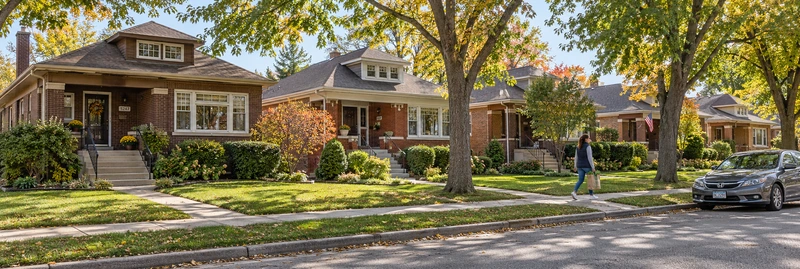
Give the coordinator a continuous view from the vehicle approach to the final room. At an older Indianapolis home, that might include the curb, front steps, enclosed porch, interior door and the first turn into the living area. A Fort Wayne ranch may have a separate pedestrian path and a driveway leading to the garage. A condominium can add shared access instructions or a particular receiving appointment. The actual property determines the useful information.

Take clear photographs of the approach and the narrow parts of the route, with measurements where a large piece is uncertain. Explain steps, slopes, low branches, gates and any surface or structure that may limit the vehicle or handling path. Show the landing and the space available on either side of a door. A clear opening by itself does not describe the turn needed by a deep cabinet or sofa. Include outbuildings, stored goods and an upper or lower level in the same household brief.

Separate the route available to the people from the place where the vehicle may legally stop. Confirm building and property instructions with the person who controls them. If the proposed approach is doubtful, ask the coordinator to review it before collection and explain any additional arrangement in the written scope. A short map distance between the street and the house cannot establish that the working path is usable.

Two movers carry a cabinet covered in navy quilted blankets along a front walk
Two movers carry a protected cabinet along a front walk.

The moving process

Your move, step by step

  1. 1

    Describe the household

    Send the two addresses, complete contents, dates and the work you want included.

  2. 2

    Confirm the access

    Show the approach and interior route, and obtain building and loading instructions.

  3. 3

    Agree the written plan

    Review the inventory, price, protection, payment and delivery arrangement together.

  4. 4

    Prepare for collection

    Finish the chosen packing, keep essentials apart and make the working path available.

  5. 5

    Receive the goods

    Have an authorized person ready, direct placement and check the inventory and condition.

Ready when you are

Ready to discuss your move?Tell us where you are moving, what is coming with you and the dates you have in mind.

Indiana planning

Read the tariff behind an Indiana-only moving proposal

For a move entirely within Indiana, identify the provider and ask how the proposed work will be charged. Indiana's Department of Revenue administers intrastate household-goods operating authority. Its guidance explains that carriers need the relevant Certificate of Public Convenience and Necessity and required filings before operating. Check the actual business for the particular work; a familiar trading name, website or federal number alone does not answer every Indiana-only authority question.

Ask for the written estimate and the applicable tariff provisions. DOR describes the tariff as the document setting out the carrier's rates and charges, and states that the business may not charge an amount that is not included in it. DOR keeps the tariff on file and makes it available to the public on request. Its tariff guidance also calls for provisions explaining such matters as waiting time and circumstances in which an operation cannot be completed. Read the provisions that actually apply to your shipment rather than comparing only a headline price.

Keep the same inventory, access, preparation and receiving assumptions when comparing proposals. Ask what is included, what is measured and how an added task would be handled. Retain the estimate, relevant tariff and contract together. These Indiana-only checks are distinct from reviewing the company's confirmed interstate flat-rate arrangement; they do not create a statewide local-service promise or a universal completion cap.

County guides

Explore the area around your new home

Begin with six county profiles connected to the city portraits, then explore the wider directory. The city, county and visitor region describe different areas.

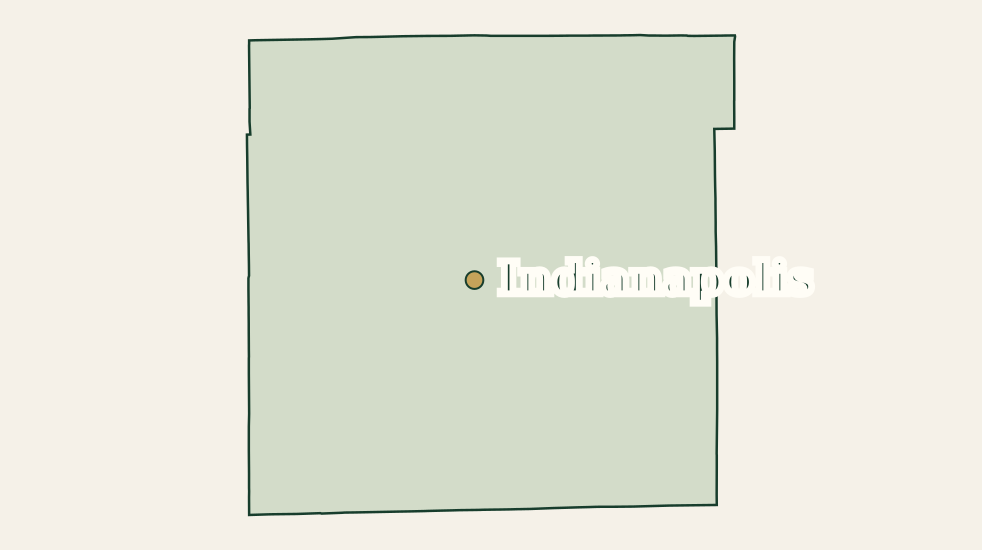
Marion County with Indianapolis marked
Indianapolis and the central county settingPop. 975,809 · 2024

Marion County

Indianapolis offers arts and theater around Mass Ave, city destinations and varied residential neighborhoods within a wider county setting. Marion County and the Census Indianapolis city balance are different geographic extents: the balance excludes other separately incorporated places. Do not apply the county's population to the city reference or treat every county address as that municipality. Explore the actual neighborhood, services and routine journeys around the home. Keep its complete address clear when arranging property instructions and receiving.

Key communities

Indianapolis

Check mover credentials →
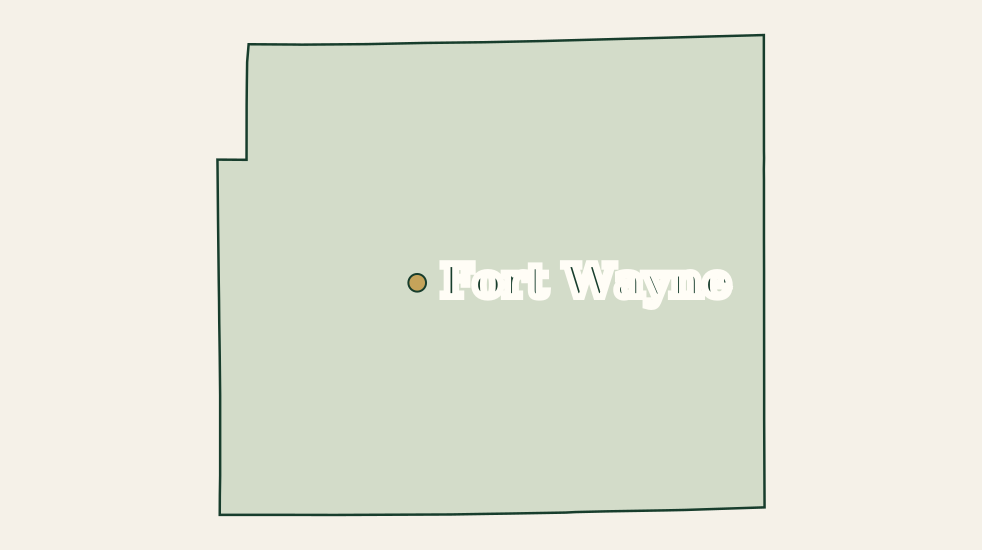
Allen County with Fort Wayne marked
Fort Wayne and the northeastern countyPop. 392,378 · 2024

Allen County

Fort Wayne's downtown, historic West Central and other neighborhoods introduce different parts of northeastern city life. Allen County also includes other communities and areas beyond the featured city. A regional visitor description can help begin a search without identifying the right home or its daily routine. Compare the residential streets and services around the actual address, then investigate the journeys the household would use. Confirm the vehicle approach, entrance and property instructions for that particular receiving location.

Key communities

Fort Wayne

Check mover credentials →
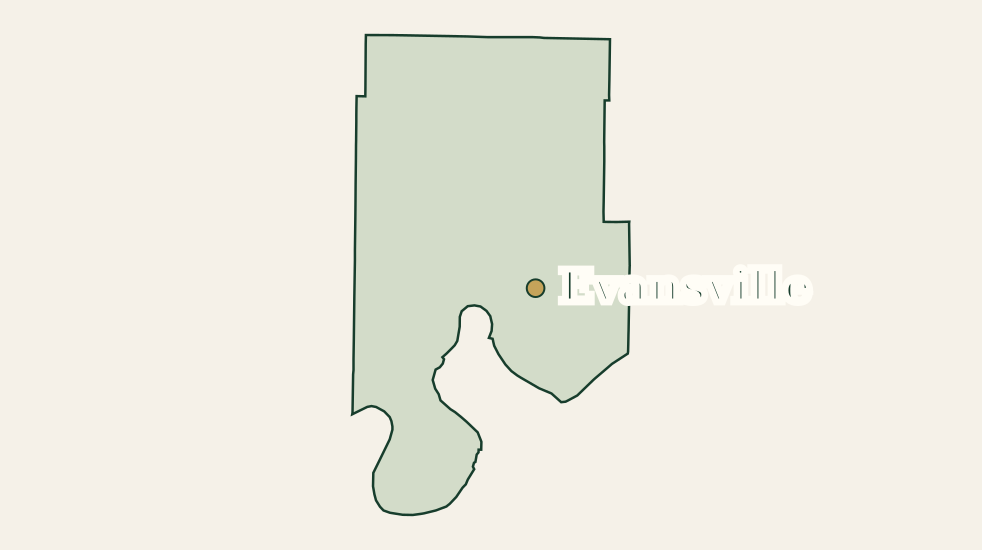
Vanderburgh County with Evansville marked
Evansville and the southwestern Ohio River settingPop. 180,117 · 2024

Vanderburgh County

Evansville offers downtown culture, neighborhood districts such as Haynie's Corner and an Ohio River city setting. Vanderburgh County covers a wider area than the featured city and belongs to Indiana's Central time group. Write the local zone explicitly when arranging an appointment with someone elsewhere in the state. Explore the home and ordinary journeys separately from a regional visitor itinerary, and review the actual approach and receiving instructions. Current weather and road information should be checked for the planned day.

Key communities

Evansville

Check mover credentials →
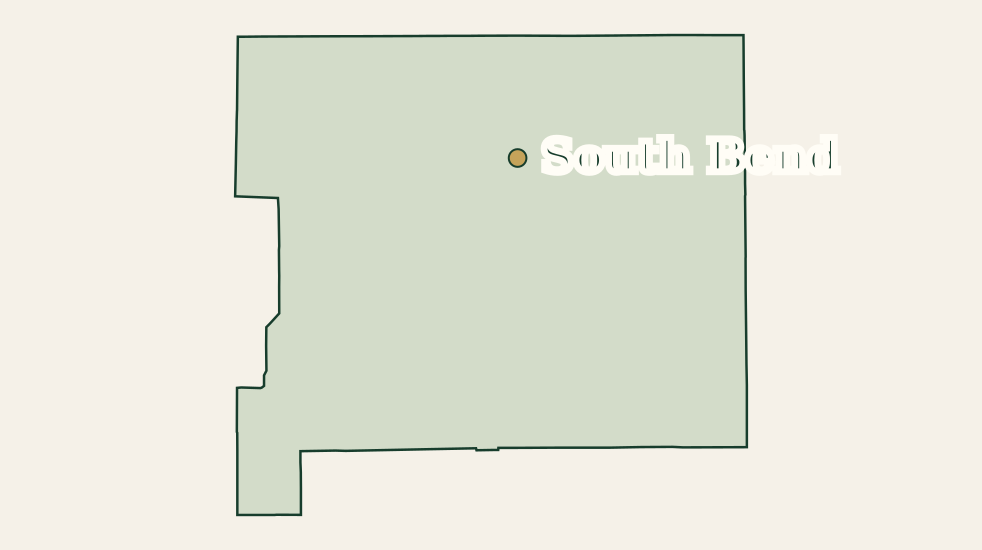
St. Joseph County with South Bend marked
South Bend and the northern river-city regionPop. 273,040 · 2024

St. Joseph County

South Bend's East Bank, Howard Park and St. Joseph River surroundings offer one introduction to northern Indiana. St. Joseph County also contains separate communities, and a wider university or visitor itinerary should not turn them all into South Bend neighborhoods. Locate each destination and the actual residential address before comparing a routine. Check current attraction information; the visitor source lists East Race Waterway closed for the 2026 season. Review the home, services and receiving arrangement on their own terms.

Key communities

South Bend

Check mover credentials →
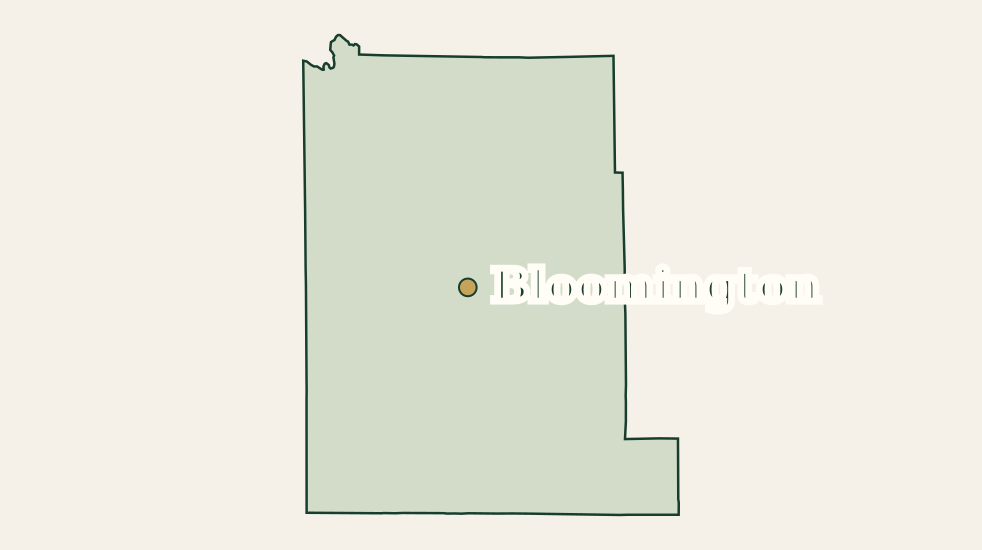
Monroe County with Bloomington marked
Bloomington and the south-central county settingPop. 140,965 · 2024

Monroe County

Bloomington's limestone courthouse square, galleries, shops and university surroundings provide a distinctive city comparison within wider Monroe County. County population and visitor descriptions do not establish the location, availability or condition of a particular home. Explore the neighborhood, services and regular journeys around the actual address, keeping destinations outside the municipality in their own locations. An older house and a compact condominium can require different entrance and preparation discussions. Share useful property information before agreeing collection and receiving.

Key communities

Bloomington

Check mover credentials →
Porter County with Valparaiso marked
Valparaiso and the wider northwestern dunes regionPop. 174,818 · 2024

Porter County

Valparaiso offers historic downtown shops, Central Park Plaza and cultural destinations within Porter County. The wider Indiana Dunes visitor region includes lakefront parks and other communities outside the city; a regional attraction is not automatically in the neighborhood of the home. Porter County uses Central time, so state the local zone when coordinating appointments. Investigate the actual residential area and services, and check BMV's applicable emissions program when arranging new-resident vehicle documents. Confirm property access and receiving instructions separately.

Key communities

Valparaiso

Check mover credentials →

County population: 2024 ACS five-year estimates, U.S. Census Bureau. These period estimates do not count current movers or available homes. Read the source.

All 92 Indiana counties

Indiana planning

Review the tightest point before preparing a large item

Measure a doubtful piece and the route it must take as one problem. Its depth, projecting handles, arms or legs may matter as much as the width of the first door. Show the porch transition, stair landing, interior turn and final room. An older enclosed porch, the shallow level change in a ranch and the circulation beside a condominium's built-in shelving require different conversations. The pictures and measurements should explain your own home rather than assume every building of the same age has the same layout.

Identify fragile finishes, damaged joints, loose fittings and pieces that need unusual preparation. Ask which basic disassembly is safe and included in the reviewed work. Some items may need specialist assessment; removing another part is not automatically the right answer to a tight opening. Keep instructions and hardware connected with the correct piece so that the agreed reassembly can be planned at the receiving home. Share the destination route before collection as well as the origin route.

Prepare the working path without blocking the household's ordinary circulation. Clear loose belongings, discuss suitable floor and surface protection and keep children and pets away from the handling area. Tell the coordinator when keys, building instructions or the proposed entrance change. Resolving a doubtful opening in advance gives the team a useful plan before the piece reaches the narrow point.

A kneeling mover smooths a navy floor runner beside a closed white front door
A mover smooths the end of a protective floor runner.

Indiana planning

Keep the records that explain an Indiana moving concern

Create one accessible set of records before collection. Keep the inventory, written estimate, relevant tariff provisions, contract and correspondence, with condition photographs where they are useful. Identify valuable, fragile or already damaged items clearly. Ask how to raise a concern with the provider and retain the contact details with the shipment documents. A dated record of what was agreed is more useful than trying to reconstruct a telephone conversation after delivery.

At receiving, check the goods against the inventory and record a specific concern while the item and its condition can be identified. Preserve photographs, notes and the relevant packaging where appropriate, and raise the matter in writing with the carrier. Check the requirements and time limits that apply to that actual shipment and protection arrangement. An agency complaint and a claim under the moving contract are separate steps; sending one does not establish that the other has been completed.

For an Indiana-only authority or tariff question, start with DOR's Motor Carrier Services information. The Indiana Attorney General provides a separate consumer-complaint channel. For an interstate shipment, use the applicable federal resources and the carrier's claim procedure. These channels help direct the concern, but a link to an agency is not a promise of reimbursement or a substitute for the evidence and actions required by the particular claim.

Who does what

A little coordination before moving day

You, the moving team and your building contacts each handle a different part of getting the move ready.

01 Moving checklist

The household

Choose what moves, keep the inventory accurate and obtain permission to use both properties.

02 Moving checklist

The moving team

Review the shipment and access, explain the proposed work and identify the coordinating contact.

03 Moving checklist

The building and receiver

Keep the agreed entrance and appointment available and prepare to direct and check delivery.

Indiana planning

Identify the carrier, any broker and the interstate documents

Know who is arranging the interstate shipment and who will physically transport it. FMCSA distinguishes household-goods movers from brokers and provides resources to check the actual entities, registration, relevant authority, insurance information and complaint records. Use the business identities behind the proposal. The Indiana State Police's moving-fraud information also directs interstate households to FMCSA's consumer resources. An agency link on this page does not mean that a particular company's current record has been checked for your order.

Read the written estimate, bill of lading, inventory and protection terms before signing. The estimate should describe the work and charges clearly. The bill of lading records the contract, while the inventory identifies the shipment and its noted condition. Keep copies available to the person traveling and the person receiving the goods. Do not sign a blank document or leave a material question about the contents, service or delivery arrangement to be answered after collection.

Discuss valuation and protection choices separately from any optional third-party insurance. Ask how the selected terms apply to the goods and what the household must do to report a loss or damage. Agree an authorized person who can supervise receiving if you cannot attend. Clear identities, written scope and an accessible condition record support the decisions needed throughout the journey.

Indiana planning

Plan around current conditions and the receiving property’s readiness

Check current weather and road information close to the move, then confirm what those conditions mean at the two properties. In winter, an available highway does not establish that a local street, driveway, front steps or shared entrance is ready. Agree who will keep the approach accessible and tell the coordinator about snow, ice or another changed condition before the vehicle arrives. Prepare the people traveling with keys, contacts, clothing, personal essentials and a practical first-night arrangement.

Indiana's county travel-status map distinguishes advisory, watch and warning levels. Counties make those local decisions, and the state map changes when the county emergency management agency reports an updated status. Read the current instructions for the places involved. A county travel status and a National Weather Service weather alert describe different things; neither should be reduced to a vague statement that all travel in Indiana is open or closed. Review a changed collection or receiving plan with the coordinator.

Rain and flooding can affect an approach in other seasons. Follow closures and never enter floodwater or drive around a barrier closing a flooded road. Ask about another lawful route or a revised appointment rather than assume the usual shortcut remains usable. This guide supports preparation; the current warnings, road information and actual property conditions determine what must be reviewed for the particular day.

Indiana planning

Check the road route and the stopping place separately

Ask the carrier to review its actual vehicle and route, including the last part of the journey. INDOT's bridge-clearance information covers interstates, U.S. highways and state routes, and clearances can differ by direction of travel. City streets and county roads need the relevant local review. A navigation route prepared for a passenger car does not establish that the moving vehicle can use every bridge, turn or residential approach along it.

Oversize or overweight permission, when the vehicle or load requires it, has its own scope. DOR's explanation of split trips separates state-maintained road segments from city and county roads. Such a state-road arrangement does not grant permission to stop at a building, use a private driveway or occupy a local loading space. INDOT also explains that it does not issue frost laws, while local counties may apply seasonal weight restrictions. Check the applicable owner and current information instead of assuming one approval covers the whole route.

At the property, confirm where stopping is allowed and how the working path will remain available. Obtain building or property instructions, identify any appointment and describe the actual distance and changes of level to the entrance. Discuss an uncertain access arrangement before collection. Include any agreed additional handling in the written scope so that the receiving person knows what has been planned.

Moving routes

Where are you moving?

Compare the rules, written scope and receiving arrangements for the actual journey. A familiar region can include more than one state.

Within Indiana

An Indiana-only household move

Review the actual local provider, Indiana authority and the tariff behind the written proposal.

Price basis

Ask which applicable tariff provisions explain the proposed work, waiting and charges.

Records

Retain the estimate, contract, inventory and correspondence; use the relevant carrier claim and agency channels.

Read Indiana carrier guidance →

Across a state line

A nearby interstate journey

Keep both complete addresses and the state line clear even within a shared urban region.

Work and access

Describe the whole shipment, preparation, two properties and receiving conditions.

Delivery

Agree the model and actual timing around keys, local time zones and the authorized receiver.

Plan interstate moving →

A longer journey

Cross-country or Canada

Review the transport model and any storage, border or separate-provider stage.

Transport

Discuss dedicated direct delivery or suitable smaller consolidation by individual agreement.

Handover

Identify the goods, condition records, charges and next receiver for each stage.

Review the full journey →

Direct service uses a dedicated truck and the same pickup and delivery crew. Suitable smaller consolidated shipments use a wider agreed window; confirm the model in writing.

Indiana planning

Include the cupboards and shelves in the packing conversation

Describe the contents as well as the furniture. A kitchen, book collection, hobby cupboard or stored decorations can require substantial preparation in a relatively compact home. Decide what the household will pack and what you want the team to prepare. Point out delicate ceramics, pictures, awkward shapes and goods needing separate assessment. A bedroom count does not show how many shelves and cupboards still need attention or which items can travel in ordinary cartons.

For the company's agreed interstate work, packing uses working time and company-supplied cartons are charged separately. Ordinary moving blankets, shrink wrap and tape have no separate basic-material charge. State the selected work clearly in the proposal: a kitchen-only packing task differs from preparing the full household. Explain what will already be packed, how the cartons will be identified and which goods need a different handling discussion before collection.

Use suitable containers and an inventory that makes the shipment identifiable. Tell the team about a weak carton or an item whose condition needs review. Keep documents, medication, keys and journey essentials with the people who need them, outside the truck shipment. Plan the things needed while delivery is pending as well as the first rooms to make usable. Packing should leave the goods prepared for the journey and the household able to manage the time between homes.

A mover holds a ceramic bowl over packing paper beside matching bowls and a closed carton
A mover supports a bowl over packing paper on a kitchen peninsula.

Indiana planning

Agree protection, basic preparation and reassembly together

List the pieces that need preparation and show their construction before the moving day. A bed, sectional, dining table and tall cabinet can require different handling. Mention unusual fittings, fragile surfaces, existing repairs and anything fixed to the building. Review basic disassembly only where it is suitable for the actual item and route. Specialist installation, damaged furniture and an uncertain opening need their own assessment rather than a promise that everything can simply be taken apart.

Under the company's confirmed service, basic furniture assembly and disassembly uses working time without a separate basic labor fee. Ordinary blankets, shrink wrap and tape have no separate basic-material charge. Include the reviewed preparation in the agreed scope so that it is connected with the complete shipment and receiving plan. If different work is needed after an item or access change, discuss it and agree the change in writing.

Keep the hardware and instructions with the correct piece and decide where it belongs in the new home. Make enough space for safe placement and the agreed reassembly. Furniture unwrapping is part of delivery, while taking contents out of cartons is a separate optional task using working time. Distinguishing those stages helps the receiver understand what the team will complete and what the household has chosen to handle afterward.

Indiana planning

Use the housing figures to investigate the home you are considering

Indiana's 2024 American Community Survey five-year estimates describe 2,976,568 housing units. Of those, 2,162,475 were detached single-unit homes, about 72.6%. The same period's housing-age table estimates 474,947 units built in 1939 or earlier, about 16.0% of all housing units. These figures provide a dated background for questions about the state's homes. They do not describe what is currently for sale, the condition of a particular building or the difficulty of moving into it.

Tenure uses another denominator. Among 2,716,009 occupied housing units, an estimated 1,916,243 were owner-occupied and 799,766 renter-occupied, approximately 70.6% and 29.4%. Occupied homes are different from the all-housing-unit total above. The five-year estimates cover the 2020–2024 period. Keep the period and the unit clear when comparing them with another place or discussing a household's options.

Use the background to form practical questions, then investigate the actual property. An older home may have a porch, turn or level change worth showing, but its age does not establish any one layout. A detached home still needs a lawful vehicle approach and an agreed receiving arrangement. A rented home can have possession dates or management instructions that matter to the plan. Read the property records and inspect the route rather than turn a statewide share into an assumption about your address.

Indiana planning

Keep previous-residence figures separate from moving demand

The 2024 ACS one-year mobility table estimates that 2.0% of Indiana residents age one and older lived in another U.S. state one year earlier. That is a previous-residence measure for a defined population. It does not count household-goods shipments, show net migration or explain why a particular household moved. The one-year mobility estimate also has a different period and universe from the five-year housing figures in the planning table.

The six county profiles use dated 2024 ACS five-year population estimates. They help distinguish the scale of a county from the featured city reference, without equating population with available homes or moving-service demand. Marion County's population is not the population of the Indianapolis city-balance reference. Porter County's visitor region is wider than Valparaiso, and the southern counties contain communities beyond the city portraits. Read the geography alongside the figure.

For your own decision, identify the reasons and constraints that actually apply: the home, work or study, family arrangements, services and ordinary journeys. For the moving proposal, provide the contents, property access, dates and receiving needs. Those concrete details are useful whether the household is moving toward a growing place, leaving it or changing homes within a region. A broad demographic measure cannot replace the review of the individual shipment.

Indiana planning

Review the whole shipment even when the state line is nearby

Indiana borders Illinois, Michigan, Ohio and Kentucky. A regional housing search may therefore compare places across a state line, particularly around northern and southern urban areas. Keep the actual state of each address visible in the brief. An Indiana-to-Kentucky journey involving New Albany and Louisville, for example, is an interstate move even though the communities share a wider metropolitan setting. A nearby destination does not remove the need to review the carrier, records and delivery arrangement.

Describe the same complete inventory and included work when comparing proposals. Add the two vehicle approaches, entrances, levels and property instructions. Explain a restricted appointment or a receiver who has to travel to the home. A small shipment can still need careful preparation and coordination; a short road journey does not guarantee that packing, loading and receiving can all happen within a chosen appointment.

For the company's interstate service, discuss dedicated direct delivery or suitable consolidation for the actual household. Confirm the dates and receiving conditions in the written plan. Keep the people's travel and essentials organized separately from the truck shipment. If the homes or requested work change, update the brief before relying on the original proposal. The useful comparison is the whole agreed task, not only the distance between city centers.

Indiana planning

Write appointments with the local time zone and receiving conditions

Start the date discussion with the events the household cannot change: possession, a lease handover, the building's receiving appointment and the availability of the person who will check delivery. Distinguish those fixed commitments from preferences. Tell the coordinator which keys and instructions are confirmed and what remains uncertain. Review the proposed collection and delivery arrangement against both properties, including any preparation that has to finish before loading.

Indiana appointments need a clear local time zone. Most of the state uses Eastern time, while twelve counties in the northwest and southwest use Central time. Porter County, including Valparaiso, and Vanderburgh County, including Evansville, are in the Central group. Write the town, date, local time and zone on a receiving appointment instead of relying on the phrase Indiana time. Make sure the household, building contact, coordinator and receiver are discussing the same commitment.

For the company's interstate delivery arrangement, the delivery window begins after pickup and loading are complete. Agree the actual model and window for the reviewed shipment. A road distance alone does not confirm a same-day arrival or an available entrance. Plan the people's travel, accommodation and essentials alongside the goods, and discuss a change promptly if the receiving home cannot be used as agreed.

Indiana planning

Choose dedicated direct delivery or a suitable consolidated shipment

Dedicated direct delivery uses a truck dedicated to the reviewed shipment and the same moving crew at pickup and drop-off under the company's confirmed arrangement. It connects collection, transport and receiving as one planned household journey. Show the full contents and both properties before agreeing the proposal. Discuss the actual timing, lawful travel, access and receiving appointment together; the name of the delivery model does not establish a guaranteed arrival day by itself.

Consolidation may suit a smaller shipment after individual review. It uses an agreed wider delivery window and should be discussed against the particular route, contents and receiving needs. Do not assume that the direct service's same-crew arrangement carries over to consolidation. For an Indiana destination, confirm the actual window individually rather than borrow a delivery limit published for another state or country. The company's window begins after pickup and loading are complete.

Compare the written price and scope alongside the delivery arrangement. Keep accommodation, personal essentials and the authorized receiver available for the proposed plan. If the household cannot receive until a fixed date, explain that before collection so that any storage or different arrangement can be reviewed. A suitable transport model is one the complete household can use, including the time between leaving the old home and making the new one usable.

Common moving situations

How the plan changes with your needs

These conditional examples show how different Indiana household situations change the preparation and receiving plan.

An enclosed porch at an older Indianapolis house

A tall cabinet must cross the porch and turn through the inner entrance.

What to do. Show both openings, the landing and the turn; measure the piece and review safe basic preparation before collection.

Why it helps. The team can address the whole entrance route before the cabinet reaches its tightest point.

A Valparaiso receiving appointment

The property contact offers one fixed afternoon appointment while the coordinator is working elsewhere in Indiana.

What to do. Write the date, Valparaiso local Central time and authorized receiver explicitly, then review the delivery arrangement against that commitment.

Why it helps. Everyone can check the same appointment instead of relying on an ambiguous reference to Indiana time.

A compact Bloomington home with a full kitchen

The large furniture list is short, but cupboards and shelves still need packing.

What to do. Describe the kitchen and stored contents and agree selected packing work, working time and separately supplied cartons.

Why it helps. The proposal covers the contents needing preparation instead of treating a small home as an already packed shipment.

An Indiana–Canada journey with later goods

The household enters Canada before its shipment follows.

What to do. Check the applicable arrival category, prepare accompanying and goods-to-follow lists, declare them at first entry and retain the accounting record.

Why it helps. The people and later shipment have connected records for the applicable arrival process.

Indiana planning

Prepare Canadian arrival records and any separate provider handover

For a household journey involving Canada, review the contents, dates, route and receiving arrangements with the coordinator early. The shipment plan and the household's border entry require connected but separate preparation. Canada Border Services Agency guidance distinguishes a person establishing a qualifying residence for the first time from a former resident returning to Canada. Check the category and conditions that actually apply to the people and goods rather than assume that every household item qualifies automatically for duty- and tax-free entry.

For entry into Canada, prepare two copies of the goods list, separating the belongings accompanying you from goods that will follow. Include identifying information and values as required. Present the list at the first point of entry even if the shipment arrives later, and retain the personal-effects accounting record used for the later goods. Review ownership, possession and use requirements, with separate restrictions for particular items. A moving proposal does not decide immigration eligibility or guarantee border release.

If the proposed journey requires storage, another carrier or another separate transport stage, identify the handover explicitly. Record who receives the goods, the inventory and condition, the next destination, charges and responsibility for the following stage. Confirm what each provider has actually agreed to do. A broad description of a long-distance move should not conceal an unplanned gap between two different operations.

Indiana planning

Compare the same contents, access and selected work

Begin a price comparison with one accurate inventory. Include cupboards, stored contents, large furniture and any goods needing separate assessment. Describe the two properties, the handling routes and the work you want included. A proposal based on ready cartons at an available ground-floor entrance differs from one including packing, stairs and a restricted receiving appointment. Comparing the totals without those assumptions can leave the most important difference unexplained.

For the company's confirmed interstate service, the agreed flat rate stays unchanged if the same agreed work or journey takes longer. Additions and changes to the shipment or requested service need a separately reviewed written scope and price. Keep the original inventory and services clear so that a longer performance of the agreed task can be distinguished from new work. Do not treat an estimated number of hours as the definition of an interstate flat-rate total.

Discuss the selected tasks and materials individually. Packing uses working time, company cartons are charged separately and ordinary blankets, shrink wrap and tape have no separate basic-material charge. Basic furniture preparation uses time without a separate basic assembly or disassembly labor fee. Optional carton unpacking and packaging-waste arrangements should also be clear. Ask the coordinator to explain a material uncertainty before agreeing the proposal rather than fill it with an assumed fee, discount or guarantee.

Indiana planning

Resolve the property and receiving arrangements before the final week

Early in the process, decide what moves and what the household will handle separately. Gather the two complete addresses, desired dates and any possession or building constraints. Walk through cupboards, storage and outbuildings when making the inventory. Show the vehicle approach, entrance, stairs and uncertain turns. Ask the coordinator which photographs, measurements or further review are needed before the work can be described accurately.

Once the proposal is prepared, read the price, included tasks, protection terms, payment and delivery arrangement together. Confirm the authorized receiver and the instructions that person will need. Arrange any property permission or appointment with its actual owner, using the correct local time zone. Decide which cartons or rooms the team will pack, what preparation the household will complete and which essentials will travel with the people. Address a gap between homes before collection rather than assume a waiting vehicle solves it.

In the days before loading, check the inventory again and report additions or changes. Finish the chosen preparation, keep keys and documents accessible and confirm that both working paths remain available. Close to delivery, recheck the receiving appointment and the current approach. At handover, direct placement, check the goods and retain the records. A useful timeline connects each decision with the person who can complete it.

Indiana planning

Prepare the rooms and the person who will check the goods

Have an authorized person ready for the agreed delivery arrangement. They need access to the home, the inventory, room plan, included work and coordinator's contact details. Confirm that they can remain available to direct placement and check the shipment. A person who can unlock the door briefly may not be able to answer the decisions that arise while goods are carried in, prepared and placed.

Make the working path and the first rooms usable. Decide where large pieces belong and leave the circulation needed for safe placement and agreed reassembly. Explain the property rules and any surfaces needing particular care. At a condominium, share the actual entrance and receiving instructions; in an older house, keep the porch and inner turn available. Check items against the inventory and note a specific condition concern while it can be identified clearly.

For the company's confirmed service, furniture unwrapping is part of delivery. Carton unpacking is an optional task using working time, so state which contents or rooms you want help with. Keep packaging and waste arrangements clear as a separate discussion. Retain copies of the delivery and condition records with the contract. Good receiving preparation helps the household move from a shipment arriving at an address to furniture and belongings placed where they can be used.

A mover lifts a loose navy blanket from an armchair standing on a rug
A mover removes a loose blanket from a placed armchair.

Indiana planning

Define the storage stage before the goods are collected

If the Indiana home is not ready, discuss storage and later delivery before collection. Explain what is uncertain: possession, building approval, a receiving appointment or the date the household can attend. Identify the storage location and provider, who receives the goods and what inventory and condition record will follow them. Review access, charges, the next receiving contact and responsibility for the later transport stage.

Separate the items needed during the gap from the stored shipment. Keep personal records, keys, medication, work and travel essentials with the people who need them. Consider the practical first nights at the eventual home as well as the temporary accommodation. If a particular item must remain accessible during storage, raise that before packing and collection; access should be agreed rather than assumed from the fact that the goods have been stored somewhere.

Confirm the steps needed to arrange release and later delivery. Update the coordinator when the home's readiness becomes clearer and check the new receiving conditions. Do not assume free storage, unlimited access or a vehicle waiting without a defined arrangement. A written storage plan makes the gap visible and gives each participant a clear handover, instead of leaving the goods between a completed collection and an unavailable destination.

Indiana planning

Make the home usable and organize Indiana resident documents

Start with the rooms and belongings that support an ordinary day: somewhere to sleep, essential kitchen items, clothing, personal records and a clear route through the home. Work through cartons with the inventory and room plan, keeping useful instructions and hardware connected with the correct item. Retain delivery records and follow up on a specific concern with supporting details. Avoid filling every open floor area with cartons before deciding how the household will use the space.

Arrange Indiana driver and vehicle tasks promptly. BMV says a new resident holding a valid other-state driver's license has 60 days to obtain an Indiana license. The actual requirements depend on age, validity and origin; adults need the applicable identity, lawful-status, Social Security and residency records and a vision check, with testing in specified cases. Use BMV's current checklist rather than assume every transfer has the same process.

Vehicle titling and registration are separate tasks. BMV gives new residents 60 days to apply for an Indiana title or submit the applicable title request for owned out-of-state-titled vehicles, and 60 days to register owned vehicles. Prepare the ownership, VIN inspection, address and insurance records that apply. Check the emissions program if the home is in Lake or Porter County. The 45-day rule for a newly acquired unregistered vehicle is a different situation; keep the correct task and deadline on the household's list.

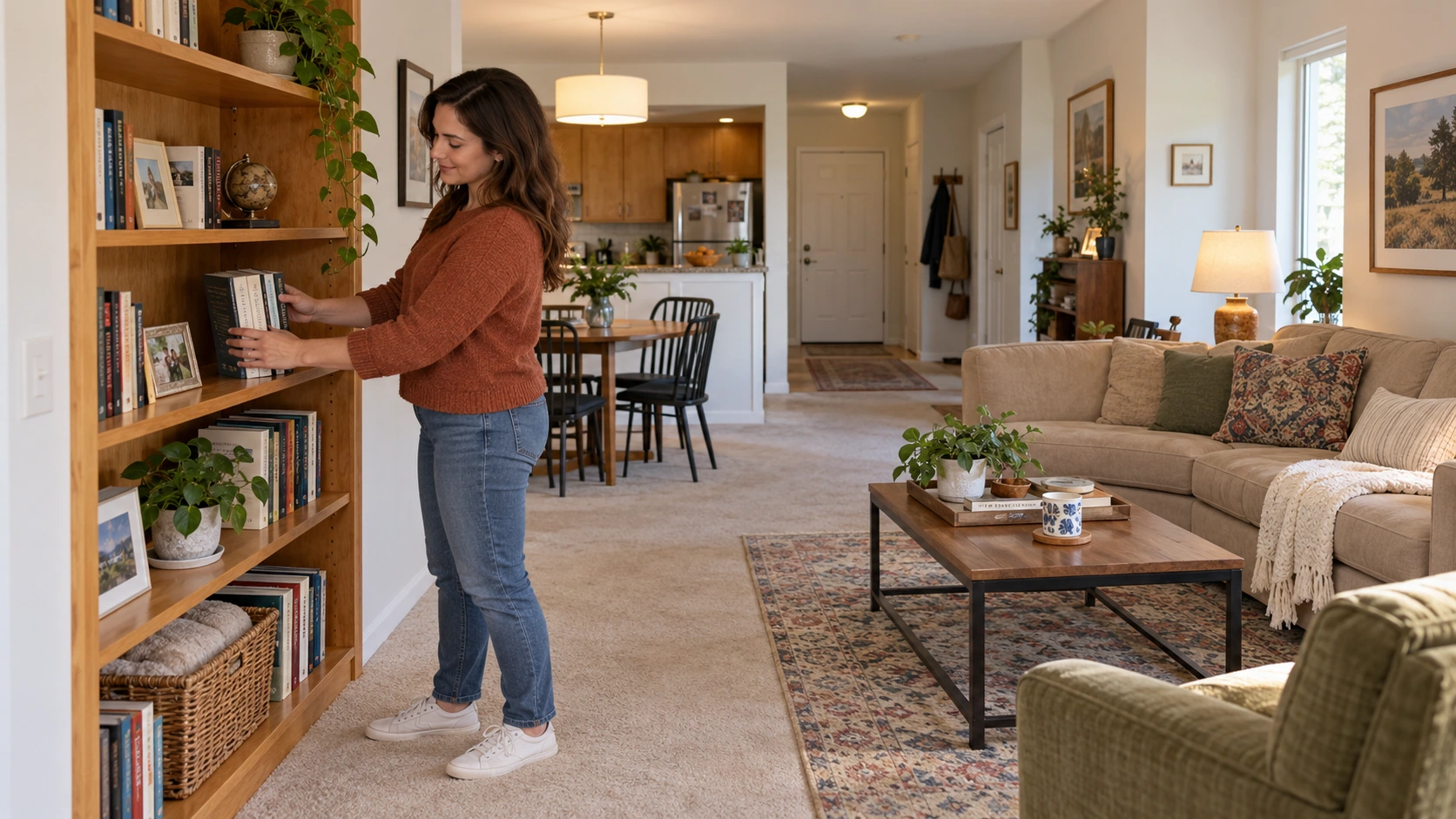
A woman arranges books on a wooden shelf in a furnished home
A resident arranges books on a shelf.

Indiana planning

Bring the places, contents and receiving plan into one useful brief

Send the coordinator the two complete addresses, inventory, date constraints and selected work. Include the vehicle approach, entrance, stairs and any uncertain turn, with useful photographs and measurements. Explain possession, building instructions, the authorized receiver and a possible storage or border stage. Identify what the household will prepare itself and what needs review by the team. That information lets the proposal address the real home and goods.

Review the five stages together: describing the household, confirming access, agreeing the written plan, preparing for collection and receiving the shipment. Keep responsibilities clear between the household, moving team and building or receiving contact. Choose the delivery model around the actual contents and receiving arrangement, and read the written price, protection and included tasks alongside it. Report changes before relying on an earlier proposal.

The city and county portraits remain available while the household develops its shortlist. The existing guides below can help plan the other end of an interstate journey, and the grouped primary sources support local procedures and dated figures. Use the final conversation to resolve what is still particular to the household: the uncertain item, the narrow opening, the fixed appointment or the time between homes. A complete brief turns general interest in Indiana into a move that can be reviewed and agreed.

Verified data

Indiana planning data

Planning factEstimateVintageSource
Total housing units2,976,5682024 ACS 5-yearU.S. Census Bureau
Detached single-unit homes2,162,475 · 72.6% of housing units2024 ACS 5-yearU.S. Census Bureau
Homes built in 1939 or earlier474,947 · 16.0% of housing units2024 ACS 5-yearU.S. Census Bureau
Owner-occupied homes1,916,243 · 70.6% of occupied homes2024 ACS 5-yearU.S. Census Bureau
Renter-occupied homes799,766 · 29.4% of occupied homes2024 ACS 5-yearU.S. Census Bureau
Residents age 1+ from another U.S. state one year earlier2.0% · not net migration or shipments2024 ACS 1-yearU.S. Census Bureau

Planning answers

Indiana moving questions

Straightforward answers about prices, packing, delivery and getting settled.

Ask about your move
Where should I start when comparing places to live in Indiana?

Choose a few different settings from the map and city portraits, then investigate their neighborhoods. Indianapolis and Carmel, northern cities such as Fort Wayne and South Bend, and southern river settings such as Evansville and New Albany offer different introductions. Visit the streets around a possible home, locate services and try the journeys that matter. A popular attraction can begin the search, but the property and ordinary routine need their own review.

Do all Indiana appointments use the same time zone?

No. Most of Indiana uses Eastern time, but twelve northwestern and southwestern counties use Central time. Porter County, including Valparaiso, and Vanderburgh County, including Evansville, are in the Central group. Write the town, date, local time and zone on the appointment, then confirm that the household, coordinator, property contact and receiver mean the same time. Check the official Indiana time-zone source when arranging a journey across those areas.

Is the Indianapolis city-balance reference the same as Marion County?

No. The Census city balance is a defined part of the consolidated-city arrangement and excludes other separately incorporated places. Marion County covers a different geographic extent. Keep the actual municipality and full address clear when comparing population, contacting a property or arranging documents. The county directory provides a wider reference without treating all of Marion County as the Indianapolis city balance or combining separately incorporated communities.

What should I send for a useful interstate moving proposal?

Send both complete addresses, the full inventory, date constraints and the work you want included. Add clear photographs of the vehicle approach, entrance, steps and interior turns, with measurements for an uncertain piece. Include cupboards and stored contents, not only large furniture. Explain building instructions, the authorized receiver and a storage or border stage. This lets the coordinator review the actual household rather than infer the work from a bedroom count.

What should I check before choosing an Indiana-only household-goods mover?

Identify the actual business and check its Indiana operating authority for the proposed work. DOR administers the relevant household-goods authority and Certificate of Public Convenience and Necessity. Ask for the written estimate, applicable tariff provisions and contract, and compare the same contents, access and services. The company’s interstate planning does not itself establish a local-only service in every Indiana city or confirm another provider’s current authority.

How can I see the tariff behind an Indiana household-goods quote?

Ask the mover for the applicable tariff and the provisions explaining the work and charges. DOR states that the business may not charge an amount absent from its tariff, and keeps the current tariff on file and available to the public on request. Review relevant waiting-time and access provisions as well as the main rate. Keep those provisions with the written estimate and contract so that the price comparison uses the same assumptions.

Does an Indiana-only estimate work the same way as an interstate flat rate?

They need separate review. For an Indiana-only proposal, examine the actual provider, applicable tariff and written records. For the company’s confirmed interstate service, the agreed flat rate stays unchanged when the same agreed work or journey takes longer. If the contents, property or requested tasks change, discuss and agree the revised scope and price in writing. Do not replace either arrangement with an assumed number of hours or completion cap.

What records help if I have a loss or damage concern?

Keep the inventory, condition photographs, estimate, applicable contract and delivery records. Identify the specific item and concern, preserve useful evidence and raise the matter in writing with the carrier. Check the requirements and time limits that apply to the actual shipment and protection terms. Retain correspondence and copies. A general agency link does not establish a filing deadline for your claim or remove the need to follow the applicable procedure.

Does an agency complaint replace the claim to the moving carrier?

No. Treat the agency complaint and the shipment claim as separate steps. Keep the written claim, supporting evidence and carrier correspondence, and follow the requirements applying to that shipment. DOR provides Indiana intrastate authority and tariff information; the Indiana Attorney General has a consumer-complaint channel. Interstate shipments have relevant federal resources. Use the channel suited to the concern without assuming that an agency submission completes the contractual claim or guarantees reimbursement.

What should I verify about an interstate mover or broker?

Identify the business arranging the shipment and the carrier that will physically move it. Use FMCSA’s resources to check the relevant registration, authority, insurance information and complaint records for those entities. Read the written estimate, bill of lading, inventory and protection terms, and do not sign blank documents. Keep copies accessible and arrange someone who can supervise receiving if you cannot attend. A link to the database is not a company-specific verification result.

What does dedicated direct delivery include for the company’s interstate service?

The reviewed shipment uses a dedicated truck and the same moving crew at pickup and drop-off under the company’s confirmed arrangement. Give the coordinator the full contents, both properties and receiving constraints before agreeing the proposal. Review actual timing and any appointment alongside access and preparation. A delivery-model name or short road distance alone does not confirm that the goods can arrive and be received on a particular day.

When is consolidation suitable, and when does its delivery window start?

Consolidation may suit a smaller shipment after individual review of the contents, route, access and receiving needs. It has an agreed wider delivery window; confirm the actual Indiana arrangement rather than inherit another state’s limit. For the company’s service, the window starts after pickup and loading are complete. Plan accommodation, personal essentials and an authorized receiver alongside it. Do not assume the dedicated direct service’s same-crew arrangement applies to consolidation.

How do I check whether large furniture will fit through the home?

Show the complete route and measure the doubtful piece together with its narrowest openings and turns. Include the porch, landing, stairs, projecting fittings and room approach. Ask which basic preparation is suitable and included, and mention fragile finishes or damaged joints. Resolve the destination route as well as the origin route before collection. A clear door width alone does not prove that a deep piece can make the next turn safely.

Are packing work and company-supplied cartons included automatically?

Choose the packing work explicitly. For the company’s confirmed interstate service, packing uses working time and company-supplied cartons are charged separately. Ordinary blankets, shrink wrap and tape have no separate basic-material charge. Describe the cupboards, shelves, delicate contents and stored goods needing attention, and agree what the household will pack itself. Put the selected tasks and materials in the proposal so that a partial packing arrangement is not confused with the full household.

Is there a separate basic furniture assembly or disassembly labor fee?

Under the company’s confirmed service, basic furniture assembly and disassembly uses working time without a separate basic labor fee. Identify the actual pieces and include the reviewed preparation in the scope. Unusual fittings, specialist installations, damage or a doubtful opening may need separate assessment. Keep instructions and hardware with the correct item, and prepare enough room at the destination for safe placement and the agreed reassembly.

Will the interstate flat rate rise if the same journey takes longer?

No. The company’s agreed interstate flat rate stays unchanged if the same agreed work or journey takes longer. Keep the contents, included tasks, access and receiving arrangement accurate in the proposal. Additions or different requested services need review and a revised written scope and price. Clear records help distinguish completing the original task from undertaking new work after the household changes the shipment or plan.

Does delivery include unpacking all the cartons?

No. Furniture unwrapping is part of the company’s agreed delivery service, while removing contents from cartons is an optional task using working time. Discuss which rooms or goods you want unpacked and include that work in the proposal. Packaging and waste arrangements should be clear separately. Keep first-night essentials accessible and prepare a room plan so that ordinary use of the home can begin while the household works through the remaining cartons.

Can someone else receive my shipment at the Indiana home?

Yes, arrange an authorized receiver before delivery. Give that person the inventory, room plan, included work and coordinator’s contact details. They need to provide access, direct placement, check the goods and record a specific concern. Confirm their availability for the agreed delivery arrangement and property appointment, with the correct local time zone. Briefly unlocking the door does not cover every decision and check needed during receiving.

What if the new home is not ready when the goods can arrive?

Discuss storage and later delivery before collection. Identify the location and provider, inventory and condition record, access, charges, next receiver and responsibility for the later stage. Explain what remains uncertain about possession or the appointment. Keep personal essentials and documents with the people traveling, and update the plan when the home becomes available. Do not assume free storage, unlimited access or a waiting vehicle without a defined agreement.

How should I prepare for an Indiana move during winter conditions?

Check current weather, road information and the relevant county travel status, then confirm the actual property approach. Agree who will keep the entrance and working path available and report changed access to the coordinator. Prepare keys, contacts, clothing and first-night essentials for the people traveling. Advisory, watch and warning levels have different meanings; follow the current local instructions and review the receiving arrangement promptly if the home cannot be used as agreed.

Does a state-road permit also cover the final city street or loading space?

No. When an oversize or overweight arrangement is required, its road scope still matters. DOR’s split-trip guidance separates state-maintained segments from city and county roads, and INDOT’s clearance map covers interstate, U.S. and state routes. Review local roads with the relevant owner and obtain property or building instructions separately. Such a route arrangement does not grant permission to occupy a curb, use a driveway or block a shared entrance.

When should a new resident obtain an Indiana driver’s license?

BMV says a new resident holding a valid other-state driver’s license has 60 days to obtain an Indiana license. Requirements depend on age, validity and origin. Adults need the applicable identity, lawful-status, Social Security and residency documents and a vision check; expired licenses and some other cases require testing. Use the current BMV checklist for your situation, surrender applicable other-state credentials and keep driver licensing separate from vehicle title and registration tasks.

When must a new resident title and register an owned vehicle in Indiana?

BMV gives new residents 60 days to apply for an Indiana title or submit the applicable title request for owned out-of-state-titled vehicles, and 60 days to register owned vehicles. Prepare the required ownership, VIN inspection, address and insurance records. Check the emissions program for Lake or Porter County. The 45-day deadline for a newly acquired unregistered vehicle is a different case, so follow the checklist for the actual vehicle and transaction.

How should I begin an Indiana–Canada household move?

Review the complete journey, contents, dates and receiving arrangements with the coordinator. For entry into Canada, check the CBSA arrival category and conditions that apply to the household. Prepare two goods-list copies with accompanying and goods-to-follow sections, present the list at the first entry and retain the personal-effects accounting record. Review ownership, possession, use and item restrictions before collection. The moving arrangement does not itself decide immigration eligibility or guarantee border release.

Primary sources

Sources for the decisions in this guide

Official resources for choosing a community in Indiana and preparing the move. Figures retain their stated dates; follow current agency guidance for your own circumstances.

Indiana-only authority, charges and consumer channels

4 sources
  • Intrastate household-goods operating authorityIndiana Department of Revenue · Motor Carrier Services

    Certificate, required filings and current tariff information; check the actual provider for the proposed Indiana-only work.

  • Tariff guidanceIndiana Department of Revenue · Motor Carrier Services

    Rates and accessorial charges, waiting time and impracticable operations in the applicable tariff.

  • Getting started with household-goods authorityIndiana Department of Revenue · Motor Carrier Services

    Required authority and insurance filings; DOR keeps the tariff available to the public on request. Passenger insurance figures are a separate subject.

  • Consumer-complaint channelsIndiana Attorney General · Consumer Protection Division

    The consumer-complaint channel is separate from a shipment claim and its applicable filing requirements.

Interstate records and Canadian arrival

4 sources
  • Tips for a successful interstate moveFederal Motor Carrier Safety Administration

    Actual mover and broker identities, written estimate, bill of lading, inventory, protection choices and authorized receiving.

  • Interstate mover and broker searchFederal Motor Carrier Safety Administration

    Check the actual business and its current role and records; this link does not imply a company-specific verification result.

  • Moving-fraud informationIndiana State Police

    Interstate consumer information and referral to FMCSA resources.

  • Moving or returning to CanadaCanada Border Services Agency

    Arrival categories, personal-effects conditions and separate accompanying and goods-to-follow records.

Resident documents and Indiana time zones

3 sources
  • New Indiana residentsIndiana Bureau of Motor Vehicles

    Ordinary valid other-state license transfer period, age and testing cases, title application and relevant documents.

  • Vehicle registrationIndiana Bureau of Motor Vehicles

    Owned-vehicle new-resident 60-day registration differs from newly acquired unregistered-vehicle 45-day requirements; check Lake and Porter emissions provisions.

  • Indiana time-zone informationState of Indiana · State Information Center

    Most counties use Eastern time; the listed twelve northwestern and southwestern counties use Central time.

City settings and the wider region

12 sources
  • Indianapolis · Mass AveVisit Indy

    Arts, theater, independent shops and a downtown cultural-district introduction.

  • Fort Wayne neighborhoodsVisit Fort Wayne

    Downtown, West Central, Historic Northeast and other distinct city neighborhoods.

  • Evansville neighborhoodsExplore Evansville

    Downtown and the Ohio River setting, Haynie’s Corner, North Main and West Franklin Street.

  • South Bend · East Bank VillageVisit South Bend Mishawaka

    River parks, local arts and public places; the source lists East Race Waterway closed for the 2026 season.

  • Bloomington courthouse squareVisit Bloomington

    The limestone courthouse setting, galleries, independent shops and food.

  • Downtown CarmelHamilton County Tourism

    Arts & Design District, Midtown, City Center and Monon Trail connections.

  • Lafayette and West Lafayette districtsVisit Lafayette–West Lafayette

    Lafayette Arts & Market, the shared riverfront and separate West Lafayette and Purdue settings.

  • Terre Haute · 41|40 Arts & Cultural DistrictTerre Haute Convention & Visitors Bureau

    Downtown arts, public sculpture and performance in the Wabash city setting.

  • Downtown MuncieDestination: Muncie

    Historic downtown arts and theater with Ball State and Minnetrista destinations kept in their actual locations.

  • Columbus architecture and city introductionVisit Columbus Indiana · Columbus Area Visitors Center

    Modern architecture, public art, downtown and the wider Bartholomew County visitor setting.

  • Downtown ValparaisoIndiana Dunes Tourism

    Central Park Plaza, historic shops and cultural destinations within the wider Porter County visitor region.

  • New Albany and Ohio River surroundingsSoIN Tourism

    Historic Main Street, Mansion Row, cultural history and Ohio River Greenway; Louisville is a separate Kentucky city.

Roads, current conditions and household preparation

5 sources

Dated housing, population and geographic evidence

8 sources

Photographs are original representative illustrations, not customer jobs or identified addresses.

Let’s plan your move

Tell us about your Indiana move.

Tell us where you are moving, what you are taking and your preferred dates. Add any packing, furniture preparation, unpacking or storage help you need.

A Sterling Oakbridge move coordinator in the planning office