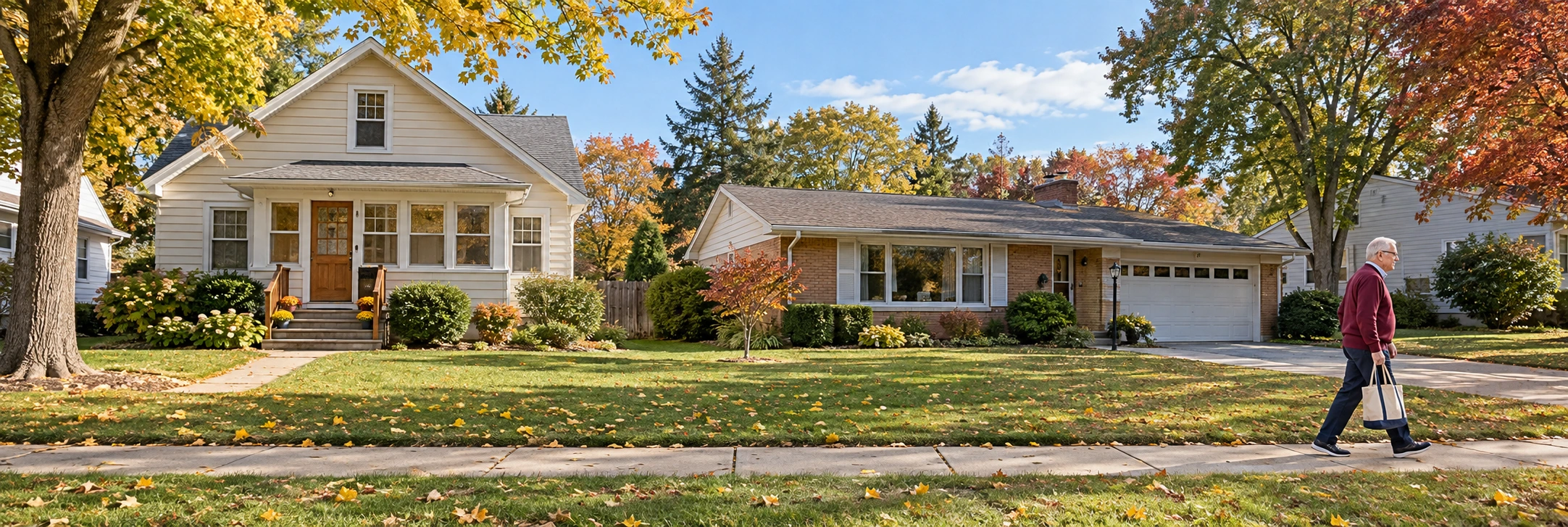
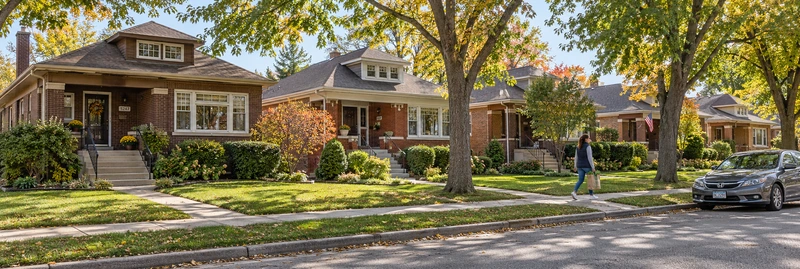
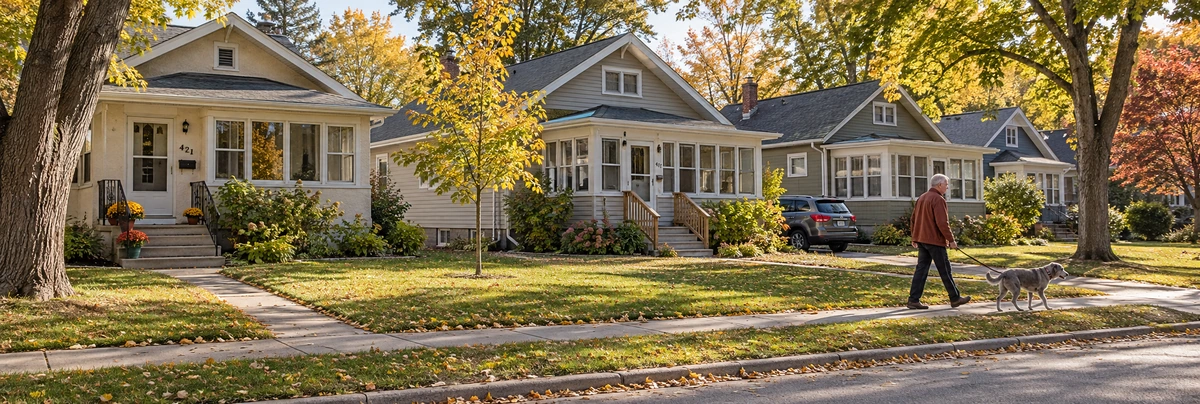
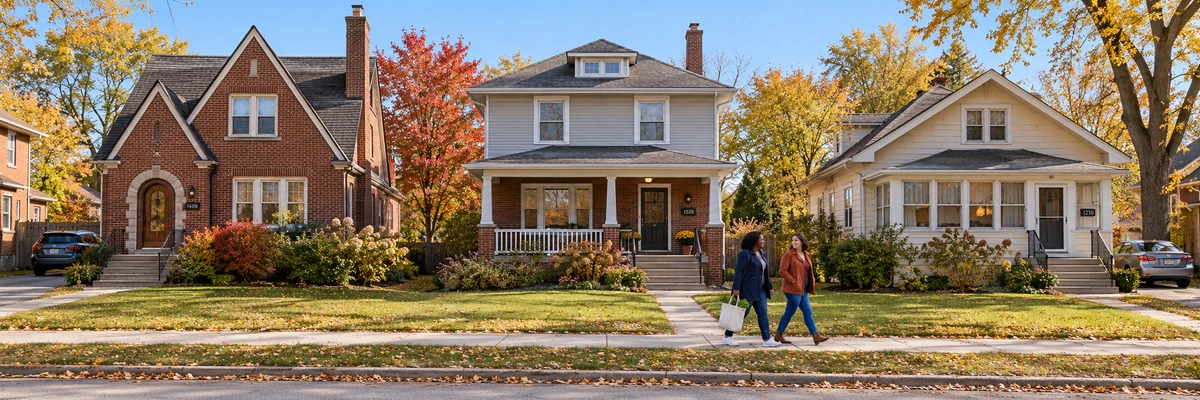
An older man with a canvas tote walks past a cream bungalow and brick ranch on an autumn sidewalk.

State moving guide

Moving to Wisconsin: cities, homes and preparation

Explore Wisconsin’s lakefront neighborhoods, river cities and different kinds of home. Compare the moving arrangements, prepare both properties and connect delivery with a home that is ready to receive your household.

Wisconsin planning

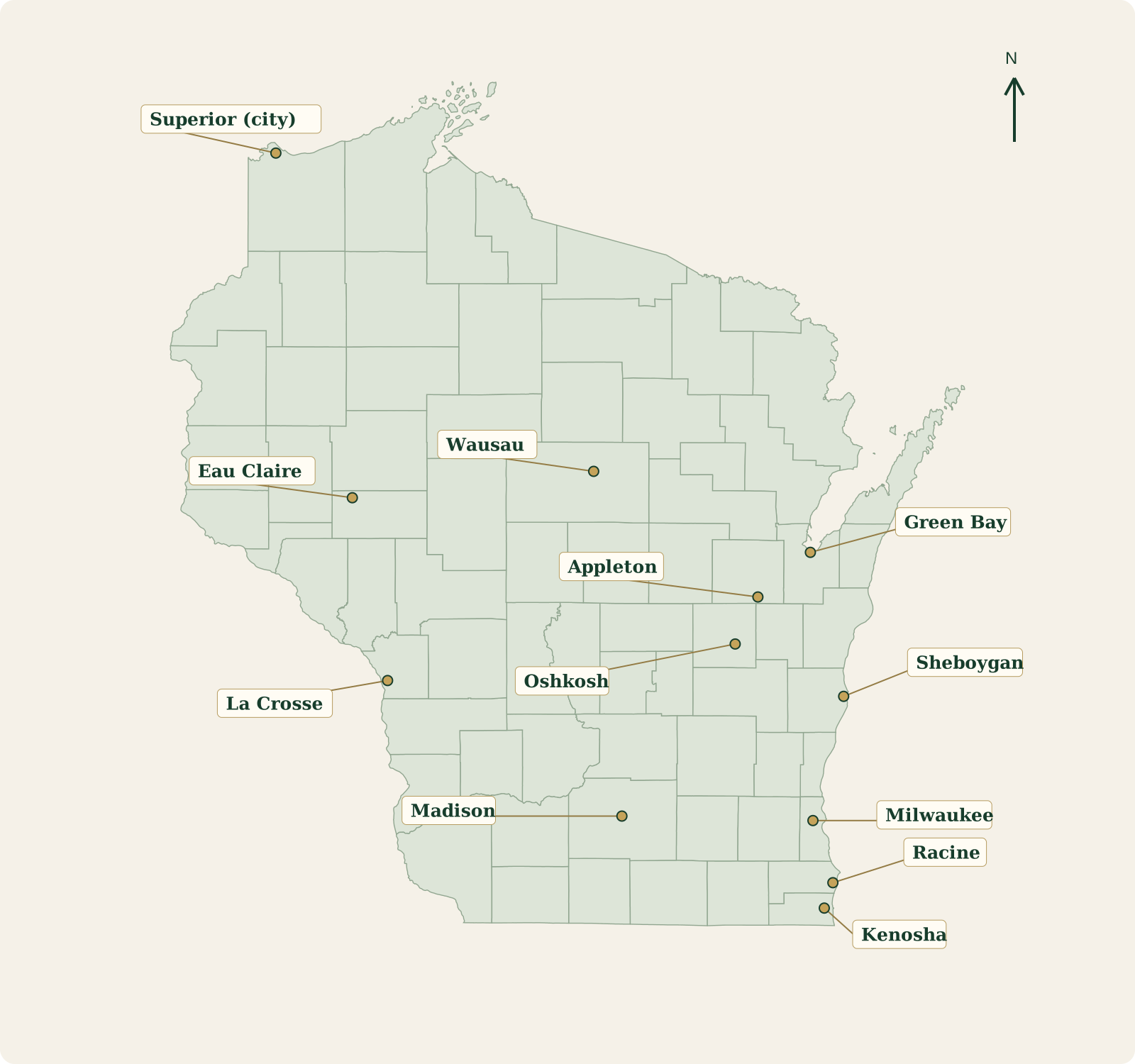
Find the Wisconsin setting you would like to explore

Start with a few places that suggest the life you want to build. Milwaukee introduces a larger city through its neighborhoods, warehouse arts district and Lake Michigan surroundings. Madison offers a different comparison around the Capitol and distinct neighborhood shopping streets. Green Bay, Appleton and Oshkosh bring separate city centers into the wider northeastern Wisconsin conversation. They are useful starting points, rather than interchangeable names for one place.

The western and northern portraits add other possibilities. Eau Claire brings two rivers together downtown; La Crosse connects a historic center with the Mississippi and bluffs. Wausau offers a central square, arts venues and a Wisconsin River setting. Superior looks toward Lake Superior and its harbor. Kenosha, Racine and Sheboygan introduce three different stretches of Lake Michigan city life.

Use the map and portraits to decide where to look more closely, then examine the actual residential neighborhood, home and ordinary journeys. If the address is already settled, begin with the shipment and receiving dates. Sterling Oakbridge reviews interstate household moves involving Wisconsin against the two addresses, contents and requested work. The practical chapters help you turn that information into a clear brief and compare the written arrangements.

Wisconsin cities and regions
Explore twelve Wisconsin cities, from Lake Michigan and the capital to western river communities and Lake Superior.

Wisconsin planning

Compare lakefront neighborhoods, the capital and river cities

Milwaukee's Historic Third Ward offers converted warehouses, galleries and the Public Market; Bay View adds another neighborhood introduction through local shops and lakeside parks. Farther south, Kenosha's downtown connects with its harbor and public waterfront, while Racine's North Beach lies near its center. Sheboygan's riverfront and South Pier provide a different Lake Michigan starting point. Visit the parts that interest you before assuming that a whole shoreline has one kind of neighborhood or housing.

Madison's Capitol and downtown differ from the independent shops and restaurants around Monroe Street, Atwood and Willy Street. In northeastern Wisconsin, compare Green Bay's On Broadway and Olde Main Street districts with College Avenue in Appleton and the Fox Riverwalk in Oshkosh. A regional visitor itinerary may connect several municipalities; a household still needs to choose a specific place and property.

For another contrast, explore Eau Claire's downtown river junction and footbridges, La Crosse's historic commercial streets, or Wausau's 400 Block and nearby arts venues. Superior's harbor and Wisconsin Point introduce the far northwest. Public parks and visitor districts make useful first visits. Extend the research to groceries, work or study journeys, property arrangements and the routines that matter to your household.

City portraits

Explore Wisconsin’s cities

Explore twelve different Wisconsin city settings, then investigate the homes, neighborhoods and everyday journeys behind your shortlist.

Two visitors stand beside a gallery window on a brick warehouse street with downtown towers beyond.WI

Milwaukee

Milwaukee rewards a neighborhood-by-neighborhood introduction. The Historic Third Ward combines former warehouses, art galleries and the Public Market, with the river nearby. Bay View offers another starting point through local shops, parks and Lake Michigan surroundings. Choose a district that interests you, then explore the residential streets and ordinary journeys beyond an initial visit. A lively visitor destination and a suitable home are different discoveries. Compare the actual property, neighborhood routines and receiving arrangements without assuming that one familiar district describes the whole city or its wider metropolitan area.

A woman holds a paperback beside an outdoor book display, with a pale dome beyond downtown shops.WI

Madison

Madison offers several distinct ways into city life. Begin around the Capitol and downtown for civic architecture, museums and local shops, or explore Monroe Street, Atwood and Willy Street for different neighborhood settings. A university-related visit can introduce one part of the city without describing every residential area. Spend time around a possible home and consider the journeys and services your household would use. Keep Madison separate from the wider Dane County and visitor region when checking the property. The useful shortlist is specific enough to compare ordinary routines as well as an enjoyable afternoon.

A man in an olive jacket stands at a riverside railing with a bridge and downtown buildings across the water.WI

Green Bay

Look beyond a single familiar image of Green Bay. Downtown's On Broadway and Olde Main Street districts offer local shops, food and cultural stops, with the Fox River giving another way to explore the center. Those public settings can help you decide which surrounding residential areas to investigate. Check the municipality of a possible home carefully: a Green Bay postal or marketing address can belong to another community, including Allouez. The city, county and wider regional itinerary are different scales. Compare the actual neighborhood and household routines before turning a visit into a property decision.

Two women walk beside a metal sculpture on a harbor path with brick shops and a distant lighthouse.WI

Kenosha

Kenosha's downtown and harbor make a connected introduction to this part of Lake Michigan. Explore local shops and galleries, then compare the public waterfront around HarborPark and Simmons Island. Museums, sculpture and different shoreline views give a visit several possible starting points. Continue into the residential area that interests you rather than treating the visitor route as the whole city. An address near the lake still needs its own property and everyday-journey review. Keep the setting that attracts you connected with the home, services and receiving arrangements your household would actually use.

A paved lakeside path and bench border a sandy beach, with visitors, downtown buildings and a distant breakwater.WI

Racine

Racine offers a Lake Michigan city introduction with North Beach close to downtown. The public shoreline can give a visit a different rhythm from exploring the central streets and local businesses. Use both settings to decide what you would like to investigate beyond a day at the water. A place described as being in Racine County may lie outside Racine city, so locate the actual municipality and residential neighborhood. A well-known beach does not establish a home's conditions or daily convenience. Examine the property and ordinary routines that would support the household's next chapter.

A vendor hands a paper bag to a shopper at a produce stall on a tree-lined downtown market street.WI

Appleton

College Avenue provides one useful starting point in downtown Appleton. Local shops and cultural venues sit within a city center that also hosts a seasonal farm market. Check the current program when planning a particular visit; an event schedule is separate from the ordinary character of a neighborhood. The wider Fox Cities region includes other municipalities, each with its own center and homes. Choose the part you want to explore, then investigate the actual address and the journeys around it. Appleton is a specific city in that regional conversation, rather than another name for every Fox Cities destination.

A woman sketches on a park bench beside a river, with a footbridge and downtown buildings beyond.WI

Eau Claire

Eau Claire's downtown river junction gives the city a distinctive point of introduction. The Chippewa and Eau Claire rivers meet here, while footbridges create different views and connections through the center. Explore that public setting alongside the music and local businesses that interest you. The wider visitor region extends into other communities, so keep the actual residential location clear. A walk beside the river helps you get to know a place without establishing an individual property's flood conditions or receiving approach. Extend the visit to the neighborhood, home and everyday journeys behind the shortlist.

A man walks a bicycle beside a riverfront railing, with brick downtown buildings and a bridge beyond.WI

Oshkosh

Oshkosh offers a downtown introduction through Main Street, Opera House Square and the Fox Riverwalk. Shops, public art and seasonal music give the center several different points of interest. The riverwalk connects public destinations with views along the water; it is distinct from the approach to a particular home. Explore the residential streets and routines that would matter after the visit, and check the current schedule for a specific event. A city portrait can focus the search while leaving room to compare different homes and neighborhoods within the wider Oshkosh setting.

A woman carries a paper-wrapped parcel along a brick downtown street, with river bluffs visible beyond.WI

La Crosse

La Crosse brings historic downtown streets into a Mississippi River and bluff setting. The commercial district offers older architecture, local shops and places to spend time between visits to the public riverfront. It is a useful contrast with the eastern Wisconsin lakefront cities in this guide. The wider La Crosse visitor region includes other communities and destinations, so confirm the actual location of a possible home. A scenic outlook or enjoyable downtown walk does not describe every residential street. Investigate the neighborhood and ordinary journeys that would make the place useful to your household.

An older man reads a newspaper on a wooden bench beside a green city square and older downtown buildings.WI

Wausau

Wausau's 400 Block gives the center a clear gathering place, with nearby shops and cultural stops such as the Grand Theater. The Wisconsin River and river-edge paths add another way to explore the city. These are distinct introductions within a wider Marathon County setting. Spend time in the residential area that interests you and consider how the household would use local services and everyday routes. A downtown event or arts visit can start the conversation without settling the property choice. Confirm the particular home and municipality before arranging the next practical steps.

A woman holds a phone toward a harbor from a paved riverfront walkway beside shops and a railing.WI

Sheboygan

Sheboygan's riverfront and South Pier offer a Lake Michigan city visit with local shops, food stops and changing views toward the water. Public art gives another way to explore downtown and connect different parts of an afternoon. Treat those visitor settings as an introduction, then investigate the residential neighborhood that interests you. A waterfront destination does not establish that every home shares its outlook or conditions. Keep the actual city address separate from the wider Sheboygan County area, and compare the ordinary services and journeys that would shape life after the move.

A sandy path passes pines and dune grasses toward Lake Superior, with distant walkers and a harbor-entry light.WI

Superior

Superior introduces the far northwest through its harbor and Lake Superior surroundings. Wisconsin Point adds dunes, pines and views toward the entry lighthouse, offering a different public landscape from a downtown shopping itinerary. The city is the featured Superior here; the separate Village of Superior has its own directory entry. Duluth is across the state line in Minnesota, rather than another Wisconsin neighborhood. Use the broader setting to choose where to explore, then examine the actual residential address and everyday routines. A harbor or beach visit does not establish a particular home's conditions or truck approach.

Wisconsin planning

Distinguish a city, village, town and postal address

A Wisconsin address can carry a familiar city name while belonging to a different municipality. A home advertised with a Green Bay address, for example, may be in the Village of Allouez. Confirm the actual jurisdiction through the property records or relevant local office. A postal label or tourism region does not establish which municipality controls a road, building requirement or other local matter.

The incorporated-place directory keeps another distinction visible. Pewaukee, Superior and Waukesha each have separate city and village entries in the Census source used here. The qualified names preserve those different identities; the featured Superior portrait and map point refer to Superior city. Do not merge two entries simply because their familiar short names match.

Counties cover a wider geographic scale. Dane County is not another name for Madison, and a county population is not a city or metropolitan population. The directory includes active incorporated cities and villages, rather than every postal name, statistical community or Wisconsin town civil division. Geographic references also do not establish a company office, a completed local article or an available Wisconsin-only moving service.

More places to explore

Keep exploring Wisconsin communities

Looking beyond the featured cities? These communities offer more starting points for your Wisconsin home search.

Ask about your Wisconsin move →

Wisconsin planning

Show the approach and every entrance the goods will use

Photograph the route from the proposed truck stopping place to the intended rooms at both homes. Include the walking surface, steps, landings, gates and first interior turns. A bungalow with a broad front window may still have a raised entrance and a second opening beyond it. A low ranch can have front steps, a storm door, an inward-swinging main door and fixed storage close to the entry. The overall house shape does not settle the handling route.

Include the goods beyond the main living rooms. A basement, garage, attic or outbuilding can change the contents and work considerably. Show the relevant stairs and turns, and measure an uncertain piece together with the tightest opening. A side driveway that reaches a garage does not by itself establish space or permission for the moving vehicle.

Obtain instructions from the property or building contact before collection. Confirm the usable entrance, stopping location and any appointment or access restriction. Explain a changed surface, snowbank, blocked doorway or different receiving entrance promptly. The coordinator can then review the practical arrangement and have added handling or other changed work addressed in writing.

Two movers in green shirts carry a fully quilt-covered chest on a level path in front of a cream bungalow.
Two movers carry protected furniture along a level front path.

The moving process

Your move, step by step

  1. 1

    Describe the household

    Send the two addresses, complete contents, dates and the work you want included.

  2. 2

    Confirm the access

    Show the approach and interior route, and obtain building and loading instructions.

  3. 3

    Agree the written plan

    Review the inventory, price, protection, payment and delivery arrangement together.

  4. 4

    Prepare for collection

    Finish the chosen packing, keep essentials apart and make the working path available.

  5. 5

    Receive the goods

    Have an authorized person ready, direct placement and check the inventory and condition.

Ready when you are

Ready to discuss your move?Tell us where you are moving, what is coming with you and the dates you have in mind.

Wisconsin planning

Check the provider for a Wisconsin-only move

For a move entirely within Wisconsin, ask about the actual provider's Wisconsin operating authority for the proposed work. WisDOT describes intrastate for-hire property authority and the certificate identified by an LC number. Use the provider's legal business identity when making that inquiry. Federal interstate registration and state intrastate authority serve different purposes; one check should not be treated as the complete answer for every journey.

Request a written proposal that describes the same goods, addresses and services you want to compare. Ask how charges are calculated, what preparation is included and how changes to contents, packing, stairs, walking distance, storage or access will be reviewed. Record pickup, payment and receiving arrangements, including any conditions attached to an estimate. Resolve an unexplained term before relying on the total.

This guide's company information concerns review of an actual interstate household brief. It does not establish a Wisconsin local office or confirm a Wisconsin-only service assignment. Keep the local provider check and its charging documents separate from the company's confirmed interstate flat-rate terms. An authority number is also distinct from a promise about an individual job's outcome.

County guides

Explore the area around your new home

Compare six county settings connected with the city portraits, then explore all 72 Wisconsin counties.

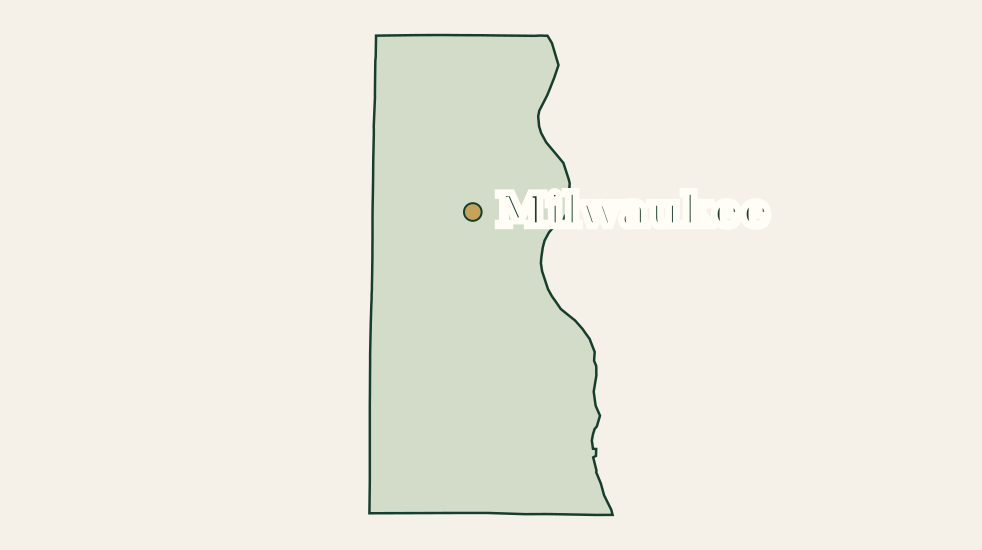
Milwaukee County with Milwaukee marked
Milwaukee neighborhoods and the wider county settingPop. 926,331 · 2024

Milwaukee County

Milwaukee's Historic Third Ward and Bay View introduce different parts of a larger city, through warehouse arts, local shops and lakeside parks. Milwaukee County includes other municipalities, so locate the actual home rather than treating the county as another name for a featured neighborhood. Compare the ordinary services and journeys around the address. An older bungalow's raised entrance or second opening needs its own review, while another property may have different building instructions. The dated county population supplies geographic context; it is not a count of city residents, available homes or household movers.

Key communities

Milwaukee

Check mover credentials →
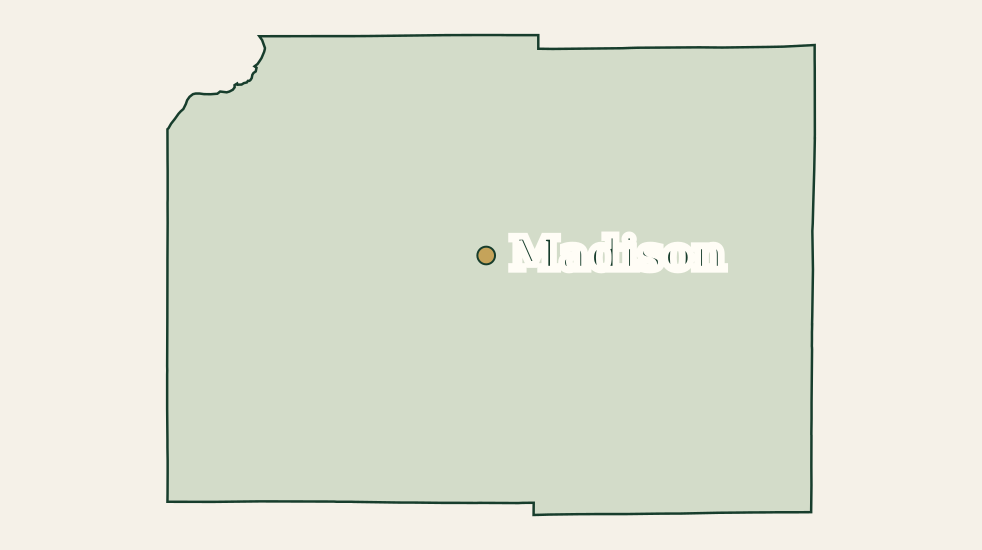
Dane County with Madison marked
Madison and the wider capital-region countyPop. 572,674 · 2024

Dane County

Madison's Capitol, downtown and distinct shopping streets offer several introductions within Dane County. The wider county and visitor region include other communities and should not be treated as one city neighborhood. Explore the residential area and actual property that interest you, then consider the work, study and daily-use journeys your household would make. A low ranch facade and a managed apartment can require very different receiving arrangements. Confirm the municipality, possession and relevant property instructions separately. County population describes the dated county extent rather than a current housing search result.

Key communities

Madison

Check mover credentials →
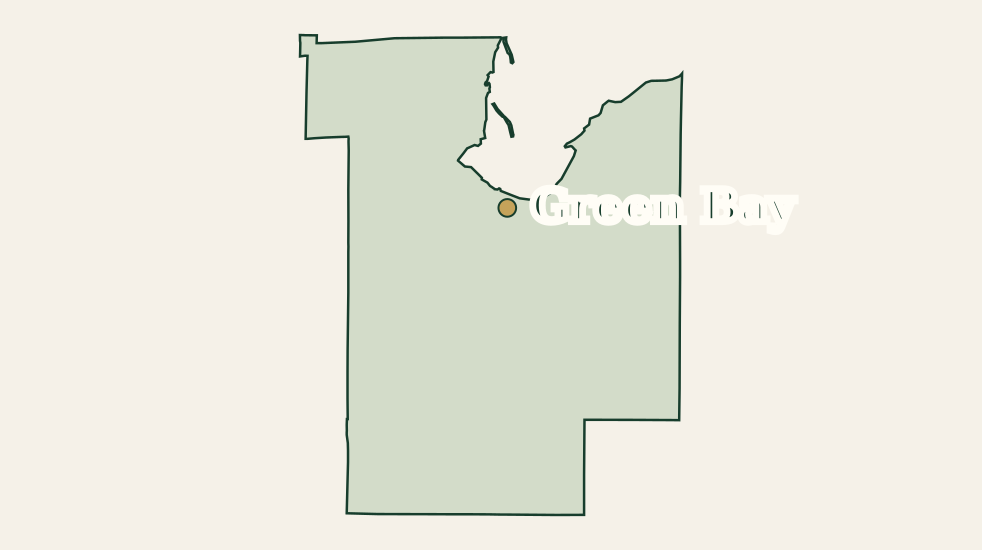
Brown County with Green Bay marked
Green Bay and separate northeastern communitiesPop. 270,892 · 2024

Brown County

Green Bay's Fox River surroundings, On Broadway and Olde Main Street districts offer one city introduction within Brown County. The county includes separate municipalities; Allouez is a village, even when a property uses Green Bay in its postal or marketing address. Confirm the actual jurisdiction and neighborhood of a possible home. A ranch entry with steps, fixed storage or a storm door still requires its own handling review. Keep the county estimate separate from a Green Bay city population or wider regional itinerary, and investigate ordinary services and journeys around the address.

Key communities

Green Bay

Check mover credentials →
Eau Claire County with Eau Claire marked
Eau Claire’s river-city introduction and county contextPop. 107,116 · 2024

Eau Claire County

The featured city's downtown river confluence and footbridges introduce a western Wisconsin setting. Eau Claire County is a wider geographic unit, and neither a county name nor a visitor-region label fully identifies a particular property. Check the home's municipality and county through its own records rather than assigning every city address from a general portrait. Explore the residential streets and routines behind a shortlist. Public river paths do not establish individual property conditions or the permitted truck approach. Keep the population estimate at its county scale and review the actual home and receiving arrangements separately.

Key communities

Eau Claire

Check mover credentials →
Marathon County with Wausau marked
Wausau and the wider central Wisconsin countyPop. 138,403 · 2024

Marathon County

Wausau's 400 Block, arts venues and Wisconsin River surroundings offer a city introduction within Marathon County. The county covers a wider range of communities and settings, rather than one downtown or a single type of home. Locate the actual address and explore the journeys and services that would support the household. Confirm property instructions and the usable approach independently of an enjoyable public-square visit. Seasonal road and private-entrance conditions need current checks for the proposed day. The county population is dated context, not the number of Wausau homes or current moving households.

Key communities

Wausau

Check mover credentials →
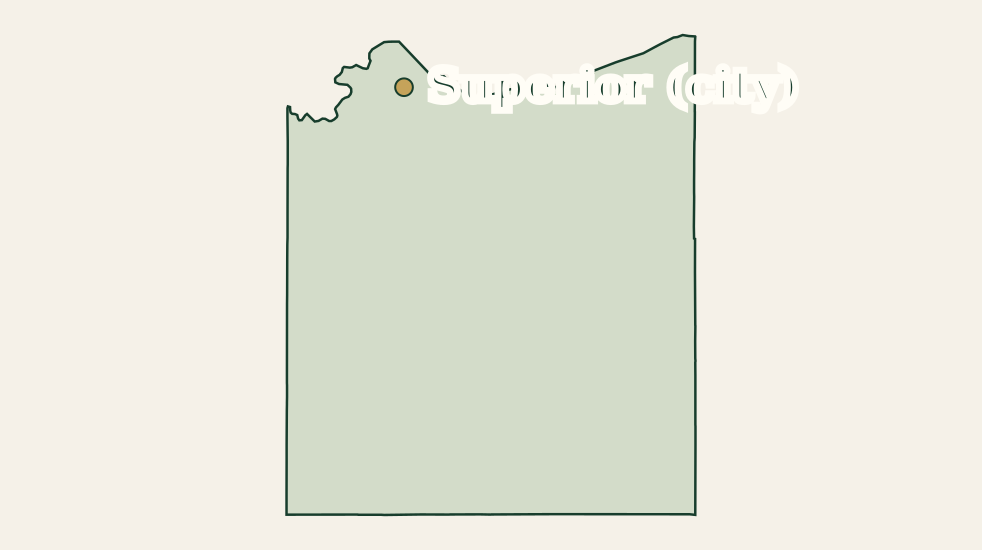
Douglas County with Superior (city) marked
Superior and Wisconsin’s far northwestern countyPop. 44,229 · 2024

Douglas County

Superior city and its harbor provide one introduction within Douglas County, with Wisconsin Point adding a Lake Superior public landscape. The separately incorporated Village of Superior remains a different directory identity. Keep the city, village and wider county distinct when investigating a residential address. Duluth is in Minnesota, so a journey described by a regional name can still cross a state line. Explore the actual neighborhood and ordinary routines, then review the property, current approach and receiving arrangements. The county figure does not describe the whole two-state region or certify a particular home's conditions.

Key communities

Superior (city)

Check mover credentials →

County population: 2024 ACS five-year estimates, U.S. Census Bureau. These describe each county’s dated extent, not the featured city, current housing inventory or moving households. Read the source.

Explore all 72 Wisconsin counties. County populations describe the dated county extent, not a city, metro area or current movers.

Wisconsin planning

Review the piece and the space beyond the door

Begin with the furniture least certain to fit. Record height, width, depth and projecting parts, then show the entire approach and intended room. An enclosed bungalow entrance can add a turn between the outside door and a pair of interior doors. A ranch entry can have a closet or fixed planter close to the opening. The space needed to rotate a deep piece may matter more than the width of the first doorway.

Explain the furniture's condition and construction as well. Loose joints, glass, removable parts, fragile finishes and an unfamiliar mechanism need their own review. Share useful instructions and ask which basic preparation is suitable for the actual piece. A detachable component can help only when removing it is appropriate; uncertainty about the construction should be resolved before handling begins.

Keep a clear working route and discuss protection for the relevant floor, entrance and furniture. The selected preparation should connect with placement and any agreed reassembly at the destination. Keep hardware identified with the correct item and leave room for the work. Resolve an uncertain turn before collection, while the household and coordinator can still adjust the plan.

A mover in a green shirt smooths a short gray runner on a tiled entry floor beside a closed white door.
A mover smooths a runner beside the entry door.

Wisconsin planning

Keep a carrier claim separate from a consumer complaint

Keep the written proposal, contract, inventory, receipts and correspondence together. If a problem arises, document the specific goods, charge or service involved and contact the business promptly in writing. Explain what happened and the resolution you seek. Follow the claims and dispute terms that apply to the actual shipment; do not assume that another state's procedure or an interstate fact sheet sets the rules for a Wisconsin-only move.

Wisconsin DATCP accepts written consumer complaints about businesses and recommends a reasonable attempt to resolve the problem directly first. Its guidance asks for supporting copies while the consumer keeps originals. The Bureau of Consumer Protection may contact the business or refer a matter to another agency, but it cannot force a resolution. A complaint should therefore be understood as a separate channel, rather than a guaranteed compensation process.

DATCP also publishes a fact sheet specifically about interstate moving. Its federal scope matters: the word Wisconsin on the agency website does not turn that document into a Wisconsin-only moving rule. Keep the carrier's claim process, the applicable consumer guidance and any agency complaint distinct, and retain records of each step.

Who does what

A little coordination before moving day

You, the moving team and your building contacts each handle a different part of getting the move ready.

01 Moving checklist

The household

Choose what moves, keep the inventory accurate and obtain permission to use both properties.

02 Moving checklist

The moving team

Review the shipment and access, explain the proposed work and identify the coordinating contact.

03 Moving checklist

The building and receiver

Keep the agreed entrance and appointment available and prepare to direct and check delivery.

Wisconsin planning

Identify the interstate carrier and read the documents together

For an interstate shipment, identify the household-goods carrier and any broker. FMCSA provides a search for their registration, role, insurance information and complaint records. A broker arranging transportation and a carrier transporting the shipment have different roles. Keep the business identity consistent across the proposal and moving records. A link to the search is a way to check the actual business, rather than a claim that its current records have already been verified for your order.

Read the written estimate, bill of lading and inventory together. The estimate describes the proposed charges and work. The bill of lading is the transportation contract and receipt, while the inventory records the goods and their condition. Avoid blank documents, ask about unexplained differences and retain copies that the authorized receiver can reach during delivery.

Choose protection before collection. For interstate household goods, Full Value Protection applies unless Released Value is selected through the required written waiver. Valuation is the mover's level of liability and differs from a separate insurance policy. Discuss the actual option, cost, limits, high-value items and claims process in the moving documents. Recording the choice is part of preparation, rather than a task to leave until something is damaged.

Wisconsin planning

Connect current road conditions with the actual property

Check current weather and road information close to the moving day, then confirm the condition of the private approach and working entrance. Wisconsin's lakefront cities, inland neighborhoods and northern communities do not share a single dependable set of conditions. An open main road does not prove that a driveway, landing or shaded walking path is ready. Report ice, standing water, soft ground or a blocked access point that changes the agreed work.

WisDOT advises considering postponement during severe winter storms and checking current conditions before travel. Its 511 service uses weather and pavement models for road-condition reports, which can change quickly. A segment marked normal may still include an icy bridge deck; no report is not confirmation of a clear road. Follow current closures and local instructions, using more than one source when deciding whether the journey can proceed.

Keep personal essentials, keys, contacts and suitable clothing available to the household if arrangements change. Agree who will keep the property's working entrance usable and how the receiver will communicate a restriction. Review a workable alternative with the coordinator when necessary. A provisional date does not remove changing road conditions or establish access to a particular home.

Wisconsin planning

Review the truck route and the stopping place separately

Have the carrier review the actual vehicle and load against the intended route and relevant restrictions. 511 Wisconsin includes truck information alongside reported construction, incidents and weather. A passenger-car travel route is useful context, but it does not establish truck clearance or a permitted loading location. The final street, private drive and walking route to the home need their own information.

Seasonal weight information also needs its proper scope. WisDOT's frozen-road increased-weight eligibility applies to specified forest products and highway-maintenance salt or abrasives. It is not a general household-moving weight waiver. Local county and town road authorities determine relevant conditions on the roads they maintain. Ask the carrier to check the restrictions that apply to this vehicle and journey, rather than relying on a past seasonal declaration.

Confirm where the vehicle may stop and describe the carry from that point: distance, surface, slopes, steps and turns. A public waterfront path, market street or shared residential drive does not automatically grant loading permission. Obtain the appropriate property or local instructions before collection. If that location changes, have the alternative and any additional handling reviewed in the written scope.

Moving routes

Where are you moving?

Use both full addresses to identify the journey, then connect the carrier records, written work and receiving property.

Within Wisconsin

A Wisconsin-only household move

Check the actual provider’s Wisconsin authority for the proposed work and read the written charging arrangements.

The provider

Ask about the legal business identity and applicable intrastate property authority; keep the state check distinct from federal interstate records.

The work

Compare the same contents, packing, access, payment and receiving assumptions, and review changes in writing.

Read Wisconsin authority guidance →

Into Wisconsin

An interstate arrival in Wisconsin

Connect the household and transport choice with a home that can receive the shipment.

The shipment

Review the actual carrier, written scope, protection and agreed direct or suitable consolidated arrangements.

The receiver

Confirm possession, approach, building instructions, room plan and an authorized person for delivery.

Discuss the household move →

From Wisconsin

Prepare the other end of the journey

Begin with a published destination guide, then review the actual property and household plan.

The destination

Keep the receiving address, municipality and local instructions distinct from the wider region.

A separate stage

Arrange any storage or handoff, including charges and later receiving, before collection.

Explore moving guides →

Direct service uses a dedicated truck and the same pickup and delivery crew. Suitable smaller consolidated shipments use a wider agreed window; confirm the model in writing.

Wisconsin planning

Describe the contents as well as the large furniture

Include cupboards, bookshelves, clothing, fragile kitchen pieces and goods in storage areas when describing the shipment. A small home can still require substantial preparation. Decide what you will pack and what needs help, then identify unfinished or uncertain work. A furniture list alone cannot show the packing time needed for full shelves and cabinets.

Company packing uses working time, and company-supplied cartons are charged separately. Moving blankets, shrink wrap and tape have no separate basic material charge. Put the selected tasks and materials in the proposal so that help with a few fragile pieces is not confused with full-household packing. Artwork, delicate objects and unusual items should be discussed individually, with the preparation and protection reviewed before collection.

Use suitable containers, avoid overloading them and keep room labels useful for receiving. Leave the working surface and circulation path available while preparation proceeds. Personal essentials and the moving documents should remain accessible to the household. Report another cupboard, garage area or requested packing task before it becomes unexpected work on moving day.

A mover wraps a clear drinking glass in paper on a dining table beside a branded kraft carton.
A mover wraps a glass in paper on the dining table.

Wisconsin planning

Connect protection, basic preparation and reassembly

Explain which pieces need attention before handling. An older chest may have a weak joint, a table may have removable legs and a bed may require its hardware to stay with the correct components. Include dimensions, condition and useful instructions in the inventory. The team can then review suitable protection, basic preparation and the receiving route together.

Under the company's confirmed service, basic furniture assembly and disassembly uses working time without a separate basic labor fee. Moving blankets, shrink wrap and tape have no separate basic material charge. Those terms do not mean every mechanism can be dismantled safely or every specialist installation is included. Record the reviewed preparation and any additional work in the scope.

At the new home, keep the room plan and instructions ready and leave space for agreed placement and reassembly. Furniture unwrapping belongs to the company's delivery service. Removing contents from cartons is a separate optional task using working time, and packaging waste removal is charged separately. The receiver should understand which work is agreed before the team begins placing the goods.

Wisconsin planning

Use housing figures as questions about the actual home

Wisconsin's 2024 ACS five-year estimates cover 2020–2024. About 66.2% of all housing units were detached single-unit homes, while about 17.8% were built in 1939 or earlier. Those dated statewide measures help explain why the guide considers different layouts and older entrances. They do not describe every home in a city or establish a property's present condition or availability.

Tenure uses another denominator. Among occupied housing units, about 67.8% were owner-occupied and 32.2% renter-occupied. Do not apply those shares to all housing units, which include units outside that occupied universe. An owner, tenant and building manager can have different responsibilities for possession, access and receiving, even when the homes belong to the same broad housing category.

The selected housing photographs provide examples of materials and layouts, not a market survey. A bungalow entrance, a low ranch facade and a carpeted receiving room suggest different questions. Obtain the actual contents, dimensions, approach and property instructions before deciding what work is needed. A general housing statistic is a starting point for that investigation, rather than a substitute for it.

Wisconsin planning

Keep mobility, population and household shipments distinct

The 2024 ACS one-year profile estimates that 2.0% of Wisconsin residents aged one or older lived in another U.S. state one year earlier. That percentage describes the specified resident population. It is not net migration, the number of household shipments or demand for a moving company's services. It also does not explain why a particular household chose Wisconsin.

Keep the one-year mobility measure separate from five-year housing and county population estimates. Their periods, units and populations differ. A county figure describes the wider county extent, rather than the featured city, a metropolitan region or available properties. An increase in interest in a place cannot be inferred from one unrelated housing share.

For the moving brief, use evidence that describes the individual household: both addresses, the complete contents, preparation, requested services, access and receiving dates. A move connected with work, study or family can have different timing needs without changing what the statistic measures. Explain the practical requirement directly instead of fitting the household into an assumed statewide story.

Wisconsin planning

Use both full addresses when a journey crosses a state line

A short journey can cross into another state. Homes in the wider Superior–Duluth area, for example, may be on opposite sides of the Wisconsin–Minnesota line. A southern Wisconsin destination may be connected with a household leaving Illinois. Use the complete origin and destination addresses to establish the actual journey, rather than relying on a regional name or a sense that the homes are nearby.

For an interstate move, review the carrier's federal records and written shipment arrangements. A Wisconsin-only provider check and local estimate should not be treated as the full interstate review. Describe the same goods and work when comparing proposals, including any packing, uncertain furniture fit or receiving restriction at the other end.

The continuation cards link to published guides for several useful destinations. They help begin research into another state, but they do not complete the address or property review. Connect the destination's possession, approach and receiver with collection in Wisconsin. If there is a gap between homes, agree the separate stage and its charges before relying on the dates.

Wisconsin planning

Arrange the dates around possession and receiving

Start with the dates when each property can actually be used. Confirm when the origin must be cleared, when keys and possession are available at the destination, and who can receive the shipment. A lease start, closing appointment, household departure and delivery arrangement are separate events. Bring them into one plan before collection rather than assuming that they will line up automatically.

Review the transportation choice and its timing with the coordinator. Direct long-distance service uses a dedicated truck and the same moving crew at pickup and delivery. A suitable small consolidated shipment uses a wider individually agreed receiving window. Under company policy, the agreed delivery window begins after pickup and loading are complete. Confirm the actual window in writing; a passenger-car travel estimate does not establish it.

Keep a contact available for updates and report a changed possession date or property instruction promptly. If the home cannot receive the goods, review the alternative before it becomes an unexpected stage. Keep essential documents and daily-use items with the household. A well-connected schedule includes the receiver and usable entrance as well as the journey.

Wisconsin planning

Choose direct or suitable consolidated transportation

Direct long-distance moving uses a dedicated truck and the same moving crew at pickup and delivery. The team preparing the estimate has a separate planning role. Confirm the shipment, requested work, addresses and receiving arrangements in writing so that the household understands what the direct service covers.

For a suitable small shipment, consolidated delivery may be available with a wider agreed receiving window. Eligibility and the actual window need review. Do not assume that consolidated service has the same crew arrangement as direct transportation, includes free storage or guarantees a particular discount. A flexible household schedule is useful only when someone can receive within the agreed terms.

Discuss the choice before making dependent arrangements at the destination. Under the company's policy, a delivery window runs from completion of pickup and loading. Other routes need their own agreement; a window described for a different destination is not a default for Wisconsin. Keep the method and timing explicit rather than estimating delivery solely from a passenger-car journey.

Common moving situations

How the plan changes with your needs

These are planning examples, not customer jobs or promised outcomes. Each shows a decision to review before the affected work begins.

A bungalow with two entrance openings

A deep chest must pass the raised entrance and turn beyond a second pair of doors.

What to do. Show the whole route and item dimensions, then review fit, suitable basic preparation and protection before collection.

Why it helps. The written work can address the uncertain turn before the chest leaves the origin home.

Two homes in the wider Superior–Duluth area

The household describes a nearby move, but one full address is in Wisconsin and the other is in Minnesota.

What to do. Identify the state-line crossing and review the actual interstate carrier records and shipment documents.

Why it helps. The household can compare the proposal against the journey it actually needs.

A changed winter receiving entrance

The intended private approach or landing becomes unusable before delivery.

What to do. Follow current closures and property instructions, report the restriction and have the coordinator review a workable receiving alternative or separate stage.

Why it helps. The household can prepare the next step without relying on an inaccessible entrance.

The household reaches Canada before the goods

The first arrival and later household shipment have different dates.

What to do. Review the applicable CBSA category, accompanying-goods and goods-to-follow records, and connect them with the moving paperwork.

Why it helps. The household can keep the arrival and shipment stages organized without assuming automatic border release.

Wisconsin planning

Prepare the household records for a Canadian destination

Discuss a Wisconsin–Canada household move with the coordinator as a complete journey, including the addresses, shipment, dates and receiving arrangements. Transportation and the household's customs responsibilities are connected but separate. A moving agreement does not decide immigration eligibility or guarantee that goods will be released at the border.

For entry into Canada, review the CBSA category that applies to the person arriving, ownership and use conditions, and any restrictions on particular items. Prepare two copies of a detailed goods list divided into accompanying goods and goods to follow. The first arrival and the record retained for later goods matter even when the moving shipment is not travelling with the household.

Keep the applicable accounting record, supporting information and any separate storage or provider stage connected with the moving documents. Ask about an uncertain item before collection. Different arrival situations or the reverse direction can require different procedures, so use the relevant authority's current instructions rather than treating one household's experience as a universal entitlement.

Wisconsin planning

Compare the same shipment, services and access conditions

For a long-distance move quoted at an agreed flat rate, the price stays the same when the shipment and agreed work stay the same. A journey or delivery taking longer does not by itself change that same-scope price. Added belongings, omitted contents, extra packing or changed access and receiving requirements can change the work and need a revised written agreement.

Make the comparison concrete. Include goods in cupboards and outbuildings, selected packing, furniture preparation, the stopping place, stairs and interior turns, and any storage stage. State what the household will complete before collection. Two proposals with different preparation responsibilities or delivery arrangements are not equivalent simply because their total prices can be placed side by side.

Keep the charging basis for each task clear. Company packing uses working time and cartons are separate; basic furniture preparation has its confirmed working-time terms. Optional carton unpacking and packaging waste removal are distinct choices. Ask the coordinator to resolve an unclear item before the affected work begins, and retain the final agreed scope with the inventory.

Wisconsin planning

Confirm the plan before pickup and keep changes connected

Before collection, settle the shipment description, chosen services, property instructions and receiving arrangements. Have the inventory and preparation responsibilities in writing. Complete the household's agreed packing and keep personal essentials outside the shipment. If a substantial task remains unfinished, tell the coordinator while there is still time to review how the work should proceed.

At pickup, retain accessible copies of the moving records and the contact information needed for the journey. Under the company's delivery policy, the window begins after pickup and loading are complete. Keep the authorized receiver informed of the agreed arrangement, rather than treating a household's departure time as the start of every transport commitment.

Before delivery, confirm that the home can be entered and the proposed approach remains usable. Weather, road closures, possession or a building instruction can change a practical arrangement. Report the change promptly and have its effect on the receiving plan reviewed. Keep any storage or additional stage explicit in the written work.

Wisconsin planning

Have an authorized receiver and a usable room plan

Arrange for an authorized person to meet the shipment, direct agreed placement and keep the moving records available. Confirm keys, property access, the stopping arrangement and the entrance before the vehicle arrives. A household member travelling separately may need a backup contact if their journey changes.

Show where the larger pieces should go and leave a clear handling path. Review the inventory and condition information with the shipment. Note a specific loss or damage concern in the appropriate records and retain photographs and correspondence for follow-up. Ask about an unexplained document or charge rather than signing an incomplete record without understanding it.

The company's delivery service includes furniture unwrapping and the agreed basic reassembly. Removing household contents from cartons is different optional work using working time, and packaging waste removal is charged separately. Confirm those choices ahead of time so that the receiver knows which tasks should be finished before the team leaves.

A mover in a green shirt removes a navy quilt from a placed olive armchair in an oak-trim living room.
A mover removes a loose quilt from a placed chair.

Wisconsin planning

Plan a gap between homes as a separate stage

If the destination will not be ready, describe the gap before collection. Agree where the goods will go, who controls access, how receiving from storage will work and which records identify the shipment. A consolidated delivery window is not an automatic storage agreement, and storage should not be assumed to be free.

Connect the storage decision with the household's needs. Keep personal documents, medications, essential clothing and other items you need to reach with you. Identify anything that would be needed before the rest of the shipment is available. The provider, requested services and handling stages need review rather than an assumption that every storage arrangement includes the same access or conditions.

Include the applicable charges, additional transport or handling, and the later receiving arrangements in writing. Keep the inventory and any condition concern connected across the stages. When the home becomes ready, confirm the entrance, room plan and authorized receiver again so the next delivery can be planned against the actual property.

Wisconsin planning

Settle the home and keep Wisconsin document tasks separate

Begin with the rooms and essentials the household needs first. Keep keys, moving records, personal documents and daily-use items accessible. Direct the agreed placement, check the inventory and condition, then organize cartons so that ordinary circulation remains clear. Furniture unwrapping belongs to delivery; optional carton unpacking uses working time, and packaging waste removal is charged separately.

Handle the resident documents as separate tasks. WisDOT gives new residents 60 days to apply for a regular driver license and 30 days for a CDL. Use the current checklist for the actual credential, age and circumstances; an existing out-of-state REAL ID does not automatically transfer. The adult transfer page explains identification, status, Social Security and Wisconsin residency documents, including two proofs of residency. The license application requires an in-person DMV visit.

Vehicle title and registration are a different process: WisDOT requires them upon establishing residency. Review ownership and lienholder records and the applicable application route. An eligible online application still has mailing steps; a lender-held or missing title can require registration-only arrangements until the title is supplied. Applicable emissions testing is addressed separately through DMV notification. Finishing a driver-license application does not finish the vehicle task.

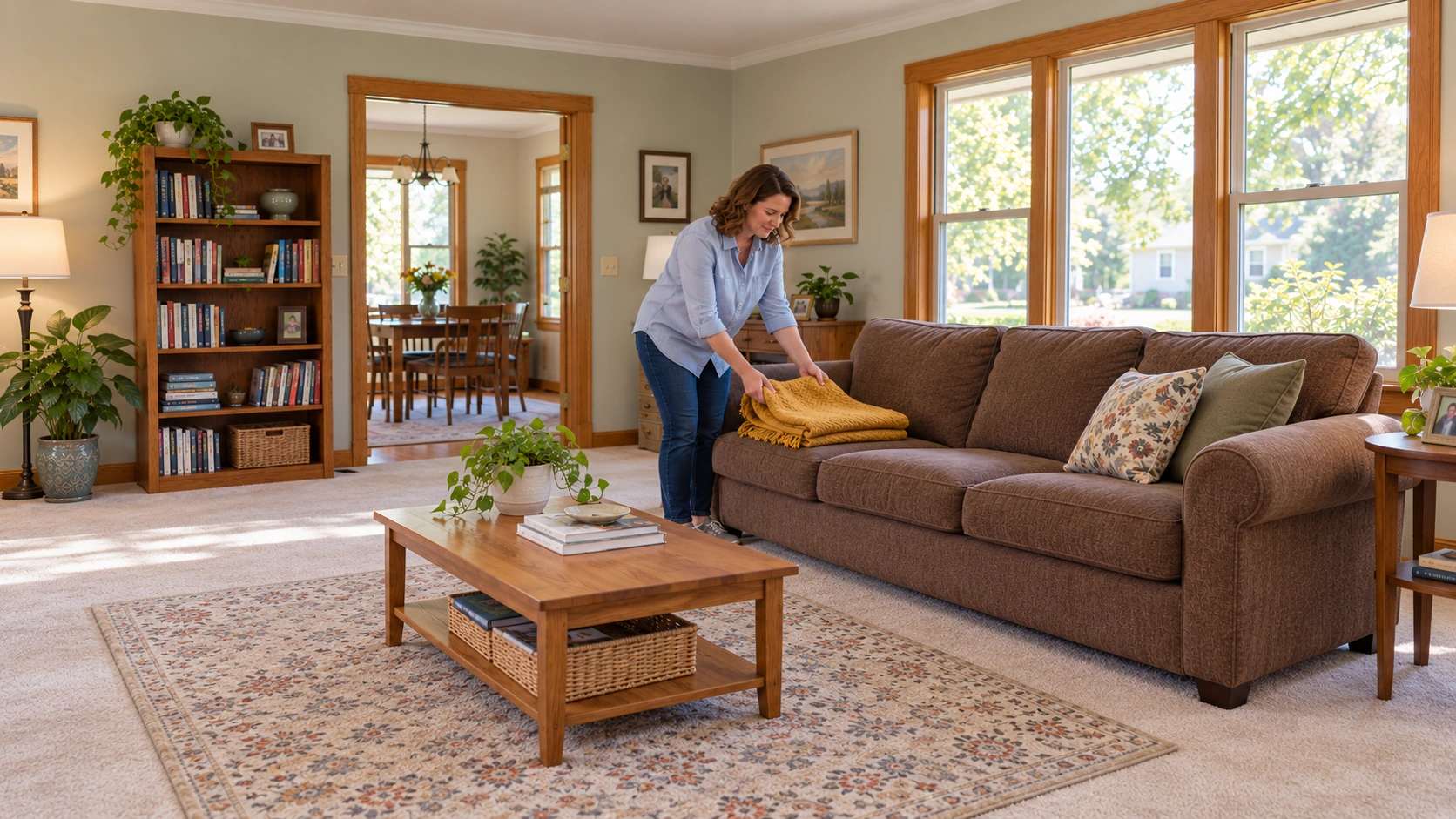
A woman folds a mustard throw on a brown sofa in a furnished oak-trim living room.
A woman folds a throw on the sofa.

Wisconsin planning

Bring the place, shipment and receiving plan into one brief

Use the guide in the order that matches your next decision. If the place is still open, compare a few city portraits and county settings, then investigate homes and ordinary routines in those areas. Keep the municipality, county, and postal address distinct. If the home is chosen, concentrate on the contents, preparation and receiving arrangements.

A useful moving brief has both full addresses, the complete shipment, requested services, dates, entrance and loading instructions, and an authorized receiver. Add photographs and dimensions where a fit or approach needs review. Identify goods in a basement, garage or other storage area and say what the household will pack. Include any gap between homes or international handoff before the proposal is finalized.

Review the written scope, price, transport method, delivery window, protection choice and payment arrangements together. Keep the documents accessible and report a change before it becomes unexpected work. The next step is a reviewed plan for the actual household and property, supported by the local research you have gathered.

Verified data

Wisconsin planning data

Planning factEstimateVintageSource
Total housing units2,778,5722024 ACS 5-yearU.S. Census Bureau
Detached single-unit homes1,839,569 · 66.2% of housing units2024 ACS 5-yearU.S. Census Bureau
Homes built in 1939 or earlier495,155 · 17.8% of housing units2024 ACS 5-yearU.S. Census Bureau
Owner-occupied homes1,682,214 · 67.8% of occupied homes2024 ACS 5-yearU.S. Census Bureau
Renter-occupied homes797,266 · 32.2% of occupied homes2024 ACS 5-yearU.S. Census Bureau
Residents age 1+ from another U.S. state one year earlier2.0% · not net migration or shipments2024 ACS 1-yearU.S. Census Bureau

Planning answers

Wisconsin moving questions

Straightforward answers about prices, packing, delivery and getting settled.

Ask about your move
How should I choose a part of Wisconsin to explore?

Begin with the settings that interest you: Milwaukee's neighborhoods, Madison's capital and shopping streets, the northeastern city centers, western river cities or the Lake Superior area. Use the map and portraits to choose a few visits, then examine actual residential neighborhoods and everyday journeys. Public attractions introduce a place; they do not establish that a home is available or suitable. If the address is settled, start with the shipment, property instructions and receiving dates.

Are a Wisconsin postal address and municipality always the same?

No. A familiar postal or marketing name can cover a home in another municipality. A Green Bay-addressed property may be in Allouez, for example. Confirm the actual jurisdiction through the relevant records or local office. Keep the city, village, Wisconsin town civil division, county and wider visitor region distinct. The full location matters when seeking property or road instructions and when describing both ends of the moving journey.

Why are there separate city and village entries for some names?

Pewaukee, Superior and Waukesha each have separate city and village identities in the Census source used for this directory. The qualified entries keep their official identities and points distinct. The featured Superior portrait refers to Superior city. The incorporated-place directory is not every postal name, statistical community or Wisconsin town civil division, and it does not imply that every entry has a completed local service page.

How can the city portraits help me research a home?

Use a portrait to select an area you would like to know better, then go beyond the initial visitor setting. Compare residential streets, the actual property, local services and the journeys the household would use. Keep a regional itinerary separate from the municipality of a home. A waterfront, arts district or public square can focus a visit without certifying the property's condition, access or availability.

Does this guide establish local Sterling Oakbridge service throughout Wisconsin?

No. It supports research and preparation for an actual interstate household brief involving Wisconsin. Geographic coverage in a directory does not establish a local office, a Wisconsin-only service assignment or availability for every address. Send both full addresses, contents, dates and requested work to the coordinator for review. Confirm the actual service and written arrangements before relying on them.

How should I check a provider for a Wisconsin-only move?

Ask about the actual legal business and its Wisconsin operating authority for the proposed work. WisDOT describes intrastate for-hire property authority through an LC-number certificate. Keep that inquiry separate from a federal interstate registration check. Read the provider's written proposal, charging terms and moving records for the actual shipment. This guide does not verify a particular company's current local authority or promise an individual job outcome.

What should a Wisconsin-only written proposal explain?

It should make the goods, addresses, requested services, charging basis and conditions clear. Compare equivalent shipments, including packing, stairs, walking distance, access and any storage or separate stage. Ask what the estimate means and how changes are reviewed, then record the pickup, payment and receiving arrangements. Do not import another state's estimate rule or the company's interstate flat-rate terms into a different provider's Wisconsin-only proposal.

Is Wisconsin DATCP’s interstate fact sheet a Wisconsin-only moving rule?

No. That fact sheet expressly discusses federal interstate moving. Keep it within that scope. For a Wisconsin-only provider, make the applicable state authority inquiry and review the actual written arrangement and consumer information. A state agency's name on a webpage does not change the journey covered by its document. The interstate carrier check and shipment records remain a separate part of planning a state-line move.

Is a complaint to DATCP the same as a carrier claim?

No. A carrier claim asks the business to address a specific shipment problem under the applicable terms. DATCP's general consumer complaint is a separate written channel. Its guidance recommends trying to resolve the matter with the business and providing supporting copies while retaining originals. The agency may contact the business or refer the matter, but it cannot force a resolution. Document the problem and follow the requirements for the actual shipment promptly.

Which records should I review for an interstate move?

Identify the actual carrier and any broker through FMCSA's records, then read the written estimate, bill of lading and inventory together. Confirm the goods, services, price basis, protection choice, payment and receiving arrangements. Avoid blank documents, resolve unexplained differences before signing and keep accessible copies. A source link supports your business check; it is not evidence that every current record has already been checked for your move.

How does a long-distance flat rate handle changes?

The agreed price stays the same when the shipment and agreed work stay the same. A journey or delivery taking longer does not by itself change that same-scope price. Added belongings, extra packing or changed access and receiving requirements can change the work. Tell the coordinator before the affected task begins and have the revised scope and price agreed in writing.

What is the difference between direct and consolidated delivery?

Direct long-distance service uses a dedicated truck and the same moving crew at pickup and delivery. A suitable small shipment may instead qualify for consolidated delivery with a wider agreed receiving window. Confirm eligibility and timing for the actual journey. Consolidated service should not be assumed to have the same crew, free storage or a guaranteed discount. The planning team has a separate role from the moving crew.

When does the agreed delivery window begin?

Under the company's policy, it begins after pickup and loading are complete. Confirm the window and transport method in the written plan for the actual journey. Household departure, a lease date and a passenger-car travel estimate are different pieces of information. Keep possession, authorized receiving and household travel connected, and report a change promptly so the practical arrangements can be reviewed.

What should I send about an older Wisconsin home?

Show the vehicle approach, proposed stopping place, walking path, steps, landings, entrance and first interior turns, together with the complete contents and uncertain item dimensions. A bungalow's second opening, a storm door or fixed storage near a ranch entry can affect the route. Include goods in a basement, attic, garage or outbuilding. Obtain the property's instructions rather than assuming that its age or broad house type establishes access or fit.

Are packing and cartons included automatically?

Selected company packing uses working time, and company-supplied cartons are charged separately. Moving blankets, shrink wrap and tape have no separate basic material charge. Describe what the household will pack and which items need help, then record the tasks and materials in the proposal. A furniture inventory does not include the time needed for full cupboards unless those contents and responsibilities are explained.

What furniture preparation and unpacking should I expect?

Basic furniture assembly and disassembly uses working time without a separate basic labor fee, subject to suitable preparation for the actual piece. Furniture unwrapping belongs to the delivery service. Taking household contents out of cartons is different optional work using working time, and packaging waste removal is charged separately. Review specialist mechanisms, condition and any additional task rather than assuming every operation is included.

Does valuation mean that the shipment has a separate insurance policy?

No. Valuation describes the mover's liability and differs from separate insurance. For interstate household goods, Full Value Protection applies unless Released Value is selected through the required written waiver. Discuss the actual option, cost, limits, high-value items and claims procedure before collection. Keep the selected terms in the moving documents; do not rely on an undefined promise of full insurance.

Does winter frozen-road guidance let every moving truck carry extra weight?

No. WisDOT's increased-weight eligibility is limited to specified forest products and highway-maintenance salt or abrasives; it is not a general household-moving waiver. The carrier should review the actual vehicle, load and current route restrictions. Local county and town road authorities control relevant conditions on their roads. A passenger-car route or past seasonal declaration does not establish truck clearance or permission to use the final loading location.

How should I use 511 Wisconsin when conditions change?

Check its current road information alongside weather and local instructions, then confirm the private approach and working entrance. The condition reports use weather and pavement models and can change quickly. Normal can still include an icy bridge deck, while no report does not mean the road is clear. Follow closures, report access changes and keep keys, contacts and household essentials available if receiving arrangements need review.

What do Wisconsin’s housing and mobility figures tell me?

They supply dated context and useful questions about a home. Housing type and age use all housing units; tenure uses occupied units; the mobility share describes residents aged one or older who lived in another U.S. state a year earlier. Keep those universes and periods separate. They do not establish current property inventory, net migration, household shipment counts, moving demand or the price of an individual journey.

What if the new home is not ready for the shipment?

Arrange the gap before collection. Identify the storage provider or other agreed stage, access, charges, inventory and later receiving arrangements in writing. A consolidated window is not automatic free storage. Keep personal documents and essentials with the household, and connect condition information across the stages. When the home becomes ready, confirm its entrance, room plan and authorized receiver again.

When should a new resident apply for a Wisconsin driver license?

WisDOT gives new residents 60 days for a regular license and 30 days for a CDL. Review the current checklist for the actual credential, age and circumstances, including applicable identity, status, Social Security and residency records. An out-of-state REAL ID does not automatically transfer. The application requires an in-person DMV visit, and testing depends on the situation. Keep this task separate from vehicle title and registration.

When must I title and register a vehicle in Wisconsin?

WisDOT requires title and registration upon establishing residency; do not treat the driver-license deadline as a vehicle grace period. Review the current ownership, lienholder and application instructions. An eligible online application still has mailing steps. A missing or lender-held title can require plates and registration only until the title is supplied. Applicable emissions testing is addressed through DMV notification. The exact records and process depend on the vehicle and title situation.

How should I begin a Wisconsin–Canada household move?

Review the whole journey with the coordinator and check the applicable CBSA arrival category, personal-effects conditions and item restrictions. Prepare the required goods records, separating accompanying items from goods to follow, and keep the accounting record from the first arrival. Connect any storage or separate provider stage with the moving documents. A transportation arrangement does not determine immigration eligibility or guarantee border release.

Primary sources

Sources for the decisions in this guide

Official resources for choosing a community in Wisconsin and preparing the move. Figures retain their stated dates; follow current agency guidance for your own circumstances.

Wisconsin authority and consumer records

3 sources
  • Intrastate property operating authorityWisconsin Department of Transportation · Motor Carrier Services

    State for-hire property authority and LC certificate; check the actual provider and proposed work separately from federal interstate registration.

  • Interstate moving consumer informationWisconsin Department of Agriculture, Trade and Consumer Protection

    Federal interstate scope, moving records and written arrangements; this is not a Wisconsin-only moving rule.

  • Filing a consumer complaintWisconsin Department of Agriculture, Trade and Consumer Protection

    Written complaints, supporting copies and direct resolution attempts; an agency complaint is separate from a carrier claim and does not guarantee an award.

Interstate records and Canadian arrival

3 sources
  • Tips for a successful interstate moveFederal Motor Carrier Safety Administration

    Carrier and broker identities, written estimate, bill of lading, inventory, protection and authorized receiving.

  • Interstate mover and broker searchFederal Motor Carrier Safety Administration

    Check the actual business, role and current records; no company-specific verification result is implied.

  • Moving or returning to CanadaCanada Border Services Agency

    Arrival categories, personal-effects conditions and separate accompanying and goods-to-follow records.

Wisconsin resident documents

2 sources
  • New residents · license, title and platesWisconsin Department of Transportation · DMV

    Separate driver and vehicle processes, vehicle registration upon residency, ownership and lienholder records, online mailing steps and applicable emissions notification.

  • Transfer an out-of-state driver licenseWisconsin Department of Transportation · DMV

    Regular-license 60-day and CDL 30-day periods, adult and teen categories, identity and residency documents, REAL ID and testing circumstances.

City settings and the wider region

15 sources
  • Milwaukee · Historic Third WardVISIT Milwaukee

    Warehouse architecture, galleries, the Public Market and river surroundings introduce one neighborhood.

  • Milwaukee · Bay ViewVISIT Milwaukee

    Local shops, arts and lakeside parks provide a different city introduction.

  • Madison · distinct neighborhoodsDestination Madison

    Capitol/downtown, Monroe Street, Atwood and Willy Street introduce different neighborhood settings.

  • Green Bay · downtown districtsDiscover Green Bay

    On Broadway, Olde Main Street and Fox River surroundings; postal or marketing names do not settle a home’s municipality.

  • Kenosha · downtownVisit Kenosha · Kenosha Area Convention and Visitors Bureau

    Shops, galleries and Lake Michigan public surroundings introduce the center.

  • Kenosha · lakefront routeVisit Kenosha · Kenosha Area Convention and Visitors Bureau

    Harbor, Simmons Island and HarborPark are separate public destinations, not a truck or property-access route.

  • Racine · North BeachVisit Racine County

    Lake Michigan public beach near downtown Racine; historical awards and seasonal facilities are not current property claims.

  • Appleton and Fox Cities · farm marketsFox Cities Convention and Visitors Bureau

    College Avenue’s seasonal downtown Appleton market and distinct markets in other municipalities; check the current program for a specific visit.

  • Appleton · arts and College AvenueFox Cities Convention and Visitors Bureau

    Downtown art context; current address and programs should be checked with the venue.

  • Eau Claire · rivers and bridgesVisit Eau Claire

    Downtown confluence of the Chippewa and Eau Claire rivers and different public footbridge views.

  • Oshkosh · downtown and riverwalkDiscover Oshkosh · Oshkosh Convention and Visitors Bureau

    May 2026 introduction to the Fox Riverwalk, Opera House Square, Main Street and public art; event schedules remain separate.

  • La Crosse · historic downtownExplore La Crosse · La Crosse County Convention and Visitors Bureau

    Historic commercial architecture, local shops and Mississippi River/bluff setting.

  • Wausau · city introductionVisit Wausau · Wausau/Central Wisconsin Convention and Visitors Bureau

    The 400 Block, Grand Theater, arts venues and Wisconsin River surroundings.

  • Sheboygan · riverfront and public artVisit Sheboygan

    Downtown art, riverfront and South Pier; a visitor introduction rather than a residential property assessment.

  • Superior · Wisconsin PointWisconsin Department of Tourism · Travel Wisconsin

    Lake Superior dunes, pines, harbor and entry lighthouse; Superior city remains distinct from the same-name village and Minnesota’s Duluth.

Truck routes and changing conditions

4 sources
  • 511 Wisconsin traveler and truck informationWisconsin Department of Transportation · 511 Wisconsin

    Reported incidents, construction, weather and truck information; review the actual vehicle, route and local approach.

  • Using 511 and its road-condition reportsWisconsin Department of Transportation · 511 Wisconsin

    Model-derived conditions can change quickly; normal may include icy bridges, and no report is not clearance.

  • Winter travel preparationWisconsin Department of Transportation

    Severe-storm postponement, current conditions, household communication and winter readiness.

  • Frozen-road and seasonal weight informationWisconsin Department of Transportation · Motor Carrier Services

    Restricted increased-weight eligibility and local maintaining-authority responsibilities; not a household-moving weight waiver or future route certification.

Dated housing, population and geographic evidence

7 sources

Photographs are original representative illustrations, not customer jobs or identified addresses.

Let’s plan your move

Tell us about your Wisconsin move.

Tell us where you are moving, what you are taking and your preferred dates. Add any packing, furniture preparation, unpacking or storage help you need.

A Sterling Oakbridge move coordinator in the planning office