

Connecticut / Moving services
Greenwich Movers in Connecticut
Sterling Oakbridge helps Greenwich households and businesses pack, move and place their belongings. Plan a local or interstate move, storage between dates or specialist handling for agreed pieces. Send both addresses, your inventory and usable dates so we can review the property access and prepare your estimate.
01 /
Greenwich moving services and your property plan
Sterling Oakbridge moves household and business belongings locally and between states, with packing, storage and specialist handling agreed for the actual shipment. A back-country estate, a village apartment and a waterfront house need different receiving plans. Send both full addresses, an inventory, your usable dates and the work you want us to handle.
Include gatehouses, garages, guest rooms and other outbuildings in the survey rather than adding them after the truck arrives. Identify the house manager, owner or other person who can authorize access and placement. A clear room-by-room destination list helps an estate move stay organized without relying on one person to remember every object.
If you are still choosing an address, the Greenwich living and arrival guide compares the town’s villages and daily routines. For a move already scheduled, begin with access, the vehicle route and the written estimate below.
02 /
Moving services, packing and storage
Sterling Oakbridge provides local and interstate household moves, commercial moving, packing and storage. Choose the work you need, then let us review the inventory, access and timing for your estimate.
| Moving help | What we can include | What to send |
|---|---|---|
| Local residential moving | Loading, transport, delivery and basic furniture disassembly and reassembly | Both addresses, inventory, dates and the route through each property |
| Interstate moving | Pickup, transport and delivery arrangements, with storage when needed | Destination, date constraints and the person receiving the shipment |
| Commercial moving | Office and business furniture, equipment and agreed preparation, including moves with building restrictions | Business type, equipment list, building rules and the work schedule to protect |
| Packing and unpacking | Selected-item or full packing, preparation before move day and optional box unpacking | What you will pack and what you want us to prepare |
| Storage and staged delivery | Storage between addresses and an agreed receiving and delivery plan | Expected dates, contents and anything you need to access during storage |
| Designer and hotel furniture receiving | Receiving, storage and delivery of furniture to an agreed plan | Expected shipments, delivery instructions and the final receiving site |
For work within the property, see in-home and in-building moving. Keep a furniture delivery or an unwanted-item collection distinct from the household shipment: the inventories, receiving destinations and charges need their own agreement.
For a managed household move, review white-glove moving with the inventory and specialist requirements. The full service directory helps choose the separate work to include.
03 /
Building access, gate clearance and the carrying route
Send photographs of the whole approach: driveway gate, overhead branches, slope, turning area and the route to the receiving entrance. Include the gate’s clear opening and the vehicle’s usable turning space. The house manager should confirm who opens the property, where the truck may work and which rooms may receive belongings.
For an apartment or managed building, obtain the permitted hours, service entrance, elevator reservation and required COI instructions. Measure both the elevator doorway and usable cabin, and show stair turns and landings. An approved insurance document does not reserve an elevator or street space.
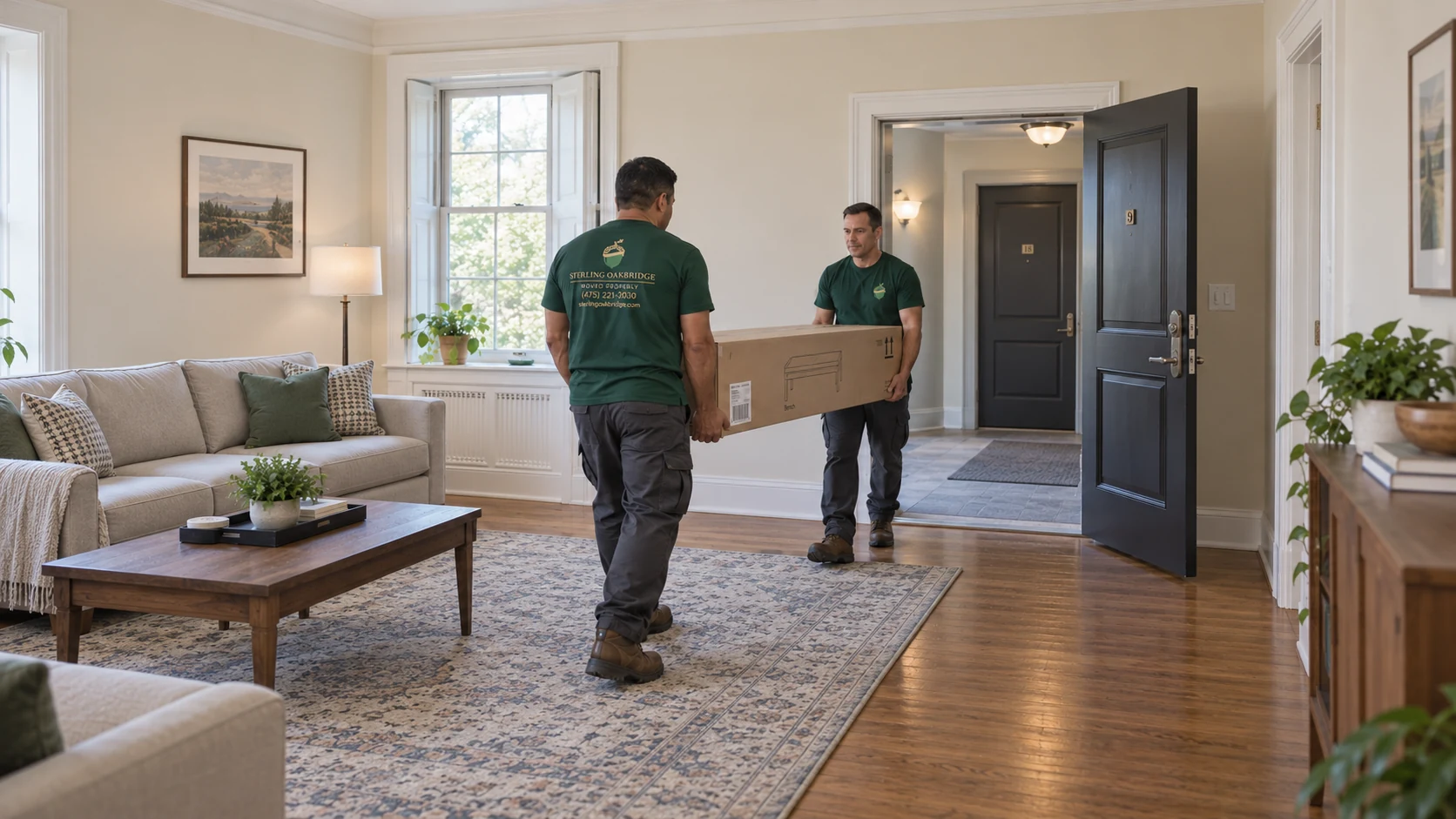
Agree protection for floors, doorframes, railings and delicate finishes along the actual carry. Photograph unusually large pieces before the survey; a wide exterior door does not resolve a tight interior turn. Keep fire exits and the household’s essential route usable throughout the work.
We can coordinate building COIs, moving-truck permit arrangements, elevator scheduling and moves that require union labor. Send the building instructions and management contact early. We can also arrange materials and packing before the carrying window when the property permits that access.
The agreed plan should identify who submits each request, who approves it and which municipal or building charges apply. An application is one step; the required access and time still need confirmation.
04 /
Moving-truck routes, parking and highway permission
Plan the truck’s complete route with the mover. Connecticut’s parkway restrictions exclude ordinary moving and rental box trucks and trailers from the Merritt and other restricted parkways. A passenger-car navigation suggestion is not a usable truck route. Review the actual vehicle, signs, clearances and final approach.
First ask whether the vehicle can work from an approved private position. If the plan uses or occupies Town right-of-way, rents on-street space or places a storage container there, ask the Highway Division which application, site plan and traffic-control arrangements apply. Establish the road owner for the location; permission for Town property does not decide a state-road request.
A resident or commuter parking permit does not reserve a moving-truck work area. Keep the actual approval, location, working period and responsible contact with the move plan. Tell the mover before dispatch if the intended space has not been authorized, so an available alternative can be agreed.
05 /
Packing, furniture preparation and specialist protection
Choose full packing, selected-room packing or owner packing against the inventory and time available. Keep medication, identification, keys, valuables and the first-night kit outside the shipment. Label cartons by receiving room and identify fragile contents without placing unnecessary private information on the outside.
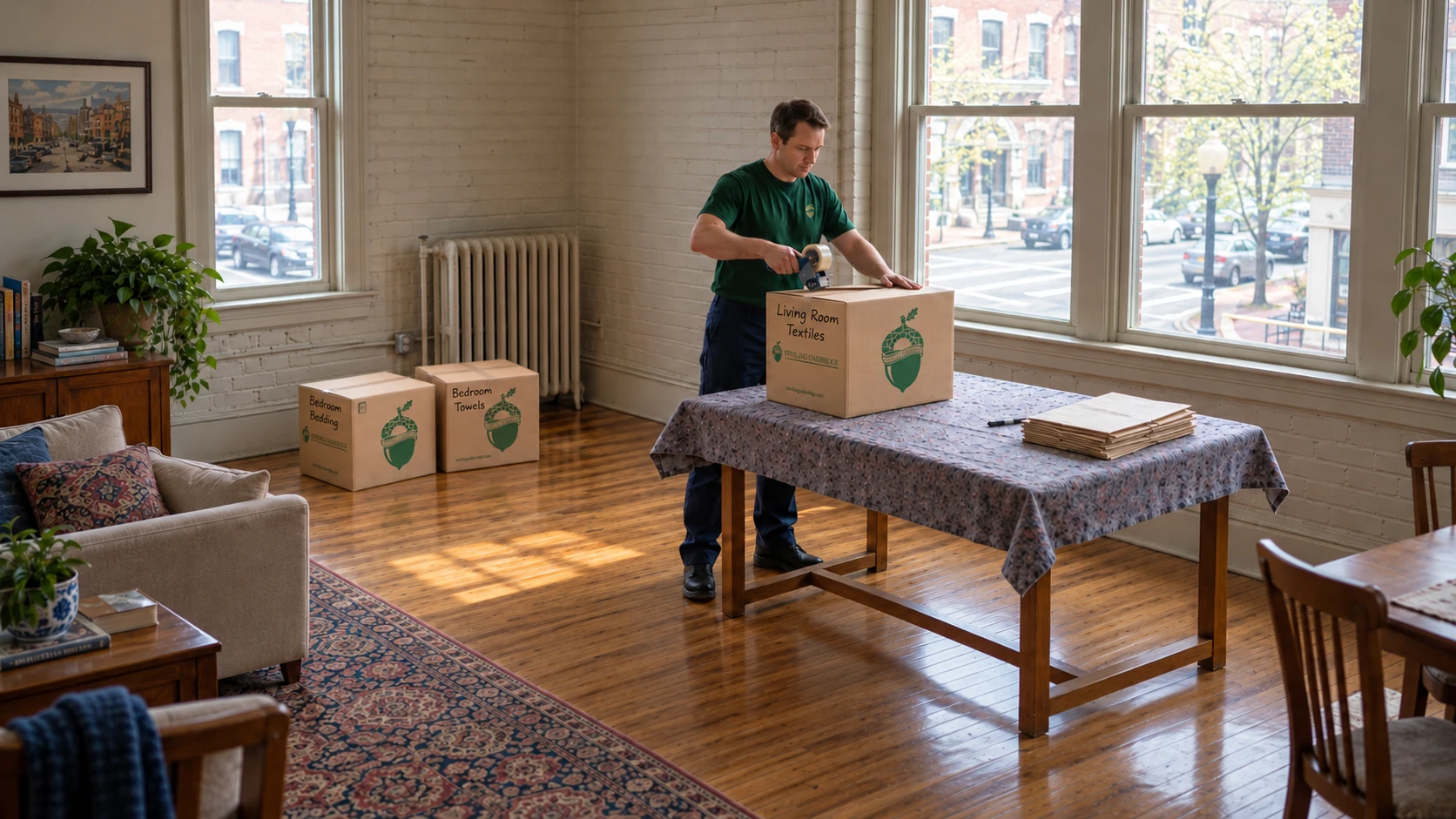
Clear loose belongings from furniture tops, empty ordinary dresser drawers and leave the drawers installed in the protected body for transport. Agree basic disassembly and reassembly for the actual bed or table; complex systems need a separate assessment. A protected dining table may be used for carton preparation when that surface and the working space have been agreed.
Labor, materials and optional work
| Item or task | How it is charged |
|---|---|
| Basic furniture disassembly and reassembly | Part of your moving labor time, without a separate basic assembly fee |
| Moving blankets, shrink wrap and tape | No separate charge for these basic protection materials |
| Boxes supplied for your move | Charged separately |
| Packing | Charged for working time; boxes are separate |
| Unwrapping furniture | Part of delivery |
| Unpacking the contents of boxes | Optional work, charged for working time |
| Packaging and waste removal | Charged separately |
| Complex furniture and other specialist work | Individually quoted after review |
Tell us which tasks you want completed and which materials you need. Your estimate should distinguish moving labor, boxes, specialist work and removal charges.
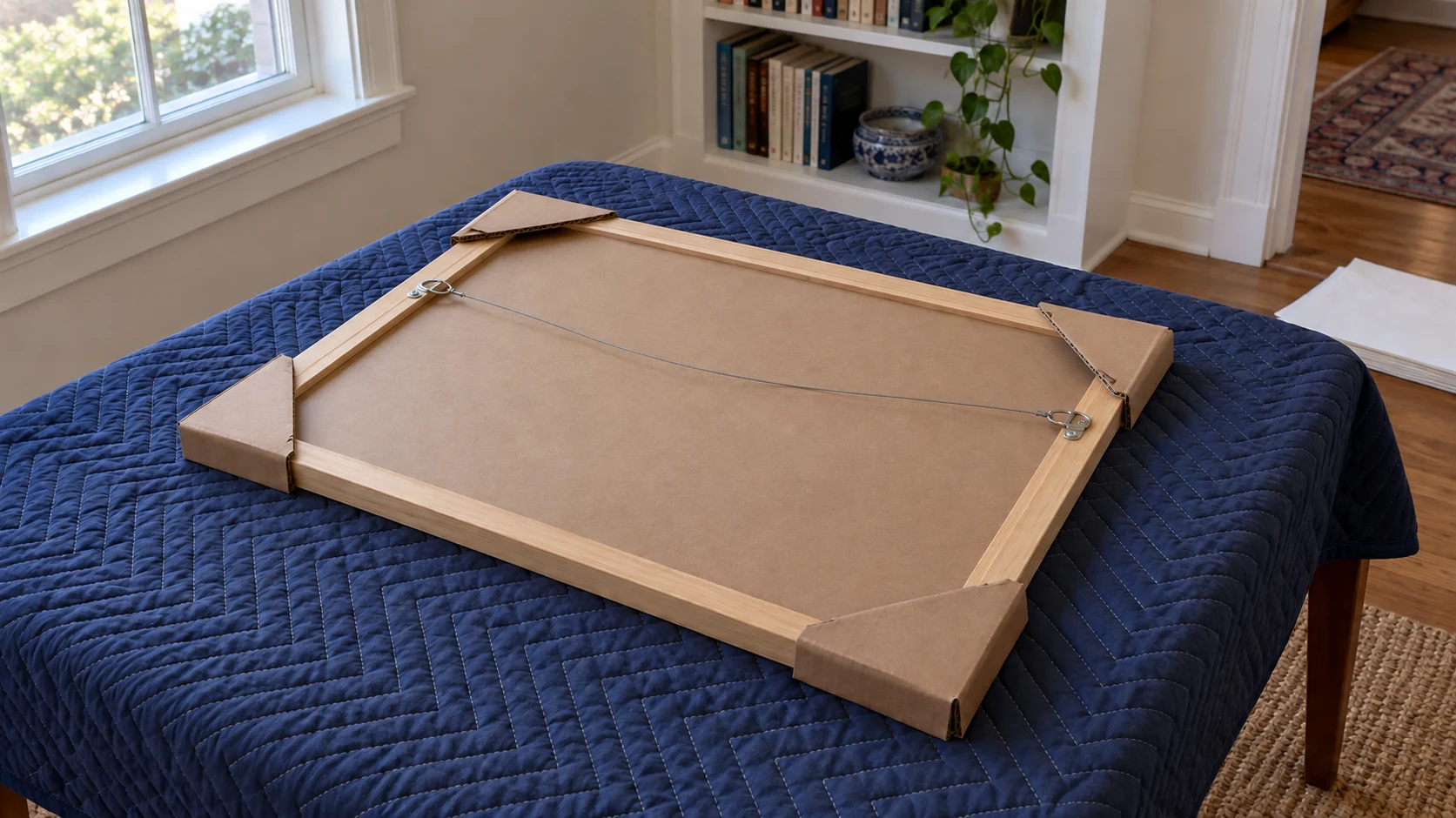
List artwork, antiques, wine collections and unusual pieces separately, with dimensions, condition photographs and any temperature or handling requirements. Corner protectors or a quilt at the preparation table do not mean an artwork is ready to travel. Agree its complete packing and carrying method, any crate and the receiving conditions before collection.
Specialist services by individual quote
| What needs attention | Work available for review |
|---|---|
| Complex furniture | Bunk beds, Murphy beds, large flat-pack wardrobes and specialist sofa disassembly and reassembly |
| Heavy items | Pianos and grand pianos, safes, gym equipment and pool tables |
| Art and collections | Fine-art handling, soft packing, custom crates and crating to an agreed museum or collection specification |
| Hanging and installation | Pictures, mirrors, wall-mounted TVs, curtain hardware and chandeliers, with the removal, installation and any technical work scoped separately |
| Business equipment | Office furniture systems, restaurant refrigerators and ranges, and industrial equipment assessed for the specific item and route |
Send photographs, dimensions, make or model where relevant, and the route through both properties. Describe exactly what needs to be taken apart, moved or installed. We review the method and required work before providing an individual quote.
06 /
Artwork, collections and separate receiving stages
Keep an inventory for art, wine and belongings held in outbuildings, with the person authorized to identify each piece and its destination. Show the object, its base, the doors and the route it must travel. Agree specialist preparation and any outside provider before the moving date; an item’s value alone does not determine the right support or packaging.
If new furniture is arriving alongside the household move, record the seller’s delivery slot, carton dimensions and assembly scope separately. Our Greenwich furniture delivery and assembly page explains that work. Do not count an unconfirmed retailer delivery as part of the moving crew’s booked inventory.
07 /
Commercial moving: inventory, access and reopening
We can pack, carry, transport and place agreed office, shop and studio furniture, records and equipment. Send an itemized inventory, handling requirements and a room or work-area destination plan. Identify equipment that must remain in use until the final stage and what can be prepared earlier.
Confirm the loading entrance, dock, elevator, permitted working hours and the person who can unlock each part of the route at both properties. Arrange building documentation before the slot, and tell the mover which access conditions are still pending.
Name the person responsible for disconnection, reconnection and system checks, and the first time the business must operate at the new premises. Furniture delivery is one stage; power, network and agreed equipment must be usable before reopening. Where work must continue, book a usable temporary workplace or a phased transfer and confirm who authorizes the additional handling and cost.
IT transport and disconnection are available; arrange reconnection and system startup with your IT team. Crane work is outside our service scope.
We can also quote island moves, recycling, move-out cleaning and car shipping. For an island destination, provide the exact address so the vehicle or freight crossing, receiving arrangements and final delivery can be reviewed together.
The Greenwich commercial moving page covers the separate business scope. The pictured labeled network kit illustrates keeping equipment and its cables together; its delivery does not establish that a network has been reconnected.

08 /
Greenwich moving costs and the written estimate
The inventory, carrying distance, stairs, packing, travel and receiving conditions determine the work. Describe the full property, including secondary rooms and outbuildings. For a gated estate, provide the actual driveway and entrance review before using an estimated duration to schedule other people.
Local moves: estimated hours, not a fixed total
Most local moves are priced by working time. Your estimate sets out the hourly basis, any minimum hours and the work and materials to be charged separately. Estimated hours help us plan the crew and whether the work can fit the proposed day; they are not a maximum charge or a promise that the move will finish within that time.
A move estimated at six hours may take eight if traffic delays the truck, an elevator is shared rather than reserved, packing is unfinished or the inventory or plan changes. Tell us about changes early. If the work needs preparation on another day or a separate delivery stage, we will review those arrangements with you. Charging follows the written terms for the move.
Long-distance flat rates: the same scope, the same price
For a long-distance move quoted at a flat rate, the agreed price stays the same when the shipment and agreed work stay the same. Added belongings, omitted items, extra packing or changed access and delivery requirements can change the scope and price. Keep the inventory, packing responsibilities and pickup and delivery conditions in writing, and have additions reviewed before the affected work begins.
Let the scope determine the survey
A clear item list may be enough for a small, straightforward job. More belongings, full packing, specialist items or restricted access can call for a video review or an in-person visit. Floor area helps describe the property, but the contents and work matter too.
Start by sending what you know. Our move-planning team will recommend the right level of review so the estimate reflects the job. You do not need to choose a survey method or work out every measurement before contacting us.
The survey helps us choose staffing, time and preparation for the actual job. The person reviewing your move is not necessarily part of the moving crew.
Check the estimate’s labor basis, minimum hours where applicable, materials, specialist preparation, storage and any separately arranged stage. A flat-rate long-distance price applies to the agreed shipment and scope; added items or changed conditions require a written revision.
09 /
Planning, documents, pickup and delivery
Start with both addresses, dates, inventory and access photographs. Agree the survey method, packing choices, receiving rooms and the person authorized to sign and make decisions. Retain the written scope and the building or road approvals that apply to the actual move.
Direct and consolidated long-distance moving
Our direct long-distance service uses a dedicated truck and the same moving crew at pickup and delivery. For a suitable small shipment, ask about consolidated delivery with a wider agreed receiving window. We serve destinations throughout the United States and Canada. Confirm pickup, delivery and any storage stages in the written move plan. The planning team performs a separate role from the moving crew.
Choose protection before the move
Discuss the basic liability option and higher protection available at an additional charge before moving day. Have the selected level, cost, limits and claims process recorded in your moving documents. Tell us about artwork and other high-value items in advance so their declared values and any special requirements can be reviewed.
For interstate household-goods moves, Full Value Protection applies unless you select Released Value through the required written waiver. Valuation is the mover’s level of liability; it is different from a separate insurance policy. Review the FMCSA explanation of liability and protection and the terms for your particular move.
At delivery, the receiving person should be present for placement and the agreed furniture work. Check the shipment and note any concerns through the process in your documents. Confirm optional carton unpacking and packaging removal before relying on them; furniture unwrapping and unpacking every carton are different tasks.
Use Greenwich junk removal and disposal for a separate unwanted-item request. Identify the pieces and accepted destination before collection, so disposal items are not mixed into a delivery meant for the new home.
10 /
Moving-day changes, receiving and a confirmed fallback
If closing, keys, a gate, approved truck space, weather or an elevator makes the planned route unusable, contact the receiving property and mover before dispatch. The person authorized to decide should choose an available later slot, an approved alternate entrance or agreed storage and later delivery, with the charges confirmed in writing.
Keep personal essentials outside stored goods. Record the contact who will confirm that access is restored, the revised receiving time and the condition that lets work resume. A permit application or an unbooked storage provider is not an available fallback. The Guide’s arrival checklist brings those decisions together.
11 /
Choosing where to live?
Compare Greenwich villages, homes and daily journeys, then arrange schools, household accounts and a workable arrival.
12 /
Questions before you move
How much does a move in Greenwich cost?
Local moves are usually charged by working time. Your estimate explains the hourly basis, any minimum hours and separate materials or services. Inventory, access, packing and distance affect the work. For a long-distance move quoted at a flat rate, the price stays the same for the same shipment and scope; additions or changed conditions need a written revision. We’ll explain what the itemized estimate includes before booking.
How far ahead should we book?
Aim to contact us two to four weeks before the move, and earlier when a lease, summer handover or month-end date leaves little flexibility. Share both addresses and the dates you can actually use. If the timeline is shorter, contact us to check current availability; we’ll help you work through the access and preparation that still need to fit.
Are our belongings insured during the move?
Your belongings are protected by the mover’s liability terms, with the level depending on the protection you select. We’ll explain the options, costs, limits and claims process before the move. For interstate household goods, Full Value Protection applies unless you select Released Value through the required written waiver. Valuation describes the mover’s liability and differs from a separate insurance policy. For a local move, review the applicable written terms. We can provide a certificate of insurance for a building that requires it.
Your next step
Tell us about your Greenwich move
Send both addresses, your inventory, dates and the complete access route. We will review the work and prepare your Greenwich moving estimate.
Sources & useful local resources
Official procedures and local resources are linked beside the answers above. Reopen the relevant page when arranging a date: fees, schedules and application requirements can change.
Truck and property access
- Highway permits and use of the right-of-wayTown of Greenwich
- Parkway vehicle restrictionsConnecticut Department of Transportation
Moving agreements and protection
- Liability and valuation protectionFederal Motor Carrier Safety Administration
Choose the work you need in Greenwich
A household move, a furniture purchase and a renovation need different plans. These pages explain the preparation, access and work to include in your request.
- Packing and unpacking
Choose the rooms and items to pack, the materials and any unpacking work.
- Long-distance moving
Plan both addresses, the shipment, receiving dates and agreed scope.
- Furniture delivery and placement
Confirm collection, the carrying route, receiving room and any assembly.
- In-home furniture moving
Plan the destination and carrying route between rooms or floors.
- Renovation moving and storage
Compare staging with storage and plan the return before work begins.
- Moving storage and redelivery
Review handling, storage access and the later receiving arrangement.
- Commercial moving
Coordinate the inventory, building access, placement and business restart.
- Designer receiving and delivery
Plan supplier deliveries, receiving, storage and release to the project.
- Auction and estate pickup
Check collection terms, item condition and access at both properties.
- Treadmill and gym equipment moving
Review the actual equipment, preparation and route at both ends.
- Fine art and antiques
Choose handling and packaging for the object and its journey.
- Furniture assembly
Confirm the model, parts, working space and required anchoring.
- Junk removal and disposal
Identify the items, carrying work and accepted destination before collection.